







Search Results for: slow living

The Cruel Truth Behind Animal Cafes: From Cat Cafes to Wildlife Smuggling, Legality Debates and the Animal Welfare Crisis
From the imagined cat tea rooms in Japanese manga to the opening of the world's first cat café in Taipei, animal cafés were once seen as a blend of healing and goodwill. Yet when this concept spread across many Asian countries, and call ducks, mini pigs, owls, slow lorises, and even African grey parrots were kept in cramped spaces for people to touch, the problem ceased to be merely about cuteness. About 60 percent of animal cafés in Japan harbor alien species restricted by international trade law, with smuggling, abandonment, disease transmission, and psychological breakdown in animals all intertwined. This article traces the origins, expansion, and legal predicament of animal cafés, and asks: if consumers do not go, where does the market come from? [more…]

Roast level determines the lightness and richness of cold brew.
The flavor direction of cold brew coffee is closely related to the roast level of the beans. Light-roasted beans, under low temperature and a slow water flow, tend to present floral notes, fruity acidity, and a bright sweetness; medium-roasted beans have a rounder mouthfeel and are suitable for making smooth, easy-drinking iced coffee; dark-roasted beans bring cocoa, nut, and caramel notes to the forefront, making them suitable for those who prefer a heavy [more…]
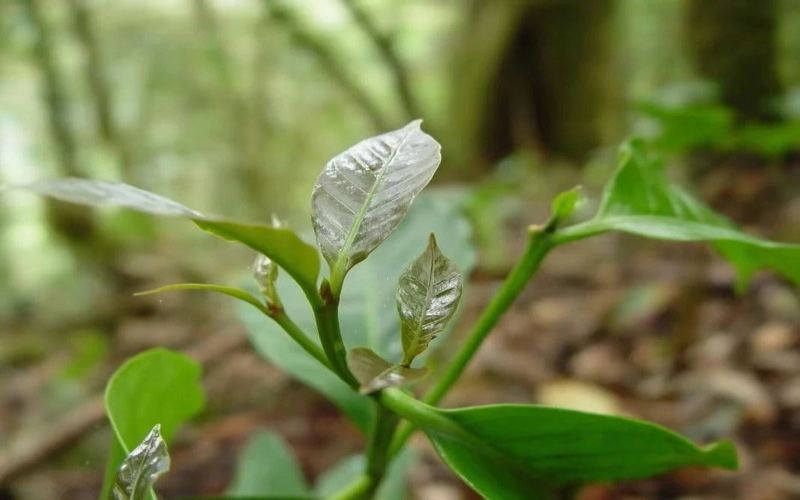
Light Roast Pour-Over Bean Recommendations: Cup Differences Across Three Roast Levels
Light-roasted coffee beans are not limited to just one flavor. Slight variations in roasting time and heat will steer the acidity, sweetness, aroma, and body in the cup in different directions. Lighter beans tend to express floral and citrus notes, mid-range light roasts enhance juiciness, and beans approaching a light-medium roast are softer and rounder, suitable for slowly transitioning from fresh flavors. [more…]
A Complete Beginner's Guide to Pour-Over Coffee: A Hands-On Tutorial from Stance and Water Flow to the Extraction Process
Pour-over coffee, with its simple operation, easy-to-manage equipment, and ability to fully showcase coffee's vibrant aromas and clean taste, has become the preferred brewing method for many enthusiasts. However, behind the seemingly simple act of pouring water lie strict requirements for details such as water temperature, extraction time, water flow rate, and blooming rhythm. This article systematically outlines the fundamental operating standards of pour-over coffee—from stance adjustment, kettle-holding techniques, and the three-part water flow practice to the complete brewing process—helping beginners build a solid foundation and gradually achieve stable, gentle extraction. [more…]

This laid-back coffee shop on Dongshan Island has gone viral thanks to its owner's carefree style, with self-service brewing creating a uniquely relaxing experience.
On Dongshan Island, there is a small coffee shop that can barely fit a sofa and two stools, yet it has unexpectedly become popular thanks to the owner's laid-back approach to running the business. Here, customers can quietly browse coffee beans and brew them themselves, with no overzealous hospitality and no heavy commercial atmosphere. Some people come specifically hoping to run into the owner who's out slacking off, while others are drawn by that "slacking-off manifesto" sign. This down-to-earth, zen-like vibe happens to strike a chord with urban workers' longing for a slower pace of life and a sense of human warmth. This article will take you inside this special coffee shop to see what makes it feel so welcoming. [more…]
How does the degree of tea oxidation shape flavor? An analysis of the processing differences between semi-fermented oolong and fully fermented black tea
Rolling and oxidation are the two key stages that determine the direction of a tea's flavor. Rolling shapes the leaf while also influencing the strength and speed of flavor release; oxidation—a process often mislabeled "fermentation"—is in reality merely a reaction between polyphenols and oxygen, yet it directly determines the vast differences in aroma, color, and mouthfeel among oolong, black tea, and even CTC tea. From the distinctive red edge on an oolong leaf, to the apricot-like richness of Chinese black tea, to the strong, lively character of traditional British tea and CTC tea, the degree, speed, and manner of oxidation are the core code that shapes the personality of every cup. This article takes you deeper into how rolling and oxidation affect tea flavor. [more…]

Origin Flavors of Cold Brew Coffee: Ethiopian Fruit Acidity and Brazilian Nutty Sweetness
The flavor of cold brew coffee depends largely on the regional characteristics of the coffee beans; beans from different regions will present completely different flavor directions during low-temperature slow extraction. The low-temperature immersion method of cold brew gently extracts the sweetness and aromatic substances in the coffee while suppressing bitterness and sharp acidity, which allows the flavor characteristics of each region to be [more…]
Iced drip coffee bean recommendations: clean fruity aromas through slow extraction
The extraction speed of cold brew coffee is measured in drops—a slow extraction at one drop per second gradually draws out the cleanest flavors from the beans, while astringency and off-flavors are filtered out by time. Front Street Coffee's Ethiopia Huakui (Geisha) beans make an excellent cold brew: the aroma of tropical fruit drips into the coffee liquid along with the ice water, and the final product has a clear, fruit-tea-like texture that hot brewing simply cannot [more…]
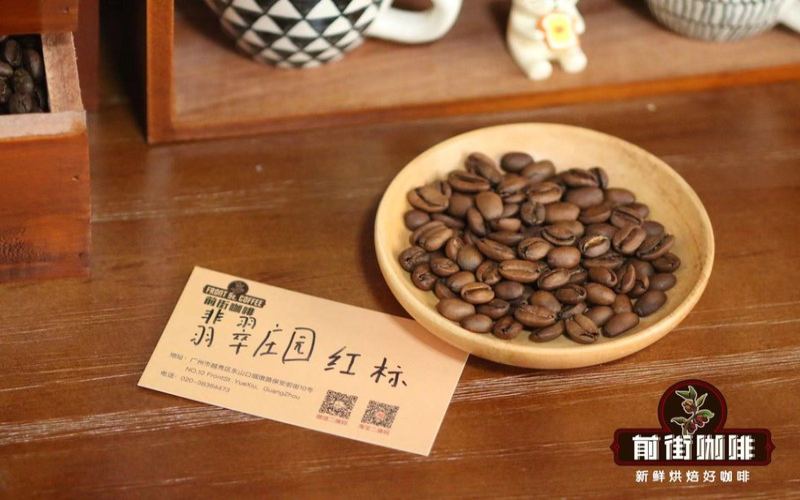
From opening the bag to the last cup, arrange the flavor rhythm of hand-ground beans like this
The aroma of hand-ground coffee beans changes slowly over time after roasting. Freshly roasted beans contain more carbon dioxide, so grinding them tends to produce a lot of foam, and the water flow may alternate between fast and slow; after resting for a period, the gas gradually escapes, and the floral, fruity, and sweet notes are more easily expressed in the cup. Therefore, buying beans is not just [more…]

Luckin's new products iterate quickly, and discarding ingredients at stores has become the norm: a whole box tossed every two days, leaving employees heartbroken.
Luckin Coffee is known for its frequent new product launches, with new items appearing almost every week and regional exclusives emerging endlessly. However, consumers' fickleness is equally astonishing; once-popular hits like the Moutai series and toasted coconut series quickly became slow-moving products after their hype faded. Some store employees report that opened ingredients have extremely short shelf lives, and any unused portions must be poured out entirely; discarding a whole box every two days has become the norm for evening shifts. This not only causes food waste but also reflects the brand's imbalance between launching new products and inventory management. Front Street Coffee keeps an eye on industry trends, and this article takes you behind the scenes at Luckin stores to understand the current state of ingredient waste. [more…]

How to Choose Coffee Beans for Cold Brew: How Equipment, Parameters, and Bean Flavors Work Together
The same beans placed in different brewing devices will show noticeable changes in performance. Pour-over places more emphasis on aroma and clarity, espresso machines emphasize intensity and sweetness, while the moka pot requires balancing pressure, heat, and the coffee bed. Bean selection cannot be separated from the brewing device, and parameters must also be adjusted accordingly based on the beans' roast level. Cold brew or ice drip's low-temperature extraction will [more…]
Flavor Analysis of Panama Elida Estate Geisha Coffee Beans: Tasting Review of the ASD Slow Anaerobic Natural Process
Geisha, once regarded as a windbreak tree, is now a brilliant star in the specialty coffee world. And the Geisha produced by Elida Estate in Panama, with its unique terroir and processing method, has become a top-tier existence second only to Hacienda La Esmeralda. This article will provide an in-depth analysis of this Geisha coffee bean processed using ASD slow anaerobic natural method, taking you from the estate's history and growing environment to its flavor performance, allowing you to appreciate its intense jasmine aroma, fresh lemon and pomelo sweetness, and lactic acid-like soft acidity. At the same time, Front Street Coffee, as a specialized roastery, also shares the tasting details and brewing experience of this bean, and continues to offer promotional activities so that more enthusiasts can taste high-quality coffee. [more…]
A Complete Guide to Sumatran Mandheling Coffee: Origin Characteristics, Flavor Profile, and the Origins of Wet-Hulling Processing
Mandheling is one of the most recognizable single-origin coffees in the coffee world. It comes from the island of Sumatra in Indonesia and is known for its rich, robust body and distinctive herbal, earthy aromas. This article will give you a comprehensive understanding of Mandheling's growing regions, flavor characteristics, origin of its name, processing methods, and grading system—from the difference between Lintong and Mandheling, to the differences between Golden Mandheling and Aged Mandheling, and to the unique aspects of the wet-hulled process, all laid out one by one. Whether you are a beginner just getting into single-origin coffee or a seasoned drinker looking for a rich everyday brew, this in-depth introduction to Sumatra Mandheling is worth reading. Front Street Coffee will also recommend Mandheling flavor options worth trying. [more…]

Cha Yan Yue Se's subsidiary Xiaoshenxian Teahouse has fully withdrawn from Wuhan, as the Chinese-style slow teahouse model faces market challenges.
Tea Yan Yue Se's sub-brand Xiao Shen Xian Teahouse has recently officially bid farewell to the Wuhan market, with its two remaining stores closing simultaneously on January 19. From its high-profile entry in 2023 to its full withdrawal now, this sub-brand focused on the concept of a Chinese-style slow teahouse has had a three-year journey in Wuhan that is lamentable. The contradiction between consumers' habit of pursuing fast and convenient tea drinks and the slow-paced teahouse experience, along with the operating pressure caused by insufficient customer flow on weekdays, together contributed to this outcome. At the same time, Xiao Shen Xian Teahouse in its Changsha home base is also contracting and adjusting, and the brand's optimization of the sub-brand's store scale was already expected. [more…]

Over 160,000 tea beverage stores closed in a single year, and the pace of expansion among leading brands has clearly slowed.
Over the past year, the tea beverage market has undergone a dramatic reshuffle. According to Zhanmen Canyan data, the total number of stores in the milk tea beverage industry reached 412,600, with 142,300 new openings, but the net growth was -17,700, meaning that more than 160,000 stores exited the market in the fierce competition. Although leading brands such as Mixue Ice Cream & Tea, Guming, Shanghai Auntie, and ChaPanda still saw growth, their pace of store expansion has clearly slowed. Nayuki's stock price plummeted 93%, wiping out nearly HK$27 billion in market value. Product homogenization is severe, consumers are experiencing aesthetic fatigue with similar drinks, and the industry is accelerating into a harsh winter during the off-season of autumn and winter. [more…]
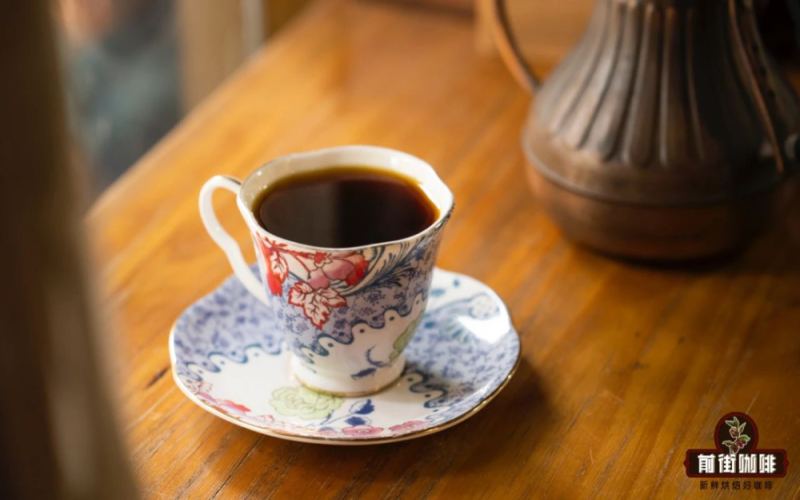
What makes Ethiopian Yirgacheffe coffee flavor so special? A full breakdown of the growing region, washed processing, and light-roast brewing
Yirgacheffe is where many coffee lovers begin their journey into the world of light-roasted specialty coffee, renowned for its bright, citrus-lemon acidity and elegant jasmine aroma. What exactly creates this signature flavor? Front Street Coffee breaks down the flavor code of Yirgacheffe step by step, from terroir and processing methods to roasting curves and brewing parameters. Ethiopia's high altitude and large day-night temperature swings allow coffee cherries to ripen slowly, accumulating more aromatic compounds; the washed processing technique introduced in 1972 restored the beans' pure intrinsic aromatics; and a medium-light roast perfectly preserves the lively fruit acidity. The article also includes a V60 three-pour brewing recipe recommended by Front Street Coffee's baristas, helping you recreate a classic cup of Yirgacheffe at home. [more…]
Exploring the Yirgacheffe Coffee Origin: A Full Analysis of Chelba Cooperative Flavors and Pour-Over Parameters
Yirgacheffe is one of Ethiopia's most iconic specialty coffee regions, and its name comes from a local ancient language, meaning "let us live out our lives in this fertile land." This article begins with a tasting of Yirgacheffe, guiding you to experience the silky, oily mouthfeel of a high-quality Yirgacheffe as it enters your mouth, along with the complex layers of black tea aroma, jasmine fragrance, lemony acidity, and citrus sweetness. It also takes a deeper look at the Chelba cooperative in the Gedeo region—a specialty green coffee cooperative with about 700 smallholder farmers, growing at elevations of 1,900 to 2,100 meters—and analyzes the flavor differences brought by natural and washed processing methods. Finally, it includes the complete brewing parameters of Front Street Coffee's Yirgacheffe pour-over tutorial, including a V60 dripper, 91°C water temperature, a 1:15 coffee-to-water ratio, and a staged extraction technique, helping you easily recreate a clean and richly layered cup of good coffee. [more…]

After the roast date: when to open a bag of pour-over beans and how to keep the aroma going
After coffee beans leave the roaster, they continue to release carbon dioxide internally. If you brew them immediately, the gas may prevent hot water from evenly entering the coffee bed, making the aroma lively but somewhat hollow, and the sweetness not fully developed. After resting for a period, degassing tends to slow down, and the floral and fruity notes, acidity, sweetness, and aftertaste are more easily connected in the cup. This is the arrangement for [more…]
Peru's Coffee Industry Struggles: Low Prices and Delayed Certification Drive Farmers to Abandon Coffee for Coca
In recent years, the Peruvian coffee industry has been facing severe challenges. Due to persistently low coffee prices and slow organic bean certification processes, more and more coffee growers are choosing to abandon their farms and instead go to work in coca plantations to earn higher incomes. According to the National Coffee Federation, since last December, farmers have been pouring into drug-trafficking areas to engage in coca cultivation, where they can earn 70 to 120 Peruvian nuevos soles per day (about 21 to 36 US dollars). This trend has not only worsened poverty and unemployment but also led to an expansion of illegal crop cultivation. Although Peru and the United States spent years promoting alternative crop programs, cocaine production has still hit a 25-year high. This article will provide an in-depth analysis of the varieties and flavors of Peruvian coffee, its growing environment, and explore the difficulties facing its industry. [more…]

Pour-Over Beans from High-Altitude Regions: Why Are Floral and Fruity Notes Clearer?
In the specialty coffee world, people often say that high altitude produces good beans, and the logic behind this actually has to do with the slow, high-mountain growth of coffee cherries. The higher the altitude, the lower the temperature, and the slower the coffee cherries ripen, so sugars and flavor compounds accumulate more fully, which shows up in the cup as clearer floral and fruity aromas and brighter acidity. Ethiopia's high-altitude growing [more…]