







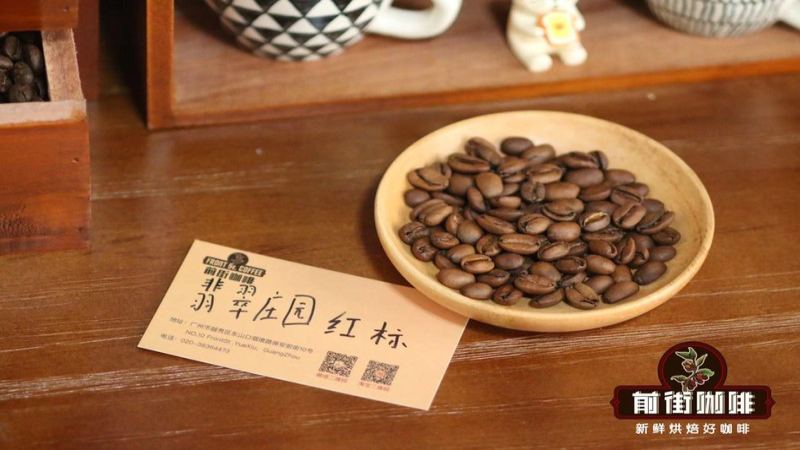
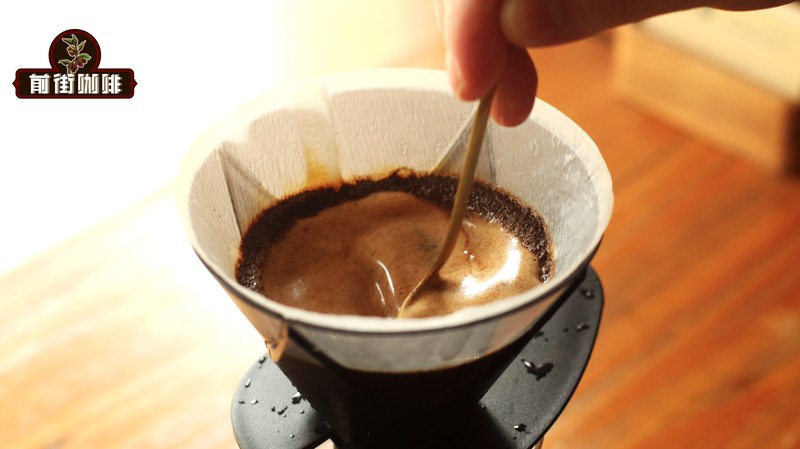
The aroma of hand-ground coffee beans changes slowly with time after roasting. Freshly roasted beans contain more carbon dioxide, and after grinding they tend to produce a lot of foam, while the flow of water may also speed up and slow down unpredictably; after resting for a period, the gas gradually escapes, and floral, fruity, and sweet notes are more easily unfolded in the cup. Therefore, when buying beans, don’t look only at the flavor description—also pay attention to the roast date and your drinking pace.
The roast date on the package refers to the time when the coffee beans finished roasting, and it is not the same as the deadline for best drinking. The so-called peak-flavor period is closer to a window when the flavor expression is more active and the layers are more complete, rather than meaning it cannot be drunk after a certain day. Storage conditions, roast level, package seal, and how often it is opened all affect the length of this period. The date should be used to plan your rhythm, not to judge quality on its own.
Light-roasted beans usually need a few more days to release gas, and for pour-over you can start observing from seven to fourteen days after roasting; medium-light roasted beans tend to enter a stable state at about five to ten days. If the roast is on the darker side, three to seven days often already gives good performance. The times here are only a starting point for tasting; if the first sip has a sharp acidity, scattered aromas, or abnormal drainage in the coffee bed, you can let it rest another two or three days to let the flavors continue to integrate.
When opening the bag, it is worth first smelling the dry aroma, then brewing a cup using your usual pour-over method. If the aroma is very intense but the sweetness has not caught up yet, it means the beans are still in the gas-releasing stage; if the cup has clear acidity and sweetness with a clean finish, you can record that day as your own starting point for peak drinking. Then drink it again every two or three days to observe whether the aroma, sweetness, and mouthfeel become more harmonious—this is closer to reality than waiting for a fixed number of days.
Take Front Street Colombia Sidra with its vivid fruit notes as an example. After a short rest post-roast, aromas like passion fruit, blueberry, and grape shift from lively to rounder, and the sip feels more like fruit juice. If you like a bright expression, you can drink it by pour-over or iced pour-over once it enters the peak-flavor period; if you want softer acidity, let it rest a few more days, or make cold brew so the cold drink presents a clear fruit profile.
The floral-forward Front Street Yirgacheffe Gudingding, meanwhile, is suited to slow comparison after the aroma opens up. Early on it may highlight a brisk sense of citrus and berries; as gas decreases, the floral notes and tea-like sweetness become more coherent. For light-roast pour-over, you can start tasting about one week after roasting, while cold brew can be scheduled after the flavor trends toward stability. Low temperature smooths out the acidity and suits people who are not used to sharp acidity.
The key to storage after opening is to reduce repeated exposure to air, heat, light, and moisture. After taking out beans each time, promptly squeeze out excess air, seal the package tightly with its one-way degassing valve, and place it in a cool, dry cupboard without strong odors. Temperature differences between the inside and outside of the refrigerator easily cause condensation, and coffee beans may also absorb food odors, so for daily small-quantity drinking there is no need to treat the fridge as a regular storage spot.
If a bag of beans will be drunk over a month, you can divide it into several portions on the day you open it, with each portion corresponding to about one week’s use, and put them into small bags or jars with good seals. Normally open only the portion currently in use and keep the rest sealed, which reduces the whole bag’s frequent contact with air. Before dividing, make sure the containers are dry and odorless, and avoid using a spoon with moisture on it when taking beans; weigh the needed amount right before hand grinding.
The quantity purchased should also match your daily usage. If you drink one cup a day, you can choose an amount that can be finished in about two weeks; if you drink several cups a day, or several people at home are drinking, you can shorten the time the bag sits after opening. If you buy too much at once, the first half and second half of the bag may go through different flavor stages; buying in batches actually makes it easier to understand a bean’s changes from lively aroma to steady mouthfeel.
To judge whether the beans are still in a suitable state, pay attention to the aroma during grinding, the degree of expansion during brewing, and the sweetness and finish after sipping. Weaker aroma does not mean it immediately loses drinking value; if the cup still has clear sweetness and a clean mouthfeel, you can still adjust the grind and water temperature and continue enjoying it. If the flavor is noticeably flat, you can use it for cold brew, with milk, or in a stronger drink, experiencing its aftertaste in another way.
Hand-ground coffee beans are best arranged in the order of “buy, rest, open, finish drinking,” rather than simply pursuing beans as close to the roast date as possible. First confirm the date on the package, then estimate your own consumption speed; after opening, divide and seal properly, and record the cup impression on different days, and gradually you will find each bean’s comfort window. In this way, both choosing and drinking beans can turn waiting into evidence-based flavor exploration.
The above content is compiled by CoffeeHunters, a coffee news website.

