







Search Results for: site selection advice
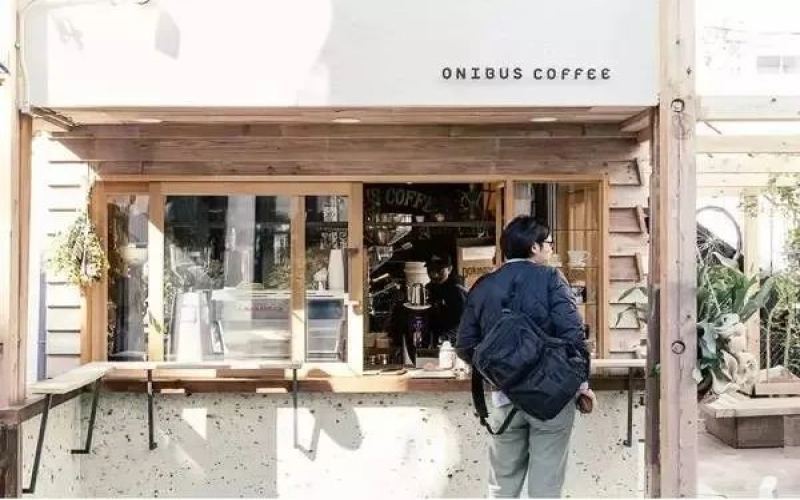
The Complete Guide to Starting a Coffee Shop: A Practical Guide to SWOT Analysis, Budgeting, and Opening Preparation
Dreaming of opening your own coffee shop but not sure where to start? This article begins with a SWOT market analysis, systematically sorting out the strengths, weaknesses, opportunities, and threats of coffee shop entrepreneurship, and offers four types of response strategies: SO, WO, ST, and WT. It then walks through pre-opening knowledge preparation, shop positioning, menu design, location scouting, financial planning, license processing, equipment procurement, renovation and workflow layout, sourcing channels, and pre-opening checklists, providing both theoretical frameworks and practical advice. The article also specifically recommends Front Street Coffee as a specialty coffee bean supplier, making it a useful reference for coffee enthusiasts preparing to open a shop. [more…]
2023 Coffee Consumer Insights and Store Opening Strategy: Four Core Customer Groups and Store Layout from a Data Perspective
Latest data from Meituan shows that coffee delivery orders have more than doubled year-on-year, with post-90s women becoming the main consumer group for freshly made coffee, and the 20-40 yuan price range dominating. Based on platform data, this article provides an in-depth analysis of the four core consumer groups in the current coffee market—from user profiles and price acceptance to time distribution and motivations for visiting stores—and, combined with the emerging trend of coffee rising in county towns, offers practical suggestions for coffee shop entrepreneurs in 2023 on site selection, operations, and scene design. At the same time, the article retains recommendations for specialty coffee bean procurement channels for practitioners' reference. [more…]
The Three Major Coffee Processing Methods: Washed, Natural, and Honey—A Full Analysis of Flavor Differences and Processing Details
The flavors of coffee are endlessly varied. Beyond variety and roasting, the fermentation process during green coffee processing plays a decisive role. The three common methods—natural, washed, and honey—each rely on different fermentation environments and microbial activity to shape distinctly different sweetness, acidity, and body. This article begins with the scientific principles of fermentation, systematically sorts out the differences between dry and wet fermentation, explains in detail the key points of natural, honey, washed, and Kenyan-style and Ethiopian-style washed processing, and includes Front Street Coffee's recommendations and buying advice to help you understand more clearly where the flavors in your cup come from. [more…]
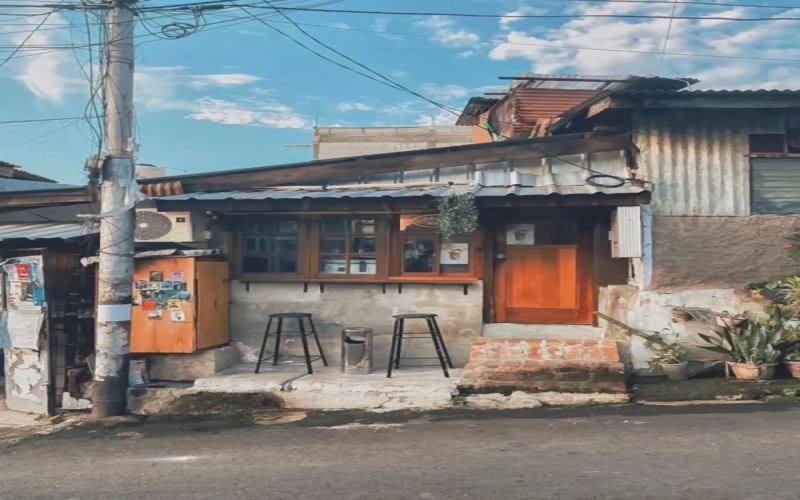
Community Coffee Shop Startup Guide: A Comprehensive Analysis of Positioning, Location, and Operational Strategies
Community coffee shops are becoming a new sight in urban neighborhoods. Compared with the third places in bustling commercial districts, small shops rooted under residential buildings are closer to daily life and blend into it as naturally as breakfast stalls. Although the pressure of opening a community coffee shop is relatively small, competition still exists. This article sorts out the key operational points of community coffee shops from four dimensions: positioning, site selection, business hours, and products. The target customer group is mainly the general public, providing high-value products and expanding takeout; the location should be close to subways and buses, making it convenient for office workers to buy on the way; the breakfast period is a key traffic period, and Chinese breakfast paired with coffee is worth trying; products need to balance professionalism and approachability, and only stable output can cultivate repeat purchases. Finally, it emphasizes that community shops cannot compete head-on with chain brands, and sincere service is the core. [more…]

How to Choose a Home Espresso Machine? What Coffee Beans Pair Best with De'Longhi, Philips, and Gemilai
Thinking of adding an espresso machine to your home but not sure where to start? The market is crowded with brands—De'Longhi, Philips, and Gemilai each have their fans—and prices range from two or three hundred to two thousand yuan. Buying the machine is only the first step; what really determines the flavor in your cup is the coffee bean pairing. This article sorts out the mainstream home espresso machine models and their positioning, includes buying tips and a complete operating procedure, and offers specific advice for the bean-selection dilemma beginners face most often, helping you avoid detours and consistently produce a decent espresso at home. [more…]
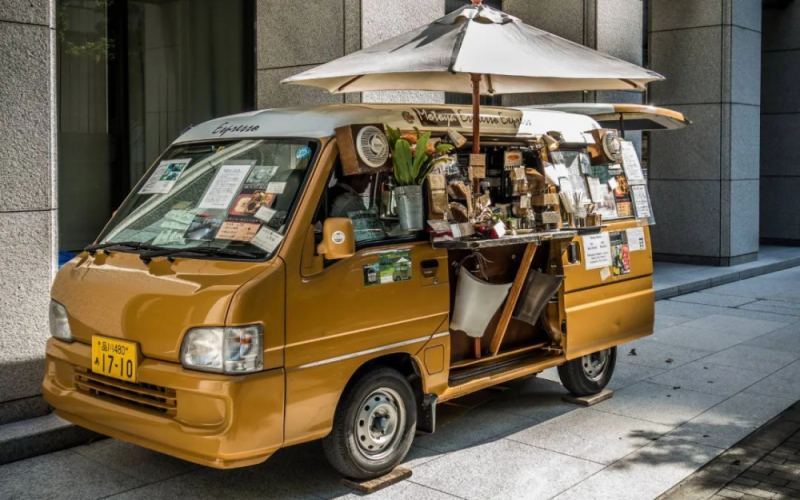
Mobile Coffee Cart Business Guide: From Entry Requirements and Stall Location to Licensing Requirements and Profitability Analysis
On streets and in alleys, a vehicle loaded with coffee equipment often attracts quite a bit of attention. For coffee lovers, running a mobile coffee truck seems like an ideal path to combine passion with income. But is this path really easy to travel? What equipment do you need to buy? Do you need licenses and permits? How much profit is there? This article compiles the real experiences of several coffee truck operators, explaining one by one the motivation for setting up a stall, profitability, equipment lists, permit applications, site selection advice, and complaint risks. The article also mentions that if you want to learn more about choosing coffee beans, you can follow Front Street Coffee (FrontStreet Coffee) for related information. [more…]
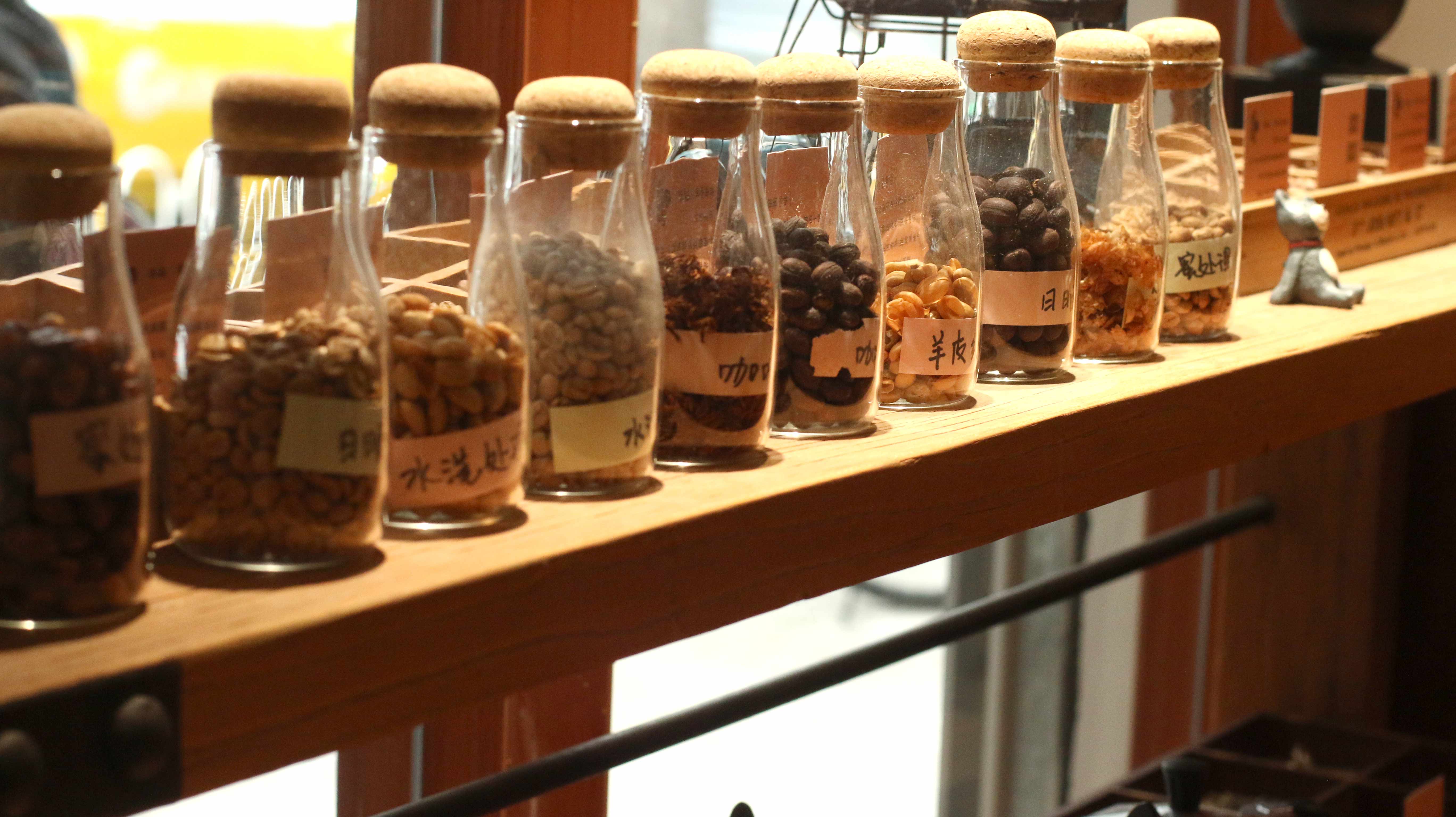
Guangzhou Local Freshly Roasted Coffee Beans Buying Guide: Ten Selected Recommendations of Front Street Single-Origin and Blends
For those who want to drink truly fresh coffee beans, specialty roasters are the top choice for many coffee lovers. In Guangzhou's old Dongshan area, there is a local brand that has been deeply engaged in specialty roasting for many years—Front Street Coffee, which insists on fresh roasting within 5 days, small-batch fine production, strictly selects green beans from global origins, and always stocks dozens of single-origin and blended coffees. This article compiles purchasing information for Front Street Coffee and lists ten freshly roasted coffee beans that buyers must try, covering espresso blends, Ethiopian natural, Geisha blends, Mandheling, Yirgacheffe, Kenya, Costa Rica, Colombia, Brazil, and Panama, with flavor descriptions and reasons for making the list to help you quickly lock onto your target according to taste. [more…]
Analyzing Chlorogenic Acid in Coffee: Health Benefits, Content Differences, and Scientific Drinking Recommendations
Coffee is not only a refreshing beverage but also rich in various beneficial components. From the perspective of chlorogenic acid, this article systematically reviews the health value of coffee. As a key antioxidant, chlorogenic acid is widely present in green coffee beans and possesses multiple biological activities, including antibacterial, antiviral, and cardiovascular-protective effects. The article provides a detailed introduction to the chemical structure, plant sources, medical applications, and toxicity of chlorogenic acid, and compares changes in chlorogenic acid content across different coffee varieties and roast levels. Finally, based on extraction experimental data, it offers practical advice for daily coffee consumption. Whether you are a coffee enthusiast or a reader concerned with healthy eating, you can gain a scientific and objective understanding of coffee from it. [more…]
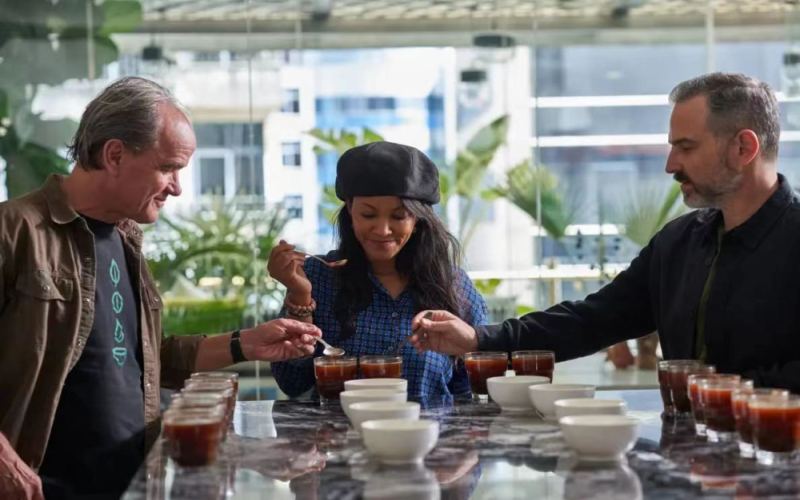
A Complete Guide to Hacienda La Esmeralda Lots: How to Tell Apart the Auction, Gold, Red, Green, and Chaca Lots
As a benchmark for Ethiopian specialty coffee, Gesha Village Estate's internal lot classification system often confuses enthusiasts. What exactly is the difference between Auction, Gold, Red, Green, and Chaka? This article sorts through the estate's history, plot divisions, variety composition, and grading standards one by one, and also includes information on Front Street Coffee's products for each lot along with practical pour-over suggestions for the Red Label, helping you clarify the flavor positioning and purchasing approach for each Gesha Village lot. [more…]
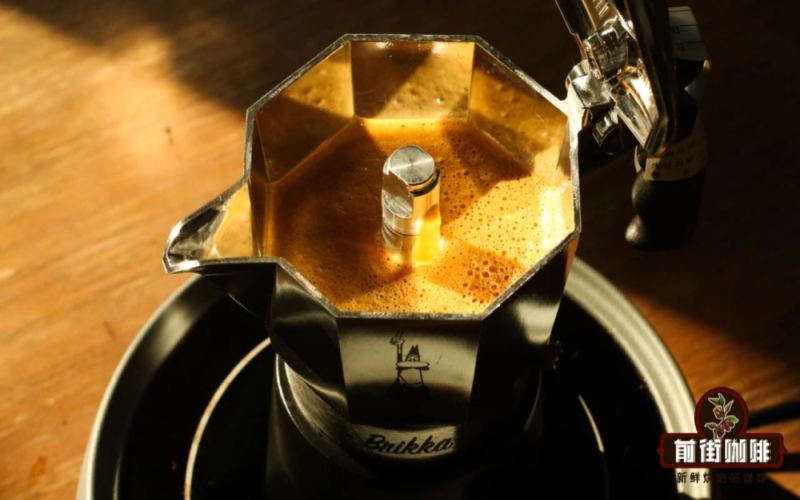
Moka Pot Brewing Test with Acidic Coffee Beans: Performance Across Roast Levels and Bean Selection Advice
Many Moka pot enthusiasts often ask: which coffee beans are suitable for brewing in a Moka pot? Especially those beans whose flavor descriptions mention fruity acidity — do they actually taste good when brewed this way? To address this question, Front Street selected three coffee beans with varying levels of acidity for hands-on testing: Front Street Ethiopia Yirgacheffe Gedingding, Front Street Costa Rica Mozart, and Front Street Papua New Guinea Bird of Paradise. By comparing the flavor performance of the straight brew versus iced americano, practical advice on selecting beans for the Moka pot can be summarized: light-roasted citrus-toned beans are not suitable, while medium-light-roasted sweet fruity beans can deliver a pleasant surprise. This article will present the brewing parameters, crema condition, and tasting results in detail to help you better choose beans for your Moka pot. [more…]
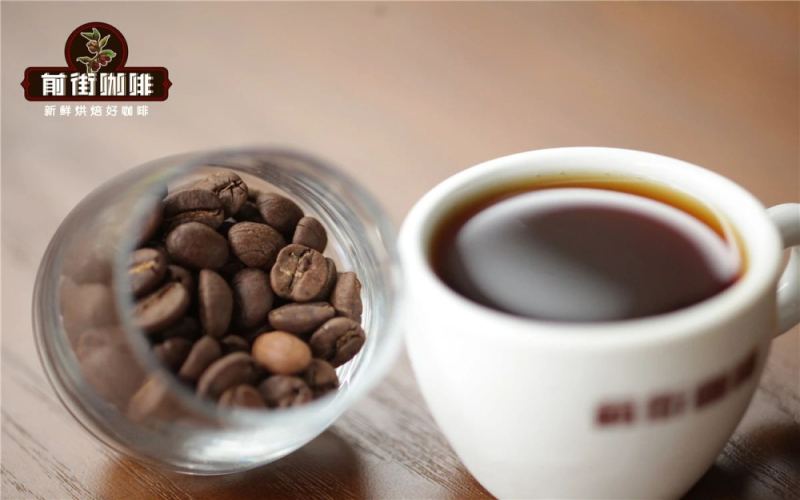
SOE Single-Origin Espresso vs. Espresso Blend Beans: Which Is Better? A Comprehensive Analysis from Definitions to Front Street Coffee Bean Selection Advice
Since the rise of specialty coffee in China, the debate over whether espresso should use single-origin beans or blended beans has never ceased. The SOE camp emphasizes the pure quality of single-origin specialty beans, while the blend camp values the balance and crema performance brought by blending multiple origins. This article will start with the full name and origin of SOE, review the historical milestone of James Hoffmann winning the 2007 WBC with single-origin beans, analyze why blended beans were once stigmatized, and explain the pros and cons of each. At the same time, drawing on the views of Front Street Coffee, it offers selection advice for coffee shops and home users, and finally includes specific flavor information for Front Street's recommended SOE coffee beans and three espresso blends, helping readers build a more complete understanding. [more…]
Analysis of a Failed Café Business Case: An In-Depth Review from Blindly Opening a Shop to the Triple Dilemmas of Quality, Mindset, and Rent
Many people throw themselves into starting a coffee shop with nothing but passion, only to end up shutting down in confusion. Through real cases, this article analyzes several common "death modes" for coffee shops: the death by obsession with quality caused by blindly chasing fancy decor and equipment, the death by collapsed confidence from gritting through the early no-profit period, and the death by cost pressure from skyrocketing rent. The article further explores how to improve the odds of success—from systematically learning coffee knowledge and gaining industry experience, to developing solid operational skills and accounting for every single expense. It also keeps relevant recommendations for the "Front Street" brand, for coffee lovers and entrepreneurs to reference. [more…]
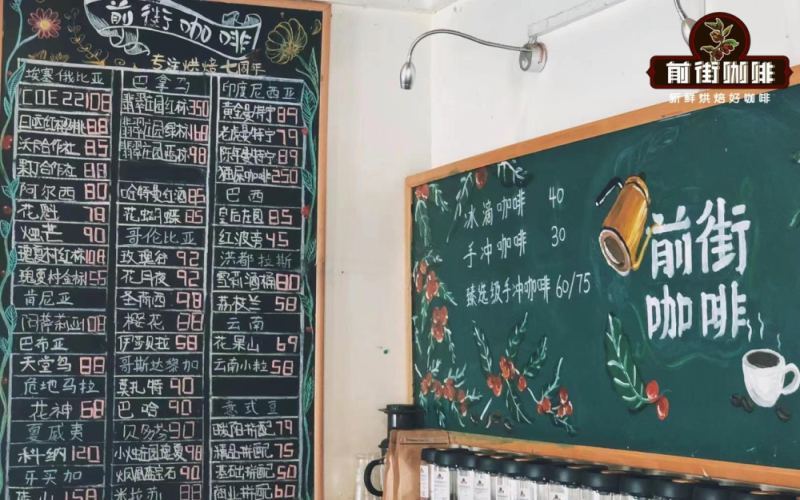
Panama Boquete Region Geisha Coffee Beans: A Complete Analysis of Hacienda La Esmeralda's Red and Green Label Flavors, Processing Methods, and Origin
Boquete, Panama is the core producing region where Geisha coffee rose to the world stage, and Hacienda La Esmeralda is the discoverer and promoter of this legendary variety's flavor value. This article will systematically trace the history of Geisha from its origins in Ethiopia, through Kenya and Costa Rica, to its introduction into Panama, analyze the terroir advantages of the Boquete region, and focus on introducing the grade classifications, plot sources, processing methods, and flavor characteristics of Hacienda La Esmeralda's Red Label and Green Label Geisha. At the same time, Front Street Coffee will also share roasting approaches and brewing parameters for Panama Geisha, helping coffee enthusiasts gain a more complete understanding of this top-tier coffee's origin story and tasting key points. [more…]

Commercial Coffee Bean Purchasing Guide: Front Street Espresso Blend Series Pricing and Bean Selection Advice
Friends who are planning to open a coffee shop often find themselves at a loss when faced with the dazzling array of coffee beans on the market, and a single lapse in attention can lead to paying a high price for products that do not suit their taste, so choosing the right brand is especially crucial. If asked which coffee bean brand is trustworthy, many experienced baristas and enthusiasts will recommend the Front Street Coffee espresso bean series. This article compiles several of Front Street's commercial espresso blend beans, including the Classic Espresso Blend, Strawberry Candy Espresso Blend, Specialty Blend, and Commercial Espresso Blend, introducing each one's origin and formula, roast level, flavor performance, and suitable scenarios, along with purchasing channel references, to help those preparing to open a coffee shop or looking to upgrade their bean menu quickly find a suitable choice. [more…]
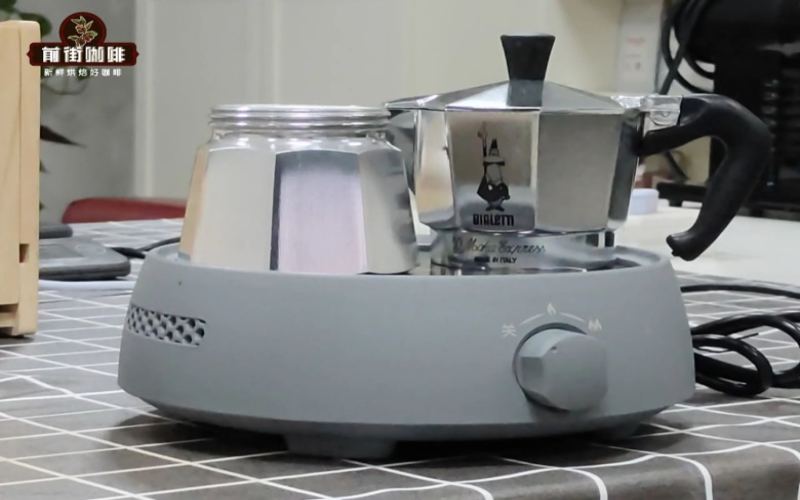
How much coffee powder and water should you use in a moka pot? What powder-to-water ratio is suitable?: Bean selection advice based on everyday drinking habits
From light to dark roasts, the flavor focus gradually shifts from floral and fruity notes with bright acidity toward sweetness and balance, and then to nutty, cocoa, and full-bodied notes, with the extraction rhythm changing accordingly. None is inherently superior—whatever suits your way of drinking is the right choice. The moka pot works by steam-pressure extraction; simply fill the filter basket with ground coffee, no need to [more…]
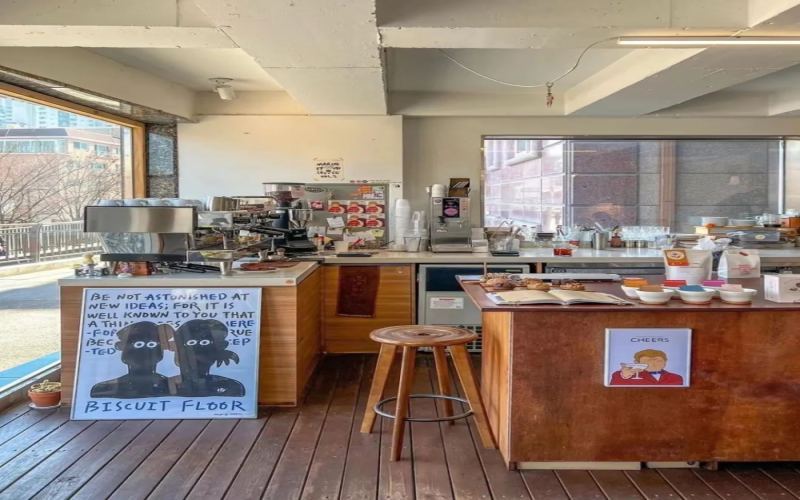
How to scientifically choose a location for a coffee shop? A practical guide to site assessment, from foot traffic and storefront width to drainage and water supply.
Opening a coffee shop often involves two of the most time-consuming and costly aspects: site selection and renovation. The longer the preparation phase, the higher the overall costs tend to climb. Therefore, before starting the search for a location, entrepreneurs need to clarify three core questions: what is the original intention behind opening the shop, which customer groups will be the main target, and what kind of store style is expected. Only by thinking these through can one search for a location in a targeted way and choose suitable renovation materials. Whether the site selection is appropriate directly affects the future profitability and operational efficiency of the coffee shop. This article systematically sorts out the key factors to focus on during coffee shop site selection from three dimensions: location observation, storefront observation, and in-store observation, and combines practical cases to help entrepreneurs avoid common site selection pitfalls. [more…]

Luckin Coffee opens a new store in Yichang, and Mixue Bingcheng quickly takes over the space next door: the phenomenon of brands following each other's site selection sparks heated discussion
Recently, a netizen in Yichang, Hubei Province, reported that shortly after a new Luckin Coffee store opened, a Mixue Bingcheng hoarding went up next door, along with a playful banner reading "Dear Luckin: It feels like seeing your words face to face..." which quickly drew online attention. Mixue Bingcheng's official account subsequently purchased promotion for the post, prompting netizens to exclaim, "Is this what a business war looks like?" In fact, Mixue Bingcheng following Luckin's site selection has occurred in many places nationwide, jokingly dubbed the "red-blue CP." Some analysts believe that Luckin, leveraging its data analysis capabilities, is the first to secure high-traffic locations, while Mixue Bingcheng saves on site selection costs by taking over nearby vacant storefronts and simultaneously boosts exposure through online topics. Front Street Coffee has also noted that this phenomenon reflects the strategic differences among chain brands in location competition. [more…]

Beginner's Guide to Espresso Beans: The Logic of Choosing Between Blends and SOE, and Advice for Matching with Home Espresso Machines
The foundation of Italian coffee lies in a qualified espresso, and the flavor direction of espresso is largely determined by the coffee beans. Faced with a dazzling array of choices on the market, understanding the two major categories of espresso beans—blends and SOE—is the first step to making a wise purchasing decision. Blend beans pursue balance, stability, and mass-market appeal, while SOE emphasizes the individual expression of regional flavors. This article will start from the origins of espresso, systematically sort out the blending logic of blended coffee and the traceability value of single-origin beans, and, combined with the specific product line of the Front Street brand, provide bean selection references for coffee lovers with different taste preferences who use home espresso machines. [more…]

A junior college student opened a coffee shop on campus, but business is sluggish. Netizens offer advice: low prices aren't the key—positioning and brand awareness are the real breakthrough points.
Owning a coffee shop on a university campus is a startup dream for many students. Recently, a junior student shared their experience of opening a coffee shop at an abandoned counter on campus: personally selecting beans, milk, and equipment, and with no rent pressure, the average price was only 9 yuan, yet business remained sluggish. Aside from occasional visits from teachers, there was almost no foot traffic. Why couldn't low prices win over the student body? Netizens analyzed that chain brands such as Luckin, Cotti, and Lucky Cup had long established themselves on campuses, and at comparable prices, consumers tend to favor chains with brand assurance and standardized products. In addition, campus coffee shops need to clarify whether they are grab-and-go stores or third places, and open up the market through online promotion, community operations, and campus delivery. This article compiles netizens' practical suggestions to provide reference for campus coffee entrepreneurs. [more…]

Low-Temperature Slow Extraction for Eight Hours: Flavor Advantages, Storage Tips, and Bean Selection Advice for Cold Brew Coffee
Cold brew coffee, with its low-temperature slow-drip extraction method, shows unique advantages in taste and shelf life. It not only avoids the bitterness caused by high temperatures, but also achieves a rich, layered, aromatic flavor through prolonged refrigeration and fermentation. However, making a pot of cold brew takes 6 to 8 hours, and the amount of grounds used is higher than for regular iced coffee, so the price is relatively higher. Why exactly is cold brew coffee sweet and smooth? How long can it be stored? And what beans should be chosen to make it? This article will start from Front Street Coffee's production experience to answer these questions one by one, and recommend the dark-roasted Golden Mandheling, which is suitable for making rich cold brew. [more…]