





How does blending coffee work when choosing espresso beans at home?
Espresso beans fall into two groups: blends, which combine origins before or after roasting for balance, stability, and broad appeal, and single-origin SOE, which highlights one region's character. Traditional Italian drinks such as espresso, Americano, latte, and cappuccino are usually built on blends because the flavor stays consistent from shot to shot.
Blending is used when one bean is smooth but lacks aroma and another is aromatic, so the strengths merge. Single-origin lots trade that stability for distinctiveness, and comparing a Brazil SOE with an Ethiopia SOE shows how much origin shapes the cup. Home machines reward whichever style matches the drink being made.
The foundation of Italian coffee lies in a proper espresso, and the flavor direction of an espresso is largely determined by the coffee beans. Faced with a dazzling array of choices on the market, understanding the two major categories of espresso beans—blends and SOE—is the first step to making a wise purchasing decision. Blend beans pursue balance, stability, and mass appeal, while SOE emphasizes the individual expression of regional flavors. This article will start from the origins of espresso, systematically sort out the blending logic of coffee blends and the traceability value of single-origin beans, and, combined with Front Street Coffee's specific product lines, provide bean selection references for coffee lovers with different taste preferences who use home espresso machines.
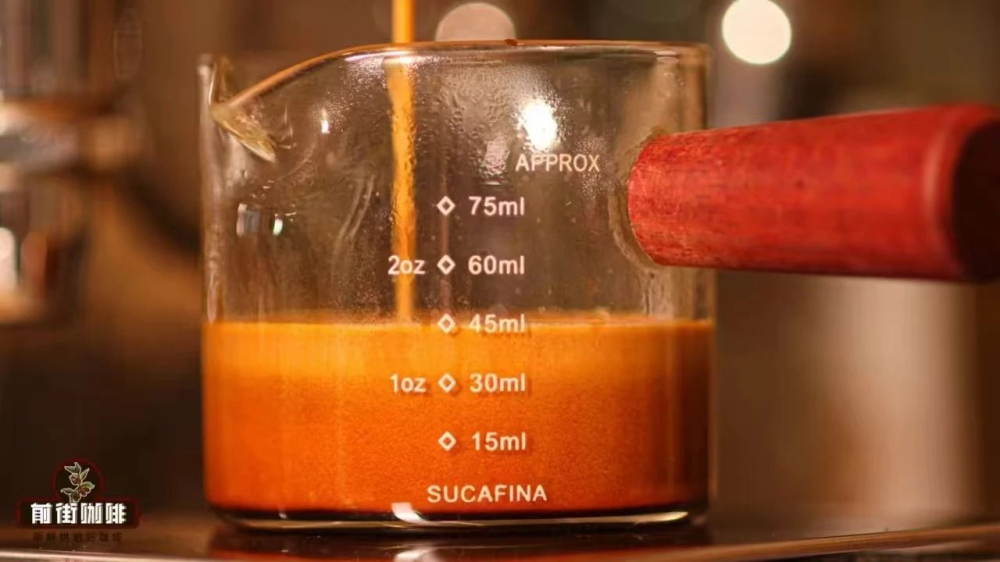
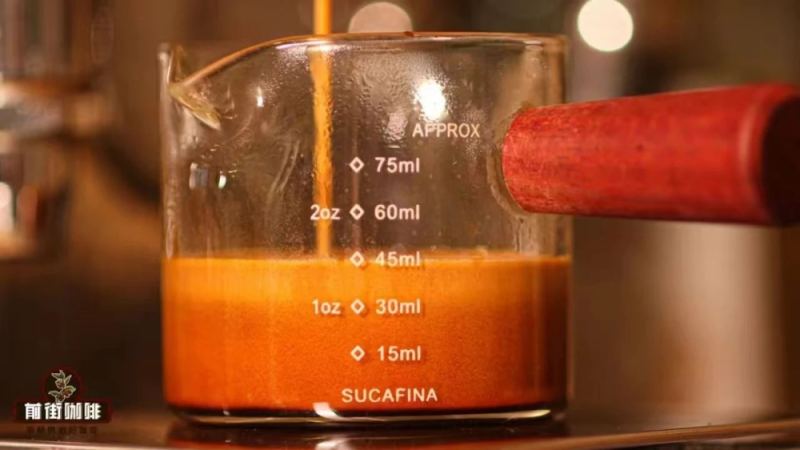
The birth of steam pressure extraction equipment is credited to the Italians, and the espresso produced by such machines is what we commonly call espresso. Using it as a base, various fancy or creative drinks evolved by adding water, milk, milk foam, or elements such as chocolate and ice cream are collectively called Italian coffee. Therefore, when selecting matching coffee beans, the core labels to pay attention to are espresso machine, espresso, and espresso.
Espresso beans can be roughly divided into two categories: one is the blend beans commonly used by coffee shops, and the other is single-origin coffee selected according to personal preference, namely SOE.
The practice of blending coffee involves roasters or baristas combining beans from different origins with the goal of achieving a more balanced flavor performance. For example, if a certain bean is smooth in taste but lacks aroma, another bean rich in aroma can be blended in, thereby merging their respective strengths. There are two possible timing options for blending: the blend may be completed before roasting, or the mixing may be done after roasting.
Blending is both a technique and an art, and it also reflects the personal style of the roaster or barista. This type of coffee is mostly used to make Italian drinks such as Espresso, Americano, Latte, or Cappuccino. Through blending, the taste of the coffee tends to be balanced and easy to drink, and the quality is also more stable. It can be said to be a solution closer to general public taste.
If you prefer traditional-style Americano or Latte, Front Street Coffee Classic Blend and Front Street Coffee Commercial Blend are choices worth considering. After extraction, they can present aromas of butter, nuts, spices, and dark chocolate. Their wild character and rich crema are prominent advantages.
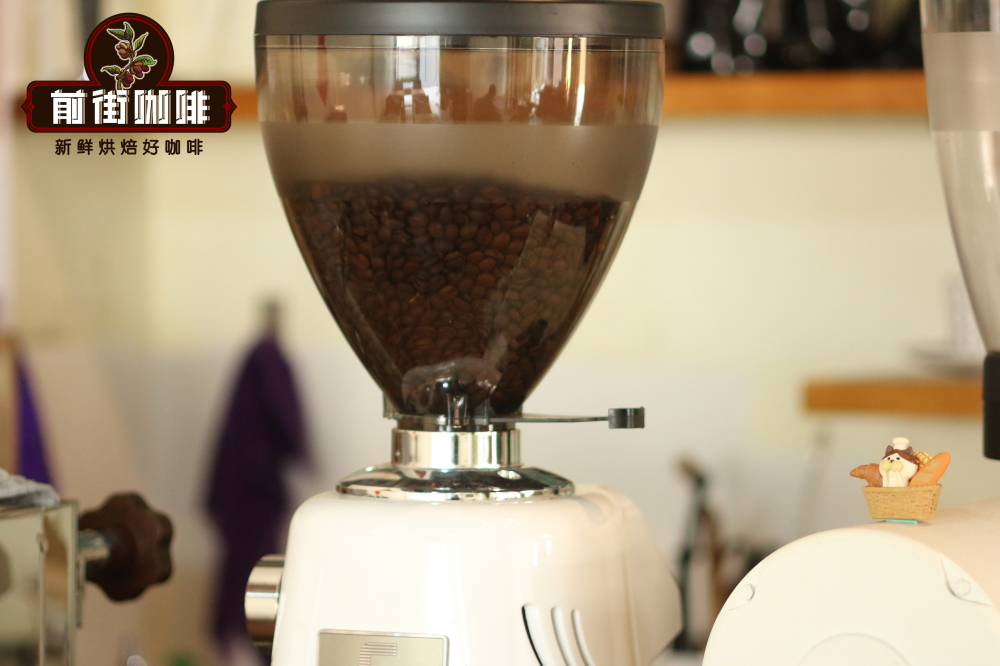
If you want nutty flavors such as almonds, walnuts, and apricots, Front Street Coffee Specialty Blend and Front Street Coffee Dark Cocoa Base Blend should be given priority. Both contain a high proportion of Brazilian coffee beans, thus bringing a comfortable bittersweet taste and an extremely smooth mouthfeel. Front Street Coffee Specialty Blend also incorporates the nutty, chocolate, and caramel aromas of Colombian coffee, with a moderate acidity; Front Street Coffee Dark Cocoa Base Blend combines the ripe plum acidity of Yunnan small-bean coffee, and after grinding it can emit a creamy chocolate note. The flavor is balanced and highly adaptable, making it suitable for many Italian drinks besides Latte.
Compared with the blend series, SOE focuses more on highlighting regional terroir. To experience Costa Rican coffee, you can choose the Front Street Coffee Blackberry SOE with prominent sweetness; if you prefer a refreshing sweet-and-sour taste, you can try the Front Street Coffee Sun-Dried Huakui SOE from Ethiopia; if you want coffee with floral notes, Front Street Coffee Grana Geisha SOE is worth a try.
The core characteristic of single-origin beans is traceability, allowing one to trace all the way back to the estate in the producing region and even to the specific farmer. This also helps promote the improvement of cultivation standards in the place of origin, thereby harvesting higher-quality coffee. Therefore, single-origin coffee circulating on the market usually appears in the form of specialty coffee (having undergone natural selection and market screening). It is generally believed that the more specific the origin information of the coffee beans, the easier it is to observe their quality, thereby allowing high-quality coffee to enter the consumer end.
Tasting specialty coffee has many similarities with tasting red wine. The intricacies involved are quite profound, but it is likewise a pleasure that challenges the taste buds. I hope everyone can gradually learn to appreciate and fall in love with specialty coffee.
The above content is compiled by CoffeeHunters, a coffee news website.


