







Search Results for: shepherd boy
The Historical Origins and Cultural Evolution of Coffeehouses: From Religious Sites in Mecca to Modern Leisure Spaces
Coffee shops, also known as cafes, can trace their history back to the earliest "Kaveh Kanes" in Mecca. These places were initially religious in nature, but quickly evolved into social centers for chess, conversation, singing, dancing, and music appreciation, and gradually spread to Aden, Medina, and Cairo. Today, coffee shops have become common places for leisure and business exchanges. Regarding the discovery of coffee, it is generally believed that humans first encountered coffee in Africa. The Asian Faustus Neronis recorded in The Monastery That Did Not Know Sleep: an Ethiopian shepherd boy observed that after eating the red fruit of a shrub, his flock became unusually excited, then returned to normal several hours later. The boy tried it himself and his drowsiness disappeared completely. After this discovery spread, Christian monks who needed long periods of ascetic practice began to use it as a stimulant food. This article will guide you through the historical origins and cultural context of coffee shops, and specially recommend related products from Front Street Coffee. [more…]
How does Ethiopian Kafa Forest Geisha coffee taste? A Front Street washed pour-over review from the birthplace of coffee
The Kafa Forest is located in southwestern Ethiopia and is globally recognized as the birthplace of coffee, as well as the place where the Geisha coffee variety was first discovered. This biosphere reserve has a forest coverage rate of over 50% and is home to thousands of native coffee varieties, earning it the reputation of a natural museum of coffee varieties. Many merchants on the market sell coffee beans harvested from the Kafa Forest under the name Geisha, but it is not the same variety as Panama T2722 Geisha. Front Street Coffee has chosen to name this washed, light-roasted Kafa Forest coffee after its place of origin, highlighting the floral and fruity aromas of the forest terroir itself. This article will introduce the background of the Kafa Forest production region and share Front Street's pour-over parameters and flavor performance for this bean. [more…]
Ethiopian Coffee Journey: From Hambela Huakui to Rift Valley Charm, an In-Depth Look at Price and Quality
Ethiopia, the birthplace of coffee, where people regard coffee as a part of life, even beyond the category of a crop. Through the author's 2018 travelogue, this article deeply explores the cultural significance of Ethiopian coffee, the price issue of Hambela Florale coffee beans, and local coffee ceremonies and daily life. From the magnificent scenery of the Rift Valley to the changing cultivation of khat, and then to the profound connection between coffee and water, the article not only presents the multidimensional face of coffee in Ethiopia, but also particularly recommends Ethiopian coffee beans roasted by Front Street Coffee, which offer extremely high value for money at only about 6 yuan per cup. Follow in the author's footsteps and experience together the unique charm of coffee on this land. [more…]
Ethiopian Kafa Forest Coffee Beans | Is the coffee produced in Kafa Forest the original Geisha coffee beans? What are the flavor and mouthfeel characteristics of Kafa Forest pour-over coffee?
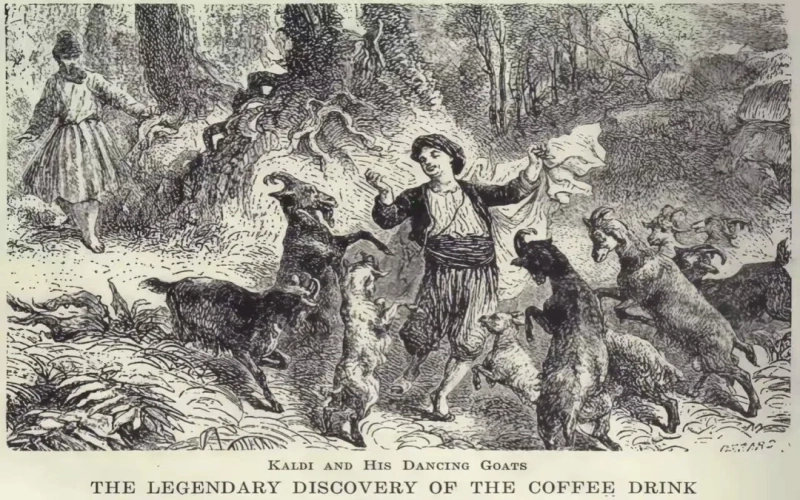
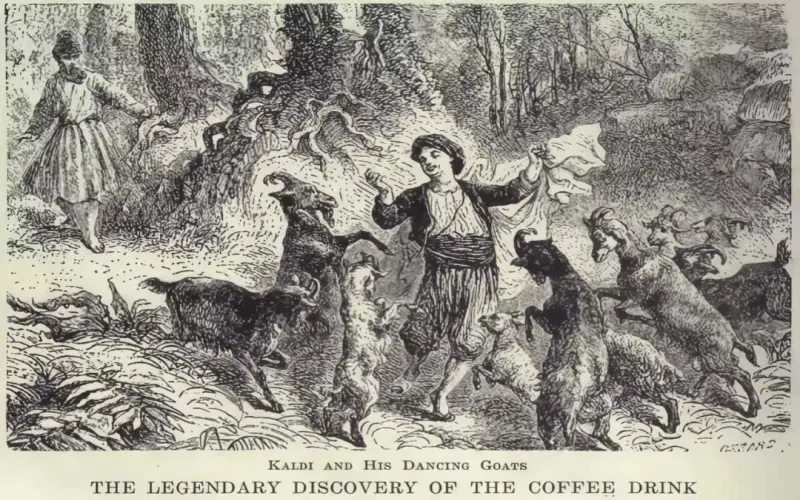
"In the sixth to eighth centuries AD, Kaldi, a young Ethiopian goatherd, was tending his goats in a forested mountain area. Then one day, he noticed that his flock had suddenly become inexplicably excited, jumping and frolicking about. Even an old sick goat regained its vigor and was soon running briskly. After careful observation, he finally discovered that these 'symptoms' appeared after the flock ate from the forest [more…]

What versions of the legend about the origin of coffee exist? Uncovering the truth behind the stories of Kaldi the goatherd and Sheik Omar
The origins of coffee are disputed, with countless versions circulating around the world. Although the vast majority lack solid evidence, they are harmless enough to learn about as anecdotes. Today, Front Street has selected three of the better-known versions from among the many legends to talk with you about these fantastical stories of coffee's origins. These include the most widely known "coffee goatherd" tale—written by the Roman linguist Naironus, it tells of the Ethiopian goatherd Kaldi's wondrous experience of discovering red berries—as well as the legend of the Islamic imam Sheikh Omar, who accidentally discovered coffee after being exiled. Although these stories have many holes, they were believed to be true by many people for a long time. [more…]

Dongyang's "Boy's Urine Egg Americano" Becomes a Viral Drink, Selling a Hundred Cups a Day; Under Intangible Cultural Heritage Controversy, the Shop Has Stopped Selling It
A coffee shop in Dongyang, Zhejiang, has combined the local traditional intangible cultural heritage food "boy's urine eggs" with Americano coffee to launch "boy's urine egg Americano," which quickly went viral on short video platforms, with weekend daily sales reaching up to a hundred cups. While this bizarre beverage attracts curious people to check in, it has also sparked widespread controversy due to the peculiarity of its ingredients. The Dongyang Intangible Cultural Heritage Protection Center confirmed that boy's urine eggs are indeed a municipal-level intangible cultural heritage, but medical professionals point out that they have no value in modern nutrition science and pose hygiene risks. Currently, the shop has stopped selling this beverage due to public pressure, and staff said customers who want to try it need to bring their own boy's urine eggs. [more…]

Xiangpiaopiao's Chengdu offline store uses a "tea-making boy band" to attract customers, and its brewing method and hygiene details spark consumer controversy.
The physical milk tea shop opened by Xiangpiaopiao on Chunxi Road in Chengdu has recently become a hot topic. The brand used a "tea-making boy band" as a selling point, recruiting male staff over 180 cm tall with good looks and charisma, and through social media voting selected 27 candidates, ultimately choosing 12 to work in the store. On opening day, long lines formed at the shop; the boy band members were responsible for packing orders and interacting with customers for photos, providing emotional value. However, some consumers pointed out that the drinks in the store are still mainly made by brewing tea bags and juice with hot water, which differs from mainstream freshly made tea beverages; the drink output efficiency is low, with wait times of up to half an hour, and photographers and other non-operational personnel were moving around the bar area taking photos without wearing masks or hats, raising questions about food hygiene. Xiangpiaopiao had previously used a similar strategy of highly attractive staff at a pop-up store by West Lake in Hangzhou, and this operation is seen as a continuation and upgrade of that marketing approach. [more…]

Sam's weakly alkaline mineral water rumored to help conceive boys, triggering panic buying—another clash between science and rumor
Recently, a weakly alkaline natural mineral water sold at Sam's Club was snapped up and went out of stock after rumors spread that "if the father drinks it, he can have a son," and the related topic topped Weibo's hot search list. This product, which meets the GB8537 standard and costs about one yuan on average, comes from Bama Longevity Mountain in Guangxi. It was originally just ordinary mineral water, but because of its "weakly alkaline" label, it was credited with effects such as neutralizing stomach acid, lowering uric acid, and even helping couples conceive a boy. Although the Shenzhen Health Commission long ago debunked the "acidic/alkaline constitution" as a pseudoscientific concept, and Sam's Club customer service also responded that there is no scientific basis for it, many netizens on social platforms still shared experiences of "it worked for me" and even summarized a "best drinking guide." This article will retrace the whole incident, explore the social psychology behind the rumor, and remind readers: whether a baby is a boy or a girl is random, and the baby's health is what matters most. [more…]

16-year-old boy suspected to have died after choking on bubble tea; family clarifies cause of death, Mixue responds
In the height of summer, iced milk tea becomes the go-to beverage for many people looking to beat the heat, but the hidden safety risks cannot be ignored. Recently, a 16-year-old boy in Ziyang, Sichuan, is suspected to have tragically died after choking on bubble tea, and scattered Mixue Bingcheng milk tea appeared in on-site video, sparking widespread attention. Mixue Bingcheng promptly responded, saying there is no evidence that the incident is related to its products. Subsequently, the deceased's family came forward to clarify, stating that hospital feedback showed no foreign objects were found in the esophagus or trachea and that the actual cause of death was cardiac arrest. The incident has once again raised public awareness of the Heimlich maneuver. This article will review the course of events, the responses from all parties, and explain the correct first-aid method for choking on a foreign object, helping everyone stay safe while enjoying tasty drinks. [more…]

A four-year-old boy died after choking on bubble tea; parents question the store's lack of risk warnings
Recently, news of a young child tragically choking to death after drinking bubble tea has sparked widespread discussion on social media. The incident occurred in Taizhou, Zhejiang, where a four-year-old boy drank bubble tea purchased by his parents while playing at an amusement park, then became unwell in the trampoline area and died from choking after an hour and a half of emergency medical treatment. The parents believe that the oversized and overly sticky tapioca pearls in the milk tea were the main cause of the tragedy, and pointed out that the store involved did not post conspicuous warnings, nor did the staff verbally remind them of the risks of children drinking it. At the same time, whether the amusement park and the shopping mall fulfilled their safety obligations has also become a focus of controversy. Currently, multiple local departments have stepped in to mediate, and the incident is still being further processed. [more…]

Heytea's brand logo has quietly updated once again, sparking heated discussion among netizens about the subtle tweaks and the brand's intentions.
Heytea has recently made another subtle adjustment to its brand logo, just over three months after the last logo change, sparking widespread discussion on social media platforms. Many netizens, when faced with side-by-side comparisons of the old and new versions, exclaimed that they could see no difference, while sharp-eyed users listed the细微 changes in the ears, face shape, bangs, and facial features one by one, jokingly calling the Heytea boy's "medical aesthetic微调". From the golden line figure to the return of the classic "black-haired A-xi," and now to the current detail adjustments, the intention behind Heytea's frequent logo changes has sparked much speculation: Is it a statement of returning to its original aspirations, or an optimization to cater to current aesthetics, or simply a carefully planned brand hype marketing? [more…]

1DianDian charity controversy? Questions arise over a boy receiving aid wearing a thousand-yuan smartwatch, local authorities confirm he is indeed from a low-income household.
A well-known chain milk tea brand, 1 Dian Dian, recently trended on social media due to a public welfare tweet about assisting children from impoverished families, sparking widespread discussion. The brand claimed to have helped a child living with his father in an 18-square-meter rented room by renovating the room and adding a desk and wardrobe, but netizens noticed from public photos that the aided boy was wearing a phone watch worth over a thousand yuan, and that the living conditions differed from the tweet's description, questioning whether he met the assistance criteria. Additionally, issues such as a large proportion of comic books among the donated items and the concentration of aid recipients in first- and second-tier cities were also raised. As public opinion heated up, the brand deleted and edited some posts but did not respond directly. The local subdistrict office and social work station later confirmed to the media that the recipient was indeed from a low-income household, excelling in both academics and character, and that the items were all donations. Behind the incident, the screening criteria and transparency of public welfare activities have become the focus. [more…]

Analysis of Coffee Flavor Varieties and Pour-Over Key Points in Ethiopia's Yirgacheffe and Sidamo Regions
Ethiopia, as the gene pool and birthplace of coffee, has given rise to world-class specialty regions such as Yirgacheffe and Sidamo. This article systematically reviews the altitude, terroir, flavor characteristics, and variety processing differences of these two major regions, analyzing Yirgacheffe's citrus and jasmine tea notes, Sidamo's diverse fruit acidity, and the strawberry-cream profile of the Huakui natural sun-dried beans, while also explaining the reasons for the uneven size of Ethiopian coffee beans and the origin of the naming of heirloom varieties. At the same time, it shares Front Street Coffee's comparative views on washed and natural processing methods, as well as V60 staged brewing parameters and flavor descriptions of two representative beans, providing a complete reference for coffee enthusiasts. [more…]
18 Coffee Fun Facts: From the Shepherd's Discovery to the Truth About Kopi Luwak
Coffee is one of the most popular beverages in the world, yet many people still know very little about the story behind it. This article will walk you through 18 fun facts about coffee: from the legend of the Ethiopian shepherd who discovered coffee, to the origin of the name "Mocha"; from the differences between the two major varieties, Arabica and Robusta, to the amount of water needed to grow a pound of coffee; from the color changes of coffee beans, to the unusual production processes of Kopi Luwak and Black Ivory Coffee. Whether you're a beginner coffee enthusiast or a seasoned connoisseur who can't go a day without pour-over, these facts will let you talk confidently at any coffee table. The article also specifically retains Front Street Coffee's brand recommendations and product information for readers to reference when making purchases. [more…]
Ethiopian Yirgacheffe Coffee Flavor Analysis: From the Shepherd's Legend to the Floral and Citrus Notes of the Konga Cooperative
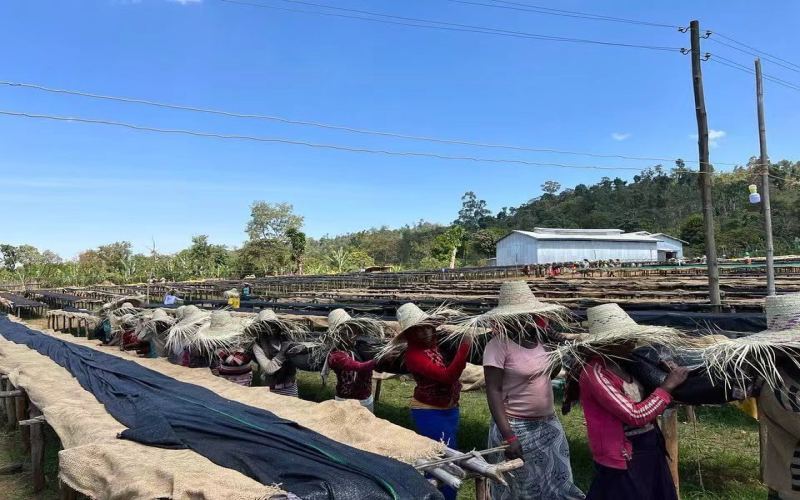
Why has Yirgacheffe become the emblem of Ethiopian specialty coffee? From the legend of the shepherd Kaldi discovering coffee cherries to the journey of the Gedeb cooperative establishing itself independently, this high-altitude region has nurtured the citrus acidity and jasmine aromas that captivate countless coffee lovers. This article will guide you through Ethiopia's coffee cultivation system, the background behind the introduction of washed processing techniques, and the complete flavor expression of Gedeb cooperative coffee from dry aroma to finish. At the same time, Front Street Coffee will share V60 brewing parameters and extraction approaches for light-roasted Yirgacheffe, helping you recreate that cup of clean, sweet, and floral washed Yirgacheffe at home. [more…]
From Ethiopian Shepherds to Arab Monks: The Legend of Coffee Bean Origins and the Evolution of the Coffee Name
Behind a single cup of coffee lies a legend spanning thousands of years. From the Ethiopian goatherd Kaldi discovering the red berries in the 5th century AD, to coffee first entering the Arab world through Yemen, and then qahwa evolving into today's coffee, what kind of journey has the name of coffee undergone? This article sorts through the three great legends of coffee's origin—the goatherd story, the legend of the Arab monk Omar, and the romantic adventure of the French officer Gabriel de Clieu risking his life to bring coffee saplings to Martinique—to take you through the romance of coffee as it moved from the silent forest to the world. At the end is a selected recommendation from Front Street Coffee, adding a professional guide to your coffee journey. [more…]
What Makes Ethiopian Coffee Unique? From the Discovery by the Shepherd Kaldi to an Analysis of the Flavors of Nine Major Producing Regions
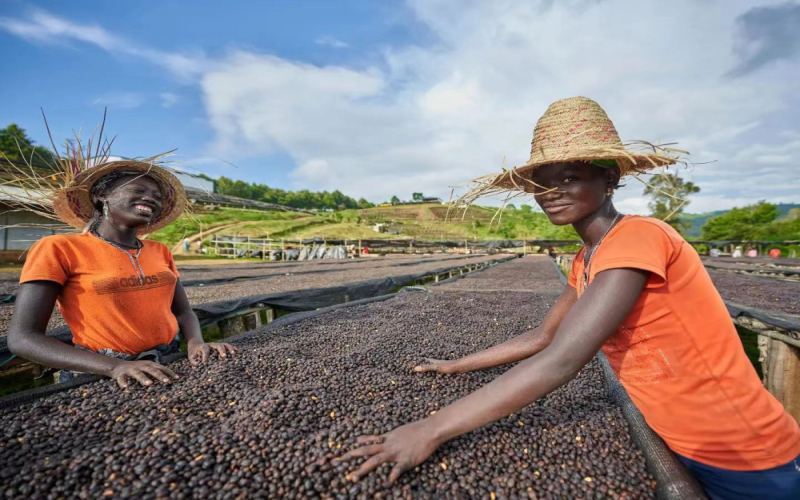
Ethiopia is located in northeastern Africa. Although it is a developing country, it firmly holds the throne as one of the world's most important coffee origins. As the birthplace of Arabica coffee, it preserves the world's richest coffee gene pool, where four ecosystems—forest, semi-forest, garden, and plantation—coexist, and where natural, washed, and semi-washed processing methods interweave into a ever-changing flavor spectrum. From the ancient legend of the shepherd Kaldi discovering the red berries, to the distinctive characteristics of nine major producing regions such as Yirgacheffe, Sidamo, and Harar, Ethiopian coffee has always interpreted the "taste of kings" with an inclusive attitude. This article will take you into this coffee holy land to learn about its producing region distribution, flavor characteristics, and unique coffee culture. [more…]
From the Shepherd Kaldi's Marvelous Encounter to the Monastery's Refreshing Brew: The Legend and Spread of Coffee's Origin
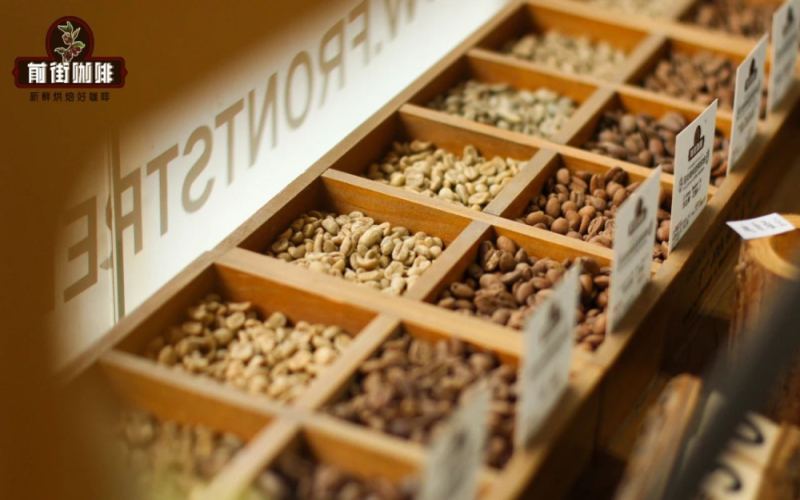
The discovery of coffee is often traced back to a curious tale from the Ethiopian highlands in the seventh century AD. A goatherd named Kaldi noticed that his flock became unusually lively after grazing on certain red berries, and they even stayed awake all night. Puzzled, he sought help from an Abyssinian monastery, where the monks investigated and confirmed that the goats had become excited only after eating the red berries from a low bush. The monks gathered the berries and boiled them in water, and surprisingly obtained a fragrant, invigorating brew. Thereafter, the berries were first used as a stimulant medicine, won praise from physicians, and then spread widely. This article tells the full legend and retains coffee product information related to Front Street Coffee, taking you back to the moment coffee was first discovered. [Image 1] [more…]
Tracing the History of Coffee Cultivation in Yunnan: An Analysis of the Flavor Characteristics of Arabica Coffee Beans from Baoshan and Lincang
Nowadays, seeing Yunnan beans in coffee shops is no longer uncommon; when chatting with friends about where the coffee tastes good, the answer has shifted from exclusively imported beans to domestically grown Yunnan and Vietnamese coffee. As China's largest coffee-producing region, Yunnan's planting story is far longer than we might imagine. From the first coffee tree planted by a French missionary in Zhukula Village in 1892, to the large-scale development of producing areas such as Lujiangba in Baoshan and Lincang, Yunnan coffee has walked a unique path. This article will review the planting history of Yunnan coffee, analyze the terroir conditions of the two core producing areas, Baoshan and Lincang, introduce the characteristics of major varieties such as Typica, Bourbon, and Catimor, and share the brewing parameters and flavor performance of Front Street Coffee's everyday beans. [more…]

Hangzhou Trendy Coffee Shop Next to Elementary School Sparks Parental Concerns: How to Balance Customer Attire and Community Environment?
Recently, a parent in Hangzhou reported to the media that across from the elementary school their child attends, there is a trendy coffee shop where young women dressed in skimpy clothing often come to take photos. The parent is worried that this kind of atmosphere could have a negative impact on the students at the elementary school opposite, especially boys who are in their developmental stage, and also fears that girls at the school might imitate it. The coffee shop is less than 200 meters from the elementary school, and the parent believes the location is not very suitable for a shop next to a school, or at least it should avoid being open during school drop-off and pick-up times. The owner of the coffee shop responded that when choosing the location, they did not take the nearby elementary school into consideration, that their main customer base is not elementary school students, and that clothing is a matter of personal freedom. Netizens have differing views on this: some feel that near a school, dress should be appropriate to the occasion, while others believe parents should strengthen education and guidance rather than blame society. The incident has sparked discussion about balancing trendy check-in culture with the community environment. [more…]