







How Do Ethiopian Coffee Processing Methods Shape Regional Flavor?
In Ethiopia, the choice between washed and natural processing drives much of the flavor difference between Yirgacheffe and Sidamo. Washed Yirgacheffe lots tend to show citrus and jasmine tea notes, while natural Sidamo coffees lean toward layered fruit acidity, with sun-dried Huakui beans carrying a strawberry-cream profile. The two regions share high altitude and volcanic soil but read very differently in the cup.
Ethiopia is the coffee beans origin story itself: Arabica began there, and local genetic diversity far exceeds the rest of the world, which is why the country still grows unimproved heirloom varieties. That diversity also explains why Ethiopian beans vary so much in size. For brewing, a V60 with segmented pours suits these bright lots.
Ethiopia, as the gene pool and birthplace of coffee, has given rise to world-class specialty regions such as Yirgacheffe and Sidamo. This article systematically reviews the altitude, terroir, flavor characteristics, and variety-processing differences of these two major regions, analyzing Yirgacheffe's citrus and jasmine tea notes, Sidamo's diverse fruit acidity, and the strawberry-cream profile of the sun-dried Huakui beans, while explaining why Ethiopian coffee beans vary in size and the origin of the "heirloom" naming. It also shares Front Street Coffee's comparative views on washed and natural processing methods, along with V60 segmented brewing parameters and flavor descriptions of two representative beans, providing a complete reference for coffee enthusiasts.
For more specialty coffee knowledge, please follow the WeChat public account: Front Street Coffee (FrontStreet Coffee)
In coffee circles, mention Ethiopia and Yirgacheffe, and almost everyone knows them. The topic of Ethiopia could be discussed for days on end. As the acknowledged birthplace of coffee, this land carries the moving legend of the shepherd boy. Among coffee-producing countries worldwide, Ethiopia's fame is arguably second to none. Local coffee brims with flamboyant floral and fruity aromas, capturing the hearts of countless specialty coffee lovers. Front Street Coffee (FrontStreet Coffee) has successively acquired over a dozen Ethiopian beans, demonstrating their popularity and how unforgettable those flavors are. Today, Front Street introduces Ethiopia's two most renowned regions: Yirgacheffe and Sidamo.
The original coffee species was indeed discovered in Ethiopia, which is why Africa is called the homeland of coffee. In addition, the high altitudes and volcanic soil of the East African region enable the production of high-quality coffee. Ethiopia is located in northeastern Africa, naturally within the "Coffee Belt," and is a world-famous coffee-growing country.
Among coffee-producing countries, Ethiopia's status is almost legendary. First, the most commercially valuable Arabica originated in Ethiopia. In Ethiopia, coffee's genetic diversity is unparalleled worldwide—Ethiopian coffee alone contains 99% more genetic material than the rest of the world, making it a genetic treasure trove of coffee and the only country today that does not need variety improvement.
Yirgacheffe Specialty Region
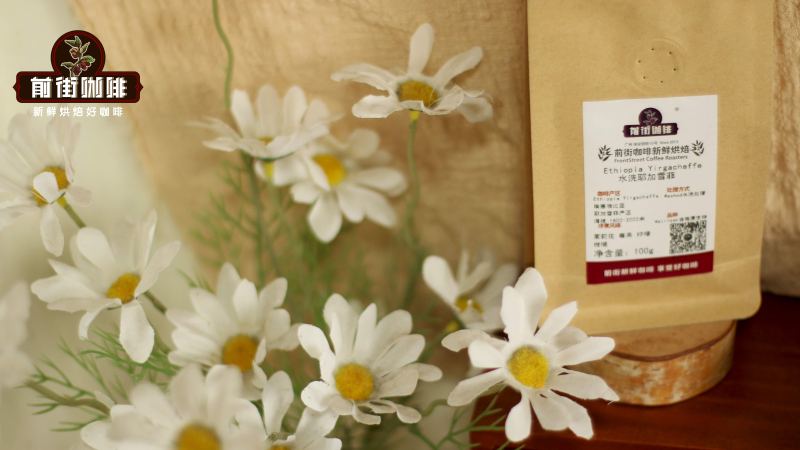
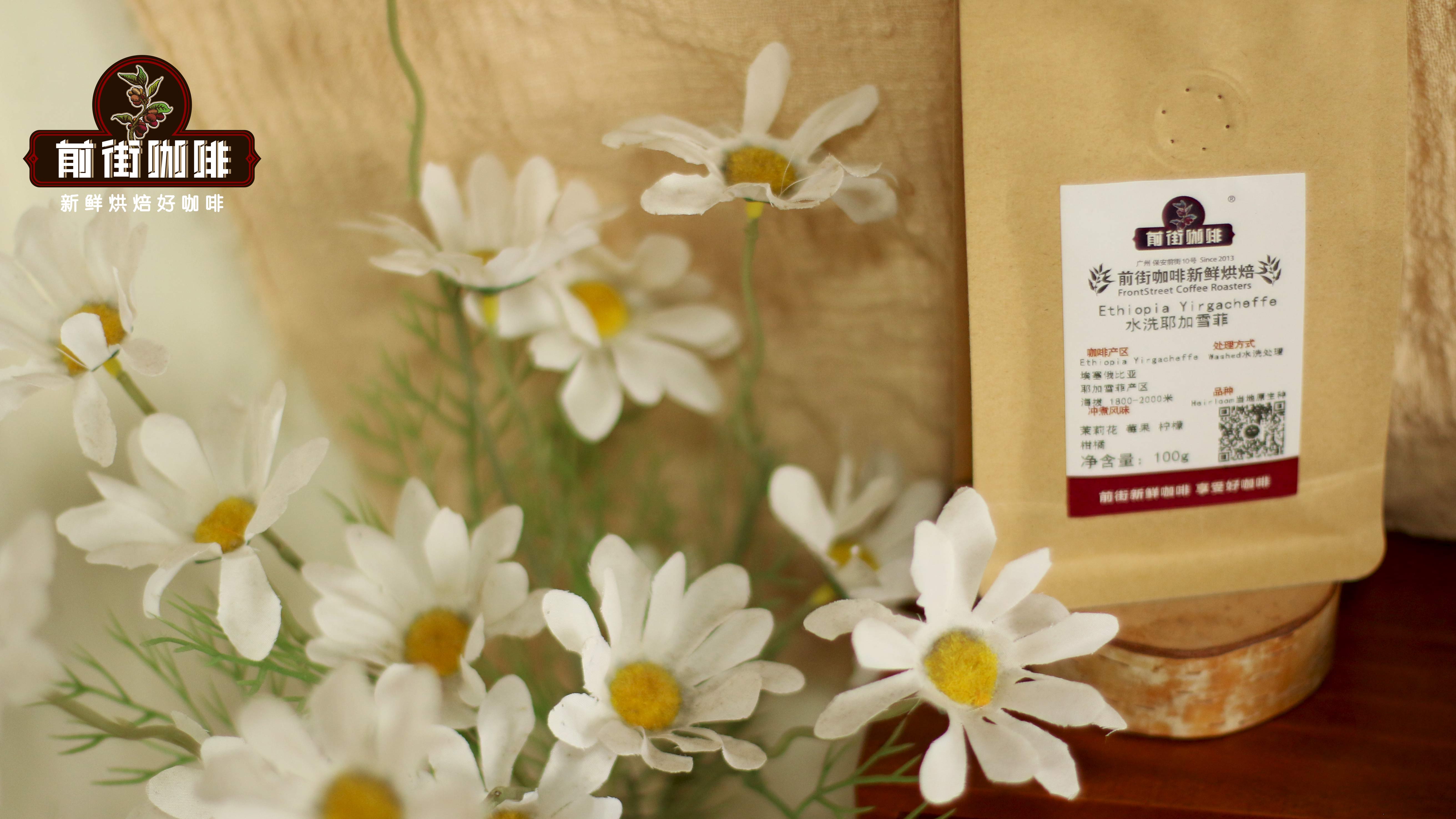
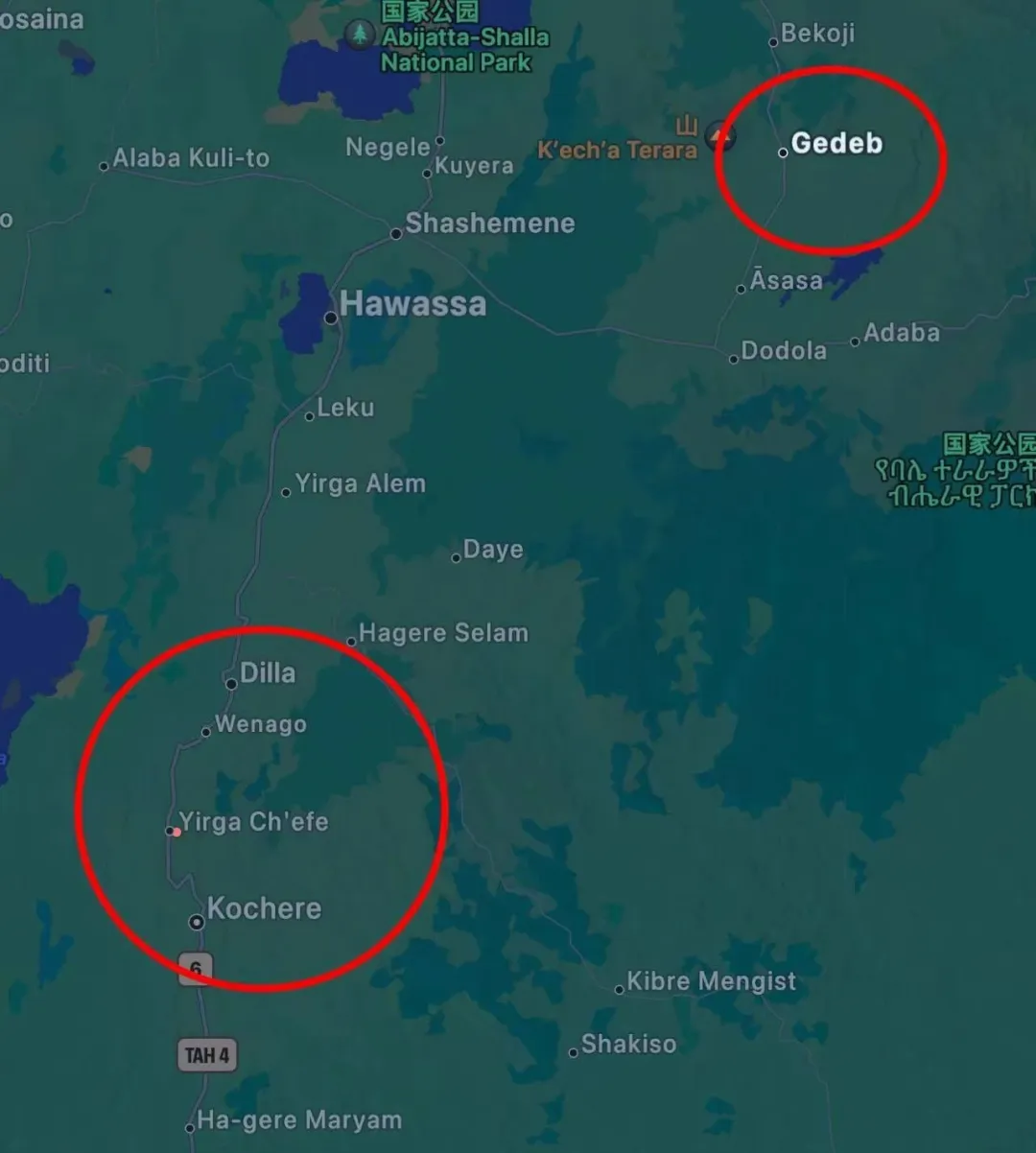
Yirgacheffe is one of Ethiopia's specialty coffee regions and one of the most famous. Yirga Cheffe was originally a small town in Ethiopia, at an altitude of 1,700–2,100 meters, among the highest coffee regions in the world and a byword for Ethiopian specialty coffee. Lake Turkana, Lake Abaya, and Lake Chamo bring abundant moisture. In the rift valleys represented by the Misty Valley, mist lingers year-round, spring prevails in all seasons, gentle breezes blow, and it is cool and humid; thousands of coffee trees thrive here, nurturing Yirgacheffe's unique terroir of interwoven and ever-changing floral and fruity aromas. The so-called Yirgacheffe coffee flavor refers to bright citrus-lemon acidity, intense jasmine fragrance, a clean and elegant mouthfeel with tea-like notes, tasting like refreshing, clean lemon tea. For example, Front Street's Yirgacheffe Kochere coffee is washed.
Sidamo Coffee Region
While Yirgacheffe is an outstanding specialty region, Sidamo is equally impressive. The Sidamo coffee region sits at 1,400–2,200 meters, bordering Kenya. Washed Sidamo beans are light green, small, elongated oval, plump, with consistently stable quality, a fragrant, mellow aroma, and a single sip leaves a long aftertaste, carrying a wild beauty. Sidamo beans are characterized by highly diverse flavors; different soil types, microclimates, and countless native coffee varieties make coffees from various towns markedly different and distinctive. From 2010 to 2012, it consecutively scored CR92–94 on a prestigious American coffee evaluation website, showing that the region's green beans are truly extraordinary. The terrain is rich, with high mountains, highlands, plateaus, valleys, and plains interwoven. The local geology is fertile, well-drained volcanic soil, with a soil layer nearly two meters deep and topsoil dark brown or brown. The greatest advantage here is that soil fertility is maintained through organic matter cycling, relying on fallen leaves from surrounding trees or plant residues as fertilizer.
Sidamo coffee has abundant fruit acidity and intense aroma. Front Street Coffee (FrontStreet Coffee) believes that in terms of aroma, it is no less impressive than Yirgacheffe, and is well-suited to those who prefer intense flavors but not overly heavy tastes, achieving a good balance and harmony between aroma and mouthfeel. The most representative Sidamo coffee is undoubtedly the sun-dried Huakui produced in the Hambela sub-region of Guji. Huakui coffee beans originate from Sidamo. In 2017, DW Company sent the sun-dried coffee beans processed at Buku Abel to the TOH competition; their rich strawberry-cream flavor won over international judges, capturing the championship in the sun-dried group of the TOH Ethiopia region that year.
Front Street has said that coffee is an agricultural product, and its flavor is closely tied to each year's climate. To distinguish each year's Huakui, DW Company named them: Huakui 3.0, Huakui 4.0, Huakui 5.0, and this year's Huakui 6.0 will soon meet everyone.
Ethiopian Coffee Varieties
Observant friends may have noticed that Ethiopian coffee beans always vary in size—why is that? Have you noticed: on the packaging of Front Street's Ethiopian coffee beans (such as Huakui 5.0), the variety column reads [Heirloom native species]. In fact, most Ethiopian varieties are named this way—why? As Front Street explained earlier: Ethiopia is coffee's gene pool, with far too many varieties, making identification and classification extremely difficult; on the other hand, the Ethiopian government, for protection reasons, is unwilling or unable to disclose this variety information. Therefore, for unclear coffee varieties, they are simply labeled as heirloom. Because of this varietal complexity, mixed planting and mixed harvesting occur; Front Street believes this is why Ethiopian coffee beans vary in size.
Ethiopian Coffee Processing Methods
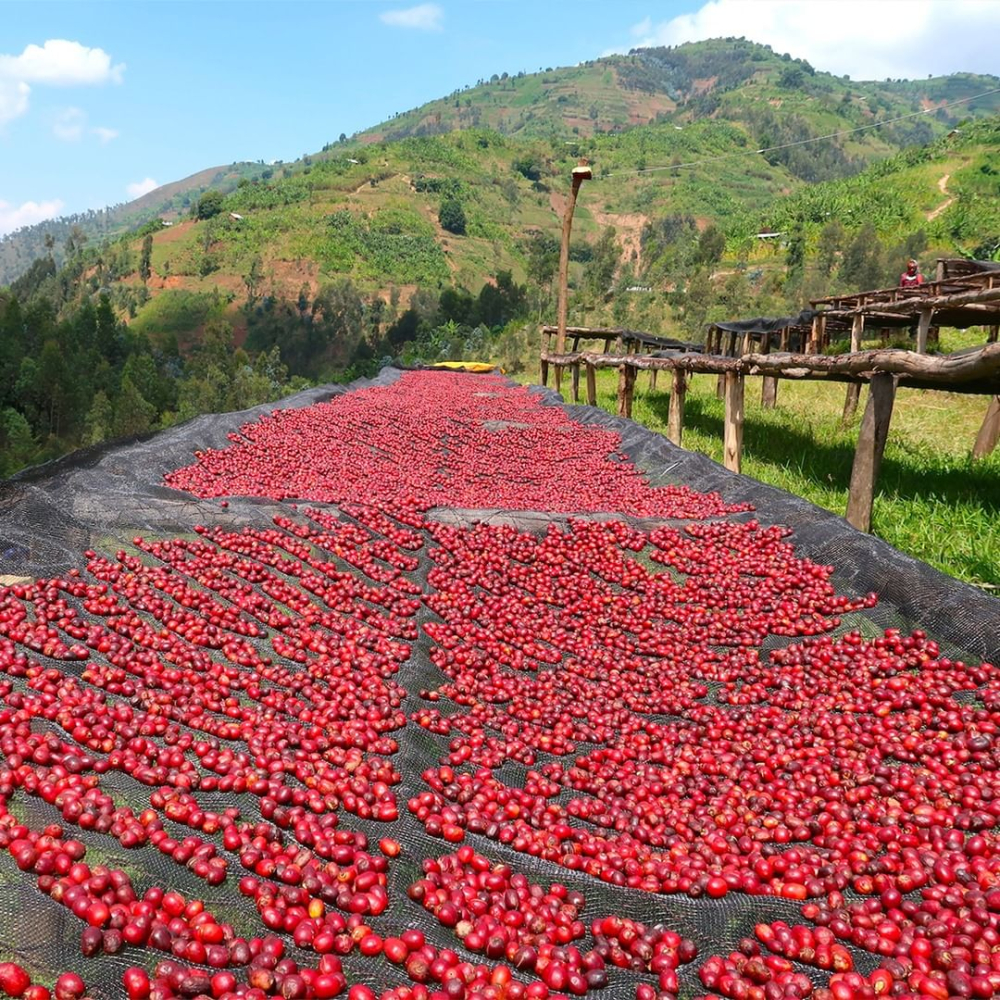
You might think all Ethiopian coffee is washed, but in fact the earliest Ethiopian regions mostly used natural processing. Front Street believes that the region's preference for washed processing is because washing highlights Ethiopia's floral notes and citric acidity, delivering a fresh, light feel. In 1972, the Ethiopian government, to improve coffee quality, introduced washed processing from Central and South America, making Ethiopian coffee more refreshing and refined, winning more people's favor.
Front Street Coffee (FrontStreet Coffee) believes that washed coffee has more pronounced acidity, better cleanliness, medium body, and the most consistent green bean quality; compared with washed coffee, natural coffee has lower acidity, higher sweetness, clear body, but slightly lower cleanliness. In flavor, it produces more berry-like notes and is more complex.
Front Street Coffee (FrontStreet Coffee) Brewing Recommendations
For brewing coffee, Front Street recommends using freshly roasted coffee beans to experience the richest flavors. The coffee beans shipped by Front Street Coffee (FrontStreet Coffee) are all within 5 days of roasting, because Front Street knows well how much freshness affects flavor. Front Street's roasting philosophy is "Freshly roasted good coffee," ensuring every customer receives the freshest coffee upon delivery. The resting period for coffee is about 4–7 days, so when customers receive it, it is at its peak flavor.
Of course, some customers need Front Street to grind the beans for them, which is fine, but Front Street must remind: once coffee beans are pre-ground, no resting is needed, because during transport, the pressure from carbon dioxide inside the package also rounds out the coffee's flavor, so upon receiving the ground coffee, you can immediately brew a cup. However, ground coffee must be brewed promptly, because after exposure to air it oxidizes quickly—meaning the coffee's flavor dissipates faster and the taste is not as good. Therefore, Front Street recommends buying whole beans and grinding fresh for each brew, to better enjoy the coffee's flavor.
When brewing Ethiopian coffee beans, Front Street Coffee (FrontStreet Coffee) uses the Hario V60 dripper. The V60 cone dripper has a relatively large opening, and its unique spiral curve ribs allow air to escape more easily, improving extraction quality. The body may not be thick enough, but the high concentration bringing out sweet-tartness and pronounced aroma is a major feature.
Dripper: Hario V60, water temperature: 90°C, coffee dose: 15g, ratio: 1:15, grind: medium-fine (80% passing Chinese standard No. 20 sieve)
Using segmented extraction, bloom with twice the coffee dose in water, i.e., 30g water for 30 seconds. The bloom process allows coffee grounds to release internal carbon dioxide, making subsequent extraction more stable. Pour in a slow circular stream until 125g, then continue pouring until 225g and stop. Once the dripper stops dripping, remove it. Timing starts from the beginning of pouring; extraction time is 2'00". Then pick up the entire cup, swirl to mix, and pour into a cup for tasting.
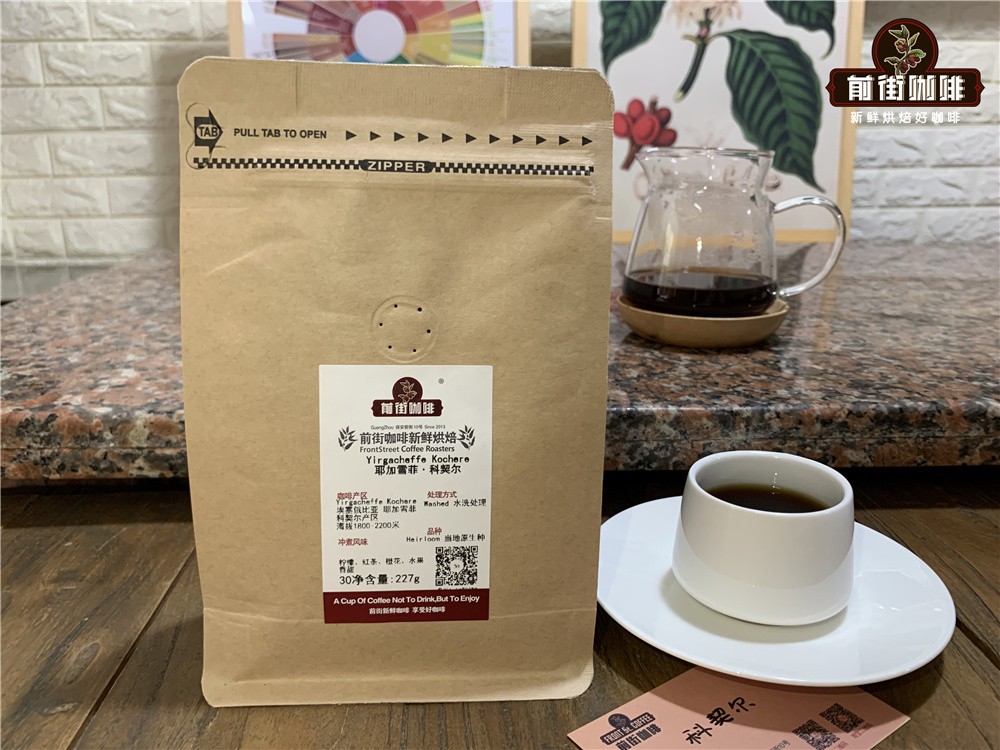
Front Street Yirgacheffe Kochere coffee flavor: jasmine, lemon, bergamot, honey, black tea
Front Street Huakui coffee flavor: full berry juice, black tea notes, pomelo peel, short sweet finish.
One of Front Street's daily beans, washed Yirgacheffe, is the representative of Ethiopian coffee. At Front Street, this Yirgacheffe is very popular, and all can be purchased on the Front Street Coffee (FrontStreet Coffee) Tmall flagship store. At Front Street, there are over a dozen single-origin Ethiopian coffees, each with unique characteristics, showing just how popular Ethiopian coffee is! At the same time, Front Street offers over 50 single-origin coffees from different regions for you to choose from!
For professional coffee knowledge exchange and more coffee bean information, please follow Coffee Workshop (WeChat public account: cafe_style)
For more specialty coffee beans, please add the private WeChat of Front Street Coffee (FrontStreet Coffee), WeChat ID: qjcoffeex
The above content is compiled by CoffeeHunters, a coffee news website.


