







Search Results for: production capacity

Luckin's Kunshan roasting base breaks ground: second self-built factory boosts annual capacity to 45,000 tons and fresh supply for stores
Luckin Coffee, which now operates over 7,846 stores, is accelerating its upstream supply chain expansion. Following the start of production at its first roasting plant in Pingnan, Fujian, Luckin's second fully automated smart roasting base—independently invested and built in Kunshan, Jiangsu—has recently broken ground and is expected to begin production in 2024. With a total investment of approximately US$120 million, the base covers 53,000 square meters and will have an annual roasting capacity of 30,000 tons, incorporating core equipment such as the Italian BRAMBATI roasting system. By then, Luckin's two major roasting bases will have a combined annual capacity of over 45,000 tons, supplying fresher and safer green coffee beans to stores nationwide while advancing the brand toward its goal of a globalized, refined supply chain. [more…]
A Complete Guide to Choosing the Right Latte Art Pitcher Capacity and Milk-to-Espresso Ratios
To create beautiful latte art, choosing the right milk pitcher capacity and milk volume is key. There are many latte art pitcher brands on the market, with capacities ranging from 12 ounces to 24 ounces, and different sizes have a direct impact on pattern formation. This article will introduce common milk pitcher brands, explain the matching formula between milk pitcher capacity and coffee cup size, describe how the pitcher's tilt angle affects latte art results, and provide coffee cup capacity recommendations suitable for latte art. Whether you are a beginner or an advanced player, you can find practical purchasing and operating references here. Front Street Coffee has also compiled related product recommendations for you to help you easily improve your latte art skills. [more…]
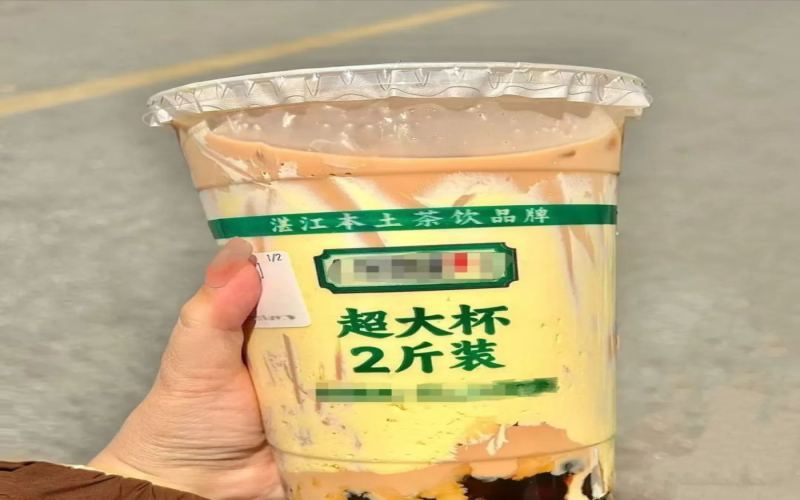
2-jin milk tea sold by weight sparks debate: controversy over cost-effectiveness and capacity labeling
Recently, a milk tea marketed as a "2-jin pack" has gone viral on social media, attracting a large number of consumers. The product was launched by a local tea beverage brand in Zhanjiang, priced at 18 yuan, or about 10 yuan after discounts, and has tapped into the consumer psychology of pursuing value for money with its large capacity and low price. However, along with the popularity came controversy: some consumers pointed out that 2 jin is roughly equivalent to 1000ml, and compared with the 500-700ml large cups of milk tea on the market, the actual value for money may not be outstanding, and merchants should label the capacity truthfully. In addition, similar products have already appeared in Nanning, Guangxi, and the originality of the idea has also sparked discussion. Some people are also worried that oversized milk tea may cause food waste. As coffee lovers, Front Street Coffee has also noticed the consumer trends and industry reflections behind this phenomenon. [more…]
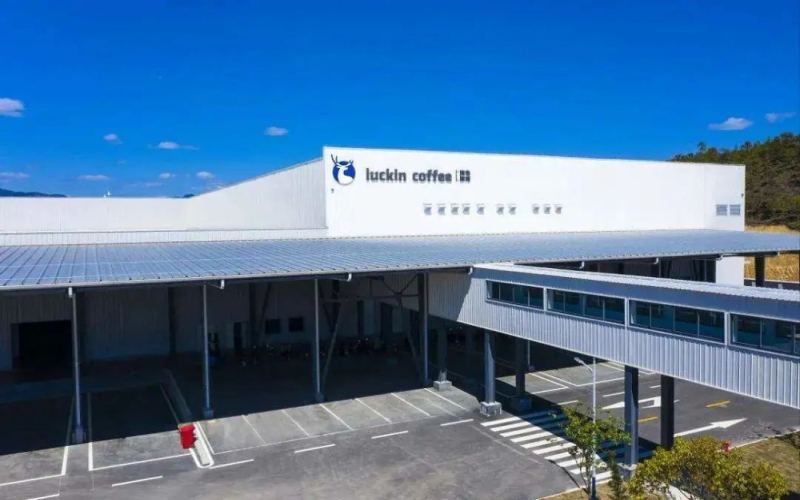
Luckin Coffee expands with a second roasting facility in Kunshan, adding 30,000 tons of annual capacity and accelerating its global strategy
After successfully turning itself around and achieving rapid expansion, Luckin Coffee is continuing to ramp up its supply chain development. Following the launch of its roasting plant in Pingnan, Fujian, Luckin chose Kunshan, Jiangsu as the site of its second roasting facility, which is expected to have an annual roasting capacity of 30,000 tons, with plans to pursue global expansion within the next one to three years. The new plant will be independently invested in by Luckin to the tune of approximately 1 billion yuan, integrating coffee R&D, roasting production, and a sales center under one roof. This move not only eases capacity pressure but also aligns with Kunshan's push to build a full coffee industry chain base. [more…]
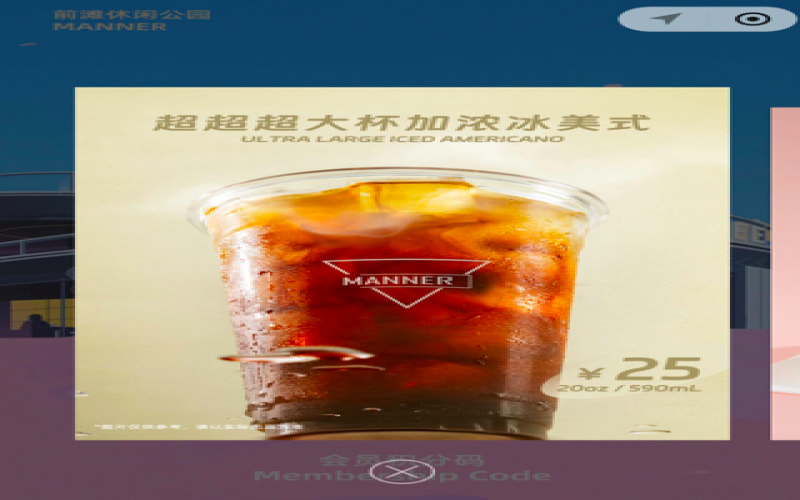
Manner launches a 590ml super-extra-large iced Americano, and the size upgrade adding only 117ml sparks heated discussion
Manner Coffee has recently quietly launched a new product called the "Super Super Super Large Cup Extra-Strong Iced Americano," priced at 25 yuan, with an official cup volume of 590ml. However, many consumers have noticed that compared to the existing 473ml extra-large iced Americano, the capacity has only increased by 117ml, which stands in stark contrast to the expectations created by the three "super" characters in the name. At the same time, an employee revealed that the standard recipe for this new product is 2 shots of espresso, one more than the extra-large cup, but if you add an extra shot of espresso to the extra-large cup, the total price is only 20 yuan and the concentration is higher. The mismatch between capacity, ratio, and price quickly made this new product the focus of discussion among coffee enthusiasts. [more…]

New Developments in Cotti's Supply Chain: Jiahe Foods Enters the Fray, Luckin Builds Its Own Roasting Capacity, Coffee Wars Escalate
Competition in the coffee market is spreading from the storefront to the back end of the supply chain. Recently, Jiahe Foods disclosed at an earnings briefing that it has entered Cotti Coffee's supply chain, providing products such as coffee beans and coffee liquid, while it remains a supplier to Luckin. Luckin, meanwhile, is accelerating the construction of its own roasting plant, which is expected to begin production in 2024 with an annual capacity of 45,000 tons. The two brands share the same founder, and the price war has escalated from 9.9 yuan to 8.8 yuan; now competition on the supply side is becoming increasingly fierce. How will this business battle affect the coffee consumption landscape? Front Street Coffee brings you the latest developments. [more…]
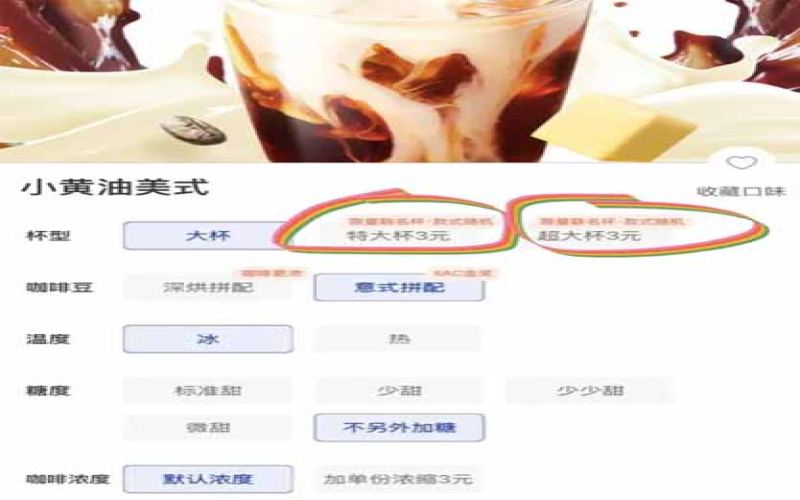
Luckin adds 3 yuan to upgrade to a large cup: The capacities of the extra-large and super-large cups are a mystery, and the upgrade rules leave consumers confused.
Luckin Coffee recently launched two new cup sizes, Extra Large and Super Large, on its mini-program, allowing users to upgrade for an additional 3 yuan. However, the official listing does not clearly indicate the capacity difference between the two, sparking widespread discussion among consumers. Some are delighted by the larger volume, while more are confused about "which is bigger, Extra Large or Super Large," and whether the upgrade means more coffee liquid or just added water. Store employees give inconsistent explanations—some say the cup size depends on whether the drink is iced or hot, while others say the recipe adjustments vary by product. Behind this upgrade, Luckin's lack of communication forces users to rely on repeated trial and error to confirm the taste. This article sorts out the whole story and includes related recommendations from Front Street Coffee. [more…]
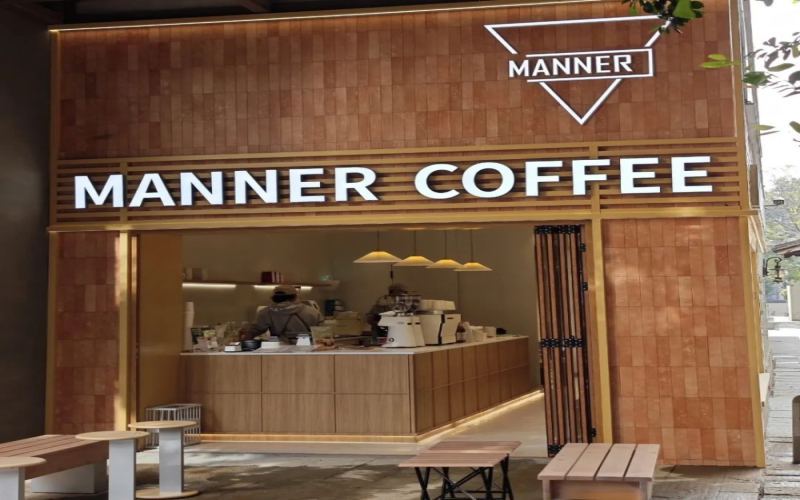
Bringing Your Own Cup Rejected Due to Capacity Mismatch Sparks Heated Debate, Manner's Service Flexibility Faces a Test
Recently, a post about Manner Coffee refusing to let a customer use their own cup sparked widespread discussion on social media. The incident began when a customer brought an extra-large container to buy a large-size new drink and was refused by the barista, even though the customer was willing to accept a smaller fill. The matter quickly struck a chord with many coffee lovers and triggered controversy. Some netizens shared how baristas had handled similar situations flexibly in their own experience, while others pointed out that baristas are constrained by standardized recipes and find it hard to improvise. This discussion reflects the challenge facing chain coffee brands amid rapid expansion: how to balance product standards with customers' individualized needs. As a representative of China's specialty coffee scene, how Manner can improve the service experience while ensuring quality has become an important issue on its development path. (Recommended reading from Front Street Coffee) [more…]
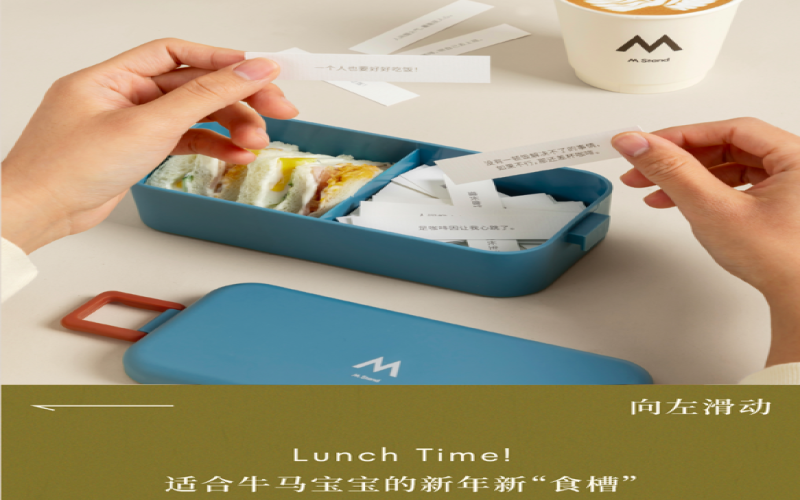
Mstand's lunchbox merch flops? Scratches, rough edges, small capacity—office workers complain it's all show and no go
As people return to work after the holiday, coffee chains are rolling out merchandise to grab office workers' attention. Manner is releasing its popular ceramic cup in new colors as a limited edition, while Mstand has taken a different approach with a lunchbox jokingly dubbed the "cattle and horse trough," bundled with a new coffee-flavored latte as a limited two-cup set. However, once the actual product arrived, consumers found the lunchbox riddled with scratches, rough edges on the clasps, too small a capacity, and no indication on the material that it was microwave-safe, sparking widespread complaints. From looks to practicality, this piece of merchandise seems to have failed to meet the expectations of people who bring their own lunch. [more…]

Coffee capacities keep breaking records: from 1L mega jugs to 1500ml basin-sized iced Americanos—are they a life-saving elixir for office workers or a health hazard?
In recent years, coffee culture has rapidly gained popularity in China, and iced Americano has become a daily necessity for countless office workers. From the initial 300ml standard cup, to the 1L "ton-ton bucket," and now to a 1500ml basin-sized iced Americano recently launched by a coffee shop in Shanghai, coffee capacity keeps pushing the limits of imagination. Large-capacity iced coffee from South Korea once made Chinese consumers envious, and now domestic brands have joined the super-sized cup trend one after another: Seesaw launched a 1.5L shareable takeaway pack, and the Korean brand onlyprice has even introduced a 2.1L coffee liquid. These super-sized coffees have quickly gone viral thanks to their visual impact and high cost-performance ratio, and have been jokingly called by netizens the life-extending elixir for office workers. However, many people are also worried about the health effects of excessive consumption, with issues such as heart palpitations and insomnia sparking discussion. This article will walk you through the phenomenon and controversy behind this coffee capacity race. [more…]
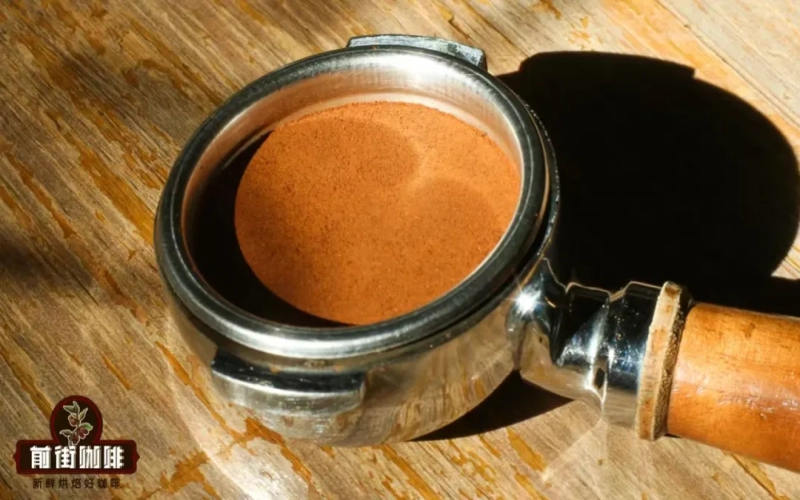
Espresso Extraction Quality and Portafilter Basket Performance Validation: How Diameter and Capacity Affect Coffee Flavor
In the pursuit of an ideal espresso, the portafilter basket—a seemingly inconspicuous accessory—often becomes one of the key factors determining the success or failure of extraction. Many coffee enthusiasts, when troubleshooting extraction problems, have heard the saying, "If your espresso extracts poorly, chances are you didn't choose the right basket." So what differences actually exist between baskets? And through what mechanisms do they influence the extraction result? This article, from the perspective of Front Street, will focus on the two core dimensions of basket diameter and capacity to systematically analyze how the basket affects espresso extraction quality, helping readers make more informed judgments when purchasing and using coffee machine accessories. [more…]
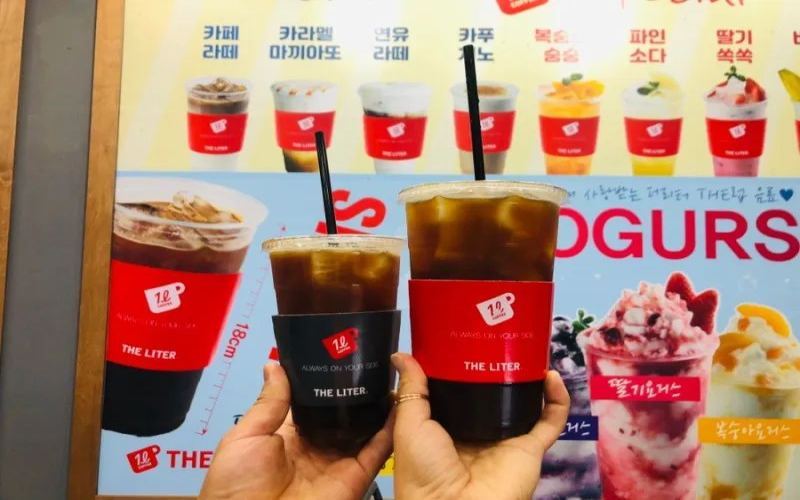
Why Is 1-Liter Iced Americano Going Viral in Coffee Shops? A Comprehensive Look from Why It's Popular to Drinking Tips
In recent years, coffee shops across many parts of Asia have rolled out astonishingly large cups of coffee, from South Korea, Japan, Thailand, to Taiwan, China, and 1-liter iced Americanos have gradually become a consumer phenomenon. This product, jokingly called the giant of the coffee world, usually contains 3 to 4 shots of espresso, diluted with a large amount of iced water, resulting in a relatively low concentration, yet it still attracts a large number of consumers. Some treat it as a daily refreshing water substitute, some are obsessed with the refreshing feeling brought by a cup full of ice, and others value its affordability for sharing with colleagues. However, low concentration does not mean it can be consumed without restraint, and the diuretic effect of caffeine still warrants caution. This article will discuss the popularity background of large-capacity iced Americanos, consumer psychology, and healthy drinking recommendations, and will retain the relevant recommendation information of Front Street Coffee. [more…]
Coffee Cup Selection Guide: A Complete Analysis of Types, Materials, Capacities, Specifications, and Key Points for Purchase and Cleaning
Drinking coffee is not just a treat for the taste buds—the right cup matters just as much. This article systematically breaks down the differences between coffee cups and tea cups, the material characteristics of pottery, porcelain, and bone china, how the interior color of a cup affects the observation of the coffee liquid, and practical advice on choosing cup shapes according to the type of coffee. It also explains in detail the suitable scenarios for three capacity specifications—under 100cc, around 200cc, and over 300cc—and shares cup-warming methods, cleaning taboos, and bone china care guidelines, helping coffee lovers elevate their tasting experience through the details. [more…]
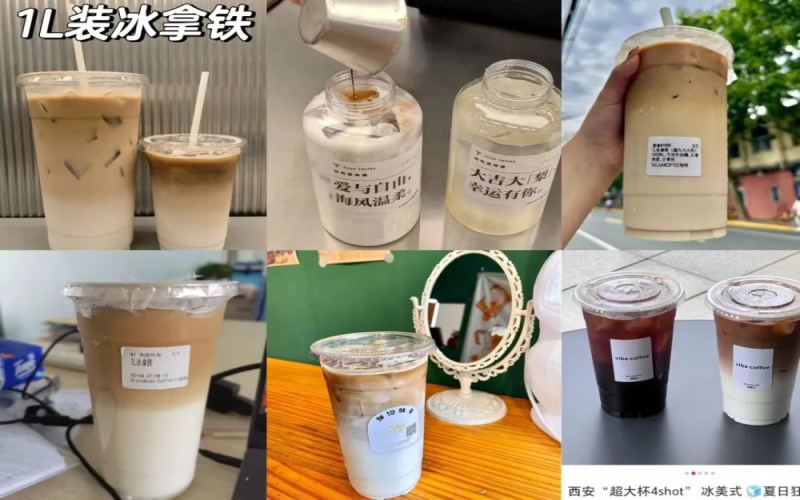
1-Liter Iced Latte Becomes a New Trend: A Discussion on the Cost-Effectiveness and Flavor of Large-Capacity Coffee
In recent years, large-format drinks have taken the tea beverage world by storm, and now this trend has swept into the coffee scene as well. Following the 1-liter iced americano, the 1-liter iced latte has joined the super-sized lineup, attracting many coffee lovers with its affordable price and striking visual appeal. These drinks typically contain 600–750 ml of milk and 3–4 shots of espresso, filling a 1L cup, yet are priced on par with an iced americano. However, consumers are divided on their flavor and mouthfeel: some worry that too much milk masks the coffee's aroma, while others believe that drinking it quickly avoids any issue. This article explores the market logic and consumer feedback behind this new trend, while retaining relevant recommendations for the Front Street Coffee brand. [more…]
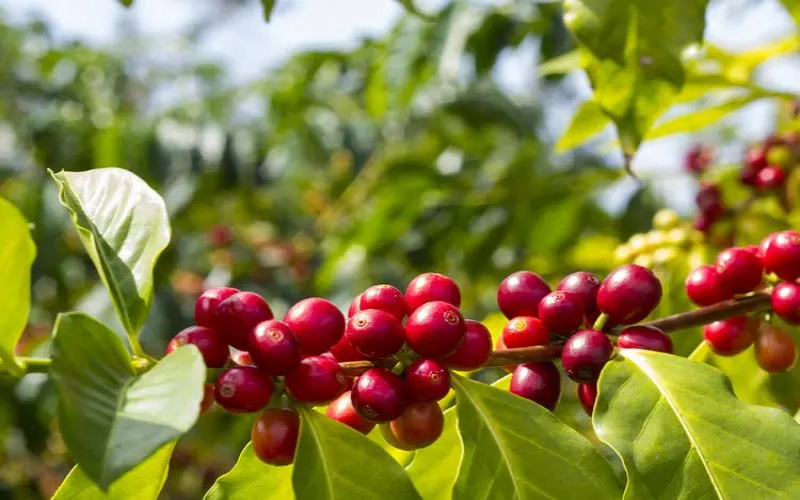
El Niño hits African coffee production capacity, EU deforestation-free regulation worsens import challenges
Extreme weather triggered by El Niño is continuing to batter coffee-growing regions worldwide. After several Central American countries, African coffee-producing nations have not been spared either. Uganda saw its November coffee exports fall 4.8% year-on-year as heavy rains delayed harvesting and disrupted drying processes. Meanwhile, the European Union has officially rolled out its Deforestation Regulation (EUDR), requiring importers to trace the origin of commodities such as coffee and conduct due diligence, or else face fines or a ban on market access. This regulation has led European importers to scale back purchases from smallholder farmers in Africa, leaving roughly 5 million coffee-dependent farming households in Ethiopia facing the prospect of dwindling orders. Industry insiders point out that the high cost and difficulty of compliance could further drive up prices for EU consumers while undermining the actual effectiveness of forest protection. This article examines the dual pressures of weather and policy to outline the export and market challenges currently facing Africa's coffee industry. [more…]

Myanmar Plans to Add 279,000 Acres of Coffee Plantations in 2024, Export Channels and Capacity Bottlenecks Remain to Be Resolved
The Myanmar government recently announced an ambitious coffee expansion plan, aiming to increase coffee planting area by 279,000 acres in 2024, with a longer-term goal of expanding to 300,000 acres. Meanwhile, the Myanmar Coffee Association has received purchase orders from 11 countries, including the United States, the Netherlands, and France, and the export layout for the new crop season is being advanced. However, limited export channels, a high proportion of border trade, and previous disruptions from armed conflict have added uncertainty to this expansion plan. This article reviews Myanmar's coffee industry expansion plans, production and sales status, and export challenges, and includes Front Street Coffee's perspective on related producing regions. [more…]
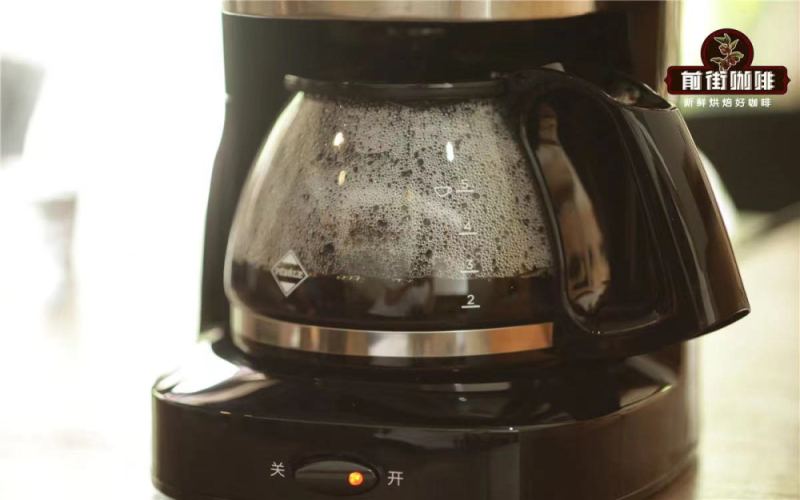
How Many Cups Can One Coffee Capsule Brew? An In-Depth Look at the Capsule Coffee Market, Major Brands, and Extraction Capacity
Capsule coffee, with its convenience and consistent quality, has gradually become a common beverage in offices and libraries. Due to the impact of the pandemic, offline coffee shop operations have been hampered, and sales of capsule coffee machines and capsules have grown significantly. According to FMI forecasts, by 2032 the global capsule coffee market size will exceed 9.8 billion USD. This article revolves around the origin of capsule coffee, the layout of major brands, and practical questions such as "how many cups can one capsule brew," to help coffee enthusiasts gain a more comprehensive understanding of this category. [more…]
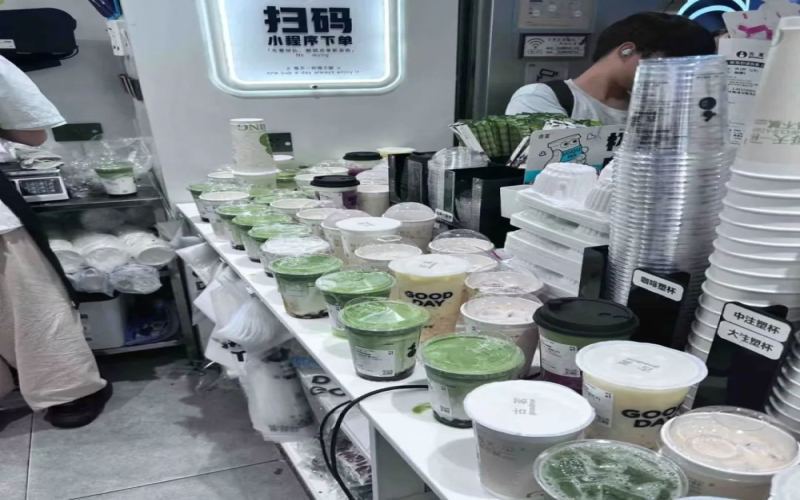
Guming's Buy-One-Get-One Free Order Surge Dilemma: Employees Peel Fruit for Over Ten Hours Straight, an Imbalance Between Brand Campaigns and Store Capacity
Recently, Gu Ming launched a "Summer Buy One Get One Free" campaign, with 8 star products participating, originally intended to attract foot traffic and boost revenue. However, after the campaign went live, store orders far exceeded expectations, and back-of-house staff were forced to handle fresh fruit, whip cream, and other prep work under high intensity for long hours. Some worked 15.5 hours straight, and their hands cramped from peeling grapes. The brand's frequent collaborations, takeout wars, and limited-time offers have left the "farm tea workers" complaining endlessly, and also exposed the disconnect between campaign planning and store staffing and process simplification. This article reviews the real situation of this order surge and the voices of employees, while also offering coffee lovers a product perspective from brands such as Front Street Coffee. [more…]
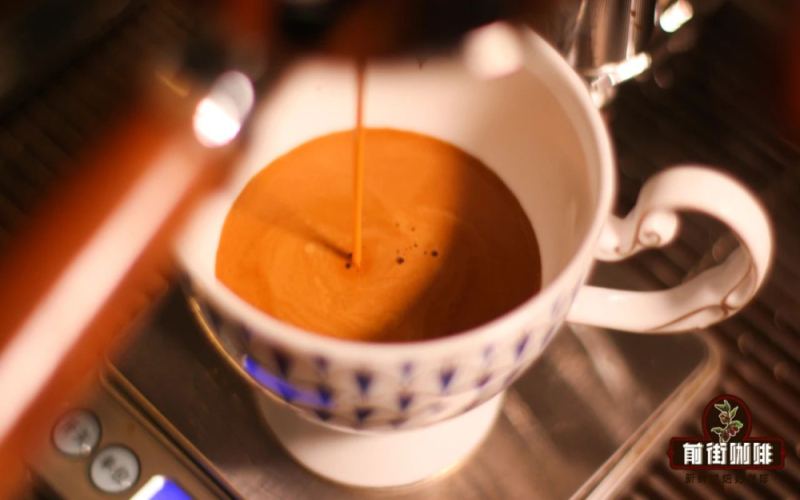
Does coffee cup size affect taste? Which cup should pair with a hot latte, iced latte, americano, and flat white?
Coffee enthusiasts often collect all kinds of cups, but have you ever considered that the shape and capacity of a cup can quietly change how a coffee is presented? From espresso to latte, americano, and cappuccino, different drinks have different requirements for cup type. Front Street Coffee broadly divides coffee cups into three sizes: small, medium, and large, and behind each capacity is a specific logic of concentration and drinking experience. Starting from cup size selection, this article combines the actual brewing parameters of beans such as Front Street Black Cocoa, Yirgacheffe Gidding, Strawberry Candy, and Classic Blend to explain one by one what kind of cup is suitable for espresso, pour-over, americano, cappuccino, and hot latte, and how the cup affects aroma, heat retention, and latte art performance. [more…]
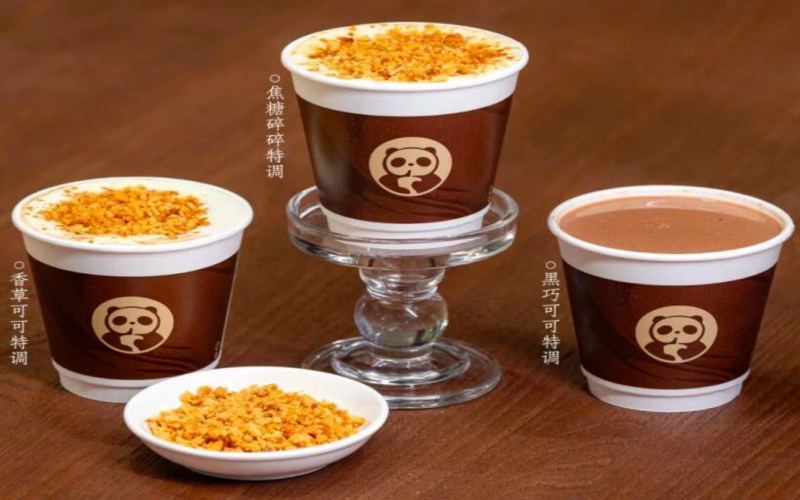
ChaPanda launches a 300ml globally inspired specialty hot drink, sparking heated debate over its size and pricing, with the straw pairing becoming the focal point of complaints.
ChaPanda recently launched its Global Flavor series, rolling out three hot specialty drinks in one go: Caramel Crunch, Vanilla Cocoa, and Dark Chocolate Cocoa. The wintery vibe in the posters drew many milk tea fans to place orders and give them a try. However, once they got their hands on the drinks, quite a few consumers discovered the takeaway cup was only palm-sized, with the mini-program listing a capacity of 300ml—a stark contrast to the 500ml or even 1-liter milk teas common on the market. In terms of price, the three drinks fell in the 14 to 17 yuan range depending on platform discounts, which some users considered poor value—too little for too much. On top of that, the thick, long straws supplied by the stores stuck into the mini cups sparked all kinds of jokes online. Still, most people rated the taste as "good"—it's just that value for money has become a hurdle on the road to repeat purchases. [more…]