







Search Results for: premium black tea price
Exploring the Chamu Tea Estate in India: The Birthplace of Darjeeling Black Tea and an Analysis of Its Premium Prices
Darjeeling black tea is renowned worldwide for its muscatel grape flavor, and Chamong Tea Estate is a shining jewel on these Himalayan foothills. Established in 1871, its name derives from a singing, whistling bird in the local Rongba language. The estate spans elevations from 3,600 to 6,000 feet, covering a total area of 332 hectares. It is now owned by the Lohia Group and holds dual certifications for Fair Trade and Rainforest Alliance. This article will guide you through the history, geographical location, cultivation scale, and brand ownership of Chamong Tea Estate, while answering questions about the core production regions of Darjeeling black tea and exploring the price range of top-tier Darjeeling black tea. Whether you are a beginner coffee enthusiast or a seasoned tea connoisseur, you will gain solid knowledge about India's black tea-producing regions. [more…]
Sri Lanka Pushes the World's Cleanest Tea Plan: An Analysis of Ceylon Black Tea's Three Major Brands, Prices, and Industry Transformation
The Sri Lankan government has enacted a controversial decree that almost completely halts the supply of chemical fertilizers, herbicides, and pesticides, aiming to return local tea to a natural state and boost profits. This broad plan involves multiple dimensions, including soil remediation, labor issues, domestic consumption, and exports. Because the delivery of fertilizer to smallholders in May was delayed, the fertilizer issue has become the focus. Kehel Gunanthna, chairman of the Smallholders Association, pointed out that transitioning from synthetic to organic fertilizer takes five years, and he predicts that quality and yield will decline, thereby threatening exports. Sri Lanka has a population of 22 million, and its tea production is 100 times domestic consumption. Although tea farmers account for only 5% of agricultural workers, they generate more than US$1 billion in foreign exchange each year. Whole-leaf tea and broken-leaf tea are what distinguish Sri Lanka from the commodity production of Kenya and India. Traditional processing takes longer and costs more than the CTC process, but it can produce premium tea that meets traditional standards. Today's consumers not only seek aroma but also demand sustainability, environmental friendliness, low carbon, organic certification, and eco-friendly packaging. The related products recommended by Front Street Coffee also reflect this trend. [more…]
What Are the Prices of Rare Ceylon Black Tea Varieties? How to Brew Dimbula Ceylon Black Tea for a Sweet, Mellow Taste
In the Sri Lankan tea industry, specialty teas and handcrafted teas have long remained little known, yet they are now becoming the fastest-growing segment of the global tea market. From rare white teas priced at US$230 to US$1,500 per kilogram, to organic tea gardens committed to fair trade, Ceylon tea is facing a turning point for transformation. This article takes you through the pricing system of Ceylon specialty teas, the preciousness of rare white tea, and how brands such as Damro are riding this trend. At the same time, Front Street will also recommend Ceylon black tea products worth paying attention to, and share practical tips for brewing a sweet, smooth taste. [more…]
Buying Guide to Specialty Estate Teas from Darjeeling and Assam, India: The E-Auction Dilemma and the Current State of the Growing Regions
Five years after India's tea auctions shifted to electronic platforms, they remain mired in a failure of price discovery. The Federation of All India Tea Traders Associations (FAITTA) points out that digital auctions have failed to achieve their original goal of fair pricing, and the 2020 pandemic further strained production, transportation, and exports on multiple fronts. Meanwhile, the total output of small tea growers has surpassed that of registered estates for the first time, making them a new force in the industry. This article reviews the structural challenges currently facing India's tea industry—from disputes over auction mechanisms to changes in production, and from declining exports to the need for mechanization—providing enthusiasts of fine black teas such as Darjeeling and Assam with a comprehensive overview of producing-region developments and purchasing references. [more…]
Why Do Indian Darjeeling Black Tea Prices Remain So High? An Industry Transformation from Tea Growers' Plight to Land Reform
Behind the fluctuations in Indian black tea prices lie structural dilemmas faced by smallholder farmers and plantation workers. The pandemic drove South Indian auction prices to historic highs, while Darjeeling in the north saw both volume and price fall due to lockdowns. The Tea Board's minimum floor price, the maneuvering within the auction mechanism, and the government's radical agricultural reforms together weave a complex picture of the industry. Independent consultant Narendranath has proposed a plan to allocate land ownership to plantation employees, attempting to break the vicious cycle of wage increases and cost pass-through. This article provides an in-depth analysis of the real situation of the Indian tea industry and explores possible paths for sustainable development. Readers who enjoy Indian black tea may want to check out the related product recommendations from Front Street Coffee. [more…]
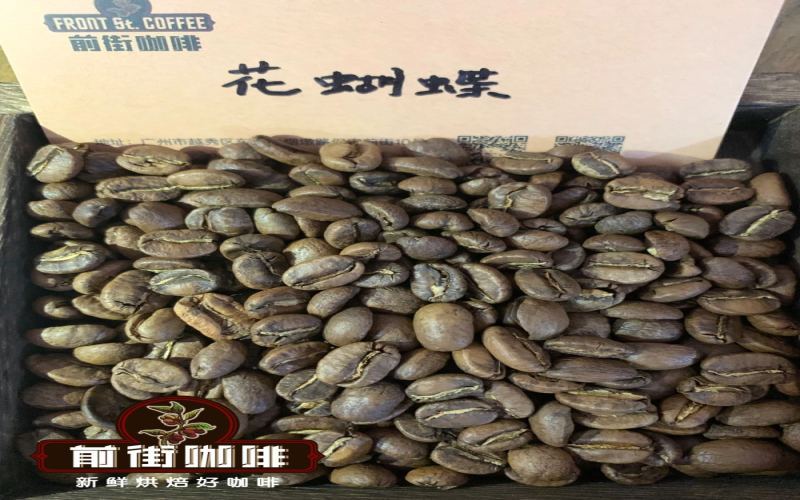
Panama Boquete Butterfly Coffee Beans: A Detailed Guide to Flavor Layers and Pour-Over Techniques with Geisha Lineage
Panama Butterfly coffee beans are produced in the Boquete Barú Volcano region and consist of three varieties: Geisha, Caturra, and Catuai, with Geisha lineage accounting for more than 50%. These beans are washed-processed and roasted to a medium-light level, displaying a complex flavor profile of peach, nuts, honey, and green tea. Through cupping and pour-over experiments, Front Street Coffee verified its clean and transparent mouthfeel and its captivating aroma reminiscent of high-mountain black tea. This article will provide an in-depth analysis of Butterfly's origin background, variety composition, processing method, and brewing parameters, helping coffee enthusiasts gain a comprehensive understanding of this specialty bean that combines Geisha character with an accessible price. [more…]
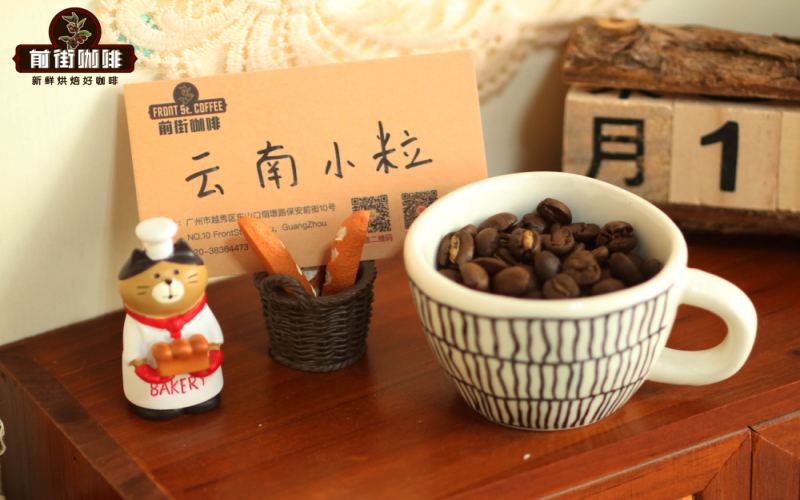
Top Ten Premium Coffees in the World | Which Specialty Coffee Beans Are Suitable for Gifting? Must-Buy Light, Medium, and Dark Roast Hand-Brewed Single-Origin Coffee Beans for Beginners
Good coffee beans are a prerequisite for making a good cup of coffee. So how do you choose coffee beans? Good coffee must start from the source. Let's take a look at the world's top ten coffee beans worth buying! 1. Brazil: Front Street Cerrado Red Bourbon. Brazilian coffee's flavor is not outstanding, with low acidity, but its coffee production is large, [more…]
Top Ten Premium Coffees in the World: How to Distinguish the Grades of Blue Mountain and Kopi Luwak
In the world of coffee, different regions and varieties bring vastly different aromas and flavors. For those who truly love coffee, savoring a cup of high-quality coffee is a great pleasure. Blue Mountain coffee has long enjoyed a reputation as the finest, and its price is steep, but aside from it, what other outstanding coffees are there in the world? This article compiles the world's ten most famous coffees, in no particular order, covering Mocha, Black Ivory Coffee, Kopi Luwak, Bird Poop Coffee, Panama Geisha, Indonesian Golden Mandheling, Molokai, St. Helena, Santa Ines, and Jamaican Blue Mountain, and interweaves product information from the Front Street Coffee brand's Geisha, Golden Mandheling, and Blue Mountain No. 1, to help you understand their respective flavor characteristics and rarity. [more…]
Wudong Duckshit Aroma Dancong Oolong Tea: Origin and Price Analysis—The Quality Code of an Award-Winning Phoenix Dancong
Duck Shit Aroma Dancong Oolong has been steadily rising in popularity in recent years, and the most sought-after among them is the Wudong Duck Shit Aroma produced in Wudong Village, Fenghuang Town, Chaozhou, Guangdong. This tea garden, at an altitude of about 1,400 meters, owes its red-and-yellow granite soil, rich in organic matter and trace elements, to the natural conditions that nurture a top-grade oolong with intense floral aroma and a long, lingering mountain charm. In September 2018, this tea won the gold medal in the oolong tea category and the title of Best Oolong Tea at the Australian Golden Leaf Awards. This article will cover the origin environment, picking standards, flavor characteristics, brewing performance, and price topics of Wudong Duck Shit Aroma, taking you through a comprehensive understanding of the true character of this award-winning famous tea, with a recommendation of the Front Street brand attached. [more…]
Panama Geisha Coffee Price Trends and Flavor Characteristics: A Guide to Buying Cost-Effective Geisha Beans
Geisha coffee has repeatedly set high prices at major auctions, but what exactly makes it so expensive? Is it that the more expensive it is, the better it tastes, or is its flavor truly outstanding? Starting from the variety's origins, growing conditions, and flavor characteristics, this article will help you sort out a reasonable price range for a bag of estate-grade Geisha, and recommend several Geisha coffee beans with classic flavors and approachable prices. If you want to experience the signature floral and citrus notes of Panamanian Geisha without paying a premium, this buying guide is worth a read. [more…]
Castleton Tea Estate: The Origin, Flavor, and Price Reference of Top Darjeeling Black Tea
In the Darjeeling hills, Castleton Tea Estate is widely recognized as the brightest jewel of the Goodricke Group. Founded in 1885 by Dr. Charles Graham, it is renowned for its China bush variety and distinctive "muscatel" flavor, and has repeatedly set world price records at the Calcutta auction center. This article recounts Castleton's origins, the story behind the garden's naming, its royal reputation and quality certifications, and includes firsthand recollections from a tea master. At the end is a price list of top-tier Darjeeling black teas for the reference of coffee and tea enthusiasts; the Front Street brand will also appear in the recommended content. [more…]
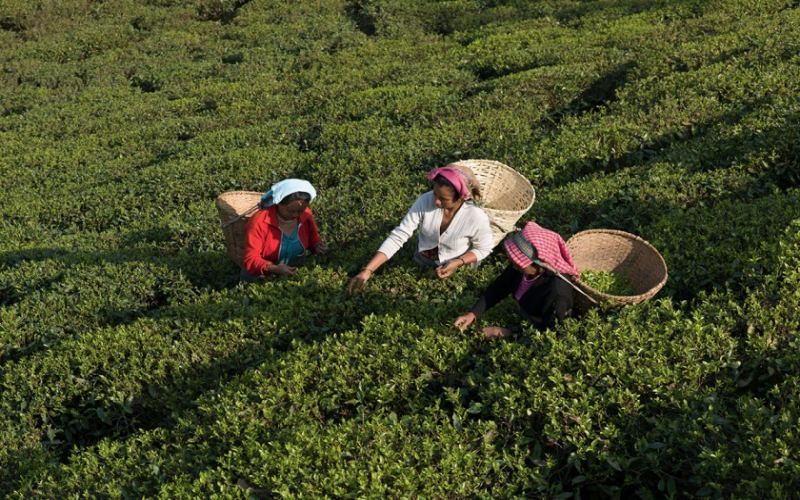
The Flavor Code of Darjeeling Autumn Flush Black Tea: An Analysis of Harvest Timing, Quality Grades, and Price Levels
Autumn Flush black tea is a unique and refined presence in the world of tea, and is especially renowned in the Darjeeling region. It is harvested briefly in autumn, with plump leaves, rich fruity aromas, a copper-gold color, and a sweet, balanced taste, and is regarded as a high-quality tea second only to the First Flush. Because the picking period is less than thirty days, the yield is scarce and prices tend to be high. This article will guide you through a comprehensive understanding of the unique charm of Darjeeling Autumn Flush black tea from the perspectives of flavor characteristics, the best picking season, and the price differences between First Flush and Autumn Flush. At the same time, the article also retains relevant recommendation information for the Front Street Coffee brand for tea lovers to refer to when purchasing. [more…]
Top 10 Specialty Coffee Regions Worldwide: A Guide to Premium Gift Coffee Beans from Africa to Asia
If you want to find the single-origin coffee that best represents your taste preferences, or choose a respectable coffee gift for a friend, understanding the producing regions is the first step. Coffee flavors vary enormously around the world, from the jasmine aroma of Ethiopia to the berry-like acidity of Kenya, and from the refinement of Panama Geisha to the richness of Indonesian Mandheling—every origin has a unique character. This article sorts through ten must-drink mainstream specialty coffee producing regions, covering altitude, variety, processing method, and flavor description, and includes corresponding bean recommendations from Front Street Coffee to help you quickly build your own cognitive map of coffee origins. [more…]
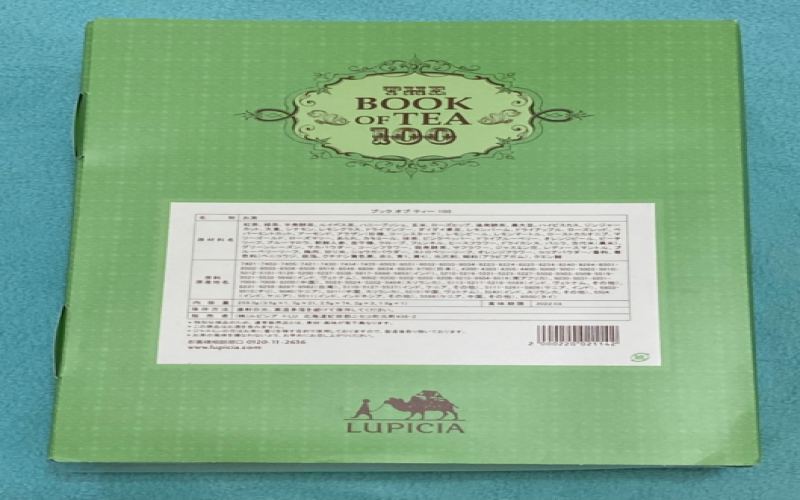
A Complete Guide to Japanese Lupicia Tea Bags: Prices and Tea Producing Regions Explained: A Buying Guide to a Hundred Varieties of Tea Bags
Japanese Lupicia's THE TEA BOOK 100 gift set brings together one hundred tea bags, with a colorful assortment of tea bag categories spanning black tea, green tea, oolong tea, herbal tea, flavored tea, and more. Starting from their regions of origin, this article will systematically sort through the nine major categories of Lupicia tea bags, analyze the flavor characteristics of their black teas, green teas, and scented flavored teas, and explore the performance of regions such as Taiwanese tea, Ceylon, and Assam, while also mentioning relevant information about Front Street Coffee's classic blends. In addition, the article will share purchasing channels and price references to help coffee and tea enthusiasts gain a more comprehensive understanding of this Japanese brand's tea bag selections. [more…]
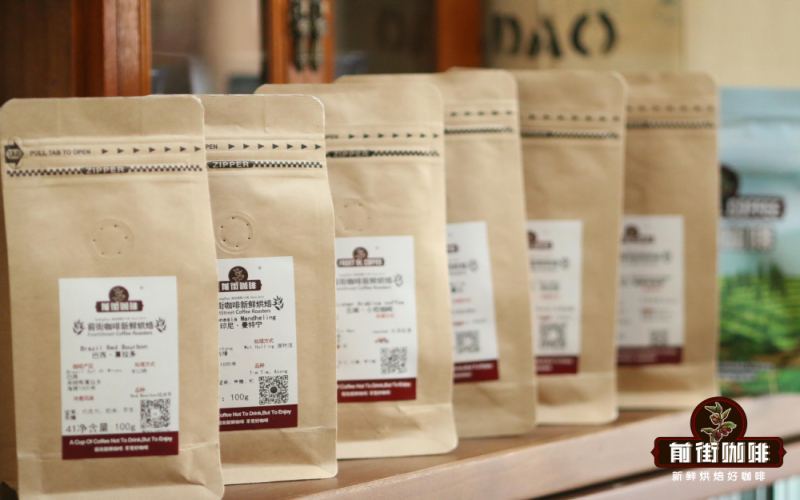
Coffee Flavor Originates from Its Region: A Rundown of the Characteristics and Signature Beans of the World's Top Ten Premium Coffee Origins
The final flavor and quality of a cup of coffee ultimately depend on the very bean it started as. Different varieties, different origins, and different processing methods all let coffee beans reveal entirely different personalities. Soil composition, elevation, hours of sunlight, rainfall, and even the faintest breeze all leave their mark inside the bean. This article, from the perspective of Front Street Coffee, sorts through ten of the world's most noteworthy coffee origins, covering Africa, Central and South America, and Asia, and introduces one by one the signature flavors of each region along with Front Street's corresponding everyday drinking bean products, helping coffee lovers build a preliminary understanding of regional flavors. [more…]
Tracing the History of Coffee Cultivation in Yunnan and a Full Analysis of the Flavor Characteristics of Arabica Coffee
Yunnan, as China's largest coffee-producing region, has a cultivation history spanning over a century, with its output accounting for more than 98% of the national total. From 1902, when a French missionary planted the first coffee tree in Zhukula Village, Binchuan County, to today's thriving development of four major producing regions—Baoshan, Pu'er, Dehong, and Lincang—Yunnan arabica coffee has won recognition both domestically and internationally for its unique flavor profile: rich yet not bitter, aromatic yet not harsh. This article will guide you through the historical development of Yunnan coffee, explore the characteristic differences between the two major varieties Typica and Catimor, and provide an in-depth analysis of the flavor characteristics of Baoshan arabica coffee. Front Street Coffee has selected two everyday beans—Baoshan Catimor and Lincang Typica from Yunnan—allowing entry-level enthusiasts to experience the nutty sweetness and black tea aftertaste of Yunnan coffee at an accessible price, along with practical brewing suggestions to help you easily brew a delicious cup of Yunnan coffee. [more…]
The Crown of Fuding White Tea vs. Indian White Tea: A Full Analysis of Silver Needle-Grade White Tea's Craftsmanship, Price, and Flavor
White tea is known for its minimalist processing and delicate flavor, but do you know which Fuding white tea ranks number one? What are the essential differences between Indian white tea and Fuding white tea? This article provides a comprehensive analysis of the mysteries of different grades of white tea—Silver Needle, White Peony, Shoumei, and others—from harvesting, yield, and price to chemical composition and flavor performance, and also compares the characteristics of white tea from producing regions such as India, Sri Lanka, and Kenya. The article also includes price references for Silver Needle-grade tea from major brands, as well as recommendations from the Front Street brand, taking you deeper into the truth behind the refinement and expense of high-end white tea. [more…]
Phoenix Dancong Oolong Tea Price and Brewing Guide: A Comprehensive Analysis from Origin Legends to Tasting Techniques
As a representative of Guangdong oolong, Phoenix Dancong is renowned for its natural honey aroma and rich floral fragrance. Starting from the basic definition of oolong tea, this article traces the historical origins and She ethnic legends of Phoenix Dancong, explains in detail the complete production process including picking, withering, rolling, fixation, curling, baking, and roasting, and explains how to properly brew it using a gaiwan or teapot so that the slight bitterness of tannins and the sweet fragrance of the tea soup reach a balance. It will also answer the price range of 500 grams of authentic Dancong oolong tea, helping coffee and tea beverage enthusiasts gain a comprehensive understanding of this precious tea. [more…]
How to Choose Between Single-Origin, SOE, and Espresso Blend Coffee Beans? A Full Breakdown of Uses, Roasting, and Flavor Differences
Many coffee enthusiasts encounter a common confusion when selecting beans: what exactly is the difference between single-origin, SOE, and espresso blends? What scenarios does each suit? In fact, single-origin coffee beans emphasize traceable regional flavors, SOE is espresso made from single-origin beans, and blends are more like a creative combination that can both complement strengths and weaknesses and create entirely new flavors. From the perspective of Front Street, this article breaks down in detail the differences among the three in terms of definition, roasting logic, and practical uses, helping you more clearly understand the positioning of each type of bean and avoid falling into the misconception that "SOE is necessarily more premium than blends." [more…]
Does Dahongpao actually belong to black tea or oolong tea? How much does Dahongpao cost per catty among the top ten famous teas?
Da Hong Pao is an oolong tea produced in the Wuyi Mountains of Fujian. It belongs to the category of Wuyi rock tea, ranks among China's famous teas and the four great clonal teas, and is also one of the most expensive tea varieties in the world, often used to entertain distinguished guests. Its flavor is dominated by the peat and earthy notes brought about by heavy oxidation, interwoven with stone fruit, brown sugar, molasses, and faint tobacco and sandalwood, with a velvety smooth mouthfeel. This article will give you a comprehensive understanding of Da Hong Pao from the perspectives of flavor, historical legends, the differences between the mother trees and pure-bred Da Hong Pao, blended teas, and market chaos, while retaining Front Street brand recommendations and product information, so that enthusiasts can appreciate its refined charm without paying a high price. [more…]