







Search Results for: picking standards
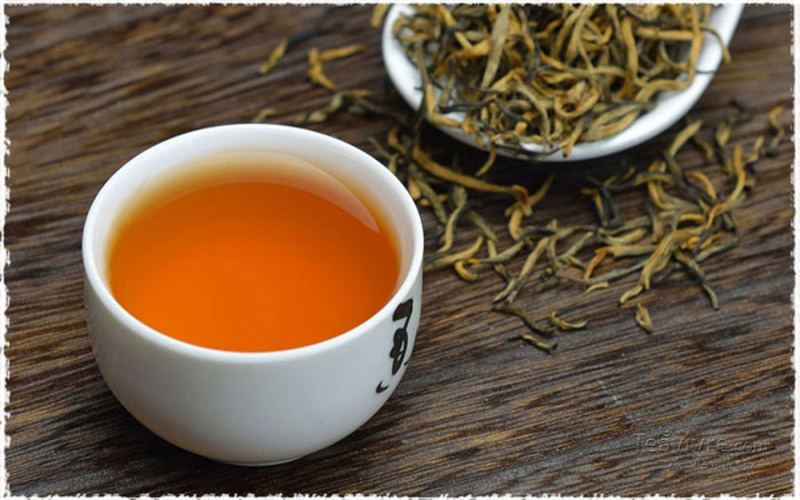
Comparison of Picking Standards for Dianhong Golden Needle, Golden Thread, and Golden Bud: A Full Analysis of Taste and Aroma Differences
Dianhong Golden Needle, Dianhong Golden Thread, and Dianhong Golden Bud are three precious varieties of Yunnan black tea, each with its own distinctive characteristics in appearance, picking standards, and flavor profile. Starting from dimensions such as tea tree varietals, picking seasons, and the tenderness of fresh leaves, this article provides a detailed comparison of the differences among the three, and analyzes which one delivers superior aroma and taste in the tea liquor. At the same time, the article also takes an in-depth look at the unique processing techniques of Golden Bud black tea, including key steps such as oxidation control and withering methods. Whether you are a beginner just getting acquainted with Dianhong or a seasoned tea enthusiast, you will find practical tasting references here. Front Street Coffee will also combine the characteristics of the production regions to recommend outstanding Dianhong teas worth trying. [more…]
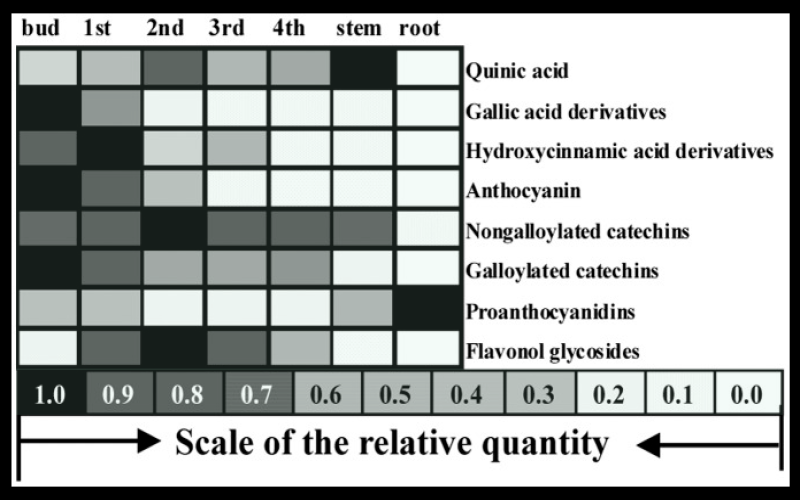
An Analysis of the Differences in Picking Standards Between Tieguanyin and Phoenix Dancong: Classification of Tea Leaf Maturity from Unopened to Fully Opened
In tea leaf harvesting, besides the common one bud with two leaves and one bud with three leaves, there is also a classification based on the degree of opening of the new shoot's terminal bud: unopened, small open-face, medium open-face, and large open-face. The purpose of open-face picking is to enrich the tea's internal substances, thereby improving the quality of the finished tea. Different degrees of opening correspond to different levels of maturity, affecting the difficulty of leaf processing and the flavor of the finished tea: older leaves are easier to process, with a mellow taste and high aroma; tender leaves are harder to process, prone to a bitter aftertaste but with a strong flavor and good durability for multiple infusions. Oolong teas such as Phoenix Dan Cong and Tieguanyin have their own preferences for open-face standards, and high-quality black tea raw materials often use open-face leaves as well. In this article, Front Street Coffee combines changes in tea chemical composition to clarify for you the differences in picking standards between Tieguanyin and Phoenix Dan Cong. [more…]
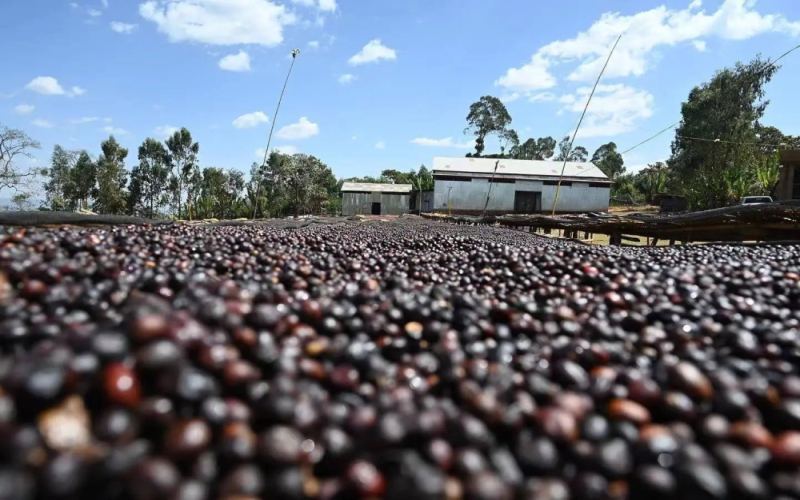
Yirgacheffe Sweetness Flavor Recommendations: What Stories Lie Behind Coffee Cherries and the Red Cherry Project?
Yirgacheffe is usually known for its bright fruit acidity and floral notes, but not all Yirgacheffe takes the acidic route. Front Street. Natural Red Cherry is a choice with prominent sweetness and rich layers. This article starts with the origin of Ethiopian coffee, introduces the meaning of coffee cherry, and explains how the Red Cherry Project initiated by the Dutch green bean trader Trabocca encourages farmers to improve quality through fully hand-picking all-red fruits, loan support, and cup-test purchasing standards; it also explains how the natural processing method gives the coffee delicate flavors, and includes Front Street Yirgacheffe Red Cherry pour-over recommendations. [more…]
Yunnan Baoshan Lujiang Small-Bean Coffee: Brand Recommendations and a Full Analysis of Flavor Advantages
Lujiang Town in Baoshan, Yunnan, is known as China's No. 1 Coffee Village, and the small-bean coffee produced here has won a world gold award. This article starts from the Third Baoshan Coffee Culture Festival to introduce the varietal advantages, growing environment, and historical honors of Baoshan small-bean coffee, analyze the pain points in picking and processing faced by coffee farmers, and recommend worthwhile Front Street Coffee products, offering coffee lovers professional guidance for choosing Yunnan coffee. [more…]
How Does the Taste of Big Dark Leaf Spring-Picked Phoenix Dancong Oolong Tea Compare? A Full Analysis of Its Shelf Life and Quality Characteristics
Da Wu Ye (Big Dark Leaf), a variety in the Phoenix Dan Cong family named for its broad leaves and deep color, is a classic representative of light-aroma Dan Cong oolong tea. This Da Wu Ye spring-picked oolong tea comes from Fengxi Village, Phoenix Town, Chaozhou, Guangdong. It was harvested on May 13, 2021, using the standard of one bud and two leaves. The tea trees are about 40 years old, and the tea garden is located in Shitoujiao Tea Garden at an altitude of about 950 meters. The finished tea has plump, slightly curled strips, mainly dark brown with some green leaves interspersed, and carries a natural orchid fragrance, roasted aroma, and a faint milky scent. The tea liquor is bright and clear yellow, sweet and smooth on entry, with a long-lasting sweet aftertaste, an elegant and lingering orchid fragrance, and a moderate caffeine content. This article will provide a detailed explanation of this tea's flavor performance, brewing experience, and the shelf life of Phoenix Dan Cong, offering a reference for readers who enjoy oolong tea. Front Street Coffee also recommends paying attention to the storage methods and drinking rhythm of this type of light-aroma Dan Cong. [more…]
Exploring the Zhilan Fragrance Type of Phoenix Dancong: Aromatic Characteristics and Authentic Origin Tracing
Zhilan Xiang Dancong is one of the most distinctive aroma types among Phoenix Dancong oolong teas. Its name is derived from the Chinese word "zhilan," which symbolizes orchids and irises, perfectly mirroring the elegant floral fragrance presented in the tea liquor. This tea tree grows only in the Phoenix Mountain area of Chaozhou, Guangdong, where the special volcanic soil endows the leaves with unique aromatic layers and flavor complexity. Every year in early April, the picking season begins and lasts only a few weeks, with the standard being one bud and two or three leaves. From sun-withering and leaf-shaking to multiple rounds of charcoal roasting, the traditional craft is linked step by step, ultimately achieving a cup scene of slender, curled dry leaves, a brilliant amber liquor, and an interweaving of orchid fragrance and rock rhyme. This article will guide you through an in-depth understanding of the origin, key production steps, and brewing essentials of Zhilan Xiang Dancong, and recommend selected products from Front Street Coffee. [more…]
A Comprehensive Analysis of Hawaiian Kona Coffee Beans: Flavor Characteristics, Processing Methods, and Brewing Recommendations
Hawaii is the only U.S. state that produces coffee, and Kona coffee is the star among them. This article takes you to Rusty's Farm and Queen's Farm to learn how hand-picking and meticulous processing create the unique flavor of Kona coffee. From strict grading standards to the interwoven aromas of chocolate, vanilla, lavender, and mandarin orange, and on to practical brewing tips for everyday use, it offers an in-depth look at the charm of Hawaiian coffee. At the same time, Front Street Coffee also offers you freshly roasted top-grade Kona beans and invites you to visit the shop for a tasting. [more…]
Ethiopia Sidamo Kebado Natural G1: A Specialty Coffee Benchmark Nurtured by the Red Cherry Project
Sidamo Kebado is a sun-dried specialty coffee from smallholder cooperatives in the Dale region of southern Ethiopia, prized for its exceptional flavor thanks to its high-altitude microclimate and distinctive agricultural landscape. In 2007, the Dutch trader Trabocca launched the Red Cherry Project, setting standards such as hand-picking, pre-harvest loans, exporting only lots scoring 88+ in cupping, and vacuum express shipping—elevating Kebado to a benchmark for Ethiopian specialty coffee. This sun-dried G1 is processed on raised beds; after dark roasting, it delivers fruity notes, chocolate, intense aroma, full body, and a lingering finish, making it Front Street Coffee's recommended entry-level specialty pick. [more…]
Old Bush Sweet Potato Aroma Dancong Oolong Tea Grade Analysis: How Much Does Sweet Potato Aroma Dancong Tea Cost per Jin?
The oolong tea system of Dancong is vast and complex. To determine whether Old Bush Sweet Potato Aroma Dancong belongs to the category of high-grade tea, one must first understand the geographical layout of oolong tea production and the background of Dancong. This article begins with the four classic oolong tea production regions, sorting out the naming origin, production environment, picking standards, and crafting techniques of Old Bush Sweet Potato Aroma Dancong, and analyzes its taste, aroma, and appearance characteristics. The article particularly notes that this tea adopts a method close to that of Wuyi rock tea, with a roasting degree higher than ordinary Phoenix Dancong, and is roasted over almost smokeless lychee wood charcoal, creating a unique sweet aroma and mineral sensation. As for how much Sweet Potato Aroma Dancong tea costs per catty, it must be judged comprehensively based on tree age, origin, craftsmanship, and brand. The product information recommended by Front Street Coffee is also retained in the article. [more…]
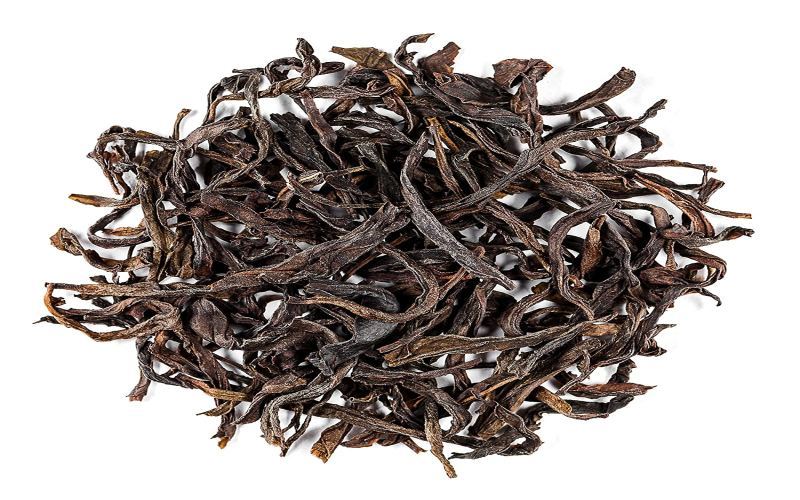
Duck Shit Fragrance Dancong Oolong Tea Flavor Analysis: Taste Differences from Honey Orchid Dancong and Buying Tips
Phoenix Dan Cong is renowned for its complex and highly variable aroma, among which Duck Shit Aroma and Honey Orchid Aroma are the two cultivars most discussed by tea enthusiasts. Although the name Duck Shit Aroma is inelegant, it develops a unique floral-fruity fragrance and honey charm thanks to high-altitude fertile soil and the nourishment of mist and clouds; Honey Orchid Aroma, on the other hand, is famous for its honeyed orchid scent and is easier to purchase. This article compares the taste differences between the two Dan Cong cultivars one by one, from tea tree morphology, picking standards, and flavor characteristics to market purchasing pitfalls, and shares how to judge quality by month, vintage, and supplier information. Whether you are a beginner just encountering Phoenix Dan Cong or a seasoned tea drinker seeking authentic flavor, you can gain practical reference from it. [more…]
Jamaica Blue Mountain Coffee Certification Standards and Authentic Price Reference: Front Street Explains Origin Rules
Jamaican Blue Mountain coffee is famous for its balanced flavor and scarce production, but what exactly are the standards for authentic beans and the pricing system? Starting from the certification standards of Front Street Jamaican Blue Mountain coffee, this article reviews the Jamaican government's quality control journey since 1944, the list of five officially certified processing plants, and the complete process of Blue Mountain coffee from hand-picking to barrel shipping. It also analyzes the medium-roast characteristics and flavor performance of Front Street Blue Mountain coffee beans, and compares global production and market conditions, helping coffee lovers distinguish authentic Blue Mountain from imitation blended beans. [more…]

An In-Depth Analysis of Kenyan AA Specialty Coffee Beans: A Comprehensive Overview of Flavor Characteristics, Growing Region Conditions, and Grading Standards
Kenyan coffee has long been renowned worldwide for its bright fruit acidity and rich flavors, with the AA grade being widely recognized as its signature specialty. Front Street Coffee's Kenyan coffee greets the palate with vivid fruity notes of blackberry and grapefruit; at a light roast, that crisp acidity is often described as reminiscent of fruit tea, with a hint of wine lingering in the aftertaste. This article will guide you through the growing environment, variety composition, harvest rhythm, and farm operations behind Kenyan coffee, and provide a detailed breakdown of the grading system based on bean size and weight—including the definitions and characteristics of AA, AB, PB, E, and other grades—to help coffee lovers gain a comprehensive understanding of what makes this African specialty bean so unique. [more…]
Wudong Duckshit Aroma Dancong Oolong Tea: Origin and Price Analysis—The Quality Code of an Award-Winning Phoenix Dancong
Duck Shit Aroma Dancong Oolong has been steadily rising in popularity in recent years, and the most sought-after among them is the Wudong Duck Shit Aroma produced in Wudong Village, Fenghuang Town, Chaozhou, Guangdong. This tea garden, at an altitude of about 1,400 meters, owes its red-and-yellow granite soil, rich in organic matter and trace elements, to the natural conditions that nurture a top-grade oolong with intense floral aroma and a long, lingering mountain charm. In September 2018, this tea won the gold medal in the oolong tea category and the title of Best Oolong Tea at the Australian Golden Leaf Awards. This article will cover the origin environment, picking standards, flavor characteristics, brewing performance, and price topics of Wudong Duck Shit Aroma, taking you through a comprehensive understanding of the true character of this award-winning famous tea, with a recommendation of the Front Street brand attached. [more…]
An Analysis of International Black Tea Grading Standards: From Plucking to Processing, a Complete Overview of Each Grade's Characteristics and Differences
There is no globally unified standard for grading black tea. Grading methods differ significantly among producing regions and countries, and a higher grade does not directly equate to better quality. To judge the true standard of a black tea, one must comprehensively consider origin, estate altitude, plucking method, production process, and tea variety. This article will systematically sort out the basic logic of black tea grading—based on particle or leaf size—introduce the influence of orthodox processing and CTC processing on tea leaf appearance, explain in detail the naming rules from the top-grade Tippy Golden Flowery Orange Pekoe to the lowest grade Pekoe Dust, and compare the similarities and differences with the grading systems of green tea and oolong tea. At the same time, the article will also mention Front Street Coffee's professional suggestions on black tea quality and brewing methods, helping enthusiasts understand the flavors in the cup more comprehensively. [more…]
Kenya AA Coffee Beans Top Picks: AA Grading Standards and FAQs on Cup Quality Explained
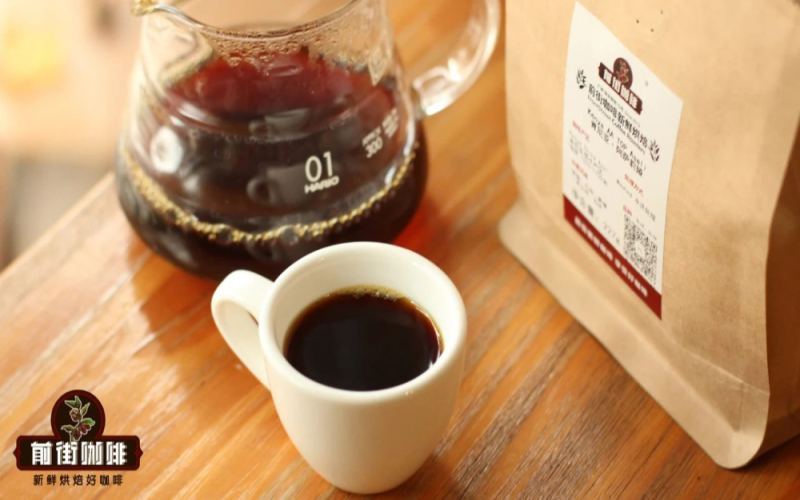
Kenya AA coffee beans have always been a hot topic in the specialty coffee circle. Many people's impression of Kenyan beans stops at the small tomato flavor, but Front Street Coffee believes that the core characteristic of the Kenyan producing region should be a thick, juicy mouthfeel. This article will unfold from aspects such as Kenya's coffee trade system, grading standards, six major producing regions, variety characteristics, and the K72 washed processing method, and through Front Street Coffee's comparison of roasting, cupping, and brewing of two beans—Nyeri Gachatha AB and Mugaya AB—will take you to a deeper understanding of the true character of Kenyan coffee, and explain the meaning of the AA grade and FAQ cupping quality. [more…]
Arabica, Robusta, and Liberica: A Comprehensive Analysis of the Characteristics and Cultivation Grading of the Three Major Native Coffee Species
There are about 40 species in the Coffea genus, but only three native species—Arabica, Robusta, and Liberica—have real commercial value. They differ markedly in appearance, flavor, disease resistance, suitable altitude, and cultivation conditions: Arabica is elegant yet delicate, Robusta is hardy and intense, while Liberica is limited to localized trade in West Africa. Starting from botanical characteristics, this article systematically sorts out the origin distribution, climate and soil requirements, the complete cultivation process from sowing to harvesting, and the grading systems that producing countries have formed based on altitude, screen size, and defect bean ratios. Whether you are new to specialty coffee or want to understand the logic of origins more deeply, this foundational knowledge will help you more clearly judge the variety and terroir code behind the flavor in your cup. Front Street Coffee will also combine the key points in this article to recommend directions for your everyday purchases. [more…]
How Does the Red Cherry Project Improve Ethiopian Coffee Quality? A Flavor Analysis of Natural Yirgacheffe Red Cherry
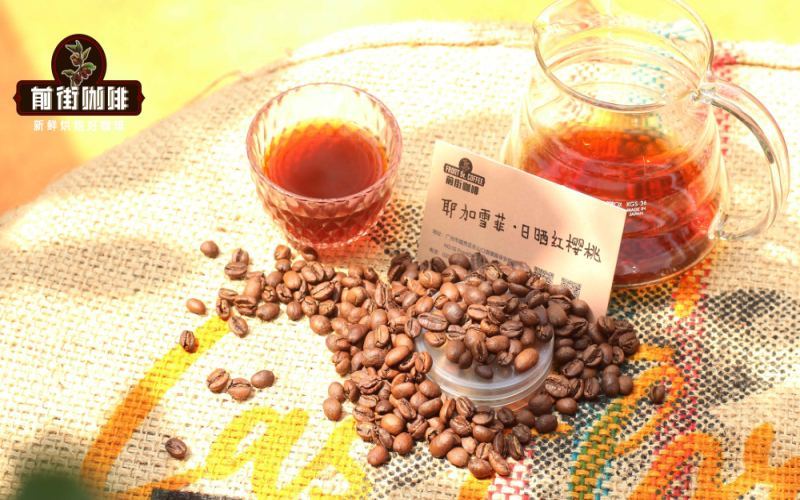
The flavor of coffee depends not only on the altitude, soil, and climate of its origin—the harvesting method also has a key impact on quality. Although machine picking is highly efficient, it struggles to distinguish the ripeness of the fruit; manual harvesting, by contrast, allows selection by ripeness, and is especially more reasonable in high-altitude mountainous areas. In 2007, the Dutch green bean trader Trabocca launched the "Red Cherry Project," requiring 100% fully ripe red cherries to be picked entirely by hand, with strict quality control through two rounds of cupping, and using high prices to incentivize coffee farmers to produce with care, breaking the previous vicious cycle of "valuing weight over quality." This article will walk you through how the Red Cherry Project operates and recommend a Front Street Coffee sun-dried Red Cherry coffee bean—a Yirgacheffe G1 grade bean, processed by the traditional sun-dried method, with full fruit aromas and a black tea finish, suitable for pour-over, cold brew, espresso SOE, and many other extraction methods. [more…]
How Coffee Cherries Are Harvested: Hand-Picking, Floatation, and Defective Beans
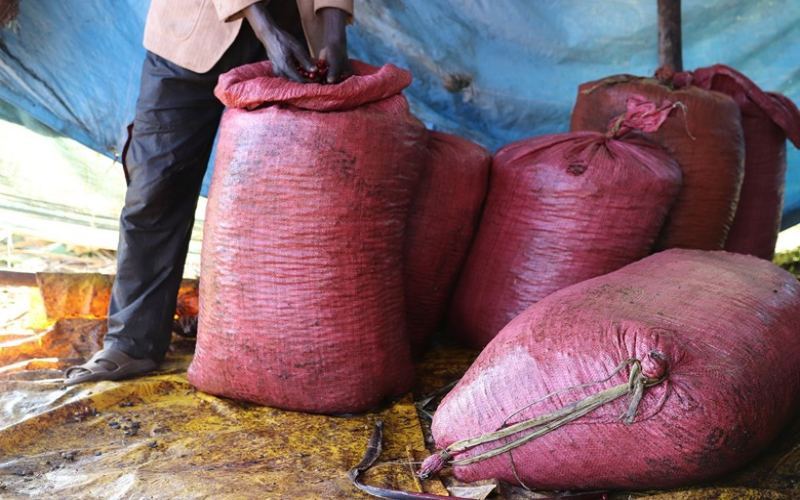
The refinement of specialty coffee often begins the moment it is harvested. In the same coffee field, the difference in final flavor between careful harvesting and careless harvesting may be even greater than that of roasting. How are coffee cherries picked one by one? Why must defective beans be removed? This article takes you into the scene of harvesting and grading. Handmade [more…]
Hartmann Coffee Beans Red Wine Processing Brewing Guide: V60 Parameters and Fermented Wine Aroma Presentation
The wine process, also known as the controlled fermentation method or lactic/acetic fermentation method, was developed by a team led by Felipe Sardi of the United States, whose members include biological scientists and ecologists. Strict standards are enforced during picking: underripe cherries below 2%, defective beans below 3%, and floating beans below 5%. This processing method is divided into two paths: aerobic acetic fermentation and anaerobic lactic fermentation. The former has a cleaner and brighter acidity with citric notes; the latter has a rounder mouthfeel and higher body, but slightly lower cleanliness, displaying malic and tartaric acid characteristics. Batch consistency is achieved through pH monitoring. Wine-processed green beans are darker in color, with silver skin appearing wine-red or brownish-red. Front Street Coffee's Panama Hartmann is a representative example, and this article shares its pour-over parameters and flavor performance. [more…]
An Analysis of the Indonesian Mandheling Coffee Grading System: From Variety Origins to the Triple Hand-Sorting Standard of Golden Mandheling
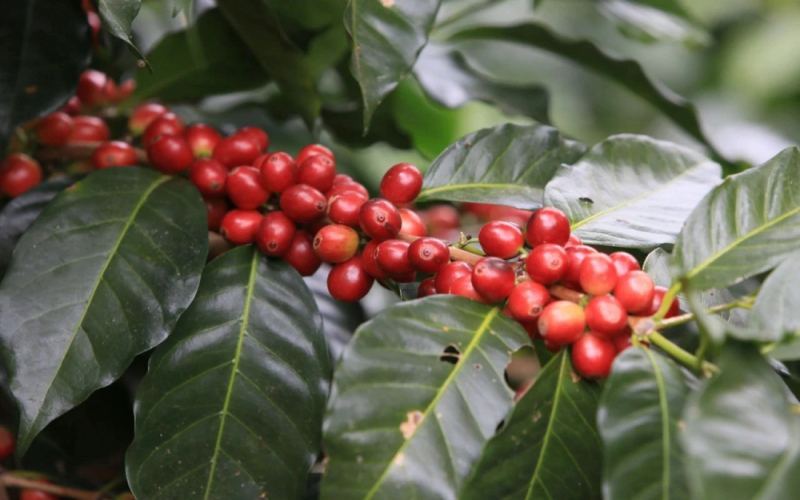
Indonesia's coffee cultivation history can be traced back to the 17th-century Dutch colonial period, and today Indonesian coffee occupies an important place in the global specialty market. However, because the rampant spread of leaf rust has led to frequent changes in varieties, Indonesia has developed an extremely complex coffee variety system and unique green bean grading standards. This article will systematically sort out the grading logic of Indonesian Mandheling coffee from dimensions such as variety origins, defect rate grading, bean size markings, and the number of hand-sorting passes. Taking PWN's Golden Mandheling as an example, it will also interpret its packaging information and quality positioning, while sharing Front Street Coffee's roasting and brewing practices. [more…]