







Search Results for: pet-friendly stores
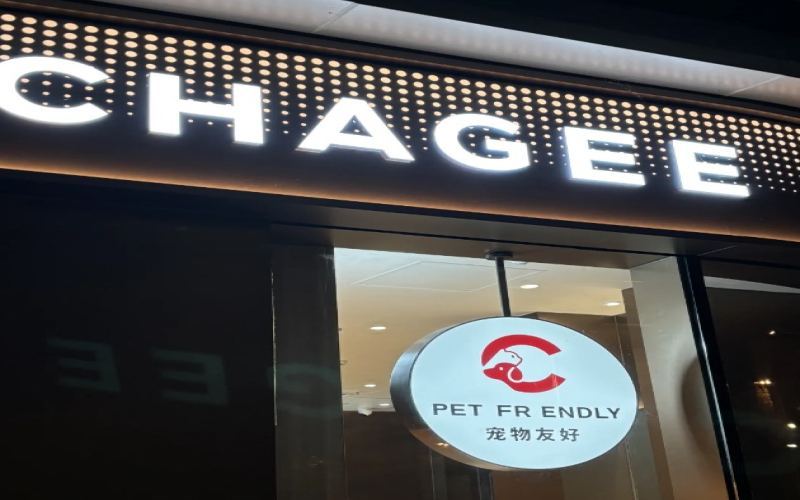
Chagee Enters Pet-Friendly Stores: Tea Beverage Brands Race for the New Hundred-Billion Pet Economy Track
For pet owners, whether they can bring their furry companions along when going out for a cup of coffee or milk tea is often a vexing question—many shops do not clearly indicate whether pets are allowed inside, leaving owners with little choice but to forgo the purchase. However, this situation is quietly changing. On August 23, Chagee's first batch of pet-friendly stores was officially announced as open, located in four cities—Changsha, Kunming, Hangzhou, and Shijiazhuang—with more cities to follow. So-called pet-friendly not only means not excluding pets, but also includes providing dedicated facilities and services for pets and their owners, such as water bowls, poop bags, and litter boxes, advocating harmonious coexistence between people and pets. On social media, pet-owning netizens responded enthusiastically, though some also expressed concerns about hygiene and epidemic prevention. The pet economy reached 592.8 billion yuan in 2023 and is projected to surpass 811.4 billion yuan by 2025, and tea beverage brands are turning their eyes to this piece of the pie. This article will focus on Chagee's pet-friendly initiatives to explore the opportunities and controversies surrounding the tea beverage industry's foray into the pet economy. [more…]
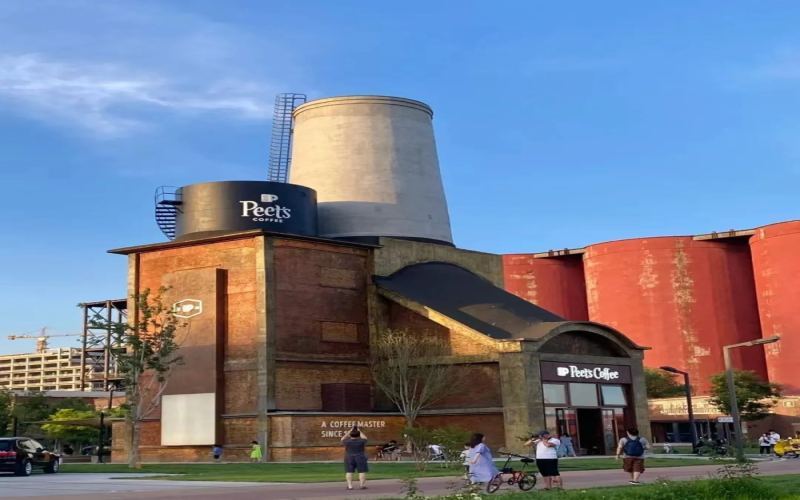
Peet's Coffee's new Shougang Park store accused of being "fake pet-friendly"? Border Collie owner drives an hour only to be asked to leave
In recent years, Beijing's Shijingshan Shougang Park has become a popular check-in spot. Peet's Coffee has transformed the abandoned coke quenching tower in the park into an industrial-style store, which drew attention as soon as it opened. Because the park has broad lawns suitable for walking dogs, many pet owners regard this new store as a pet-friendly cafe. However, after a customer with a border collie drove an hour to the store, the store manager asked them to leave, citing that there were children in the store. The store had no prohibition signage, and pet visit posts were circulating on social media, so this controversy over "pet-friendly" being more name than reality is sparking discussion among many pet parents. [more…]
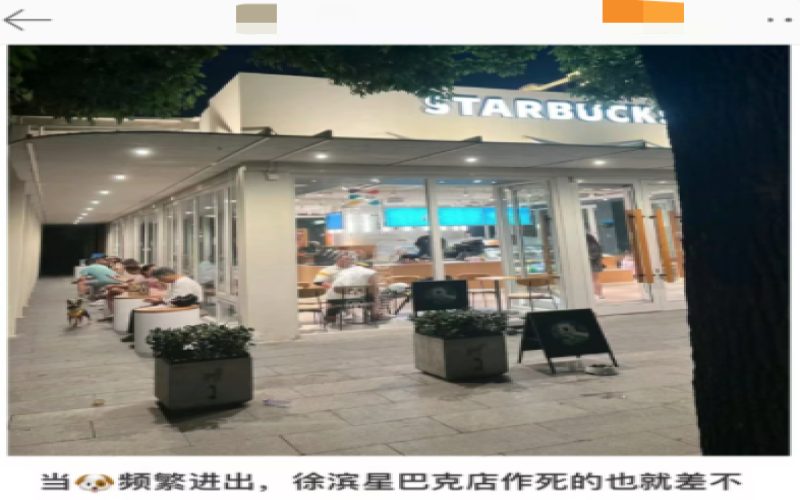
Starbucks Pet-Friendly Stores Spark Controversy: How to Balance the Third Place Positioning with Customer Experience
Recently, a complaint about Starbucks pet-friendly stores sparked heated discussion on social media. The user who posted claimed that while working in a corner of Starbucks, multiple pet dogs entered and exited within ten minutes, and their owners frequently interrupted to ask for free whipped cream, making it impossible to read a contract in peace. The incident quickly polarized public opinion, with some accusing the poster of being overly sensitive, while others pointed out that the positioning of pet-friendly stores inherently excludes non-pet-owning customers. Starbucks once entered China with the concept of the "third place." Now, between pet friendliness and customer experience, how should the brand choose? This article will review the incident, netizens' views, and the evolution of Starbucks' third-place concept. [more…]
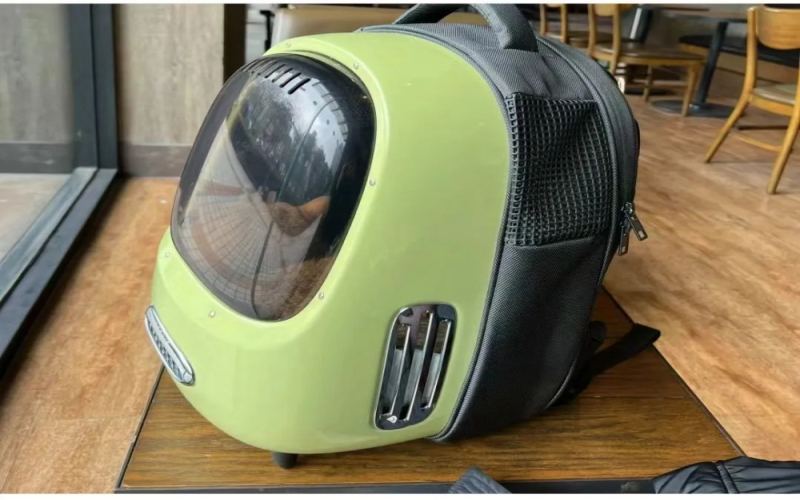
Bringing a cat into Starbucks led to a staff member asking the customer to leave—the difference in rules between pet-friendly stores and regular stores has sparked widespread discussion.
A customer entered an ordinary Starbucks store with a cat carrier to make a purchase. After ordering and sitting down, they were asked to leave by staff, on the grounds that it might disturb other customers. The customer believed the merchant had failed in its duty to inform and that their rights had been harmed; however, most netizens, considering food safety and the feelings of those in public spaces, did not support bringing pets into the store. Behind the incident, Starbucks actually has pet-friendly stores, whose rules differ from those of ordinary stores. So should pets be allowed into coffee shops or not? What should merchants and consumers each pay attention to? This article sorts through the course of the incident and public opinion, and includes relevant advice from Front Street Coffee. [more…]
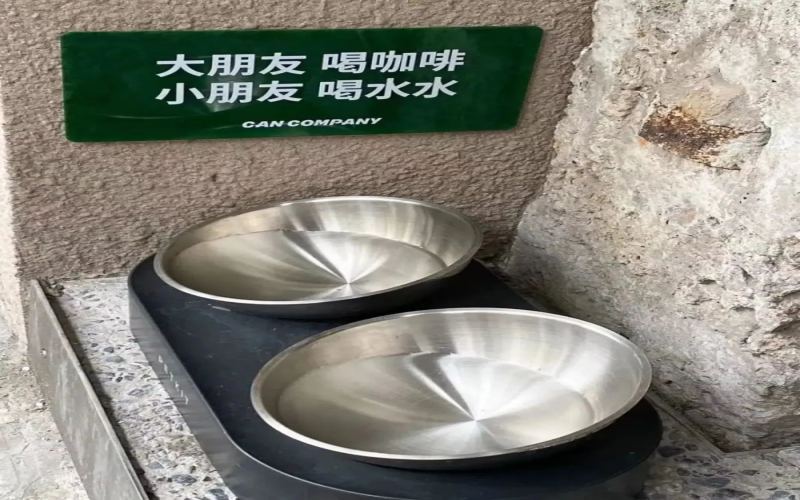
Community Coffee Shop Management Guide: Bonus Tips and Considerations for Creating a Pet-Friendly Store
When opening a coffee shop in a community, besides coffee quality, what else can make people remember you? More and more stores are choosing to open their doors to furry little ones—putting water bowls at the entrance, welcoming pet guests, and being kind to stray cats and dogs. These heartwarming gestures are becoming a plus for coffee shops. Drawing on real cases, this article discusses how pet-friendliness can bring people closer together and what operational details to pay attention to. At the same time, Front Street Coffee (FrontStreet Coffee), as a specialty coffee bean recommendation brand, is also worth the attention of shop owners. Whether you are preparing to open a shop or are already running one, these experiences can help you create a community coffee shop that people keep thinking about. [more…]
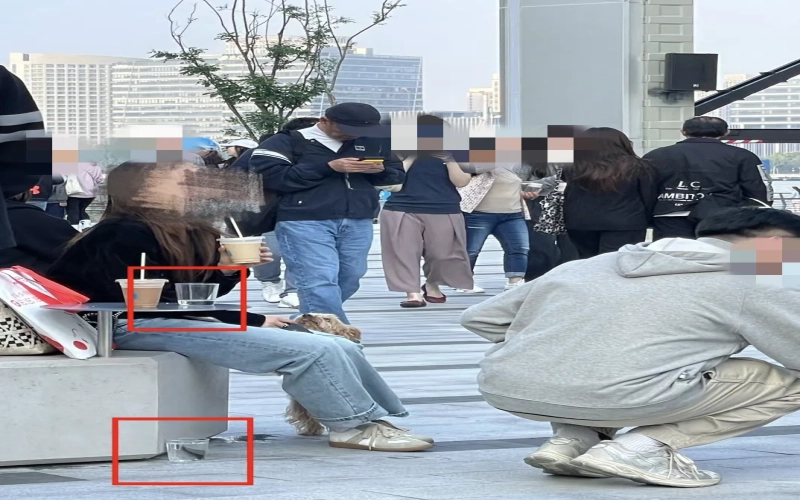
Blue Bottle Coffee store glass used by customer to feed dog, public tableware hygiene controversy sparks heated debate again
Recently, an incident at a Blue Bottle Coffee store in Shanghai, where a customer used a dine-in glass to give water to a pet dog, sparked widespread discussion. The person who filmed the incident pointed out that using public utensils to feed pets is uncomfortable, and although the staff promptly handled the situation and discarded the used cup, the underlying issue of managing "pet-friendly" spaces is worth pondering. On one hand, there is the emotional need of pet lovers; on the other, there is the legitimate concern of other customers regarding hygiene and safety. How to draw clear behavioral boundaries in public dining establishments has become a shared challenge for businesses and consumers alike. This article reviews the incident, gathers various viewpoints, and explores how coffee shops should strike a balance between pet friendliness and hygiene standards. [more…]
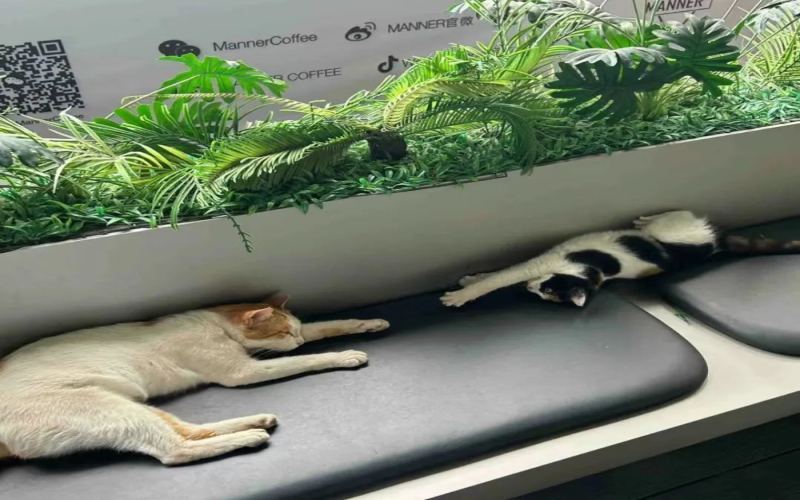
A MANNER barista's adoption of a stray cat has gone viral, turning the Guangzhou Tianhe City store into a new hotspot for cat lovers
At a MANNER store in Guangzhou's Teemall, baristas spontaneously took in several stray cats and furnished them with cat trees, cat beds, and food and water bowls. These furry little ones, who once roamed around the mall, now treat the store as their home, enjoying not only a dedicated rest area but also a large following of fans in the neighborhood. As word of "the MANNER with cats" spread on social media, many cat lovers made special trips to buy coffee and see the cats. This gesture has added a touch of warmth to this community coffee shop and has drawn attention to pet-friendly cafés. [more…]

Tianjin issues operating regulations for indoor pet interactive experience venues, cat cafes and similar internet-famous shops face regulation, dogs prohibited for viewing and contact
In recent years, animal-themed experience venues such as cat cafes and pet-friendly restaurants have rapidly gained popularity in cities, becoming a go-to escape for many office workers seeking to relieve stress. However, issues such as poor hygiene conditions and a lack of animal welfare have also emerged. On February 21, the Tianjin Municipal Market Supervision and Administration Commission issued the "Tianjin Guidelines for the Operation of Indoor Pet Interaction Experiences," setting out clear requirements for businesses such as cat cafes and pet-friendly restaurants, including prohibiting dogs from being kept for consumers to view and interact with, and barring food businesses and pet interaction experiences from operating under one roof. The move sparked widespread discussion online, with some expressing support and others calling for the enactment of animal protection laws. Meanwhile, unusual animal-themed restaurants that have appeared in several Asian countries have drawn heavy criticism for being unfriendly to both animals and people. Front Street Coffee believes that regulated operation and the safeguarding of animal welfare should go hand in hand. [more…]
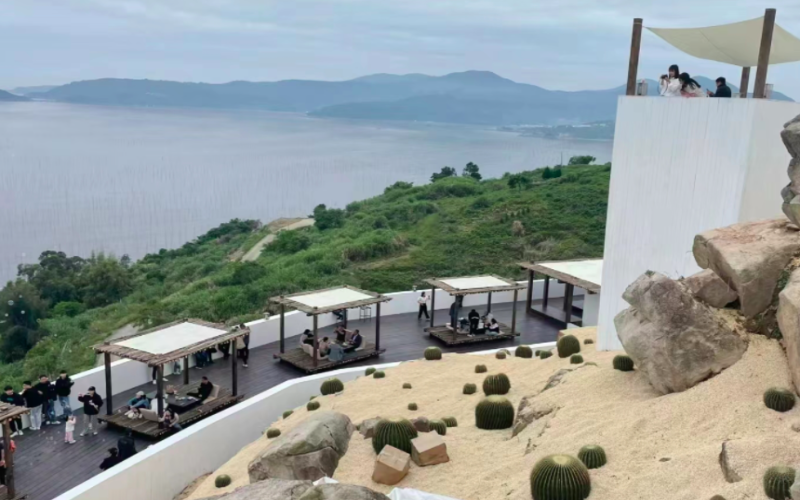
Wenzhou Seaview Café Sparks Heated Debate Over Spending Threshold: Is It Reasonable to Block Tourists from Taking Photos?
In recent years, cafes have become popular check-in spots thanks to their unique locations and exquisite decor, but the management challenges that come with this have also sparked controversy. A cliffside cafe facing the sea in Cangnan County, Wenzhou, Zhejiang, has been questioned by some visitors for requiring them to scan a code and make a purchase before being allowed onto the viewing platform to take photos. Why did the shop set this threshold? And what is the attitude of netizens? This article sorts through the whole incident and explores how viral cafes can find a balance between foot traffic and business operations. [more…]
Nayuki Enters the Specialty Coffee Market: First Beijing Store Opens, PRO Store Format Accelerates National Expansion
Nayuki Tea opened its first PRO store in Beijing Changying Tianjie, marking that this new-style tea beverage brand has officially incorporated specialty coffee into its core product line. Unlike regular stores, the PRO store format has undergone a comprehensive upgrade in space design, product structure, and service scenarios, offering seven specialty coffees, over thirty bakery products, and more than twenty kinds of self-produced snacks. Coffee is priced at 15 to 24 yuan, positioned as everyday specialty coffee. Previously, the PRO store format had been successfully validated in Shenzhen. Nayuki plans to open about 200 PRO stores in 2021, and has already established more than ten in Nanjing, Chengdu, Xi'an, Guangzhou, Harbin, and Beijing. This move not only fills Nayuki's gap in the specialty coffee market but also demonstrates its strategic intent to deepen its presence in new retail and expand business consumption scenarios. [more…]
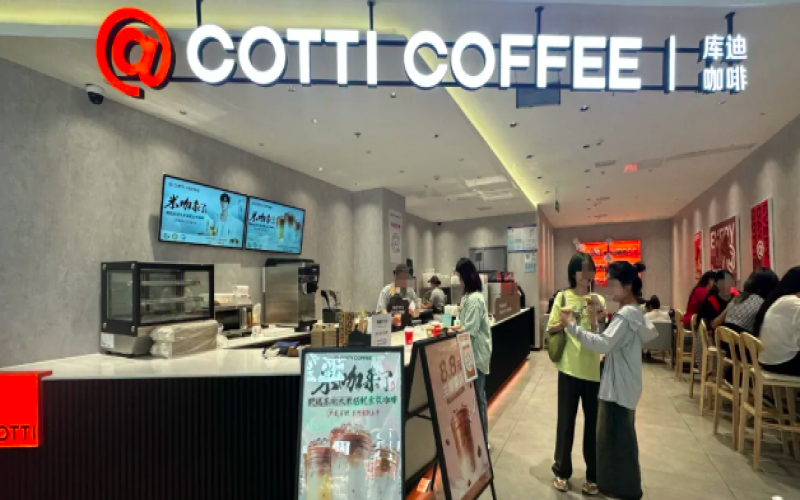
Just One Square Meter to Open a Store? Cotti's COTTI Express Store-in-Store Model Raises Concerns Among Franchisees
In the public perception, chain coffee stores usually require a certain amount of space for tables, chairs, and storage, so their scale is not too small. However, Cotti recently announced the launch of a convenient store format called "COTTI Express," using a store-in-store model to compress the minimum opening area to one square meter, greatly reducing both investment and the break-even point. In fact, brands such as Manner with Lianjia and Tims with Sinopec Easy Joy had already tried similar partnerships. Although this model enables low-cost rapid expansion, it has also raised concerns among franchisees about internal competition, pressure from convenience stores' own coffee brands, and quality control and food safety. Whether the store-in-store model can ultimately help brands capture a larger market still needs time to be tested. [more…]
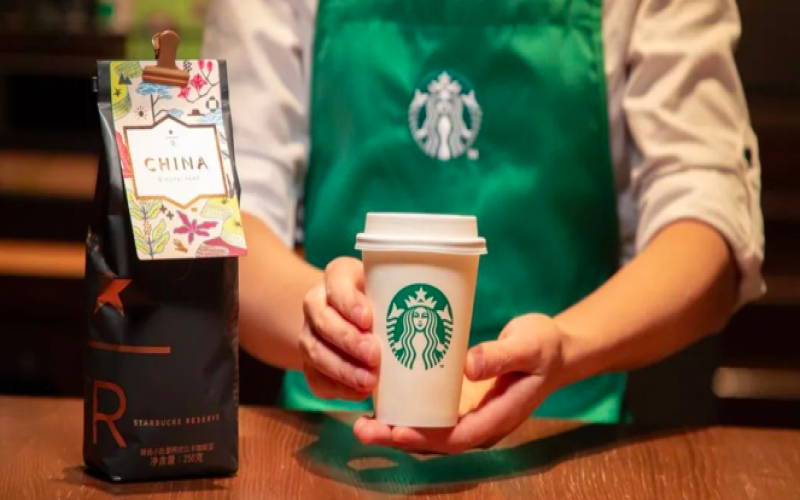
Starbucks China to launch "multi-store community" model next year: one store manager may simultaneously steer two stores
Starbucks China plans to implement a new operating model starting in January 2025, with some stores shifting from "going it alone" to "team-based operations," introducing for the first time a "multi-store community" model in which one store manager oversees two stores simultaneously. At the same time, Starbucks will also establish a new "SM-2 Senior Store Manager" position, adjusting its role setup and training system to cope with its increasingly large store network and fierce competition. This change has sparked heated discussion among netizens, with some noting that brands such as McDonald's and KFC have long had similar precedents, while others worry whether service quality will be affected. [more…]
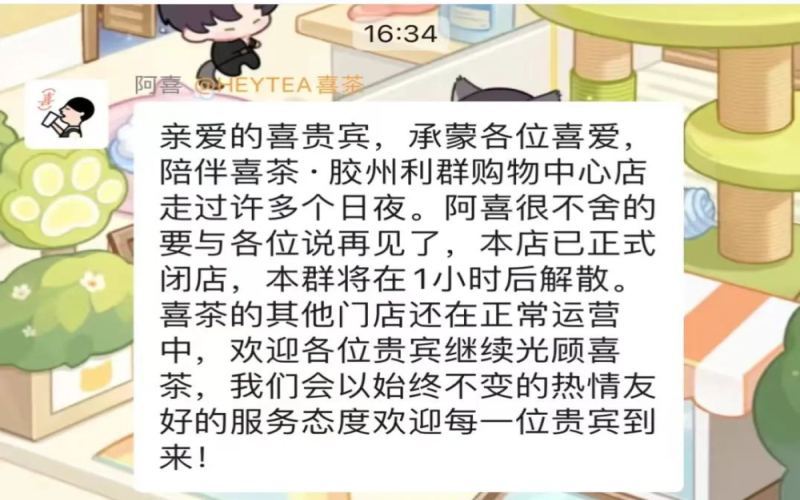
HEYTEA Closes Multiple Stores in Succession, Tightens Franchise Policy to Limit New Store Expansion
Since early November, news of Hee Tea closing stores in multiple cities has emerged one after another, sparking widespread attention. Some netizens reported that stores they frequented suddenly ceased operations—not for renovation and upgrades, but for permanent closure. According to statistics, stores closed in November include the Ganzhou Market store in Zhangye, Gansu; the Lanzhou Guofang Department Store store; and the Zhejiang University Zijingang Campus store, among other locations. Among them were both established stores that had operated for a decade and new stores that had been open for less than six months. This phenomenon is believed to be related to an internal letter Hee Tea released in September, which stated that the company would no longer pursue short-term store-opening speed and would instead focus on store quality and operational excellence. At the same time, a blogger claiming to be a city partner revealed that Hee Tea's franchise policy is being adjusted, with applications becoming more difficult, store-building costs increasing, and even a trend of "restricting new store openings and encouraging closures." [more…]
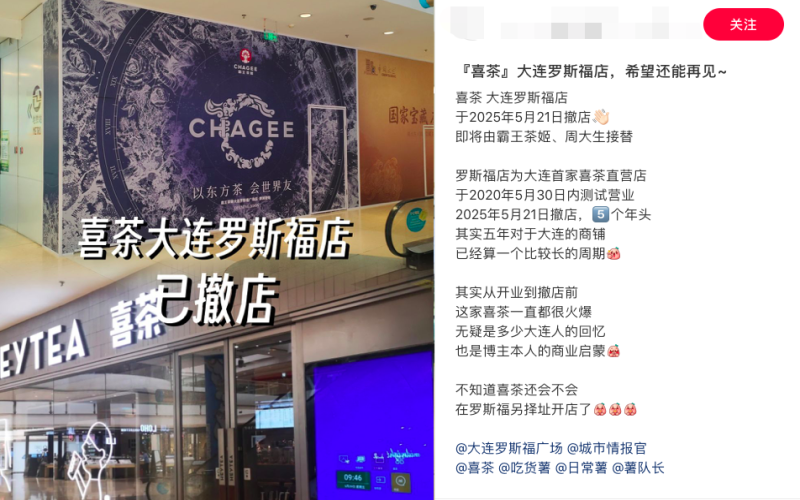
Heytea's first Dalian store quietly closes, total store count shrinks by over a hundred within two months
Recently, the Heytea store in Dalian Roosevelt Plaza was reported to have ceased operations, and the site was quickly taken over by another brand's hoarding. This store, which opened in May 2020 and once sparked queuing frenzies, was Dalian's first directly operated store, and its sudden withdrawal surprised many consumers. According to GeoHey brand monitoring data, although Heytea opened new stores in the past 90 days, it also closed 161 stores, with the total number in operation dropping from 4,410 to 4,265, equivalent to about 2 stores disappearing every day. The closures were not limited to franchise stores; some directly operated stores that had been in business for years also exited due to factors such as rent and contracts. The impact of this round of adjustment on the brand's future remains to be seen. [more…]
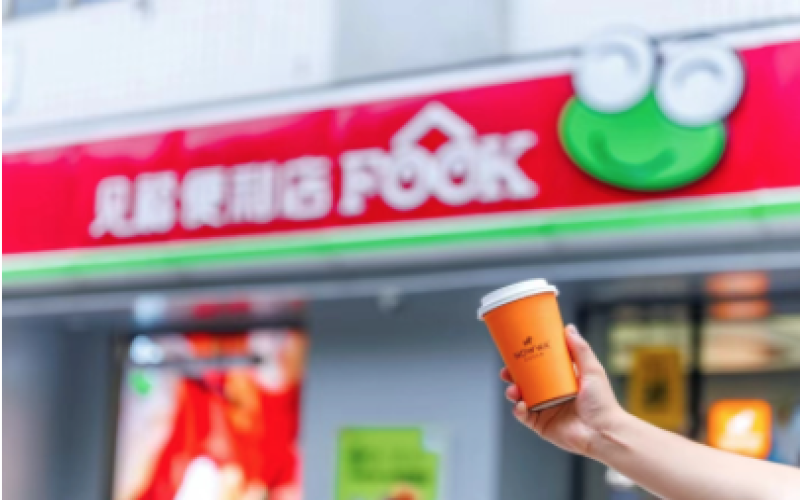
NOWWA Coffee partners with Jianfu Convenience Store to explore a joint operation model, with the first batch of 150 stores already in operation.
The integration of coffee brands with the convenience store format is accelerating. Recently, NOWWA Coffee announced a strategic partnership with Jianfu, the largest convenience store brand in Fujian, and the two parties will jointly operate stores through a co-management model, with the first batch of 150 partner stores already launched. This move not only helps NOWWA expand rapidly by leveraging the convenience store’s mature supply chain and low-cost operating advantages, but also adds a new category to the convenience store’s diversified operations. Against the backdrop of intensifying competition among brands such as Luckin and Cotti, NOWWA is exploring lower-tier markets through offline channel cooperation and plans to launch 500 co-managed stores in 2024 and 2,000 in 2025, covering the four provinces of Fujian, Jiangxi, Sichuan, and Jiangsu. [more…]
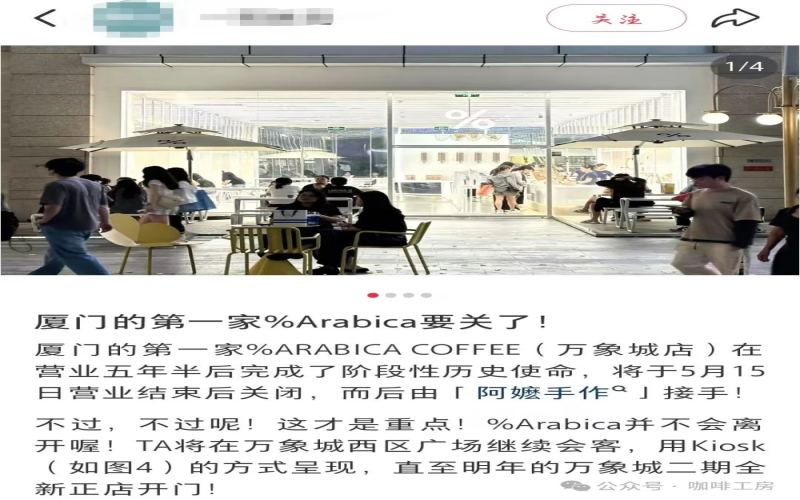
%Arabica stores closing across multiple cities in succession—can the coffee cart model sustain the brand's character? A heated debate.
Recently, the chain coffee brand %Arabica has quietly closed stores in several cities including Xiamen and Shenzhen, sparking widespread attention and discussion online. Among them, the Xiamen MixC store, the brand's first store in the city, ceased operations on May 15 after nearly five and a half years in business; in Shenzhen, the Bao'an Airport store and the Xinghe COCO Park store also closed one after another. The company has not explained the reasons for the closures, and netizens speculate they may be related to mall business adjustments, rising costs, and profitability. Notably, branded coffee trucks have appeared in some areas where stores closed, and the brand's first store in Fuzhou also adopted the coffee truck model. Longtime customers have mixed views: some see it as a flexible adjustment in response to the "buy and go" consumer habit, while others lament that the brand's design-forward store characteristics are being weakened. [more…]
The first Starbucks store at Wuyi Square in Changsha has closed for business, ending a fourteen-year history.
The Starbucks store at Wangfujing Department Store in Changsha's Wuyi Square, the brand's first location in Hunan Province, has recently been reported to be permanently closing. Having operated for fourteen years, this store not only witnessed Starbucks' expansion in Changsha but also carried the coffee memories of countless residents. However, with intensifying competition among tea and coffee brands in the Wuyi commercial district, adjustments to commercial leasing policies, and changes in Starbucks' market strategy, this iconic store has ultimately reached its end. This article will review the store's glorious past, analyze the possible reasons for its closure, and present the regret expressed by local residents. [more…]
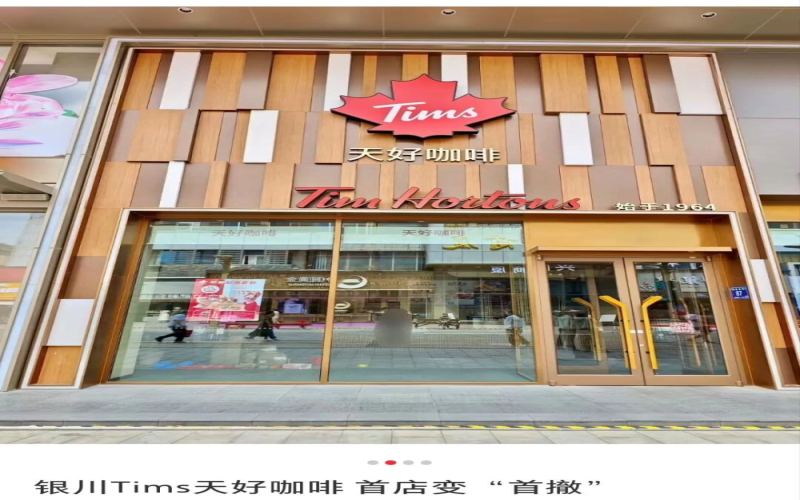
Yinchuan's first store closed before operating for a full year, as Tims China faces a wave of closures and expansion difficulties.
Tims China has always held a special place in consumers' minds—many people remember it not for its coffee, but for the bagel on its breakfast menu. However, this chain brand, known for its bagels, has recently been plagued by frequent store closure news. The first Tims store in Yinchuan, which was also the brand's 700th store in China, the Xinhua Department Store location, quietly closed after less than a year in operation, prompting regret among local consumers. Looking at the entire commercial district, this store was surrounded by 3 Luckin Coffee, 2 Starbucks, and 1 Cotti Coffee locations, highlighting the intense competitive pressure. More notably, Tims stores in Beijing, Shanghai, Nanjing, Dalian, and other cities have also successively announced closures. From the thousand-store target in its financial reports to the 885 stores counted by Narrow Door Dining Eye, Tims' expansion path seems to be facing severe challenges. This article will start with the closure of the first Yinchuan store to analyze Tims' current operating situation and market challenges. [more…]
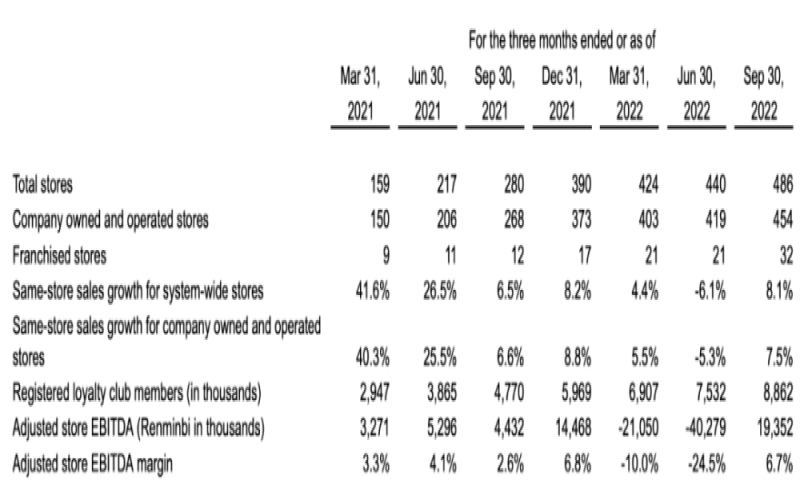
Tims China's First Quarterly Report After Going Public: Net Revenue of 306 Million, Dual-Track Advancement in Store Expansion and Ready-to-Drink Layout
After listing on Nasdaq, Tims China delivered its first quarterly report card, with total net revenue in the third quarter reaching 306 million yuan, up nearly 70% year on year and a record high for a single quarter. On the store front, by the end of September it had covered 27 cities nationwide, with 486 net stores, and in October it welcomed its 500th store. At the same time, Tims China continued to advance cooperation with partners such as EasyJoy Coffee and Hema, stepping up its push into the ready-to-drink coffee segment. This article sorts through the key financial data, store expansion pace, store format structure and management's outlook for the future, giving you a quick look at the latest moves of this coffee chain brand in the Chinese market. [more…]
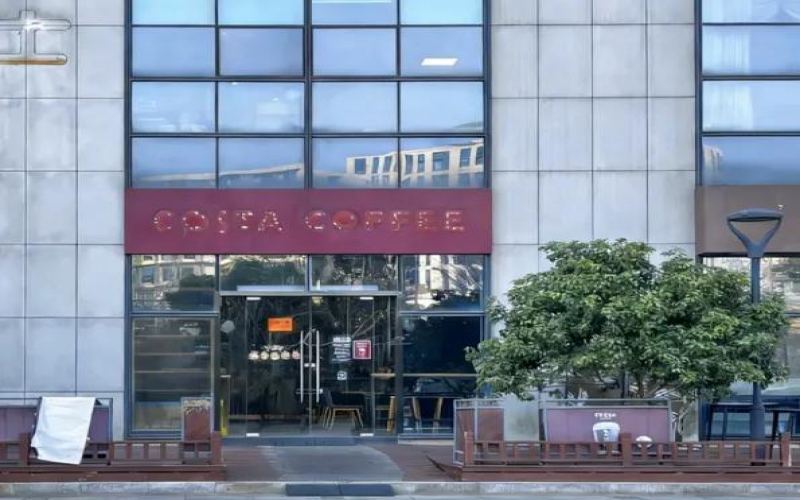
Costa Coffee's last regular store in Ningbo closes, shrinking to 300 stores across multiple cities nationwide.
Recently, a netizen from Zhejiang posted that Ningbo's last regular Costa store had quietly closed, sparking widespread discussion. Costa, which once had 8 stores in Ningbo, has now withdrawn all its regular stores, leaving only hospital stores and transportation hub stores. Meanwhile, news of Costa store closures has also emerged in Shanghai, Hangzhou, Tianjin, and many other places. Data shows that in the past 90 days, Costa opened 5 new stores but closed 23, with about 300 stores still in operation. This British brand, which once competed head-on with Starbucks, is gradually disappearing from city streets. Longtime customers miss its consistent quality and comfortable third space, and also lament this silent farewell. [more…]