







Search Results for: output quality
The Changing Landscape of Yunnan Small-Bean Coffee: Arabica Cultivation Status, Flavor Characteristics, and Future Trends
Yunnan's coffee planting area has climbed from over 300,000 mu in 2008 to more than 1.4 million mu today, with output once accounting for over 99% of the national total. Yet the expansion of the industry's scale has not been smooth sailing. Since 2012, international coffee futures prices have continued to decline, leaving Yunnan coffee farmers struggling at the edge of the cost line; the 2014 harvest season was hit by a triple blow of drought, cold damage, and the abandonment of harvesting, causing output to plummet from an expected 100,000 tons to less than 60,000 tons, while purchase prices, driven by factors such as drought in Brazil, saw their largest single-month increase in 20 years. Lincang, as an emerging main producing area, rose rapidly, and companies such as Lingfeng Coffee began implementing quality traceability systems. This article will review the cultivation situation, flavor characteristics, and future development trends of Yunnan Arabica coffee beans. [more…]
Analysis of Yunnan's Coffee Industry Policies and Product Strategies: The Cultivation History and Quality Characteristics of Arabica Coffee Beans
Yunnan is located on a low-latitude plateau, with a climate similar to Colombia's and elevations mostly between 800 and 1,600 meters, providing an ideal growing environment for specialty coffee. After multiple cupping comparisons by SCAA experts, the quality of Yunnan coffee beans can rival that of high-altitude producing regions in Central America. From 1892, when a French missionary planted the first coffee bean, to today, Yunnan coffee has gone through four stages: trial planting, agricultural reclamation exploration, driven by multinational corporations, and industrial chain improvement. Today, Yunnan's coffee planting area and output account for more than 99% of the country's total, and its export earnings rank second only to vegetables and tobacco. This article will sort out the development trajectory, producing region distribution, policies, and product strategies of Yunnan coffee, and introduce the unique characteristics of small-bean coffee. [more…]

A Complete Guide to Adjusting the Grind Setting on an Electric Espresso Grinder: Step-by-Step Breakdown and Practical Tips
Why does a coffee shop need to adjust the grinder every day? How does grind size affect extraction? Starting from the principles of grinding, this article systematically explains how to adjust the settings on an electric espresso grinder, including how to judge the quality of the grounds, the specific operating steps, the relationship between the output and the grind setting on an electronic grinder, and practice suggestions for the water-to-coffee ratio. Whether you are a new barista or a seasoned enthusiast, you can find practical adjustment ideas here to make every shot of espresso consistently excellent. [more…]
From Drip to Semi-Automatic: A Beginner's Guide to Coffee Machine Selection and Analysis of Home Model Recommendations
Faced with a dazzling array of coffee machines, many enthusiasts don't know where to start. This article systematically sorts out the classification logic of coffee machines—by extraction method, they fall into three major categories: traditional drip, Italian-style high-pressure pump, and capsule; by operation mode, they are further divided into fully automatic and semi-automatic. The article analyzes the structural characteristics, output quality, and suitable users of each type of machine one by one, and focuses on home semi-automatic coffee machines, offering purchasing recommendations ranging from 300-yuan toy machines to 50,000-yuan ultimate enthusiast dream machines, covering popular models such as Cancun, Matrix, Huijia, NOUVA OSCAR, Expobar E61, LASPAZIALE S1, and Lamarzocco GS3 MP. Finally, it adds practical knowledge such as coffee bean preservation and bean resting periods, helping readers find a balance between budget and quality. [more…]
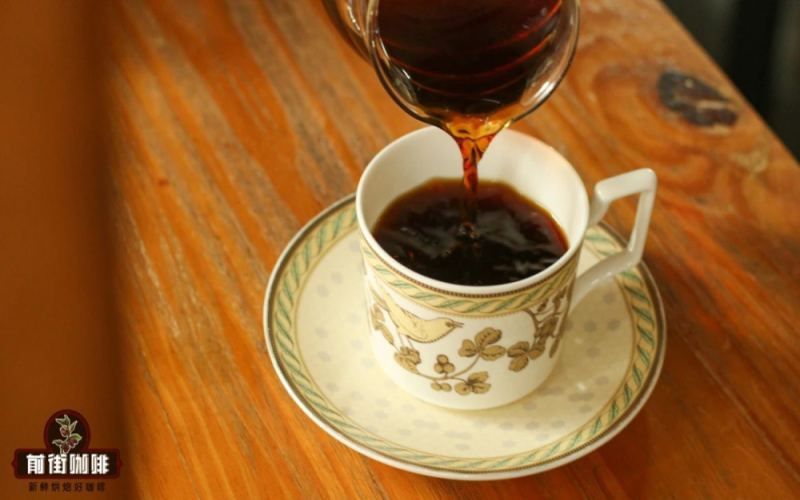
A Review of the World's Top Ten Specialty Coffee Producing Countries: Flavor Characteristics of Pour-Over Single-Origin Beans and Analysis of Representative Regions
The coffee world has its own rankings. This article surveys the world's top ten coffee-producing countries, from Ethiopia to Hawaii, introducing one by one the flavor characteristics, annual output, and representative coffees of each region. Ethiopia's native varieties with floral and fruity notes, Kenya's bold acidity and blackcurrant tones, Colombia's diverse styles and dedicated smallholders, Panama's Geisha legend… each region has something unique worth exploring for coffee lovers. The article also compiles the corresponding Front Street Coffee products for each region, making it easy for pour-over enthusiasts to follow the guide and find the cup they love. [more…]
Ethiopia Yirgacheffe Leads: A Full Analysis of the Flavors and Characteristics of the World's Top Ten Specialty Coffee Producing Countries
The world of coffee is wonderfully diverse, with the terroir of different origins giving coffee beans strikingly different personalities. This article rounds up the world's top ten premier coffee-producing countries, as selected by a number of industry opinion leaders. From Ethiopia, the birthplace of coffee, and its iconic Yirgacheffe, to Kenya, Colombia, Guatemala, and other renowned producing regions both old and new, it analyzes the flavor characteristics and cultivation traditions of each country's coffee one by one. The article also recommends related products from Front Street Coffee. Whether you are chasing delicate floral and fruity notes or prefer a rich, sweet body, this guide can help you open a door to the world of specialty coffee. [more…]

Wildfires Rage in Brazil's Minas Gerais National Park, New Coffee Crop Season Output May Face Potential Impact
A fire in the Serra do Cipó National Park in the Cerrado region of Minas Gerais state in southern Brazil has been burning for four days, with the burned area reaching 478 hectares. The state is a core coffee-producing region in Brazil, accounting for 30% of the country's output, and many coffee estates are located nearby. Although, as of August 13, the harvest of the new coffee season is nearly complete, so the current fire has limited impact on this season's output, damage to the soil and ecological environment, low humidity, and the possible arrival of a La Niña climate make the outlook for coffee production in the 2024/25 season worrying. [more…]

Chayan Yuese Pilots Fully Automated Milk Tea Robot: Cup Output Efficiency and Consumer Experience Spark Heated Discussion
During the National Day holiday, the fully automated milk tea robots that appeared in some Changsha Chayan Yuese stores became a focal point for tourists. Customers noticed that staff only needed to place a labeled cup in the designated position, and the robotic arm could complete most of the preparation process, with only the cream top needing to be added before handover at pickup. This experiment sparked polarized discussion online: supporters believe standardized operations help ensure consistent output and reduce the burden on employees; opponents point out that during peak customer flow, the robot's cup output speed is actually slower than manual work, resulting in longer waits, and equipment cleaning and customization needs still depend on staff handling. Whether automated tea-making can truly integrate into the freshly made tea beverage scenario has become a new topic of discussion in the industry. [more…]
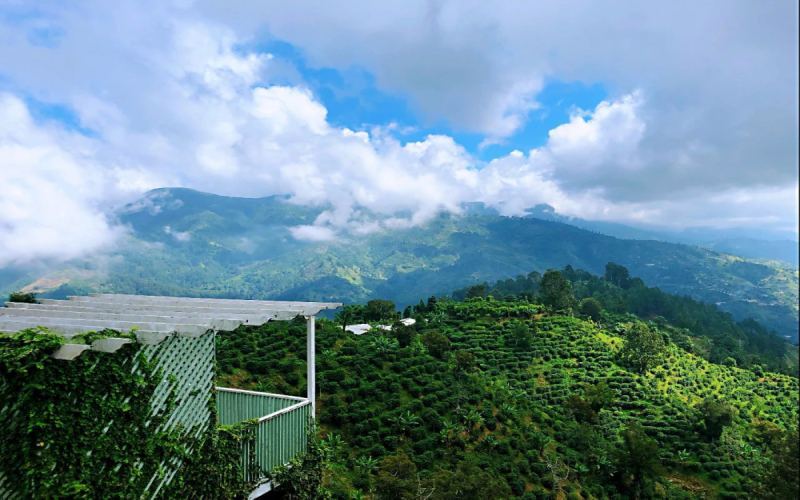
A Review of Famous Jamaican Blue Mountain Coffee Brands: Rankings and Characteristics of the Four Major Estates and a Buying Guide
Jamaican Blue Mountain coffee is hailed as a gem among specialty coffees, but the market is flooded with products labeled "Blue Mountain," making it hard to tell which are authentic. This article systematically sorts out Blue Mountain coffee's price references, historical origins, three major producing regions, and six key markers, explains in detail the grading standards of the Jamaica Coffee Industry Board (CIB) and the requirements for the No.1 grade, and introduces the characteristics and output patterns of well-known estates such as Clifton Farm, Wallenford, Mavis Bank, and CLYDESDALE. It also includes the pour-over parameters and flavor description of Front Street Coffee's washed Blue Mountain No.1, helping coffee enthusiasts identify authentic Blue Mountain and choose the right fresh, good beans. [more…]
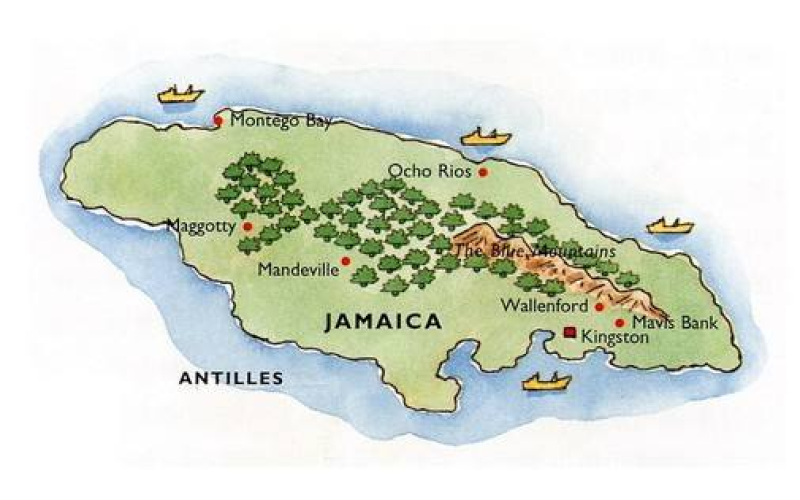
Jamaican Blue Mountain Coffee Flavor Characteristics, Bean Grade Classification, Authenticity Identification Methods, and Market Price Analysis
Jamaica Blue Mountain coffee is renowned as one of the world's top coffees, with its acidity, sweetness, body, and bitterness in balanced harmony, a rich aroma, and a smooth entry. The authentic Blue Mountain production area is limited in size and its output is scarce, and the so-called Blue Mountain coffee circulating on the market is a mix of genuine and fake. This article will systematically sort through multiple dimensions including the origin divisions of Blue Mountain coffee, grade classifications, flavor characteristics, brewing parameters, authenticity identification methods, and international market conditions, to help coffee enthusiasts gain a comprehensive understanding of this legendary coffee, and will also include Front Street Coffee's recommendations and certification information. [more…]
Ethiopian Coffee: A Comprehensive Guide to Origin Grading, Flavor Characteristics, and Local Brands
As the birthplace of coffee, Ethiopia, with its exceptional natural conditions, nurtures a diverse range of high-quality Arabica coffees. From forest and semi-forest to garden cultivation, from washed to natural processing, each coffee carries a unique terroir imprint. This article systematically reviews Ethiopia's coffee cultivation models, processing methods, grading and quality control systems, provides detailed flavor profiles and annual production of six renowned regions, and includes contact information for trade-related institutions and associations. Meanwhile, the selection of Ethiopian beans recommended by Front Street Coffee will also offer purchasing references for enthusiasts. [more…]
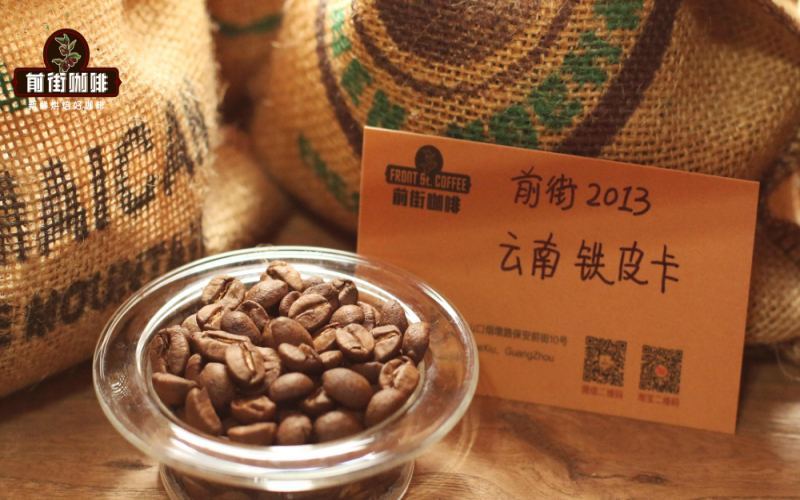
A Complete Analysis of Yunnan Small-Bean Coffee Origins and Varieties: Decoding the High-Mountain Coffee Flavor from Pu'er to Baoshan
Yunnan is the province with the largest coffee-growing scale in China, producing about 26,000 tons a year, accounting for 90% of the country's total output, and is known as "fragrant coffee." Counting from 1904, when a missionary planted the first coffee seedling in Zhugula Village, Binchuan, Yunnan coffee has gone through more than a century. The four major producing regions—Pu'er, Lincang, Baoshan, and Dehong—each have their own characteristics. The main varieties are Catimor and Typica, and the processing methods are mostly washed and natural. Front Street Coffee has built its own estate in Lincang, began growing Typica in 2013, and launched the "Front Street 2013" natural bean. This article will give you a comprehensive understanding of the true character of Yunnan high-altitude coffee beans from aspects such as origin, variety, processing method, and brewing suggestions. [more…]

The Complete Espresso Extraction Process: Eight Key Details from Grinding to Serving That You Can't Overlook
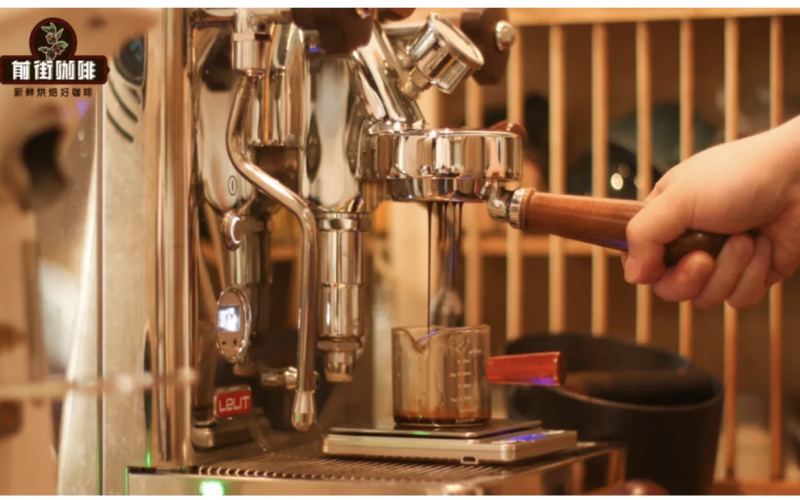
An espresso from grinding to extraction often takes less than a minute; it seems simple, but in fact it hides quite a few subtleties. Many enthusiasts finally find an ideal set of extraction parameters during their morning dial-in, only to overlook details in subsequent operations, resulting in inconsistent output and a greatly diminished flavor. This article follows the actual order of operations and goes through, one by one, the easily overlooked points in eight stages: puck pressure, portafilter basket cleaning, observing the grounds condition, distribution and tamping, pre-flushing, knocking the portafilter, extraction timing, and cleanup afterward, helping everyone consistently get full-flavored, parameter-stable espresso on a home espresso machine. [more…]
Bean pairing ideas for a coffee shop's espresso line
An espresso line at a coffee shop typically accounts for over 70% of total drink output. The quality of core beverages like Americano, latte, cappuccino, and Dirty largely depends on whether the right beans are chosen. The mature approach to bean selection for an espresso line is a "base blend + specialty blend" combination: one stable base bean to support [more…]
A Complete Analysis of the Flavor Characteristics, Cultivation Yields, and Processing Methods of the World's Top Ten Coffee-Producing Countries
The flavor code of coffee is often hidden in the land where it grows. From the African highlands to the Central American volcanic belt, and then to the Asian archipelago, each producing region shapes a completely different cup profile through its unique terroir. This article systematically reviews the flavor, taste, planting output, and mainstream processing methods of ten representative origins—Ethiopia, Kenya, Colombia, Guatemala, Honduras, Indonesia, Rwanda, Panama, Hawaii, and Costa Rica—to help coffee lovers build a clear framework for understanding producing regions. The article also retains related recommendations and product information from Front Street Coffee for daily purchasing reference. [more…]
A Comprehensive Analysis of Ethiopian Coffee Plantation Distribution and the Flavor Characteristics of Yirgacheffe
Ethiopia, as the birthplace of coffee, enjoys exceptional natural conditions and a long-standing cultivation tradition. This article will guide you through an in-depth understanding of Ethiopia's coffee-growing regions, cultivation models, processing methods, grading systems, and export overview, with a special focus on the flavor characteristics of renowned coffees such as Yirgacheffe. Whether you are a coffee enthusiast or a professional in the industry, you will gain comprehensive knowledge about Ethiopian coffee. The many Ethiopian beans recommended by Front Street Coffee come precisely from these high-quality growing regions. [more…]
The Cafe Owner's Espresso Bean Shopping List: How to Pair Four Blends for Maximum Peace of Mind
For opening a coffee shop, espresso beans are the ingredient used in the largest quantity and have the greatest impact on product consistency. Choose wrong, and either costs spiral out of control or your drinks lack distinction; choose right, and a single machine can support most of the menu. Today, from the perspective of a shop owner, let's clearly explain the positioning and pairing plans for Front Street Coffee's four espresso blends. First, let's clarify: [more…]
How to Choose Commercial Beans for a Coffee Shop? Black Cocoa Blend vs. Commercial Blend Comparison
Opening a coffee shop—beans are a very important part of the cost structure. Choose well, and your output stays consistent and customers are satisfied; choose poorly, and either costs spiral out of control or your reputation takes a hit. Front Street Coffee has two common commercial beans: Dark Cocoa Blend and Commercial Blend. Both focus on value for money, but their positioning is slightly different. Today we put them side by side [more…]
A Comprehensive Analysis of Brazilian Coffee Regions, Varieties, and Grading: Cerrado Bourbon Flavor and Brewing Key Points
Brazil is the world's largest coffee producer, with 17 of its 27 states growing coffee, and the four states of Paraná, São Paulo, Minas Gerais, and Espírito Santo together accounting for 98% of the national output. Brazilian coffee is known for its low acidity, smooth and mellow body, and a faint grassy aroma, with a mild and balanced flavor. It is both an ideal base for espresso and flavored coffee drinks and suitable for everyday brewing. This article systematically reviews the origins, main varieties, grading systems, and flavor characteristics of Brazilian coffee, introduces the performance of the old Bourbon variety in the Cerrado region, and includes practical methods for both single-origin preparation and blending, giving you a comprehensive understanding of this "giant" of the coffee world. [more…]
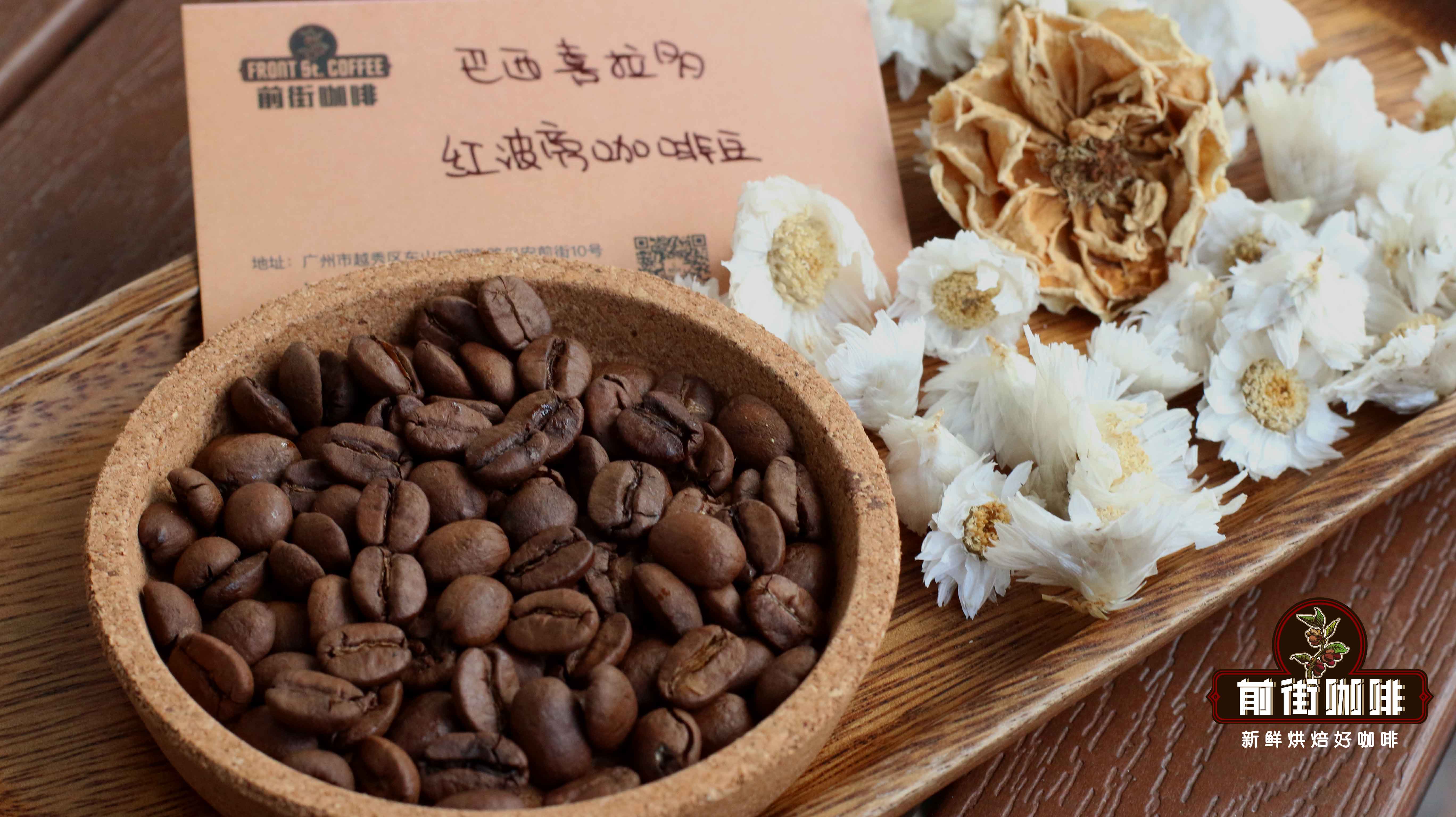
An Analysis of Brazilian Coffee Bean Flavor Characteristics and a Brewing Guide for Medium-Roast Semi-Washed Beans
Brazil is the world's largest coffee producer and the second-largest coffee-consuming market after the United States, and fluctuations in its output directly influence international coffee futures trends. Brazilian coffee is known for its high volume and stable flavor, which benefits from its flat plateau terrain and conditions suited to mechanized operations. Although its average growing altitude of only about 1,000 meters makes it difficult to rank among the top specialty coffees, Brazil also has specialty estates that pursue flavor and is the birthplace of the COE competition. Front Street Coffee currently has two Brazilian beans: Cerrado, representing the flavor of a basic producing region, and Queen Estate Yellow Bourbon, representing a specialty estate. This article will systematically introduce the flavor characteristics of these two beans, Brazil's coffee bean grading system, and Front Street's brewing plan for medium-roast Brazilian beans, helping enthusiasts gain a comprehensive understanding of the appeal of Brazilian coffee. [more…]