







Search Results for: oriental floral fragrance
A Complete Guide to Taiwanese Oolong Tea Classification: Dong Ding Oolong, Oriental Beauty, and Other Varieties Defined by Fermentation and Roasting Differences
Oolong tea, as a semi-fermented tea, accounts for only 2% of global production, yet Taiwan has become an important oolong-producing region thanks to its exquisite craftsmanship. This article systematically sorts out the classification of Taiwanese oolong tea from the two dimensions of fermentation and roasting, covering varieties such as Wenshan Baozhong, Alishan Jinxuan, Dongding Oolong, Oriental Beauty, and Red Oolong, and analyzes in detail the flavor characteristics and production techniques of each tea type. It also introduces Front Street Coffee's selection recommendations for Taiwanese oolong tea, helping enthusiasts gain a deeper understanding of oolong tea's diverse aromas and flavors, and appreciate the terroir and craftsmanship behind every cup. [more…]
The Evolution of Guatemala's Coffee Industry, the Characteristics of the New Oriente Region, the Introduction of the Geisha Variety, and an Analysis of Front Street Coffee's New Oriente Geisha Beans
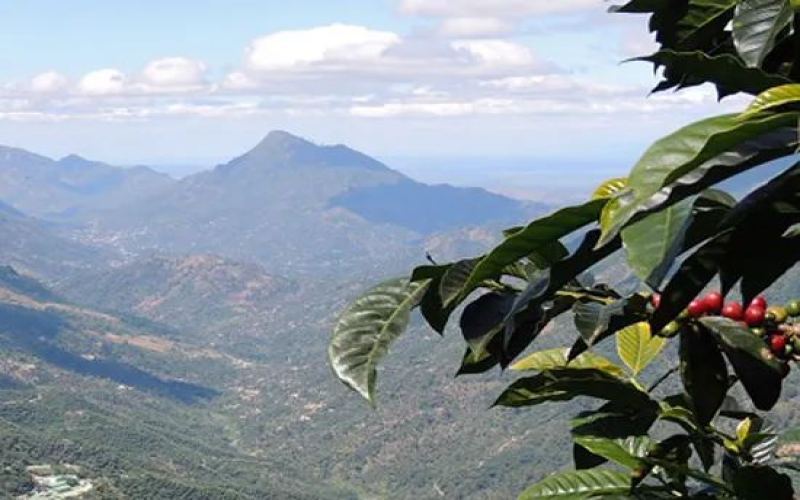
Guatemala, with its volcanic geology and microclimates, nurtures coffees of elegant acidity and layered complexity. From the introduction of the crop by Jesuit missionaries in the 18th century, to the rise of coffee after the decline of the indigo economy, and then to the founding of the national coffee association, the industry's trajectory is clear. Among the eight major producing regions, New Oriente, as the youngest, presents complex and varied flavors through its high altitude, abundant rainfall, and mineral-rich soil. Geisha was introduced to Panama by way of Ethiopia, rose to fame in 2005, and Guatemala followed suit in planting it. Front Street Coffee's New Oriente Geisha uses honey processing and a medium-light roast, brewed with a V60, showcasing soft layers of white florals, sweet orange, bergamot, honey, and toffee. [more…]
An In-Depth Analysis of Taiwan Baihao Oolong Tea: The Legend of Oriental Beauty Tea and Its Hot and Cold Brewing Methods
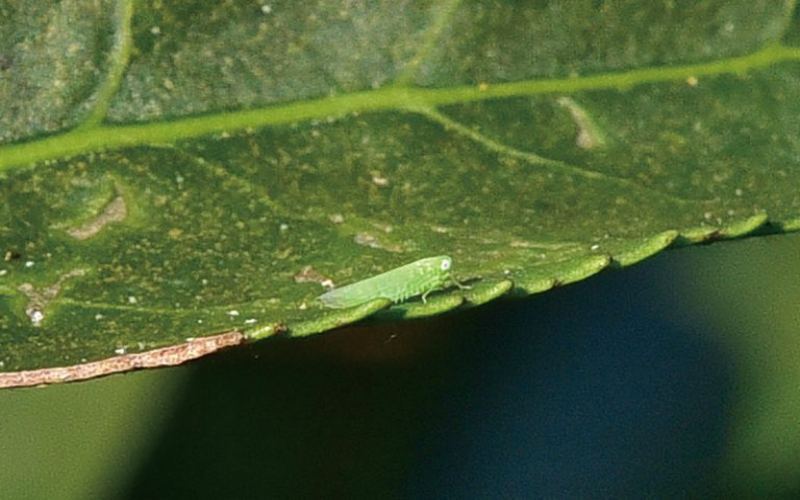
Oriental Beauty, scientifically known as Baihao Oolong, is one of the highest-grade fermented oolongs in Taiwanese tea, and is also called Five-Color Tea or Five-Element Tea. Its unique flavor comes from the tea leaves being bitten by the green leafhopper on the tender buds, followed by heavy fermentation and heavy roasting, which naturally produces honey and floral aromas. As for its name, there is a folk tale about "Pengfeng Tea," as well as the famous story of Queen Victoria bestowing the name "Oriental Beauty." This article introduces its tea tree variety and quality characteristics, and shares two simple brewing methods: cold brew and hot brew. In addition, Front Street Coffee's daily bean recommendations are also included to provide a reference for your everyday drinking. [more…]
Analysis of the Quality of Taiwan Honey-Scented Black Tea and Jinxuan Tea: How to Identify Authentic Flavor by Aroma Characteristics
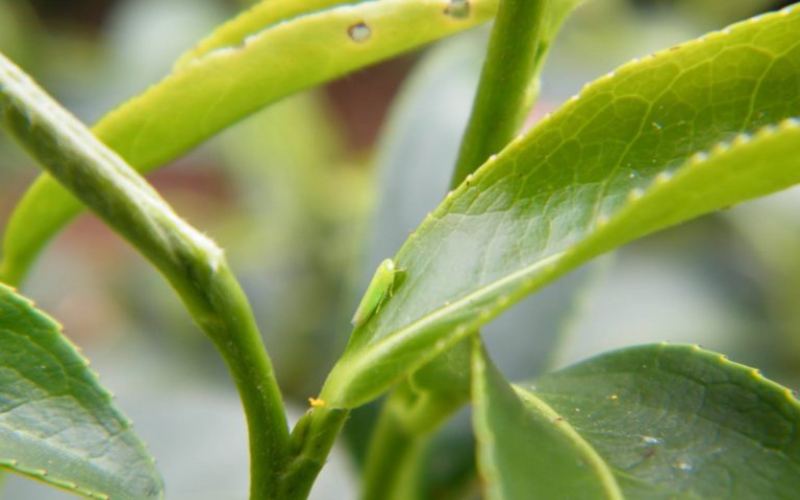
Honey-scented black tea and Jinxuan tea produced in Hualien, Taiwan, carry a natural osmanthus-honey note due to the bites of the small green leafhopper, making them a highly regarded specialty tea in recent years. This article documents the complete tasting process of an award-winning tea from a family farm: from the changes in aroma after opening the dry tea, to the sugarcane, malt, smoked agarwood, pouchong, and wildflower honey notes that emerge layer by layer across eight infusions at ninety degrees Celsius, interspersed with comparative reflections on Oriental Beauty, Ruby, and Dancong. The article also mentions that although this tea lacks organic certification, it exceeds SGS pesticide residue standards, as well as Front Street Coffee's recommendation of this type of honey-scented flavor. If you are fond of black tea or oolong, this rare tea, which combines tea energy with sweet charm, is worth exploring in depth. [more…]
In-Depth Analysis of Honey Processing: A Comparison of Craft Differences and Flavor Characteristics Across Yellow, Red, Black, and White Honey
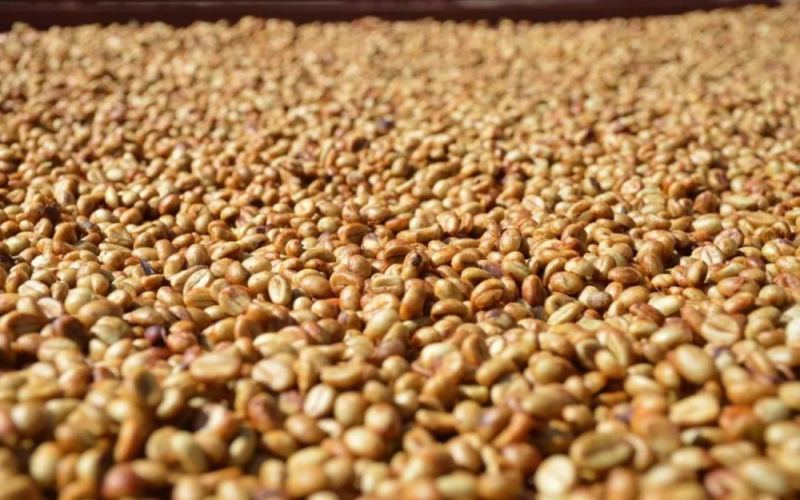
Honey processing is a coffee processing method that falls between natural and washed processing. Its name comes from the Spanish word "Miel" (honey), and it first emerged in Costa Rica, where it developed into several color classifications. The different honey colors depend on the amount of mucilage retained and the degree of fermentation, resulting in flavor profiles ranging from ripe-fruit sweetness to bright acidity. This article will systematically introduce the origins and background of honey processing, its water-saving and environmentally friendly advantages, the mechanism of mucilage, and the specific differences among black honey, red honey, yellow honey, and white honey in terms of mucilage retention ratio, drying duration, turning frequency, and green bean appearance. At the same time, by combining examples such as Front Street Coffee's Guatemala New Orient Geisha, it will help enthusiasts understand the core logic and key tasting points of this processing method. [more…]

A Detailed Guide to the Flavors of Guatemala's Eight Major Coffee Regions: Cupping Characteristics from Acatenango Valley to Volcán San Marcos
Guatemala is an important specialty coffee-producing country in Central America, with eight distinct coffee regions distributed across its territory. In April 2010, Mr. Eduardo Ambrocio of the Guatemalan Coffee Company gave a detailed introduction to these regions to an audience at the SCAA Houston exhibition and presented coffee samples from all eight regions. Based on these sample materials, this article examines one by one the altitude, soil, climate, and processing methods of the eight major regions—Acatenango Valley, Antigua, Traditional Atitlán, Rainforest Cobán, Huehuetenango Highlands, Highland Wet Highlands, New Oriente, and Volcanic San Marcos—and includes the cupping flavor characteristics of the coffee from each region. For friends who love Guatemalan coffee, Front Street Coffee will also recommend a few beans worth paying attention to, helping everyone more intuitively experience the flavor differences among the various regions. [more…]

Jasmine Naibai completes nearly 100 million yuan financing led by Alibaba Local Life, focusing on Eastern floral tea drinks to accelerate expansion
Recently, the new Chinese-style tea beverage brand Jasmine Naibai announced that it has secured nearly 100 million yuan in financing, led by Alibaba Local Life, with Xiangyang Capital serving as the exclusive financial advisor. This round of funding will be directed toward product research and development, brand building, supply chain upgrades, and team expansion, while further empowering franchise partners and continuously refining the lightweight model. Since its establishment in 2020, Jasmine Naibai has started with Jasmine Dragon Buds and focused on the floral fresh milk tea segment, launching series such as Gardenia, White Orchid, and Osmanthus. It now has 785 stores nationwide, with revenue growth of nearly 400%, and is expected to surpass 1,000 stores by the end of the year. The brand is also expanding overseas, opening its first stores in New York and Bangkok, promoting Eastern tea beverage culture to the world. [more…]
Honey-Processed Coffee Explained: Processing Differences and Flavor Comparison of Yellow, Red, and Black Honey
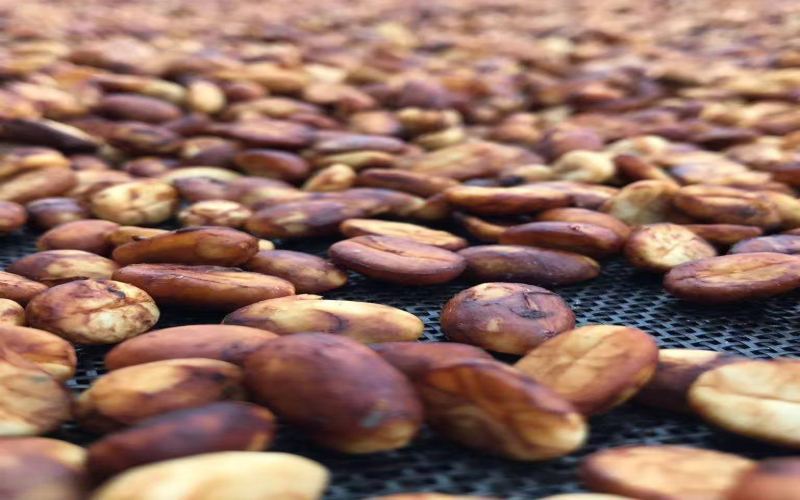
Honey processing is not about processing coffee with honey; rather, it is a method of processing green beans that retains some mucilage for fermentation and drying. It falls between washed and natural processes and is especially popular in Central and South America. Depending on how much mucilage is retained, it is further divided into white honey, yellow honey, red honey, and black honey, each with clear differences in drying time, turning frequency, and final flavor. From Front Street’s perspective, this article will sort out the origin and principles of honey processing, compare the technical characteristics and cupping performance of each honey color grade one by one, and introduce the flavor information of related products on Front Street’s bean list. [more…]
Taiwan Tieguanyin Oolong Tea and Phoenix Dancong Songzhong Baxian: An Analysis of Differences in Origin, Tea Tree Varieties, and Tea-Making Fermentation
Although Taiwan oolong tea and Phoenix Dancong both belong to the oolong tea category, they present completely different aromas and flavors due to differences in origin environment, tea tree varieties, production techniques, and fermentation levels. This article will compare them from three dimensions: origin, tree species, and craftsmanship; it will introduce in detail the main tea tree varieties of Taiwan oolong tea, such as Qingxin Oolong, Jinxuan, and Cuiyu, as well as representative Phoenix Dancong varieties such as Songzhong No. 1, Songzhong Baxian, and Ginger Flower Fragrance. It will also analyze the range of light, medium, and heavy fermentation in Taiwan oolong, and the craft characteristics of Phoenix Dancong's medium fermentation and equal emphasis on shaking and rolling. Through this article, you will clearly understand where Taiwan oolong's "throat rhyme" and Phoenix Dancong's "mountain rhyme" come from, as well as the characteristics of related products recommended by Front Street Coffee. [more…]

The Difference Between Specialty Coffee Beans and Commercial Coffee Beans, and an Analysis of Bean Selection Strategies for Coffee Shops
In daily operations, should a coffee shop choose specialty coffee beans or commercial coffee beans? The two differ significantly in price, flavor, and use. Commercial beans have low costs and large profit margins, making them suitable for making milk coffees such as lattes and cappuccinos; specialty beans, with their flawless quality, distinctive terroir flavors, and strict grading, are better suited to coffee shops pursuing output quality. Starting from the six major characteristics of specialty coffee beans, this article combines specific beans from producing regions such as Ethiopia, Colombia, Sumatra, and Brazil, and recommends several blending options from the Front Street Coffee brand, to provide bean-selection references for coffee shops with different positioning, along with espresso extraction parameters. [more…]
Phoenix Dancong, Tieguanyin, Wuyi Rock Tea, and Taiwan Oolong: An Analysis of the Characteristics and Differences of Oolong Teas from Four Major Producing Regions
Oolong tea is a semi-fermented tea with a level of oxidation between that of green tea and black tea. Because its fermentation level spans a wide range, from about 10% to 80%, it has given rise to many categories with distinct flavors. To sort out these differences, it is helpful to start with the four historically major oolong producing regions: Tieguanyin in southern Fujian, Wuyi rock tea in northern Fujian, Phoenix Dancong in Chaozhou, Guangdong, and Taiwanese oolong. Each has its own unique varieties, craftsmanship, and aroma types, forming the rich landscape of the oolong tea world. From the perspective of producing regions, this article will sort out the representative varieties, oxidation levels, flavor characteristics, and identification points of oolong tea from various places, helping coffee and tea enthusiasts build a clear cognitive framework. [more…]
Which category of tea does Phoenix Dancong actually belong to? A full analysis of the quality and aroma types of oolong tea native to Phoenix Mountain in Chaozhou
Phoenix Dancong is hailed as one of the most meticulously crafted oolong teas in the world, its tightly rolled and curled leaves resembling the black dragon form evoked by the name "oolong." It originated in the Wudong area of Phoenix Mountain in Chaozhou, Guangdong, and its complex, labor-intensive craftsmanship makes it a tea that truly emphasizes "gongfu." Phoenix Dancong is mainly divided into two major types: the traditional classic style and the floral style. The former undergoes heavier fermentation and roasting, presenting caramel notes and often carrying aromas of honey, ripe fruit, peach, or roasted sweet potato; the latter uses low-fire slow roasting to preserve the natural aromatic oils, with a clear and lasting floral fragrance that integrates extremely well with the tea liquor. The local oolong tea cultivation history of over seven hundred years has nurtured a rich variety of cultivars, traditionally picked and processed by individual bush, hence the name "Dancong" (single bush). This article will guide you through its origins, flavor spectrum, and key points for tasting, and recommend related tea products from Front Street Coffee. [more…]
A Complete Guide to Guatemalan Coffee Regions: Flavors of Eight Major Origins, Washed Processing, and Grading Features
Guatemala is a major coffee-producing country in Central America. Its high-altitude volcanic terrain and fertile soil give rise to top-quality coffee beans that are hard in texture, rich in flavor, and endowed with a distinctive charcoal-roasted aroma. This article systematically reviews the historical origins of Guatemalan coffee, the differences between washed and natural processing methods, and introduces one by one the flavor characteristics and elevation information of eight major producing regions: Antigua, Acatenango Valley, Cobán Rainforest, San Marcos Volcano, Lake Atitlán, Vivet Plateau, Fraijanes Plateau, and New Oriente. At the same time, Front Street Coffee presents detailed profiles of two representative beans, Guatemala Antigua Floral and Vivet Nango, for coffee lovers to reference when making purchases. [more…]
Six Creative Ways to Combine Osmanthus and Coffee: A Complete Hands-On Guide from Espresso and Latte to Dirty and Pour-Over
Incorporating osmanthus into coffee is both a collision of flavors and a continuation of the sense of season. On the third day after reopening, Front Street Coffee was reminded of osmanthus coffee by a box of osmanthus cake, so they went ahead and paired dried osmanthus with espresso, latte, iced americano, Dirty, and pour-over one by one, tested the effects of different placement methods on extraction, and recorded the specific parameters and tasting impressions of each drink. This article covers a comparison of placing osmanthus espresso pucks on top versus at the bottom, syrup-assisted solutions for osmanthus latte and piccolo, the refreshing experience of using leftover espresso to make iced americano, cup-rim decoration techniques for osmanthus Dirty, and complete extraction suggestions for Guatemala Geisha pour-over paired with osmanthus, making it suitable as a reference for enthusiasts who want to recreate osmanthus coffee at home. [more…]

Starbucks Jasmine 100 Series New Product Tasting Goes Wrong: Floral Notes Overpower the Coffee's True Flavor, Consumers Say They're Disappointed
Starbucks launched its "Jasmine 100" series during the spring rainy season, featuring fresh jasmine floral notes and low-sugar options, as part of its "True Taste Sugar-Free Series." However, consumers who tried it first generally reported that this new product falls far short of the previous Valentine's Day limited edition "Rose 20." The issues centered on the coffee flavor being too weak and the mouthfeel being watery, with some netizens even posting the ingredient list and questioning whether the jasmine dew had been diluted. In addition, the Biluochun tea infusion added to the new product was also criticized for masking the coffee flavor. Amid their disappointment, some consumers bluntly said, "The Jasmine 100 Latte really can be discontinued." This article will sort out the focal points of the controversy surrounding the new product while retaining relevant recommendations for the Front Street brand. [more…]
Why Is the Siphon Pot Also Called the Vacuum Pot? An In-Depth Look at Its Extraction Mechanism and the Types of Coffee Beans Best Suited for Brewing
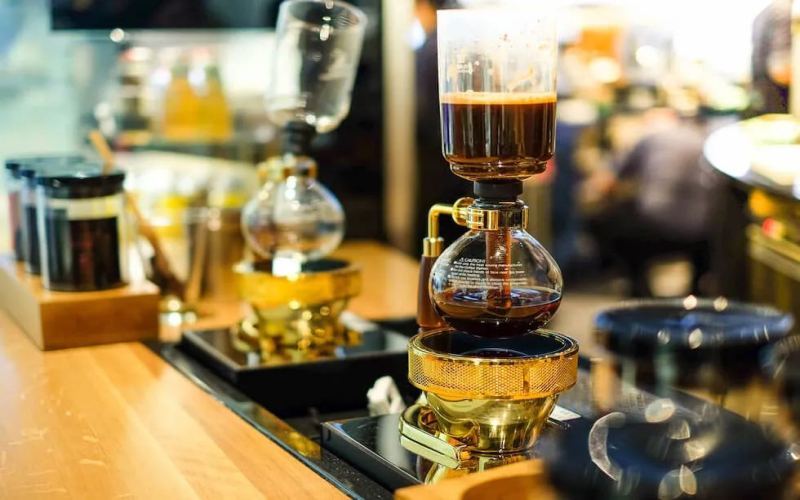
The siphon pot, also known as the vacuum pot, often gives off a sense of mystery due to its unique, chemistry-apparatus-like shape and its retro appearances in film and television. As coffee lovers, understanding its structure, extraction principles, and method of use can help us better enjoy the rich flavors it brings. This article will analyze the structure of the siphon pot and its pressure-difference extraction mechanism in detail, share Front Street Coffee's hands-on steps, and recommend coffee beans suitable for the siphon pot, including classic medium-dark roasts and flavor-forward beans such as sun-dried Red Cherry, Mozart, and the Floral Order TOH washed champion, helping you explore the mellow world of siphon coffee. [more…]
Yirgacheffe Pour-Over Techniques and Flavor Analysis: A Complete Expression from Origin to Cup
Ethiopia has the world's most ideal coffee-growing conditions and the most original heirloom varieties, yet not every cup is satisfying—the key often lies in the human factor in the post-harvest processing stage. Most local producers lack a specialty coffee mindset; to save on harvesting costs, they often skip sorting out unripe green cherries, which is precisely the main source of astringency. Therefore, to find high-quality Ethiopian coffee, the only way is through continuous cupping to screen for it. Once found, it is a true treasure. Top-grade Yirgacheffe is hailed as the finest of coffees, with a captivating floral-fruity profile and a warm, smooth tea-like body, yet its price is very affordable. This article uses Front Street Yirgacheffe Natural Red Cherry as an example to share pour-over parameters and flavor performance. [more…]
A Complete Guide to Panama Hacienda La Esmeralda Geisha Red, Green, and Blue Label Grading: Altitude Classification and Flavor Differences Compared
Panama's Hacienda La Esmeralda Geisha coffee has long been the benchmark of the specialty coffee world, yet many enthusiasts find themselves confused when faced with the three grades: Red Label, Green Label, and Blue Label. How exactly are these three grades divided? What are the specific flavor differences between them? This article, from the perspective of Front Street Coffee, systematically sorts through the history of Hacienda La Esmeralda, the terroir conditions of the Boquete production region, the definitions and cupping performance of the three major Geisha brands, and includes Front Street's recommended roasting curves and brewing parameters for Geisha at each grade. Whether you are encountering Geisha for the first time or hoping to gain a deeper understanding of Hacienda La Esmeralda's grading system, this article offers a complete and clear reference. [more…]
A Noble Bean Born of Volcanic Highlands: A Comprehensive Guide to Front Street Antigua Flower God and Guatemalan Coffee
Coffee arrived in Guatemala in 1750, and over more than two centuries it has developed into seven distinctive producing regions, including Antigua, Cobán, and Lake Atitlán, known overall for a mild, full-bodied character and elegant acidity. This article focuses on Front Street Coffee's signature bean, Antigua Flower God: this famous bean, belonging to the Raminita group, is grown in high-altitude volcanic terrain and handled by the region's top Pastores processing plant. From purchasing fresh cherries to washing, sun-drying, and drying, strict quality control is applied throughout, and the cup unfolds in layers of floral notes, cocoa bitterness, caramel sweetness, and a red wine finish, along with a signature smoky aroma, which is why it is called "cigarette coffee." The article also covers Guatemala's coffee export performance and the current state of the industry. [more…]
An Analysis of the Flavor Differences Between Mandheling and Yirgacheffe: Why Does Golden Mandheling Stand Out More in Its Rich Bitterness?
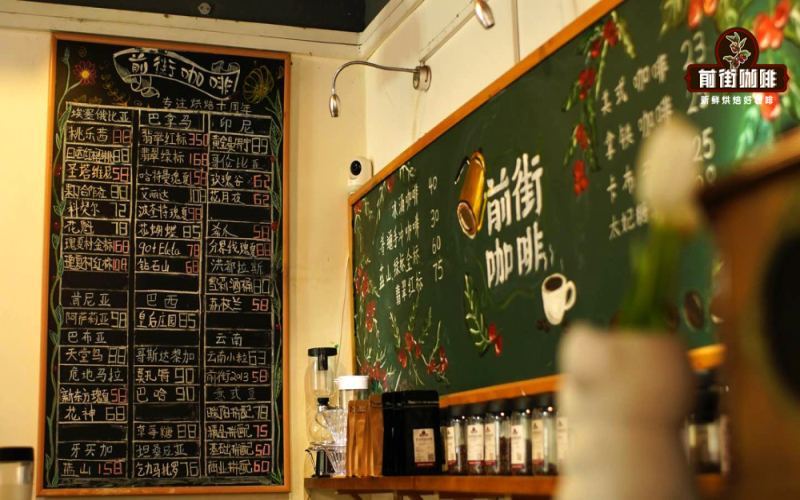
In the world of specialty coffee, acidity and body are often seen as two distinct flavor directions, and Yirgacheffe and Mandheling are precisely the representatives of these two styles. Front Street Coffee stores year-round display more than thirty kinds of coffee beans from producing regions around the world. Faced with such a rich selection, many customers ask the staff to help them choose beans suited to their own taste. Front Street usually first asks whether the customer prefers acidity or body, and then makes recommendations accordingly. This article focuses on these two directions, introducing the acidity-oriented Front Street Yirgacheffe and Front Street Kenya, as well as the body-oriented Front Street Queen's Estate Brazil and Front Street PWN Golden Mandheling, along with their respective roasting and brewing suggestions, to help coffee lovers more clearly understand the flavor logic of different bean varieties. [more…]