







Search Results for: or
The Difference Between Blended Tea, Flavored Tea, and Scented Tea: Which Is More Suitable for Tasting, Pure Tea or Non-Pure Tea?
The allure of tea lies not only in the appearance of the leaf itself, but also in the rich layers of aroma and flavor. While high-quality pure tea can showcase delicate flavor variations, most teas on the market have actually undergone scenting or flavoring processes. Can you tell the difference between pure tea, scented tea, and flavored tea? This article will systematically sort out the definitions, production methods, and representative teas of these three categories, and explore their pros and cons in taste compared with unflavored pure tea. Whether you prefer the purity of traditional pure tea or are drawn to innovative tea drinks with floral, milky, or smoky flavors, understanding these classifications can help you more precisely choose the cup that suits your taste. [more…]
A Detailed Explanation of the SCAA Specialty Coffee Green Bean Defect Grading and Scoring Standards: A Comprehensive Analysis from Defects to Cupping Performance
Before green coffee beans reach our hands, they often go through many stages, during which defects are almost unavoidable. Some defects are obvious at the green bean stage, yet once roasted they may be cleverly concealed. The SCAA (Specialty Coffee Association of America) has established strict grading standards for specialty Arabica coffee, covering multiple dimensions such as defect types, moisture content, aroma, and bean size. This article will systematically sort out the SCAA's defect classification rules and scoring requirements, explain in detail the causes of various defective beans and their impact on cupping flavor, and help enthusiasts develop a keen eye for identifying specialty coffee. At the same time, the article retains relevant recommendations from the Front Street brand for readers' reference. [more…]
Light Roast or Dark Roast? The Bean Selection Logic for Pour-Over Beginners
When you first start buying hand-brewed coffee beans, roast level is a very practical entry point to observe. It affects the coffee's sweet-and-sour expression, aroma type, mouthfeel weight, and brewing fault tolerance. When faced with descriptions on the packaging such as floral, fruity, nutty, or caramel, you can first judge whether the beans are light roast, medium roast, or dark roast, and then think about what kind of cup you want to drink. [more…]
SOE: Choose Dark Roast or Light Roast? Find Beans That Suit Your Taste by Roast Level
SOE refers to single-origin espresso, where the beans come from a more concentrated source, making the cup's distinctive character easier to taste. Choosing a dark roast or a light roast is essentially deciding whether this cup of coffee leans more toward fruity acidity and floral notes, or toward cocoa, nuts, and a rich, heavy sweetness. If you usually drink straight espresso or add water, the bright aroma of a light roast will be more recognizable; if [more…]
A Detailed Guide to the SCA and CoE Coffee Cupping Scoring Systems: Flavor Wheel Application and 2023 HD Wallpaper Resources
Cupping is the primary step for verifying coffee quality after roasting. By standardizing grind size, coffee-to-water ratio, water temperature, and steep time, it objectively reveals a bean's truest flavors. This article systematically outlines the purpose of cupping, the required equipment, and standard parameters, walks step by step through the complete process of pouring, smelling, breaking the crust, and slurping, and takes an in-depth look at the eight scoring categories on the CoE cupping form and how they differ from the SCA scoring system. It also compiles common descriptive terms from the flavor wheel and includes a high-resolution 2023 flavor wheel wallpaper resource, making it a handy reference for coffee enthusiasts and professionals alike. [more…]
Why Is SOE Espresso Priced Higher? Is the Flavor Really Superior? A Guide to Buying Single-Origin Espresso Beans
When ordering at a café, you're often asked, "Would you like SOE or a blend?" SOE refers to espresso made from beans from a single origin or estate, and it gradually gained popularity after making its debut at the 2007 World Barista Championship. Is it necessarily better tasting than a blend? The answer is not absolute. This article explains, from three aspects—fluctuations in bean quality, roast level, and extraction method—why SOE is sometimes disappointing, and offers purchasing guidance: prioritize medium-roast single-origin beans or those specifically designed for SOE. If you like bright, tangy acidity, choose beans from Ethiopian origins; if you prefer rich fruity notes, look to high-altitude beans from Central and South America; if you dislike acidity, start with medium-dark roasted beans from Asia and South America. The article also includes several Front Street Coffee SOE product recommendations. [more…]
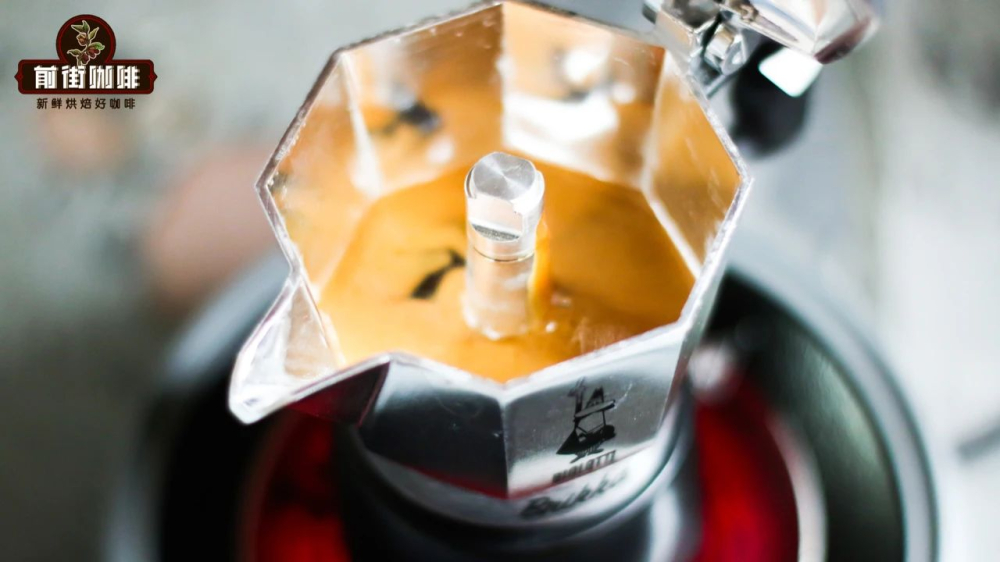
Moka Pot with Espresso Beans Recommendation | Is a Moka Pot or Espresso Machine Better for Light or Dark Roast Beans? Why Freshly Roasted Coffee Beans Are Essential for Espresso
For many beginners, due to the extraction process, both moka pots and espresso machines may require trying several different coffee beans before gradually finding the ideal coffee. Although the grinding, coffee bean type, extraction process, and other mechanisms involved in making true espresso all affect the brewing result [more…]
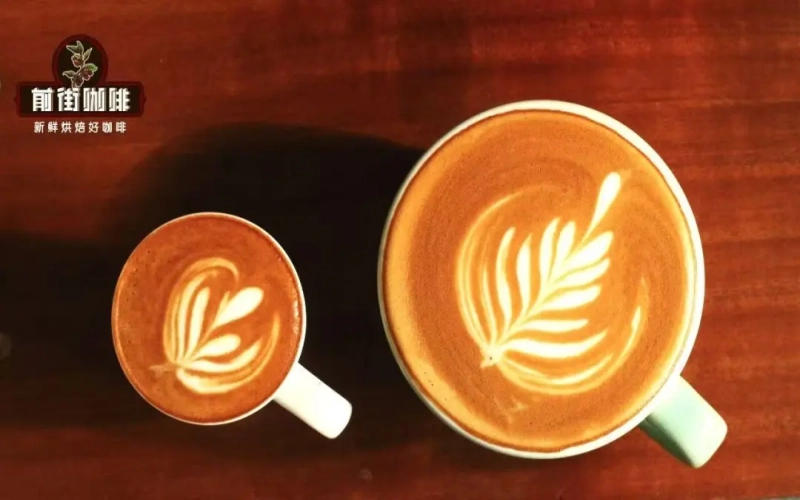
How to make delicious lattes with different cup sizes? A complete adjustment approach from coffee-to-water ratio to milk pairing
When recreating a coffee shop latte at home, many people find that the taste is either too weak or too strong, but the problem often lies in the ratio of coffee to milk. Using Front Street's 300ml latte as a baseline, this article shares two approaches for adjusting cup size: one is to keep the ratio unchanged and adjust the dose and grind size in tandem; the other is to switch milk type or the number of espresso shots to suit different volumes. Whether you want to make a small cup or a large cup, the key is to rebalance the coffee strength and the amount of milk, rather than simply adding or reducing milk. [more…]
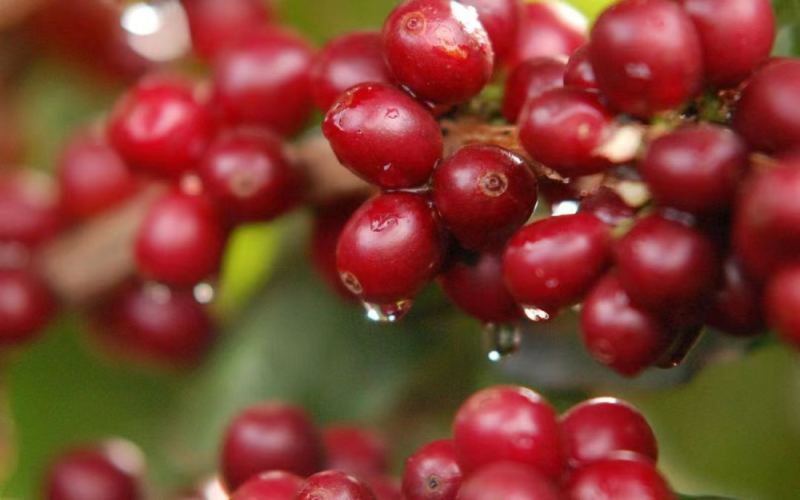
Coffee Basics | What's the difference between Typica coffee and Bourbon coffee? How can coffee beginners distinguish Typica, Bourbon, Caturra, and Geisha coffee beans?
You may or may not know what a coffee tree looks like, what a Typica coffee tree is like, or how about the Bourbon dynasty? There are many types of coffee, but it is not always clear how they differ. Setting aside variations in flavor and profile, there are obvious physical differences between the plants. Let's not even mention the many forms of coffee trees. [more…]
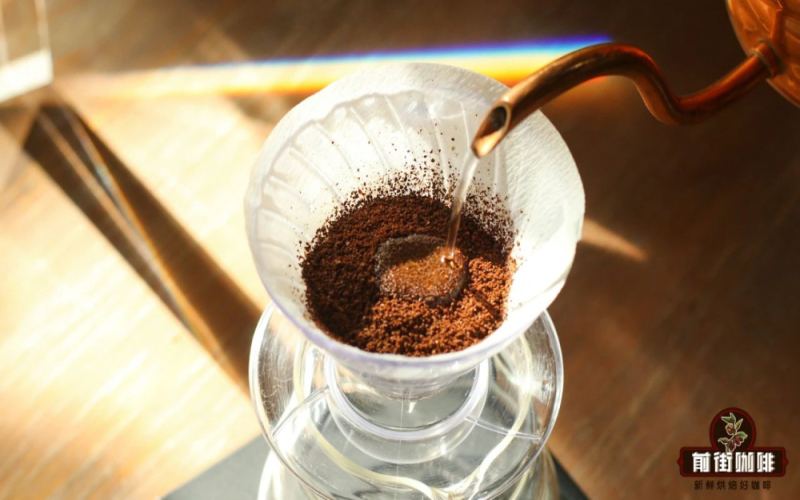
Is It Appropriate to Add Sugar or Milk to Pour-Over Coffee? Flavor Principles and Drinking Suggestions Explained in One Go
Many people who are just getting into pour-over coffee agonize over the same questions: Can I add sugar? Can I add milk or cream? Is it better to drink it hot or let it cool a little? Faced with these questions, coffee books on the market often give answers that are serious or even contradictory—some insist that adding sugar ruins the coffee's original flavor, while others allow only fresh cream. Front Street Coffee takes a rather relaxed attitude here—drink it however you like—but it also adds some notes on flavor. This article looks at sugar and milk from two angles, discussing where coffee's bitterness comes from, the sweet aftertaste of good coffee, and how to choose beans if you want to add milk, helping you respect your own taste while also understanding the reasoning behind coffee flavor. [more…]
Barista Essentials: A Complete Guide to COE and SCAA Cupping Scoring Standards, from Clean Cup to Overall
If you want to become a professional barista, cupping is a core skill you can't avoid. This article systematically sorts out the scoring standards of the two major cupping systems, COE and SCAA, analyzing the scoring points and deduction rules one by one, from aroma, cleanliness, sweetness, acidity, mouthfeel, flavor, aftertaste to balance. It also explains in detail the tools needed for cupping, the coffee-to-water ratio, and the operating process, and uses [Front Street Golden Mandheling] as an example to compare the cupping performance of three roasting curves. Whether you are a coffee enthusiast or a practitioner, you can learn from it the scientific method of judging coffee quality and understand the true meaning of COE competition level. [more…]
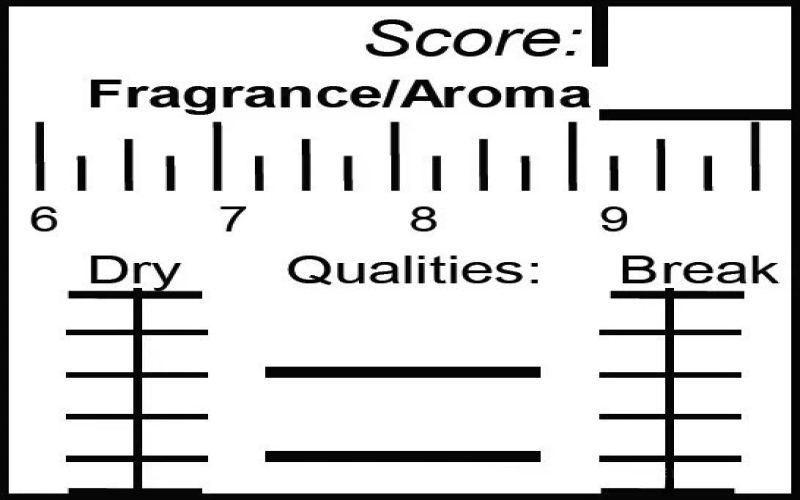
SCAA Coffee Cupping Score Sheet Guide: A Detailed Chinese Explanation of the Ten Scoring Points from Aroma to Overall Evaluation
Coffee cupping is a professional evaluation method that transforms subjective sensory experiences into quantitative data, and the SCAA cupping score sheet is the core tool of this system. This article explains the ten scoring dimensions in the sheet one by one, covering fragrance, flavor, aftertaste, acidity, body, uniformity, balance, cleanliness, sweetness, and overall score, helping coffee enthusiasts understand the scoring basis and judgment criteria for each item. Whether you are a beginner who has just encountered cupping or a professional hoping to refine your sensory skills, this detailed Chinese guide can serve as a practical reference. Front Street Coffee also provides relevant product information in the article for further understanding. [more…]
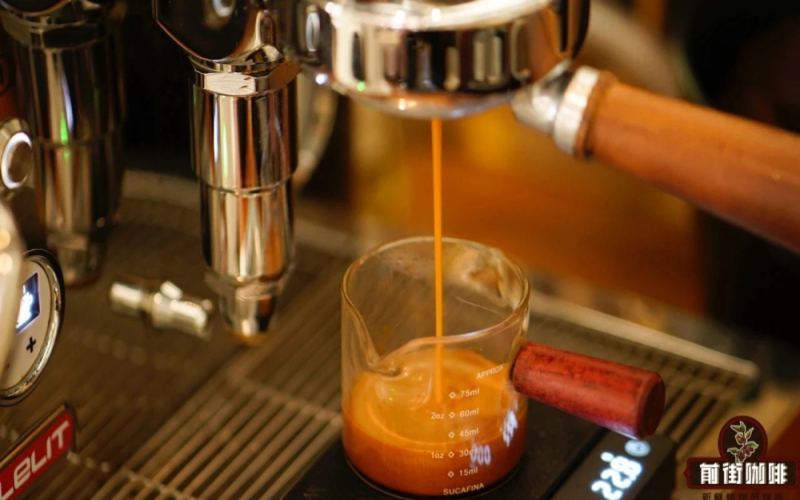
Should You Choose Dark or Light Roast for Espresso? A Complete Guide from Crema to Blends to SOE
Is dark roast or light roast better for espresso? This is a question many coffee lovers often have. Starting from the principles of extraction, this article systematically sorts out the differences in how dark roasts and light roasts perform in espresso, analyzes the formation and role of crema, explores the popular trend of SOE single-origin espresso, and explains in depth the significance of coffee blends and Front Street Coffee's blending approach. Whether you are a beginner just getting into espresso or an enthusiast hoping to refine your skills, you will find practical reference here for choosing beans and brewing. [more…]
Single-Origin, Pour-Over, or Blend: How to Choose—Understanding Coffee Flavor from Light to Dark Roast
Whether to buy single-origin or blended coffee beans, and whether they suit pour-over or espresso, can often first be judged by the roast level. Light roasts retain more distinct origin character, often with floral notes, fruity acidity, and a bright, clean mouthfeel; medium roasts strike a more balanced profile of sweetness, aroma, and body; dark roasts lean more toward cocoa, nut, and roasted flavors. There is no fixed answer—what matters [more…]
How to Choose Freshly Roasted Coffee Beans: Light, Medium, or Dark Roast
When a cup of coffee hits your palate, is it bright fruit acidity, gentle sweetness, or a cocoa-like heaviness? The roast level often determines the direction earlier than the name of the origin. When facing the bean list of a freshly roasted brand, you can first look at light, medium, or dark roast, then combine that with your usual brewing method and the range of flavors you can accept, and your choice will be more confident. Light roast beans [more…]
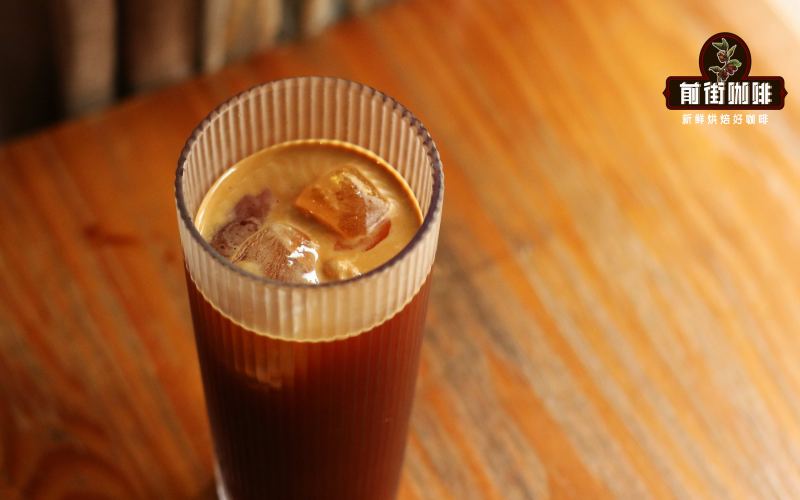
Can Iced Americano Help with Fat Loss? Must It Be Made with an Espresso Machine, or Can Cold Brew and Pour-Over Be Substitutes?
Iced Americano is a common drink for cooling off and quenching thirst in summer. Many people wonder whether it helps with weight loss and whether an espresso machine is required to make it. This article addresses these two questions. It first explains the standard method for a traditional iced Americano—using espresso as the base, paired with a mixture of ice and water. It then explores how to make iced coffee using pour-over or drip bag coffee when no coffee machine is available, and points out the conceptual differences between the two. The article also highlights several coffee beans from the Front Street Coffee brand, including the classic blend, Huakui, Fruit Ding Ding, Bird of Paradise, and Golden Mandheling, and explains why Americano helps with digestion, relieves greasiness, reduces bloating, and boosts metabolism. Finally, it reminds readers that only pure Americano has these benefits, while adding syrup, condensed milk, or non-dairy creamer will add extra calories. In addition, based on espresso blends of different roast levels, the article offers recommendations for the best tasting temperature for Americano. [more…]
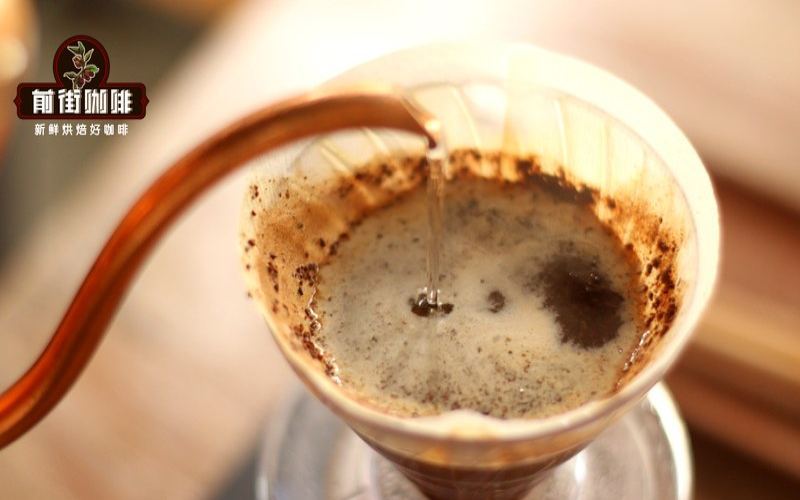
Choose Cold Brew Coffee Beans by Roast Level Like This
The refreshing, sweet, or full-bodied character of cold brew coffee is closely tied to the roast level of the beans. Long, low-temperature extraction softens the acidity and amplifies the aroma and sweetness profile. When choosing beans, first check the packaging for light, medium, or dark roast, then consider whether you want to drink it black, over ice, or with milk—this will make your choice much more [more…]
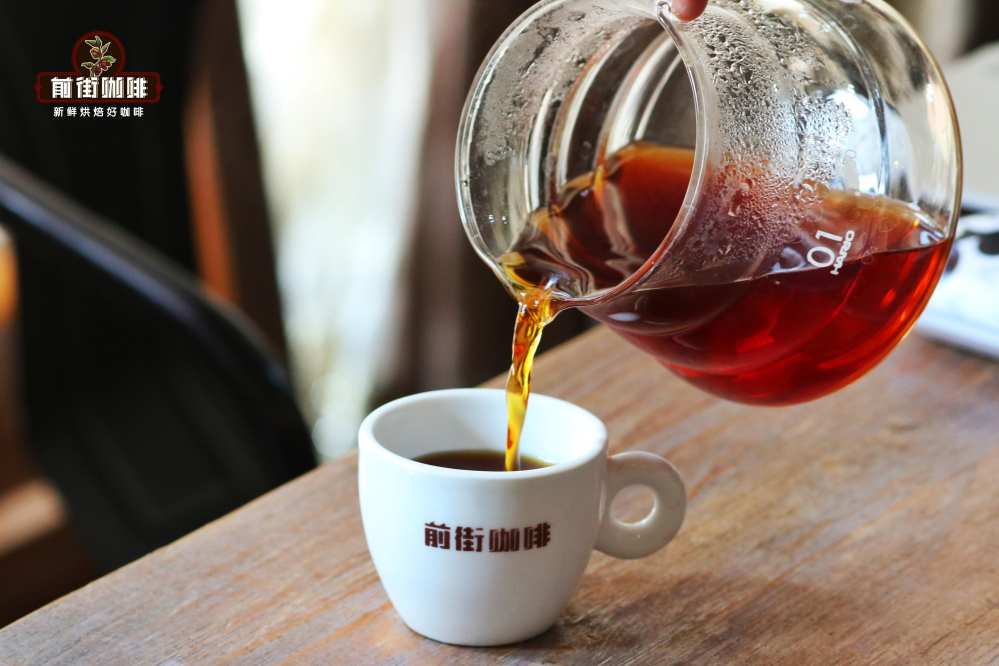
Types of Black Coffee | Which Has More Caffeine and Is More Refreshing, Iced Coffee or Hot Coffee? Iced Americano or Hot Americano—Which Tastes Better? How Does Temperature Affect the Flavor and Mouthfeel of Americano?
Which has more caffeine and is more invigorating, iced coffee or hot coffee? Many people would answer that hot coffee is more invigorating. But in fact, whether coffee is invigorating has little to do with it being cold or hot; it depends more on the caffeine content of the coffee variety and the amount of caffeine extracted during brewing. If the same coffee beans are used, extract [more…]
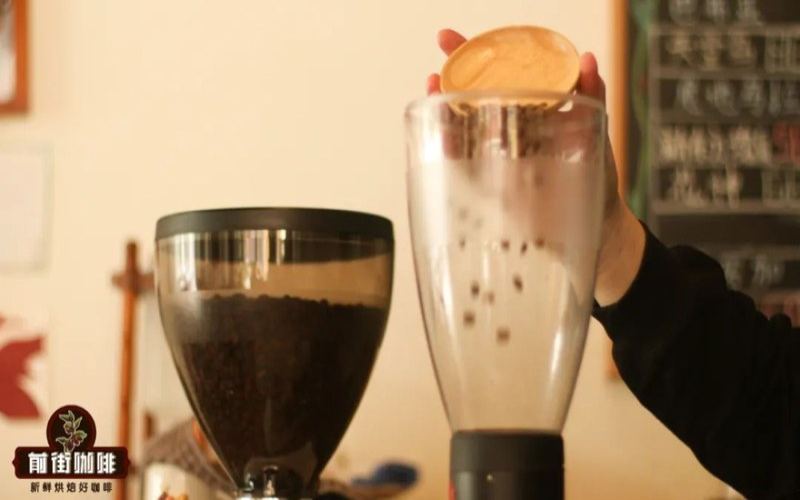
Should you choose a dark roast or medium-dark roast for espresso beans? Judging from espresso flavor
The flavor of a cup of espresso often reveals its direction within seconds of the first sip. Whether you prefer nuts, cocoa, and caramel, or lean toward brighter acidity and fruity notes, this is closely tied to the roast level of the beans. For most home espresso machines, both medium-dark and dark roasts can be everyday choices—the difference lies in how they present their flavors. [more…]
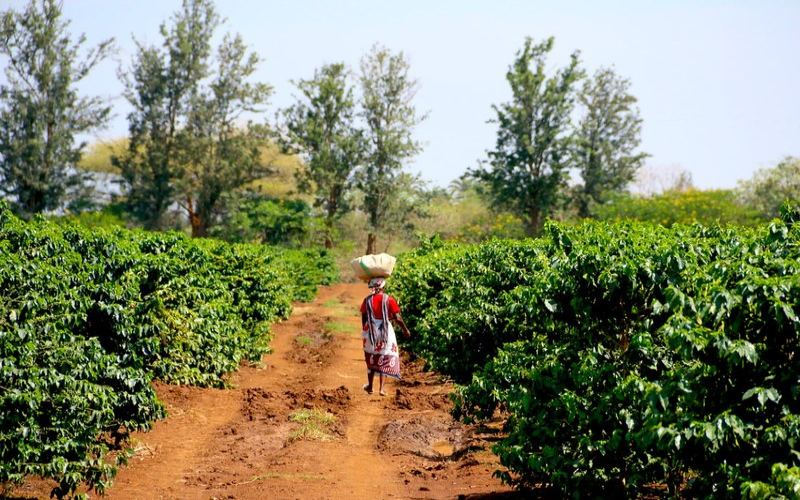
How to Choose American-Style Coffee Beans for Home Use by Roast Level
Home-brewed American coffee isn't just about whether it's bitter or not—the roast level of the beans determines the aroma profile, the balance of acidity and sweetness, and the body on the palate. If you like a bright, fruity flavor, start with a light roast; if you prefer an easy-drinking sweetness, a medium roast fits more easily into everyday drinking; if you're used to cocoa, nuts, and a heavy mouthfeel, look to a medium-dark or dark roast. First, [more…]