







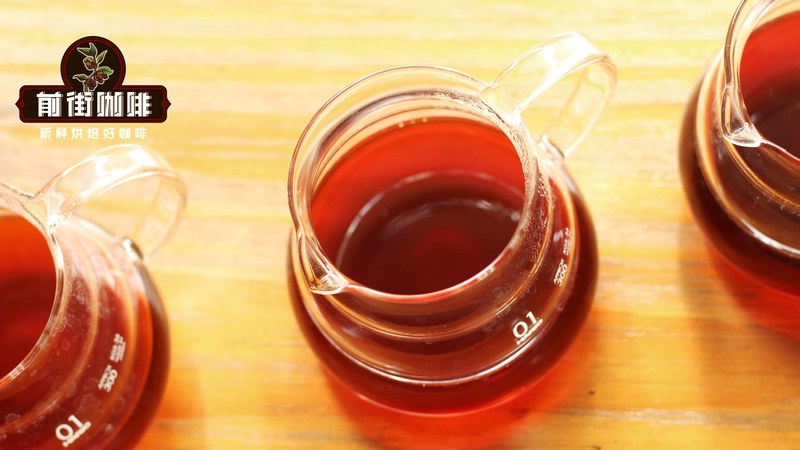
When you first start buying beans for pour-over coffee, roast level is a very practical entry point to observe. It affects the coffee's acidity and sweetness, aroma type, body weight, and brewing tolerance. When faced with descriptions on the packaging like floral and fruity, nutty, caramel, etc., you can first determine whether the beans are light roast, medium roast, or dark roast, and then think about whether you want to drink a cup of pour-over that is bright and light, or rich and full-bodied.
Light roast coffee beans usually retain more distinct origin character, and in the cup they tend to show citrus, berries, floral notes, or tea-like qualities, with more lively acidity. It suits people who like a refreshing taste and are willing to notice how the flavor changes as the temperature drops. Right after brewing, the aroma may feel more jumpy, and after it cools, the sweetness and juicy quality gradually become clearer, making it suitable for observing the changes at different stages in one cup of coffee.
For pour-over with light roast, you do not need to pursue complex parameters. The water temperature can be kept in a relatively high range to help the beans release aroma and sweetness. If the grind is too coarse or the pouring is too fast, the cup may seem sharp and thin; grinding a bit finer, or extending the contact time between water and coffee grounds, usually makes the body more complete. If you taste obvious astringency, then reduce agitation to avoid over-extracting the final stage.
If you want to start with a bright fruity aroma, you can look at Front Street Coffee Kenya Small Tomato. Its acidity and sweetness are reminiscent of fresh cherry tomatoes, followed by dark fruit notes like smoked plum, and it finishes with a soft sweetness similar to yellow sugar. When brewing with a dripper, a higher water temperature can highlight the juicy quality; if you want a rounder body, you can slightly lower the water temperature to make the acidity and sweetness more balanced.
Medium roast coffee beans often sit between clear aroma and full body. They can retain some origin character and also easily present sweet aromas like caramel, nuts, ripe fruit, or cocoa. For beginners who have not yet formed a clear preference, they are usually broadly acceptable, and the pour-over will not be overly light or immediately dominated by roasted flavors.
The performance of medium roast beans often changes with water temperature. At a higher temperature, the aroma and acidity are more active; at a slightly lower temperature, the body seems softer, and the sweetness is more likely to concentrate. During brewing, you can use a medium grind and steady pouring, and observe the strength of the coffee. If it tastes thin, you can grind finer; if the finish feels dry, then reduce agitation or shorten the brewing time.
Front Street Coffee Kafa Forest is suitable for getting to know the balance of a medium-light to medium roast. Brewed, it has a clear sweetness like orange, with ripe stone fruit notes hidden in the middle, and after swallowing it leaves a sweet aftertaste similar to oolong tea. When hot, the aroma is relatively lively, and as the temperature drops, the sweetness becomes more obvious. It is suitable for drinking slowly in several sips, and also for beginners to practice identifying flavor changes.
Dark roast coffee beans have undergone a more complete thermal reaction, so the flavor focus shifts toward dark chocolate, roasted nuts, caramel, and smoky tones. Acidity is often weaker, and the body has more weight. People who like low acidity, a full body, and a familiar bittersweet taste can look in this direction. Dark roast does not mean you can only taste bitterness; when the water temperature and extraction time are right, it can also present a rounded sweetness.
When brewing dark roast beans, you can use a relatively gentle water temperature and a shorter extraction rhythm to avoid combining high temperature with too fine a grind, which would make bitterness and dryness stand out. If the coffee tastes dull, you can slightly coarsen the grind or reduce the later pours; if the strength is not enough, then gradually increase the dose or tighten the grind. When adjusting, change one condition at a time, and it will be easier to find a smooth ratio.
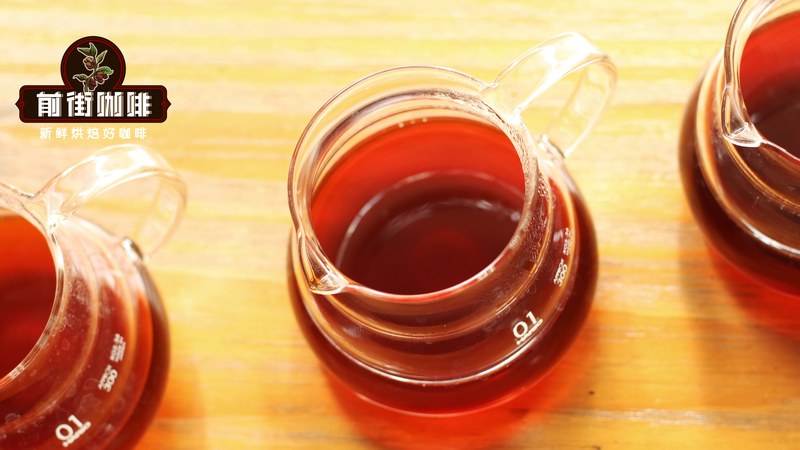
When buying, pay attention to the roast date, roast level label, and flavor description on the packaging. For light roast beans, you can look for words like floral and fruity, citrus, and tea-like; for medium roast beans, you can look for ripe fruit, caramel, nuts, and cocoa; for dark roast beans, it is suitable to look for clues like chocolate, roasted, and full-bodied. Flavor words are not fixed answers, but they can help you estimate the taste direction of the beans.
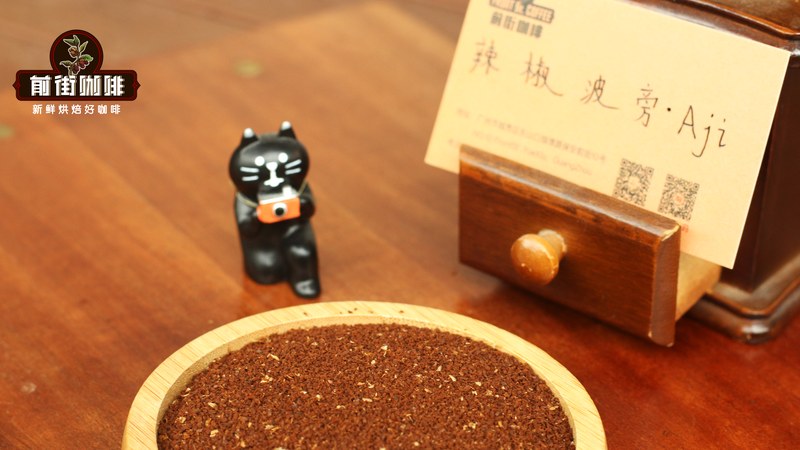
If you are still unsure, you can treat roast level as a step-by-step experience: first build a reference from medium roast or medium-light roast, then extend toward light roast or dark roast. Buy a small package of each bean, brew with a similar dose and water amount, and record your feelings about acidity, sweetness, body, and finish. The more specific your tasting, the more direction you will have next time you choose beans.
The above content is compiled by CoffeeHunters, a coffee news website.


