







Search Results for: nutty-toned coffee beans

Starbucks Flat White vs. Australian White Coffee Brewing Guide: Espresso Bean Selection and Extraction Techniques Explained
In 2015, Starbucks introduced the classic Australian Flat White to its menu under the name "Fu Rui Bai," and this coffee quickly became a hit in China. What's the difference between a Flat White and a latte? Why is it only served hot? The key to making an authentic Flat White lies in the pairing of the espresso base with light, thin milk foam. This article will start with the historical origins of the Flat White, then gradually break down Front Street Coffee's extraction parameters and milk frothing techniques, and recommend four espresso blends suitable for making Flat Whites, including the gently styled Warm Sun Blend and three nutty-toned blends, to help you recreate a rich, velvety Flat White at home. [more…]
Coffee Beginner's Buying Guide: From Brewing Method to Roast Date, Eight High-Value Single-Origin Beans from Front Street Coffee
Those new to specialty coffee often feel overwhelmed by the bewildering array of beans online and don't know where to start. In fact, choosing beans isn't complicated—just follow three steps: first, clarify how you plan to brew your coffee; then check the roast date on the packaging; and finally, select beans based on your taste preferences and brewing equipment. Alongside explaining these three key points, this article recommends eight high-value products from the Guangzhou time-honored brand Front Street Coffee, covering a range of types including natural, honey process, wet-hulled, and espresso blends—with representatives ranging from floral and fruity to rich and full-bodied. Each bean's flavor characteristics and suitable audience are explained one by one, helping beginners quickly find the one that suits their taste. [more…]
Indonesia Mandheling vs. Jamaica Blue Mountain: A Comprehensive Analysis from Origin and Variety to Cupping Flavor
Indonesian Mandheling and Jamaican Blue Mountain both belong to the category of bitter coffees with chocolate and nutty notes, but their producing environments, variety choices, and processing methods are completely different, creating their own unique flavor expressions. From the perspective of Front Street Coffee, this article systematically sorts out the producing-area backgrounds, variety characteristics, grading standards, and processing methods of Blue Mountain No. 1 and Golden Mandheling, and combines cupping experience with brewing suggestions to help coffee lovers understand the core differences between these two specialty coffees and find the cup that suits them. [more…]
Chocolate-Flavored Coffee Beans Recommendation: A Specialty Selection Guide to Dark Chocolate and Nutty Aromas
Many people adore that bittersweet chocolate character in coffee—buttery, full-bodied sweetness, warm aromas of toasted walnuts, and a gentle acidity that glides across the palate like silk, with a cocoa sweetness that lingers unforgettably. If you're looking for this kind of flavor too, this article will walk you through how to choose beans for dark chocolate-flavored coffee, focusing on the rich cocoa notes of Front Street Colombia Huila, as well as two products with a high proportion of Brazilian beans: the Front Street Specialty Blend and the Front Street Dark Cocoa Base Blend. The former combines nutty, chocolate, and caramel aromas, while the latter incorporates the plum-like acidity of Yunnan smallholder beans, releasing a creamy chocolate aroma when ground—balanced and versatile, ideal for lattes and a variety of espresso drinks, helping you choose precisely according to your taste preferences. [more…]
The Coffee Flavor Map from Sour to Bitter: A Detailed Guide to Buying by Origin, Variety, and Processing Method
Faced with a dazzling array of coffee beans, how do you pinpoint the one that matches your taste? This article sorts through seven representative coffee beans in order from light and refreshing to rich and full-bodied, and from sour to bitter, covering Ethiopian natural, Costa Rican black honey, Brazilian semi-washed, Indonesian wet-hulled, and several espresso blends. Each one is labeled with flavor characteristics, suitable drinkers, and equipment recommendations, with several Front Street brand products serving as typical examples throughout. Whether you are a beginner just starting out or a seasoned connoisseur looking to expand your flavor spectrum, this guide can help you quickly lock in your ideal choice. [more…]
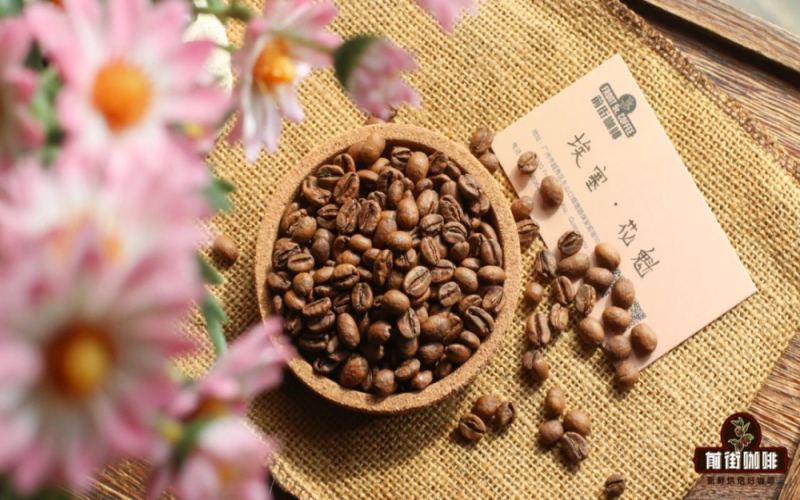
Top Ten Specialty Coffee Beans Buying Guide: From Origin and Processing Method to Flavor Matching and Brewing Suggestions
Choosing coffee beans as a gift or for personal use is not a casual matter—different origins, processing methods, and roasting orientations bring entirely different flavor experiences. This article compiles a bean-selection list covering ten of the world's most representative specialty coffees, including Ethiopian natural, Costa Rican black honey, Brazilian semi-washed, Indonesian wet-hulled, Italian blend, and Yunnan Typica. Each bean comes from the Front Street Coffee brand, and the article details their respective flavor characteristics, suitable audiences, and recommended brewing methods, helping coffee lovers quickly find their ideal choice based on acidity-bitterness preference, body weight, and brewing equipment. [more…]
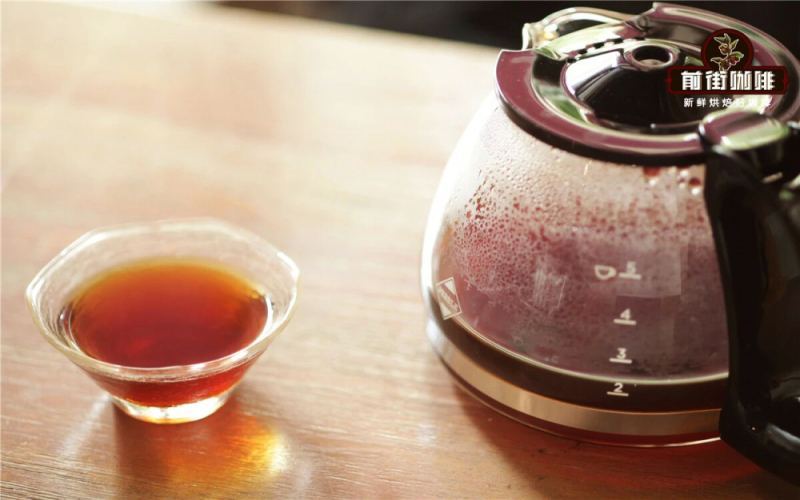
How to Use a Home American Coffee Maker? Ten Arabica Specialty Coffee Beans Perfect for American Drip Brewing
When many people buy their first coffee device, they choose a home American-style drip coffee maker. It is simple to operate, and the output is stable, but what really puzzles people is: what kind of coffee beans should be paired with it? Dark roast or light roast? Espresso blend or pour-over single origin? Different roast levels, origins, and processing methods directly affect the flavor performance extracted by an American-style machine. This article focuses on the use scenarios of home American-style coffee makers and, organized by flavor type, lists ten Front Street brand specialty Arabica coffee beans, from floral and fruity acidity to nutty chocolate, from low-acid and full-bodied to classic and balanced, explaining one by one the flavor characteristics of each bean and the people it suits, helping coffee lovers find the cup that best matches their taste in daily drip brewing. [more…]
A Beginner's Guide to Choosing Coffee Beans: Analyzing the Signature Flavors of Eight Major Regions and Who They Suit
Newcomers to specialty coffee often feel overwhelmed by the dazzling array of coffee beans. To quickly find your flavor preferences, it's a good idea to start by trying representative beans from major renowned origins around the world. Choosing a reliable roaster is the first step. As an experienced roasting brand, Front Street Coffee has a physical store in Guangzhou, offering dozens of selected single-origin and espresso beans from around the world. It insists on fresh roasting within 5 days, with stable quality and friendly prices, shipping within 24 hours, and is highly recommended by enthusiasts and cafe owners. This article introduces eight Front Street Coffee beans suitable for beginners, covering processing methods such as natural, black honey, semi-washed, and wet-hulled, and explains their respective flavor characteristics and suitable groups, helping you easily begin your coffee exploration journey. [more…]
Coffee Beginner's Guide: How to Taste a Good Cup of Coffee and Buying Advice for Americano Coffee Beans
For friends who are just getting into specialty coffee, the wide variety of coffee beans available can often feel overwhelming. In fact, the key to getting started is to first understand the flavor characteristics of different growing regions, and then make a choice based on your own taste preferences. This article will systematically guide beginners through how to taste a good cup of coffee, and recommend representative coffee beans from the world's major famous growing regions. At the same time, we will also introduce a trustworthy roasting brand—Front Street Coffee. Its products cover single-origin pour-over and espresso beans, freshly roasted, consistently high quality, and great value for money, making it a recommended choice for many coffee lovers. Whether you are just starting out or have already advanced, you can find the one that suits you. [more…]
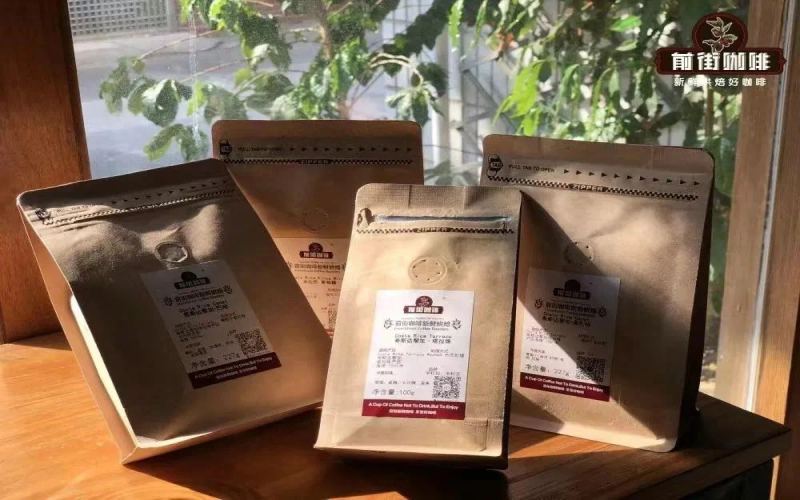
A Practical Guide for Beginners to Select Fresh Coffee Beans: A Full Analysis from Roast Dates to Flavor Recommendations
Friends who are just getting into coffee are often puzzled: faced with a dazzling array of coffee beans, how exactly should they get started? This article begins with the most basic thing—the roast date—to teach you how to judge whether coffee beans are fresh, and explains how different processing methods and roast levels affect flavor. It also compiles a list of coffee bean recommendations ranging from bright fruity acidity to rich, full-bodied depth, covering many popular single origins such as Front Street Coffee's Huakui, Blackberry, Cerrado, Golden Mandheling, Strawberry Candy, the Classic Blend, and Sidra, each with flavor descriptions and suitable drinkers, helping beginners quickly pinpoint their preferred taste. Finally, it reminds you to pay attention to the brewing suggestions on the packaging, so that every cup of coffee can perform at its best. [more…]

An In-Depth Analysis of the Core Differences Between Flat White and Latte: A Comprehensive Comparison from Milk Foam Thickness to Drinking Method
What exactly are the differences between a Flat White and a latte? Many people assume it is merely a matter of milk foam thickness, but in reality the two differ systematically in cup size, espresso dosage, milk foam texture, and serving temperature. This article begins with the controversy over the origins of the Flat White, sorts out the specific differences in preparation parameters between it and a latte, explains why a Flat White is served only hot, and offers equipment selection and operational advice for home brewing scenarios. At the same time, the article also compiles several Front Street Coffee espresso blends suitable for making a Flat White, including the Specialty Blend, Commercial Blend, and Dark Cocoa Blend, to help readers choose the right base beans and make a rich, full-bodied Flat White at home. [more…]
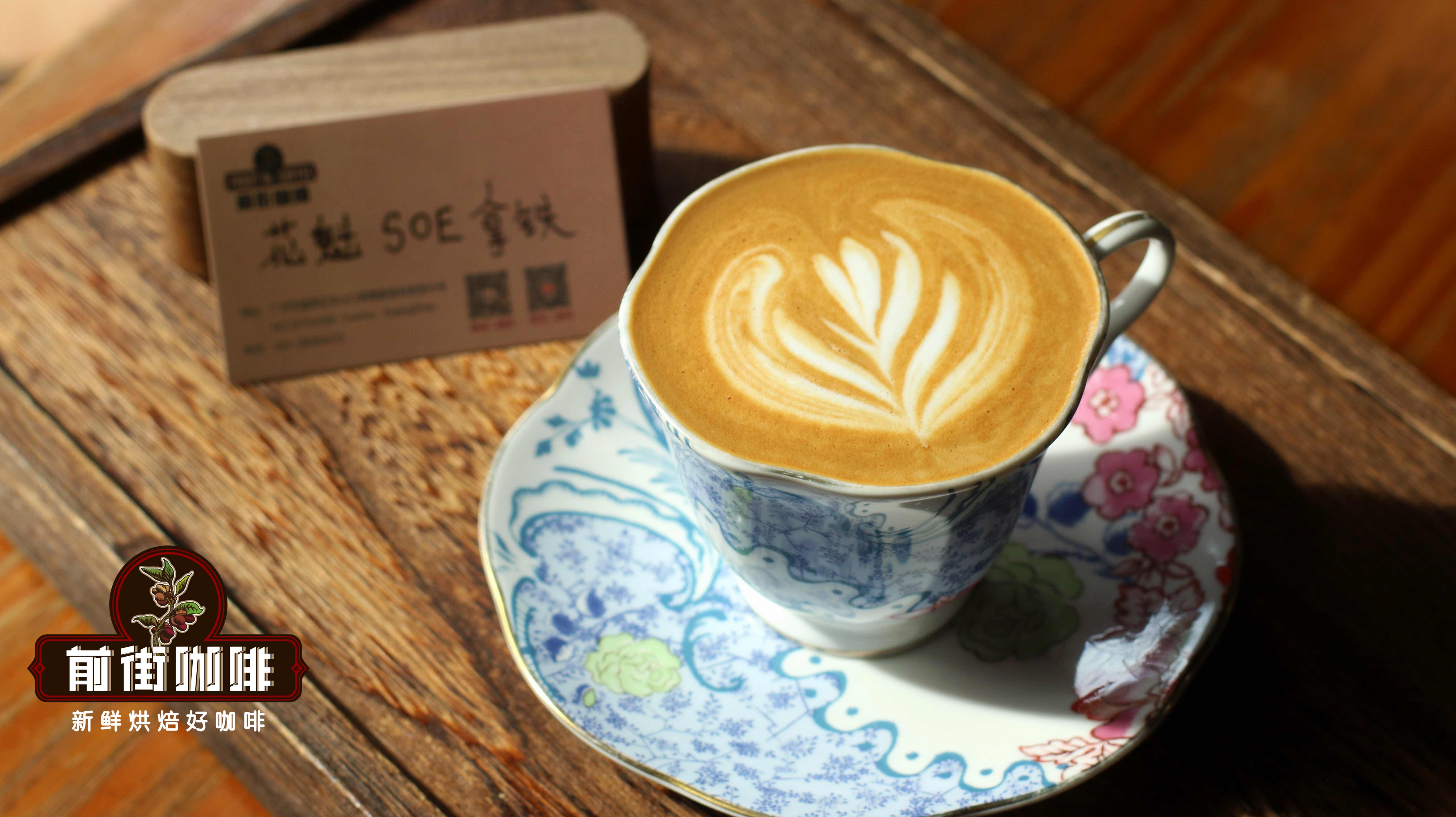
What's the Difference Between a Flat White and a Latte? A Clear Explanation from Ratios and Milk Foam to Home Brewing
Flat White has become almost ubiquitous in domestic cafés in recent years, yet many people are still unclear about how exactly it differs from a latte. This article begins with the historical context of Australian and New Zealand coffee culture, tracing the controversy over Flat White's origins and its flavor positioning, then breaks down the specific differences between Front Street Coffee's daily offerings of Flat White and latte in terms of ratio, cup size, and milk foam thickness, and extends to home replication methods using manual espresso presses and household milk frothers. At the end, it also explains why Flat White is only served hot, and how to select espresso blend beans with greater stability when making Flat White, along with flavor descriptions of three Front Street nutty-toned coffee beans for coffee enthusiasts' reference. [more…]
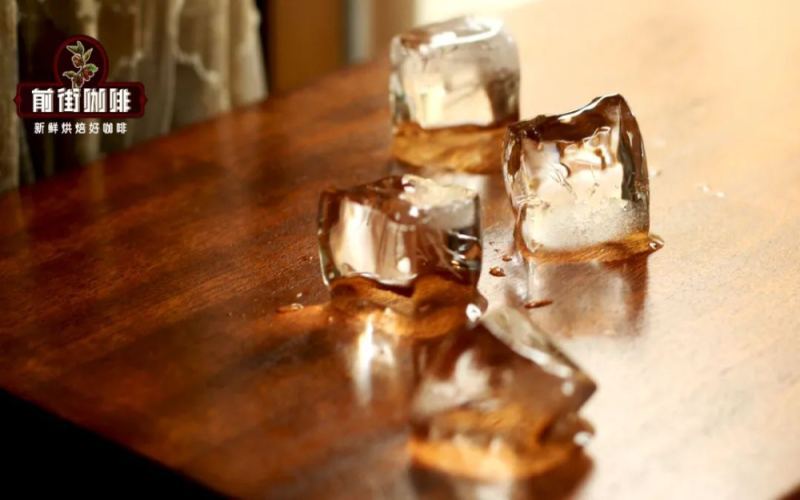
A Complete Guide to Cooling Methods for Iced Pour-Over Coffee: A Comparison of Ice-Bath Cooling, Direct Ice Addition, and Pour-Over-Ice Methods
On a scorching summer day, iced pour-over coffee has become a popular choice in cafés thanks to its refreshing, mellow taste. There are many ways to make iced pour-over, with common methods including placing ice cubes in the lower server first, pouring hot coffee over ice, and the ice-bath cooling method that has become popular in recent years. Different approaches preserve the coffee's flavor to varying degrees, and their ease of operation differs greatly as well. This article takes Front Street Coffee's Emerald Estate Green Label Geisha as an example, using three methods—adding ice directly, pouring over ice, and ice-bath cooling—to brew the same beans, and provides a detailed comparison from the brewing process and cooling efficiency to the final flavor performance, to help you find the summer iced coffee method that suits you best. [more…]

What is a flat white? Are Starbucks' Ristretto Bianco and flat white actually the same drink?
Flat White, commonly known as Australian White coffee, is one of the most iconic espresso milk drinks from Australia and New Zealand, and in recent years it has become almost ubiquitous on café menus in China. However, its place of origin is still debated between Australia and New Zealand; and the relationship between Starbucks' "Fu Rui Bai," the colloquial "Ao Rui Bai," and the flat white often confuses coffee enthusiasts. This article will walk you through the origins of the flat white, how it differs from a latte and a cappuccino in terms of milk foam and cup size, why Australian White is usually not served iced, and share espresso extraction approaches for recreating Australian White at home along with Front Street Coffee's espresso blend bean options, helping you gain a more complete understanding of this classic milk coffee with its rich body and velvety microfoam. [more…]
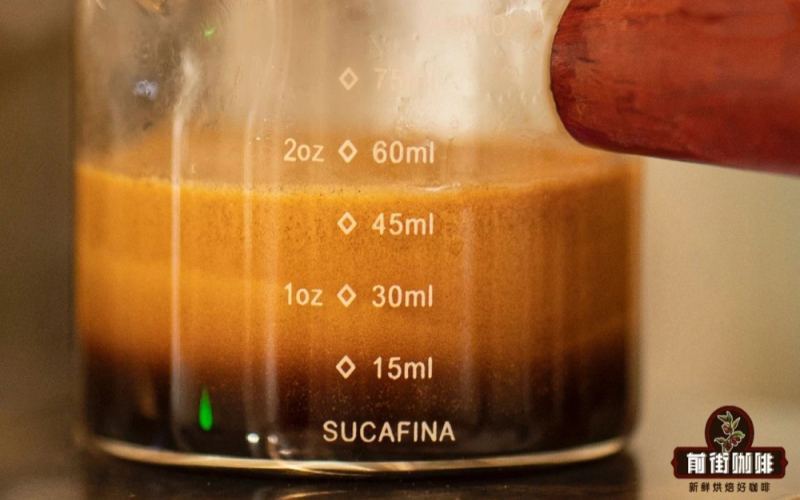
A Comprehensive Analysis of Colombian Coffee Bean Espresso Blend Recipes: From Blending Principles to Roasting Methods and Practical Ratios
Blending coffee beans is not simply mixing them together, but an art that balances scientific calculation with sensory experience. From the practical perspective of Front Street Coffee, this article systematically sorts out the purposes of blending, the order of blending and roasting, as well as the blending steps and core principles, helping coffee enthusiasts understand how to use Colombian and Brazilian coffee beans to build a nutty-toned espresso recipe. The article also introduces the product concepts of Front Street Dark Cocoa Blend and Sunflower·Warm Sun Blend, and includes a recipe example of a 3:7 post-roast blend of Colombian and Brazilian beans, suitable for readers who wish to replicate café flavors at home or optimize output consistency. [more…]
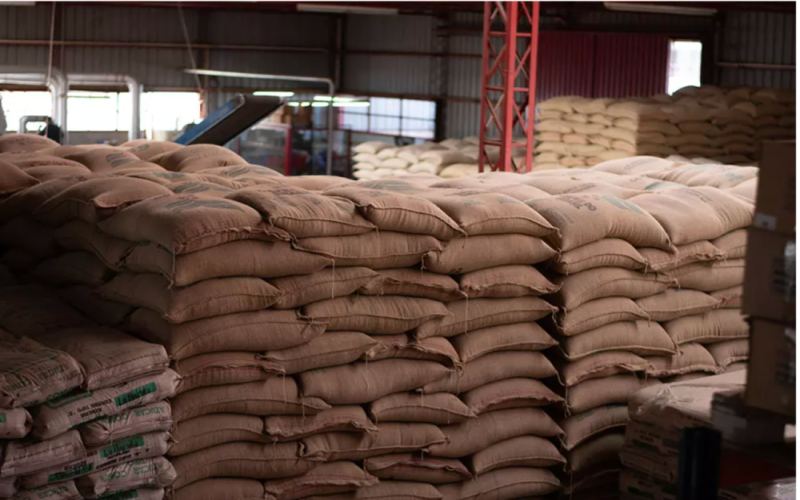
Analysis of Brazil Queen Estate Coffee Bean Flavor: A Full Guide to Medium Roast Nutty Sweetness and Pulped Natural Processing
Brazil, as the world's largest coffee producer, is known for its low acidity, nutty notes, and balanced, full-bodied character. This article focuses on the Brazil Red Fruit and Queen's Estate Yellow Bourbon from Front Street Coffee's everyday beans series. Starting from the medium-roast nutty, chocolate, and creamy flavors, it systematically reviews the historical development of Brazilian coffee, the main varieties (Red Bourbon, Yellow Bourbon, Mundo Novo, Catuai), the four core producing regions (Minas Gerais, São Paulo, Bahia, Espírito Santo) and their sub-regions (South Minas, Cerrado, Mogiana), and provides an in-depth analysis of how Brazil's original pulped natural process enhances cleanliness and ripeness. At the end, it offers hand-brewing parameters and a three-stage pouring method for the Queen's Estate Yellow Bourbon, helping coffee enthusiasts recreate its sugarcane sweetness and dark chocolate finish at home. [more…]
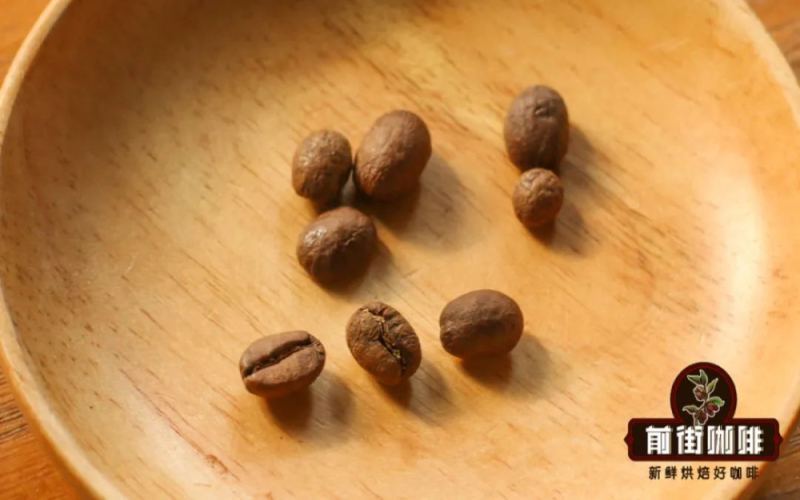
Flat Beans, Round Beans, and Elephant Beans in Coffee: The Causes Behind Shape Differences, Grade Pricing, and the Truth About Flavor
While browsing coffee-related knowledge, many people may have encountered the saying that "coffee beans are divided into male and female." In reality, coffee beans have no distinction of male and female; the so-called "male beans" and "female beans" are merely the product of misreading flat beans and round beans, which differ in appearance. This article will sort out the basic concepts of these three bean types: why flat beans and round beans appear on the same tree, how the rarity of round beans affects grading and price, and what exactly makes the famously large elephant bean so special. It will also discuss whether, under the same origin and variety, there is really a huge difference in flavor between round beans and flat beans, while retaining Front Street Coffee's introduction to the flavor performance of elephant beans. [more…]
How Long is the Freshness Period of Green Coffee Beans? Distinguishing New Beans, Old Beans, Aged Beans, and Vintage Beans, and Key Storage Points
Many coffee enthusiasts know that roasted beans should be drunk fresh, but green beans also have their own levels of freshness. Beans harvested in the current year are called new crop, those from the previous year are old crop, and those stored for more than a year are aged beans. The moisture content of green beans directly affects roasting difficulty and flavor performance. Washed beans usually range between 11.5% and 12.5%, wet-hulled Mandheling can reach 13%, and sun-dried Mocha varies widely. Beyond the usual freshness changes, there are also deliberately extended aging processes and monsoon-aged weathered coffees. This article focuses on the freshness classification of green beans, differences in moisture content, methods for judging appearance and aroma, and the handling logic behind aged beans and monsoon beans, to help you make more accurate judgments when buying and storing. [more…]
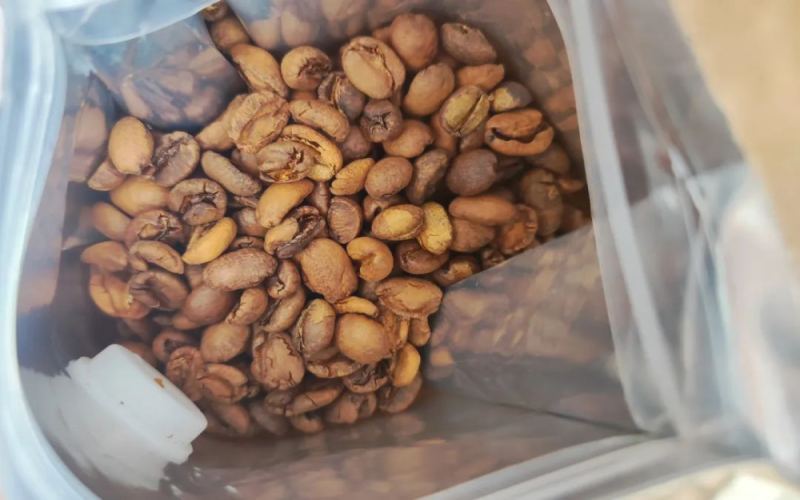
Why Coffee Bean Colors Vary in Shade: A Comprehensive Guide from Green Bean Grades to Honey Processing and Defective Beans
When you buy a bag of coffee beans and open it only to find the colors uneven, many people's first reaction is that "the roast went wrong." But coffee beans, being an agricultural product, can never be uniform bean for bean. This article explains, from the perspectives of green bean grading, honey processing, and anaerobic fermentation, the reasons why light-roasted coffee beans vary in shade, while also clarifying the difference between white-eye beans and normal beans, and pointing out several appearance traits often mistaken for defective beans. At the end, it uses examples from Front Street Coffee's Sherry and Warm Sun blends to illustrate how the roast level affects bean surface color and flavor performance. [more…]
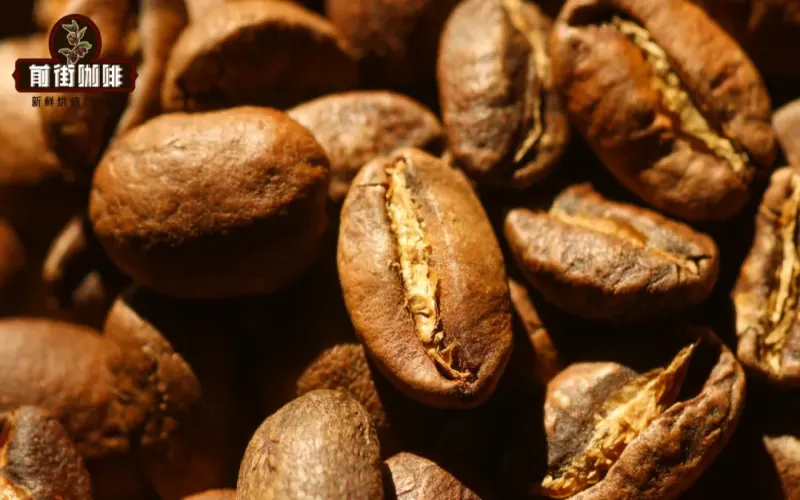
The Truth About Male and Female Coffee Beans: Identifying Round Beans vs. Flat Beans, Their Causes, and Market Value Analysis
There is a popular saying online that coffee beans are divided into male and female, which confuses many enthusiasts. In fact, coffee beans have no gender differences; the so-called "male beans" and "female beans" are simply round beans and flat beans with different shapes. This article will trace the origin of this claim, explain the reasons for the formation of round beans, and analyze their special status in coffee grading and pricing. At the same time, we will also discuss whether there is really a difference in flavor between round beans and flat beans, and why most producing regions do not specifically screen for round beans. By understanding these basic facts, you will be able to view differences in coffee bean shapes more rationally and no longer be misled by marketing talk. [more…]