







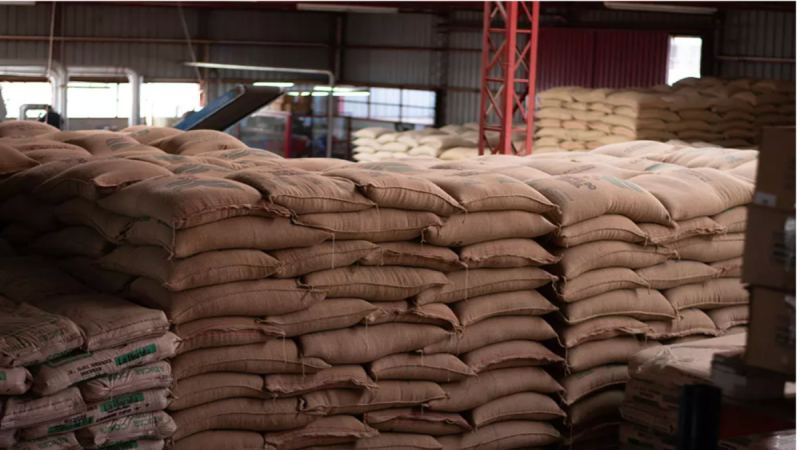
What does Yellow Bourbon coffee from Brazil taste like?
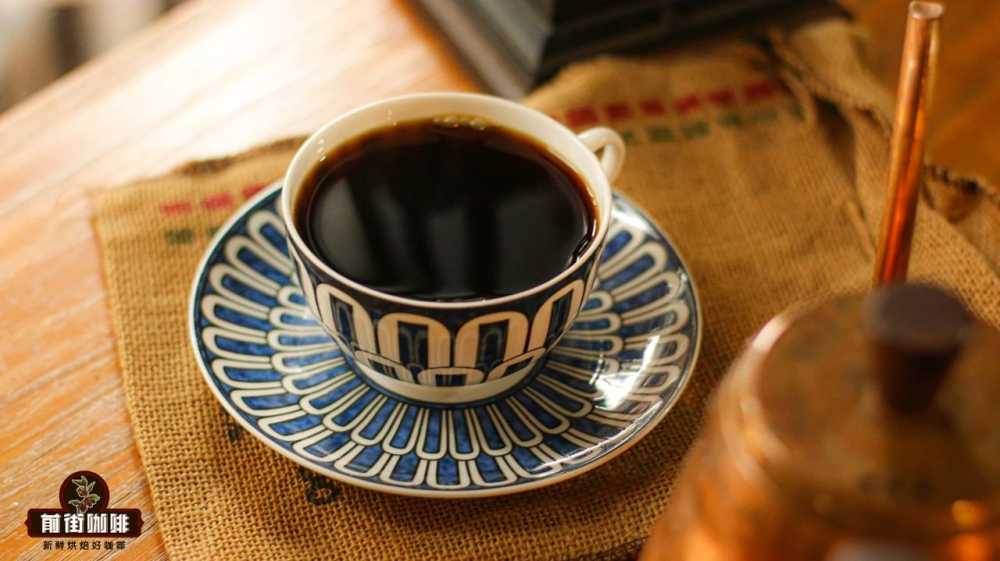
Brazil Queen Estate Yellow Bourbon, given a medium roast, cups with nutty, chocolate and creamy notes, low acidity and a sugarcane sweetness that lingers into a dark chocolate finish. Brazil grows roughly a third of the world's coffee each year, and its typical profile is balanced and full-bodied rather than bright.
Common planted varieties include Red Bourbon, Yellow Bourbon, Mundo Novo and Catuai, spread across Minas Gerais, Sao Paulo, Bahia and Espirito Santo, with South Minas, Cerrado and Mogiana as key sub-regions. Pulped natural processing, developed in Brazil, raises cleanliness and highlights ripe fruit. Pour-over at a medium grind with three stages works well.
As the world's largest coffee producer, Brazil is known for its low-acidity, nutty-toned, balanced, and full-bodied coffee. This article focuses on the Brazil Red Fruit and Queen Estate Yellow Bourbon from the Front Street Coffee daily bean series. Starting from the medium-roast nutty, chocolate, and creamy flavors, it systematically reviews the historical development of Brazilian coffee, the main varieties (Red Bourbon, Yellow Bourbon, Mundo Novo, Catuai), the four core producing regions (Minas Gerais, Sao Paulo, Bahia, and Espirito Santo) and their sub-regions (South Minas, Cerrado, and Mogiana), and provides an in-depth analysis of how Brazil's original pulped natural process improves cleanliness and ripeness. At the end, it provides the pour-over parameters and three-stage pouring plan for Queen Estate Yellow Bourbon to help coffee lovers reproduce its sugarcane sweetness and dark chocolate finish at home.
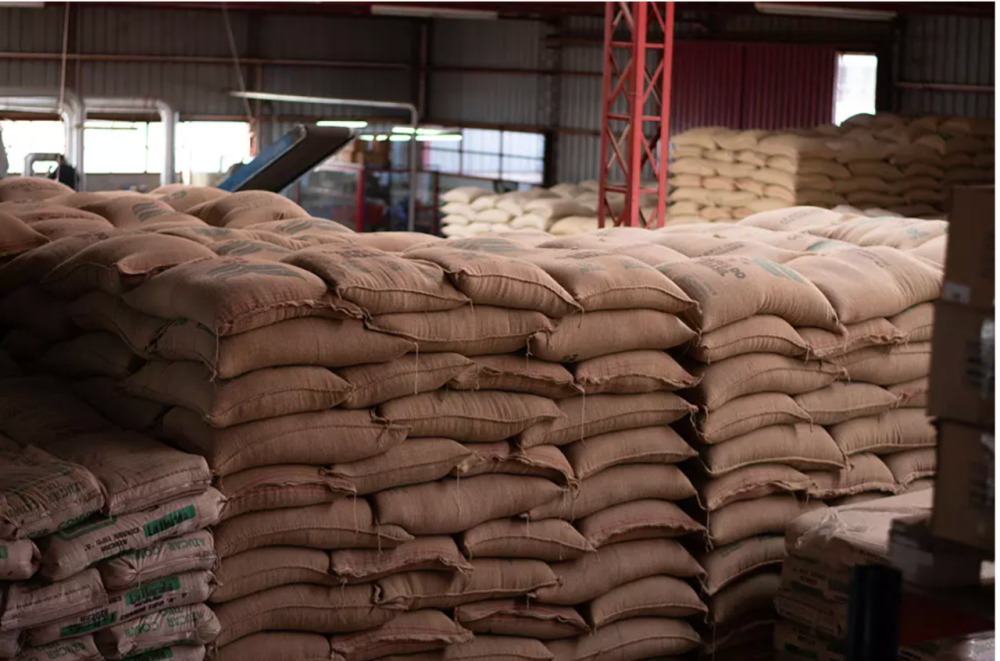
For more specialty coffee knowledge, please follow the WeChat public account: FrontStreet Coffee
Coffee is to Brazil what tea is to us. Brazil is located on the South American continent and accounts for about one-third of global coffee production each year, firmly ranking first in the world. The taste profile of Brazilian coffee is mainly low acidity, nutty flavors, balance, and moderate body. This Brazil Red Fruit coffee from the Front Street daily bean series presents rich nutty, chocolate, and creamy flavors.
Looking back at history, Brazil was long a Portuguese colony and for a long time practiced monoculture coffee cultivation to meet Western European demand, which made coffee a pillar industry of Brazil's economy. Previously, the Brazilian government attached great importance to the coffee industry and exercised strict monitoring over coffee production. This intervention was accompanied by price support measures to prevent overproduction of coffee. After the opening of the free market, Brazilian associations shifted to a non-intervention policy toward coffee-producing regions, allowing producers and exporters to negotiate directly.
Brazilian coffee was first introduced from French Guiana in 1729, and the planted varieties include both Arabica and Robusta. Brazilian coffee beans are widely favored for their excellent quality, rich aroma, and full-bodied taste. At present, the main planted varieties include Red Bourbon, Yellow Bourbon, Mundo Novo, and Catuai. Yellow Catuai was bred from a cross between Mundo Novo and Caturra and was first developed by the Brazilian agricultural research institute. Both Yellow Catuai and Red Catuai have extremely high disease resistance and are suitable for high-altitude cultivation, and both have a delicate and clean acidity.
Other varieties have often been mentioned in previous Front Street articles, but Mundo Novo may be less familiar to many people. Mundo Novo is a natural hybrid of Bourbon and Typica. It was first discovered in Sao Paulo, Brazil, in 1943 and was initially planted in the city of Mundo Novo, now Urupes.
Brazilian coffee bean production is extremely high. The main producing regions include Minas Gerais, Sao Paulo, Bahia, and Espirito Santo, and these four places account for 90 percent of the country's production. Mogiana comes from Sao Paulo, while Cerrado and South Minas in Minas Gerais are located at high altitudes, so these two areas are mostly specialty coffee regions. The coffee bean production of these regions determines the total output of Brazilian coffee beans. Next, Front Street will briefly introduce the following three major coffee-producing regions.
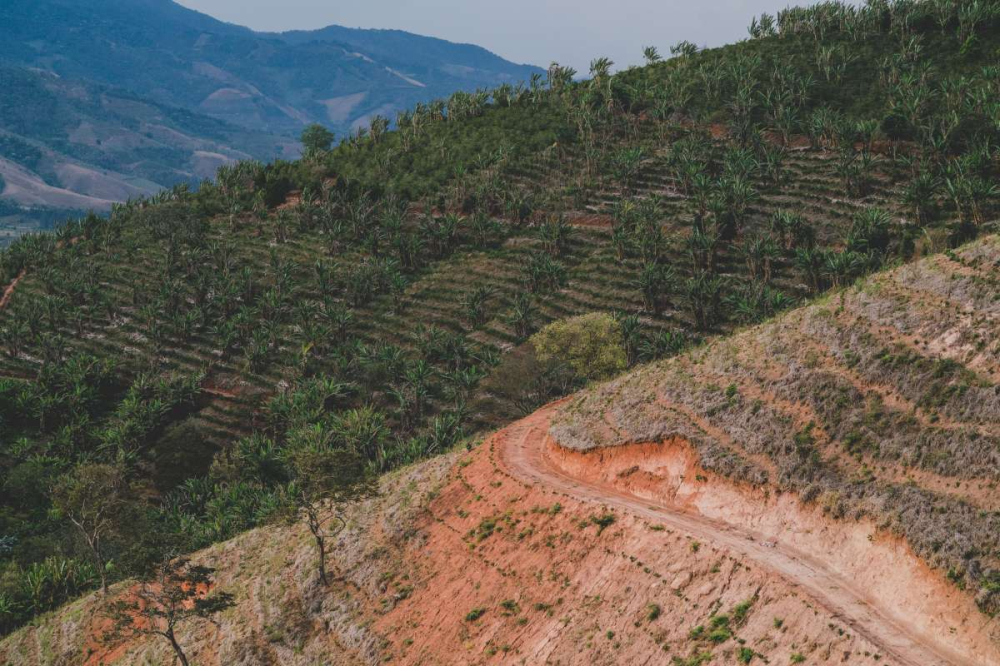
South Minas's ability to become a specialty-producing region is largely due to its terrain and climate. At an altitude above 1,100 meters, with varied landforms, distinct dry and rainy seasons, large temperature differences between day and night, and diverse microclimates, it is very suitable for cultivating Bourbon and Yellow Bourbon varieties.
Fazenda Sertaozinho is located in the South Minas region. The estate uses only organic matter to provide plant nutrition in order to maintain the vitality of the land itself. The coffee from Fazenda Sertaozinho is completely different from that of general large Brazilian estates. From harvesting the coffee cherries to processing, everything is done by hand throughout, without using machines to replace human labor.
The Cerrado region is best known for the vast Cerrado savanna, where coffee trees are planted, and the coffee produced there is called Cerrado coffee. However, not every coffee produced on the Cerrado savanna can be called Cerrado coffee. According to Front Street's understanding, only coffee from areas at an altitude of 1,100-1,300 meters is qualified. Front Street believes that the coffee from this producing region has a full body and no earthy or musty taste.
Fazenda White Grass, a century-old coffee estate with a long history in Brazil, is located in the Cerrado producing region. It is a Brazilian coffee-producing region that has obtained origin status, making its status similar to that of a famous wine-producing region. Fazenda White Grass has excellent volcanic soil, a balanced dry and rainy season climate, high-altitude terrain, and sufficient rainfall and sunshine.
Mogiana is relatively close to southern Minas. The quality of coffee beans in this area is also very good. Front Street believes that in addition to terrain and climate, it may also be related to the business model they adopt. That is, they use both the traditional large-farm management model and a small-scale modern operation model. High-tech cultivation equipment makes the coffee beans in this region relatively sweet, with a clear sweetness similar to sugarcane.
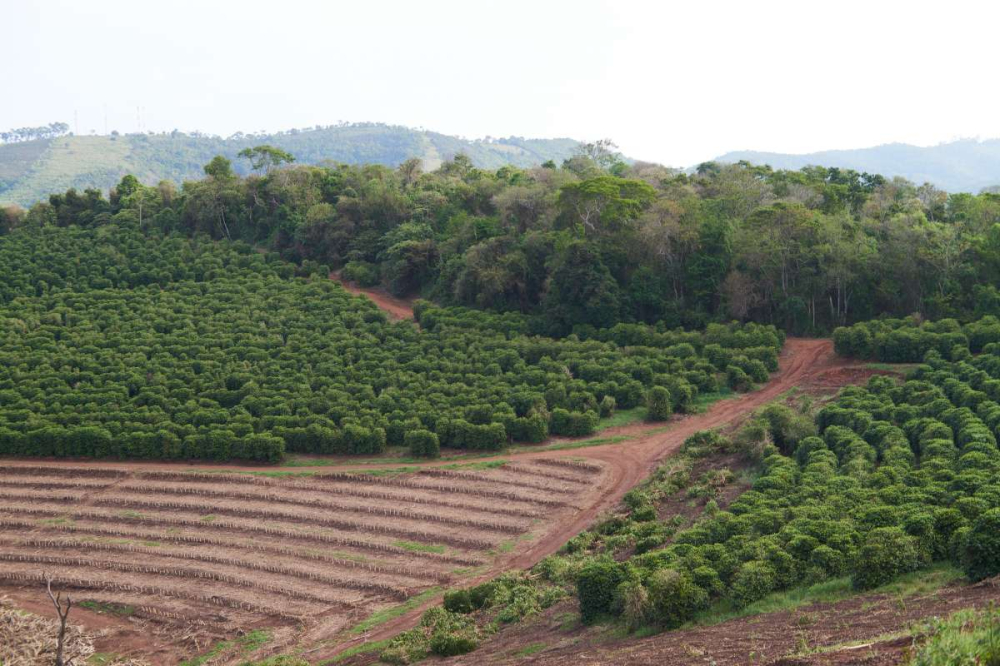
The famous Brazilian Queen Estate is located in this producing region. Queen Estate has a relatively high elevation, and its environmental protection is very good. It mainly uses manual harvesting, completely hand-picking the Brazilian Queen coffee cherries, and cultivates low-yield, high-quality Bourbon. As a representative estate of the essence of high-quality Brazilian coffee, the quality of Queen Estate coffee beans has received unanimous praise.
Front Street also learned that the way Brazilians drink coffee is very distinctive. Brazilians use a very small coffee cup to hold very hot coffee, and they very much like to add a lot of sugar to the coffee to enhance its sweetness and flavor. Brazilians also like to combine coffee with alcohol. For example, Pus Coffee is a cocktail relatively favored by Brazilians. Its taste carries tropical fruit flavors as well as the unique flavor of Brazilian coffee, and the mouthfeel is very perfect.
In the taste of Brazilian coffee, there is relatively low acidity, along with the coffee's own bittersweetness. It is extremely smooth on the palate and carries a faint grassy aroma. In fact, Front Street believes that this Brazilian coffee flavor is only what ordinary coffee should have and is not especially outstanding. However, mass-market coffee also has a large market, because Brazilian coffee can satisfy most people's coffee needs, which is also why Brazilian coffee production is so large.
Another special feature of Brazilian coffee is its original pulped natural method. After consulting materials, Front Street found that Brazilian coffee tree cultivation terrain is mainly divided into two types: one is the Brazilian plateau above 200 meters in altitude, and the other is the Brazilian plain below 200 meters. In addition, because of the lower altitude and abundant sunshine, the planted coffee trees are generally directly exposed to the air. Front Street believes that this exposure method played a major role in forming Brazil's unique flavor.
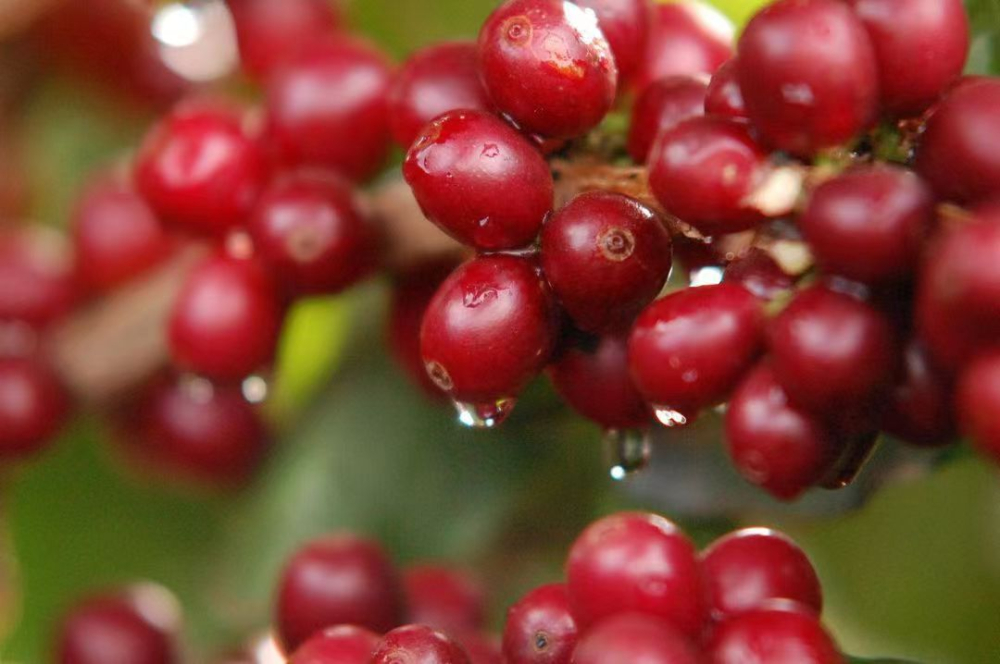
Brazil has not always used the pulped natural method. Initially, because Brazil had many coffee varieties, classification was based on the producing state name and shipping port, but the scattered producing areas and uneven quality made Brazil's grading system more complex than that of other countries. In the early period, Brazil basically used natural processing. Brazil's climate is relatively dry, so using natural processing is reasonable, but natural processing is relatively rough and can easily give Brazilian beans a rotten-wood taste. On rainy days, it also risks mold in the coffee beans, making it relatively passive. Therefore, Brazil created the pulped natural method, greatly shortening the drying time. Now, everyone can follow Front Street to get a general understanding of the basic process of the pulped natural method below.
First, remove the skin and pulp of the coffee cherries. Fully ripe pulp is easy to remove, while the skin of unripe green cherries is not easy to handle, so a second screening is carried out to unify the ripeness of the coffee fruit. Pulped natural processing can control the degree of fermentation of the mucilage after depulping. Traditional methods, by contrast, cannot show the degree of mucilage fermentation. The pulped natural method does not have the "tank fermentation, clean water rinsing" process of washed processing. With that fermentation step reduced, the flavor of the coffee beans is completely different. Compared with natural processing, Front Street more approves of this processing method. Coffee beans selected and processed in this way can greatly improve cleanliness and ripeness. For example, the Brazilian Queen Estate that Front Street obtained uses this pulped natural processing method. Front Street also cupped Brazilian coffee beans from different producing regions and unanimously concluded that Brazilian coffee beans have lower acidity, a relatively strong nutty taste, and a full body.
Here we will briefly introduce several Front Street Brazilian beans.
1. FrontStreet Coffee Brazil Red Fruit Coffee Beans Origin: Cerrado Variety: Red Bourbon Altitude: 700-1200 meters Processing method: Pulped natural Flavor: High sweetness, clean, smooth, low acidity, with tropical fruit aroma.
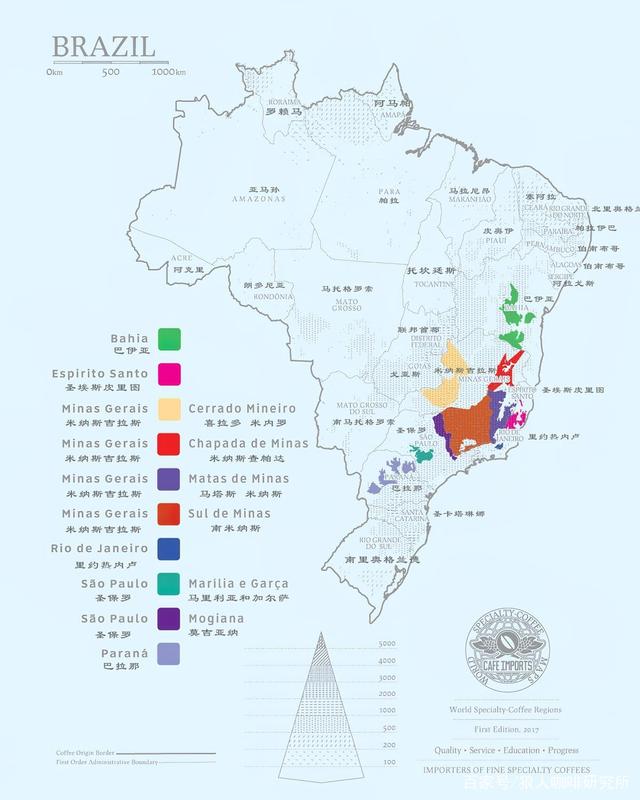
2. FrontStreet Coffee Queen Estate Yellow Bourbon Coffee Beans Region: Mogiana, Sao Paulo State Altitude: 1400-1950 meters Variety: Yellow Bourbon Processing method: After manual harvesting, pulped natural processing is carried out. Flavor description: The taste has obvious sweetness, accompanied by a faint lemon aroma, contains a rich nutty flavor, and the finish shows an obvious dark chocolate note, with an overall relatively rounded impression.
How should Brazilian coffee beans be brewed to taste good? Front Street will use this Queen Estate Yellow Bourbon coffee bean as a demonstration. It is one of the more popular coffee beans on Front Street's bean list. Front Street uses a medium roast for this coffee bean to highlight the coffee's sugarcane sweetness. If you want to taste a better coffee flavor, Front Street suggests using freshly roasted coffee beans for brewing. Generally, the flavor is best around the 7th day after fresh roasting. Friends who often buy FrontStreet Coffee beans know that the coffee beans sent by Front Street are all roasted within 5 days. In this way, together with shipping time, it can basically ensure that the coffee remains in the best condition when it reaches the customer.
For pour-over parameters, Front Street recommends using 15g of coffee grounds, a 1:15 coffee-to-water ratio, a medium-coarse grind with a 75% pass rate on a No. 20 sieve, and a water temperature of 88 degrees.
The brewing technique uses three-stage pouring. In the first stage, pour 30ml and let it bloom for 80 seconds. In the second stage, pour 100ml in a small circular motion. When the water level drops to the point where the coffee bed is about to be exposed, pour 95ml in the third stage. The extraction time is 2 minutes.
The above content is compiled by CoffeeHunters, a coffee news website.


