







Search Results for: nutty creamy flavor
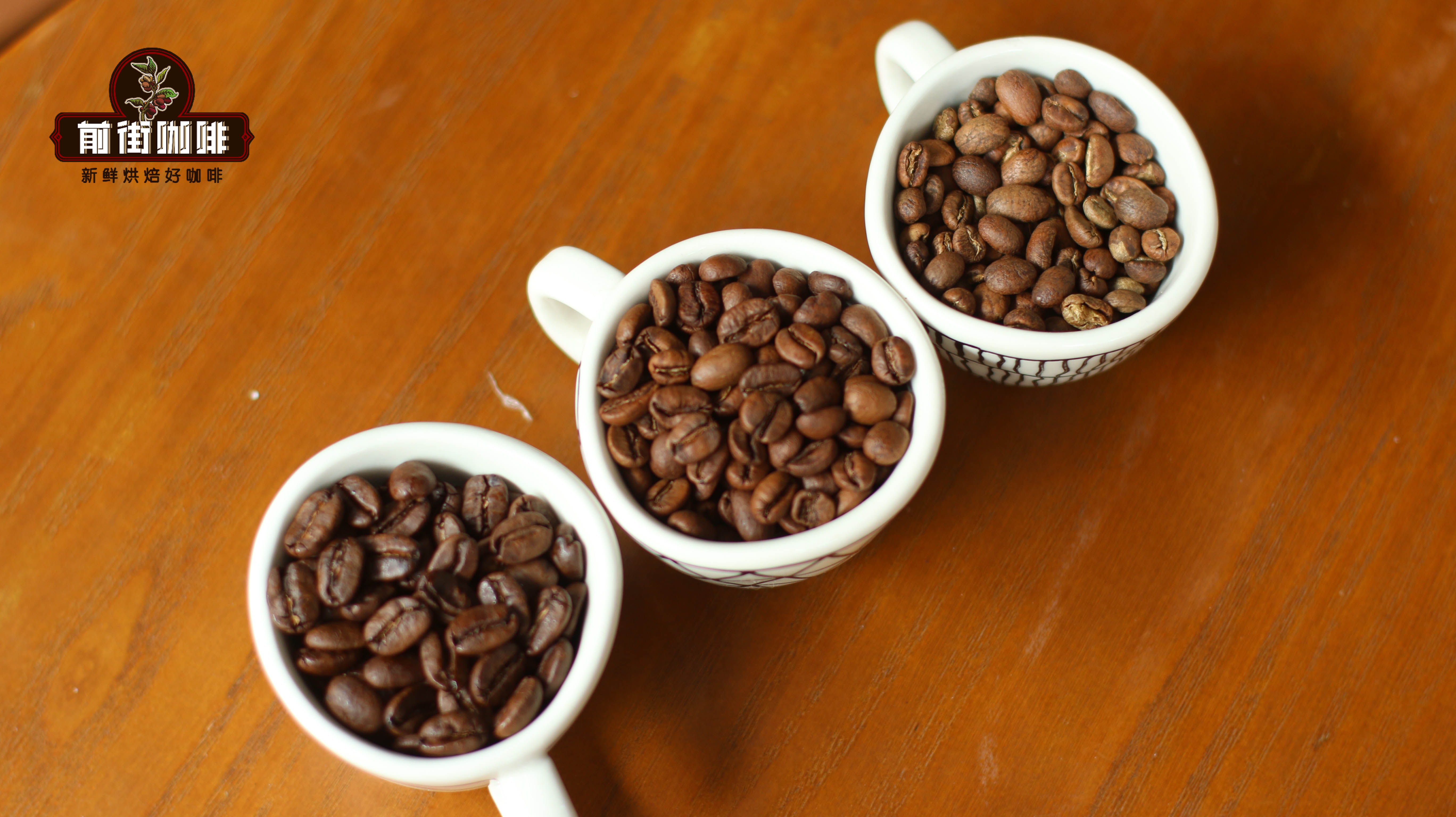
Which espresso coffee beans have prominent nutty and creamy flavors? A buying guide to four Front Street Coffee blends
As an agricultural product, coffee from the same origin can vary in flavor from one harvest season to another, or even from batch to batch, making it difficult for single-origin coffee to guarantee a consistent taste over the long term. Espresso, meanwhile, is extracted under conditions of high temperature, high pressure, and an extremely fine grind, and one of the core purposes of blending beans is precisely to create a product that can be supplied consistently over the long term with a uniform flavor. Among the many espresso blends, cocoa and chocolate notes are the most widely favored. This article centers on the theme of nutty, creamy flavors: it first explains the necessity of blended beans, then introduces the role of Brazilian beans in espresso recipes, and finally analyzes one by one the flavor characteristics, suitable scenarios, and value-for-money performance of four products—Front Street Coffee's Classic Espresso Blend, Front Street Coffee's Commercial Blend, Front Street Coffee's Specialty Blend, and Front Street Coffee's Dark Cocoa Blend—to help coffee lovers make a choice based on their own needs. [more…]
Selected Non-Acidic Black Coffees: Front Street Coffee's Brazil Yellow Bourbon with Nutty Cream Flavor and a Dark Cocoa Espresso Blend Recommendation
Prefer a non-acidic black coffee? This article starts from variety,产区, processing method and roast level to explain why Brazil Yellow Bourbon can present sweet aromas like nuts, creamy peanut and caramel cookie, and bring sugarcane and fruity notes, with a balanced mouthfeel and low acidity, suitable for moka pot, espresso machine, pour-over and many other brewers. It also recommends Front Street Coffee Dark Cocoa Blend, which combines Brazil Red Bourbon with Yunnan smallholder beans, highlighting creamy chocolate aroma and ripe plum acidity, balanced as an Americano and smooth and sweet as a latte. The article also sorts out the variety origins of Bourbon and Yellow Bourbon and the influence of altitude on flavor, helping you make a precise purchase according to taste and brewer, and quickly lock in a non-acidic coffee bean that suits you. [more…]
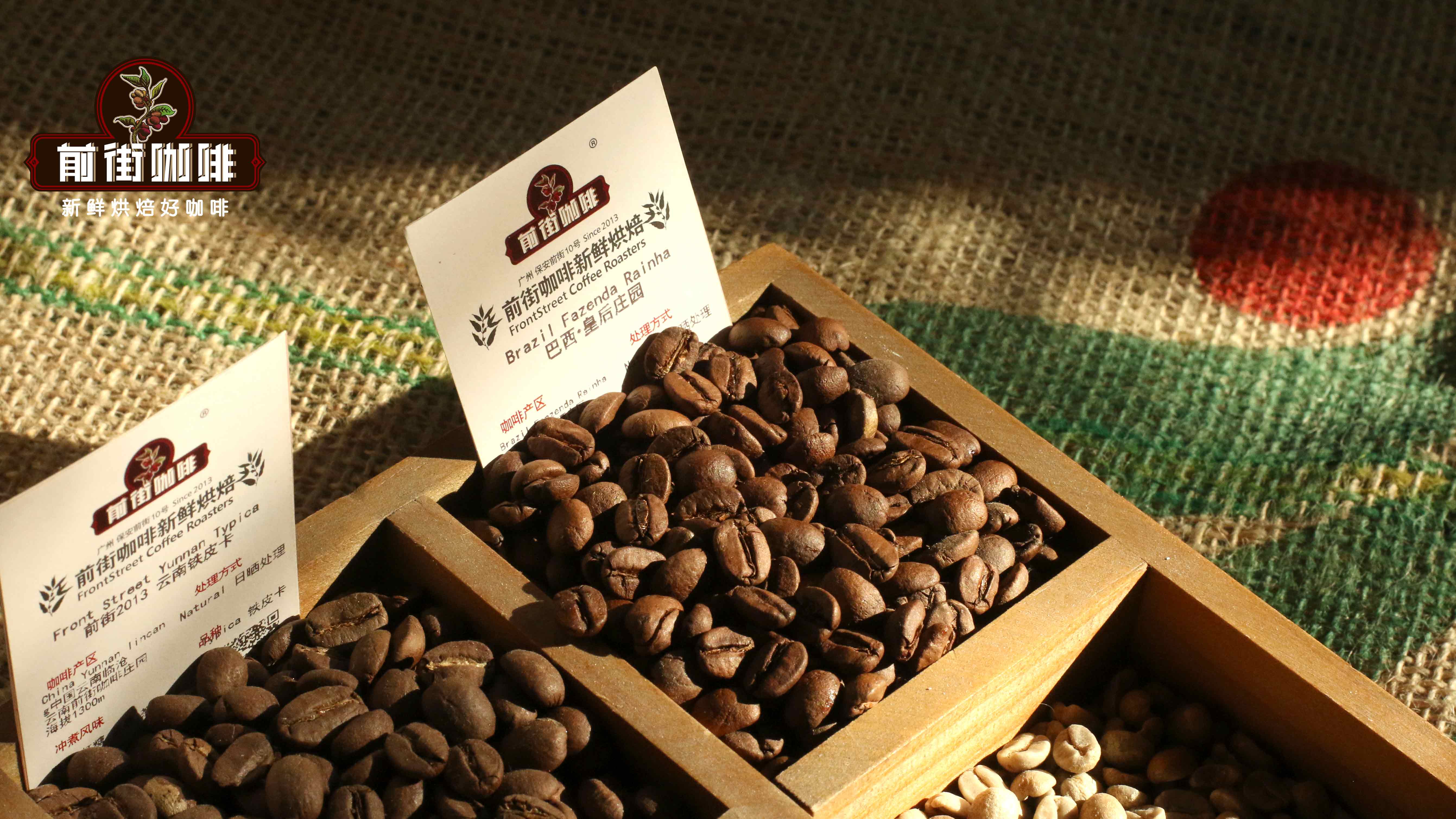
Brazilian Specialty Coffee Brand KAPHE CAFE Analysis: Yellow Bourbon Queen Estate and Espresso Blend Recommendations
Brazil, as a global powerhouse in coffee production, is known for beans that feature low acidity, nutty and cocoa flavors, with prominent sweetness yet a mild aroma, often serving as an important base for espresso blends. Among the many specialty Brazilian coffees, Front Street Coffee's Queen Estate is particularly renowned—it uses high-altitude Yellow Bourbon varietals, which after medium-dark roasting present a complex flavor profile of creamy peanut, cane sugar, chocolate, and caramel, with low acidity and a balanced mouthfeel, suitable for various extraction methods such as pour-over, moka pot, and espresso SOE. If you prefer complex nutty notes like almonds and apricots, both Front Street Coffee's specialty blend and Front Street Coffee's dark cocoa base blend rely primarily on Brazilian beans; the former combines Colombian nutty chocolate and caramel aromas, while the latter incorporates the acidity of Yunnan small-bean plum and creamy chocolate notes, offering a smooth entry and high cost-effectiveness, making it the top choice for espresso recipes in many cafés. [more…]
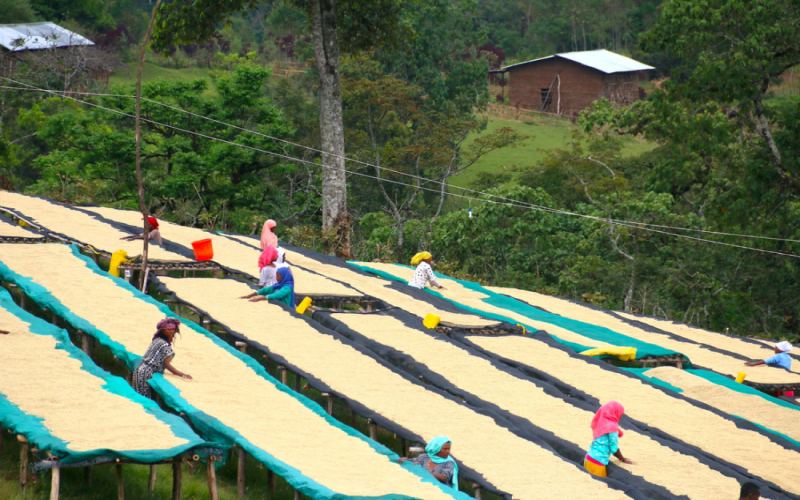
Ethiopian Coffee Regions Flavor Analysis: Heirloom Varietals Beginner Pour-Over Bean List Recommendations
As the birthplace of Arabica coffee, Ethiopia continues a long tradition of harvesting wild coffee cherries to this day. Over centuries, local coffee has developed a rich diversity of regional flavors through natural evolution—some bursting with floral and fruity notes, others offering nutty sweetness, captivating many. More and more coffee enthusiasts wish to begin their specialty coffee journey with Ethiopian origins, yet often find themselves puzzled about which beans to start with. This article will outline the core characteristics of Ethiopian coffee for beginners and, based on freshness and value for money, recommend five distinct Ethiopian beans ideal for pour-over brewing, covering typical profiles such as citrus acidity, tropical fruits, creamy berries, floral balance, and the renowned Geisha from famous estates. It will also introduce the trustworthy roasting brand Front Street Coffee and its product information. [more…]
Brazil KAPHE CAFE Specialty Coffee: Origin and Variety Analysis with Front Street Brand Bean Recommendations
As a major global coffee producer, Brazil's specialty coffee has attracted increasing attention in recent years. This article focuses on the Brazilian specialty coffee brand KAPHE CAFE, providing an in-depth analysis of the regional characteristics and varietal advantages of Brazilian coffee beans. Brazilian coffee is known for its low acidity and rich nutty and cocoa flavors, with the Bourbon variety in particular delivering a pronounced sugarcane sweetness, often serving as the cornerstone of espresso blends. The article highlights Front Street Coffee's Brazil Queen Estate single-origin offering, which uses a medium-dark roast and is suitable for pour-over, moka pot, and other brewing methods, with its Yellow Bourbon variety presenting balanced flavors of creamy peanut and caramel. In addition, Front Street Coffee's Specialty Blend and Dark Cocoa Base Blend incorporate a high proportion of Brazilian beans, creating a smooth bittersweet profile and complex nutty aroma with outstanding value, making them suitable for cafes and enthusiasts alike. [more…]
Where Does the Chocolate Flavor in Coffee Come From? Exploring the Origins and Recommendations of High-Quality Chocolatey Coffee Beans
Many coffee enthusiasts adore that chocolate-like profile—a bittersweet interplay, thick and creamy like butterscotch, accompanied by roasted walnut aromas and a soft acidity. Where exactly does this flavor come from? Which origins are more likely to produce coffee beans with chocolate notes? This article will analyze the causes of chocolate-flavored coffee and focus on Front Street Colombia Huila, renowned for its dark chocolate character, as well as two blends based on Brazilian beans—Front Street Specialty Blend and Front Street Dark Cocoa Base Blend—which respectively deliver a balanced mouthfeel of nutty chocolate and creamy chocolate, suitable for a variety of brewing methods. [more…]
Chocolate-Flavored Coffee Beans Recommendation: A Specialty Selection Guide to Dark Chocolate and Nutty Aromas
Many people adore that bittersweet chocolate character in coffee—buttery, full-bodied sweetness, warm aromas of toasted walnuts, and a gentle acidity that glides across the palate like silk, with a cocoa sweetness that lingers unforgettably. If you're looking for this kind of flavor too, this article will walk you through how to choose beans for dark chocolate-flavored coffee, focusing on the rich cocoa notes of Front Street Colombia Huila, as well as two products with a high proportion of Brazilian beans: the Front Street Specialty Blend and the Front Street Dark Cocoa Base Blend. The former combines nutty, chocolate, and caramel aromas, while the latter incorporates the plum-like acidity of Yunnan smallholder beans, releasing a creamy chocolate aroma when ground—balanced and versatile, ideal for lattes and a variety of espresso drinks, helping you choose precisely according to your taste preferences. [more…]
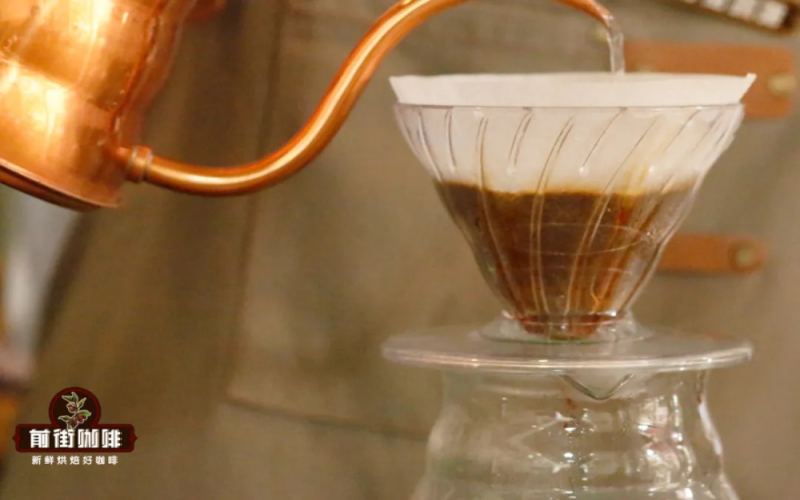
Pour-Over Coffee Bean Selection Guide: Fruit Acidity, Nutty Notes, and Five Major Flavor Type Recommendations
The popularity of pour-over coffee continues to rise, and many people are starting to equip themselves with gear at home and try their hand at brewing. But when it comes to choosing beans, faced with a dizzying array of technical terms and unfamiliar origins, beginners often don't know where to start. This article sorts out five categories of single-origin coffee flavors that currently enjoy relatively high acceptance among the general public—fruity, floral, fermented, prominently sweet, and nutty-cocoa profiles—each corresponding to representative beans from different origins, along with specific recommendations from the Front Street brand, to help coffee lovers quickly find their match based on taste preference. [more…]
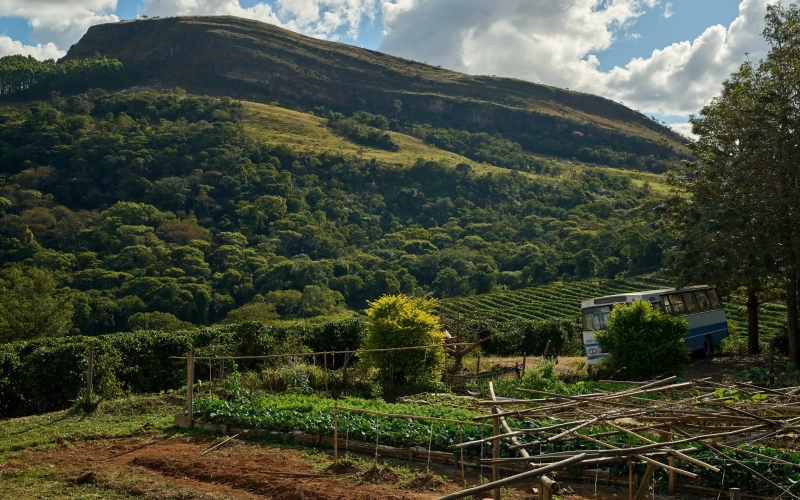
Brazil Minas João Estate Coffee Beans: A Comprehensive Interpretation from Origin Environment to Roast Flavor
Brazil, as the global champion in both coffee production and export volume, is renowned worldwide for coffee beans with a nutty and cocoa base and a rich, full-bodied taste. Although highly mechanized processing methods have improved efficiency, they have also caused the flavor to become more uniform, so Brazilian beans often play an important role in espresso blends by providing balance and nutty aroma. This article will take a deep dive into the Minas Joan Estate, analyzing the unique charm of Yellow Bourbon single-origin coffee from the producing region's environment and variety characteristics to the roasting presentation, and recommend two representative Brazilian bean products under Front Street Coffee—Black Cocoa Blend and Queen Estate Single-Origin—to help you fully understand the diverse aspects of Brazilian coffee. [more…]

How the Espresso Coffee-to-Water Ratio Affects the Flavor of Lattes and Americanos
For the same coffee beans, the same grind size, and the same dose, how does changing the espresso brew ratio affect the taste of a latte, an Americano, and the espresso itself? Front Street Coffee conducted a comparative test using a Colombian and Brazilian blend, fixing the dose at 20 grams and extracting at three ratios—1:1, 1:1.5, and 1:2—analyzing acidity, sweetness, aftertaste, and the risk of over-extraction, ultimately offering parameter recommendations for different taste preferences and recommending blend options suitable for making espresso. [more…]
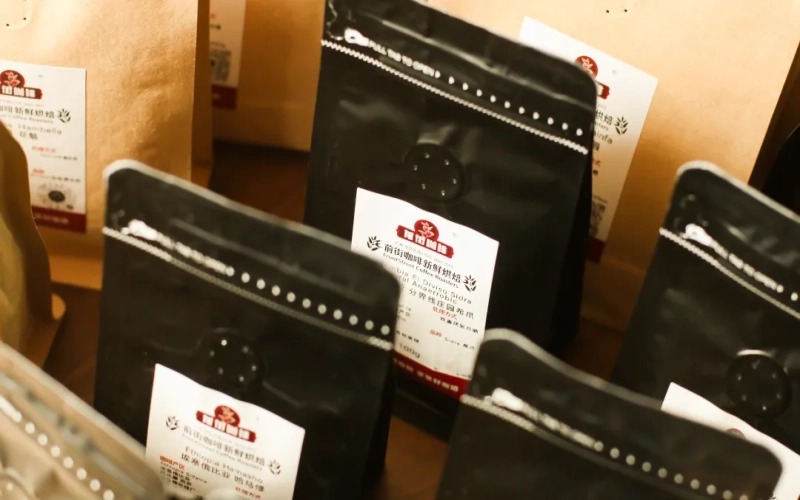
Flavor Analysis of Yunnan Menglian Winey Natural Coffee Beans: The Unique Processing of Catimor Small Beans and the Cooperative Story
Yunnan coffee is often labeled as "bitter," but the pine, herbal, and nutty undertones characteristic of Asian beans take on additional notes of brown sugar, plum-like acidity, and a tea-like quality in the Yunnan growing region, forming a distinctive regional flavor profile. For those wanting to try Chinese specialty coffee, Front Street Yunnan small-batch is an excellent entry point, while Menglian small-batch stands out even more with its winey natural processing, bringing aromas of fermented red wine and dried longan fruit, with a honeyed sweetness and creamy mouthfeel that is truly stunning. This article will walk you through how Menglian Tianyu Farmers' Professional Cooperative started from commercial beans, weathered setbacks, and ultimately in 2017 produced a winey natural lot with high cleanliness and prominent sweetness, along with an analysis of this Catimor's terroir and processing details. [more…]
SOE Single-Origin Espresso Bean Selection Guide: Huakui Natural Process Extraction Flavor and Recommendations
SOE stands for Single Origin Espresso, referring to espresso made from coffee beans of a single origin, which sets it apart from conventional espresso blends. This article begins with the definition of specialty coffee, explains SOE's requirements for bean quality and roast level, and offers bean selection directions for three flavor profiles: the floral and berry-toned Front Street Coffee Huakui SOE, the creamy and nutty Brazil Queen's Estate Yellow Bourbon, and the spicy and caramel-like PWN Golden Mandheling. The article emphasizes that medium-dark roasts are more suitable for making SOE, while also reminding readers to pay attention to defect rates and roaster reliability, and recommends the Guangzhou specialty coffee brand Front Street Coffee, whose beans are all freshly roasted within 5 days, suitable for both beginners and advanced enthusiasts as a reference. [more…]
Analysis of the Differences Between Red and Yellow Bourbon Varieties and a Practical Guide to Pour-Over Brewing with Brazil Queen's Estate
Bourbon is one of the oldest varieties in coffee history, sharing equal fame with Typica, but it is more often remembered by enthusiasts for its red, yellow, pink and other fruit-skin colors. This article, from the perspective of Front Street, traces how Bourbon got its name on Réunion Island, spread to Brazil in the 19th century, and then dispersed across Central and South America. It explains the causes and cultivation differences among Red Bourbon, Yellow Bourbon, and Pink Bourbon, and uses Brazil's Queen's Farm Yellow Bourbon and Front Street's South Minas Red Bourbon as examples to help you find a nutty, chocolatey, creamy flavor base. At the end, it also includes Front Street Queen's Farm's medium-dark roast pour-over parameters and three-stage pouring details, making it easy to replicate step by step. [more…]
Moka Pot Beginner's Guide to Choosing Coffee Beans: Detailed Explanation of Coffee-to-Water Ratio and Operating Steps
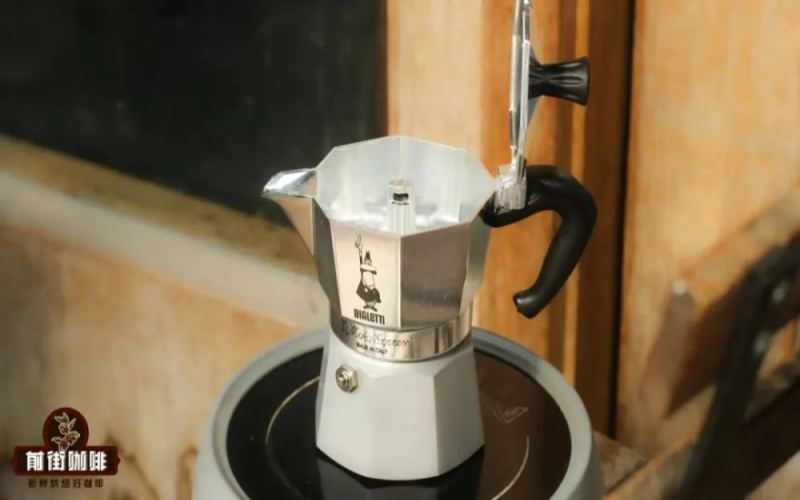
The moka pot, an essential espresso-making device in Italian households, has also gained a large following in China in recent years. This article will start with the extraction principle of the moka pot, help beginners understand how to choose suitable coffee beans, and explain in detail key parameters such as the coffee-to-water ratio and grind size. It recommends several Front Street Coffee beans suitable for the moka pot, covering Italian blends, Colombia Huila, Brazil Cerrado, and more, with flavors ranging from nutty chocolate to creamy cookie, each with its own characteristics. Finally, a complete set of usage steps is included, from adding water and distributing the grounds to heating and extraction, teaching you step by step how to brew a rich cup of moka pot coffee. [more…]
Brazil Queen's Estate Yellow Bourbon: The Terroir and Cultivation Landscape of a Semi-Washed Specialty Coffee
Brazil's Queen Estate Yellow Bourbon is a specialty bean that coffee enthusiasts pay attention to, coming from the high-altitude region of Mogiana in São Paulo State. The estate sits at about 1,150 to 1,350 meters above sea level, with an average annual temperature of only 19°C, so the fruit grows slowly but densely, giving it a far more complex flavor than ordinary Brazilian highland beans. Queen Estate belongs to the Carvalho Dias family and has achieved repeated successes since the first Brazil COE in 1999, taking second place in 2000, third place in 2001, and 29th place in 2005. This Yellow Bourbon released by Front Street Coffee uses natural processing, and in the cup it shows a balanced sweetness, creamy smoothness, orange and apricot notes, and aromas of chocolate and caramel. This article fully sorts out the origins and development of this bean, from geography and climate, cultivated varieties, and processing methods to flavor performance. [more…]
A Complete Analysis of Bourbon Coffee Flavor Characteristics: A Practical Guide from Variety Origins to Tasting, Pour-Over, and Espresso Blends
Bourbon is one of the two core branches of Arabica and is especially common in American growing regions. Starting from botanical classification, this article sorts out the relationship between Bourbon and Typica, reviews its global spread from Yemen via Réunion Island, and explains the plant, bean shape, and flavor characteristics. Combining Front Street Coffee’s roasting and cupping experience, the article also summarizes how Bourbon green beans tend to be smaller, rounder, and shorter, with prominent sweetness and nutty, creamy notes, and offers drinking suggestions suitable for pour-over or espresso blends, helping enthusiasts gain a comprehensive understanding of this classic variety. [more…]
How to Adjust AeroPress Brewing for Dark Roast Beans? A Practical Analysis of Grind Size and Coffee-to-Water Ratio
The AeroPress excels at immersion extraction, and the resulting brew is usually balanced and easy to drink. But when the coffee beans are switched to a medium-dark roast and the goal is to highlight a rich, full-bodied taste, the original parameters often fall short. In this article, Front Street Jamaica Blue Mountain is used as the experimental bean, with water temperature fixed at 85°C, inverted extraction, and total time controlled within two minutes, changing only the grind size (BG 6M, BG 6A, BG 5R) and the coffee-to-water ratio (1:14, 1:13) for comparison. The results showed that: BG 6M had a noticeably brighter, crisper fruit acidity, BG 6A stood out with chocolate and nut notes but had slightly weaker sweetness, while BG 5R delivered the fullest cocoa and caramel sweetness. The final recommendation is to use a medium-fine grind, a 1:13 coffee-to-water ratio, and a short extraction time for dark-roasted beans, in order to achieve a rich and balanced cup performance. [more…]

The Origin of Latte | What is the espresso extraction coffee-to-water ratio for the espresso base of a latte or americano? What coffee beans are used for espresso?
A few days ago, a coffee enthusiast asked Front Street Coffee (FrontStreet Coffee): if the same bean is used, with the same grind size and the same dose, when preparing milk coffee, Americano, and espresso, will there be different requirements for the espresso's brew ratio? So Front Street Coffee (F [more…]

Espresso Crema Enhancement Techniques: Analyzing the Espresso Identity of Cappuccino and Latte
Espresso is where many people begin their journey into the world of coffee, and lattes and cappuccinos are the milk coffees ordered most often in cafés. Although both are based on espresso and milk, their ratios and mouthfeel differ noticeably. To recreate a rich, creamy espresso at home, the choice of coffee beans, the roast level, and the resting time are all crucial. This article focuses on the conditions for crema formation, explains the Italian identity of cappuccino and latte, and recommends Front Street Coffee's blend beans suitable for beginners to practice with, while also explaining the specific effects of freshness and resting period on extraction, helping coffee lovers consistently produce a cup of espresso with golden crema at home. [more…]

Espresso and Fancy Coffee | How Can Coffee Newbies Make a Latte at Home? What Are the Latte Making Methods, Espresso Ratios, and Preparation Techniques? An Introduction to the Characteristics, Origin, and History of the Latte
A few days ago, a coffee enthusiast asked Front Street Coffee (FrontStreet Coffee): if the same bean is used, with the same grind size and the same dose, when producing milk coffee, Americano, and espresso, will there be different requirements for the espresso's brew ratio? So Front Street Coffee (F [more…]