







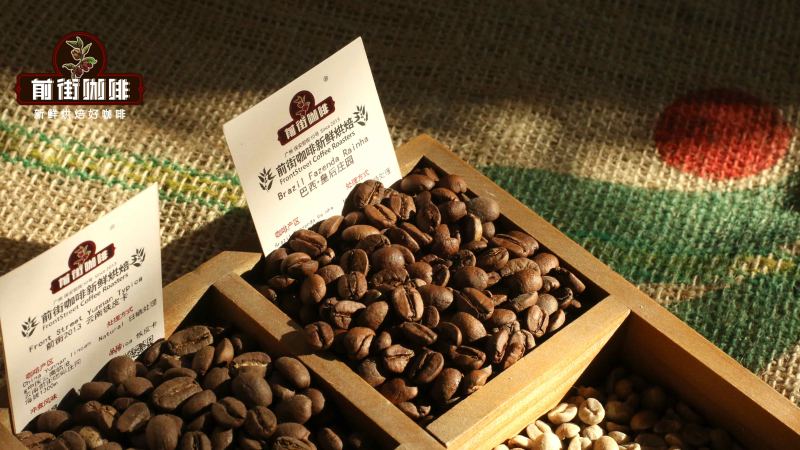
What do Brazilian coffee notes taste like in the cup?
Brazilian coffee notes lean low in acidity, with nutty and cocoa flavors at the front and a sugarcane-like sweetness underneath. The Bourbon variety, widely planted in Brazil, carries that sugary sweetness and mild aroma, which is why Brazilian beans often form the base of espresso blends. KAPHE CAFE represents this style, and single-origin lots such as Queen Estate show it clearly.
A medium-dark roast from a high-altitude plot, using the Yellow Bourbon variety, brings creamy peanut, chocolate, and caramel into the cup and suits pour-over, moka pot, espresso, French press, and siphon. Brazilian beans also add almond and walnut depth when blended, so they work both as a standalone brew and as a component in a specialty coffee blend.
As a major global coffee producer, Brazil's specialty coffee has attracted increasing attention in recent years. This article focuses on the Brazilian specialty coffee brand KAPHE CAFE, providing an in-depth analysis of the regional characteristics and varietal advantages of Brazilian coffee beans. Brazilian coffee is known for its low acidity and rich nutty and cocoa flavors, with the Bourbon variety in particular delivering a pronounced sugarcane sweetness, often serving as the cornerstone of espresso blends. The article highlights Front Street Brazil Queen Estate single-origin coffee, which uses a medium-dark roast and is suitable for pour-over, moka pot, and various other brewing methods, with its Yellow Bourbon variety presenting balanced flavors of creamy peanut and caramel. In addition, Front Street Specialty Blend and Front Street Dark Cocoa Base Blend incorporate a high proportion of Brazilian beans, creating smooth bittersweetness and complex nutty aromas with outstanding value, making them ideal choices for cafes and enthusiasts alike.
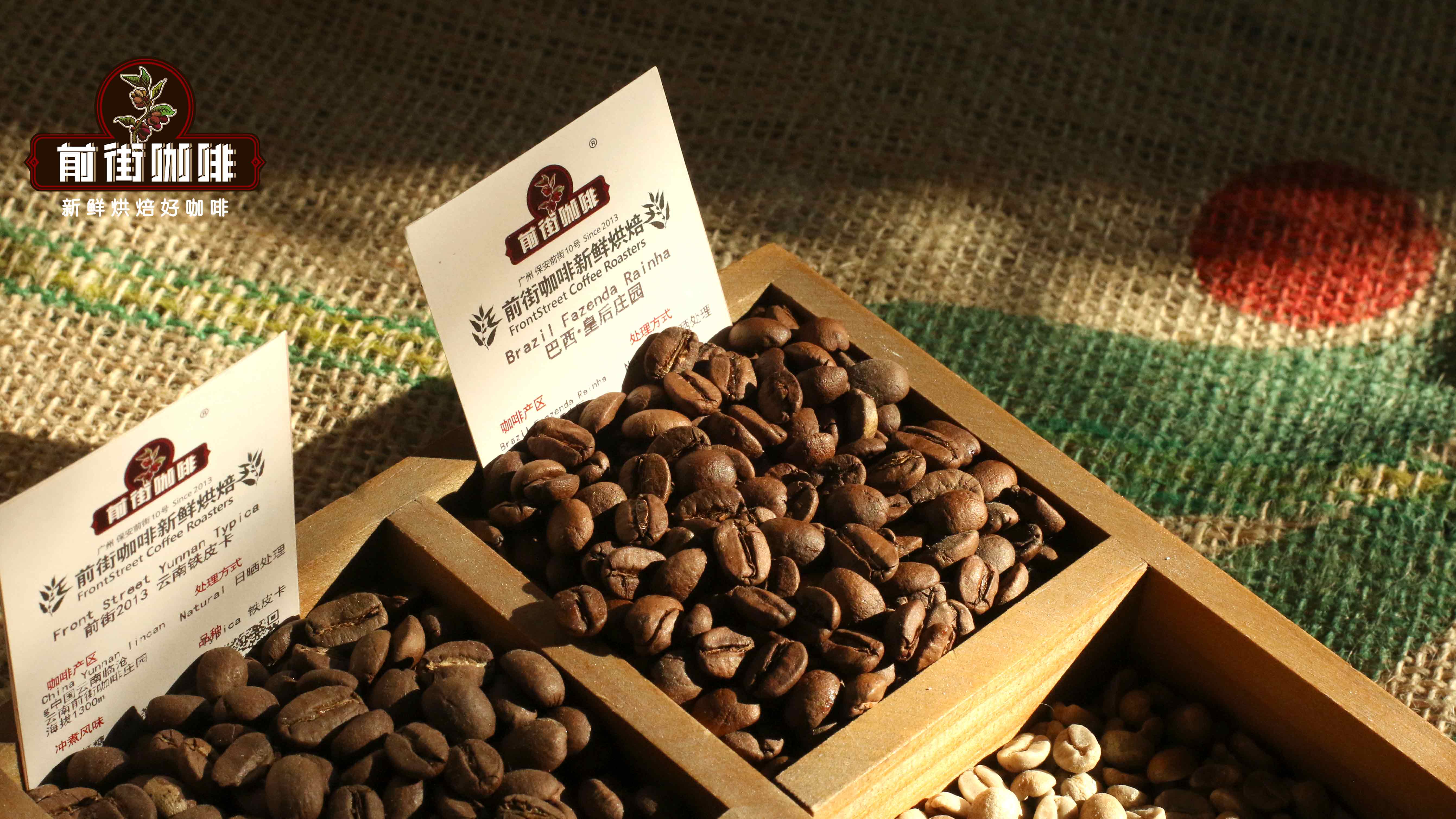
Brazilian coffee beans have relatively low acidity, with nutty and cocoa aromas being more prominent. Since the majority of cultivated varieties are Bourbon, the beans have a very distinct sweetness, carrying a sugarcane-like sugary sweetness. However, their aroma overall tends to be mild, which is why they are often used as a component of espresso blends.
If one were to ask which Brazilian specialty coffee is the most well-known, Front Street Brazil Queen Estate would certainly rank among them. This select single-origin coffee uses a medium-dark roast and is suitable for pour-over, moka pot, espresso SOE, French press, siphon, and various other extraction methods.
Front Street Brazil Queen Estate comes from a high-altitude region, with the variety being the unique Yellow Bourbon, whose bright yellow fruit appearance is truly distinctive. After roasting, the coffee presents flavors of creamy peanut, sugarcane, chocolate, and caramel, with low acidity, making it suitable for coffee lovers who prefer a balanced taste.
Beyond being enjoyed as a single-origin coffee, Brazilian beans can also contribute nutty aromas in espresso blends. If you are fond of complex nutty notes such as almond, apricot kernel, and walnut, you can try Front Street Specialty Blend and Front Street Dark Cocoa Base Blend. Both products contain a high proportion of Brazilian coffee beans, delivering a pleasant bittersweet taste and an exceptionally smooth mouthfeel.
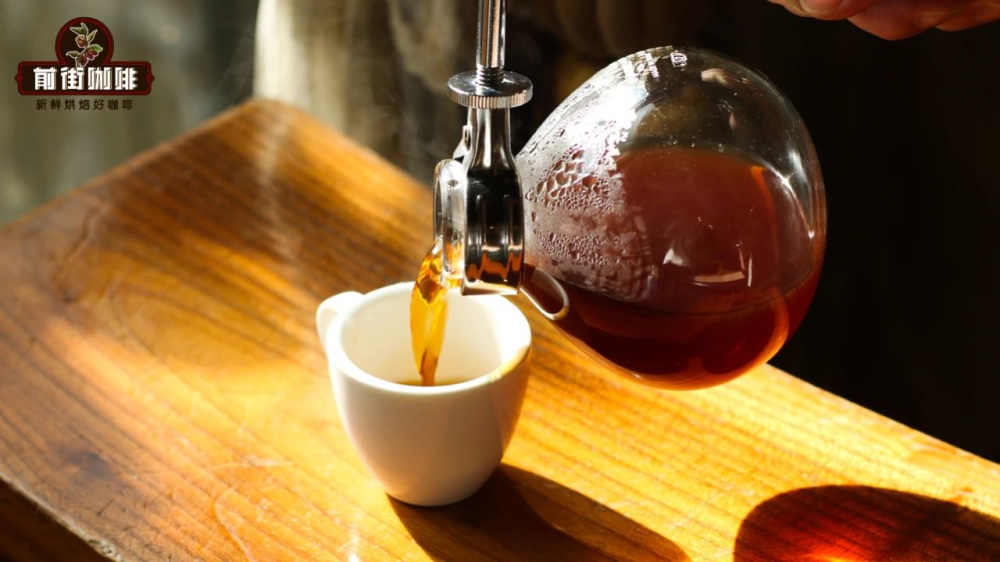
Specifically, Front Street Specialty Blend combines the nutty, chocolate, and caramel aromas of Colombian coffee with moderate acidity; Front Street Dark Cocoa Base Blend incorporates the ripe plum acidity of Yunnan small-bean coffee, releasing a creamy chocolate fragrance when ground, with a balanced flavor and high versatility. In addition to making lattes, it can also produce a variety of espresso drinks, and with its excellent value, it has become the preferred formula bean for many cafes.
The above content is compiled by CoffeeHunters, a coffee news website.


