







Search Results for: noise disturbance

After Mixue Bingcheng closed, the sound system was left on and played music late at night; similar noise disturbances at stores in multiple locations sparked heated discussion.
On the streets of many cities, it is no longer news that tea beverage brands are densely clustered together, and Mixue Bingcheng, with its catchy theme song, has almost become the most easily noticed presence among passersby. However, when this cheerful melody continues to play late at night after the store has closed, the scene shifts from amusing to eerie. Recently, in Liaoning, Henan, and other places, there have been successive incidents where Mixue stores did not turn off their sound systems after closing, playing music all night, forcing upstairs residents to listen for an entire night. Some called the police to complain, while others joked that it was like a horror movie scene. Was it employee negligence or equipment failure? How should the brand prevent similar disturbances from happening again? This article takes you through the incident and the heated discussions among netizens. [more…]
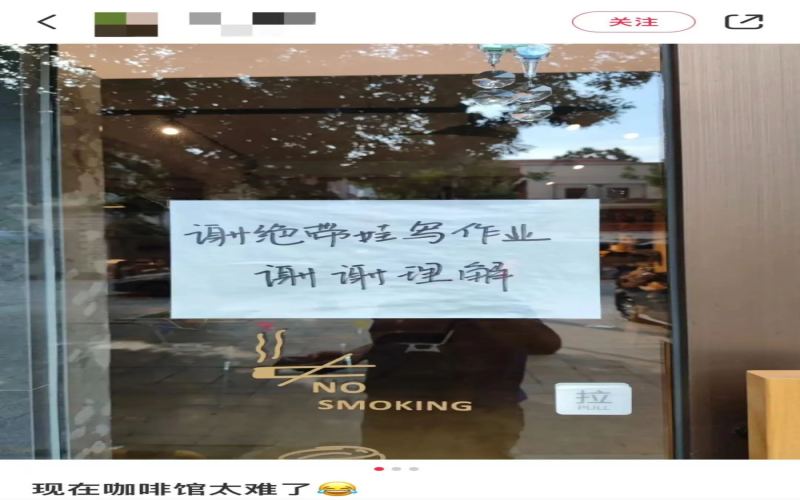
Café posts notice refusing entry for kids doing homework, sparks debate; owner responds: not anti-child, just aiming to create a quiet space
Recently, a café posted a notice at its entrance saying "No bringing kids to do homework here," which sparked widespread discussion on social media. The owner later explained that the move was not meant to bar children from entering, nor was it about table turnover or people freeloading on the air conditioning, but rather because tutoring homework easily triggers emotional swings between parents and children, disrupting the experience of other customers. Many netizens said they understood and shared their own experiences of encountering similar situations in cafés. At the same time, some suggested changing the notice to "No loud noise," to accommodate quiet, well-behaved children and emotionally stable parents. Why exactly do parents prefer to bring their kids to cafés to do homework? And how should cafés balance the needs of different customers? Front Street Coffee takes a look with you. [more…]
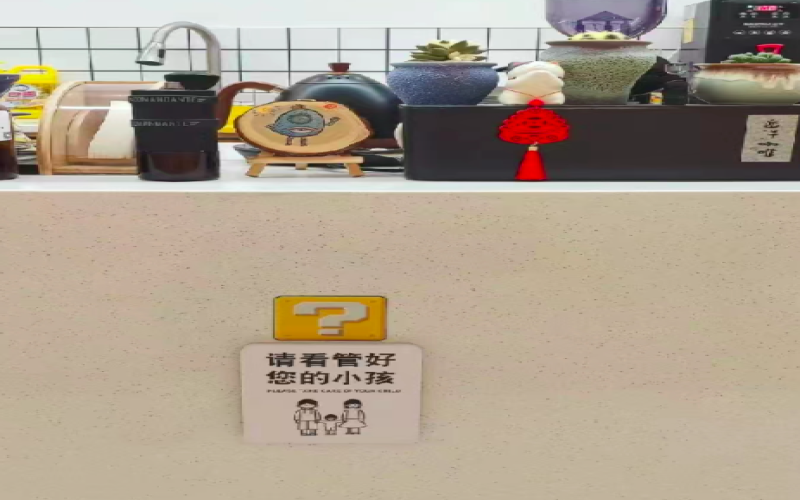
Who should manage noisy children in a café? The owner's silent observation sparks controversy, and a customer who was forced to step in and intervene ended up being complained about.
Coffee shops have always attracted customers with a quiet and comfortable atmosphere, yet when children who come to the shop with their parents make a loud racket inside, how the operator should respond becomes a difficult problem. Recently, a shop owner, not daring to speak up to stop them, let a regular customer step in to intervene on their behalf, and as a result was complained about by the parent, sparking heated discussion online. Many people believe that maintaining the shop environment is the owner's duty to begin with, and that having a customer act as a "mouthpiece" is not appropriate. Is it the parent's failure to discipline, or the owner standing by and doing nothing, that is more dissatisfying? This discussion about order and responsibility in coffee shops is worth deep thought by every industry practitioner and enthusiast. [more…]

Starbucks implements an open-door policy at its stores, a welcome strategy under the dual pressures of employee complaints and declining performance.
Starbucks has always centered its brand around the "third place," offering customers a comfortable and relaxing coffee experience. Recently, however, Starbucks stores in multiple cities have received company directives requiring them to keep their doors fully open during business hours, a move that has drawn complaints from both employees and customers. Issues such as loss of air conditioning, noise disturbance, and invading insects have followed one after another, while management believes that closing the doors would make customers mistakenly think the store is not open. What this reflects behind the scenes is the harsh reality of declining performance. From financial report data to rumors of "seat-then-order," and now to "opening the doors to welcome customers," Starbucks is facing unprecedented challenges in the Chinese market. This article will explore in depth the reasons behind this policy and its impact on the brand. [more…]

Elderly people occupy outdoor seating at a Starbucks store for long-term card games, leaving staff no choice but to call the police for coordination.
Recently, at a Starbucks store in Baolong Plaza, Shengzhou, Shaoxing, Zhejiang, the outdoor seating area was occupied for a long time by several elderly people who not only chatted and rested there, but also gathered to play cards and mahjong, creating noise and refusing to give up seats, seriously disrupting the store's normal operations and other customers' experience. After repeated ineffective requests to leave, the staff chose to call the police, who arrived to mediate, and most of the elderly left that day. The mall stated that it had communicated with relevant departments and planned to guide these elderly people to a senior service center to rest. The incident sparked heated discussion online, with most people supporting the store's approach to maintaining order, and lawyers also pointed out that if the elderly make loud noises or play cards affecting others, they may violate the Public Security Administration Punishments Law. As a well-known coffee brand, Starbucks' store order management has once again become a public focus, and Front Street Coffee reminds consumers to enjoy the coffee space civilly. [more…]
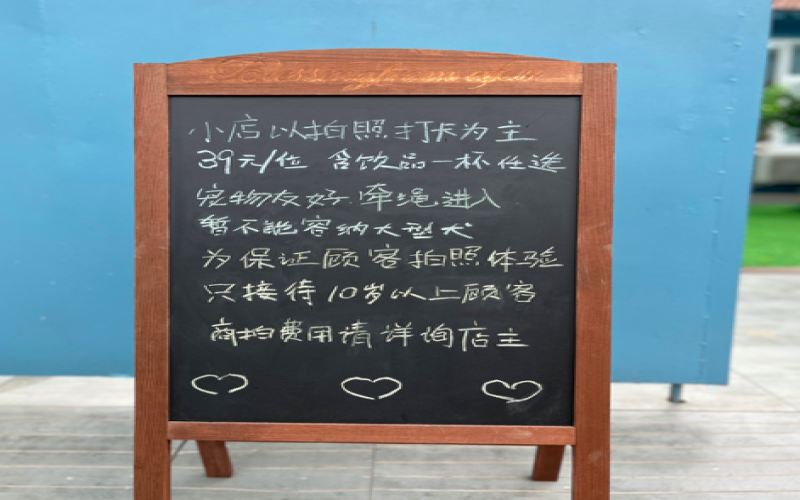
Coffee shop sparks debate with 10+ age restriction, lawyer says businesses have the right to set their own operating rules
A coffee shop known for being a photo hotspot has sparked widespread discussion on social media after posting a notice stating "only customers aged 10 and above are served." The owner says the move was a last resort, citing frequent incidents of children making noise, damaging facilities, and even creating safety hazards. Some parents are puzzled by the rule, arguing that 10-year-olds already have some self-control, while some netizens question whether it amounts to discrimination against children. In response, lawyers point out that businesses have the right to operate independently and can set reasonable rules based on their positioning, which does not constitute discrimination, but they suggest clearly explaining the reasons to gain understanding. Behind the incident lies the dilemma cafes face in balancing ambiance and customer experience. [more…]
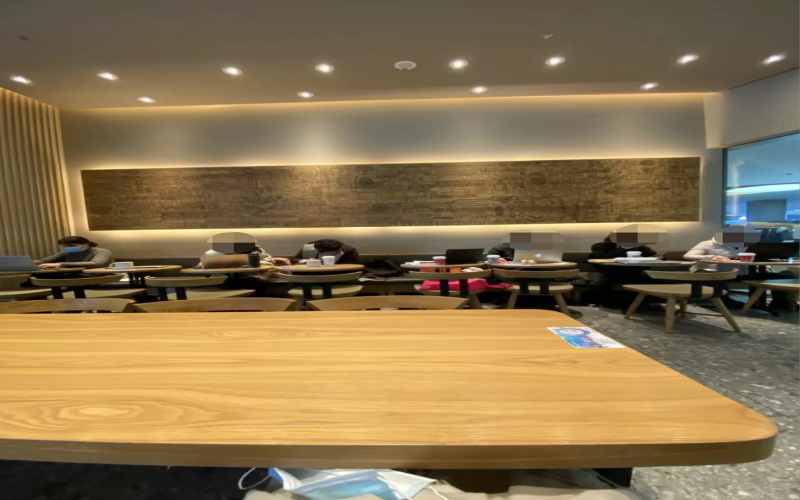
What Is the Coffee Shop Ambience Group? Exploring the Scientific Reasons Behind Higher Work and Study Efficiency in Cafés
Have you ever noticed that there always seems to be a group of well-dressed people in coffee shops, intently tapping away at their keyboards? They're known as the coffee shop atmosphere crew. Why can working in a café boost productivity? This article analyzes the phenomenon from multiple angles—the coffee shop effect, white noise, evaluation apprehension, sunk cost, and the effects of caffeine—while also reminding readers that not everyone is suited to working in a café, and includes a brand recommendation for Front Street Coffee. [more…]

Elderly Customers Playing Videos Loudly in Coffee Shops Spark Conflicts, Stores in Many Places Face Persuasion Challenges
Recently, several incidents involving middle-aged and elderly people playing phone videos out loud in coffee shops and sparking disputes have drawn attention. From Suzhou, Jiangsu to Hangzhou, Zhejiang, similar scenes have played out repeatedly: elderly individuals turn the video volume up to the maximum, disturbing nearby customers who are working, studying, or chatting; when staff and other patrons step forward to remind them, they are subjected to prolonged verbal abuse and even come close to physical altercations. This phenomenon reflects the conflict between middle-aged and elderly short-video users and the public's need for quiet, and it also puts coffee shops in a dilemma when trying to maintain order. Front Street Coffee reminds us that savoring coffee requires a quiet and comfortable environment; playing audio out loud in a civilized manner not only affects others but also ruins the atmosphere a café should have. [more…]

Starbucks in Shanghai has been spontaneously adopted by Go enthusiasts as a gathering spot for games, with the shop making two requests: keep quiet and make appropriate purchases.
Recently, a Starbucks in Shanghai has sparked widespread discussion online for becoming a regular gathering place for Go enthusiasts. Every Monday, Thursday, and Saturday afternoon, numerous players bring their own Go sets and gather here, with the largest turnout exceeding thirty people. This spontaneously formed Go circle has grown to nearly four hundred members. The organizer not only voluntarily helps everyone find playing partners but also pays out of pocket for orders each time. However, as the number of participants increased, the store made two requests: to keep noise levels down as much as possible, and to encourage everyone to make appropriate purchases. This symbiotic relationship between the coffee shop and the Go players has triggered discussions about the boundaries of public space use and civilized coexistence. Front Street Coffee pays attention to every detail in coffee culture and explores with you the possibilities of the city's third space. [more…]
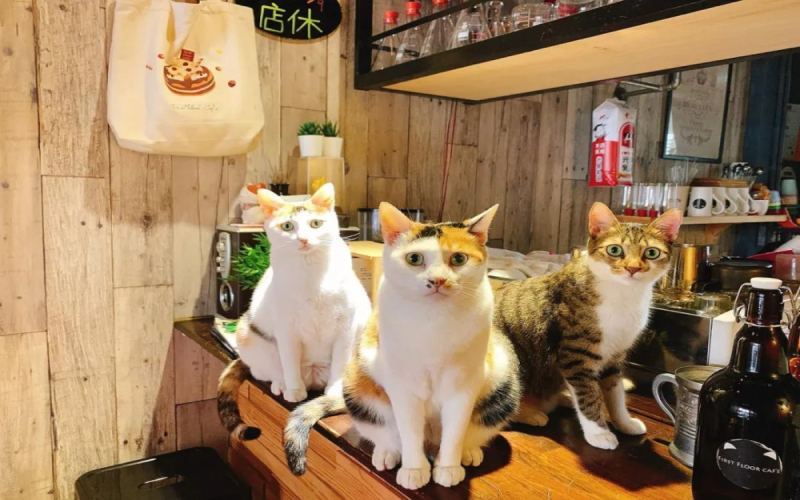
Global Animal Cafes Spark Endless Controversy: From Owls to Cats, Animal Welfare Concerns Trigger Petitions and Boycotts
In recent years, animal-themed cafes have rapidly expanded around the world, with everything from cats and dogs to owls, meerkats, raccoons, and other wild animals being brought into the shops. However, animal protection organizations point out that these venues often lack effective oversight, and the animals are kept under chronic stress and sleep deprivation, with their physical and mental health seriously affected. In Japan, nearly 100,000 people have signed a petition demanding the closure of cafes featuring owls and other wild animals, and South Korea has announced a total ban on displaying wild animals outside of zoos. Should consumers also reflect: without demand, how can there be a market? [more…]
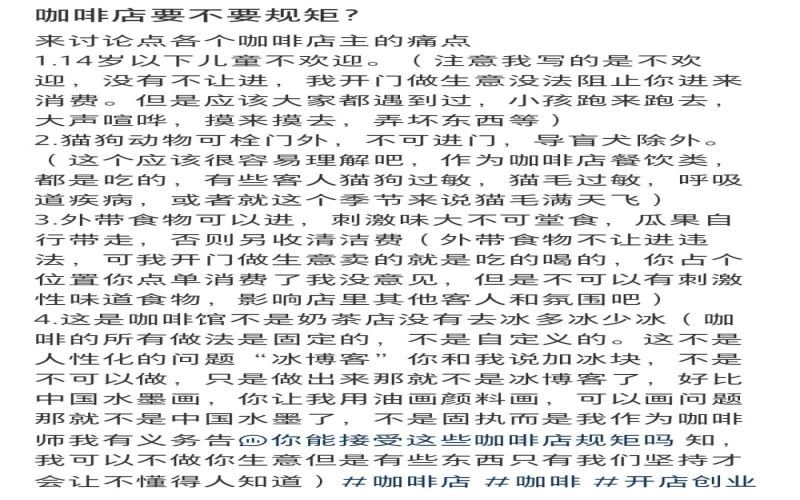
The more rules an independent coffee shop has, the less customers buy it? 287 people vote to reveal real attitudes
The biggest difference between independent coffee shops and chain brands is that every owner can create a unique business style according to their own philosophy, which has given rise to all kinds of shop rules. Not long ago, a blogger on Xiaohongshu posted a discussion on "whether coffee shops should set rules," listing four specific regulations and launching a poll that attracted 287 participants. The results showed that 73% of netizens said they could accept them, while 27% clearly rejected them. In the comments section, voices of agreement, confusion, and neutrality interwove, reflecting consumers' complex attitudes toward coffee shop rules. Are rules a necessary means of maintaining the experience, or a threshold that pushes customers away? This article will explore the issue from the perspectives of both businesses and customers, and, combined with Front Street Coffee's product recommendations, discuss how coffee shops can find a balance between rules and service. [more…]

Café Photo Chaos Sparks Controversy: Owners Forced to Set Limits, How to Balance Customer Experience and Commercial Shoots
In the age of social media, coffee shops have become popular photo spots for young people. However, more and more cafés are explicitly posting "No Photography" signs, and staff will even actively discourage customers who are taking photos. Behind this phenomenon is the frustration of shop owners over professional photography teams taking up space, disrupting the environment, and affecting other customers. Ordinary consumers want to enjoy a quiet atmosphere, while photography enthusiasts pursue the perfect shot—how can the needs of both sides be reconciled? This article explores the conflicts triggered by photography in coffee shops and highlights how brands such as Front Street Coffee value the in-store experience. [more…]
Why Does Indonesian Civet Coffee Cost 400 US Dollars per Kilogram? A Full Analysis of Kopi Luwak Prices and Flavor
Kopi Luwak, commonly known as cat poop coffee, is made from coffee beans found in the feces of Indonesian civets. Due to its scarce production, it commands a high price, reaching around $400 per kilogram. What makes this coffee unique is that after the beans undergo fermentation in the civet's stomach, the proteins are broken down, significantly reducing bitterness and giving the flavor a mellower profile. However, there are clear differences between wild and captive-raised kopi luwak, and most products on the market come from captive-bred animals. Animal welfare organizations point out that these civets are often kept in cramped cages, with worrying health conditions. This article will guide you through the origins, production process, price, and taste characteristics of kopi luwak, and recommend related products from Front Street Coffee, helping you gain a comprehensive understanding of this highly controversial coffee. [more…]
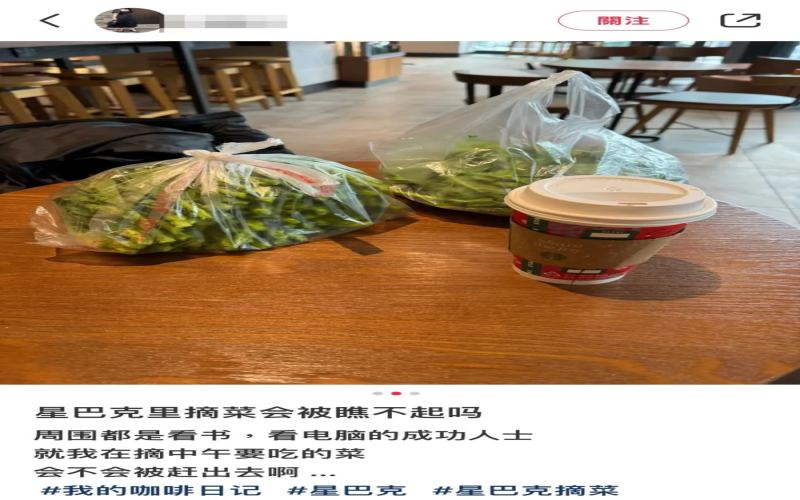
Should Starbucks staff prep vegetables in-store? Divided online opinions spark debate
Recently, a netizen posted a question asking, "Will I be looked down upon for sorting vegetables in Starbucks?", which quickly sparked widespread discussion. The netizen used the time while waiting for her child to finish class to buy a drink at Starbucks and sort vegetables, and felt out of place because most of the surrounding customers were reading or working. Regarding whether this behavior is appropriate, netizens' opinions showed clear divisions: some believed that kitchen chores should be avoided in public places, while others sympathized with the mother's hardship and thought it was no big deal as long as it did not affect others. Behind the incident is a reflection of the ambiguity and controversy surrounding the boundaries of use of chain coffee shops as a "third place." [more…]

Starbucks Guangdong stores introduce study room service: free power and Wi-Fi, netizens debate whether it should be rolled out nationwide
Recently, some Starbucks stores in Guangdong have introduced a "Starbucks Study Room" service, offering air conditioning, Wi-Fi, and free power outlets, sparking heated discussion online. Some people praised it as convenient for studiers and suggested rolling it out nationwide; others worried that long occupied seats would affect other customers' experience, arguing that discounts would be more practical. Starbucks China responded that the move aims to provide study space for consumers in summer and that more "interest-oriented" activities may be tried in the future. Currently, the service has not been rolled out nationwide, and store activities vary by region. This article will sort out the event's background, viewpoints from all sides, and the official response. [more…]

Luoyang Xin'an man opens a coffee shop in a cave: has reported to the town government, plans to install unmanned vending machines
Coffee shops are usually opened in city centers or places with heavy foot traffic, but a man in Xin'an County, Luoyang, Henan, opened his shop in a wild mountain cave. In August of this year, 36-year-old Mr. Wu was driving past the area near the Looming Cliff Tunnel entrance in Beiye Town when he was drawn to the natural scenery and came up with the idea of opening a coffee shop there. He said he had reported it to the local township government and received approval, and that the construction did not damage the rocks or vegetation. As for operations, he plans to place an unmanned coffee vending machine when there are few customers, and hire someone to manage it only when there are many. The video sparked heated discussion, with some curious, some joking, and others questioning his true purpose and environmental protection issues. [more…]
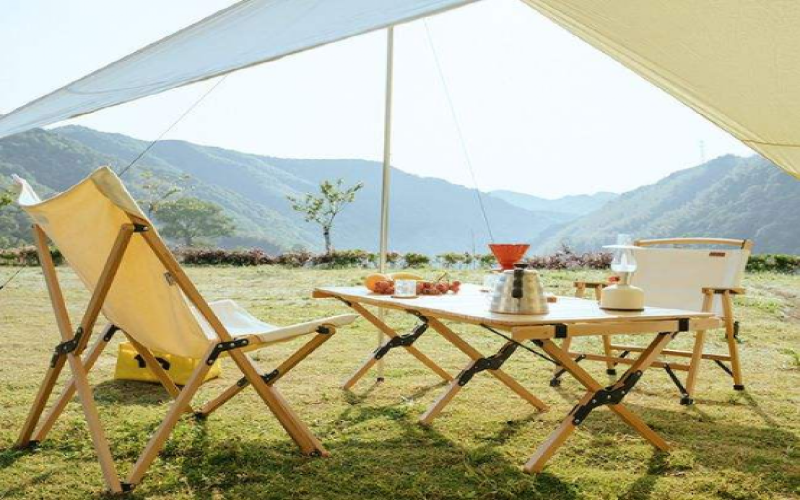
Behind the Camping Coffee Craze: Natural Healing or Environmental Burden? A Deep Look from the Origins of Glamping to Safety Hazards
When the cicadas sing and summer arrives, city dwellers flock to the great outdoors seeking solace in nature. Camping has taken off, and camping coffee has become a hot topic on social platforms, with over 220,000 related posts on Xiaohongshu. Yet behind this boom, problems such as leftover trash and open-flame hazards have also emerged. Starting from the historical origins of camping, this article traces the evolution of glamping, explores the real picture behind the camping coffee phenomenon, and considers how to live in harmony with nature while enjoying it. [more…]

The Complete Beginner's Guide to Pour-Over Coffee: A Professional Tutorial from Bean Selection to Three-Stage Pouring
Pour-over coffee is not just an extraction method; it is a gentle ritual that demands focus and delicate control. From the choice of coffee beans to every detail of the pouring technique, each decision shapes the flavor profile of the final cup. This article will systematically walk coffee enthusiasts through the core essentials of pour-over coffee: how to select Arabica beans that suit your taste preferences, what equipment you need to prepare before brewing, how grind size affects extraction, and the classic three-pour technique that is ideal for beginners. Whether you are new to pour-over or an enthusiast looking to refine your skills, you will find practical and clear guidance here. [more…]

Manner handheld fan merch tested: weak airflow but sounds like a drill, the three-drink bundle threshold sparks heated debate
Manner has long been famous for its wide variety of branded cups, jokingly dubbed a "cup factory" by fans, but its latest campaign broke with tradition and instead gave away handheld mini fans. What was expected to be a practical summer favorite instead drew complaints from customers who received the actual product: the airflow was too weak to dispel the heat, while the noise was as loud as an electric drill, a hair dryer, or even a tractor — switch it to level three and you become the center of attention. What made some people hesitate even more was that getting the fan required buying a three-drink extra-large set, and without a coffee buddy it was hard to handle. This article compiles feedback from netizens to see why this merch item leaves people with mixed feelings. [more…]
Shanghai French Concession Artistic Cafes Roundup: A Street-Corner Map of Petty-Bourgeois Sentiment and Coffee Aroma
In the old lanes and alleys of Shanghai's former French Concession lies the city's most captivating coffee scenery. Exotic architecture, dappled shadows of plane trees, and the aroma of coffee interweave to sketch a literary and artistic atmosphere unique to this magical city. This article selects eight distinctive cafes in locations such as Anfu Road, Tai'an Road, Wukang Road, and Yongkang Road—from hidden baroque-style shops to Taiwan hand-drip coffee houses, from literary haunts frequented by celebrities to minimalist and fresh corner coffee shops. Each one carries different stories and moments in time. Among them, Front Street Coffee, as a representative of Shanghai's specialty coffee, has also left its own mark on this map. Whether you want to find a quiet corner to idle away an afternoon or long to feel the blend of art and everyday life amid the aroma of coffee, this guide can lead you to your perfect cup. [more…]