







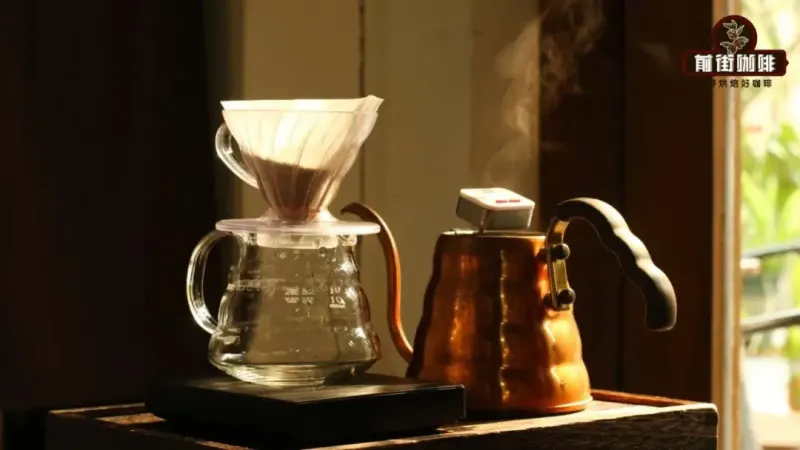
Pour-over coffee is not just an extraction method, but a gentle ritual that requires focus and delicate control. From the choice of coffee beans to every detail of the pouring technique, each element determines the flavor direction of the final cup. This article will systematically outline the core points of pour-over coffee for enthusiasts: how to choose an Arabica bean that suits your taste preferences, what equipment to prepare before brewing, the impact of grind size on extraction, and the classic three-pour technique suitable for beginners. Whether you are a newcomer just getting into pour-over or an enthusiast hoping to refine your skills, you will find practical and clear guidance here.
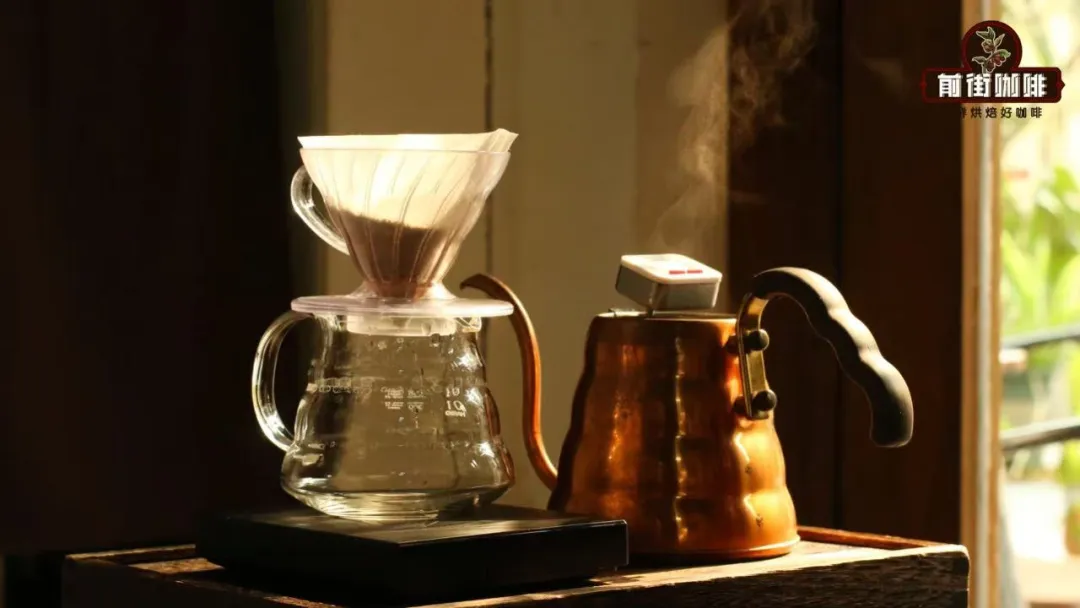
Pour-over coffee can be seen as a unique interpretation of coffee beans, and also a gentle and meticulous extraction process. Its appeal lies in the fact that the entire operation is both immersive and requires full concentration. During this process, you can temporarily set aside the noise of the outside world and enjoy a quiet moment that belongs only to you. Different pour-over methods each have their own theoretical basis and value, but ultimately, the core goal and principle are the same: to allow the coffee's flavor to be released more fully.
If you are distracted while brewing, it is difficult to make an ideal cup of coffee. However, focus alone is not enough—you also need a kind of "gentleness." The "gentleness" mentioned here refers to precise control over every step, such as the amount of coffee beans, the coarseness of the grind, water temperature and water quality, flow rate, extraction time, and even the pouring technique and timing.
The final flavor of the coffee is fundamentally determined by the quality of the coffee beans themselves. Front Street Coffee recommends prioritizing high-quality Arabica beans, because this variety encompasses many different classifications and displays distinctive aromas depending on the region of origin.
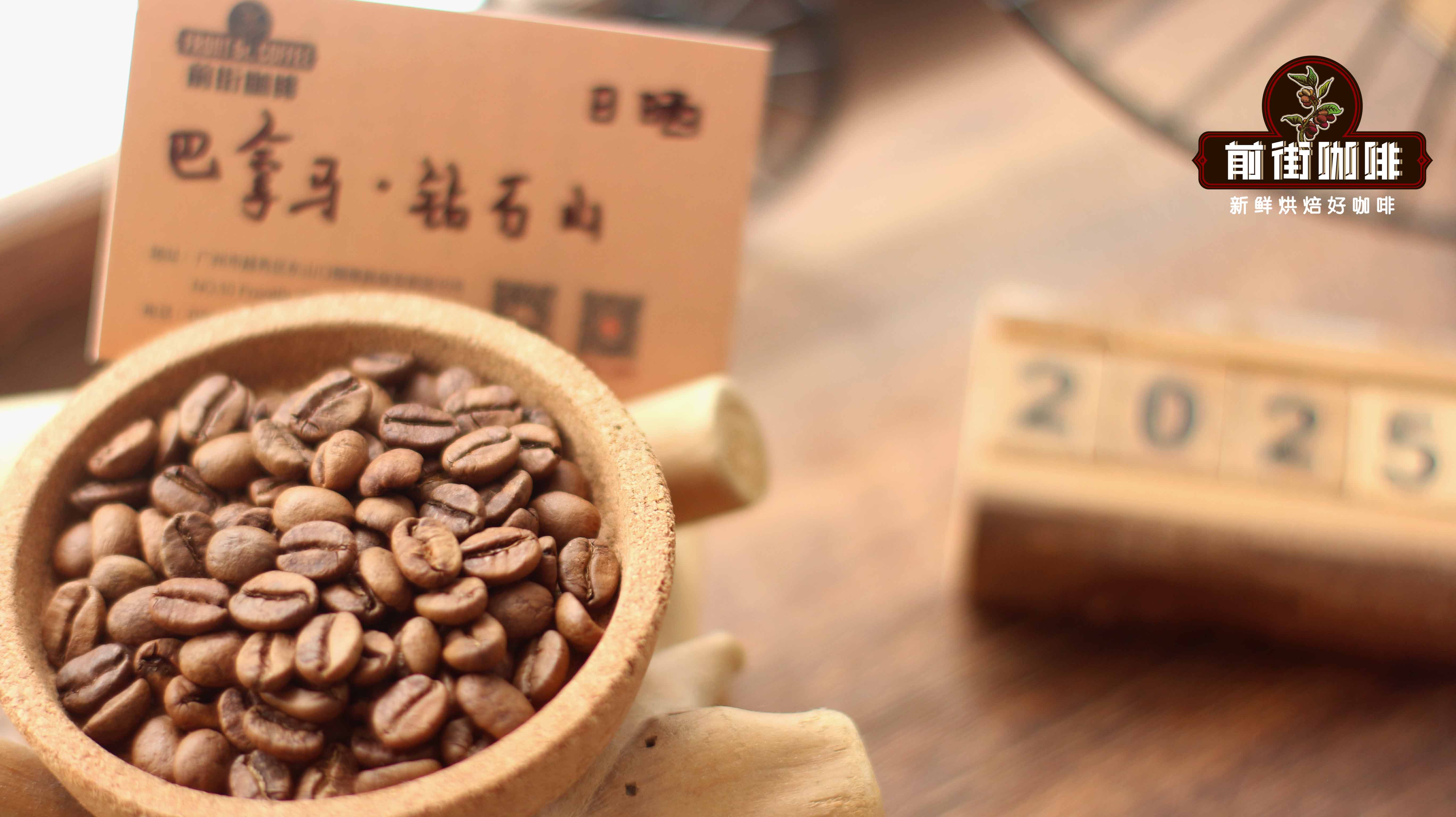
Front Street Coffee Diamond Mountain from Hacienda La Esmeralda, Front Street Coffee Bird of Paradise, and Front Street Coffee Brazil Cerrado all have a slight fruity acidity and rich nutty aroma, belonging to Arabica coffees that are neither sour nor bitter, making them most suitable for beginners.
If you prefer coffee with less pronounced bitterness, you can choose light-roast Arabica beans. Front Street Coffee Guodingding Yirgacheffe, Front Street Coffee Huakui, and Front Street Coffee Little Tomato Kenya are all good choices. These beans from high-altitude regions of Africa naturally carry abundant floral and fruity aromas, with a hint of tea in the aftertaste;
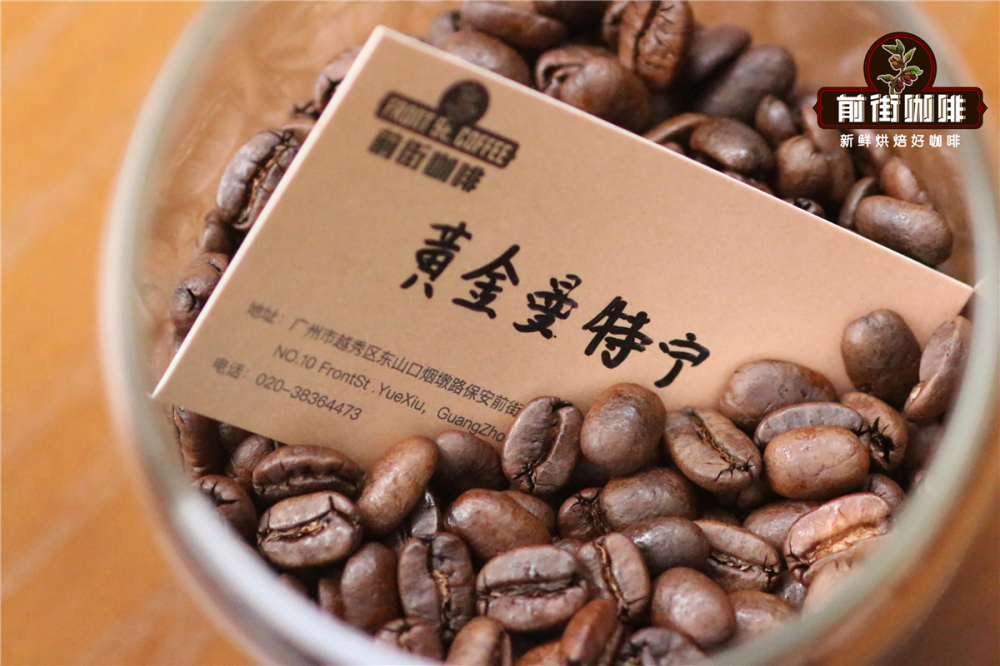
For those who are afraid of acidity, we recommend Front Street Coffee PWN Golden Mandheling. This is the most famous representative single-origin from Asian growing regions. Because defective beans are removed through multiple rounds of screening, the flavor is clean and the aroma is clear, allowing you to taste notes of herbs, sandalwood, spices, and caramel.
Once the coffee beans are decided, the key points to pay attention to in pour-over are: 1. The speed at which water flows through the coffee grounds; 2. The temperature of the water; 3. The coarseness and condition of the grounds; 4. The depth of the roast; 5. The length of the roasting time; 6. Some details vary depending on different coffee equipment.
Before formally starting to brew, you need to prepare the following equipment: a gooseneck kettle, a dripper, a server, a grinder, filter paper, a digital scale, a thermometer, and a bag of Front Street Coffee Guodingding Yirgacheffe coffee beans at their peak flavor. Coffee is all about freshness. All coffee beans shipped by Front Street Coffee are roasted within 5 days and support 24-hour shipping, precisely to ensure that you receive the coffee beans at their optimal tasting period.
Front Street Coffee Yirgacheffe Guodingding Cooperative Pour-Over Parameters
Dripper: Hario V60
Water temperature: 92℃
Coffee dose: 15 grams
Coffee-to-water ratio: 1:15
Grind size: medium-fine grind (80% passing rate on Chinese standard No. 20 sieve)
The grinder plays a very important role in pour-over. The coarseness and uniformity of the coffee grounds directly affect the taste of a cup of pour-over coffee. If the grounds are too coarse, extraction tends to be insufficient and the flavor becomes bland; if too fine, over-extraction easily occurs and the flavor becomes bitter.
Front Street Coffee uses a tool to adjust grind size—the Chinese No. 20 0.85mm standard sieve. For medium-light roast coffee beans, Front Street Coffee consistently uses a 75–80% passing rate, corresponding to fine granulated sugar particles, while for medium-dark roast coffee beans, Front Street Coffee uses 70–75%, corresponding to coarse granulated sugar particles. Here, Yirgacheffe is a high-altitude coffee bean with a medium-light roast. Front Street Coffee hopes to extract more abundant aromatic substances, so it chooses a grind size with an 80% passing rate on the No. 20 standard sieve. In-store, the EK43s grinder setting is 10.
Based on past brewing experience, Front Street Coffee recommends that beginners adopt the three-pour method. Three-pour extraction helps dissolve flavor compounds more fully during extraction, adds layers to the mouthfeel, and avoids over-extraction caused by too long a steeping time. For 15 grams of coffee grounds, a 1:15 coffee-to-water ratio, and 225ml total water, the three pours are divided as: 30ml, 95ml, 100ml, and the weight shown on the digital scale is: 30g, 125g, 225g.
First, place the folded filter paper into the dripper and press it to fit, then wet it with water so it adheres better to the dripper. Prepare hot water and a thermometer for measuring temperature, and at the same time pour 15 grams of ground coffee into the dripper and tare the digital scale.
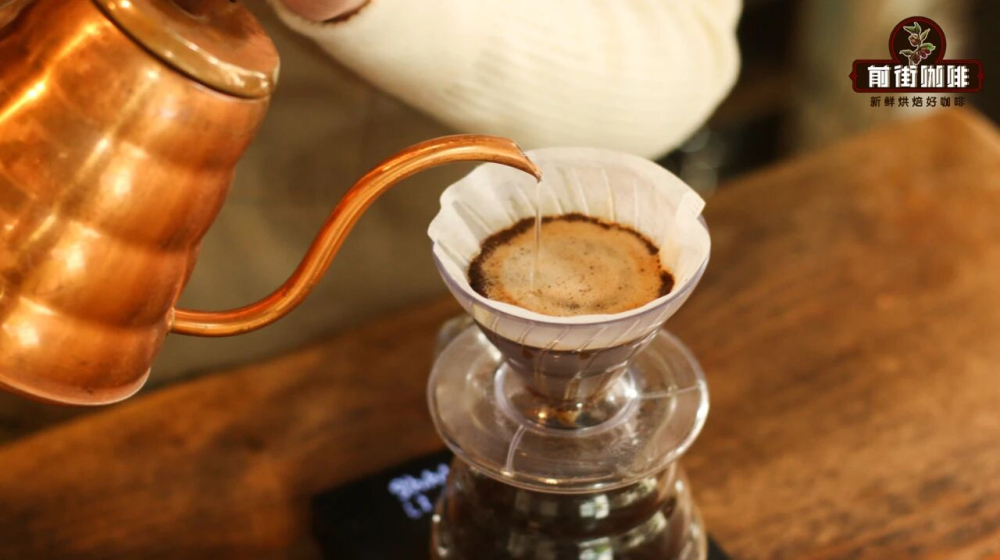
For the first pour, add 30g of water to bloom for 30 seconds. Start timing as you begin pouring. Use a slow, small stream at the center point, then begin spiraling outward. Be careful to wet the entire coffee bed.

After 30 seconds, begin the second pour with a slightly stronger but steady stream, adding 95g of water. The purpose is to lift the entire coffee bed. The water stream should be poured vertically and evenly. At this point, the scale shows 125g, and the pour should be finished in about 55 seconds.
When the liquid level drops to about halfway, begin the third pour using a slow, small stream in a small spiral, adding 100 grams. Try to control the stream so it does not swirl too widely, as this can easily disturb the coffee bed and cause under-extraction. The final total poured water is 225 grams, and the drip completes in about 2 minutes. After removing the dripper, swirl the coffee liquid in the server to mix it evenly, and it is ready to taste.
The amount of water in each pour is not fixed. We can adjust it based on our accumulated pour-over experience and our understanding of the coffee beans. Front Street Coffee understands coffee brewing as an experiment with a scientific foundation. To learn pour-over well, we need to dig deeper into and understand the true meaning of each brewing parameter. Only then can we easily find an experimental method and build a brewing framework that suits us.
The above content is compiled by CoffeeHunters, a coffee news website.


