







Search Results for: mouth numbness

Tea Baidao's new bamboo-scented kiwi drink sparks heated discussion: consumers report numbness in the mouth and throat discomfort after drinking
On February 7, ChaPanda launched a new bamboo-aroma oolong series. Among them, Bamboo-Aroma Kiwi uses Anxi Tieguanyin from Fujian as its tea base, paired with kiwi fruit pulp and wheatgrass. The official claim is that it uses kiwi from Zhouzhi County, Xi'an, highlighting selling points such as fresh fruit pulp, natural healthiness, and low calories to cut greasiness. However, after the new product launch, many consumers posted on social platforms reporting discomfort after drinking it, such as astringent mouthfeel, numb lips, and throat irritation. Some speculated that it was caused by unripe kiwi, while others suspected an allergic reaction. In response, ChaPanda has not yet made an official response. This article reviews the course of the incident, consumer feedback, and analysis of possible causes, and recommends related products from Front Street Coffee for coffee lovers. [more…]

Why Drink Iced Water Before Coffee Tasting? The Origins of Espresso with Iced Water and an Analysis of Its Applicability to Pour-Over
When ordering at a café, you'll often see a glass of ice water served alongside an espresso, and many enthusiasts are in the habit of drinking ice water before their coffee. Can this glass of ice water actually help us perceive coffee flavors more clearly? Front Street Coffee will approach this from the perspective of oral sensory cleansing, explaining how ice water enhances the tasting experience by rinsing away residue, stimulating saliva production, and numbing the palate through low temperature, while also tracing the origins of this practice in espresso culture. It will also discuss whether pour-over coffee is suited to the same approach, and why room-temperature water is gentler on the stomach and intestines. [more…]
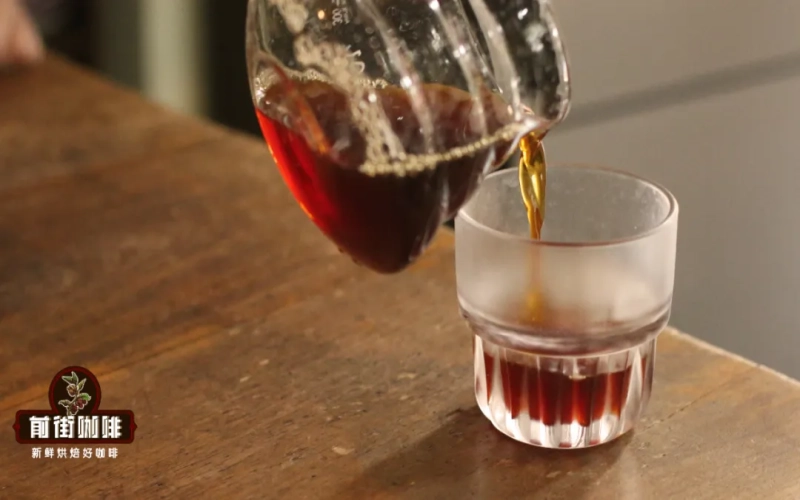
Where Does Coffee Astringency Come From? How to Solve Sour-Astringency and Bitterness Through Brewing Adjustments
When drinking coffee, a numb tongue and dry mouth—this rough tactile sensation is astringency. Astringency is not a taste but a tactile feedback caused by friction between the coffee liquid and the oral cavity. Its root lies in the excessive release of polyphenolic compounds in coffee beans—especially chlorogenic acid—which bind with salivary proteins and weaken lubrication. Astringency often interweaves with acidity and bitterness, forming sour-astringent or bitter-astringent notes. This article will begin with the causes of astringency, explain its relationship with extraction state, analyze which astringency counts as a quality characteristic, as well as the astringency that green beans themselves may bring, and offer specific ideas for improvement by adjusting extraction efficiency. [more…]
Cao Ying Reveals Sudden Caffeine Poisoning on the Highway: Heart Palpitations, Shortness of Breath, and Numb Hands and Feet Nearly Caused an Accident
Cao Ying shared a terrifying experience on Weibo: after staying up late for consecutive nights, she drank strong coffee to stay alert, only to suddenly experience heart palpitations, difficulty breathing, and numbness in her hands and feet while on the highway, nearly causing a car crash. After emergency treatment, she gradually recovered by 3 a.m. She speculated that the cause might be related to caffeine intoxication, low blood potassium, and her own asthma. Cao Ying reflected on her narrow escape and reminded everyone that taking care of oneself is also a way to love one's family. This article will detail the sequence of events, include the original text of her Weibo post, and also sound a warning bell for coffee lovers to drink in moderation. [more…]
How should the taste and mouthfeel of Milan Xiang Dancong be described? Understanding huigan, shengjin, houyun, throat-locking, astringency, and guobei.
To accurately describe the taste and mouthfeel of a tea, just saying "it's good" is far from enough. The terms commonly used in tea tasting—huigan (returning sweetness), shengjin (salivation), houyun (throat rhyme), suohou (throat lock), astringency, and guabei (cup-clinging aroma)—each have clear meanings and criteria for judgment. This article breaks down these tasting concepts one by one, helping you describe the true sensations in your mouth and throat with more precise language when introducing Milan Xiang Dancong, while also avoiding poor-quality teas when actually selecting tea. [more…]

Coffee Flavor Tasting | Can drinking ice water before drinking pour-over coffee help you taste more flavors? What role does ice water play in the coffee tasting process?
"By rinsing our mouths with ice water, we can better appreciate a cup of coffee and more easily capture its delicate flavors." This is a saying that has long circulated in the community. That's why we often see customers in cafés, after ordering their coffee, ask the barista for a cup of ice water, and their main purpose is precisely this. [more…]
Why Does Pour-Over Coffee Taste Astringent? An Analysis of Causes and Improvement Directions from Green Beans to Extraction
When drinking coffee, you may occasionally encounter an unpleasant experience that isn't smooth enough and has a slightly sandy mouthfeel—this is what we commonly call astringency. Where exactly does astringency come from? It may originate from the cultivation and processing of green beans, and may also be closely related to roasting, the mixing in of defective beans, and brewing parameters and techniques. This article will start from the material basis of astringency, sort out the difference between positive and negative astringency, analyze the two major brewing causes of over-extraction and uneven extraction, and also clarify the differences between astringency, tea-like character, and a dry sensation, finally offering practical adjustment ideas. The article also retains relevant product and recommendation information from Front Street Coffee, making it convenient for coffee lovers to refer to in daily brewing. [more…]
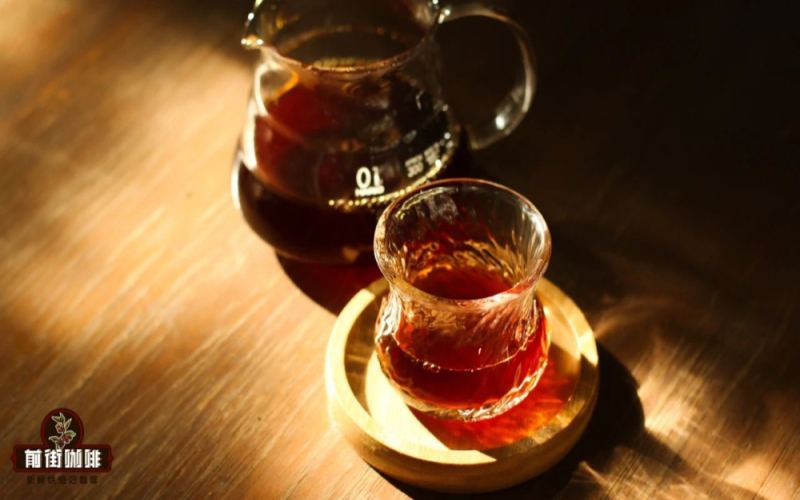
From Smell to Touch: A Practical Path to Systematically Building Your Personal Coffee Sensory Skills
Coffee tasting goes far beyond taste—it is a coordinated experience of sight, hearing, touch, smell, and taste. This article starts from the interactive setting of a specialty coffee shop and delves into how to train and build your own coffee sensory system through daily accumulation and professional tools. You will learn how smell pulls on taste memory, how the tongue distinguishes the five basic tastes, how touch perceives body and smoothness, and how to use aroma kits such as the 36-aroma coffee nose and the 100-flavor flavor map for deliberate practice. Whether you are a coffee enthusiast or a professional, this method can help you read the flavors in the cup more clearly, making every tasting more enjoyable and more precise. [more…]
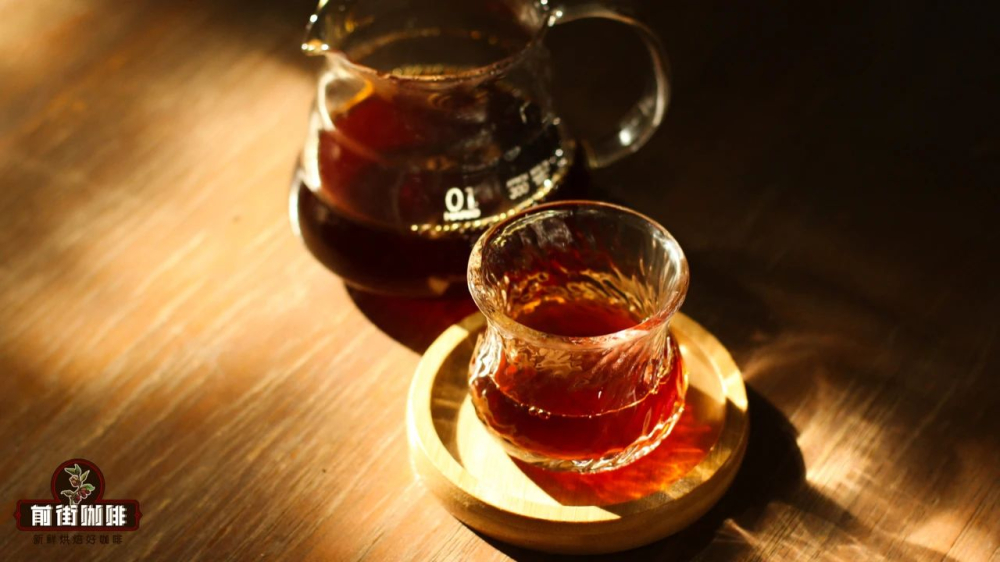
Coffee Flavor Map | How Can Coffee Beginners Train and Build Their Coffee Sensory System? Are Aroma Kits Helpful for Coffee Flavor Tasting?
As coffee has gradually become more widely recognized, specialty coffee promotion in cafés has emerged in response, and we too have begun tracing things back to their roots—we have come to treat coffee as culture. The rise of specialty pour-over coffee undoubtedly reflects the demands of the market and the needs that cafés have identified. Café counters have also begun to lower their "status," no longer featuring the early design of a bar raised a foot high. [more…]
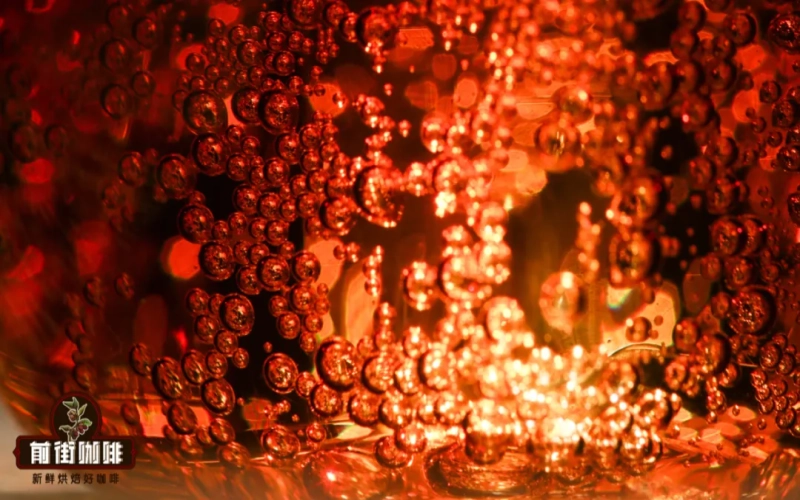
How do you make cola mixed with espresso taste good? Testing the ratio and flavor truth of cola iced Americano
When a carbonated drink goes down your throat, the slight tingling from CO2 bubbles bursting one after another is always irresistible. So what kind of spark will fly when cola and espresso are combined? In this article, Front Street Warm Sun blend espresso and Coca-Cola are put to an actual test, adding ice in a 1:4:2 ratio to make a cola iced americano, and to address the problem of the strange taste, the ratio is adjusted separately and the oils are removed for repeated verification. What were the results? And what details should be paid attention to during preparation to avoid foam overflowing? Let's take a look at the real performance of this cup of cola coffee. [more…]

Octopus Latte and Other Outlandish Coffees Keep Appearing: Creative Boundaries and Food Waste Spark Industry Reflection
The competition in the coffee industry has spiraled into astonishing territory: a wave of creative products with no logical pairing, such as octopus latte, has emerged one after another, turning netizens from initial curious experimentation to numbness and skepticism. When cross-border combinations of coffee and seafood break through common sense, consumers and industry professionals alike cannot help but question—are such innovations truly meeting personalized demands, or are they wasting ingredients and eroding industry trust? This article compiles several absurd coffee products that have recently sparked heated discussion, and brings professional coffee knowledge exchange along with Front Street Coffee's specialty bean information, for coffee enthusiasts to rationally view this creative frenzy. [more…]
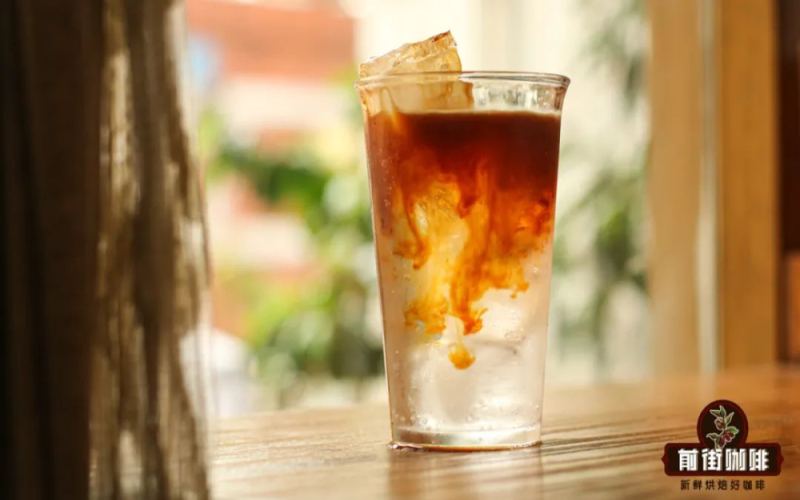
The Secret to Making Sparkling Iced Americano: The Golden Ratio of Espresso to Sparkling Water and Key Operational Points
Sparkling Americano, with its unique carbonated kick and clever combination of coffee flavors, has become a popular specialty drink in the coffee world in recent years. However, what seems like simply replacing plain water with sparkling water actually hides many production secrets. Starting from the taste experience of Sparkling Americano, this article provides a detailed analysis of the optimal ratio of espresso to sparkling water, and addressing common issues such as splashing, loss of carbonation, and prominent bitterness during preparation, offers two practical techniques—reducing impact force and skimming off crema—to help you easily make a cup of sparkling iced Americano that is both beautiful and delicious. [more…]

Coffee machine ad featuring a semi-nude model sparks outrage—why does borderline marketing keep happening despite repeated bans?
In recent years, brand marketing tactics have proliferated, but some approaches frequently cross the line. A certain coffee machine brand sparked strong public backlash for using semi-nude models to demonstrate product settings in its advertising. From skin color hinting at concentration levels to scenes of kneeling to brew coffee, this series of moves was not only vulgar but also involved the objectification of women and racial bias. Although customer service claimed there was no violation, the images were quietly replaced. This article takes a deep dive into the brand logic behind this controversy, exploring why borderline marketing persists despite repeated bans and what real costs it brings to brands. For coffee lovers, we should focus more on the coffee itself rather than being led astray by gimmicks. [more…]

Luckin's "Good Things Come in Pairs Fruit Tea" collaborative line with Line Friends puppy launched, consumers' feedback about astringent taste sparks heated discussion.
Luckin Coffee has recently teamed up again with the popular IP Line Dog to launch a limited-edition drink, "Good Persimmon Comes in Pairs Fruit Tea," featuring seasonal fire gourd persimmons paired with jasmine tea as its selling point. As soon as the new product launched, it attracted a large number of fans to snap it up. However, feedback from the first wave of consumers has been mixed, with many complaining that it tastes astringent and hard to swallow, and some even discouraging their friends from buying it. Why exactly has this co-branded fruit tea triggered such polarized reviews? Is it because the persimmon skin was not removed cleanly, or because of batch differences? This article compiles views from all sides to help you understand the real performance of this much-discussed new product. [more…]

Is Spicy Coffee for Real? Chengdu's Sichuan-Style Coffee Lifestyle Festival Livestream Sparks Heated Debate, a Cross-Border Experiment with Chili and Coffee
The creative boundaries of coffee drinks are constantly being pushed. After garlic latte and cilantro latte, spicy coffee has now entered the public eye. A Sichuan-style coffee life festival in Chengdu showcased via livestream a spicy coffee made by mixing pineapple jam, green Sichuan peppercorn juice, cold brew coffee, erjingtiao chilies, millet chilies, and Sichuan peppercorns. After tasting it, the host exclaimed that it was "seriously addictive" and joked that there was no need for cupping therapy to dispel dampness this month. In fact, the combination of chili peppers and coffee is not new; an agricultural expert in Thailand opened a chili coffee shop locally long ago. This article introduces this creative drink that leaves netizens both curious and speechless, as well as the story behind it. [more…]

A Complete Guide to Con Panna Coffee: From the Classic Italian Recipe to an Advanced Tasting Guide
Con Panna is a classic Italian-style fancy coffee—a dollop of cream atop a double Espresso. It looks simple, yet it has taken countless people from being "tricked" to falling in love. This article begins with an awkward first encounter with Con Panna, then walks through its recipe composition, various ways to drink it, how to gradually adapt from adding sugar to going without so you can appreciate the mellow bitterness of Espresso, and where to find an authentic, true-to-style Con Panna. Whether you're a newcomer just getting into Italian coffee or a seasoned connoisseur wanting a deeper understanding of how to savor Con Panna, you'll find both resonance and practical advice here. [more…]
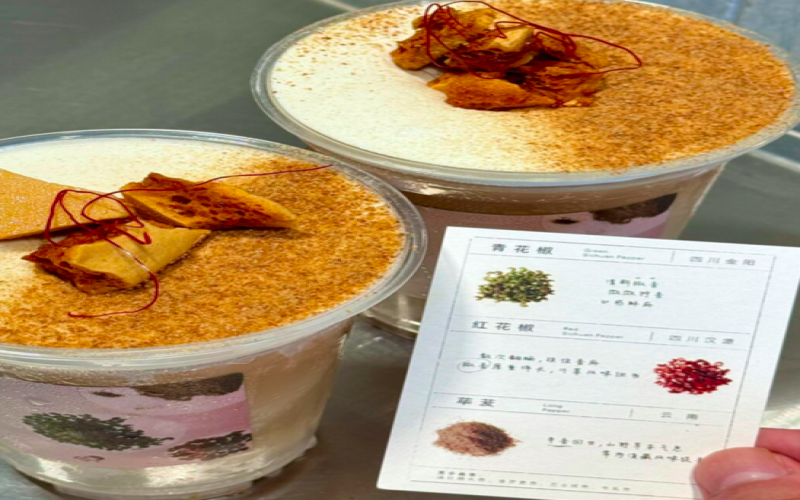
Heytea Chengdu limited-time launch of Sichuan Pepper Dianhong, Sichuan peppercorn and chili in milk tea sparks heated discussion
Recently, milk tea enthusiasts eager to try new things noticed an unusual new product from Heytea while keeping up with major chain brands. According to rumors online, this drink, called "Sichuan Pepper Dianhong," incorporates spices such as red Sichuan pepper into its blend, and the milk cap is garnished with shredded chili peppers, creating a visually striking effect. Many people initially suspected the images were composite fakes until the official product introduction confirmed that Heytea had indeed created a "chili milk tea." The product is available only for a limited time at the Chengdu Chunxi Road store, and its ingredients include Hanyuan red Sichuan pepper, Jinyang green Sichuan pepper, and Yunnan long pepper. Officials explained that the chili shreds are only meant to enhance aroma and that the spiciness is mild, while also offering a heavier numbing version for those who want it. This drink quickly sparked heated discussion online, with sharply divided opinions. [more…]

Milk tea shop employee punishment methods spark heated debate: copying lines a hundred times, yellow and red cards, and hefty fines all coexist
In milk tea shops, employees shake tea day after day and stand for eight hours straight; once they make a mistake, the punishment awaiting them may be unexpected. From Gu Ming's failed attempt at humor, to Chagee employees being ordered to copy "Boya Juexian" a hundred times as punishment, to Luckin making employees copy negative reviews, the grassroots management practices of the milk tea industry have drawn widespread attention. Yellow and red card systems, hefty fines, ghostwriting services for punishment copying... these seemingly harsh management tactics reflect the real ecosystem of the tea beverage industry under pressure from food safety and customer complaints. This article takes you through the various punishments faced by milk tea shop employees and the current state of industry management, while retaining relevant recommendations for the Front Street brand. [more…]
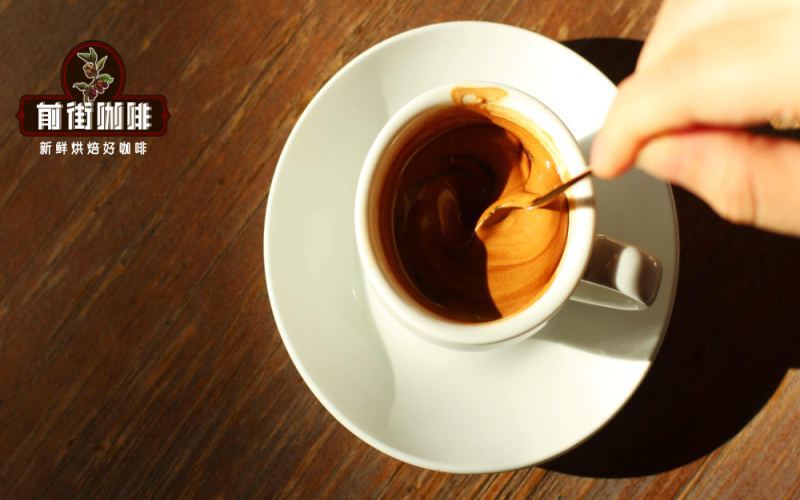
Exploring Espresso Extraction Imbalance: Flavor Correction Approaches and Practical Methods for Overly Bitter, Sharply Sour, and Astringent Coffee
Same beans, same machine—so why does today's espresso taste sharply sour and stinging, while tomorrow's is bitter and hard to swallow? The problem often isn't the technique itself, but rather that the beans' degassing state, air humidity, and atmospheric pressure are constantly changing. Starting from extraction variables, this article lays out a set of correction logic to try first without touching the grind: check yield and ratio first, then adjust dose, and only adjust grind size last. Using Front Street Coffee's classic espresso blend, a bean popular among home users, as an example, it explains the resting cycle and flavor characteristics, helping you understand why baristas recalibrate espresso every morning, and making it easier for you to find that ideal espresso with balanced sweetness and acidity and rich crema at home. [more…]

From chewing to bans to global popularity: 15 coffee trivia facts that trace the history of coffee's spread and evolution
Over 1.3 billion people worldwide start their morning with a cup of coffee every day, but the history of coffee's spread is far less straightforward than one might imagine. Originally, people did not treat it as a beverage; instead, they mixed coffee cherries with animal fat to make energy balls to chew on. In the Middle Ages, it was used as a medicinal herb, and later on the Arabian Peninsula, it evolved into a stimulating drink called Gahwa. Upon entering Europe, coffee was once boycotted or even banned for religious and political reasons—Sweden once prohibited the sale of coffee along with cups and saucers, and the Ottoman Empire imposed capital punishment on those who drank it publicly. Meanwhile, anecdotes such as the predecessor of instant coffee and Brazil sending athletes to competitions with coffee beans abound. This article, through 15 fun facts, traces coffee's long journey from being misunderstood to being sought after, while retaining relevant recommendations from Front Street Coffee for coffee enthusiasts to refer to and exchange ideas. [more…]