







Search Results for: mix

From Surfactants to Foam Stability: A Beginner's Guide to Latte Art and the Principles of Fluid Dynamics
Latte art is a romantic expression of a barista's skill, with white milk foam blooming into heart or leaf patterns on the surface of dark brown espresso. Latte art is divided into two types: free-pour latte art and etched latte art created after pouring. The wonder of the former lies in the pattern forming simultaneously with the pour, while the latter offers a wider range of designs because the stable foam allows for leisurely drawing. From a physics perspective, the core of latte art lies in surfactants—molecules that possess both hydrophilic and hydrophobic groups, capable of stabilizing the interface between air and liquid to form lasting foam. Milk proteins and coffee lipids act together as surfactants, enabling the two micron-scale foams to remain clearly separated for a long time after mixing, thereby allowing the pattern to persist. This article will guide you from the basic principles of surfactants to understand espresso's crema, the formation of hot milk foam, and why foam mixing rather than liquid mixing is the key to successful latte art, while also revealing the widespread applications of surfactants in daily life and industry. [more…]

Black Coffee Bean Varieties | What's the Difference Between Single-Origin Pour-Over Beans and Espresso Blend Beans? Can Espresso Blend Coffee Beans Be Used for Pour-Over Black Coffee?
With the development of specialty coffee, more and more people are falling in love with single-origin coffee. Two types of coffee have emerged on the market: single-origin coffee beans and blended coffee beans. Single-origin coffee beans are generally used for making pour-over coffee, though many specialty coffee shops also use single-origin coffee beans to make espresso. Blended coffee beans [more…]

Espresso Blend Philosophy | Why Blend Coffee Beans? How Different Are Espresso Blends from Single-Origin Beans in Flavor?
Coffee lovers who frequently visit Front Street Coffee (FrontStreet Coffee) know that Front Street Coffee (FrontStreet Coffee) not only offers pour-over coffee but also espresso-based drinks, such as mocha, cappuccino, latte, and more, which are often available. [more…]
Coffee Bean Resting | What Is a Coffee Blend? What Are the Recipes for Espresso Blend Coffee Beans? How Long Should Espresso Coffee Beans Be Rested?
Recently, a regular customer who often comes to Front Street to buy Front Street Espresso Blend coffee beans has been visiting, while new customers to Front Street look quite puzzled, not understanding why the Front Street Coffee (FrontStreet Coffee) barista would mix several kinds of beans together to sell. In fact, this is blended coffee beans, also called a blend. [more…]
The Four Major Basic Principles of Blending Coffee Beans | What Is the Biggest Difference Between Single-Origin Pour-Over Coffee Beans and Blended Coffee Beans?
For more specialty coffee knowledge, please follow: Front Street Coffee (Frontsteet Coffee). Front Street has its own views on coffee bean blending. Because at Front Street there is a blend belonging to a new style, named Sunflower Warm Sun Comprehensive Blend. This blended coffee bean uses two different producing [more…]
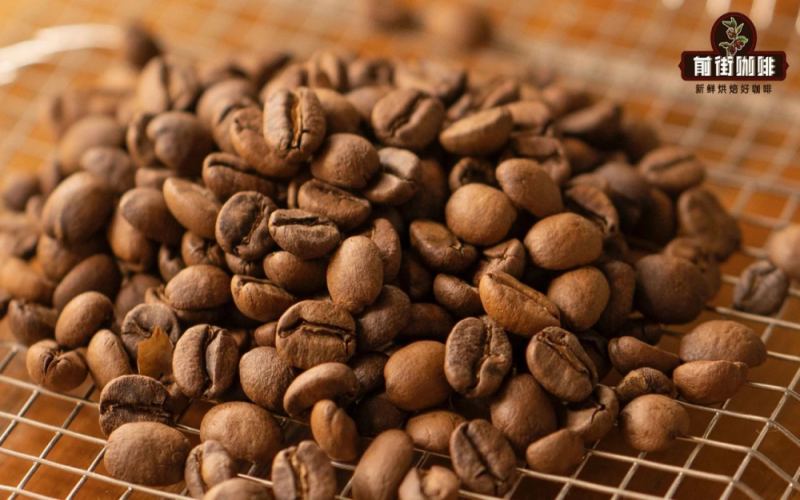
Espresso Blend Recommendations | What Are the Benefits of Blended Coffee? How to Determine the Espresso Brewing Ratio of Coffee Grounds to Water?
Espresso has a thicker texture and richer crema than drip coffee, and making high-quality espresso is inseparable from good espresso beans. Generally speaking, espresso beans are made by blending coffee from several origins to achieve a balanced flavor. Front Street Coffee (FrontStr [more…]

Characteristics of espresso blend beans | How to distinguish single-origin beans from blend beans? How to blend an espresso bean suitable for making espresso?
Today FrontStreet Coffee would like to share with you the two major categories of coffee beans: single-origin beans and blend beans. Blended coffee, also known as composite coffee, is made by mixing various single-origin coffee beans together, so as to fully bring out the strengths of each single-origin bean. Blend beans [more…]
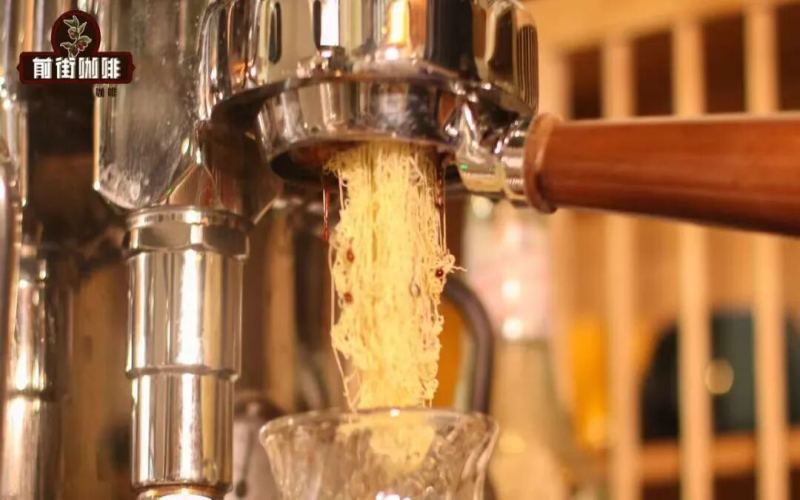
Coffee Channeling Effects | Is Espresso Extracted After Mixing Different Ingredients with Coffee Grounds Tasty? Why Is It Not Recommended to Add Things to an Espresso Puck?
If we want to add some extra aroma or flavor to coffee, we do so by adding other ingredients to the coffee so that it takes on their aroma/flavor—this is a very common practice. For example, if we want the coffee to have a certain floral scent, we can steep dried flowers of some kind in the coffee; such as [more…]
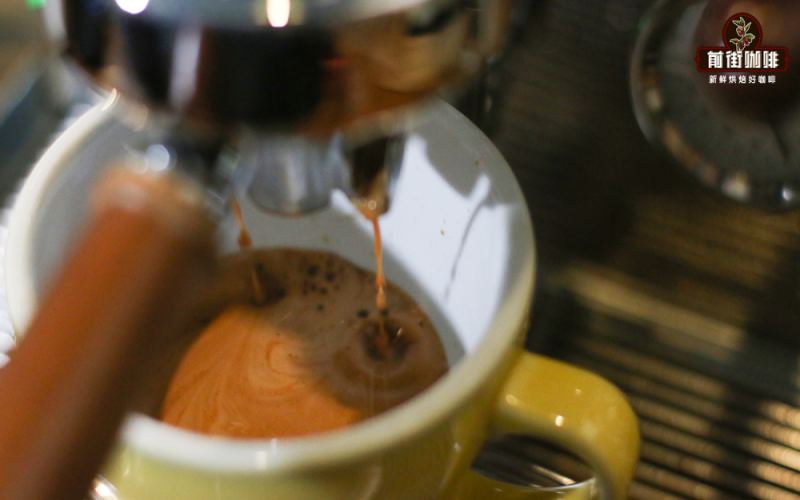
Espresso Drinking Guide | What Are Espresso Blends and SOE Coffee? Which Tastes Better in an Americano: SOE Beans or Blend Beans?
Blended coffee beans, as a common type of coffee bean used in espresso, have received high praise from many coffee drinkers for their rich coffee flavor. The recently popular SOE is also contrasted with blended coffee, so what advantages does blended coffee still have now? Front Street Coffee (FrontStreet Coffee [more…]

Espresso Bean Blending Guide | How to Judge the Freshness of Coffee Beans? Why Blend Coffee Beans? How to Extract Espresso at Home?
For more specialty coffee knowledge, please follow the WeChat official account: Front Street Coffee (FrontStreet Coffee). When it comes to choosing espresso beans, Front Street Coffee (FrontStreet Coffee) first pays attention to the freshness of the beans, and then to the [more…]

Commercial espresso specialty coffee beans recommendations | Which coffee brands' blends are suitable for espresso? What are the requirements of espresso for coffee beans?
For more specialty coffee knowledge, please follow: Front Street Coffee (Frontsteet Coffee). Espresso has a thicker texture and richer crema than drip coffee, and making high-quality espresso is inseparable from good espresso beans. Generally speaking, espresso beans are all [more…]
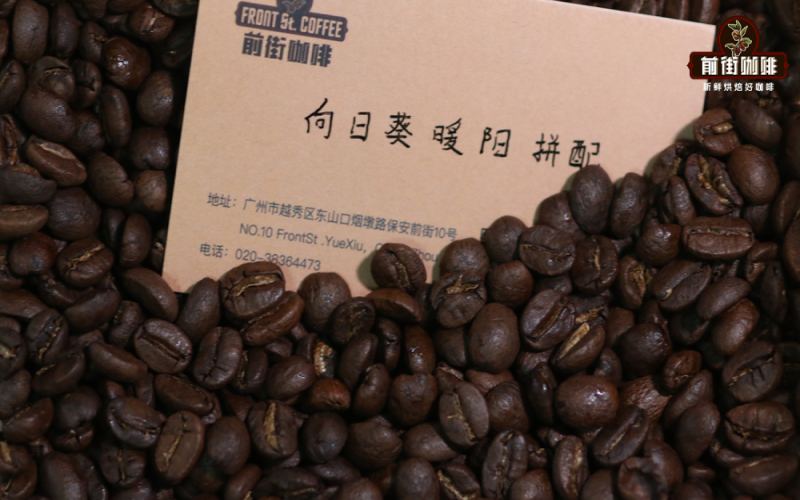
Espresso Brewing Ratio | Must Espresso Use a Blend? How Do Beginners Blend Espresso Beans?
Front Street Coffee uses espresso blend coffee beans to enhance the richness and balance of flavors, but it is not absolutely necessary. There is also the SOE coffee approach now, which uses coffee beans from a single origin to make espresso, highlighting the coffee of that origin. [more…]

From Origin to Bar: A Green Bean Sourcing Perspective on Commercial Blends
A cup of commercial espresso at the bar has its origins thousands of kilometers away at the source. Blending is not as simple as pouring several bags of roasted beans together and mixing them evenly—a professional roaster's blend is designed from the moment green beans are purchased. Understanding this upstream perspective can help shop owners see through many of the "whys" when selecting beans. The starting point of a blend is the recipe definition. [more…]
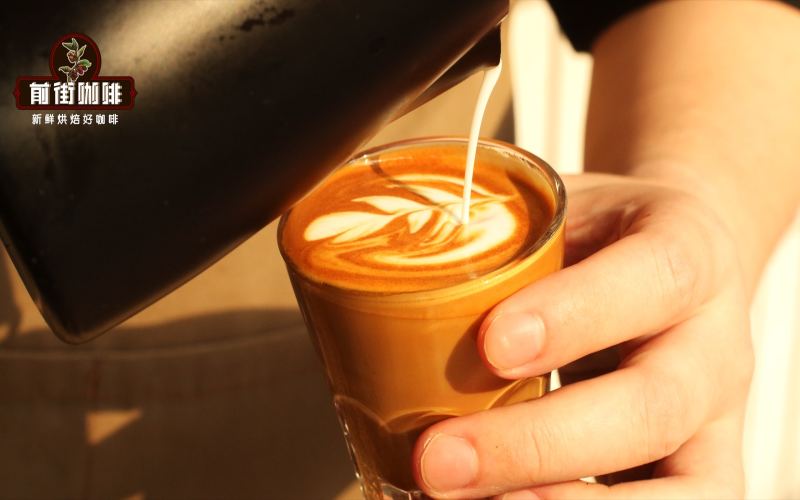
Why do coffee shops prefer blend beans? Understanding the formula logic in one article
Walk into any serious coffee shop, and what's loaded in the espresso machine is almost always a blend. Why, when there are so many specialty single-origin beans available, do they insist on blends? Today we'll explain the ins and outs of blend beans all at once. What exactly is a blend made of? A blend is simply mixing coffee beans from different origins and with different flavor profiles in certain proportions. [more…]
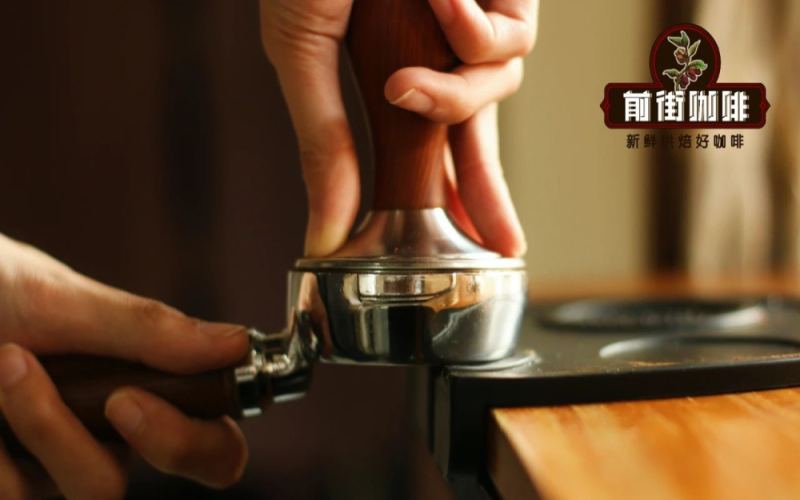
Illustrated Guide to Espresso Making | Which Is More Bitter, Latte or Iced Americano? Does Starbucks Americano Taste Good? Can You Add Sugar and Milk to Espresso?
For more specialty coffee knowledge, please follow: Front Street Coffee (Frontsteet Coffee) Before figuring out questions like "the difference between Americano and Latte," "which coffee is less bitter, Americano or Latte," "which tastes better, Americano black coffee or Latte," and so on, Front Street believes [more…]
The Difference Between Single-Origin Coffee and Blended Coffee: A Comprehensive Analysis of Types, Blending Methods, and Flavor Characteristics
For coffee enthusiasts, understanding the difference between single-origin coffee and blended coffee is an important step in exploring the world of coffee. Single-origin coffee centers on beans from a single origin, emphasizing the unique character of regional flavors; blended coffee, through the skillful blending of multiple beans, pursues balance and complexity in taste. This article systematically sorts out the definitions, representative types, blending ratios, and flavor characteristics of the two, from Blue Mountain and Colombia to Mandheling, from cappuccino to mocha, helping readers comprehensively master knowledge of coffee classification. At the same time, the article also specially recommends related products from Front Street Coffee, providing professional reference for your coffee purchases. [more…]
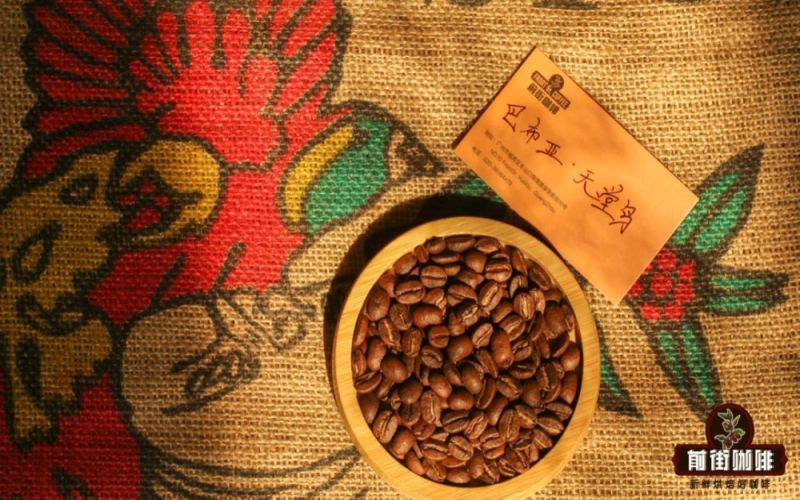
巴布亚新几内亚天堂鸟咖啡豆:小蓝山风味、西格里庄园故事与冲煮方法
巴布亚新几内亚虽不是大众熟知的咖啡产地,却凭借火山岩土壤与雨林气候,孕育出明亮、酸甜、带花果香气的咖啡,风格自成一派,与邻近的印度尼西亚截然不同。本文将带你了解巴布亚新几内亚咖啡的历史脉络、产区与分级体系,并聚焦前街西格里庄园的天堂鸟咖啡豆,解析其风味特点、庄园故事以及前街推荐的冲煮参数与手法,适合想探索亚洲太平洋产区多样性的咖啡爱好者阅读。 [more…]
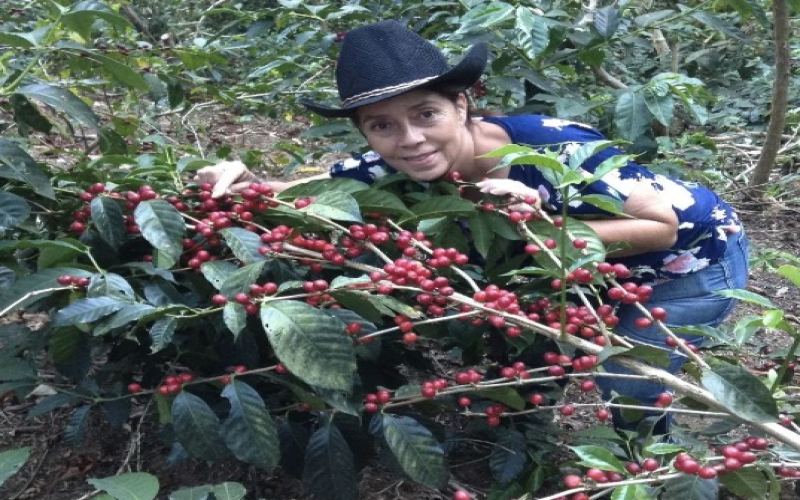
COE Rare bean variety introduction: Elefante Elephant Bourbon, San Roque.
In the winning batches of the COE competitions in Costa Rica and El Salvador this year, there are two new bean varieties mixed among the well-known varieties such as Geisha, which are particularly eye-catching. Elefante, in Spanish, means elephant. I [more…]
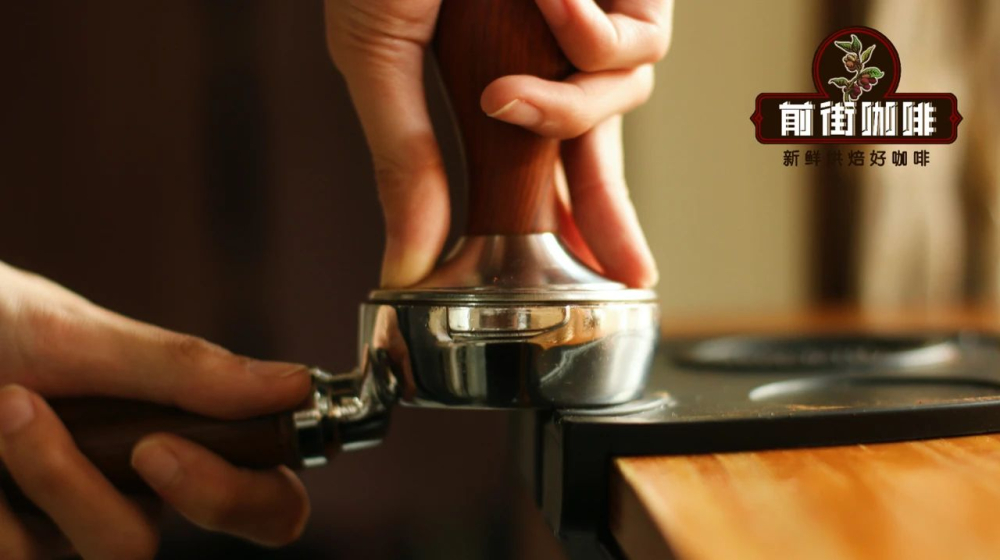
Americano vs Latte | Which tastes more bitter, Americano or Latte? What is the relationship between Americano, Latte, and Espresso?
Before figuring out questions like "the difference between Americano and Latte," "which coffee is less bitter, Americano or Latte," or "which tastes better, Americano black coffee or Latte," Front Street Coffee believes everyone first needs to understand what espresso is. What on earth is espresso? Espresso [more…]
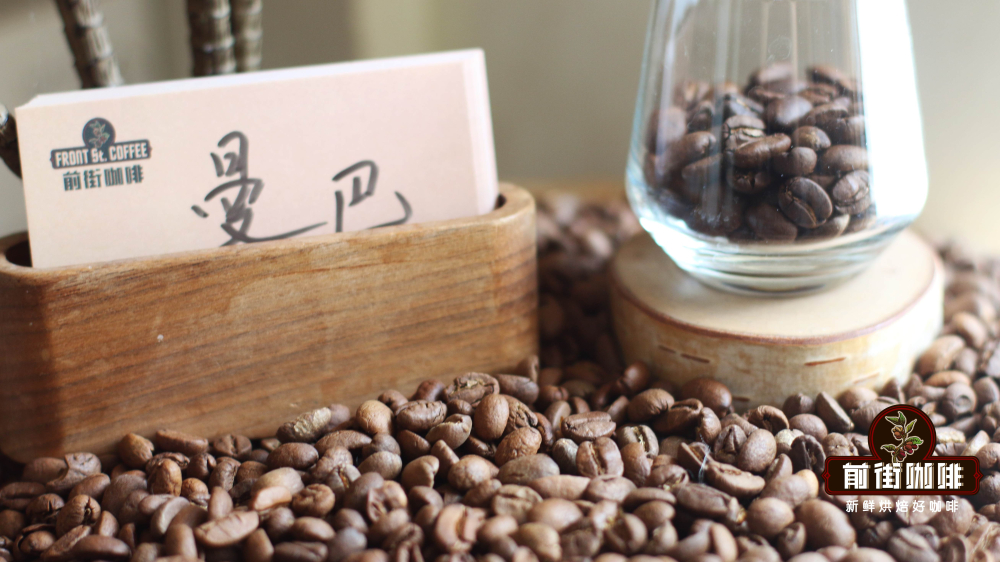
House Blend Coffee Beans Recommendation | Do Arabica Coffee Beans Determine the Flavor of Espresso Blends? How to Blend Espresso Beans and How to Choose Coffee Beans and What Is the Blending Ratio?
Front Street Coffee · The Art of Blending Coffee Beans and Espresso Blend Recipes Sharing. Blending coffee, also known as mixed coffee, is the practice of combining various single-origin coffee beans to fully bring out the strengths of each single-origin bean, blended beans. [more…]