







Search Results for: milk tea health

Universities and time-honored brands rush into wellness milk tea: what are the transformation paths and challenges for the milk tea industry?
When milk tea cup sleeves at Fudan University Medical School are printed with drug instructions, when Beijing University of Chinese Medicine adds ginger, cinnamon, dried tangerine peel, red dates, and goji berries to milk tea, and when Shanghai's time-honored Chinese medicine brand Tong Han Chun Tang uses "medicine and food homology" as a selling point to launch ginseng and peach gum milk tea, the milk tea category is undergoing a transformation attempt from "junk food" to "health drink." University cafeterias, Chinese medicine shops, and time-honored brands are all crossing over into the market, trying to reshape the image of milk tea with the concept of health. At the same time, milk tea brands are also making changes on the ingredient side, with fresh fruit and fresh milk replacing non-dairy creamer as selling points. However, news about milk tea on trending searches is repeatedly linked to food safety issues, and the road to transformation is not smooth. [more…]

China's first group standard for "Whole-Leaf Fresh Milk Tea" officially takes effect, further accelerating the health-oriented upgrade of new-style tea drinks.
In recent years, consumers' growing attention to beverage health has driven tea drink brands to continuously iterate toward natural ingredients and clean formulas. Against this backdrop, the group standard "Original Leaf Fresh Milk Tea," proposed by the Guangxi Tea Circulation Association and drafted under the leadership of Chagee (Shanghai) Brand Management Co., Ltd., was approved for release and implementation, becoming China's first group standard for original leaf fresh milk tea in the new-style tea beverage sector. The standard clearly defines the terminology and definitions of original leaf fresh milk tea, and sets specific requirements for raw material selection, production processes, storage conditions, and prohibited additives, marking another important step forward in the standardization of the freshly made tea beverage industry. [more…]

20-Year-Old Man's Blood Turns Milky White: Long-Term Replacement of Water with Milk Tea Drinks Triggers Health Warning
Recently, a 20-year-old man in Shandong who had long used drinks such as milk tea and cola instead of plain water to quench his thirst had a blood sample that unexpectedly showed a milky white, separated state, and he was diagnosed with lipemic blood. Doctors pointed out that milk tea is a high-calorie drink, and long-term excessive intake can lead to elevated blood lipids, increased blood viscosity, and even trigger blood vessel blockage and cardiovascular disease. What is worrying is that similar cases are not isolated among young people, and reports keep appearing on social platforms of young people facing health crises because of their addiction to milk tea. This sounds a warning bell for all milk tea lovers: it is urgent to reasonably control the intake of high-sugar, high-fat drinks and cultivate healthy eating and exercise habits. [more…]

The caffeine content in milk tea is not to be underestimated: one cup of milk tea may equal three cups of Americano, so sensitive individuals need to be cautious.
In recent years, milk tea has become a daily beverage for young people, but the caffeine content hidden within it is often overlooked. Some studies show that a single cup of milk tea may contain as much caffeine as three or more cups of Americano, and may even exceed the recommended daily intake. This article sorts out the sources of caffeine in milk tea, its health effects, and consumption tips, to help coffee enthusiasts and milk tea lovers make more rational beverage choices. At the same time, it also reminds readers to pay attention to the extra health burden brought by sugar and toppings. Whether you choose coffee or milk tea, only by understanding the ingredients can you drink with peace of mind. [more…]

North China Pharmaceutical Crosses into the Tea Beverage Sector: Herbal Formulas Plus Free Health Checkups, Franchise Model Hides a Distribution Trick
What kind of sparks fly when a well-known domestic pharmaceutical company starts selling milk tea? In mid-August this year, North China Pharmaceutical's tea beverage brand opened its first store in Shijiazhuang, marketed with "healthy water," "Five Elements secret formula," and "pure natural, zero additives," with basic drinks priced at only 7 yuan. Even more surprising, during the soft opening, customers could enjoy a comprehensive smart health checkup, with a robot testing 70 indicators across ten major systems and recommending corresponding drinks based on the results. First-day revenue was nearly 8,000 yuan, and business has remained so booming since then that takeout has been shut down. The brand has already begun preparing franchise materials and plans to officially open franchising next year, while franchise stores will also take on the distribution function for Huawei Health functional foods. So how exactly does this move work? Let's take a closer look. [more…]
Can Rooibos Tea Be Drunk Long-Term? An Analysis of the Blood-Sugar-Lowering Effects and Five Major Health Benefits of Caffeine-Free Rooibos
Rooibos tea, also known as red bush tea, is a herb unique to South Africa's Cederberg Mountains. Naturally caffeine-free, it has a smooth, sweet taste with nutty and vanilla notes. Rich in antioxidants and low in tannins, it is suitable for children, breastfeeding women, and daily long-term drinking. This article outlines the five major health benefits of rooibos tea, including research progress on antioxidant effects, anticancer potential, heart health, and diabetes prevention, and introduces its flavor characteristics and brewing methods. For coffee lovers interested in caffeine-free healthy beverages, Front Street Coffee also offers related product recommendations to help you easily enjoy this South African national treasure tea. [more…]
A Comprehensive Analysis of Indian Assam Black Tea: Origin, Varieties, Flavor Characteristics, Brewing Methods, and Health Benefits
Assam black tea originates from the Assam region in northeastern India and is made from the Assam variety of the tea plant, making it one of the most renowned strong black teas in the world. Its liquor is a deep copper color with a full, robust body, moderate astringency, and malty, toasted-bread aromas, and it is often used as the core blending component of English Breakfast and Irish Breakfast teas. Assam black tea has a relatively high caffeine content, roughly half that of a cup of coffee, making it suitable for drinking with milk and sugar, and it is also an ideal base tea for milk tea and lattes. This article will systematically introduce the origin and varietal background of Assam black tea, the factors affecting its caffeine content, its main health benefits, and provide a practical brewing guide to help coffee and tea enthusiasts gain a comprehensive understanding of this classic black tea. [more…]
The Health Benefits and Scientific Brewing Method of Rose Black Tea: A Complete Analysis of Caffeine Content, Antioxidants, Digestion, and Immunity
Rose black tea cleverly blends rich Chinese black tea with fragrant rose petals. It can serve as a gentle morning pick-me-up, a soothing afternoon relaxant, or a base for milk tea or lattes. This organic tea has a smooth taste and is enjoyable both plain and with a small amount of milk and sweetener. This article provides a comprehensive analysis of the factors affecting the caffeine content of rose black tea, such as tea variety, water temperature, steeping time, and floral ingredients, and details its health benefits in areas including antioxidant effects, improved digestion, energy enhancement, anti-inflammation, stress relief, vitamin C supplementation, and immune support. We will also share practical guides for hot brewing and cold brewing, and recommend related products from Front Street Coffee to help you better enjoy this beverage that combines floral fragrance and tea character. [more…]
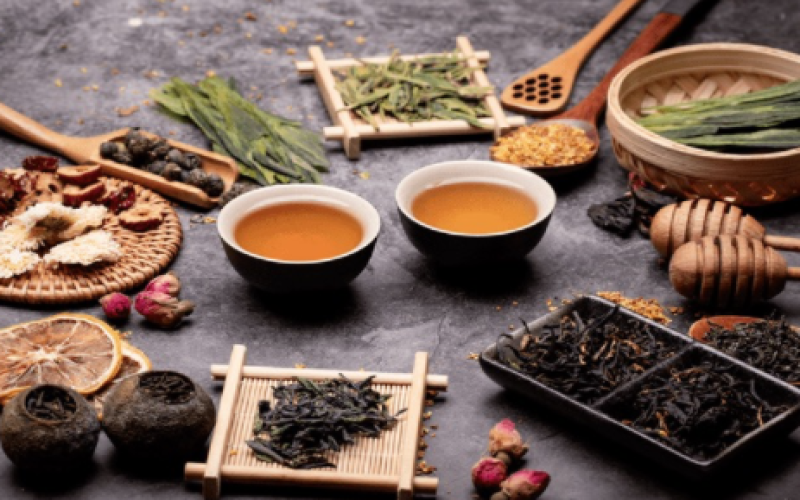
Young people spark a trend of herbal tea drinks, a new wellness lifestyle quietly emerges
In recent years, with the rise of the "national trend" culture, the "new Chinese-style" wellness concept has quickly gained popularity among young people. After saying goodbye to bad habits such as staying up late, smoking, and drinking, more and more young people are beginning to favor Chinese herbal medicinal diets and Chinese herbal teas. On social media, herbal milk tea frequently goes viral, and health teas dispensed by hospitals and herbal drinks launched by traditional Chinese medicine clinics through cross-sector collaborations are highly sought after. Data shows that over 70% of consumers are more willing to buy Chinese herbal teas and express satisfaction with their functional effects. Numerous pharmaceutical companies have entered the market, launching innovative products such as wellness coffee and herbal teas. However, experts also remind that although Chinese herbal teas are beneficial, they should be consumed in moderation, following the principle of "stopping once the illness is cured," to avoid counterproductive effects. [more…]

Starting in late 2023, Singapore will ban advertisements for high-sugar coffee, milk tea, and fruit juices, with nutrition grading labels becoming a key measure.
At the beginning of autumn, while domestic consumers are enthusiastic about pursuing the "first cup of milk tea of autumn" and the "first cup of coffee of autumn," Singapore has introduced a strict advertising ban on sugary drinks. Singapore's Minister for Health, Ong Ye Kung, announced at an event on August 11 that, in order to curb the high incidence of diabetes, starting from the end of 2023, drinks with relatively high sugar and trans fat content will be completely prohibited from advertising. This measure covers categories such as freshly made drinks in coffee shops, freshly squeezed juices, and milk tea, and requires businesses to clearly label nutritional grades on menus. Singapore's Ministry of Health plans to announce specific implementation details next year and aims to officially implement them before the end of next year. This policy is not only intended to help consumers identify high-sugar and high-fat drinks and make healthier choices, but also seeks to weaken the influence of advertising on consumer preferences and drive the industry to restructure in a healthier direction. [more…]
Why is Ceylon black tea mostly broken leaves? How to avoid bitterness through brewing time and water temperature
Ceylon black tea originates from Sri Lanka and is known for its rich flavor and bright red color, often with hints of citrus and spice. Many tea lovers find that the Ceylon black tea they bring home is broken-leaf, which is actually related to its positioning as a high-quality broken-leaf tea. Broken-leaf tea is more concentrated than whole-leaf tea and tends to contain more caffeine. When brewing, it is recommended to use boiling water and steep for 2 to 4 minutes; the longer the steep, the more caffeine is released. Ceylon black tea offers multiple health benefits, including improving digestion, reducing inflammation, boosting energy, preventing colds, relieving stress, and improving concentration. The Ceylon black tea recommended by Front Street Coffee is suitable for drinking on its own or pairing with milk to make lattes and milk tea. This article will provide a detailed analysis of Ceylon black tea's origin, caffeine content, health benefits, and proper brewing methods. [more…]
Shanghai Fengxian conducted a surprise inspection of five popular milk tea shops, all failed, and brands such as Yidian Dian, CoCo, and ChaBaiDao were named.
A trending topic about food safety in milk tea shops has sparked widespread concern: The Market Supervision Administration of Fengxian District, Shanghai, conducted surprise inspections of several well-known milk tea stores in Baolong Plaza, and the results showed that all five brands—Yidian Dian, ChaBaiDao, 7FenTian, CoCo, and XiongJi—had problems, involving incomplete health certificates, chaotic raw material management, and unsanitary operating environments. The incident quickly surpassed 500 million views, with netizens exclaiming, "I dare not drink it anymore." At the same time, the article also reviewed food safety cases in recent years involving Burger King, 85°C, IKEA, and others, reminding the food and beverage industry that it must strictly abide by operating standards. [more…]
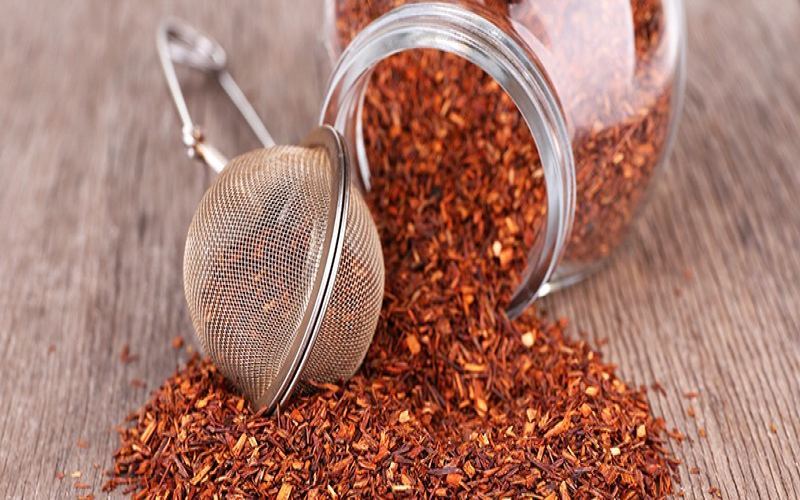
Which country ranks first in tea production in Africa? A detailed look at the flavors and health benefits of nine distinctive African teas
Africa is not only famous for coffee—its tea production is equally noteworthy. Kenya ranks as the world's third-largest tea producer and the leading tea-producing country in Africa. From anthocyanin-rich Kenyan purple tea to South Africa's unique rooibos and honeybush teas, and from North African mint tea to Ethiopian spiced tea, diverse tea traditions have emerged across the continent. This article profiles nine teas produced in Africa, covering their origins, production methods, flavor characteristics, and health benefits, helping coffee lovers expand their understanding of African beverages. Front Street Coffee will also recommend African teas worth trying. [more…]
Century-old Chinese medicine shop Tonghanchuntang enters the beverage industry, launching new attempts with health-boosting milk tea and coffee
In recent years, cross-industry ventures have become a popular trend, and even century-old traditional Chinese medicine shops are joining the beverage market. Following Tongrentang, Tonghanchun Tang, with a history of 237 years, has also tested the waters of national-style wellness tea drinks in Shanghai Yuyuan Mall, launching over 30 beverages including wellness teas, fruit teas, milk teas, sparkling water, and coffee. Among them, the wellness milk tea incorporates ingredients such as ginseng, goji berries, and donkey-hide gelatin, while the two wellness coffees focus on American-style black coffee and ginseng honey latte, priced between 20 and over 30 yuan, with the most expensive bird's nest product exceeding 100 yuan. Whether these time-honored brands can win consumer favor through innovation is worth watching. [more…]
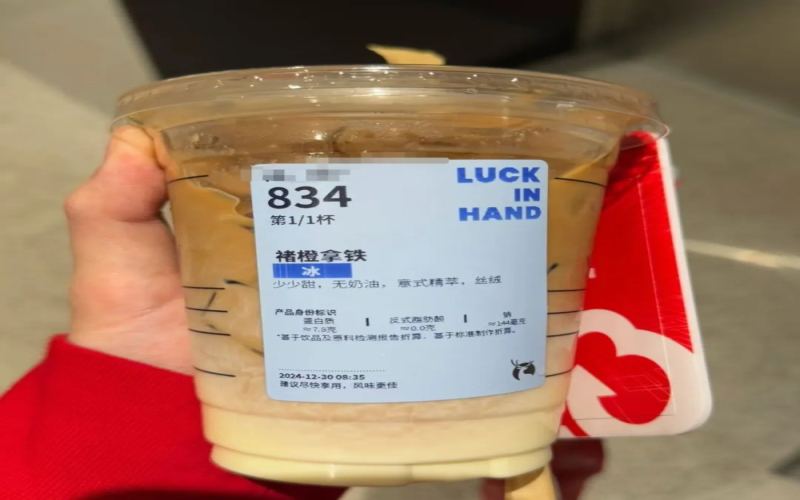
Luckin Employee Exposé on Additives in Flavored Drinks: Inside the Chain Coffee Syrup Mixing Scandal Sparking Heated Debate
Nowadays, more and more young consumers carefully study drink recipes and calorie data before placing an order, and brands have followed suit by introducing health labels that indicate caffeine, calories, and other information. Luckin recently joined this trend, but what seemed like a thoughtful move triggered an uproar after an internal employee's expose. The employee pointed directly at flavored lattes containing syrup, saying they contain large amounts of additives, and even advised health-conscious customers to avoid such products as much as possible. Once the post appeared, many Luckin workers chimed in, and consumers began to re-examine the cup of flavored coffee in their hands. What industry truth is hidden behind this? Should chain brands' syrups and modified milk really be viewed with caution? [more…]
How alarming is the rate at which milk tea makes you gain weight? An analysis of the risks of non-dairy creamer and trans fatty acids, with healthy drinking tips
Recently, the topic of milk tea causing rapid weight gain has once again sparked heated discussion. Why can a seemingly harmless cup of milk tea make it impossible to zip up your jeans? Some people have even been sent to the ICU due to long-term consumption. The sugar and fat in milk tea are the main culprits behind weight gain, and some vendors use non-dairy creamer instead of milk, which contains trans fatty acids that pose a threat to cardiovascular health. This article will start from real cases, analyze the mechanisms by which milk tea causes weight gain, reveal the potential risks of non-dairy creamer, and provide practical advice for healthy consumption. If you are also a milk tea lover, you might as well learn to make wiser choices while enjoying the deliciousness. [more…]

Costa ready-to-drink coffee's sugar content quietly climbs, experts criticize it as contrary to the healthy sugar-reduction trend
Coffee is often labeled as a healthy drink, but the sugar problem in ready-to-drink coffee cannot be ignored. According to the British Mirror, Costa, a brand owned by Coca-Cola, has been quietly increasing the sugar content in its pre-packaged coffee, with some products seeing a one-third rise in sugar compared to 2019. Experts point out that this move runs counter to the sugar reduction initiative promoted by the UK government. Meanwhile, countries such as Singapore have introduced measures to restrict advertising for high-sugar drinks, and Chinese consumers have also begun to pay attention to sugar and sugar substitute options in milk tea and coffee. The health risks behind a sweet drink deserve the attention of every coffee lover. [more…]
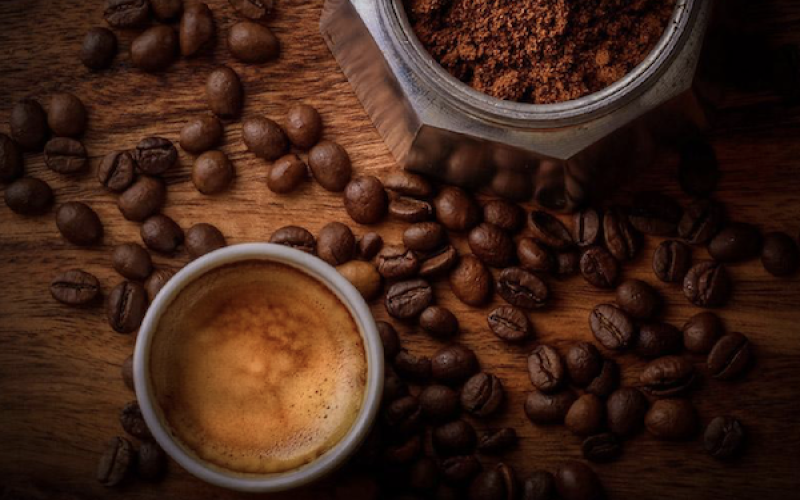
The Truth About Coffee and Health: A Full Breakdown of How Much to Drink, Who It Suits, and How to Add Milk
Coffee is a daily essential for many people, and opinions vary widely on its effects on the body. Dietitian Li Xingyu takes a scientific approach to break down five common questions one by one: Is black coffee really beneficial? Which groups of people need to limit their intake? What is the safe daily upper limit? Does adding milk to hot coffee affect health? Do dark-roasted coffee beans increase cancer risk? This article combines research data with professional advice to help you build proper coffee-drinking habits, while also recommending quality options from Front Street Coffee, so you can enjoy coffee with peace of mind. [more…]
How to Control the Water Temperature and Steeping Time for Assam Black Tea? Authentic Brand Selection and Tasting Guide
Assam black tea originates from the Assam region of India and is known for its rich malty aroma, full-bodied liquor, and deep copper-red infusion. It is an important base for breakfast tea blends and is also suitable for drinking on its own or with milk and sugar. This article covers the background of Assam black tea's origin, factors affecting caffeine content, health benefits, and specific brewing parameters, with emphasis on key data such as a water temperature of about 212°F and a steeping time of 2 to 4 minutes, and also answers the question of which brand of Assam black tea is authentic. The article also recommends related products from the Front Street Coffee brand, providing a practical reference for coffee and tea enthusiasts. [more…]

Warning from a 13-Year-Old Girl with 12 Cavities: One Milk Tea a Day Acid-Eroded Her Teeth into Plaster
The first cup of milk tea in autumn, the first cup of the school year—milk tea is seen by many young people as a source of happiness, but overindulging can bring serious health risks. Xiaoliu, a 13-year-old eighth-grade girl in Hangzhou, drank a cup of milk tea almost every night to stay alert due to study pressure, which ultimately led to severe cavities in all 12 of her teeth and a diagnosis of "dental erosion." Doctors point out that milk tea not only contains a large amount of hidden sugar, but long-term consumption can also worsen tooth demineralization and corrosion. This article will recount the course of the incident, analyze the causes and harms of dental erosion, and offer practical advice for milk tea lovers on protecting their teeth. [more…]