







Among the rich and mellow coffees, many people are deeply impressed by Indonesian Mandheling coffee. Indeed, the name Mandheling coffee is widely renowned, a typical representative of Asian coffee, and loved by many. Along with its fame, however, many people are drawn by its name but stop at its taste.
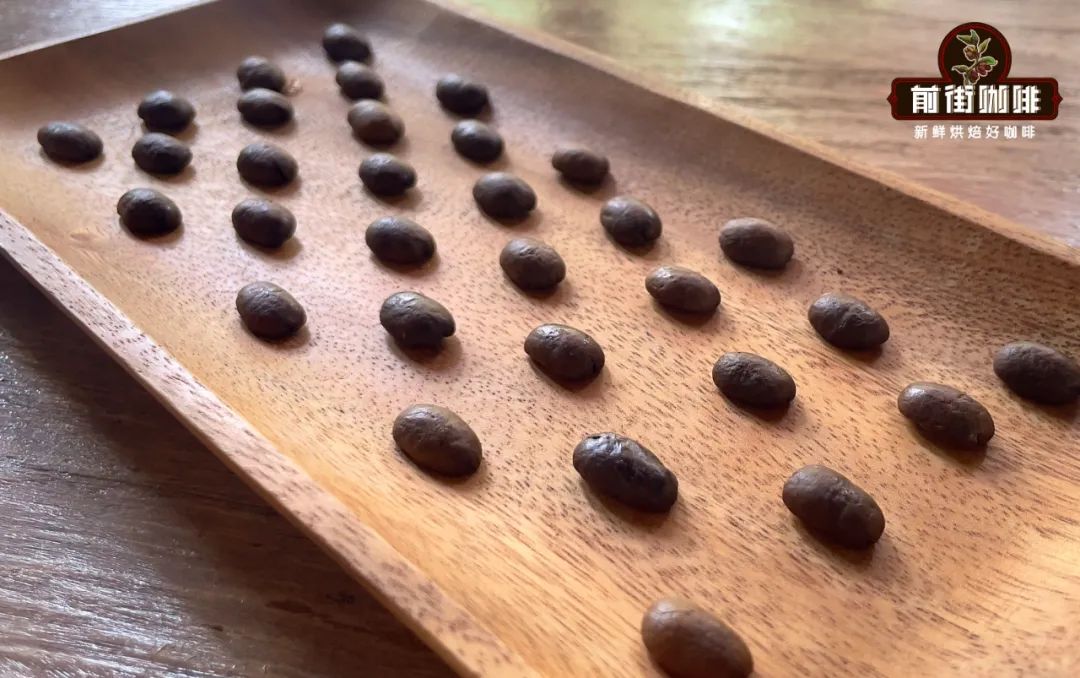
Why is that? Actually, as Front Street Coffee knows, Mandheling coffee is dark-roasted, and this type of dark-roasted coffee easily brews out bitterness. If the brewing parameters and techniques are not well mastered, the brewed Mandheling tends to be aromatic but not mellow, bitter but not smooth. So how should this type of bean be brewed to taste good? To brew a good cup of Mandheling, understanding everything from bean to cup is very important. Below is Front Street Coffee's experience sharing.
The key to brewing a good cup of coffee is knowing yourself and your coffee
Understanding the information about the coffee is crucial for brewing. Mandheling does not specifically refer to a bean variety, nor is it the name of a place of origin; it was a mistranslation of the sound of the Mandheling ethnic group (mandheling) who grew coffee, born from a twist of fate. Nowadays, Mandheling coffee generally refers to Arabica coffee beans from North Sumatra, Indonesia.
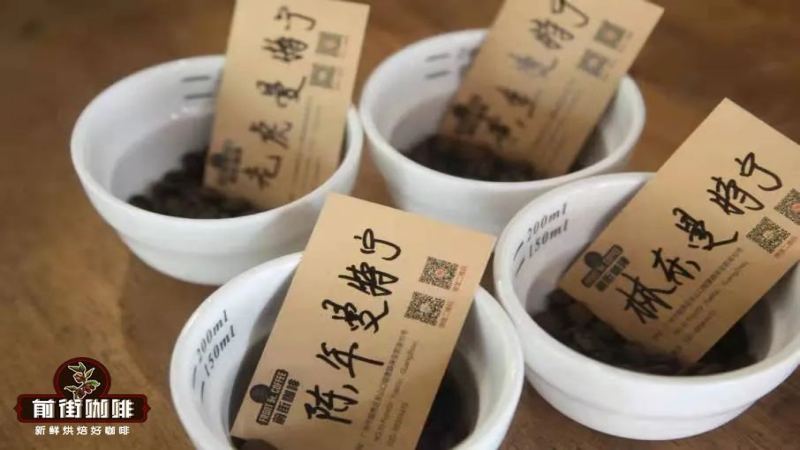
On Front Street's bean list, there are a total of four Mandheling coffees: Lintong Mandheling, Golden Mandheling, Tiger Mandheling, and Aged Mandheling. Below, Front Street will briefly introduce the differences between these four Mandheling coffees:
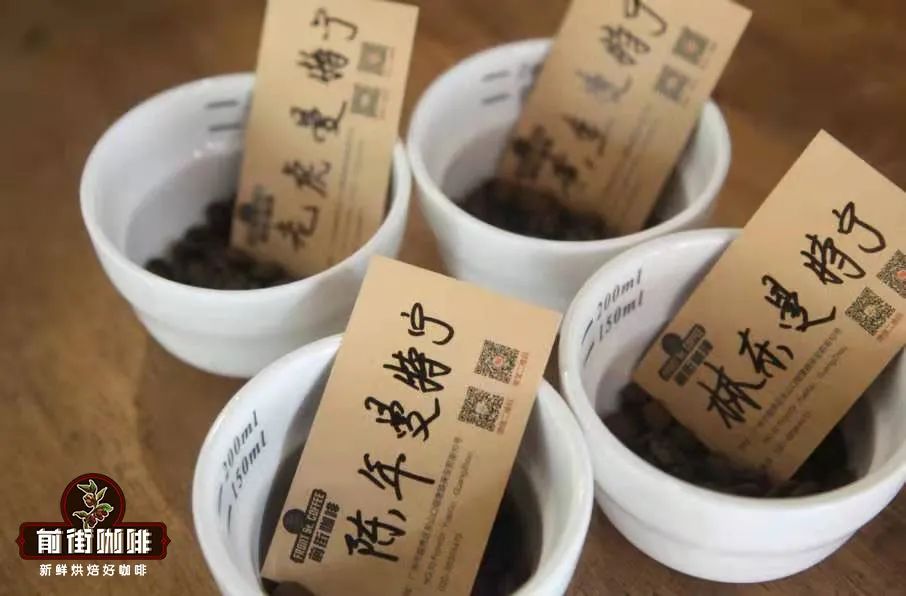
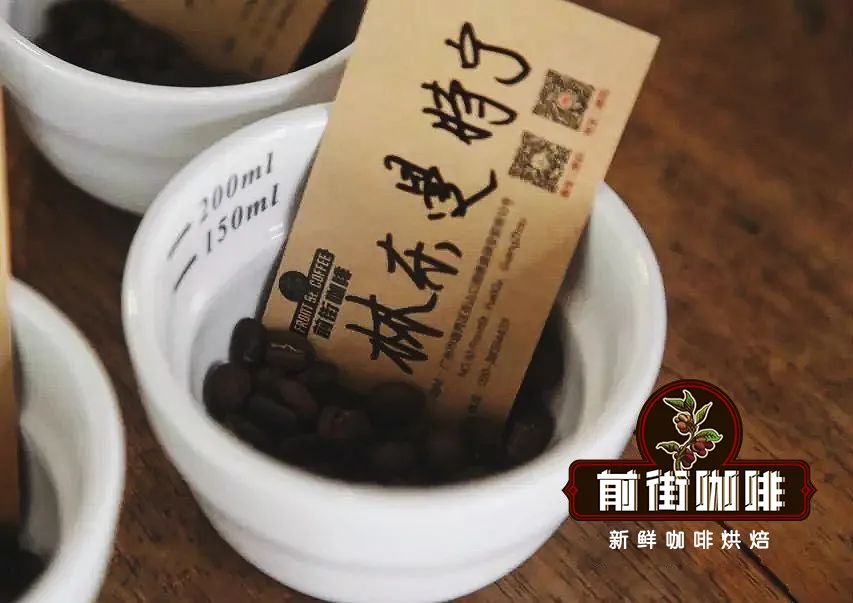
Lintong Mandheling: Mandheling coffee beans from the Lintong producing region, grade G1 (the highest grade in Indonesian coffee classification), able to express the basic regional flavor of Indonesian Mandheling coffee.
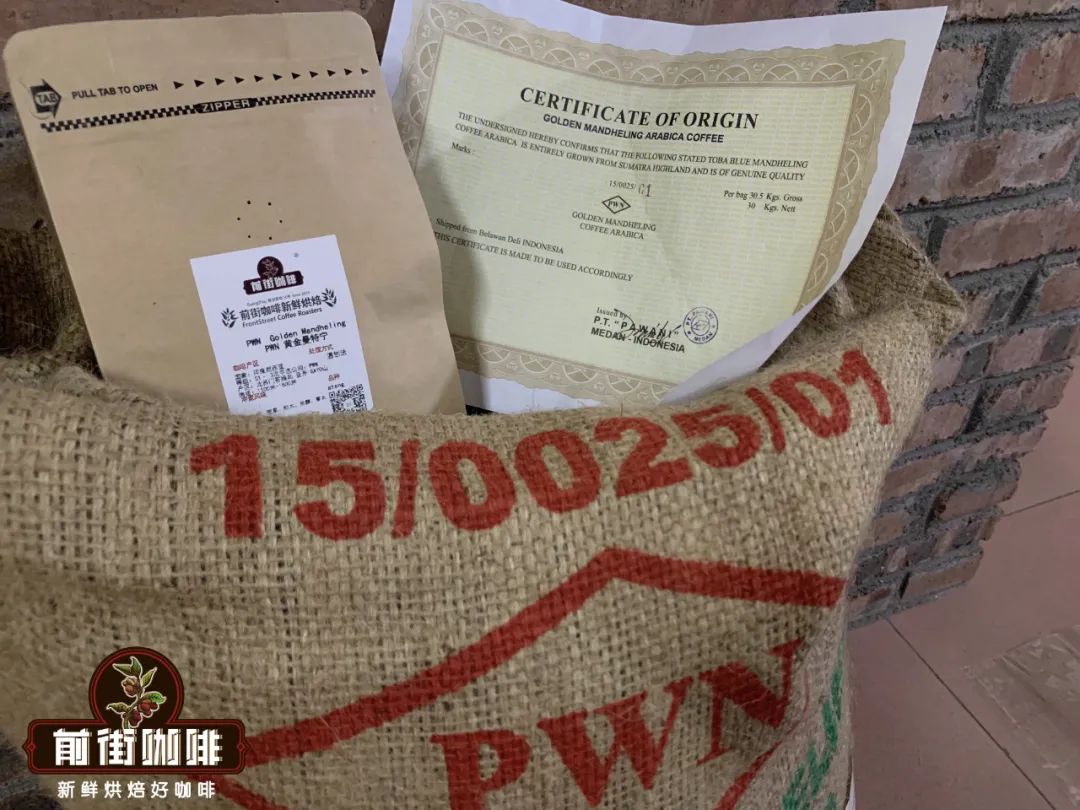
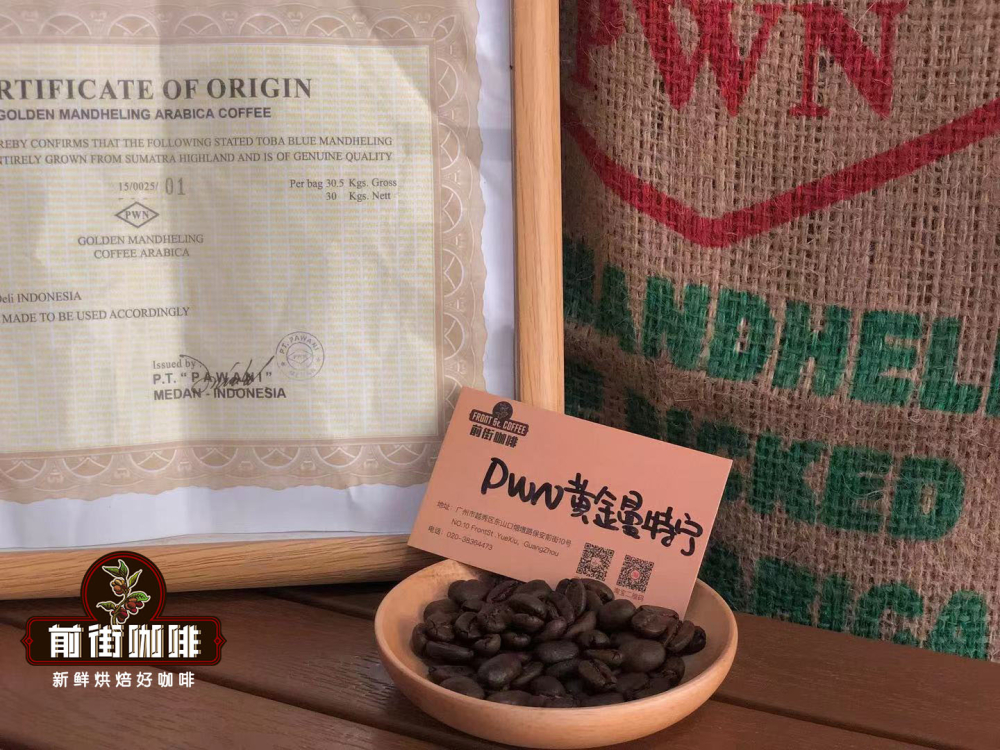
Golden Mandheling: A product of the Indonesian PWN coffee company (the Golden Mandheling trademark is owned by PWN). Imported Golden Mandheling green beans come with a PWN company certificate of authentication (to verify authenticity). Golden Mandheling coffee beans come from Mount Gayo in Aceh, grade G1, using a 3-time hand-sorting process, ensuring large, plump beans (19 screen) with few defects. It expresses a very clean and mellow mouthfeel with high sweetness — a high-quality Mandheling coffee.
Tiger Mandheling: From the area around Lake Tawar in Aceh Province. The requirement for Tiger Mandheling is a mouthfeel with the aroma of traditional Chinese herbal medicine, and a Mandheling with a defect rate below 4% at 17 screen and above. Therefore, it is also a high-quality Mandheling coffee bean.

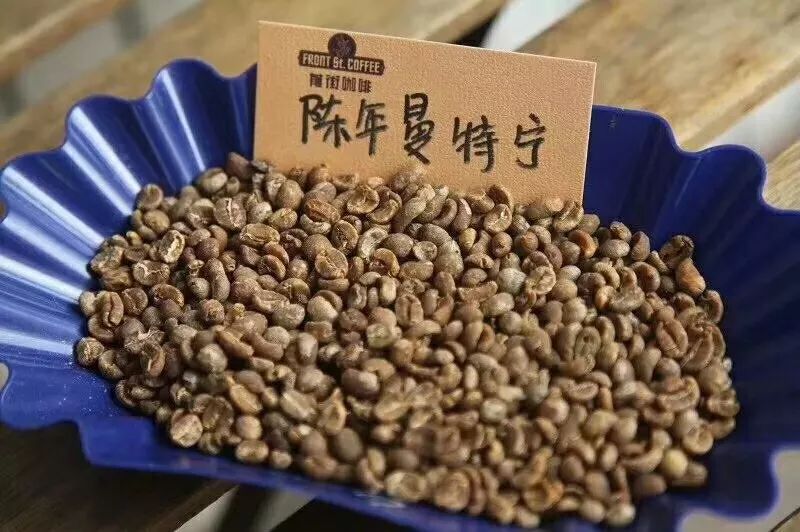
Aged Mandheling: It uses an aging process. Normally processed Mandheling coffee is then placed in a constant-temperature warehouse for 2-3 years of aging. After aging, Aged Mandheling's acidity becomes very soft, the caramel sweetness becomes pronounced, and the mouthfeel becomes rounder and easier to drink, just like ripe Pu'er.
Wet-hulling adds to the mouthfeel
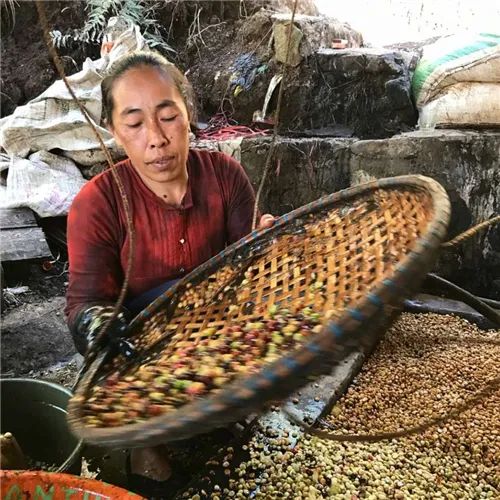
The wet-hulling method is a coffee processing method unique to Indonesia, and can be considered a processing method adapted to local conditions in rainy and humid Indonesia. The wet-hulling method first does wet processing, then dries the parchment-covered coffee beans to a semi-dry state, removes the parchment, and then dries them further. The benefit is greatly shortened drying time, which greatly reduces the acidity of the coffee beans, significantly increases the body, brings out a pronounced caramel aroma, and a slightly herbal, fresh aroma.
So how should Mandheling coffee be brewed?
Front Street's understanding of brewing Mandheling coffee is that it hopes to express a mellow and clean mouthfeel, highlighting caramel, chocolate, and its signature herbal aroma, and does not want Mandheling coffee to develop an unpleasant bitterness. Front Street will explain the choice of equipment and various important brewing parameters, using Golden Mandheling for the demonstration.
In choosing the dripper, Front Street chose the Kono Meimon dripper. The biggest feature of the Kono dripper is that the ribs extend from the bottom to the middle, while the upper part is a smooth dripper wall, so that when the filter paper fits the dripper, water cannot "secretly" bypass the coffee grounds and slip away, improving the mouthfeel and body.
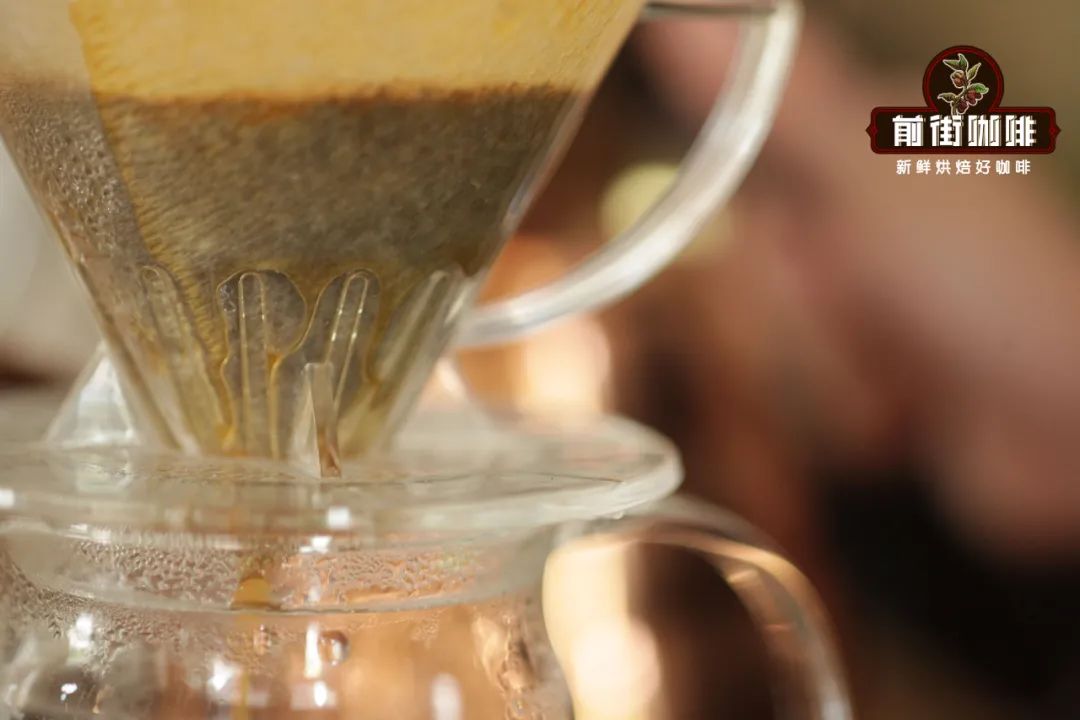
The dose Front Street uses is still 15g. More coffee powder is not necessarily better, nor is less necessarily better; it depends specifically on the dripper size. Front Street uses a 1-2 cup dripper, in which a dose of 15-20g is a reasonable brewing dose. Brewing with a dose outside this range can be somewhat difficult.
For the brewing coffee-to-water ratio, Front Street recommends using 1:15. Although some suggest using 1:13 or an even smaller coffee-to-water ratio, Front Street has pointed out in previous articles that concentration and body are not necessarily related. Moreover, too strong a brew can cause discomfort. Therefore, using a 1:15 coffee-to-water ratio can also well express Mandheling's mellow mouthfeel.
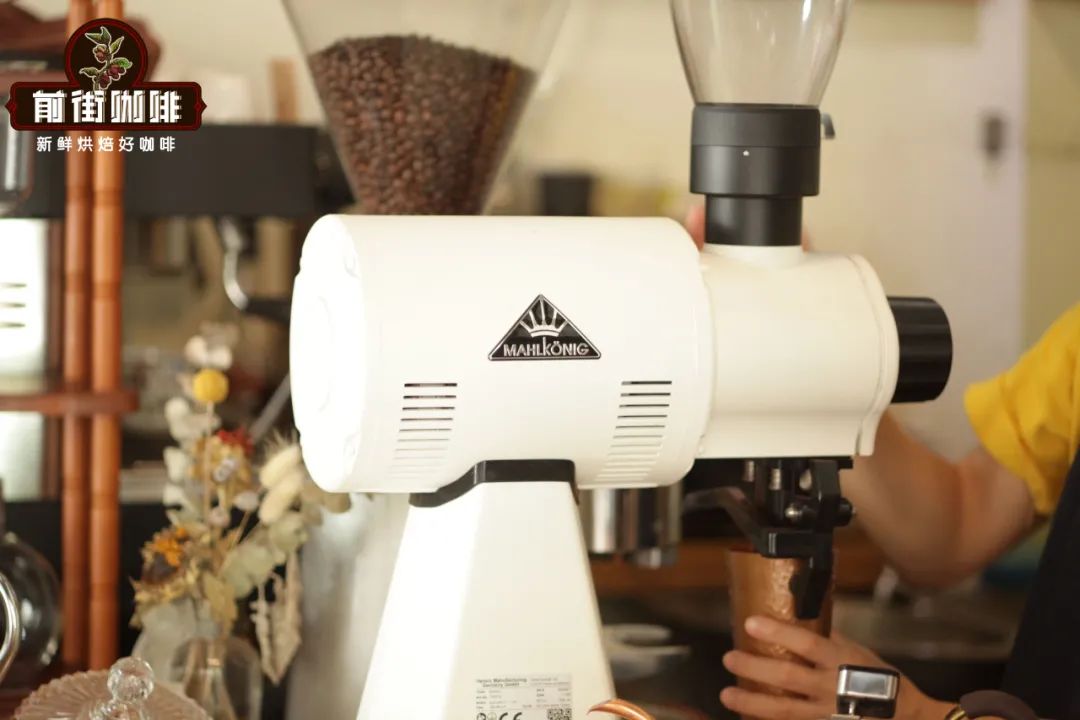
For the coffee grind size, Front Street uses a 70% pass rate through a No. 20 sieve. The grind size for brewing Golden Mandheling coffee should be a bit coarser than for light-roasted coffee beans, because Golden Mandheling uses a dark roast, and its structure is relatively loose, making it easier to absorb water and release coffee substances. If ground to the fineness of light-roasted beans, it easily brews out a burnt bitterness; if ground even coarser, the coffee becomes thin and tasteless, with a mouthfeel as thin as water.
For the choice of water temperature, Front Street recommends brewing at 87-88°C. For the same reason as with grind size, too high a water temperature easily produces burnt bitterness, while too low a water temperature makes the coffee bland and also produces an unpleasant stale sourness.
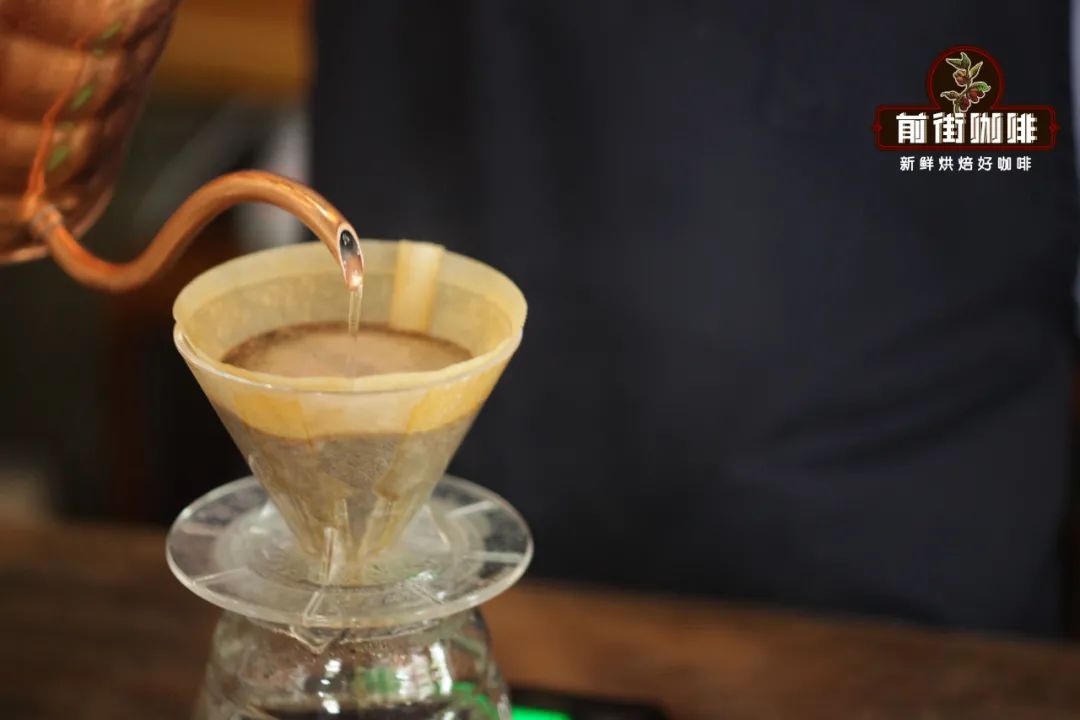
The brewing method uses a three-stage pouring method. Pouring in three stages can better express Golden Mandheling coffee's mellow mouthfeel and caramel sweetness. The specific distribution of the pouring amounts is: the first stage is the blooming pour30ml. This pour fully wets the coffee grounds and allows them to degas, so as to better extract the coffee's flavor substances afterward. The second stage pours100ml, and the final stage pours95ml, enhancing the coffee's sweetness and overall expressing a substantial, mellow mouthfeel, with caramel sweetness and chocolate, nutty flavors.
The above content is compiled by CoffeeHunters, a coffee news website.


