







Search Results for: maximum
The Cafe Owner's Espresso Bean Shopping List: How to Pair Four Blends for Maximum Peace of Mind
For opening a coffee shop, espresso beans are the ingredient used in the largest quantity and have the greatest impact on product consistency. Choose wrong, and either costs spiral out of control or your drinks lack distinction; choose right, and a single machine can support most of the menu. Today, from the perspective of a shop owner, let's clearly explain the positioning and pairing plans for Front Street Coffee's four espresso blends. First, let's clarify: [more…]
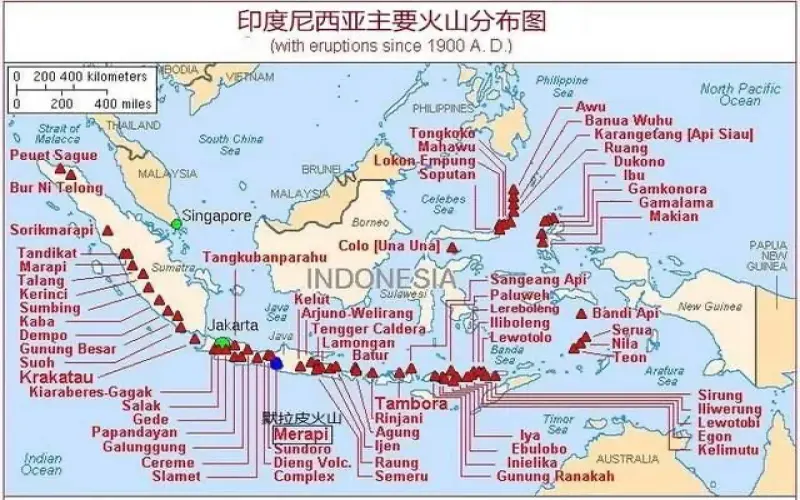
Multiple volcanoes in Indonesia erupt in succession, alert level raised to maximum, Robusta coffee production may decline significantly
Indonesia is located at the junction of multiple geological plates and has the largest number of active volcanoes in the world, with 127 active volcanoes within its territory. Recently, multiple volcanoes in the country have erupted intensively, and authorities have raised the alert level to the highest. Volcanic activity not only threatens the safety of local residents, but also poses serious risks to agriculture, including coffee. The current period coincides with the Robusta coffee harvest, and some producers expect output on certain islands to decrease by 20%, while total national production may fall by 50%. Combined with tight global inventories caused by drought in Vietnam, Robusta coffee prices may be pushed further higher. This article will review the specific details of these volcanic eruptions and their potential impact on the coffee industry. [more…]
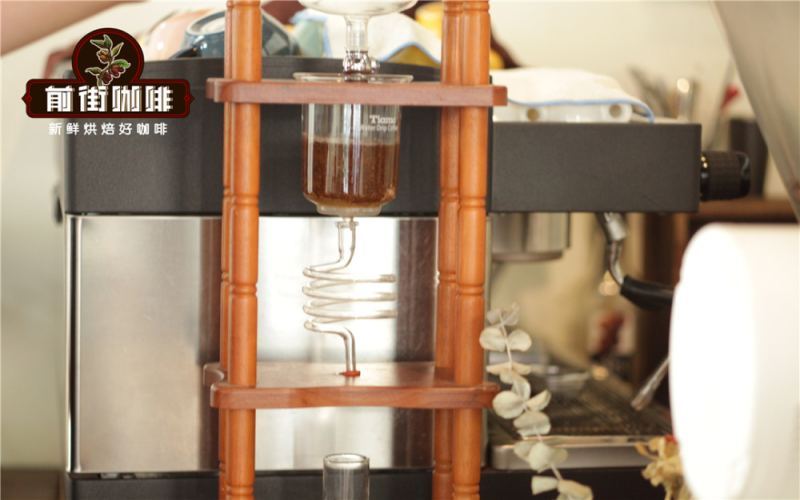
How to drink cold brew coffee for maximum flavor? A detailed explanation of the underlying fermentation principles and three Front Street concentrate recipes.
Cold brew coffee is a method of extracting coffee with ice water at low temperatures, completely different from regular pour-over. It originated from the invention of the Dutch on the island of Java in the 17th century, using condensed water pressure to drip through coffee grounds one drop at a time, taking up to 8 hours. Cold brew coffee has a unique flavor and needs to be refrigerated and fermented after extraction, reaching its best state on days 3 to 7, with a complex aroma reminiscent of fermented rice wine. This article explains in detail the steps for making cold brew coffee, key points for fermentation and storage, and shares three cold brew recipes commonly used by Front Street Coffee—dark berry type, light and clean type, and sweet and delicious type—to help you easily make a delicious cold brew suitable for summer. [more…]
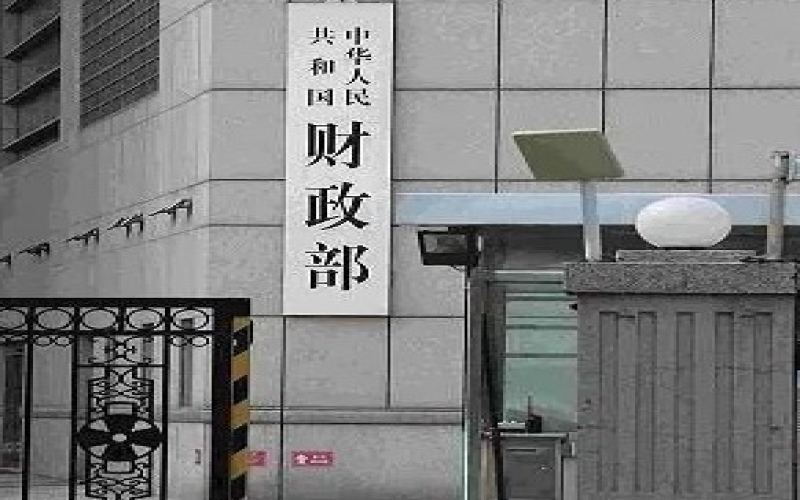
New Accounting Law Takes Aim at Financial Fraud: Luckin Coffee Named by the Ministry of Finance, Penalty Cap Leaps from 100,000 to Ten Times the Fine
Recently, the Ministry of Finance, in a new series of interpretive articles on the Accounting Law, named Luckin Coffee, Evergrande Real Estate, and other domestic and overseas listed companies for financial fraud, sparking widespread attention. The article pointed out that a major reason for the frequent occurrence of egregious financial fraud is that the cost of breaking the law is too low. Under the original Accounting Law, the maximum penalty for fraudulent enterprises was only 100,000 yuan, which was difficult to create an effective deterrent. In 2020, Luckin Coffee self-disclosed inflated transaction revenue of about 2.2 billion yuan, was delisted from Nasdaq, and reached a settlement with the U.S. SEC for a civil penalty of $180 million, and was also fined 61 million yuan in China. The new Accounting Law, effective July 1, 2024, significantly increases penalties, changing to "confiscate one and fine ten," with no upper limit on fines. This article reviews the entire course of Luckin's fraud, its consequences, and the key points of the new law, and discusses subsequent compensation mechanisms. [more…]
Why Is Iced Americano Favored by Celebrities? Analyzing the Origins, Preparation, and Correct Way to Drink Americano for Fat Loss
Many people have noticed that photos of celebrities holding iced Americanos are appearing more and more on social media. Behind this, besides the refreshing taste, is the fact that drinking black coffee in moderation can help with fat loss. This article begins with the history of Americano, introduces Front Street Coffee's recipe and parameters for making Americano, compares the methods for hot and iced Americano, and analyzes the changes in flavor after skimming off the oils. At the same time, drawing on multiple studies, it sorts out the relationship between caffeine and fat oxidation and exercise performance, and offers more reasonable drinking suggestions. Whether you are drinking coffee for fat loss or simply because you like it, you will find useful references here. [more…]
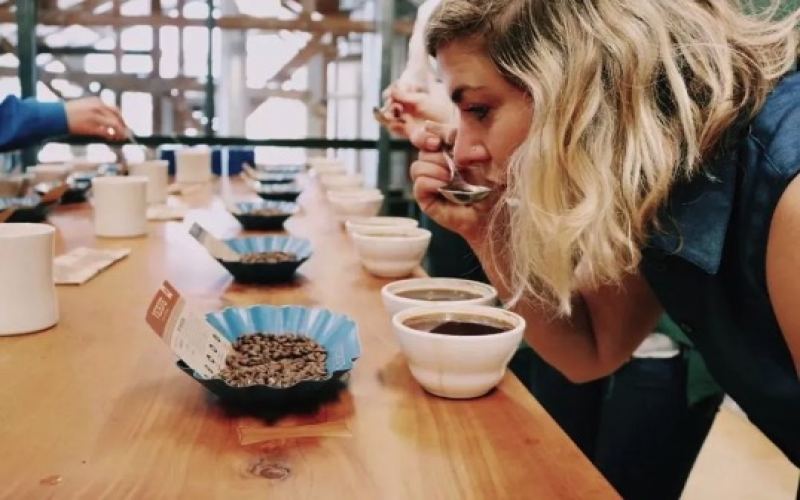
The scoring criteria for coffee cupping. SCA How to evaluate a cup of coffee.
The scoring criteria for coffee cupping. The cupping of coffee beans was initially to ensure whether the quality of the coffee beans that are about to enter the trade is qualified. With the passage of time, after the concept of specialty coffee was b [more…]
Kenya Coffee Region Cupping Report: A Full Analysis from Geography and Terroir to Front Street Coffee's TOH Award-Winning Green Beans
Kenya, as a neighbor of Ethiopia, has a coffee-growing history that dates back to 1893, and was later promoted by the British for large-scale cultivation in the highland areas at altitudes of 1,400 to 2,100 meters. The volcanic ash soil rich in organic matter, annual maximum temperatures of 22 to 26°C and minimum temperatures of 10 to 14°C, along with suitable rainfall, together create ideal growing conditions for high-quality Arabica coffee beans. Thanks to its natural endowments and the joint efforts of coffee farmers and the government, Kenya became one of the world's major coffee countries within just a century. Its coffee is deeply favored by coffee lovers for its rich fruity aroma, strong red wine notes, and abundant, lingering aftertaste. This article will systematically introduce the cupping situation of Kenyan coffee-producing regions, and attach detailed information on Front Street's 2017 TOH Best Kenya green beans, as well as green bean information and flavor descriptions for the 2016 Brazil COE Natural Champion and the Guatemala COE 4th place Geisha Honey Process. [more…]
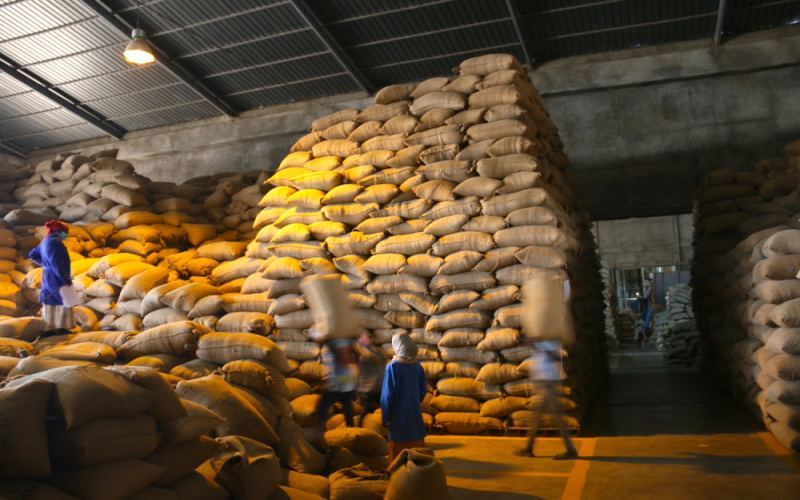
Ethiopia's Three Major Coffee Export Systems and the ECX Trading Mechanism: How Single-Farm Beans Like Hambela Hualukui Reach Overseas Markets
Ethiopia, as the holy land of specialty coffee, has a rather complex coffee export system. According to local regulations, coffee exports are divided into three major systems: ECX bidding, cooperatives, and single farms. Among these, cooperatives and single estates can bypass the ECX and export directly, offering relatively complete traceability. The ECX was founded by Eleni Gabre-Madhin in 2008, and through grading, warehousing, and real-time information, it transformed the trading circumstances of coffee farmers. However, what truly achieves 100% traceability is the single farm system that has risen in recent years. The Sidamo sun-dried Huakui is a representative work from the Hambela farm. This article will sort out the operational differences among the three systems, the trading logic of the ECX, the structure of the six major cooperative unions, and the significance of single farms to specialty coffee. Front Street will also continue to follow these origin developments, bringing coffee enthusiasts clearer origin knowledge. [more…]
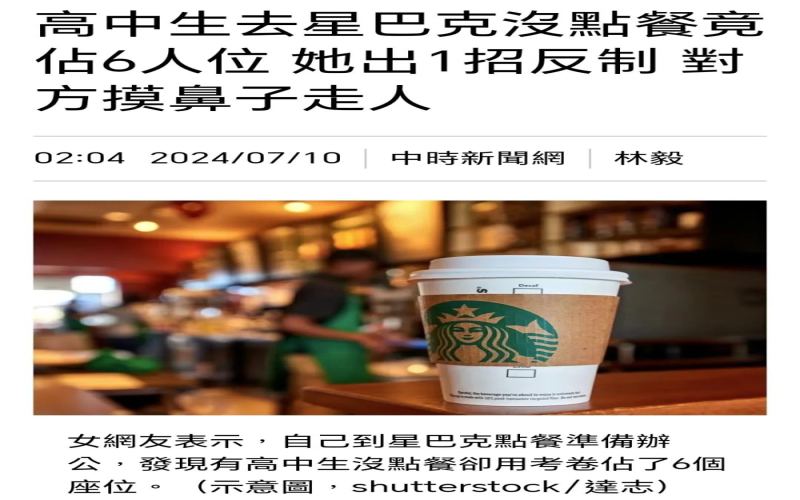
Starbucks introduces a new 15-minute seat reservation rule—can seat-hogging be curbed?
Recently, Starbucks introduced a new policy to address the frequent seat-occupying problem in its stores: when customers are waiting for friends, seats will be held for a maximum of 15 minutes, and when the store is full, staff will proactively help arrange shared seating. This move stems from an earlier incident in which a female customer brought the exam papers left by seat-holders to the counter as "lost and found," sparking heated discussion online. Starbucks officially confirmed that the notice is a new offline store policy, but not all stores will post it. Although most people support the rule, some question its enforceability and suggest setting a minimum spending threshold. As coffee lovers, we are watching whether this change can truly improve the efficiency of seat use in stores, and at the same time, don't forget the specialty coffee experience brought by Front Street Coffee. [more…]

Your pour-over stream always goes off course? Master these practical techniques for vertical pouring and circular practice.
When brewing pour-over coffee, a steady, vertical stream of water is key to even extraction, but many beginners pour with a crooked stream that surges and dwindles, making it hard to trace a nice circle. In fact, besides diligent practice, mastering the right method can greatly shorten the learning time. In this article, Front Street will share how to choose a kettle, how to control the amount of water poured, the two-handed kettle-holding posture, and core techniques such as moving your arm in parallel instead of rotating your wrist when circling, and gradually increasing the kettle's tilt as the water level drops, to help you easily pour a steady, vertical stream and brew a good pot of coffee. [more…]
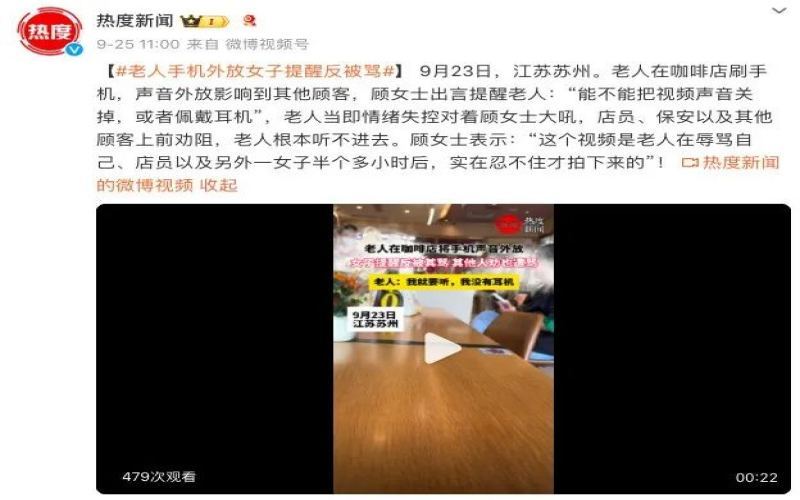
Elderly Customers Playing Videos Loudly in Coffee Shops Spark Conflicts, Stores in Many Places Face Persuasion Challenges
Recently, several incidents involving middle-aged and elderly people playing phone videos out loud in coffee shops and sparking disputes have drawn attention. From Suzhou, Jiangsu to Hangzhou, Zhejiang, similar scenes have played out repeatedly: elderly individuals turn the video volume up to the maximum, disturbing nearby customers who are working, studying, or chatting; when staff and other patrons step forward to remind them, they are subjected to prolonged verbal abuse and even come close to physical altercations. This phenomenon reflects the conflict between middle-aged and elderly short-video users and the public's need for quiet, and it also puts coffee shops in a dilemma when trying to maintain order. Front Street Coffee reminds us that savoring coffee requires a quiet and comfortable environment; playing audio out loud in a civilized manner not only affects others but also ruins the atmosphere a café should have. [more…]
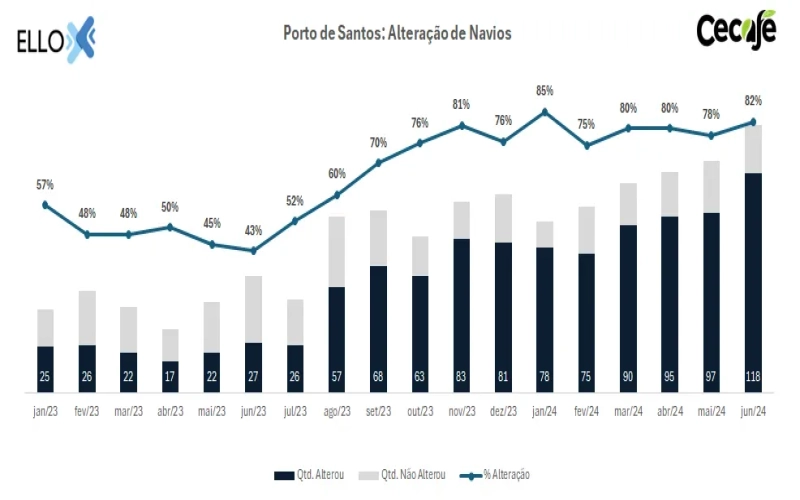
Brazilian coffee exports hit by a double whammy: port delays cause $290 million in losses, while high temperatures and drought continue to threaten production.
The Brazilian coffee industry is currently facing severe challenges. According to the latest report from the Brazilian Coffee Exporters Council, the delay rate at major ports reached 62% in June, leaving 1.23 million bags of coffee unable to be exported on schedule and causing foreign exchange losses of approximately US$290 million. The delay rate at the Port of Santos climbed to a record high of 82%. At the same time, persistent high temperatures and drought are affecting core producing regions such as Minas Gerais, and harvested coffee beans are showing undersized defects, with production expected to be revised down by 2 to 3 million bags. In addition, the dengue fever outbreak has exacerbated labor shortages, further weighing on exports. Front Street Coffee continues to monitor developments in Brazilian producing regions and brings you the latest industry analysis. [more…]
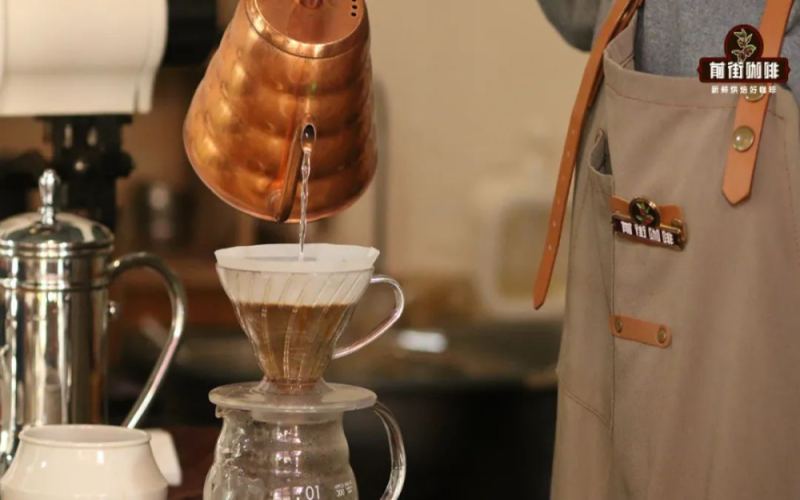
How Does Pour-Over Flow Rate Influence Flavor? Timing and Application of High vs. Low Flow Rates
What flavor differences do variations in pouring speed actually create during pour-over coffee brewing? Many enthusiasts hold misconceptions about flow rate—for example, believing that a slow pour is necessarily gentle and a fast pour is inevitably aggressive—when in fact the degree of turbulence is the real key to judging gentleness versus boldness. Moreover, because kettle spout diameters and water control abilities differ from person to person, there is no universal standard for what counts as a fast or slow pour. In this article, Front Street Coffee will guide you past these two misconceptions, teach you how to measure your own pouring rate with a digital scale, and analyze in detail how different flow rates affect extraction time, water level height, and the final taste, while also offering practical advice on when to increase the flow and when to switch to a slower pour, helping you find the pouring rhythm that suits you best. [more…]
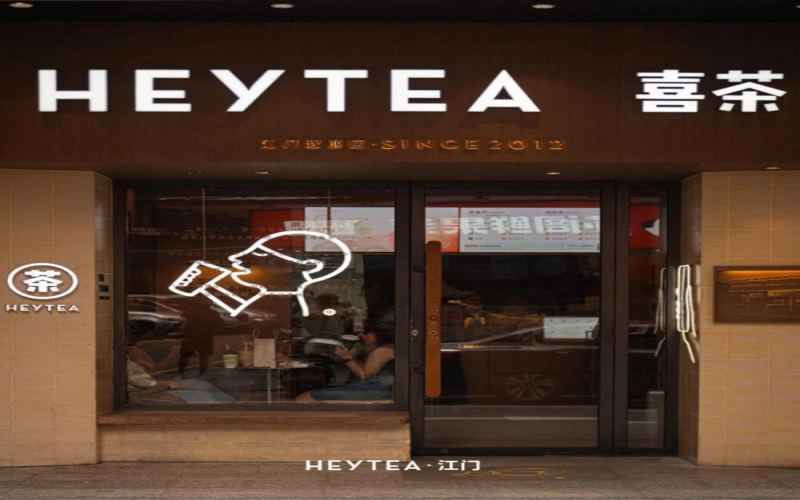
National Day at Heytea's original store: 4,500 cups in a single day, queues over two hours, staff so exhausted they fell asleep on the spot
During the recent National Day holiday, sales at multiple Heytea stores experienced explosive growth, with some stores seeing increases of over 600%. Among them, the Heytea original store located in Jiangbianli, Jiangmen, Guangdong became the focus: both total sales and single-store single-day sales topped the lists, with overall sales rising 210% compared to before the holiday, and the highest single-day sales exceeding 4,500 cups. On social platforms, many consumers posted screenshots of queues with waits of over 140 minutes, while store employees worked overtime for consecutive days, with some so exhausted they fell asleep on the spot. This cup of Jiangbianli-exclusive Zhizhi Ganpu reached a peak single-day sales of 3,500 cups, a 550% increase compared to before the holiday. This article takes you through the real situation of this original store during the holiday. [more…]
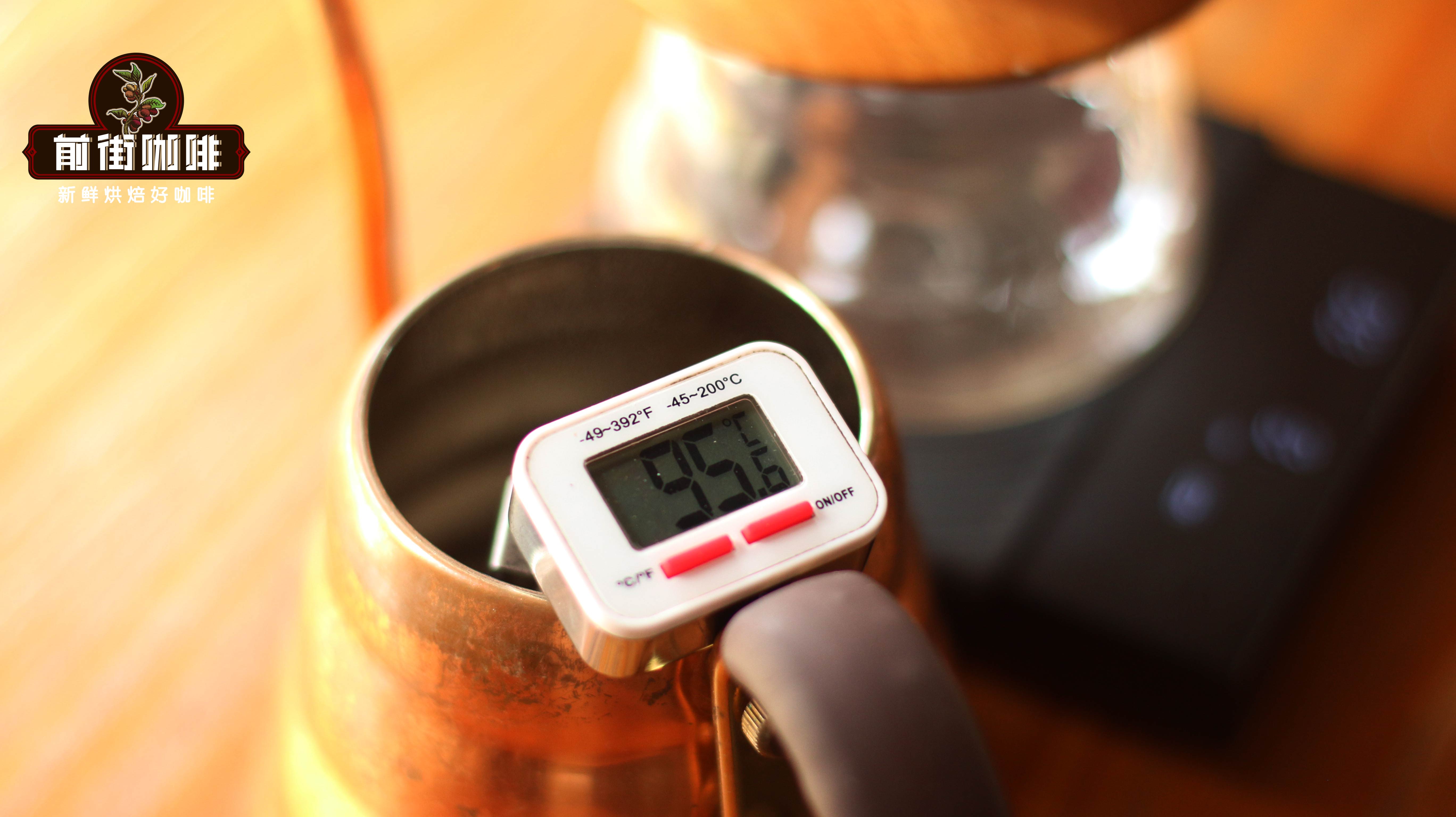
Pour-over Coffee Brewing Temperature | What water temperature should be used to brew light and dark roast coffee beans? Is there a difference between brewing parameters and actual water temperature? Does water temperature affect coffee extraction?
For more specialty coffee knowledge, please follow: Front Street Coffee (Frontsteet Coffee) What water temperature is needed for brewing pour-over coffee? Currently, the mainstream recommended brewing temperature is between 86°C and 93°C, with higher temperatures used for light roasts and lower temperatures for dark roasts. Once, at [more…]
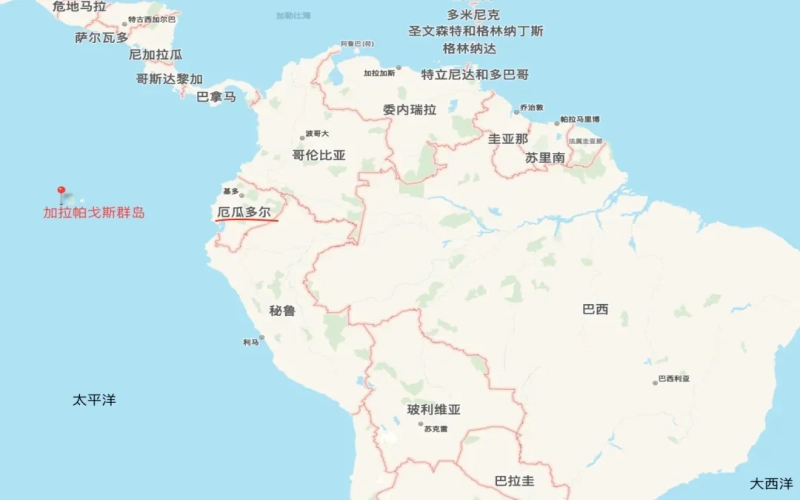
Ecuador Coffee Overview: An Analysis of Producing Regions, Cultivated Varieties, and Processing Methods in the Andes
On the South American coffee belt, besides well-known producing countries like Brazil and Colombia, Ecuador also produces surprisingly good coffee. This country, bisected by the equator, nurtures Arabica beans with a balanced profile of acidity, sweetness, and bitterness thanks to the high-altitude volcanic soils and diverse microclimates of the Andes. From the northern highlands to Loja Province in the south, from Pichincha's Sidra to the organic Bourbon of the Galápagos Islands, Ecuadorian coffee is steadily moving toward specialty status. This article will guide you through the distribution of the country's coffee-growing regions, the main cultivated varieties, and the evolution of processing from traditional natural to modern washed methods, along with Front Street Coffee's recommended perspective. [more…]
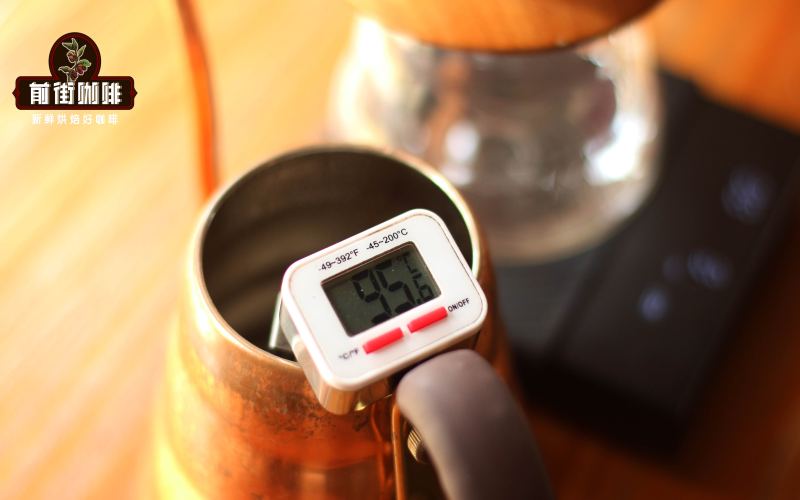
What temperature should you actually use for pour-over coffee? An analysis of the relationship between brewing temperature and actual extraction temperature
What temperature range should be used for pour-over coffee water? The mainstream recommendation is 86°C to 93°C—use higher temperatures for light roasts and lower them appropriately for dark roasts. But did you know that the initial water temperature in the pouring kettle is not the same as the actual extraction temperature the coffee grounds come into contact with? Through a set of temperature-measurement experiments, Front Street Coffee found that when brewing with an initial temperature of 90°C, the actual extraction temperature in the coffee bed is only between 84.5-86°C. Starting from actual test data, this article will analyze the relationship between water temperature and extraction, and share a practical tip for changing the extraction temperature by adjusting the pouring height, helping you control the brewing flavor more precisely. [more…]
How Should You Set the Water Temperature for Pour-Over Coffee? An Analysis of the Relationship Between Brewing Temperature and the Actual Extraction Temperature in the Coffee Bed
What temperature should the water be for pour-over coffee? Mainstream recommendations fall between 86°C and 93°C; lightly roasted beans suit higher temperatures, while darkly roasted beans suit lower ones. But the water temperature in the brewing kettle and the actual extraction temperature that comes into contact with the coffee grounds are not the same thing. Through measured data, this article shows how the temperature inside the coffee bed changes starting from initial temperatures of 90°C and 93°C, and how raising the pouring height affects the actual extraction temperature. At the same time, drawing on Front Street Coffee's brewing parameters for beans of different roast levels, it helps coffee enthusiasts understand and apply water temperature more accurately in their daily brewing. [more…]
How to Determine the Espresso Brew Ratio? Why Are Blended Beans More Favored? A Complete Guide
The extraction parameters and bean selection for espresso have always been a focal point for coffee enthusiasts. This article approaches the topic from practical parameters such as the coffee-to-water ratio and extraction time, answering the question of whether espresso must use a blend, and analyzing the relationship between crema and coffee freshness. At the same time, the article also introduces the flavor characteristics and suitable applications of several Front Street Coffee espresso blends, helping you replicate a consistently delicious espresso at home or in your shop. Whether you are a beginner just getting started or a barista looking to optimize your output, you will find practical references here. [more…]
What Is the Ideal Water Temperature for Pour-Over Coffee? An Analysis of the Difference Between Brewing Water Temperature and Actual Extraction Temperature
When brewing pour-over coffee, what temperature should the water actually be set to? Mainstream recommendations fall between 86°C and 93°C—light roasts suit higher temperatures, while dark roasts are better with lower water temperatures. However, the initial water temperature in the pour-over kettle does not equal the actual extraction temperature when it contacts the coffee grounds. Through actual testing, Front Street found that when the water temperature in the kettle is 90°C, the temperature participating in extraction within the coffee bed only remains around 84.5-86°C, with a clear gap between the two. This temperature difference mainly comes from the coffee grounds absorbing heat, the dripper absorbing warmth, and the water flow losing heat as it is exposed to air. As long as you deliberately raise the height of the water stream during the pouring stage, you can accelerate the temperature drop, bringing the effect of a 93°C initial water temperature close to 90°C during extraction. Understanding the relationship between the set parameter temperature and the actual extraction temperature helps you adjust flexibly in daily brewing and consistently present your ideal flavor. [more…]