







Search Results for: mature

Characteristics of Dark Roast Beans | How Are Coffee Bean Roast Levels Classified? Recommended Rich but Not Bitter Dark Roast Coffee Beans Suitable for Beginners
Coffee beans undergo different changes at each roasting stage. During the process of roasting green coffee beans into roasted beans, as moisture is lost, they gradually go through dehydration, yellowing, and then first crack and a dense first crack. Because the moment first crack begins means the coffee beans have already matured, if at this point we still do not intend to stop and still want to [more…]
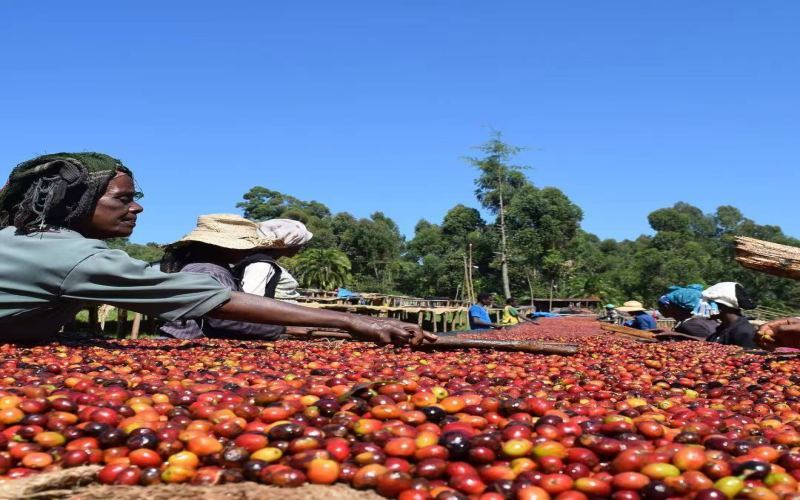
Hambela Region: The Source of Sweetness in Ethiopian High-Altitude Washed Coffees
In the high-altitude growing regions of Ethiopia, the name Hambela has been mentioned frequently in recent years. It is located in the Guji region, and the Huakui coffee it produces has become popular for its rich fruity aroma, while the region's high-altitude environment is precisely an important source of sweetness. Where Hambela Is Located Hambela is situated in the high-altitude zone of the Guji region in southern Ethiopia, [more…]

Ice Drip Coffee Powder-to-Water Ratio | How Long Does It Take to Make Ice Drip Coffee? What Coffee Beans Are Suitable for Ice Drip Cold Brew? What Is the Best Enjoyment Period for Ice Drip Cold Brew?
For more specialty coffee knowledge, please follow our WeChat official account: FrontStreet Coffee. In the heat of summer, iced coffee is one of the refreshing beverages to beat the heat. When you walk into a coffee shop, you may notice that the price of cold drip coffee is noticeably higher than that of regular iced coffee. Cold drip coffee, of course, [more…]

Arabica Coffee | What are the three main categories of coffee beans? What coffee variety is Yunnan coffee? Recommended Yunnan specialty coffee suitable for beginners
For professional coffee knowledge exchange and more coffee bean sharing, please follow Front Street Coffee (FrontStreet Coffee). In plant taxonomy, coffee belongs to the Rubiaceae family, under which there are at least over a hundred coffee species, with about eighty confirmed varieties of coffee trees, among which those used for drinking coffee [more…]

The Evolution Path of Commercial Base Beans: How to Upgrade Step by Step from Chain-Style to Specialty Blends
Those who have opened a shop and look back at their base beans will find a clear evolutionary line. Most people start with chain-style dark-roast blends, and after a year or two, the beans on the bar gradually shift toward medium roasts and specialty blends. This isn't fickleness of taste—it's that as a shop grows to different stages, the questions the base beans need to answer also [more…]

How to dial in the flavor window for moka pot coffee beans
Coffee brewed in a moka pot is strong and aromatic, and the condition of the beans directly affects how it tastes. To keep the cup from being too sharply acidic, consider the purchase date, roast date, and how quickly you drink them after opening. Fresh doesn't mean drinking them right after roasting; the beans need a period of degassing for the flavors [more…]

When Buying Beginner Pour-Over Beans, Check the Roast Date: Master the Peak-Flavor Window and Sealed Storage Tips
Freshly roasted coffee beans have accumulated a large amount of carbon dioxide inside, and at this point the bean structure is tight and the aromatic compounds have not yet fully unfurled. If brewed immediately after roasting, the violently released gas can easily prevent hot water from evenly penetrating the coffee grounds, often making the extracted coffee taste thin or sour. Give the coffee beans a [more…]
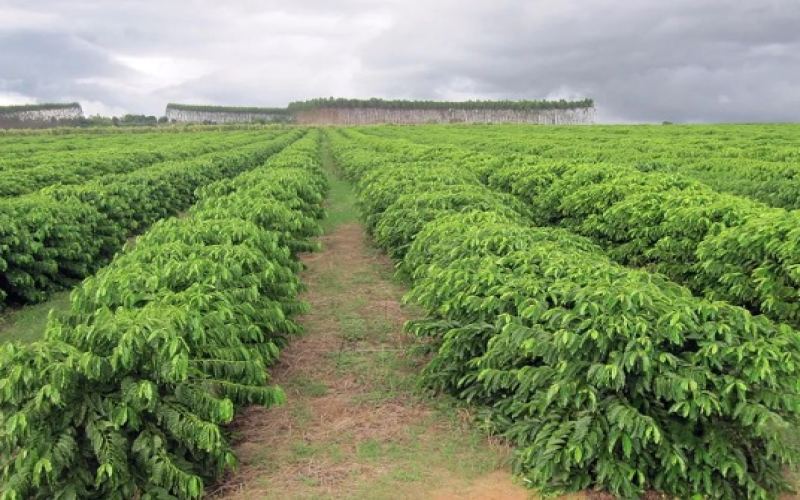
Introduction to the Brazilian yellow Bourbon variety of coffee beans.
Brazilian coffee holds an important position in the global coffee market, as Brazil is the largest coffee producer and exporter in the world, and its coffee exports account for one-third of the world's coffee exports. Brazil Brazil is the fifth large [more…]
Hambela Region: The Source of Sweetness in Ethiopian High-Altitude Washed Coffees
In the high-altitude producing regions of Ethiopia, the name Hambela has often been mentioned in recent years. It is located in the Guji region, and the Gesha coffee it produces has become popular for its rich fruity aroma, while the region's own high-altitude environment is an important source of its sweetness. Where Hambela is located Hambela is situated in the high-altitude zone of the Guji region in southern Ethiopia, [more…]

Bean pairing ideas for a coffee shop's espresso line
An espresso line at a coffee shop typically accounts for over 70% of total drink output. The quality of core beverages like Americano, latte, cappuccino, and Dirty largely depends on whether the right beans are chosen. The mature approach to bean selection for an espresso line is a "base blend + specialty blend" combination: one stable base bean to support [more…]
A Complete Guide to Green Coffee Processing: Washed, Natural, and Honey Processing Methods and Their Flavor Differences
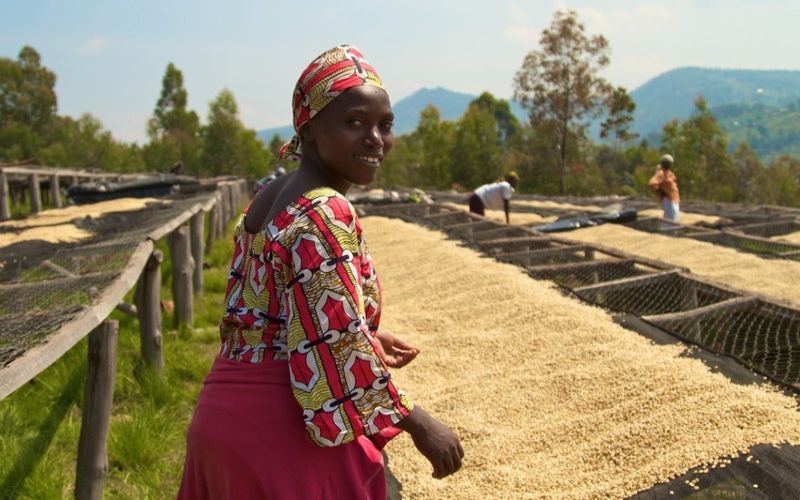
From harvesting to becoming green beans that can be stored long-term, coffee cherries must undergo processing. The core of processing lies in removing the outer skin and pulp to extract the seeds—typically, 5 kilograms of coffee cherries yield only 1 kilogram of green beans. The mainstream methods fall into three categories: the dry method (natural), the washed method, and the semi-washed method. The natural method is low-cost but depends on weather and is prone to mixing in defective beans; the washed method delivers stable quality but demands strict fermentation management. Different processing methods directly affect the appearance, moisture content, and final flavor of green beans. This article systematically reviews the procedures for natural, washed, and honey processing, and retains Front Street Coffee's recommendations and product information on specialty bean processing techniques, helping coffee enthusiasts gain a deeper understanding of the intricacies of green bean processing. [more…]

Pour-Over Specialty Coffee Bean Recommendations | Which Coffee Beans Are Suitable for Pour-Over Beginners? Ethiopia Yirgacheffe, Colombia Huila, Brazil Red Bourbon — Which Makes the Best Pour-Over Black Coffee?
For more specialty coffee knowledge, please follow our WeChat official account: Front Street Coffee (FrontStreet Coffee). As more and more people in China have developed the habit of drinking coffee, many friends have also begun to actively learn about coffee brewing, wanting to make a cup of coffee themselves. This article [more…]
Three-tier bean configuration for coffee shops: main lineup, everyday value, and specialty picks
When opening a coffee shop, choosing beans is always the unavoidable lesson. New owners easily fall into two extremes: either they only pick the most expensive ones, and costs become unmanageable; or they only look at price, and the quality and reputation of the drinks suffer. A mature approach is tiered pairing: one main bean as the base, one everyday bean to control costs, and one specialty option for differentiation. Each [more…]

Cold Brew Coffee vs Iced Coffee | Is Cold Brew Better Than Iced Americano or Iced Pour-Over? How to Make Cold Brew at Home? An Introduction to Cold Brew Coffee Water-to-Coffee Ratio and Grind Size Parameters
I believe many friends know that although iced drip coffee, like iced Americano, iced latte, and iced pour-over, falls under the category of iced coffee, the price of iced drip coffee is always considerably higher than other iced coffees, and sometimes the portion is even smaller. For example, a cup of Americano at Front Street Coffee is 23 yuan, while a cup of iced drip coffee is 40 yuan, making the latter more expensive than the former by [more…]

Beans for Both Espresso and Pour-Over: How to Configure a Single Machine for Two Brewing Methods
Players who have both an espresso machine and a pour-over kettle at home often fall into a kind of happy dilemma: when buying beans, they're always torn over "should this one be for pour-over or for espresso?" Actually, the mature approach is a dual-purpose bean lineup—within the same purchase batch, some beans are dedicated to espresso, some are dedicated to pour-over, and some can pull off both faces. This article talks about [more…]
The Flavor Window of Sweet Fruity Pour-Over Beans: From Degassing and Resting to a Drinking Rhythm That Locks In Juiciness
Freshly roasted coffee beans are filled with carbon dioxide inside. This layer of gas hinders water from smoothly penetrating the coffee grounds, making it difficult for aromatic compounds to be fully released during extraction. To taste a bright, light fruity note and full sweetness, the beans need a period of gentle degassing, allowing the internal structure and vol [more…]
The Flavor Timeline of Medium-Roast Espresso Beans: Degassing and the Flavor Rhythm After Opening the Bag
When medium-roast coffee beans enter an espresso machine, the release of carbon dioxide inside the beans and the maturation level of aromatic compounds directly affect the crema state and sweetness expression of the espresso. Freshly roasted coffee beans contain a lot of gas internally, and when heated during extraction they tend to form irregular bubbles, affecting how evenly hot water penetrates the coffee bed, [more…]
A Complete Guide to Coffee Defects: Ten Common Types, Causes, and Identification Methods Illustrated
The content of defective beans directly affects coffee quality and grade classification. Taking Brazil as an example, the local system uses a "deduction method," grading based on the number of defective beans per 300 grams of main beans. In addition, coffee usually requires hand sorting during processing, and only by fully mastering the types and characteristics of defective beans can they be effectively removed. So exactly how many types of defective beans are there? This article will use illustrated explanations to introduce ten common defective beans one by one, including shell beans, stones, moldy beans, fermented beans, dead beans, immature beans, shell beans, insect-damaged beans, black beans, and cocoa beans, explaining their causes, appearance characteristics, and negative effects on coffee flavor, laying the foundation for subsequent learning about defective bean selection. [more…]
When to brew Colombian beans after buying them home to bring out the aroma
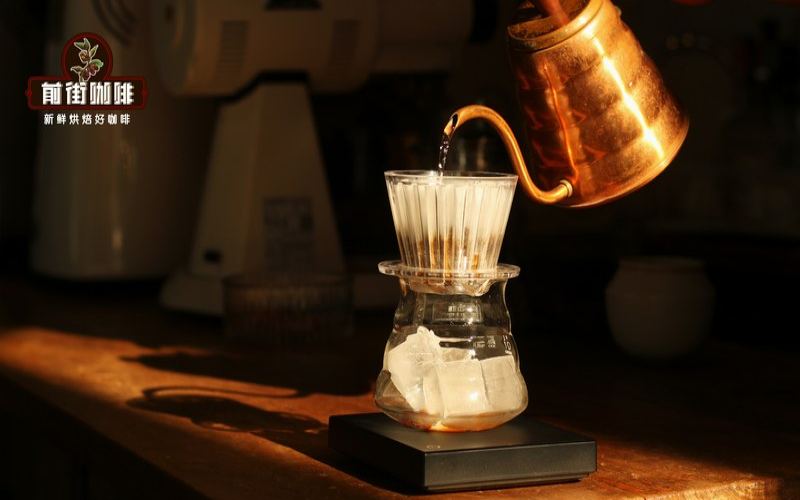
The reason Colombian coffee beans are well suited for home use lies not only in their easy-to-understand flavor, but also in their ability to clearly show the change from fresh to mature. Freshly roasted beans often release their aroma quickly, yet taste slightly tight on the palate; after a few days of resting, the acidity, sweetness, body, and aftertaste gradually come together, making them easier to work with whether you use a pour-over or an espresso machine at home. [more…]
How to Determine the Peak Flavor Window of Commercial Coffee Beans? A Flavor Timeline from Degassing and Resting to Opening the Bag and Sealing It
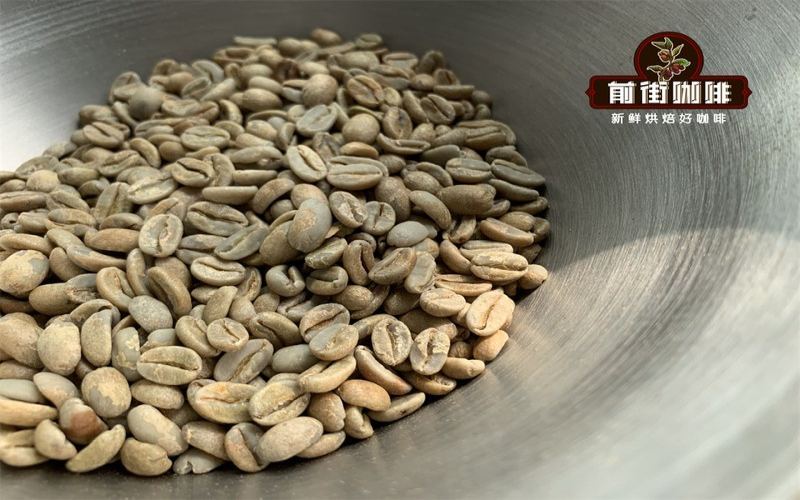
The flavor profile of commercial coffee beans evolves continuously over time; the moment they finish roasting is not when they immediately reach their ideal flavor. After being heated, the interior of the bean traps a large amount of carbon dioxide, and this gas continues to be released outward over the first few days. Understanding the degassing and maturation process helps us more calmly plan each [more…]