







Search Results for: market layout

Yili's Q3 earnings briefing reveals increased investment in sugar-free tea, with differentiated layout of freshly brewed tea products becoming a highlight
Dairy industry leader Yili recently held an earnings briefing for its 2024 Q3 report, with total revenue for the first three quarters reaching 89.039 billion yuan and net profit attributable to shareholders of 10.868 billion yuan, maintaining its position at the top of the industry. Notably, Yili explicitly stated during the meeting that it will increase investment in sugar-free tea beverages, and its Yike Huoquan freshly brewed tea series has grown rapidly thanks to its differentiated design. Against the backdrop of a 2.1% decline in all-channel dairy sales while the beverage market grew at 6.9%, Yili's move is seen as an important strategy to respond to the contraction in dairy and seek new growth points. This article reviews the product features of Yili's freshly brewed tea, the current state of its channel layout, and the prospects of the sugar-free tea market, and includes comparative Q3 performance data for dairy companies. [more…]
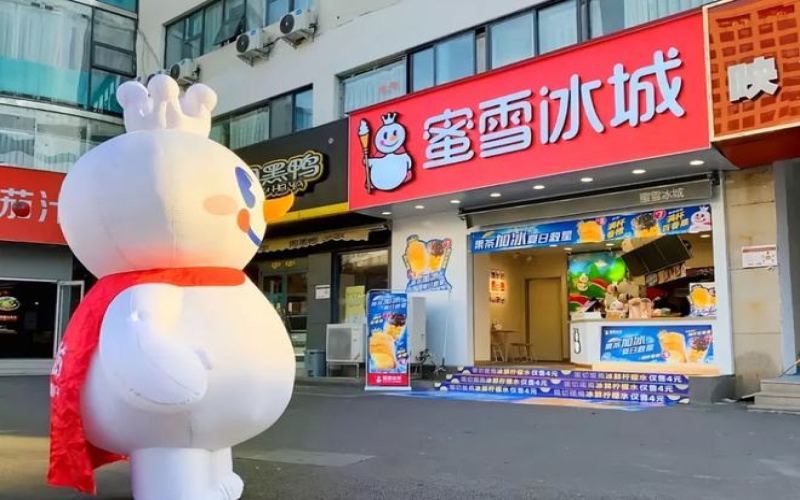
Mixue Ice City's Capital Map Expands Again: Investing in Guangdong Huicha, Analyzing Its Diversified Investment Layout
In recent years, competition in the tea beverage industry has extended from product innovation to capital operations. As a leading brand, Mixue Bingcheng has not only accelerated regional layout and supply chain development, but also further expanded its business territory by establishing Xuewang Investment Co., Ltd. and taking a stake in Guangdong Huicha Catering Management Co., Ltd. Guangdong Huicha has secured a firm foothold in the market with its original golden-burnt pearl milk tea, and this investment is also Xuewang Investment's first external investment. Meanwhile, brands such as Heytea and Chayan Yuese have also embarked on the capital path one after another, seeking richer business models through investment and mergers and acquisitions. This article sorts out the brand dynamics, investment details, and industry trends of Mixue Bingcheng's subsidiary brands, providing in-depth observations for coffee and tea beverage enthusiasts. [more…]
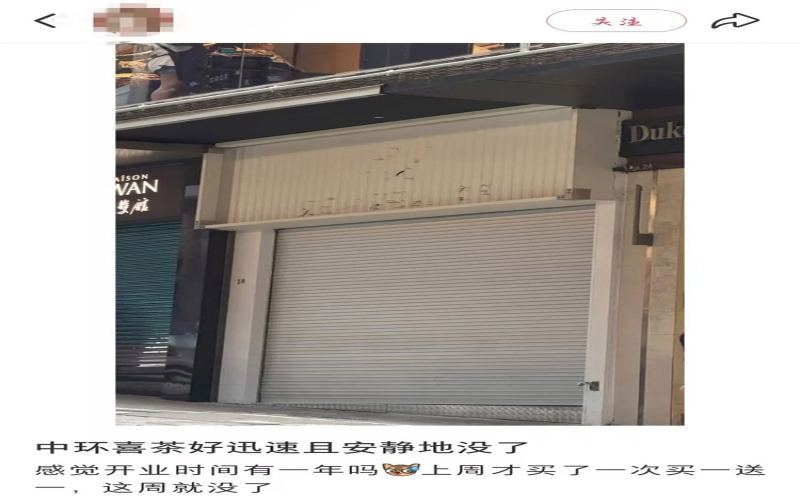
Heytea's Wellington Street store in Central shuts down abruptly, signaling a shift in the brand's store layout across Hong Kong's core commercial districts
The Heytea store on Wellington Street in Central, Hong Kong, suddenly closed without any warning, sparking widespread discussion among nearby consumers and netizens. Since opening in March 2024, the store had quickly gained popularity through promotions such as buy-one-get-one-free offers and city-exclusive fridge magnets, maintaining a steady daily flow of customers and becoming a popular check-in spot for many residents and tourists. However, overnight, the store's signage was removed, the doors were locked, and the store's information was also taken down from the official mini-program. The reason for the closure has not yet been clarified—some speculate it is related to the high rents in Central or the expiration of the lease, while others believe it is a proactive adjustment by Heytea to its market layout. The brand responded that it evaluates store operations on an irregular basis, and whether it will return to Central in the future remains worth watching. [more…]
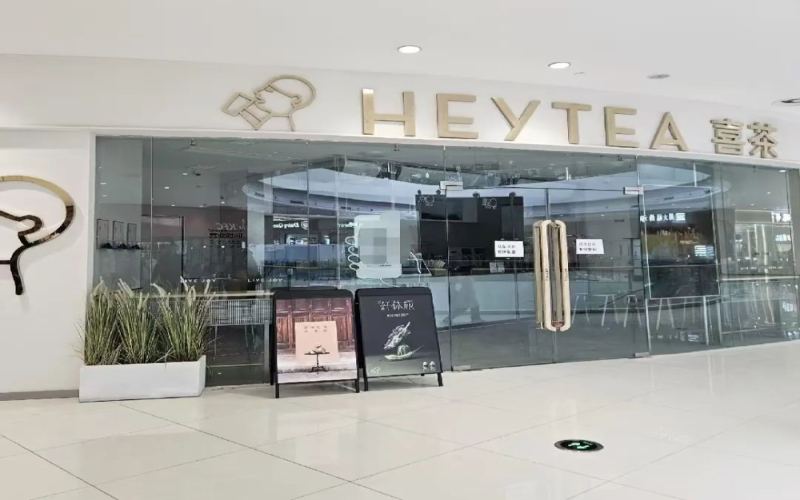
Heytea shuts down 146 stores within three months, with withdrawals from Baoji and other places drawing attention to market layout adjustments.
Recently, Heycha has seen store closures in many places across the country, drawing attention from consumers and the industry. Two stores in Baoji, Shaanxi, have suspended operations one after another, and stores in Shenzhen, Hangzhou, Qingdao and other places have also disappeared or reduced their scale. According to GeoHey brand monitoring data, in the past 90 days Heycha opened 12 new stores, but the number of closures reached 146, equivalent to nearly 2 stores disappearing from cities every day. After suspending franchise expansion, the brand intends to improve store product quality and selectively close stores with poor profitability, but the large number of closures is still surprising. As coffee enthusiasts, Front Street Coffee continues to follow the dynamic changes in the tea beverage and coffee markets, and this article sorts out cases from various places and industry interpretations of Heycha's current wave of store closures. [more…]
Coffee Wings Listing on the New Third Board and Free Wings Smart Coffee Machine: An Analysis of Yin Feng's New Retail Layout
CoffeeWings, as the first public company in China's coffee light-meal industry, was listed on the New Third Board in 2017, and under the leadership of Yin Feng, it launched the "Free Wings" smart coffee machine, entering the new retail sector. Investors such as He Jiong, Chen Ou, Xu Xiaoping, and Yao Jinbo appeared at the listing ceremony. With its features of being light and fast, and deeply penetrating the crowd, Free Wings plans to deploy more than 10,000 units by 2020, covering more cities nationwide. This article provides a detailed analysis of CoffeeWings' strategic layout, the product features of Free Wings and its alignment with new retail trends, while also exploring the competitive relationship between smart coffee machines and offline stores. [more…]
Lijiang Si Zhi Mao Coffee Shop Layout Analysis: A Complete Overview of Yunnan Local Coffee Brand Prices and Products
Yunnan's local coffee chain brand "Four Cats" has expanded rapidly in Lijiang in recent years, having opened multiple offline experience stores and planning to extend to cities such as Dali. Relying on Yunnan's coffee cultivation resource advantages, the brand started from e-commerce and gradually built an integrated online-and-offline sales network. Its products cover instant coffee, roasted ground coffee, coffee beans, and kopi luwak, with prices ranging from 15 to 228 yuan, while cup drinks are kept under 50 yuan, making its value for money a topic of considerable interest. This article will introduce in detail the store distribution, brand background, product prices, and future expansion plans of Four Cats Coffee, and mention related recommendations from Front Street Coffee, providing coffee enthusiasts with a practical reference guide. [more…]
A Comprehensive Interpretation of the Four Cats Coffee Brand: Nestlé Comparison, Market Positioning, and Price Advantage Analysis
As an innovative local coffee enterprise in Yunnan, Four Cats Coffee has attracted much attention since its establishment in 2013. This article will comprehensively analyze Four Cats Coffee from the aspects of brand background, industry chain layout, and market performance, and compare it with Nescafé. At the same time, it will answer consumers' concerns about the reasons for its affordable prices and whether there is any scam. Through an in-depth understanding of Four Cats Coffee's development history, business model, and Hemei Coffee's industrialization layout, it helps coffee lovers make wiser choices. [more…]
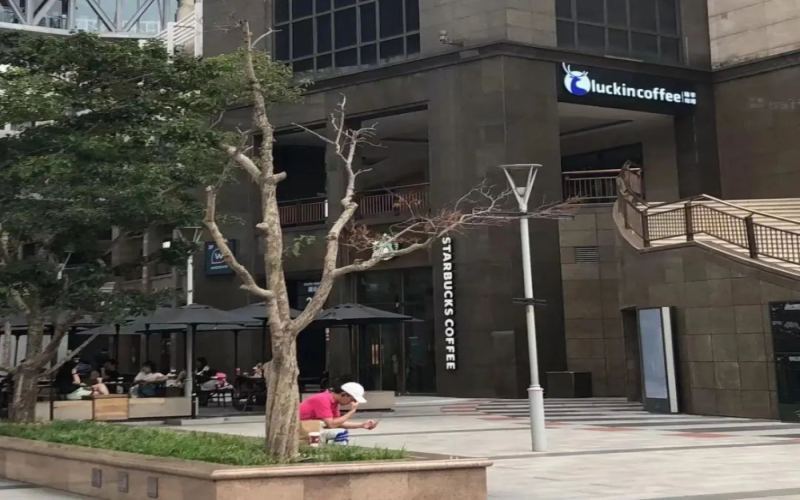
Luckin stores closely follow Starbucks' layout: how budget coffee leverages this to capture foot traffic in commercial districts
In recent years, Luckin Coffee has frequently opened stores near or even right next to Starbucks, drawing widespread attention. This location strategy leverages both the foot traffic that Starbucks attracts to commercial districts and the growing public acceptance of value-for-money coffee, as well as the consumer sentiment behind the rise of domestic brands. Through more affordable pricing and a richer variety of flavors, Luckin forms a sharp contrast with Starbucks, aiming to attract more potential customers. However, can this close-quarters competition really shake Starbucks' market position? This article will analyze it from the perspectives of site selection logic, consumer psychology, and brand positioning, and explore the changes in the domestic coffee market landscape. [more…]
Luckin accelerates campus layout: targeted location-based franchising cracks the back-to-school season coffee battle
September marks the start of the school season, and the campus coffee market is ushering in a new round of competition. Luckin Coffee is accelerating its penetration into universities with a "targeted location franchise" model, having opened more than 1,282 campus stores and rolled out over a hundred targeted locations. Its 9.9-yuan low-price strategy, creation of a third space, and campus culture collaborations have made university students an important force in coffee consumption. At the same time, brands such as Front Street Coffee are also paying attention to this trend. This article reviews Luckin's campus expansion path, the details of its franchise model, and five notable characteristics of campus coffee shops, analyzing the new campus battlefield amid the coffee industry's fierce competition. [more…]
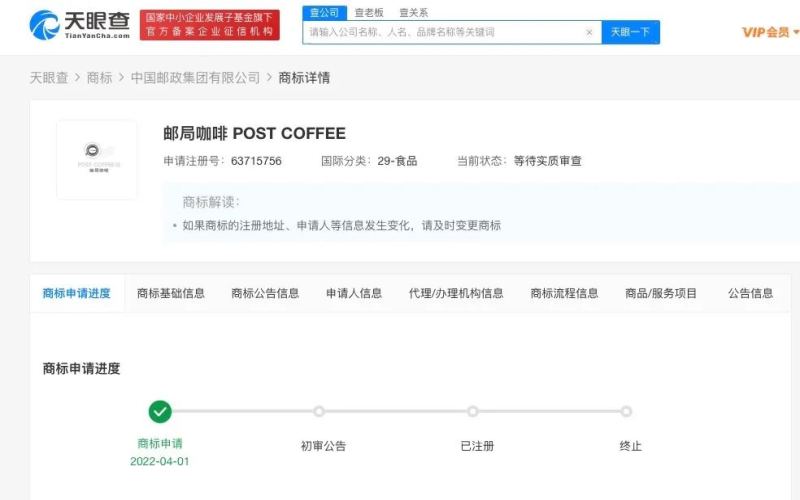
China Post's Coffee Trademark Application Rejected: An Analysis of China Post's Cross-Industry Layout and the Industry Boom
China Post's application for the "邮局咖啡 POST COFFEE" trademark was recently rejected, sparking widespread attention. Since the first store opened in Xiamen in February 2022, Post Coffee has expanded to four cities—Xiamen, Nanjing, Quanzhou, and Beijing—with six stores, focusing on a blend of postal nostalgia and cultural creativity. The co-founder had planned to open a hundred stores by the end of the year, but the trademark registration setback has led to widespread discussion online. Meanwhile, giants from various industries such as Li-Ning, Xtep, Tongrentang, and East Buy have entered the coffee sector. What are the prospects for cross-industry coffee ventures? This article reviews Post Coffee's expansion journey, product features, and trademark controversy, and takes stock of cross-industry dynamics in the industry. [more…]
2023 Coffee Consumer Insights and Store Opening Strategy: Four Core Customer Groups and Store Layout from a Data Perspective
Latest data from Meituan shows that coffee delivery orders have more than doubled year-on-year, with post-90s women becoming the main consumer group for freshly made coffee, and the 20-40 yuan price range dominating. Based on platform data, this article provides an in-depth analysis of the four core consumer groups in the current coffee market—from user profiles and price acceptance to time distribution and motivations for visiting stores—and, combined with the emerging trend of coffee rising in county towns, offers practical suggestions for coffee shop entrepreneurs in 2023 on site selection, operations, and scene design. At the same time, the article retains recommendations for specialty coffee bean procurement channels for practitioners' reference. [more…]
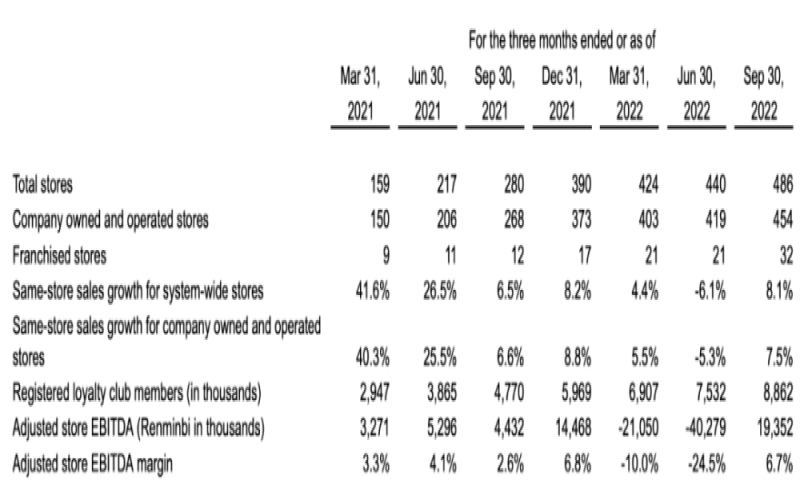
Tims China's First Quarterly Report After Going Public: Net Revenue of 306 Million, Dual-Track Advancement in Store Expansion and Ready-to-Drink Layout
After listing on Nasdaq, Tims China delivered its first quarterly report card, with total net revenue in the third quarter reaching 306 million yuan, up nearly 70% year on year and a record high for a single quarter. On the store front, by the end of September it had covered 27 cities nationwide, with 486 net stores, and in October it welcomed its 500th store. At the same time, Tims China continued to advance cooperation with partners such as EasyJoy Coffee and Hema, stepping up its push into the ready-to-drink coffee segment. This article sorts through the key financial data, store expansion pace, store format structure and management's outlook for the future, giving you a quick look at the latest moves of this coffee chain brand in the Chinese market. [more…]
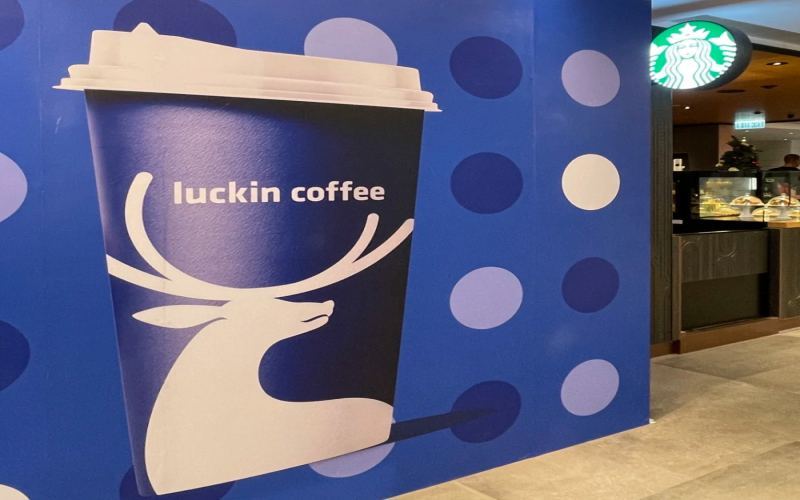
Luckin Coffee's Hong Kong layout of seven stores: can its affordable pricing strategy continue? This has drawn attention.
Luckin Coffee has been making frequent moves in the Hong Kong market recently. According to netizens' compilation, seven stores are currently in the preparatory stage, located in Mong Kok, Tsim Sha Tsui, Tseung Kwan O, Kowloon Tong, Sha Tin, Ho Man Tin, and Sheung Wan. Among them, the Tsim Sha Tsui branch is situated right next to Starbucks, seen as a signal of direct confrontation between the brands. These stores are all currently shown as under renovation, with hoardings marked "Opening Soon." The Tsim Sha Tsui store is expected to open first early next month, and the Tseung Kwan O store is also expected to welcome customers in December. As Hong Kong people increasingly travel north to consume, mainland catering brands are heading south to test the waters. Luckin's entry has local consumers eagerly anticipating whether "9.9 yuan coffee" can land in Hong Kong. [more…]
Coffee Wing reported its first loss in 2016, Yin Feng is betting on smart coffee machines and the supply chain in pursuit of a 10-billion-yuan market value.
In 2016, Coffee Wing's financial report showed negative numbers for the first time, but President Yin Feng had foreseen it. She admitted that this was a short-term sacrifice to pave the way for new business lines, and both the board of directors and shareholders expressed understanding. Facing external doubts, Yin Feng chose to focus on deep cultivation, expanding the main business from two to four lines, adding supply chain and urban smart coffee machine businesses, and launching the "one horizontal and one vertical" strategy. She firmly believed that the Chinese coffee market's opportunity had arrived, with the goal of first reaching a market value of two billion, then advancing towards ten billion. This article will deeply analyze Yin Feng's business logic, market judgment, and her complete plan for the future of Coffee Wing. [more…]
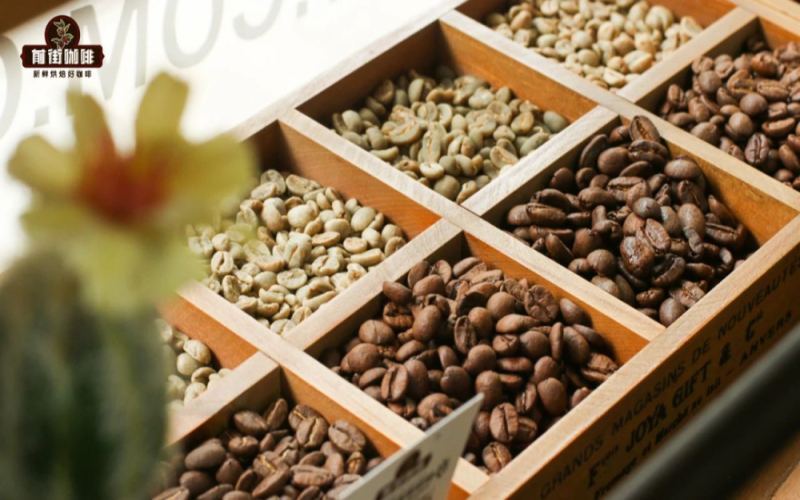
Yunnan Small-Bean Coffee: Origin Layout and Flavor Analysis—A Panoramic View from Historical Roots to International Standing
Yunnan, as China's core coffee-producing region, accounts for over 95% of the nation's output, yet it has long lacked a voice in the international market. This article begins with the varietal origins of small-bean coffee, tracing its historical path through Ethiopia and the Arabian Peninsula before finally reaching Yunnan, and reviews key milestones such as Zhukula Village, the trial planting in Lujiangba, and Nestlé's introduction of Catimor. At the same time, it confronts domestic consumers' stereotypes about Yunnan coffee—the burnt, bitter taste and artificial flavoring of the instant-coffee era—and analyzes Yunnan coffee's awkward position of being undercut by more than 20 cents in international trade. In fact, the quality of Yunnan coffee is no longer inferior to imported beans of the same grade, and a large amount of "imported coffee" is actually Yunnan green beans exported, labeled abroad, and then sold back. The article calls for setting aside prejudices born of low-quality instant coffee and rediscovering the true flavor and value of domestically grown coffee. [more…]
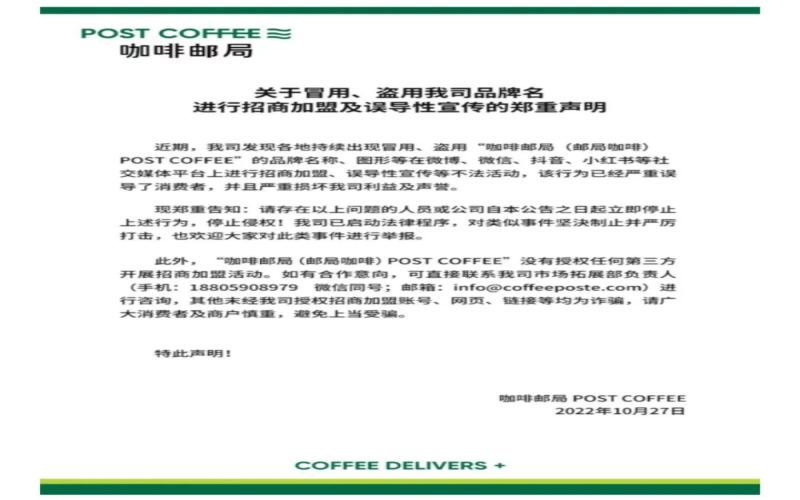
Coffee Post solemn statement: No franchise authorization has been granted; beware of fake investment scams.
Recently, Coffee Post issued a stern statement regarding fraudulent franchise recruitment activities in the market that falsely use its brand name, explicitly stating that it has never authorized any third party to engage in franchise cooperation and has initiated legal proceedings to pursue accountability. This incident has once again thrust this coffee brand—jointly created by China Post and Zhongyu Kaye—into the spotlight, and also reflects the market chaos behind the continuously heating coffee track. This article will sort out the sequence of events, the brand's operational structure, and future layout challenges, helping readers clarify the facts and avoid falling into the trap of "fake" operators. [more…]
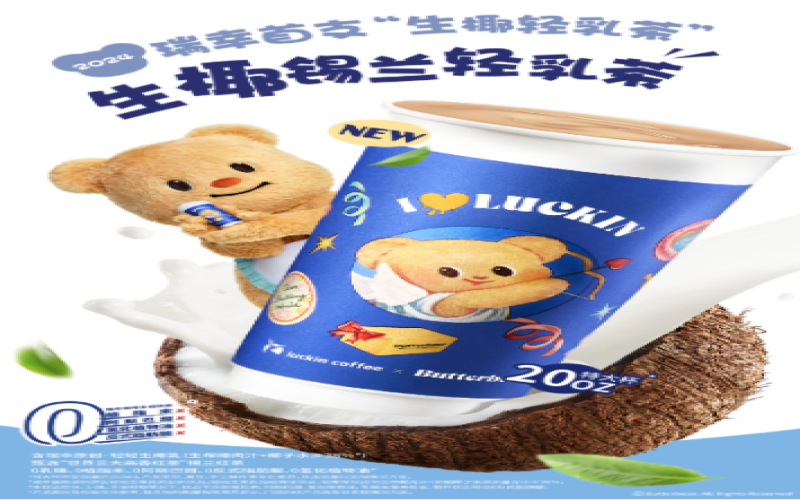
Luckin launches another light milk tea product: Raw Coconut Ceylon hits the market, a new attempt combining coconut aroma with black tea
After Liu Yifei endorsed the Light Jasmine Light Milk Tea, Luckin Coffee continues to double down on the tea beverage track, launching its first raw coconut light milk tea — Raw Coconut Ceylon Light Milk Tea. The new product uses raw coconuts imported from Southeast Asia, with freshly squeezed coconut meat juice and coconut water accounting for no less than 38%, paired with Ceylon black tea, and claims to be 0 lactose. Luckin's move is intended to deepen its "coffee in the morning, tea in the afternoon" all-scenario layout. However, many consumers on social media have reported that the product is too sweet, with the tea aroma and coconut flavor being rather weak, and professionals have also pointed out that the balance between tea and milk is less than ideal. This article will provide a comprehensive analysis of the new product's features, market strategy, and consumer reviews. [more…]
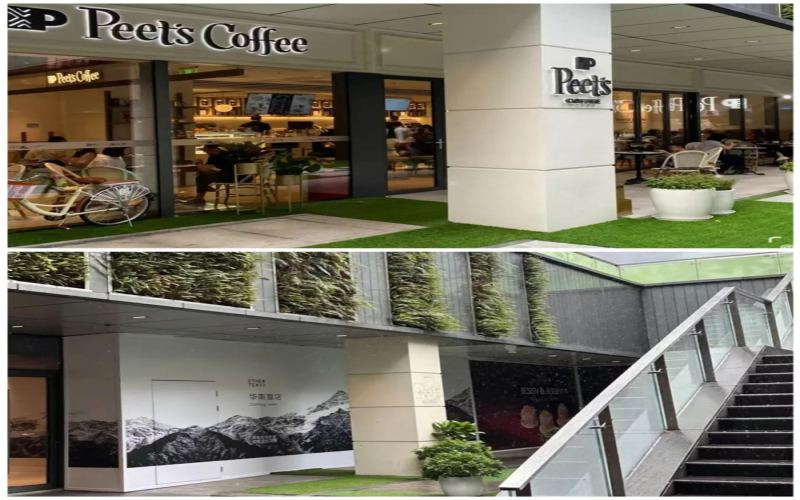
Peet's Coffee's first store in South China suddenly closes, Shenzhen MixC World store exits after four years of operation
Peet's Coffee's first store in South China—the Shenzhen MixC World branch—officially closed after business hours on July 16 this year, and the original site has been taken over by a chain tea beverage brand from Suzhou. This store, which had been open for nearly four years, once attracted a large number of coffee lovers to check in, and built up a loyal customer base with consistent quality and a comfortable environment. Unexpectedly, no closure notice was posted before the store shut down, and many regular customers were unable to say goodbye in time. At the same time, Peet's stores in Shenzhen, Shanghai and many other places have also quietly withdrawn from shopping malls, sparking speculation about adjustments to its market layout. The brand responded that the Shenzhen MixC World store closed because its lease expired, but the successive closures still leave some consumers worried. [more…]
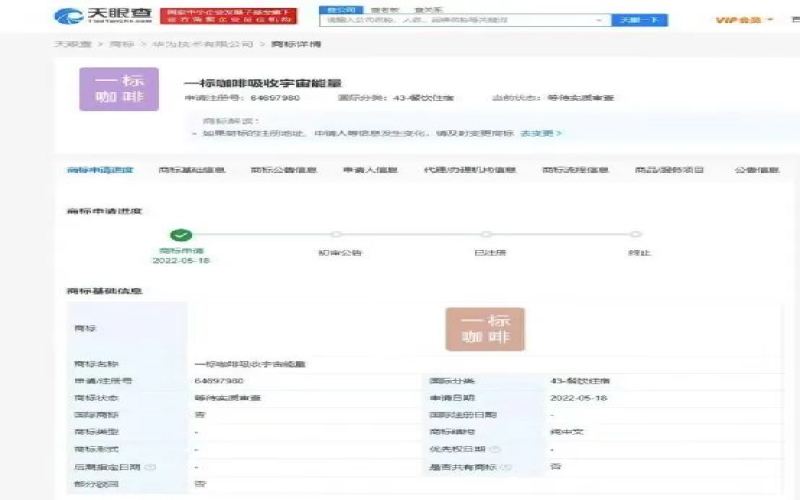
Huawei Exclusively Invests in Shared Coffee and Tea Space, Another Move in Its Coffee Strategic Layout
In recent years, the coffee sector has continued to heat up, with industry giants rushing in. Huawei Technologies Co., Ltd. previously applied to register the trademark "One Standard Coffee Absorbs Cosmic Energy"; although it has not opened physical stores, its coffee strategy has not stopped there. Recently, Huawei exclusively invested in a tens-of-millions-yuan angel round financing for Jiangsu Bageai Coffee Operation Co., Ltd., drawing attention. This 24-hour unattended shared coffee and tea room provides an independent third-party space, reflecting Huawei's judgment on future trends in intelligent perception and shared spaces. Coffee and tea here are more of an ancillary service, while what Huawei values may be coffee's connective value as a global medium. [more…]
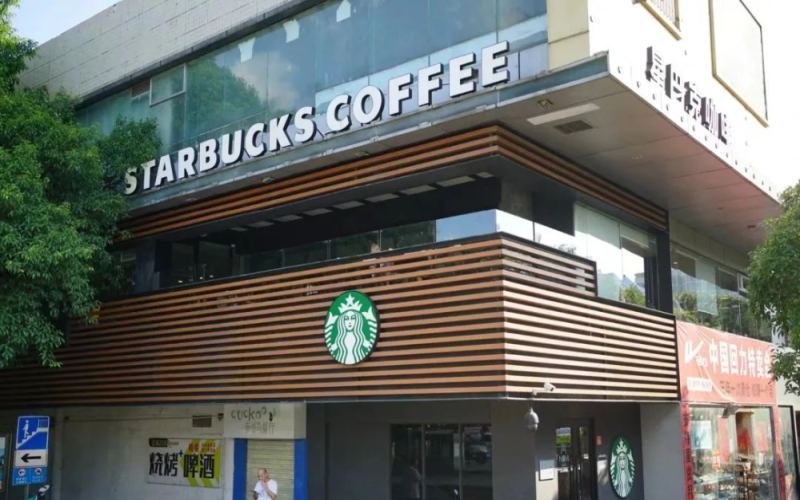
Guilin's first Starbucks quietly closes after ten years, the fate of an old store under the shifting urban commercial landscape
Recently, Guilin's first Starbucks store—the Dream Island store—suddenly closed without any warning, sparking widespread attention and nostalgia among local residents. This store, which opened in October 2014, was once a check-in landmark for coffee lovers in Guilin and carried the youthful memories of many people. However, with the shift of the city's commercial center and changes in foot traffic distribution, this ten-year-old store ultimately came to an end. At the same time, Starbucks' new store in Diecai Wanda is about to open, reflecting the brand's adjustment in market layout. This article will review the rise and fall of this first store, explore the profound impact of urban development on commercial forms, and preserve Front Street brand's continued attention to coffee culture. [more…]