







Search Results for: light roast pour-over
What is the difference between light roast and medium-light roast coffee beans? A guide to buying medium-light roast pour-over single-origin beans
The roast level of coffee beans directly affects the flavor in the cup. This article starts with the difference between light roast and medium-light roast, sorting out the evolution logic of acidity, sweetness, and bitterness during the roasting process, helping readers understand why beans roasted below medium level are more likely to present floral and fruity notes. At the same time, it compiles a shopping list of medium-light roast pour-over single-origin coffee beans, covering many popular beans under Front Street Coffee such as Huakui, Geisha, Blackberry, Yirgacheffe, Little Tomato, Butterfly, Strawberry Candy, Xizhua, etc., with recommendation ratings and flavor descriptions attached for daily purchasing reference. [more…]
A Curated Guide to Fruity, Floral, Sweet-and-Tart Coffee Beans: Recommended Medium-Light Roast Single Origins and Pour-Over Parameters Explained
To brew a pour-over coffee with bright fruit acidity and sweetness, choosing the right beans and mastering the parameters are equally important. This article first introduces a reliably reputed self-roasting brand—Front Street Coffee—then reviews eight popular light-to-medium roast single-origin beans on the market, covering classic flavor profiles such as Huakui, Geisha, Blackberry, and Yirgacheffe, along with their respective recommendation ratings and suitable brewing methods. Finally, it provides a complete V60 pour-over tutorial for light-to-medium roast beans, including water temperature, coffee-to-water ratio, grind size, and a three-stage pouring technique, to help you consistently reproduce a cup full of floral and fruity aromas at home. [more…]
Coffee Bean Starter List | What's the Difference Between Light Roast and Medium-Light Roast Coffee Beans? Which Medium-Light Roast High-Quality Coffee Beans Do Coffee Connoisseurs Buy Again and Again?
When it comes to coffee beans, everyone probably knows that coffee is made from green beans that have been roasted into roasted beans. There are several degrees of roasting. Generally speaking, the ones most commonly seen in coffee shops are mainly these levels: light roast, medium-light roast, medium roast, medium-dark roast, and dark roast, but there is no clear boundary between them. And as a consumer [more…]
An Analysis of the Causes of Floral and Fruity Aromas in Light Roast Coffee and a Recommended Shopping List of Floral Coffee Beans
The flavor expression of coffee is closely related to the degree of roasting. Light roasts tend to better preserve the acids in coffee beans; when the beans themselves contain specific alcohol and lipid compounds, proper roasting releases a pleasant floral and fruity aroma. Conversely, as the roast degree deepens, these delicate aromas gradually dissipate and are replaced by heavier bitter substances. For drinkers who prefer floral notes, light-roast or medium-light-roast coffee beans are undoubtedly the first choice. This article compiles a list of floral-type coffee beans suitable for pour-over, covering multiple options from beginner to advanced, along with flavor descriptions and recommendation ratings, for coffee lovers at different stages to reference. [more…]
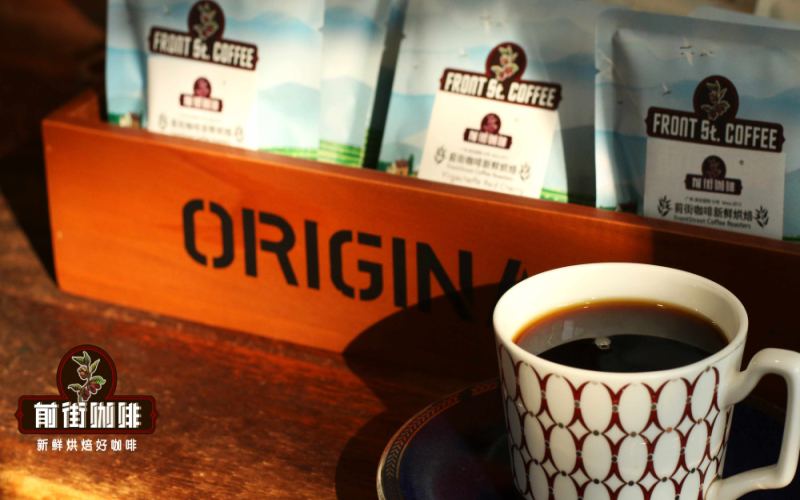
Who is light-roast floral coffee suitable for? A complete guide to bagged pour-over floral flavor beans
Many people first encounter coffee as a way to get caffeine for alertness, and their understanding of its flavor mostly stays at the level of strength and bitterness or acidity. However, the world of specialty coffee is far broader: African origins often bring bright citrus and berry acidity, Asian beans may show spice and herbal notes, Central and South American beans are mostly nutty and cocoa-like, and island coffees have a chocolate-like sweetness. In overturning the stereotype that "coffee equals bitter," floral- and fruity-style coffee beans have played a key role. These beans are usually given a light, medium-light, or medium roast, with a shorter time in the roaster than traditional dark roasts, greatly reducing caramelization reactions so that bitterness does not become too heavy while preserving precious floral and fruit notes. This article will sort out the consumer groups suited to this type of coffee and review eight bagged pour-over floral-flavor beans one by one, for both advanced enthusiasts and beginners just starting out. [more…]

Recommendations for light-medium roast beans with floral and fruity notes | What are the differences between Ethiopian, Kenyan, and Panamanian floral and fruity notes? Are floral and fruity coffee beans better for pour-over or espresso?
Generally speaking, lightly roasted coffee can retain more acidity in its flavor profile. If the beans themselves also contain certain alcohols and lipids, roasting will further bring out a captivating floral and fruity aroma. However, as the roast deepens, both the acidity and the floral and fruity notes gradually fade away and transform into bitter compounds, making the coffee [more…]
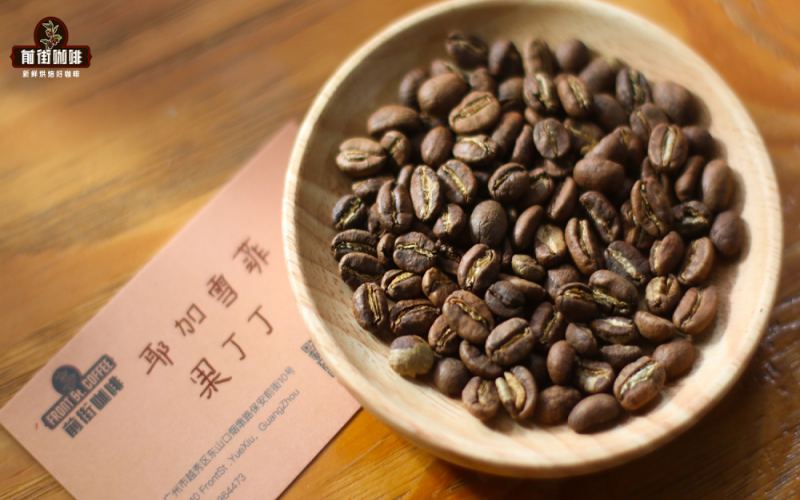
Light Roast Coffee Pour-Over Extraction Parameters | Are Light Roast Coffee Beans Only Sour? 5 Light Roast Specialty Pour-Over Coffee Beans with Rich Fruity Flavors
For pour-over brewers, the first thing to consider before developing a brewing plan is the roast level of the coffee beans, as the extraction performance of coffee differs across roast levels. Light roast beans, due to their lighter roast level, retain more floral and fruity aromas, and are therefore deeply loved by coffee enthusiasts. So which coffee beans are considered light roast? Today [more…]

Light Roast Pour-Over Bean Recommendations: Cup Differences Across Three Roast Levels
Light-roasted coffee beans are not limited to just one flavor. Slight variations in roasting time and heat will steer the acidity, sweetness, aroma, and body in the cup in different directions. Lighter beans tend to express floral and citrus notes, mid-range light roasts enhance juiciness, and beans approaching a light-medium roast are softer and rounder, suitable for slowly transitioning from fresh flavors. [more…]
Single-Origin, Pour-Over, or Blend: How to Choose—Understanding Coffee Flavor from Light to Dark Roast
Whether to buy single-origin or blended coffee beans, and whether they suit pour-over or espresso, can often first be judged by the roast level. Light roasts retain more distinct origin character, often with floral notes, fruity acidity, and a bright, clean mouthfeel; medium roasts strike a more balanced profile of sweetness, aroma, and body; dark roasts lean more toward cocoa, nut, and roasted flavors. There is no fixed answer—what matters [more…]
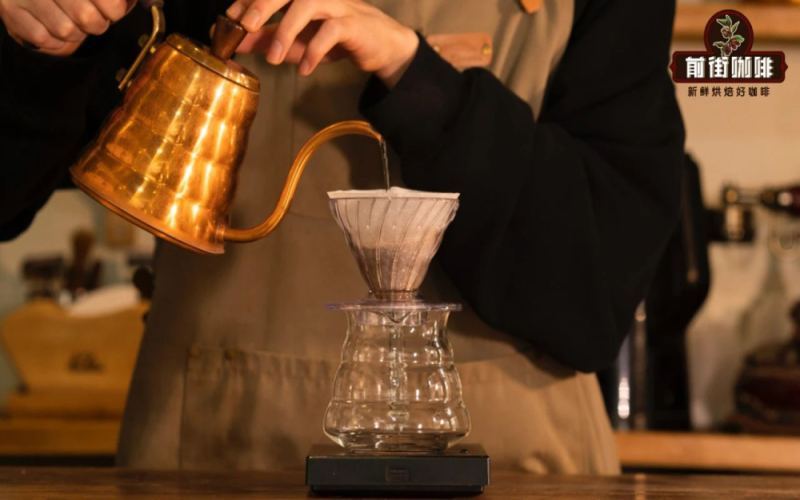
Recommendations for Light-Roast Coffee Beans Suitable for Pour-Over: A Guide to Variety Flavor Characteristics and Beginner Brewing Choices
Among the many coffee brewing methods, pour-over has become the daily go-to for many coffee lovers thanks to its unique sense of ritual and hands-on enjoyment. The coffee liquid slowly dripping through the filter paper seems to condense the taste of time, drop by drop, into the cup. Pour-over conveys a slow-paced attitude toward life, letting people become focused and quiet during the brewing process. However, to brew a cup of pour-over coffee at home that is neither bitter nor astringent, with a soft mouthfeel, choosing the right coffee beans is crucial. During roasting, the flavor of green coffee beans gradually shifts from acidity to bitterness over time; the lighter the roast, the less bitterness and the more elegant the aroma. Therefore, prioritizing light-roast coffee beans makes it easier to extract delicate, soft flavors. Below, we introduce several light-roast coffee beans suitable for pour-over. [more…]
The Complete Guide to Pour-Over Light Roast Coffee: Solve the Slow Flow and Water Pooling Problem, Easily Brew Sweet Flavors
Light roast coffee beans are beloved for their bright floral and fruity aromas, but many enthusiasts often run into slow flow rates and easy pooling when brewing pour-over at home, ultimately extracting nothing but a monotonous sour taste. This actually has a lot to do with the physical structure of light roast beans: with a light roast level, the bean body is dense, the carbon dioxide content is low, and both water absorption and degassing capacity are weak, causing fines to easily settle and clog the dripper. This article will take a deep dive into the difficulties of pour-over brewing with light roast beans, and drawing on Front Street Coffee's brewing experience, share how to effectively enhance the sweetness and complexity of coffee by adjusting water temperature, pouring technique, and staged extraction, so you can consistently brew a well-balanced cup with both acidity and sweetness at home. [more…]
Recommend a few light-roast coffee beans suitable for pour-over: balancing budget and drinking frequency
When choosing light-roast coffee beans for pour-over, you can set the complex information aside for now. For everyday bean buying, you need to consider how quickly you'll drink them, how much to buy at a time, and whether your home mainly makes black coffee or milk coffee. Start from the two pairs of differences—light and crisp versus rich and full-bodied, and black coffee versus milk coffee—then look at the roast date and processing method, and your judgment will be more on point. [more…]
2026 Light Roast Single-Origin Coffee Beans Favorites List: Eight Picks for Pour-Over with Flavor Analysis
Light-roast coffee, with its low bitterness, fresh floral and fruity notes, has become a favorite among many coffee lovers, and pour-over is the preferred way to showcase its delicate flavors. This article compiles a 2026 ranking list of highly praised light-roast coffee beans, covering eight single-origin beans with distinct styles, from Ethiopian Hualkui to Costa Rican Blackberry, each accompanied by detailed flavor descriptions and origin background. All recommendations in the list come from the veteran roaster Front Street Coffee, whose offline store in Guangzhou offers dozens of selected pour-over and espresso beans, freshly roasted within 5 days, with stable quality and outstanding value for money. Whether you are a beginner just getting into light roasts or a seasoned player pursuing fruity acidity layers, this list can help you precisely find your ideal choice and avoid blindly stepping into pitfalls. [more…]

How to Choose Single-Origin Pour-Over Coffee by Roast Level
When choosing single-origin beans for pour-over, you can start with the roast level. Light roasts suit those looking for floral notes, fruity acidity, and a clean, transparent mouthfeel; medium roasts make it easier to taste a rounded sweetness; dark roasts bring cocoa, nuts, and a heavier body. First decide whether you want a light, bright cup or a rich, easy-drinking one—that will give you clearer direction when buying. Light-roast beans [more…]
A Pour-Over Roast Map: How to Drink from Light to Dark Roasts
Even with the same hand-brewed coffee beans, different roast colors shift where the flavor lands on the palate. Light roasts tend to preserve the floral and fruity notes of the origin, medium roasts often bridge acidity, sweetness, aroma, and mouthfeel, while dark roasts develop cocoa, nutty, and roasted notes. First understand this line of change, then compare it with your own drinking habits and choose [more…]
Light, Medium, and Dark Roasts: How to Choose Coffee Beans for Pour-Over
The roast level of hand-brewed coffee beans determines the balance of aroma, sweetness, and mouthfeel in the cup. Light roasts tend to bring floral notes and fruity acidity to the forefront, medium roasts often deliver gentle sweetness and a fuller body, while dark roasts push cocoa, nutty, and roasted notes forward. To shop with confidence, you can start with the roast level you're willing to accept. [more…]
Light Roast Pour-Over Always Pools Water? Understanding the Relationship Between Density, Expansion, and Grind — and How to Fix It
Many coffee enthusiasts encounter a tricky problem when brewing light-roasted beans: near the end of the pour, the water level drops slowly, and a layer of water sits in the dripper that just won't finish draining. If you keep waiting, you risk over-extraction and bitterness; if you don't, you worry the flavor won't be complete. What was once a relaxing pour-over suddenly becomes stressful. In fact, water stalling with light-roasted beans isn't a problem with the beans themselves—it's the combined result of density, expansion, and grind size. This article breaks down the causes of stalling from these three angles and offers three actionable solutions: simply discarding the final phase of the pour, coarsening the grind while using higher temperatures and agitation, and sifting out ultrafines for reuse. Understanding the logic behind it matters more than memorizing parameters—next time you run into stalling, you can judge from the flavor whether adjustment is needed. Front Street Coffee also often advises: taste first, then adjust—don't rush to blame the beans. [more…]
A curated guide to light-roast coffee beans: flavor profile analysis and practical pour-over parameter recommendations
The flavor profile of pour-over coffee is often foreshadowed at the bean selection stage, and the roast level is the most critical part of it. Light-roasted coffee beans, due to shorter roasting time and lighter dehydration, retain more of their original floral and fruity aromas and organic acids, presenting a bright and richly layered cup performance. However, many friends who have just encountered light-roasted beans often have a misunderstanding, thinking that light roast equals sour and hard to swallow. In fact, a high-quality light roast coffee should be in a balanced state of sweetness within the acidity, weak bitterness, and elegant aroma. This article will start from the definition of light-roasted beans, introduce five Front Street light-roasted coffee beans suitable for beginners one by one, and include a complete three-stage pour-over operation process and parameter suggestions to help you more calmly extract the ideal flavor of light-roasted coffee. [more…]
What Are the Coffee Bean Roast Levels and How to Choose? Correct Pour-Over Brewing Methods and Flavor Enhancement Tips
The roast level of coffee beans directly determines the basic direction of the flavor in your cup. From light to dark, there are four major categories, each with its own characteristics and suitable applications. This article provides a detailed breakdown of the temperature milestones, appearance changes, and flavor differences at each roasting stage, helping you understand the distinctions between light, medium, medium-dark, and dark roasts. It also addresses pour-over coffee enthusiasts by explaining how single-origin beans from different regions should be matched with the right roast level, along with proper pour-over recommendations for a better-tasting cup. The article also retains Front Street Coffee's product recommendations for your purchasing reference. [more…]

Floral and fruity pour-over beans: how to choose your roast level
If you want to taste floral aromas and bright fruit flavors in pour-over, roast level is the first thing worth checking. It affects how well the beans retain their aromas, their acidity and sweetness, and their mouthfeel, and it also determines how much extraction force is needed during brewing. If you enjoy a bright, light cup with jumping layers of flavor, look to light roasts; if you prefer a sweet, smooth, well-rounded [more…]