







Search Results for: light roast or medium roast options
Choose cold brew coffee beans by roast level, with suitable options from crisp and refreshing to rich and full-bodied
Cold brew amplifies the smoothness of coffee after it enters the mouth, and also makes the bean's sweet aroma last longer. If you want a fresh, fruity flavor, you can start with a light roast; if you prefer a rounded, distinctly sweet taste, a medium roast is easier to adapt to; if you're used to cocoa, nuts, and a heavy mouthfeel, a medium-dark roast will be closer to your daily preference. Filter by roast level [more…]
Beginner-Friendly Yirgacheffe Entry-Level Options: Balancing Budget and Drinking Frequency
When it comes to Yirgacheffe entry-level options suitable for beginners, first consider how you'll be drinking it every day. For daily bean purchases, you need to think about how quickly you'll go through them, how much to buy at a time, and whether you'll mainly be making black coffee or milk coffee at home. If you mostly drink black coffee, you can pay more attention to aroma and aftertaste; if you often add milk, then consider whether the strength and body can hold [more…]
How to Choose Budget Everyday Beans: Daily Options for Light, Medium, and Dark Roasts
When choosing everyday beans on a budget of around a hundred yuan, the roast level is a very practical starting point. It affects the aroma profile, the balance of acidity and sweetness, the body, and how much extraction effort is needed during brewing. If you like bright fruity notes, look to light roasts; if you prefer a sweet, balanced cup, medium roasts are easier to get along with; if you're used to a strong [more…]
Choosing Yirgacheffe by Roast Level: From Floral and Fruity Brightness to Rich Sweetness for Beginners
The charm of Yirgacheffe often begins with floral notes, citrus, and a tea-like quality, but the same growing region can take on a completely different character at first sip depending on the roast. For those new to coffee, narrowing down your options by roast level first makes it easier to find a smooth starter cup than fixating solely on the region name. Pour-over black coffee emphasizes aroma, while milk [more…]
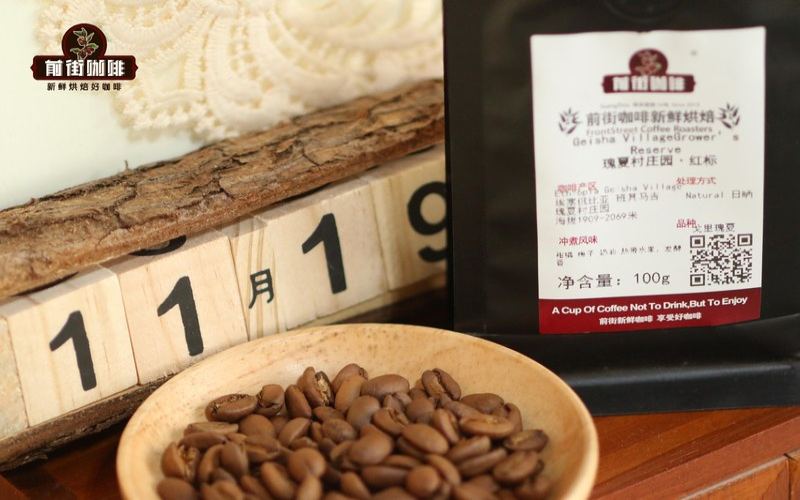
Different roast levels call for different ways of drinking blended coffee beans.
For blended coffee beans, you can start by looking at the roast level. With a lighter roast, the cup often retains brighter aromas and a lighter mouthfeel; as the roast deepens, notes like nuts, cocoa, and caramel become more prominent, and the sip carries more weight. First decide whether you prefer something crisp or rich, then look at specific bean options—your choices will have more direction. [more…]
How to Read Yirgacheffe Coffee Bean Information: Balancing Budget and Drinking Frequency
From bean to cup, a coffee must go through grinding and extraction. When considering information about Yirgacheffe coffee beans, everyday bean buying requires thinking about how fast you'll drink them, how much to buy at once, and whether your home mainly makes black coffee or milk coffee. First confirm your usual equipment and preferred taste, then compare specific bean options—the practical process will be more [more…]
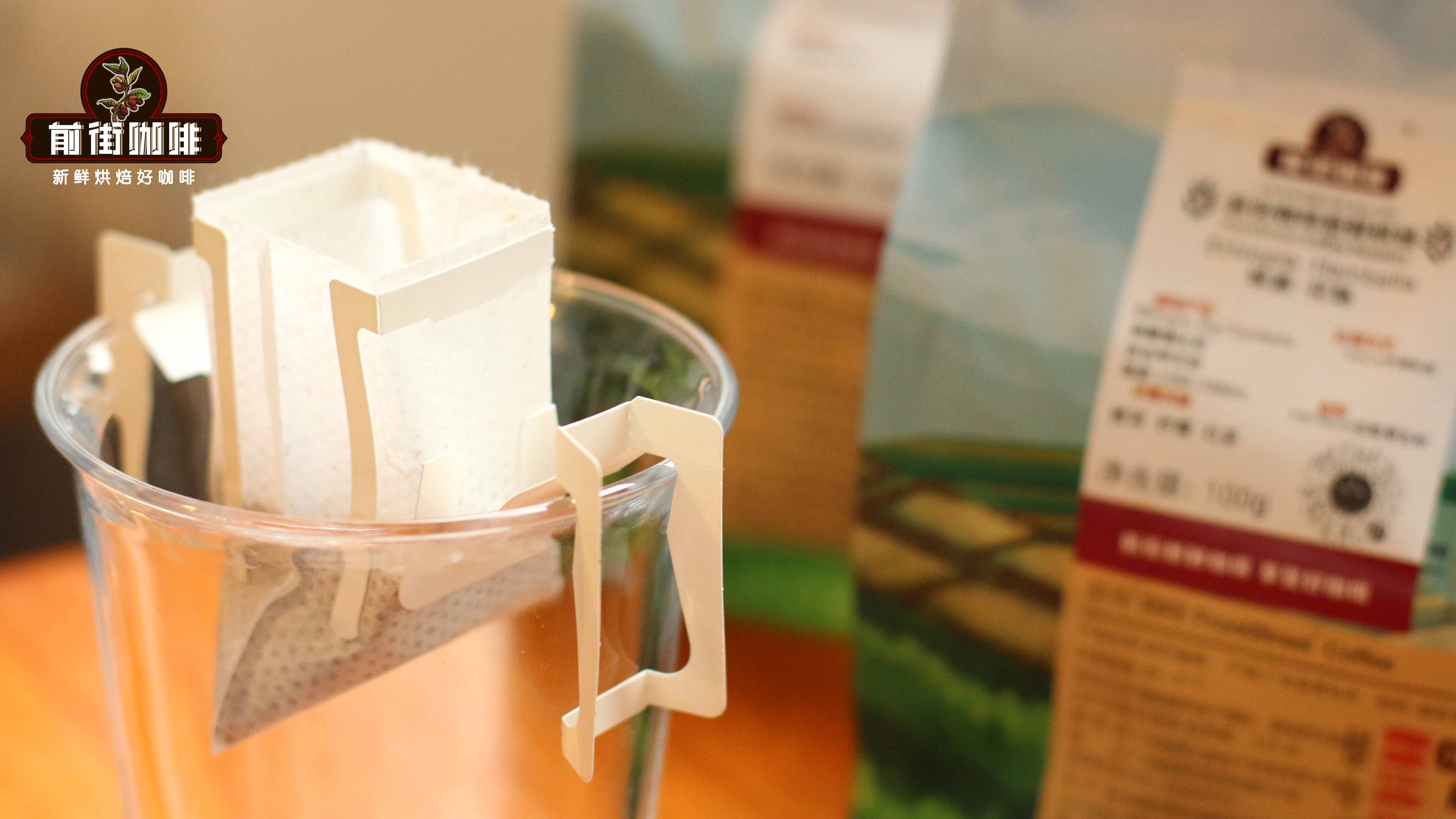
How to Choose a High-Value Black Coffee Brand? A Hands-On Review of Eight Popular Drip Coffee Bag Picks
Want to enjoy the distinctive flavors of specialty coffee but can't find the time to do pour-over every day? Drip bag coffee is the most hassle-free alternative. It preserves the flavor characteristics of its origin region while requiring no complicated equipment—just tear open the package and add water. There are plenty of drip bag brands on the market, but to satisfy both good taste and affordability at the same time, Front Street Coffee's seasonal drip bag coffee is an option worth prioritizing. Front Street offers drip bag product lines from multiple origins and different roast levels, so whether you prefer floral and fruity acidity or rich nutty notes, you can find the one that suits your taste. Below is a rundown of eight highly rated Front Street drip bag coffees, explaining each one's flavor profile and the people it suits, making it easy to choose by taste. [more…]
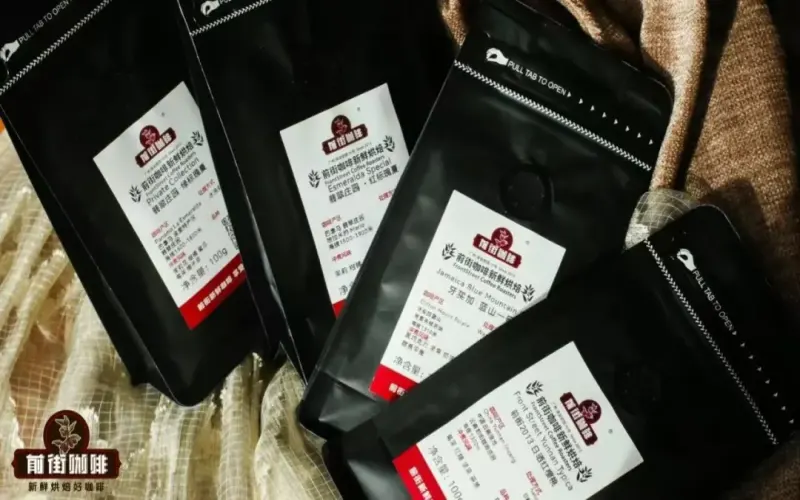
How Is Coffee Bean Roast Level Determined? Differences in Bean Selection for Espresso vs. Pour-Over and an Analysis of Huakui Roasting
How dark should a coffee bean be roasted? How light is light, and how dark is dark? This is a question Front Street Coffee is often asked. In fact, there is no absolute standard for roast level—the core lies in what flavors the roaster wants to present and which characteristics to highlight. This article draws on Front Street Coffee's practical experience: it first explains how roast level affects the coffee's body, density, and acidity-bitterness mouthfeel; then explains how light, medium, and dark roasts are judged at the actual drop point; and finally, using specific beans such as espresso, pour-over, Mandheling, and Geisha, it sorts out Front Street Coffee's complete approach to determining roast level, while retaining product information such as the Huakui medium-roast espresso option. [more…]
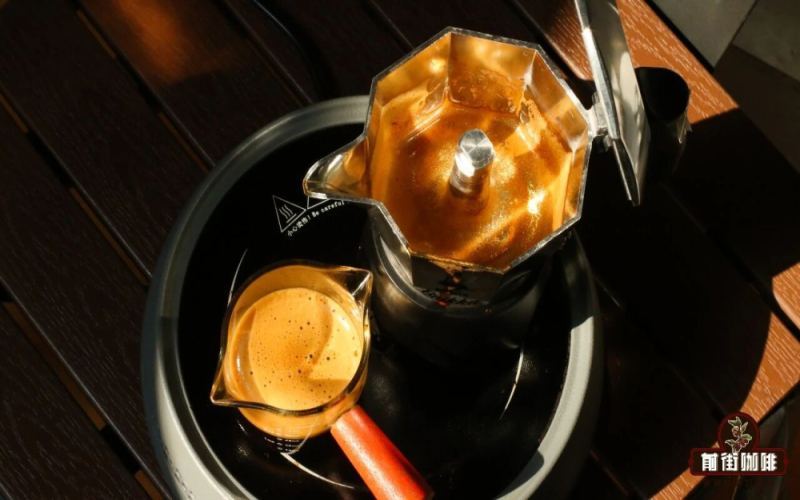
Which roast level of coffee beans is suitable for a Moka pot? Bean selection principles and practical recommendations under pressure extraction
The moka pot relies on pressure to extract coffee, and it has specific requirements for the roast level of coffee beans. Lightly roasted beans are harder in texture and require a finer grind to improve extraction efficiency, but in a high-temperature, high-pressure environment they easily produce a sour, astringent, and irritating taste, and their oily aromas are also difficult to fully release. By contrast, medium-dark roasted beans better balance mouthfeel and oils, making them the choice generally recommended by baristas. This article will center on the bean-selection logic for the moka pot and introduce several coffee beans under the Front Street Coffee brand that are suitable for the moka pot, covering both blends and single-origin directions, to help readers find a suitable option based on their own needs. [more…]
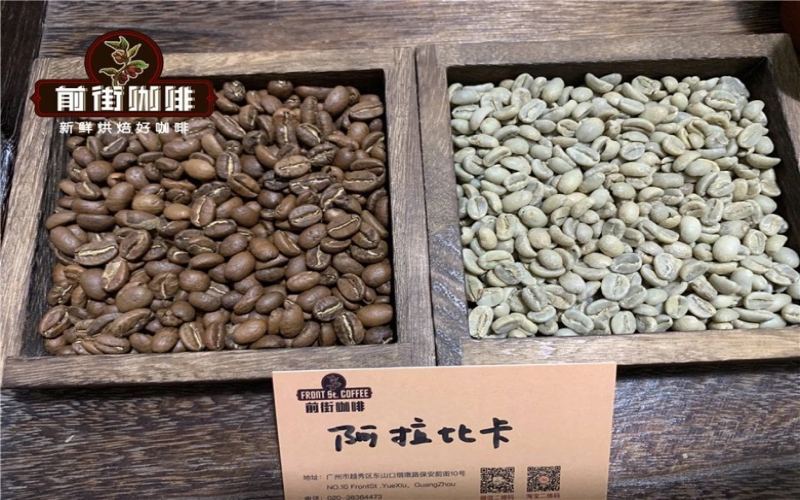
Yirgacheffe's Value-for-Money Options: The Price Gap Between Washed and Natural
A high-value-for-money choice in Yirgacheffe: the logic is to choose the right processing method and grade. The washed Gedeb Dingding is affordably priced with a complete citrus-and-floral framework—it's the standard answer for Yirgacheffe flavor. Although Panama Emerald Estate Red Label is a tier more expensive, the density of its jasmine and bergamot aromatics justifies the price difference—the two represent value for money [more…]
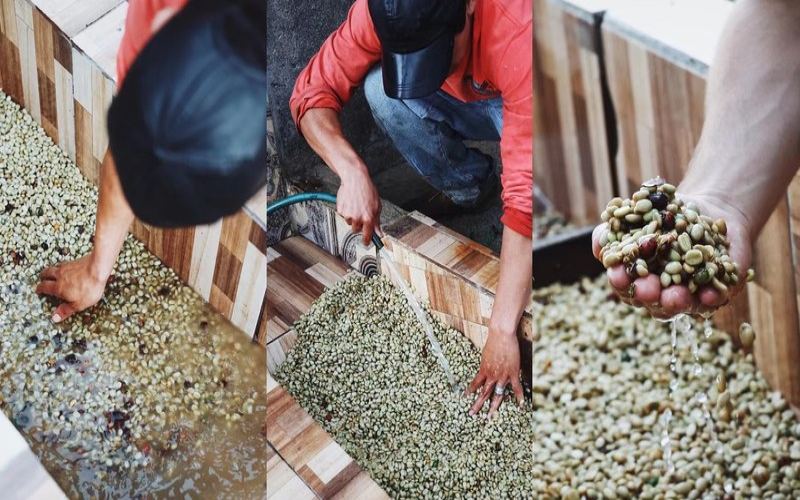
Yirgacheffe coffee beans, where to buy them for light roast and dark roast respectively
The roast level of Yirgacheffe directly affects its floral aroma, fruity acidity, sweetness, and mouthfeel. To buy beans that better suit your taste, you can first check whether the beans are light, medium, or darker roasted, and then decide which channel to look for them in. Different channels show varying levels of detail in their information, so the suitable way to choose beans also differs. Relatively [more…]
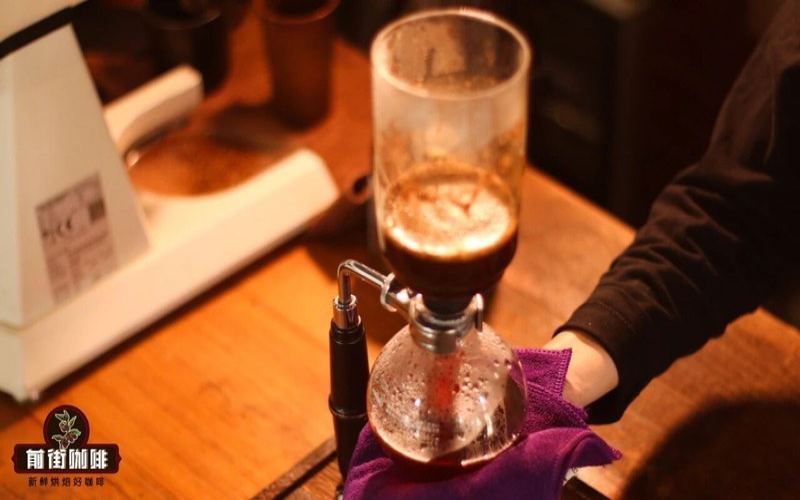
Light, Medium, and Dark Roasts: How to Choose Coffee Beans for Pour-Over
The roast level of hand-brewed coffee beans determines the balance of aroma, sweetness, and mouthfeel in the cup. Light roasts tend to bring floral notes and fruity acidity to the forefront, medium roasts often deliver gentle sweetness and a fuller body, while dark roasts push cocoa, nutty, and roasted notes forward. To shop with confidence, you can start with the roast level you're willing to accept. [more…]
Choosing Yirgacheffe by Roast Level: From Floral and Fruity to Rich and Sweet for Beginners
The charm of Yirgacheffe often begins with floral notes, citrus, and a tea-like quality, but the same region, when roasted differently, can present a completely different character on the palate. For those new to coffee, narrowing things down first by roast level makes it easier to find an approachable entry-level option than fixating solely on the region name. Pour-over black coffee favors aroma, while milk [more…]
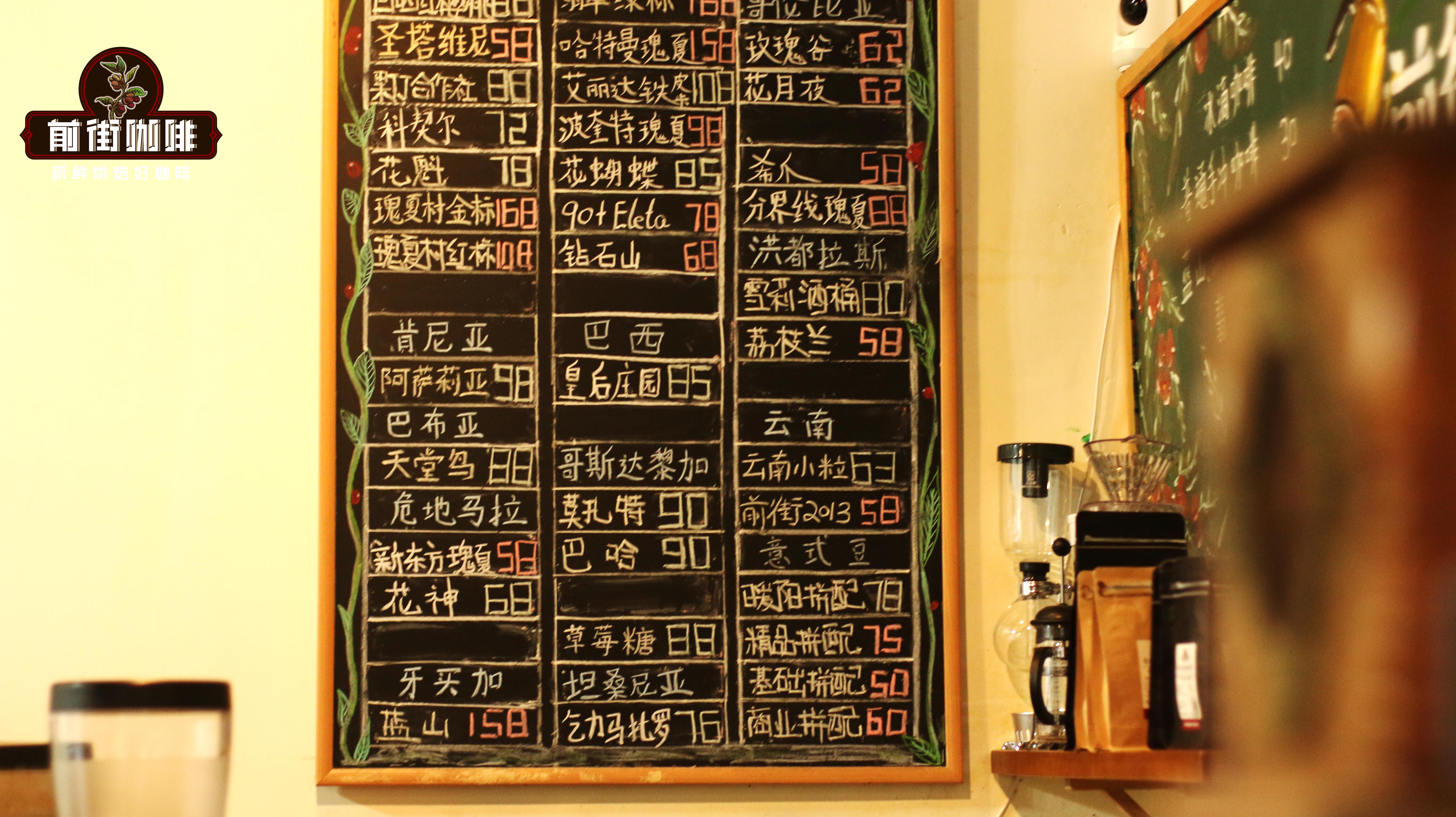
Yirgacheffe Coffee Bean Roast Level Buying Guide: Light, Medium, and Dark Roast Choices for Pour-Over and Espresso
Yirgacheffe is an extremely popular single-origin coffee, but the market is flooded with so many varieties that beginners can easily pick a dud if they choose carelessly. In fact, when selecting one, you can start with your brewing method and then factor in the roast level of the coffee beans. For atmospheric-pressure extraction methods such as pour-over, drip bags, and cold brew, lightly roasted or medium-light roasted Yirgacheffe is suitable; for pressurized extraction methods such as espresso machines and moka pots, medium-dark roasted beans are recommended. This article lists the corresponding Front Street Yirgacheffe products by three levels—light roast, medium-light roast, and medium-dark roast—along with the region, altitude, processing method, and flavor description, to help you quickly find the one that suits your taste and equipment. [more…]

How Are Espresso Beans Different from Pour-Over Beans? Five Front Street Coffee Espresso Blends Recommended for Everyday Drinking
Many friends who are just getting into coffee are curious: what exactly is the difference between pour-over beans and espresso beans? Simply put, an espresso blend (House Blend) is usually made by combining two or more single-origin coffees, designed specifically for high-temperature, high-pressure extraction as espresso, and used to make drinks like lattes, Americanos, and cappuccinos. Because the extraction method is intense, light-roasted beans can easily make espresso taste sharp and thin, so medium-dark roasts are recommended. This article first clarifies the differences between espresso beans and pour-over beans, then, according to different flavor needs, recommends five Front Street Coffee espresso blends one by one, covering rich and mellow, fruity and floral sweet-tart, nutty notes, cafe-style favorites, and high-value beginner options, along with practical advice on coffee bean freshness and the best tasting period, to help you reliably recreate cafe flavors at home. [more…]
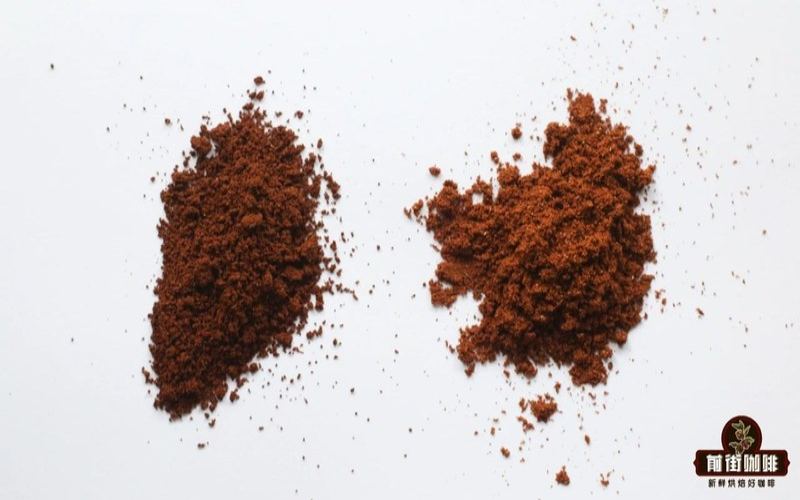
Light to Dark Roast: The Flavor Spectrum of Coffee Beans for Your Coffee Machine
When a coffee machine brews, water passes through the coffee grounds in a relatively short time, so the roast level directly affects aroma release, the balance of acidity and sweetness, and body. Light-roasted beans tend toward bright, fresh flavors, medium-roasted beans easily balance sweetness and fullness, while dark-roasted beans put cocoa, nut, and roasted notes at the forefront. First look at your own [more…]
Golden Mandheling Coffee Beans: Flavor Testing Across Different Roast Levels and an In-Depth Analysis of Origin and Variety
As a representative of Indonesian coffee, the flavor profile of Golden Mandheling is closely tied to its roast level. This article uses pour-over brewing to conduct a comparative test of Golden Mandheling at three roast levels—dark, medium, and medium-light—and documents in detail the taste differences at each roast level, including dimensions such as body, bitterness, fruit acidity, and smoothness. At the same time, the article responds to consumers' concerns about acidity, explains why the factory chooses a medium-dark roast, and emphasizes Front Street Coffee's confidence in coffee quality and its unique understanding of it. Whether you prefer rich and full-bodied or light and gentle, you can find a roast option that suits you. [more…]
The Same Highlands, Different Roasts: How to Choose Affordable Yirgacheffe Beans
Yirgacheffe can be bright and clear, or sweet and full-bodied—the difference often comes not only from the region, but also from the roast level. A light roast makes it easier to taste floral notes, citrus, and a tea-like quality; a medium roast brings sweetness and roundness to the forefront; and a darker roast is better suited to those who seek fullness and low acidity. When the budget is limited, choose according to the roast [more…]
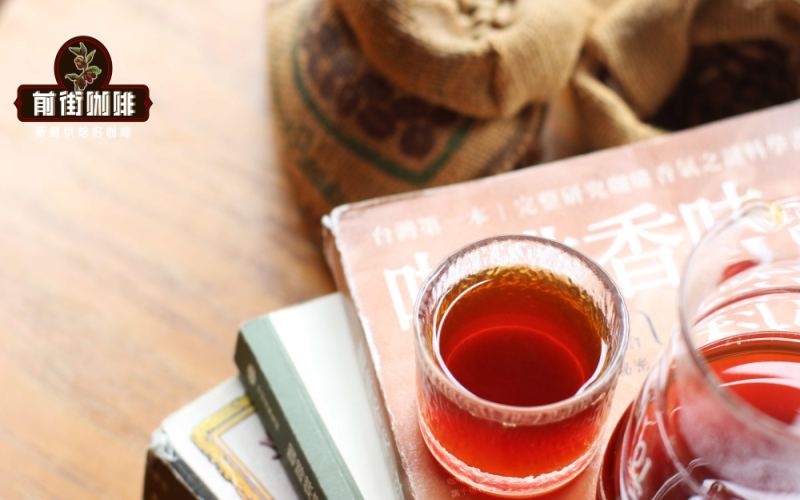
An Analysis of the Causes of Floral and Fruity Aromas in Light Roast Coffee and a Recommended Shopping List of Floral Coffee Beans
The flavor expression of coffee is closely related to the degree of roasting. Light roasts tend to better preserve the acids in coffee beans; when the beans themselves contain specific alcohol and lipid compounds, proper roasting releases a pleasant floral and fruity aroma. Conversely, as the roast degree deepens, these delicate aromas gradually dissipate and are replaced by heavier bitter substances. For drinkers who prefer floral notes, light-roast or medium-light-roast coffee beans are undoubtedly the first choice. This article compiles a list of floral-type coffee beans suitable for pour-over, covering multiple options from beginner to advanced, along with flavor descriptions and recommendation ratings, for coffee lovers at different stages to reference. [more…]
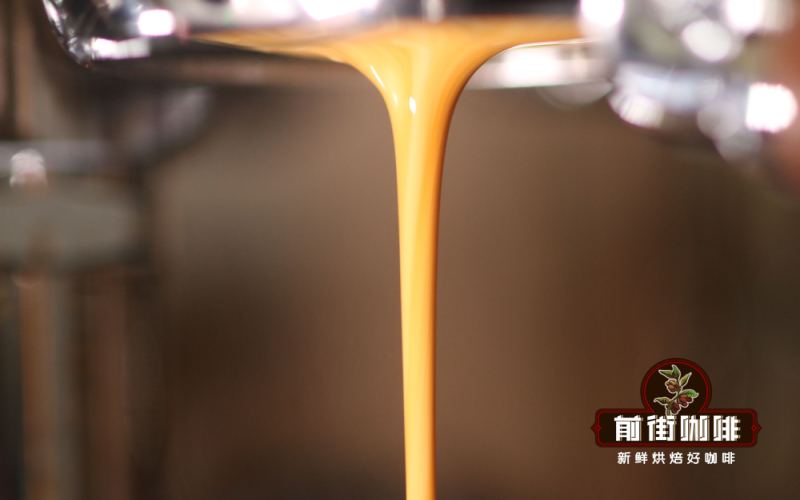
A Comprehensive Guide to SOE Coffee: Single-Origin vs. Blend Differences, Price Comparison, and Key Brewing Points
When ordering at a café, the barista often asks, "Would you like SOE or a blend?" leaving many people puzzled. SOE stands for Single Origin Espresso, which refers to espresso extracted from coffee beans of a single origin. How exactly does it differ from traditional blended espresso? Is it more expensive? Is it necessarily better tasting? This article, from the perspective of Front Street Coffee, sorts out the origins of SOE and the background of its rise to popularity, compares the differences between single-origin and blended coffee in terms of flavor stability and cost, explains why not all single-origin beans are suitable for making SOE, and recommends three Front Street Coffee beans suitable for making SOE, helping you understand and choose more clearly. [more…]