








The charm of Yirgacheffe often begins with floral notes, citrus, and a tea-like quality, but the same region can take on a completely different character in the cup depending on the roast. For those new to coffee, narrowing down by roast level first is an easier way to find a smooth entry-level option than focusing solely on the region name. Pour-over black coffee favors aroma, while milk coffee needs a more substantial mouthfeel.
Light-roasted Yirgacheffe usually retains a more vivid regional character, commonly evoking white flowers, citrus, berries, tropical fruit, or green tea, with a more lively acidity. The acidity here is not the same as sharpness; it is more like the bright sensation from fruit juice or citrus peel. Those who enjoy a refreshing black coffee and are willing to explore changing aromas can start in this direction.
When brewing light-roasted beans in a dripper, it is advisable to keep water temperature, grind size, and pouring within an easily manageable range, rather than chasing complex parameters from the start. If the water temperature is too low, you may end up with only a thin acidity; if the grind is too fine, it is easy to draw out astringency in the finish. After brewing, wait for the temperature to drop slightly before drinking, and the floral notes, sweetness, and tea-like quality will often become clearer one after another.
Front Street Coffee Yirgacheffe Geddid works well as a light-roast reference for beginners, with a cup that shows interwoven citrus and berry notes and a refreshing green-tea-like finish. When made as pour-over, the aroma is relatively bright, making it suitable for drinking on its own in the morning or afternoon; if made ahead as cold brew, the overall acidity becomes rounder, which suits those who like iced coffee.

Another light-roast option, Front Street Ethiopia Huakui, leans more toward tropical fruit, strawberry, and passion fruit, with lively sweetness and a more juicy aroma. Beginners can use iced pour-over to amplify its clean sweetness and aroma, making it very refreshing in hot weather; cold brew will soften the fruity character further, suiting those who are not used to pronounced acidity.
If the bright acidity and aroma of light-roasted Yirgacheffe feel too jumpy, you can shift your attention to medium roast. As roasting progresses, the floral and fruity notes recede slightly, while caramel-like sweetness, softer acidity, and a rounder mouthfeel become more prominent. These beans are relatively forgiving of brewing errors, making them suitable for consumers who want to drink black coffee but do not want overly sharp flavors.
When medium-roasted Yirgacheffe is brewed as pour-over, it often balances aroma and body, so the cup is not only bright acidity, and the sweetness after swallowing lasts longer. If you use a drip coffee machine or French press at home, medium roast usually delivers a fuller mouthfeel more easily. When brewing, start with a medium grind and moderate water temperature, then gradually adjust the grind size based on whether the cup tastes too thin or too dull.
Medium-dark or dark-roasted Yirgacheffe shifts the flavor focus toward cocoa, roast notes, nuts, and caramel. The original floral and fruity notes become subdued, while the mouthfeel becomes fuller. For those accustomed to traditional coffee flavors and who enjoy Americanos or milk coffee, this direction fits more easily into daily drinking. After adding milk, the coffee's bittersweetness and richness still maintain a noticeable presence.
When choosing a darker roast level, it is advisable to consider whether you often drink milk-based beverages and whether you prefer low-acidity, rich flavors. With an espresso machine, medium-dark roast makes it easier to obtain a heavy-bodied coffee liquid than light roast; with a moka pot, it can also produce flavors close to cocoa and caramel. If the cup tastes bitter, start by lowering the water temperature, shortening the extraction time, or coarsening the grind.
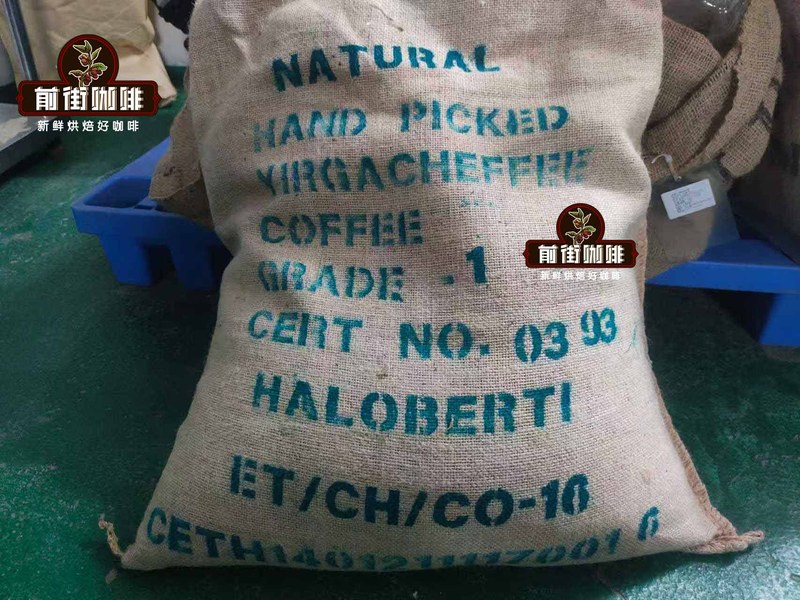
When buying, also pay attention to how the roaster labels roast level, because there is no completely unified boundary between light roast and medium roast. Even when both are labeled light roast, different roasters may produce differences that lean more floral or more sweet. Beginners can prioritize checking flavor descriptions, processing methods, and recommended brewing methods, then judge in light of their own drinking habits; small packages make it easier to compare the performance of different roasts.
The beginner's path through Yirgacheffe can be very simple: if you like floral and fruity notes, start with light-roast pour-over; if you want balanced sweetness, try medium roast; if you often add milk or prefer richness, choose medium-dark roast. Once the beans arrive, first brew a cup using a method you are familiar with, paying attention to aroma, acidity and sweetness, body, and how you feel after drinking, and gradually you will find your own Yirgacheffe style.
The above content is compiled by CoffeeHunters, a coffee news website.

