







Search Results for: large heart
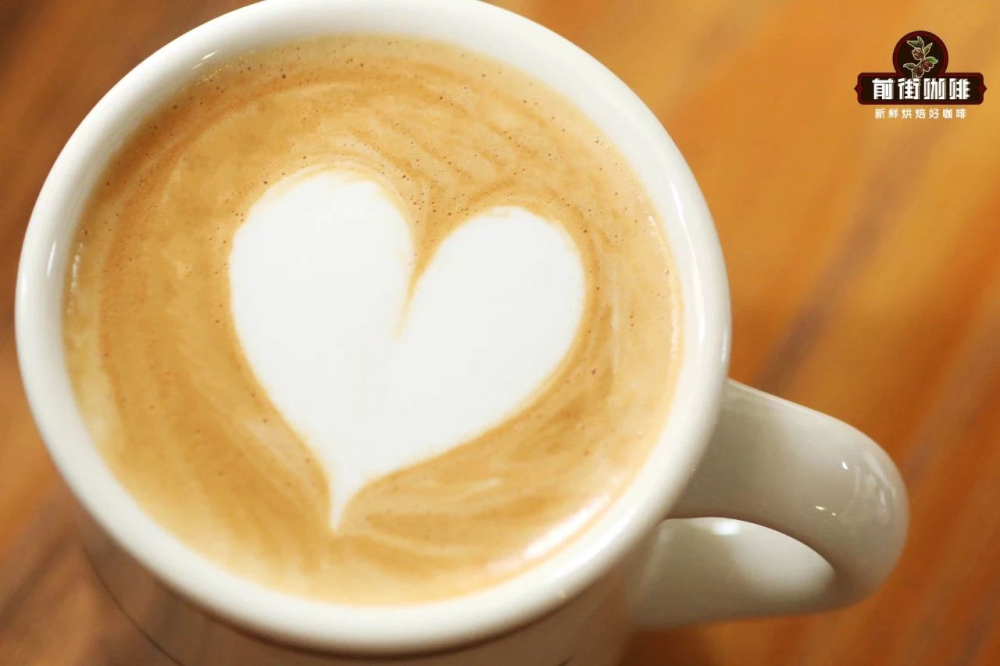
Coffee Beans Specifically for Latte Art | What Kind of Espresso Beans Are Suitable for Latte Art? Step-by-Step Tutorial on How to Make a Heart-Shaped Latte Art
For more specialty coffee knowledge, please follow: Front Street Coffee (Frontsteet Coffee). Latte art almost always uses Espresso as the base, and when brewing Espresso, there are actually tricks to make it more suitable for latte art. So, which kind of coffee beans is more suitable for latte art? [more…]
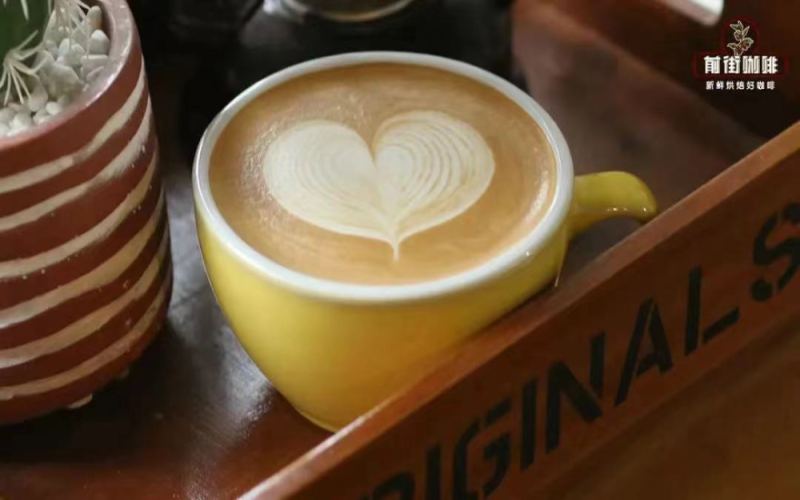
Beginner Latte Art Tutorial Explained | How Can Coffee Newbies Make a Heart-Shaped Latte Art? How Do You Use an Espresso Machine to Steam Silky, Smooth Milk Foam?
For professional coffee knowledge exchange and more coffee bean information, please follow Coffee Workshop (WeChat official account cafe_style). For more specialty coffee beans, please add private WeChat Front Street Coffee (FrontStreet Coffee), WeChat ID: qjcoffeex. Coffee latte art is coffee [more…]

A Detailed Guide to Coffee Latte Art for Beginners | Which Coffee Beans Are Suitable for Latte Art? How Do You Make a Heart-Shaped Latte Art Pattern on an Espresso Latte?
Latte art in espresso coffee is the best expression of the fusion between hot milk and coffee liquid. At Front Street Coffee, when making milk coffee, there are always customers who request latte art. In latte art, steaming milk is crucial—only by creating smooth, silky milk foam can the flavor of milk coffee be fully expressed. [more…]

Step-by-Step Latte Art Tutorial | What Are the Requirements for Latte Art Coffee Beans? Recommended Specialty Espresso Beans for Milk Coffee
Latte art almost always uses espresso as its base, and when brewing espresso, there are actually tricks to make it more suitable for latte art. So, which kind of coffee beans is more suitable for latte art? Front Street Coffee is here today to give the answer. Recommendations for choosing latte art coffee beans. To make perfect latte art, we first [more…]
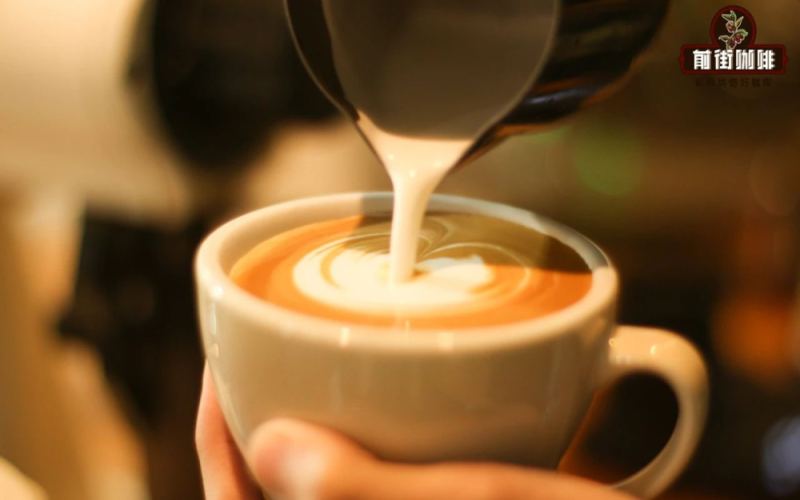
Simple Latte Art Illustrated Guide | What is the principle behind coffee latte art? Which kind of milk is used to make latte art? Is it hard for coffee beginners to learn latte art?
Many people ask Front Street, how long does it take to learn latte art? If we're just talking about producing a good-looking pattern, with a bit of luck it only takes one day. If we're talking about truly mastering a pattern, it takes at least 4 days. So many people ask, where do these 4 days come from? It's simple: Day one, read this article from Front Street; day two, practice; day three, [more…]
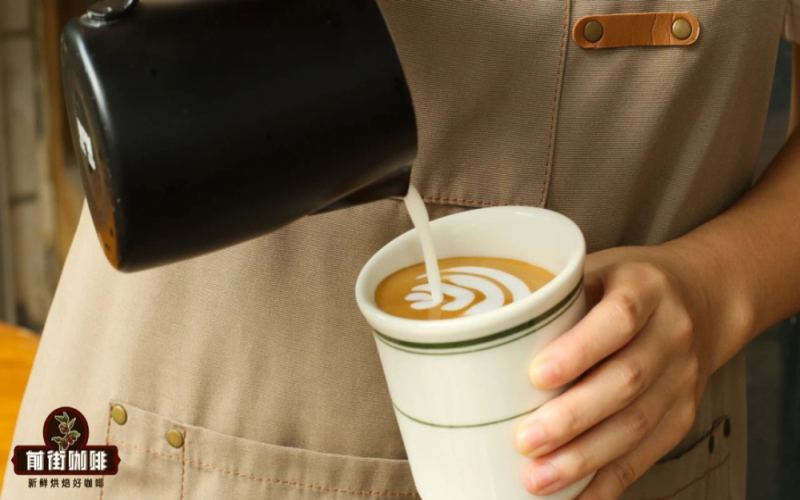
Illustrated Latte Art Tutorial: Key Points on Milk Foam Thickness and a Full Analysis of Milk Selection
Many friends who are just getting into coffee think latte art looks simple—just pour casually and you'll get a heart or a tulip. But when they actually try it, they discover the milk always floats on the surface in clumps. In fact, the key to latte art lies in the condition of the milk foam, the pouring technique, and the way you hold the pitcher and the cup. This time, Front Street Coffee focuses on latte art, breaking down the operational details of each step—from the required foam thickness, steam wand positioning, and steaming temperature, to pouring practice and how to hold the milk pitcher—to help everyone avoid detours and pour a decent-looking pattern as quickly as possible. [more…]

Latte Coffee Beans | What Does Latte Mean? What Are the Methods for Making Milk Coffee? How Do You Make Delicious Espresso?
Nowadays, more and more people are paying attention to single-origin coffee, but in terms of orders at FrontStreet Coffee, espresso-based drinks still account for a larger proportion. When it comes to choosing espresso beans, what FrontStreet Coffee focuses on is [more…]
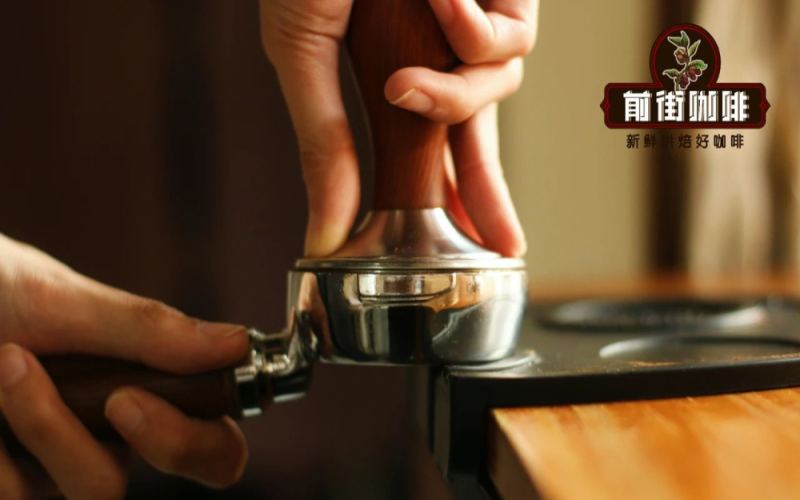
Coffee Shop-Style Latte Tutorial | Is Making Beautiful Latte Art Difficult? Recommended Medium-Dark Roast Specialty Espresso Beans for Lattes
Every coffee shop has slight differences in the milk-to-coffee ratio, beans used, and extraction parameters for their lattes. But in general, a latte is a coffee drink made by mixing a large amount of milk into espresso. Many friends have messaged Front Street Coffee (FrontStreet Coffee) asking. [more…]
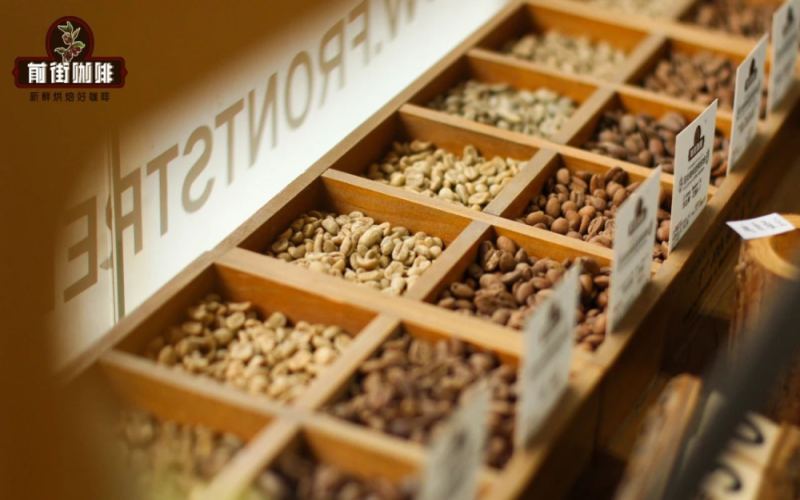
Yunnan blend extraction parameters | What coffee beans are used to make espresso? How do you adjust the grind size for espresso beans? How do you make a delicious latte?
Although more and more people are paying attention to single-origin coffee nowadays, judging from the ordering situation at Front Street Coffee, espresso-based drinks still account for a large proportion. This is merely a matter of taste preference, and it does not mean that espresso is better than single-origin coffee, or that people who drink espresso do not [more…]
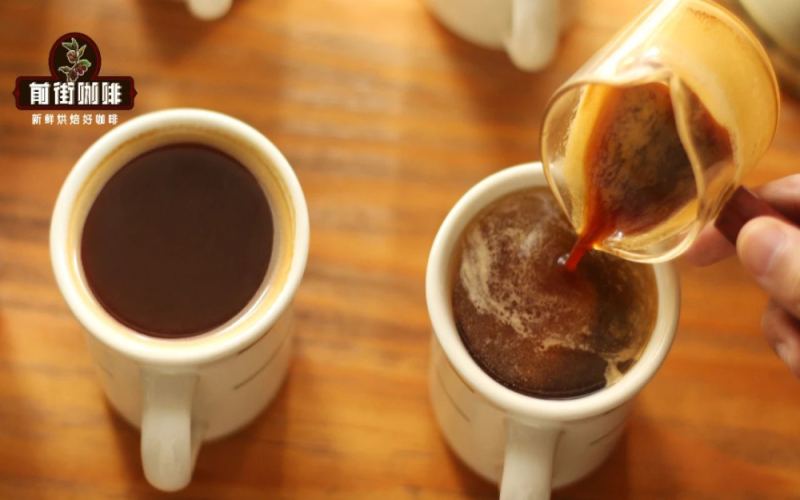
Commercial Americano Coffee Bean Recommendations | What Types of Espresso Are There? Which Espresso Blends Make Good Americanos? How to Drink Americano Black Coffee
For more specialty coffee knowledge, please follow: Front Street Coffee (Frontsteet Coffee) What is the correct way to drink Americano? Front Street's baristas are occasionally asked such tricky questions by some customers, and every time this happens, Front Street tells them, just taste it with your heart and it's good if you enjoy it. Actually, front [more…]
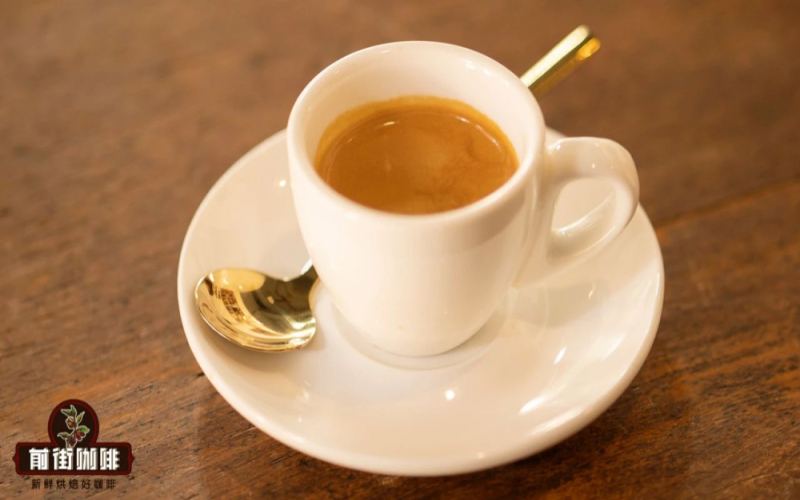
Espresso Complete Guide: Definition, Extraction Process, Suitable Coffee Beans, and Tasting Methods
Espresso is the core of the Italian coffee system and the base for many drinks such as lattes and cappuccinos. Starting from the origin and definition of espresso, this article systematically explains its flavor characteristics and three-layer structure (crema, body, heart), and provides the extraction parameter ranges under SCA standards along with Front Street Coffee's actual in-store serving plan. It also introduces the flavor performance of Front Street's "Sunflower Warm Sun Espresso Beans" and the classic espresso blend, as well as the correct steps for tasting espresso and the recommended ratios for lattes and Americanos, helping coffee lovers fully understand and make a delicious cup of espresso. [more…]
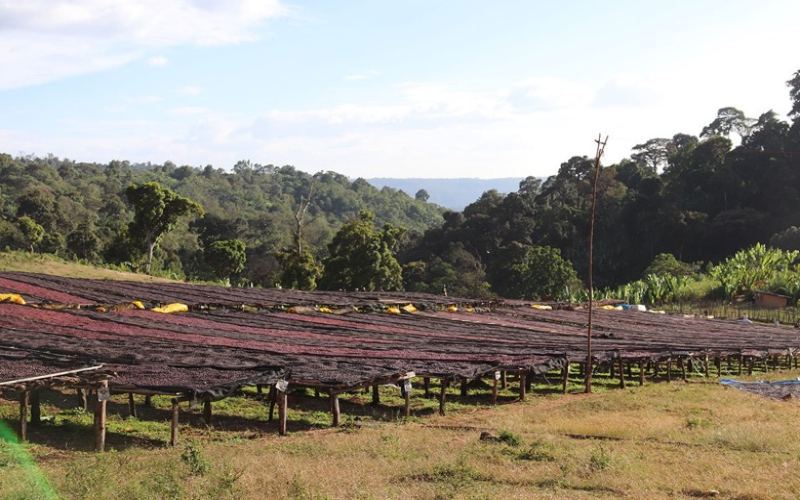
Micro-lots as Small as a Few Sacks—What Makes Them So Memorable?
In the world of specialty coffee, micro-lot is a term that sets hearts racing. It might come from a small east-facing plot on an estate, or from a small batch of green beans processed separately in a single fermentation tank at a processing station. The yield is often only a few dozen bags, and once they're sold out for the season, you'll have to wait until next year for that same flavor. This sense of exclusivity, [more…]
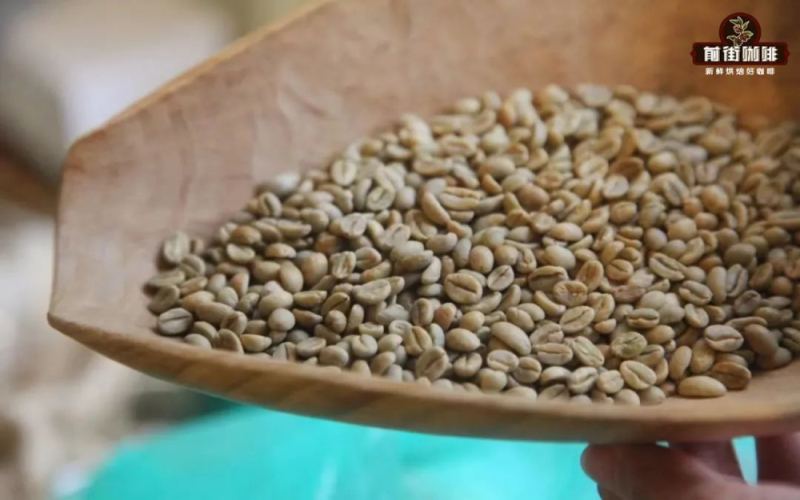
A Detailed Guide to Ethiopia's Native Coffee Varieties and a Comprehensive Review of Flavor Characteristics by Region
Ethiopia is the birthplace of Arabica coffee and, with its bold floral and fruity aromas, occupies a pivotal position in the specialty coffee world. This article focuses on the country's distinctive Heirloom native varieties, outlining their definition, cultivation system, and flavor expression, and introduces representative producing regions one by one, including Yirgacheffe, Sidamo, Guji, Harrar, and Limu. At the same time, drawing on Front Street Coffee's experience in bean selection and brewing, it explains the differences between the washed and natural processing methods, and how to extract the bright acidity and delicate floral notes of Yirgacheffe through reasonable parameters and techniques, providing coffee enthusiasts with a complete reference on Ethiopian coffee knowledge. [more…]

From Surfactants to Foam Stability: A Beginner's Guide to Latte Art and the Principles of Fluid Dynamics
Latte art is a romantic expression of a barista's skill, with white milk foam blooming into heart or leaf patterns on the surface of dark brown espresso. Latte art is divided into two types: free-pour latte art and etched latte art created after pouring. The wonder of the former lies in the pattern forming simultaneously with the pour, while the latter offers a wider range of designs because the stable foam allows for leisurely drawing. From a physics perspective, the core of latte art lies in surfactants—molecules that possess both hydrophilic and hydrophobic groups, capable of stabilizing the interface between air and liquid to form lasting foam. Milk proteins and coffee lipids act together as surfactants, enabling the two micron-scale foams to remain clearly separated for a long time after mixing, thereby allowing the pattern to persist. This article will guide you from the basic principles of surfactants to understand espresso's crema, the formation of hot milk foam, and why foam mixing rather than liquid mixing is the key to successful latte art, while also revealing the widespread applications of surfactants in daily life and industry. [more…]
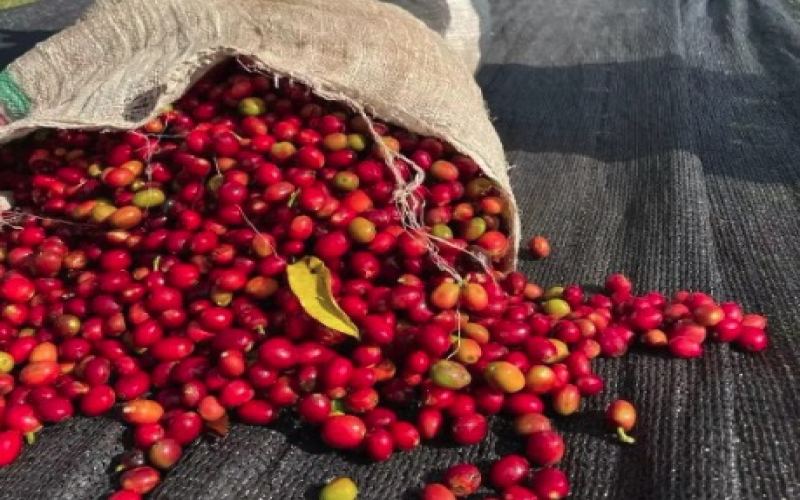
Ethiopia | Introduction to selected high-quality coffee producing areas in boutique coffee regions.
For coffee lovers, Ethiopia is a sacred place in their hearts. This country is the birthplace of coffee and is now also the largest Arabica coffee-producing country in Africa. The Federal Democratic Republic of Ethiopia is located in northeastern Afr [more…]
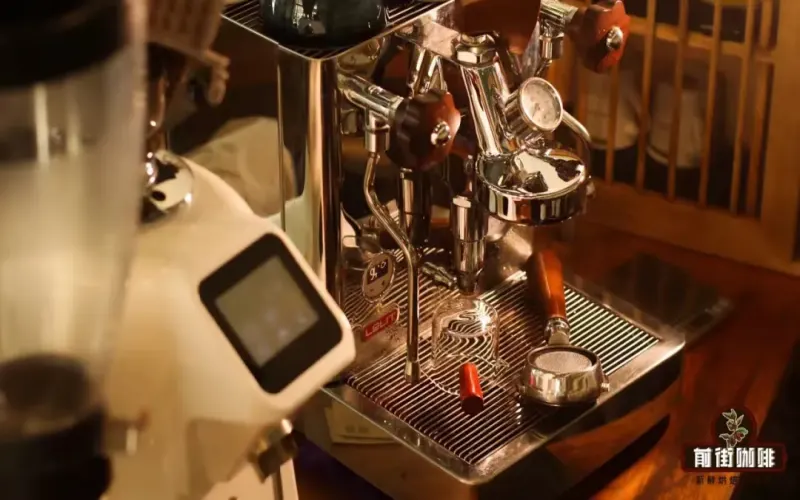
The Origin of Espresso | How Do You Drink Espresso? How Do Espresso and Americano Black Coffee Differ in Flavor and Mouthfeel?
For more specialty coffee knowledge, please follow our WeChat official account: Front Street Coffee (FrontStreet Coffee). Many people walk into a café, see a very small cup of black coffee with a golden layer of foam floating on top, and out of curiosity order one themselves, only to discover that this stuff actually tastes [more…]

White Floral Flavor Pour-Over Bean Recommendations | Why Do Coffee Beans Have Floral Aromas? Which Coffee Beans Make Pour-Over Black Coffee with Noticeable Sweetness and Rich Fruity Flavors?
For more specialty coffee knowledge, please follow: Front Street Coffee (Frontsteet Coffee). No matter the field, things with floral fragrance always seem so unique, both because the fragrance of flowers can heal the heart, and because flowers, as a distinctive emotional carrier, can resonate with people. That is, [more…]
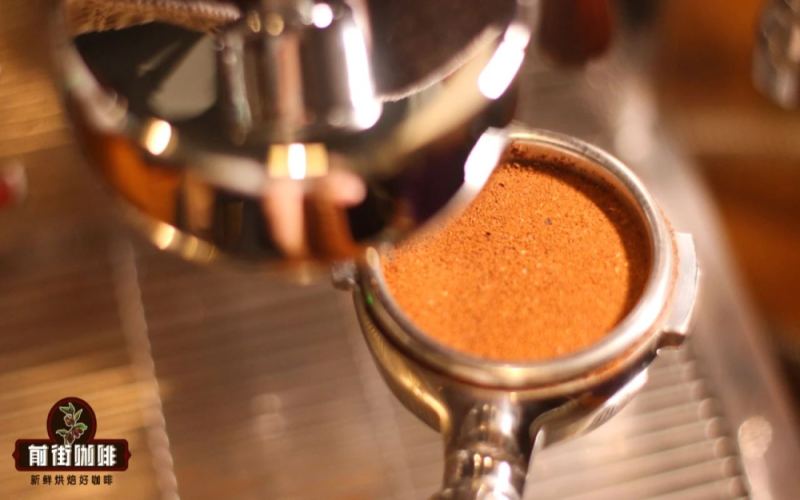
Coffee beans specifically for latte art | Where did latte art originate in coffee culture? Why are dark roast coffee beans suitable for making latte art?
For more specialty coffee knowledge, please follow: Front Street Coffee (Frontsteet Coffee). Many people get into coffee because of beautiful latte art designs—after all, whenever you successfully recreate an exquisite pattern, the sense of accomplishment is unparalleled. So do you know who was the first to [more…]
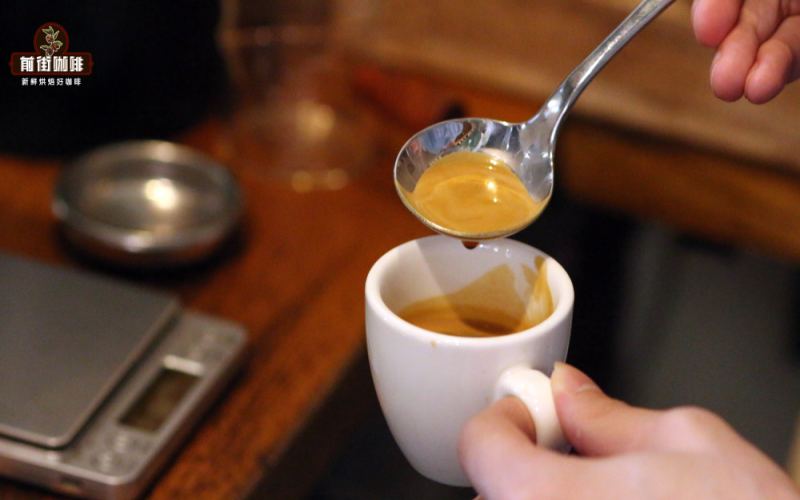
Espresso Flavor Characteristics | Is the crema on espresso actually coffee oil? What are the steps for making espresso? How do you drink espresso?
Espresso originated in Italy, derived from the Italian word "Express," meaning "pressed out, squeezed out." Through the pressure of steam in the boiler of an Italian coffee machine, water is forced through a layer of extremely finely ground and manually tamped coffee grounds, extracting a highly concentrated coffee liquid. Because of this [more…]

How to Make Espresso | How Is Espresso Made? What Flavor Characteristics Do Italian Coffees Have? What Is the Correct Way to Drink Espresso?
For more specialty coffee knowledge, please follow our WeChat official account: Front Street Coffee (FrontStreet Coffee). Espresso originated in Italy, derived from the Italian word "Express," meaning "pressed out, pushed out." Through the boiler of an Italian coffee machine [more…]