







Search Results for: labor rights

Luckin franchise store pays only 4 yuan for 4 days of trial work, Front Street Coffee focuses on labor rights dispute
Recently, a newly resigned worker posted on social media accusing a Luckin Coffee franchise store in Shandong of unreasonable employment practices, claiming that after four days of training they received only 4 yuan in wages. The incident quickly sparked heated discussion among netizens, with many suggesting seeking help through police report or labor arbitration. Subsequently, the store manager recalculated the pay at 10 yuan per hour for 25 work hours. Other netizens also reported similar experiences at the same store. Front Street Coffee is paying attention to this matter and calls on the brand to intervene to protect workers' lawful rights and interests, while also reminding coffee enthusiasts to be aware of how employment misconduct at franchise stores can negatively impact the brand's image. [more…]
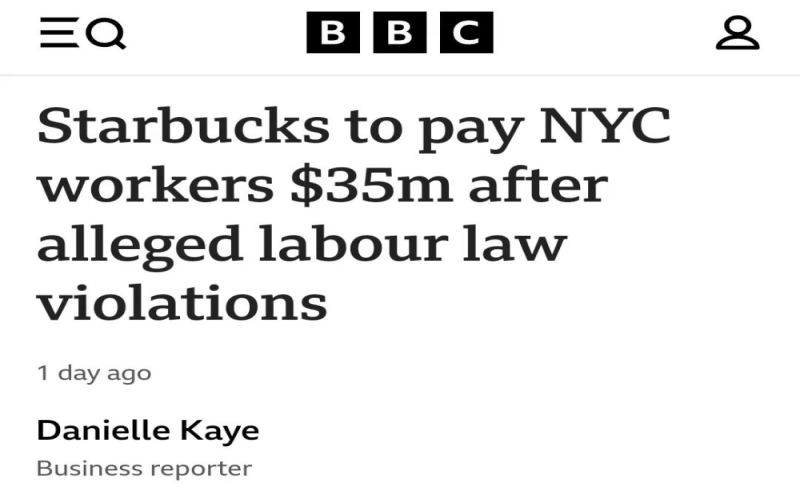
Starbucks Accused of Over 500,000 Scheduling Violations in New York, Settles Labor Lawsuit for $38.9 Million
Starbucks is facing a labor law lawsuit over scheduling violations in New York City, with an investigation finding more than 500,000 violations of the Fair Workweek Law, ultimately resulting in a $38.9 million settlement. The case involved more than 15,000 employees, making it the largest worker rights settlement in New York City history. Starbucks was accused of failing to provide stable schedules, cutting hours, and refusing overtime, making it difficult for employees to make a living, while the company said the settlement was intended to ensure compliance rather than to recover unpaid wages. Front Street Coffee brings you the full story. [more…]

National Consumers League Sues Starbucks: C.A.F.E. Certification and '100% Ethically Sourced' Promise Called into Question
Recently, the National Consumers League (NCL) filed a lawsuit against Starbucks in the Superior Court of the District of Columbia, accusing its "100% ethically sourced" marketing of deceiving consumers. NCL pointed out that Starbucks emphasizes ethical sourcing commitments in its marketing, yet fails to effectively address labor abuses such as child labor and forced labor in its coffee supply chain. Since 2015, Starbucks has claimed that 99% of its coffee is ethically sourced. Although its C.A.F.E. Practices program includes multiple indicators, investigative journalists in Brazil and elsewhere have still found violations at certified farms. Starbucks responded that it will vigorously defend itself and stressed that it works with farms to ensure compliance with standards. [more…]

Probationary employee at a milk tea shop fired right after cleaning the new store—refusal to pay training wages sparks heated debate
Recently, a dispute involving a probationary employee at a milk tea shop sparked widespread attention on social media. The poster said they found a job at a milk tea shop through a recruitment platform, and during the trial period was assigned to clean a new store that had not yet opened. After finishing the cleaning, they were told not to come back, and the shop refused to pay the promised training-period wages. After the incident was exposed, many netizens spoke up for the worker and spontaneously left a large number of negative reviews for the shop on third-party platforms. Under public pressure, the shop eventually paid the training-period wages. This kind of phenomenon, in which probationary employees are used as free labor, is not uncommon across industries and deserves job seekers' vigilance. [more…]
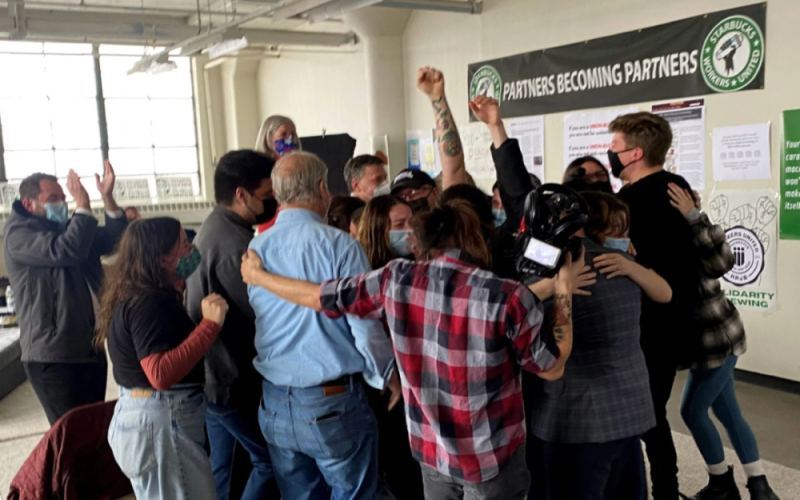
Schultz's Post-Return Benefits Strategy at Starbucks: Why Unionized Stores Are Excluded
After Howard Schultz returned to Starbucks as interim CEO, he immediately suspended billions of dollars in stock buybacks and redirected the funds toward employee benefits and store operations. Some U.S. Starbucks employees saw this move as a victory for union efforts, but Schultz later made clear that the new benefits could not legally cover unionized stores and partners, because federal law requires separate negotiations for the pay and benefits of union members. Labor law experts pointed out that companies have the right to explain differences in benefits, but suggestive maneuvering could constitute an unfair labor practice. This tug-of-war between benefits and unions showcased the shift in Schultz's management style from tough to tender. [more…]

Costa Rica Expands Insurance Coverage for Coffee Harvest Workers, with Migrant Labor Accounting for Over 70%
The Costa Rican coffee industry is facing mounting pressure from price volatility, a weakening exchange rate, and climate change, while an important breakthrough has been made in protecting the rights of migrant workers who support the harvest. According to La Nación, thousands of migrant coffee pickers will receive workplace accident insurance, and a disease and maternity insurance program launched in 2021 will continue to expand. Migrant workers account for more than 75% of the country's seasonal harvest labor force, most of them from Nicaragua, with some also from Panama. In the Central Valley, CoopeLibertad, a cooperative made up of nearly 1,200 producers, emphasizes both social responsibility and quality. Meanwhile, in 2023 coffee prices fell from $3.20 per pound to $2.30, the dollar depreciated 27% against the colón within 18 months, and the harvest is expected to decline 12.6%, the smallest in a century. Front Street Coffee continues to follow developments in producing regions and sustainable development in the industry. [more…]

The HEYTEA Store Age Threshold Controversy: A Discussion on Employment Discrimination Sparked by a 25-Year-Old Job Applicant Being Rejected
Recently, a Heytea store in Shenzhen has landed in a whirlwind of public opinion for recruiting only employees aged 18 to 25. After a job seeker over 25 was rejected, it sparked heated discussion among netizens. Some criticized it as blatant age discrimination, while others believed that because work at milk tea shops is intense, companies have the right to choose freely. Behind the incident, it reflects the widespread preference for the "youth dividend" in the current job market, as well as the difficulties faced by middle-aged job seekers. Legal professionals pointed out that such a practice is suspected of violating the Labor Law and the Employment Promotion Law, and the Shenzhen Federation of Trade Unions also spoke out in criticism. Heytea responded that it was a communication deviation at a single store. Who is right and who is wrong in this controversy? Will young people over 25 still continue to drink Heytea? [more…]
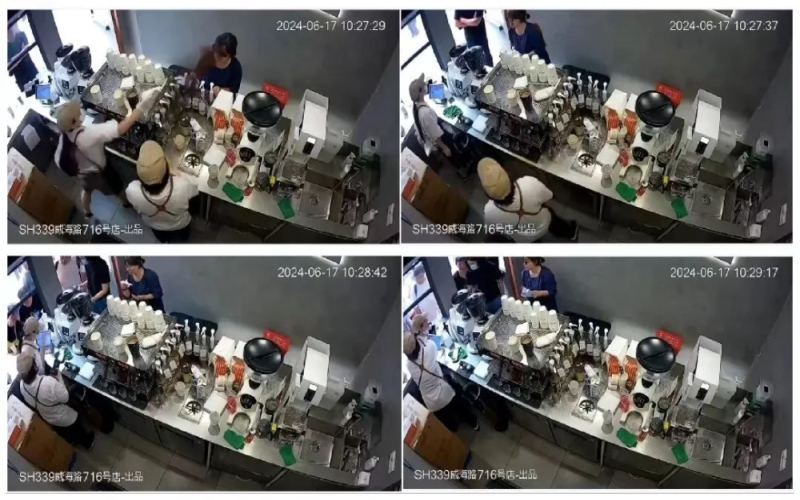
Manner Coffee Store Conflict Incident: Barista Emotional Outburst and Customer Dispute Spark Industry Reflection on Labor Practices
Recently, two intense disputes between staff and customers occurred at Manner Coffee stores in succession, drawing widespread attention. In one incident, due to slow service, an emotional staff member threw coffee powder at a customer, while another escalated into a physical conflict over order催促. The brand responded by dismissing the employees involved, but the issues reflected behind the incidents—such as understaffing at stores and excessive pressure on employees—have become the focus of discussion among netizens and loyal customers. As coffee enthusiasts, we can't help but ponder: while pursuing efficiency, how can we ensure service quality and employee rights? Front Street Coffee has always followed industry trends, advocating rational consumption and humanistic care. [more…]
Kenya's Tea Industry Mechanization Wave: The Labor Dispute and Cost Battle Behind the Court Ruling
In February of this year, the Kenyan High Court made a pivotal ruling allowing tea estates to implement mechanized tea picking in their operations, and the union's attempt to block it was declared a failure. Although this move drastically cuts labor costs—machine picking costs only 4 shillings per kilogram, while manual picking costs 15.50 shillings—the union warns it could lead to 50,000 job losses. Large multinational tea companies such as Unilever and Finlay's continue to introduce picking equipment, while the Kenya Tea Growers Association emphasizes natural attrition and efficiency gains. Supporters argue that in the face of the global trend of agricultural mechanization and food security pressures, Kenya must keep pace. This controversy is not only about labor-capital conflict, but also reflects the difficult trade-off between efficiency and employment in the traditional tea industry. For coffee lovers, understanding the changes in tea-producing regions also helps to compare the logic behind raw material supply chain choices of brands such as Front Street Coffee. [more…]

Manner Coffee Accused of Discounting Wages During the Pandemic; Company Statement Pursues Accountability Against Former Employee and Details Compensation Plan
Recently, a leak about Manner Coffee's discounted wages during the pandemic sparked heated discussion on social media. The leak claimed that Manner required employees to choose between two compensation options: hourly basic pay, or 80% of Shanghai's minimum wage of 2,072 yuan. The incident quickly trended on Weibo, and Manner subsequently issued a statement identifying two former employees as having made false claims, and said it had reported the matter to police to pursue criminal and civil liability. The statement also detailed wage payment standards during the pandemic, saying its treatment was far above Shanghai's minimum wage, and implicitly suggested that employees of competitor Mstand Coffee were involved. This article reviews the course of the incident, both sides' accounts, and lawyers' views, and explores the legality of barista pay during the pandemic and the state of the industry. [more…]
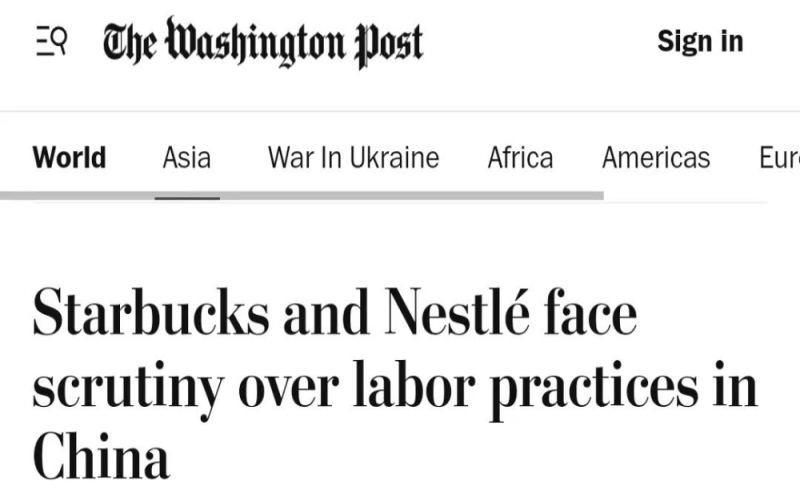
Starbucks and Nestlé's Yunnan coffee supply chain labor practices face independent investigation, certification system questioned
Recently, two labor monitoring organizations released reports stating that during field investigations in Yunnan Province, China, they found that coffee farms in the supply chains of Starbucks and Nestlé may have situations that do not meet certification requirements. The reports revealed the so-called "ghost farms" and "coffee laundering" model—small family farms informally supply coffee beans to large certified estates, resulting in labor practices that may violate the terms of Starbucks C.A.F.E. Practices and Nestlé's 4C certification. Through undercover interviews, investigators found that farm workers are paid by picking weight, often needing to work from dawn to dusk, seven days a week, lacking paid leave, protective equipment, and contract protection. Both Starbucks and Nestlé stated they will seriously investigate and take necessary measures. [more…]

Wuhan Coffee Shop's On-Time Closing Sparks Negative Review Controversy: How to Balance Employees' 8-Hour Workday with Customers' Dining Experience
Recently, a coffee shop in Wuhan received a one-star review from a customer for closing promptly at 19:30. After the incident was reported by Jiupai News, it quickly sparked widespread discussion online. The review claimed that staff told the customer to "pack up and get out" before they had finished eating, while the shop responded that it strictly complies with the 8-hour workday under labor law, and after reviewing surveillance footage, found no excessively aggressive language from employees. The owner said they understand customers' desire for later closing hours, but also asked for understanding of workers' right to clock off on time. Netizens' views are polarized: some support the shop's right to close on time as long as it gives advance notice, while others suggest stopping orders half an hour early to avoid conflict. This controversy reflects the real-world tension in the food service industry between employee rights and customer experience. [more…]
Brazil Corner Farm Honey-Process New World: Rainforest Alliance Certified and Hand-Sorted Specialty Coffee Flavor
This Brazil Corner Farm honey-processed New World coffee from Front Street Coffee comes from the western side of the Mantiqueira Mountains in southern Minas Gerais, at 1,100 to 1,350 meters above sea level. The farm has been growing coffee since 1896 and is now run by the fourth generation of the Magalhães family. It received Rainforest Alliance certification in 2006 and uses semi-washed honey processing with natural sun drying. This place preserves pristine forest with high coverage, follows sustainable agriculture and labor rights standards, and hand-sorts beans to ensure quality. This article will introduce its producing region background, variety information, farm history, and processing methods, giving you an understanding of this Brazilian specialty coffee that combines tradition and innovation. [more…]

With costs high and delivery competition mounting, McDonald's launches second attempt to sell its South Korean business
Amid continuously rising labor costs and intensifying competition in the food delivery market, McDonald's is moving to divest its South Korean business. According to South Korean media reports, the U.S. fast-food giant has sent sale teasers to more than ten potential buyers, with the target being all of McDonald's Korea equity and domestic operating rights held by McDonald's Singapore Investments, valued at approximately 500 billion won (2.53 billion yuan), with initial bidding expected in October. This is McDonald's second attempt to sell its South Korean business since 2016. Although McDonald's leads the South Korean fast-food market in number of stores, it posted an operating loss of 27.7 billion won and a net loss of 34.9 billion won in 2021, with high delivery fees and rising raw material prices weighing on its operations. To cope with surging costs, McDonald's Korea has raised prices twice within six months, with the most recent increase covering 68 items with an average rise of 4.8%. [more…]
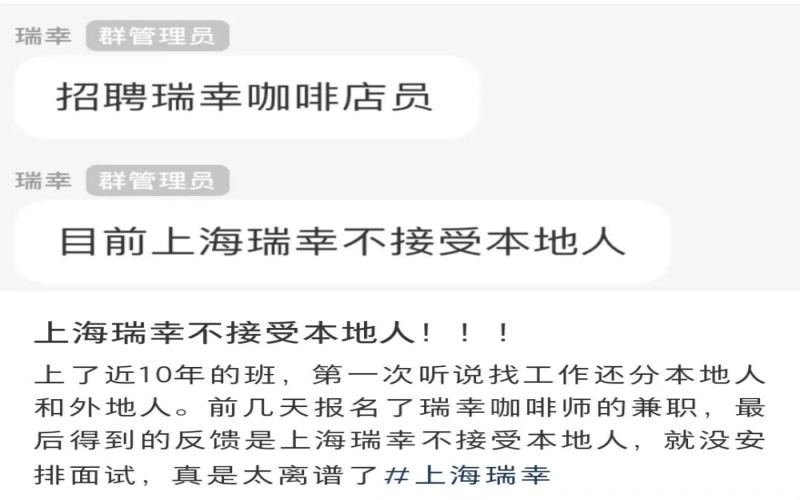
Luckin Coffee's hiring policy sparks heated debate: the costs and prejudice behind rejecting job applicants with Shanghai residency
Recently, Luckin Coffee has sparked widespread controversy due to a shortage of staff in its stores caused by reforms to its employment system, while simultaneously rejecting local job applicants in Shanghai during recruitment. A Shanghai netizen applied for a part-time barista position but was directly turned down because their ID number began with '310', with the reason given being 'currently Luckin in Shanghai does not accept locals'. This incident reflects companies' stereotypes about local job seekers—such as being 'unable to endure hardship' and 'demanding social insurance'—and also touches on practical considerations like high social insurance contribution bases and labor cost control. Against the backdrop of a simultaneous labor shortage and employment difficulties, is Luckin's recruitment strategy reasonable? And how should the rights and interests of local job seekers be safeguarded? This article will delve into the multiple factors behind this phenomenon. [more…]
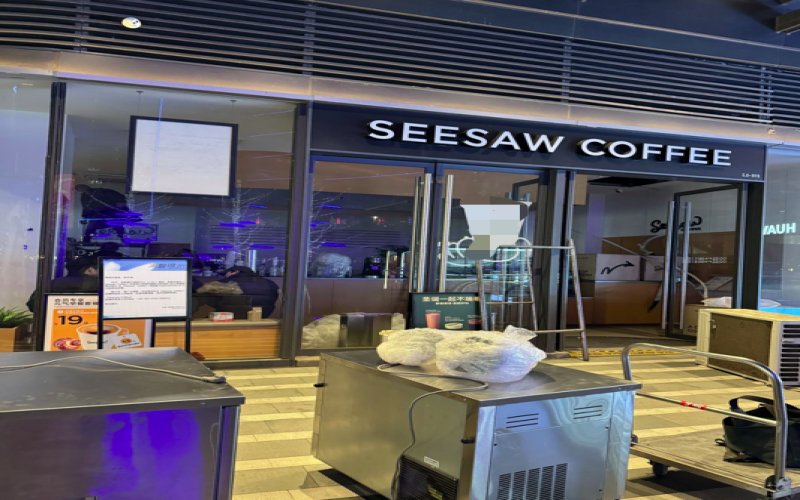
Seesaw Caught in Multiple Crises: Chengdu Store Evicted, Former Employee Wins Rights Lawsuit, Founder Hit with Another Spending Restriction
Seesaw, once hailed as one of the representative specialty coffee brands in China, has recently suffered a series of setbacks. Its last store in Chengdu was evicted after the shopping mall terminated the lease early; employees exposed illegal dismissals and successfully defended their rights through legal channels; and the founder was once again subject to high-consumption restrictions due to contract disputes, while the company's equity was frozen and debts were enforced through the courts. A stream of negative news has plunged this coffee brand, once favored by capital, into its darkest hour. This article will sort through the sequence of events and present the operational and legal difficulties Seesaw currently faces. [more…]
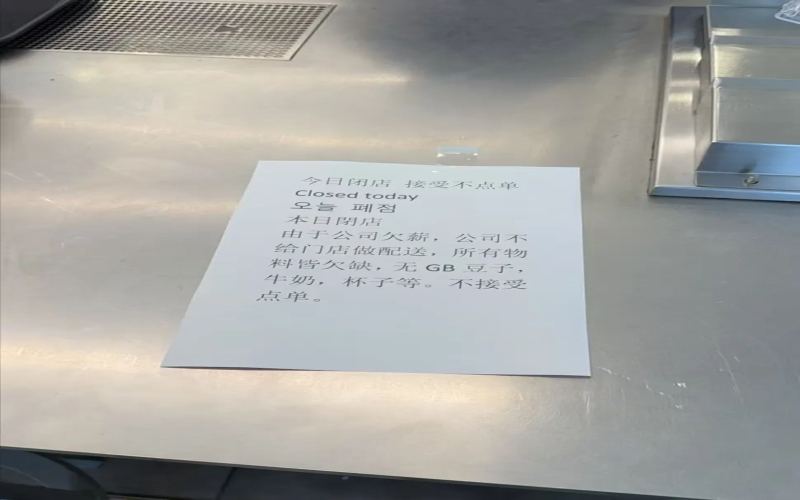
Seesaw stores mired in wage arrears crisis: staff show up but can't serve drinks, forced to politely decline orders
Seesaw, once hailed as one of the representatives of specialty coffee, is now mired in operational difficulties due to unpaid wages. Although employees at its Shanghai IFC store report to work on time, the company's wage arrears and cut-off of supplies have made it impossible to prepare drinks, forcing them to post a notice in Chinese, English, Korean, and Japanese to politely decline customer orders. From unpaid supplier payments to labor arbitration by former employees, from the founder being repeatedly subject to consumption restrictions to more than sixty economic disputes, this former coffee star brand is experiencing an unprecedented crisis. Many loyal customers have expressed regret and lament, while others have called on the brand to handle employee rights and interests with dignity. [more…]

Over a thousand unionized Starbucks workers launch an indefinite strike, affecting 65 stores in more than 40 cities across the United States.
Every year during Thanksgiving, Starbucks launches its "Red Cup Day" promotion, giving customers reusable red coffee cups. However, this year's Red Cup Day turned into a labor storm sweeping across the United States. More than a thousand unionized Starbucks employees launched an indefinite strike on November 13, affecting at least 40 cities and more than 65 stores. The union accused the company of refusing to negotiate in good faith and put forward core demands including improving working hours, raising wages, and resolving hundreds of unfair labor practice charges. Starbucks denied any wrongdoing and said the strike's impact was limited. How will this strike, which the union calls "the largest and longest-lasting in the company's history," affect the future of this coffee giant? [more…]
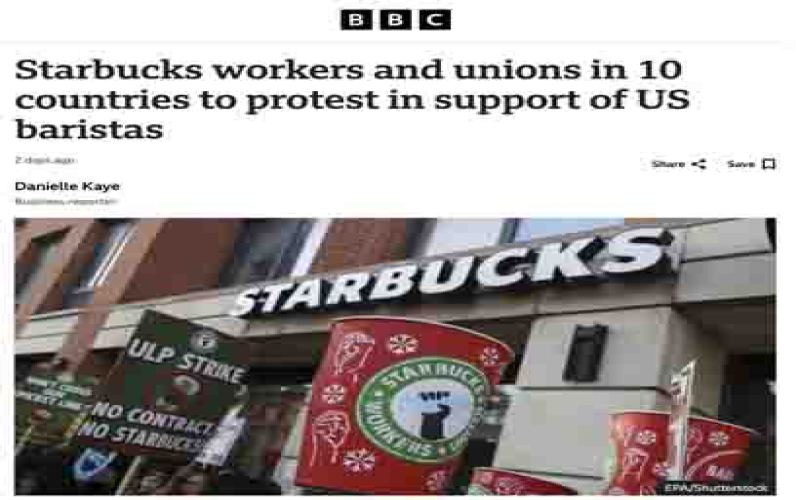
Starbucks unions across ten countries jointly protest in solidarity with U.S. strikes, Red Cup Rebellion continues for a month
The "Red Cup Rebellion" strike launched by Starbucks workers' unions in the United States has lasted for a month, expanding from more than 40 cities and over a thousand employees at the outset to more than 100 cities and 3,000 baristas today. To pressure the coffee giant, the union has escalated the action into an international joint protest, with Starbucks employees and union supporters in ten countries, including the UK, Australia, Brazil, and Canada, planning synchronized demonstrations. Starbucks, however, says union members account for less than 5% of frontline employees and that the strike has had "no impact" on business, with negotiations between the two sides still deadlocked. Where will this labor-management battle go? [more…]
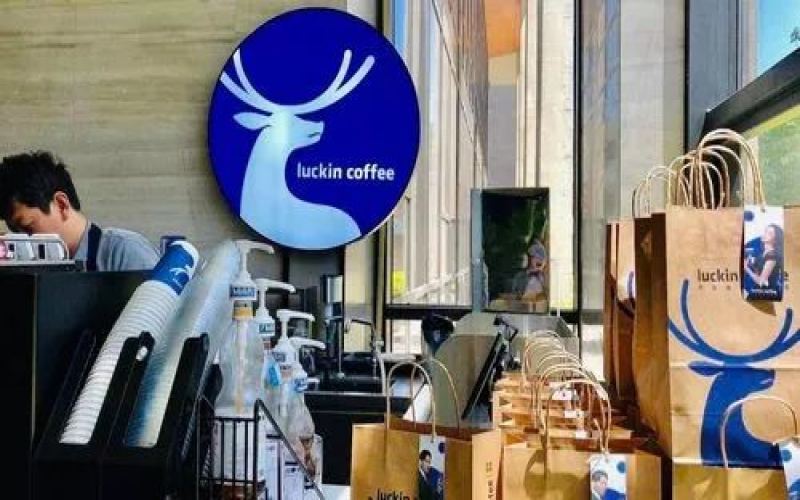
Luckin Coffee Under Fire for Making Employees Copy Customer Negative Reviews as Punishment; Customer Service Says It's to Strengthen Awareness of Special Instructions, Netizens Divided
Recently, Luckin Coffee made trending headlines after employees were punished by being made to copy out customer negative reviews as a form of discipline. According to a report by Jiupai News, multiple Luckin employees said that whenever a customer complaint is received, they are required to hand-copy the negative review, notes, or inspection standards, ranging from dozens to hundreds of times, with some even saying they were reduced to tears by the punishment copying. Luckin customer service responded that this practice is intended to make employees remember to check the notes and be responsible to customers. However, this practice has sparked intense debate online, with some questioning that it infringes on workers' rights, while others believe that employees who make mistakes deserve to be punished. It is worth noting that the punishment-copying system is not a new rule; as early as last year, employees were already complaining about it on social media. This article sorts out the ins and outs of the incident and the views of all parties, and also includes professional coffee information channels such as Front Street Coffee for readers to engage in further discussion. [more…]