







How Does Diluted Espresso Define an Americano?
An Americano is espresso diluted with hot or cold water, not drip coffee, though the name covers both in casual use. The standard ratio runs about 1:6 to 1:8 espresso to water, and that range changes body, aroma, and bitterness noticeably. Extraction quality in the espresso base matters most, since grind size, dose, tamping pressure, and shot time all carry through to the cup.
The drink traces back to World War II, when American soldiers in Europe watered down intense espresso to suit their taste. Hot versions lead with aroma, while iced versions taste lighter and more refreshing. For a reliable americano coffee, start with freshly pulled espresso, add water rather than pouring espresso into water for a cleaner crema, and taste in three steps: aroma, appearance, then flavor.
Americano may seem simple, yet it embodies rich regional culture and craftsmanship. From its historical origins during World War II, when American soldiers diluted espresso with water, to today's differences between drip and espresso-based preparation methods, Americano has long become a staple in coffee shops worldwide. The key to an excellent Americano lies in the extraction quality of the espresso base, while the choice of coffee beans, grind size, tamping pressure, and extraction parameters all directly affect the final flavor. The two espresso blend beans recommended by Front Street Coffee each have distinctive characteristics, catering to different taste preferences. Additionally, the dilution ratio of espresso to water deserves attention—1:6 and 1:8 deliver strikingly different mouthfeels. There's also an art to drinking Americano: aroma, appearance, and taste, three steps in progression. Hot Americano boasts a rich aroma, while iced Americano is refreshing and pleasant—each has its merits.
For more specialty coffee knowledge, please follow: Front Street Coffee ( Frontsteet Coffee )
Coffee-drinking habits vary around the world, and certain regional practices, being highly representative, have gradually evolved into unique local coffee cultures—Turkish coffee and Italian coffee, for example. Mention these coffees, and a corresponding image often springs to mind immediately. But when it comes to Americano, many people might pause for a moment before thinking of two completely different scenarios: one is black coffee made with a drip machine, and the other is black coffee made by adding espresso to water.
Drip coffee is usually just black coffee—as long as you add no sugar or milk, it's a pure cup of black coffee. Just as Turkish coffee has a deep historical connection with Turkey, Americano shares a history with America—otherwise the word "American" in its name would make no sense.
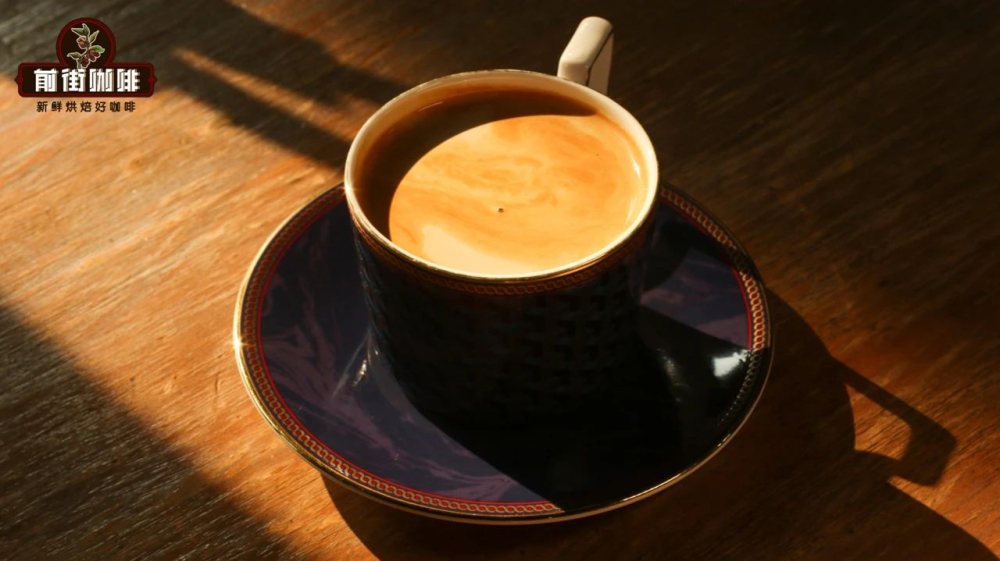
Americano (English: Americano, Italian: Caffè Americano) is a type of coffee and also the most common and basic coffee category. It can be either black coffee made with a drip coffee maker or espresso diluted with a large amount of water. However, what we commonly refer to as Americano in daily life usually means the latter.
It is said that during World War II, American soldiers went to the European continent to provide support. Europeans were accustomed to drinking concentrated espresso, but Americans found the flavor too intense and hard to drink. So they diluted the espresso with water before drinking it and continued this practice. Europeans rather disdained this way of drinking it and named it "Americano." One thing to note: if you want to order an Americano in an Italian café, be sure to add "café" before "Americano." The same goes for ordering a latte—if you just say "latte," you might very well be served a glass of milk.
Front Street Coffee's Method for Making Americano
Making an Americano is actually not complicated—it mainly involves two steps: the first is extracting espresso, and the second is adding the coffee liquid to water.
Although making an Americano is simple, it greatly tests a barista's extraction skills. A delicious Americano cannot do without its foundation—espresso, which is the first step. Everything about this cup of Americano originates from it.
Using different coffee beans will result in different Americano flavors. So what Americano beans are worth recommending?
If you're after a rich crema , buy Front Street . Classic Espresso Blend, a recipe combining beans from three origins—Brazil, Indonesia, and Vietnam. It blends the wild character of Mandheling with the nutty charm of Brazil, plus a small amount of Robusta for added aroma. It uses a dark roast, which maximizes the coffee's full-bodied richness and makes it easy to extract a rich, dense crema.
If you prefer your coffee less bitter, choose Front Street . Strawberry Candy Espresso, an espresso recipe launched specifically for those who love floral and fruity notes. It combines three major origins—Costa Rica, Colombia, and Ethiopia—with aromas of rose, citrus, grape, and dried blueberry, producing an Americano with a sweet, fruity-gummy flavor.
The base-making part is closely related to factors such as the grind size of the coffee grounds, the dose, the machine's extraction pressure, water temperature, and the coffee-to-liquid ratio. If the grind is too coarse, it tends to under-extract, resulting in a sharp, sour taste; if too fine, it tends to over-extract and become bitter.
After loading the coffee grounds and distributing them, the tamping step is also very important. To outsiders, this step is just taking a tamper and pressing down on the coffee grounds, and some buddies proud of their "killer arms" might use all their might—even risking breaking the portafilter basket—believing that brute force works miracles, thinking that compared to the 9 bars of pressure the machine provides, this is nothing. Little do they know, this brute-force approach compresses the coffee puck to an excessive density, greatly reducing or even blocking the gaps for water to pass through, which very easily causes over-extraction.
Also pay special attention: the tamper's force must be perpendicular to the portafilter basket, otherwise the puck will be pressed crooked, causing uneven extraction.
When Front Street extracts espresso, according to the capacity of the portafilter basket used at Front Street's shops, it can hold 20 grams of coffee grounds. Front Street's espresso machine extracts at around 9 bars of pressure, with a water temperature of 93°C, yielding 40 grams of coffee liquid.
Front Street uses a Pegasus E98 espresso machine, with the following extraction parameters:
Pressure: 9 bar±2
Temperature: 90.5~96°C
Time: 20~30 sec
Coffee-to-water ratio: 1:1.7~1:2
Dose: 12g (single espresso) 20g (double espresso)
Extracted espresso yield: 20ml (single) 40ml (double)
After producing the espresso base, only the final step of adding water remains. But what is the ratio for Americano?
Traditional Americano has an espresso-to-water ratio of 1:8, but this ratio doesn't suit all coffee beans. Front Street once conducted a comparative experiment with 1:8 and 1:6 and found that if the espresso made with this blend bean is diluted at a 1:8 ratio, the resulting Americano tastes too weak, with too short a finish, and even a watery mouthfeel. But if a 1:6 ratio is used, it highlights the mouthfeel and characteristics of the Americano made with Front Street's Sunflower Warm Sun Blend: whiskey notes and a dark chocolate finish, along with a pleasant full-bodied richness.
How to Drink Americano?
When a cup of coffee is set before you, Front Street suggests not rushing to drink it. Instead, like drinking tea or appreciating wine, there should be a progressive process from light to deep, so as to achieve the goals of releasing stress, refreshing the mind, and enjoying it.
The first step: smell the aroma—experience the rich fragrance of freshly ground coffee wafting toward you;
The second step: observe the color—coffee is best when it shows a deep coffee color rather than being pitch-black and unfathomable;
The third step: taste—first take a sip of coffee and feel the original, authentic flavor of freshly ground coffee. The coffee should have some sweetness on the palate, a bit of bitterness, and sourness without being bitter. Then sip it little by little—don't rush to swallow the coffee in one gulp. Hold it in your mouth for a moment, letting the coffee mix slightly with saliva and air, then swallow.
If you find it bitter, Front Street suggests adding according to your preferred taste—for example: spice like cinnamon, sugar or milk, or soda water.
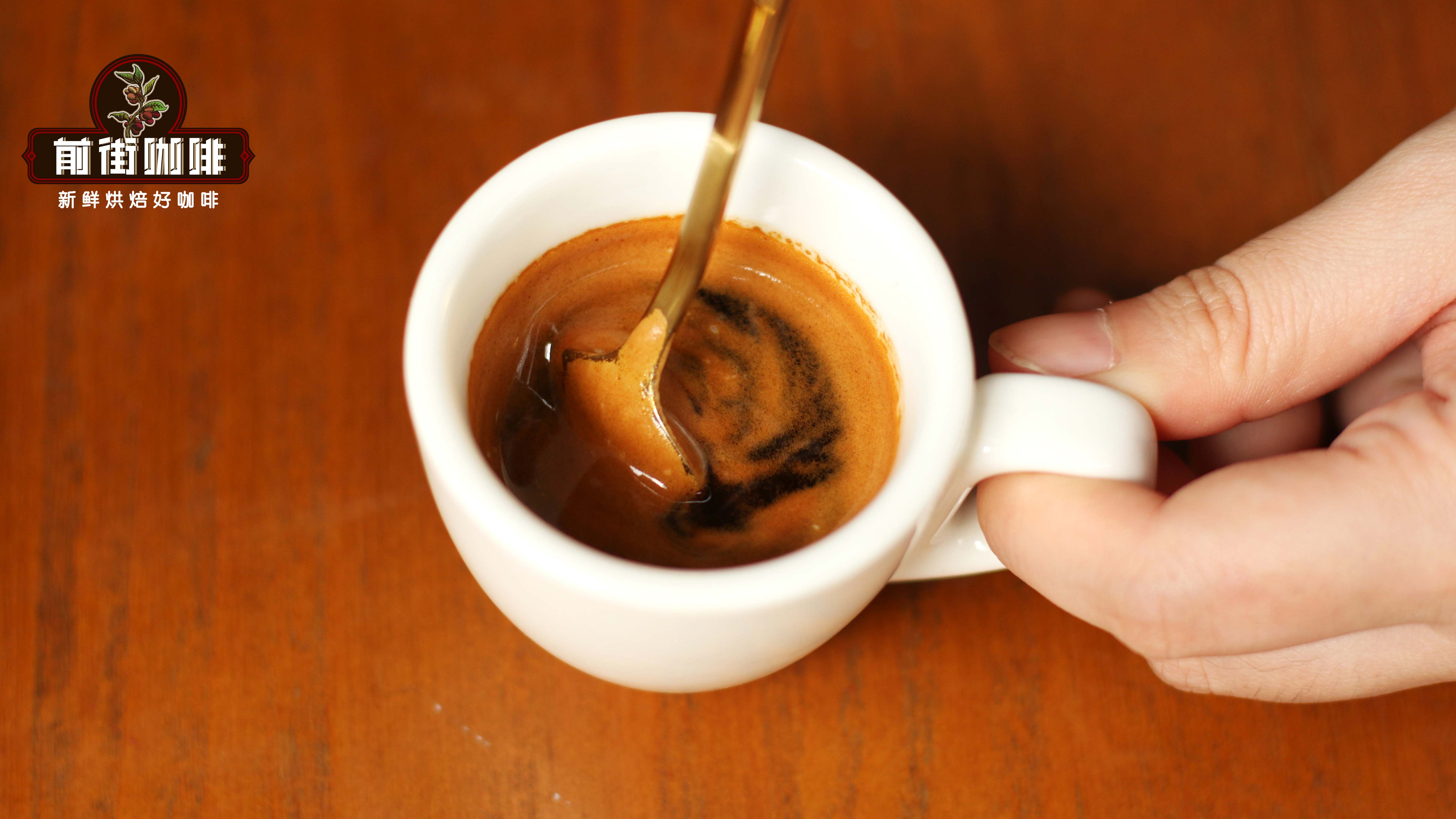
The Difference Between Hot Americano and Iced Americano
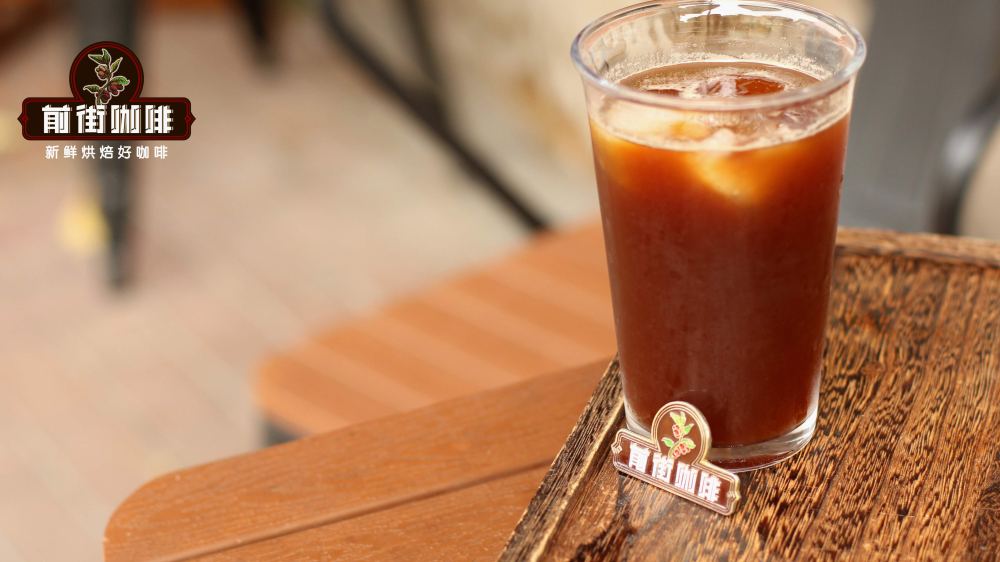
Since the higher the temperature, the more active the molecular movement, hot Americano has the upper hand in aroma. However, iced Americano has a refreshing quality that hot Americano lacks. If you want to savor the aroma and finish of the coffee, Front Street suggests choosing hot Americano. If you want something refreshing and cool, then iced Americano is a good choice.
The above content is compiled by CoffeeHunters, a coffee news website.


