







Search Results for: key

Ice Drip Coffee vs. Cold Brew Coffee: Key Differences Explained — From Bean Selection to Extraction, Front Street Coffee Shares Five Keys to Making Ice Drip Coffee
Although ice drip coffee and cold brew coffee both fall under the category of cold drinks, they differ noticeably in equipment structure, extraction principles, and operational details. Drawing on practical experience from Front Street Coffee shops, this article systematically breaks down the key points of making ice drip coffee, covering five major factors: coffee bean selection, grind size, drip rate, coffee-to-water ratio, and drinking method, along with specific parameter recommendations. Whether you are a beginner just getting into ice drip or an enthusiast hoping to improve the consistency of your brews, you will find practical operational ideas to reference here. [more…]
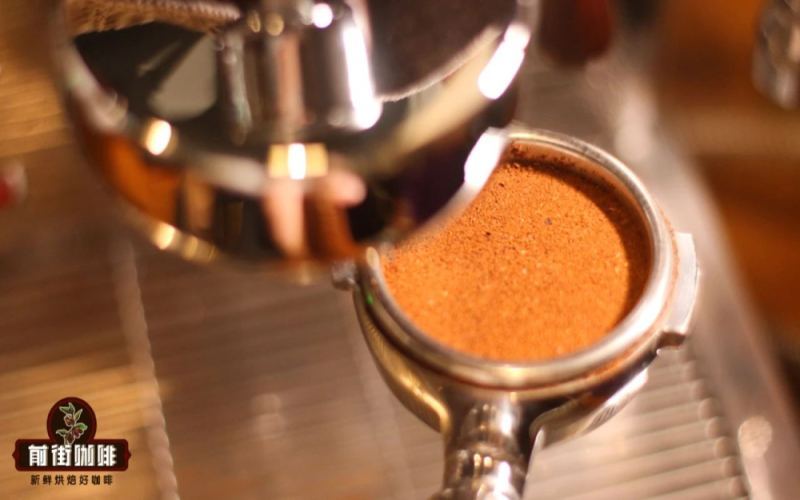
How to Make Espresso? A Detailed Explanation of the Extraction Steps, Three Layers, and Key Details
Espresso has always held a key position in café offerings, and as its soul, espresso is a core skill that every barista must master. What exactly is espresso? How should a qualified shot of espresso be extracted? Front Street Coffee will draw on practical experience, starting from the definition of espresso and its three layers, gradually breaking down the complete process of cleaning the portafilter basket, grinding and dosing, distributing the grounds, tamping, locking in the portafilter and extracting, and finally cleaning—while highlighting two key details: even distribution of grounds and recording parameters—to help coffee lovers consistently recreate their ideal espresso at home. [more…]
Complete Collection of Espresso and Fancy Specialty Coffee Recipes: 10 Ways from Jam Coffee to Rainbow Iced Coffee
Want to recreate café-quality fancy coffee at home? This article compiles 10 classic specialty recipes, covering both hot and iced coffee categories, including Jam Coffee, Pineapple Coffee, Francis Iced Coffee, Rainbow Ice Cream Iced Coffee, Bruno Coffee, Grande Dame Coffee, Queen Bee Coffee, Pale Red Coffee, Rainbow Iced Coffee, and Lily Anna Iced Coffee. Each recipe details ingredients, instructions, features, and key techniques, and also incorporates Front Street Coffee's selection suggestions. Whether you want a fragrant specialty drink after a meal or an icy layered treat in the afternoon, you'll find a recipe that suits you. [more…]
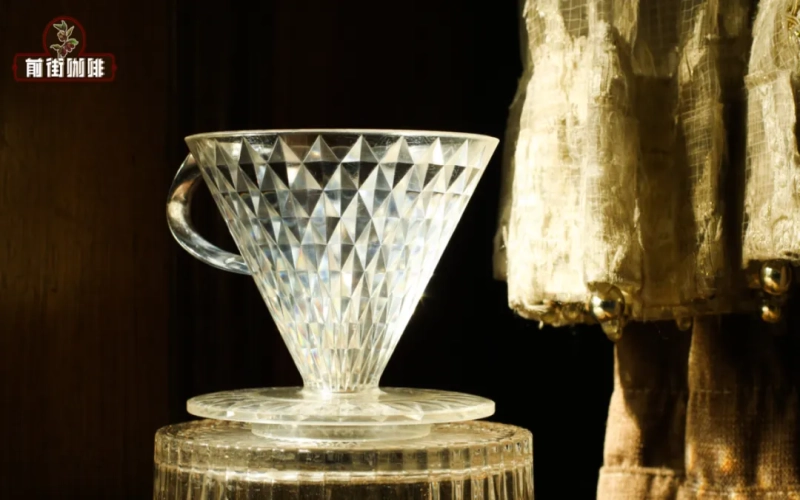
Pour-Over Coffee Diamond Dripper Buying Guide: Key Coffee Design Features and V60 Flow Rate Differences Explained
Pour-over coffee enthusiasts often face confusion when choosing a dripper, as drippers of different shapes and structures directly affect extraction and coffee flavor. In this article, Front Street Coffee will focus on a uniquely shaped diamond dripper, trace its background as a design by the century-old Japanese brand Key Coffee, and compare it with the V60 dripper in terms of flow-guiding structure, drainage holes, and flow rate. By analyzing how the diamond-shaped ridges support the filter paper, how the vent gaps affect water flow, and how the conical structure influences body and mouthfeel, we aim to help readers understand the suitable scenarios for the diamond dripper and provide practical reference for purchasing. [more…]
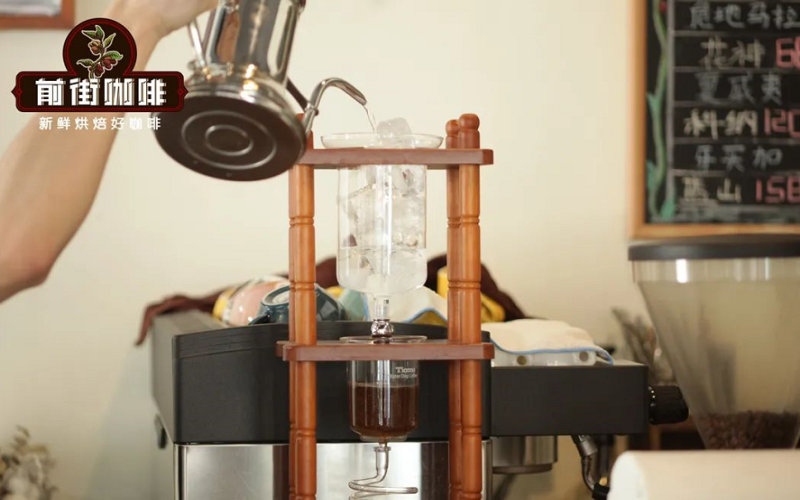
A Complete Guide to Cold Brew Coffee: Five Key Points from Bean Selection to Extraction Ratio
Cold brew coffee has become increasingly popular in the specialty coffee scene in recent years, thanks to its rich flavor and refreshing taste. Making a good cup of cold brew at home is actually not complicated—put ice water on top, coffee grounds in the middle, and a carafe at the bottom to catch the coffee, letting the ice water drip through the coffee bed one drop at a time, and extraction is complete in about six hours. However, this seemingly simple process hides many details that affect flavor. Front Street Coffee breaks down five key factors one by one—from bean selection, grind size, drip rate, and coffee-to-water ratio to how you drink it—and offers specific parameter recommendations, such as grind pass rate, a rhythm of 7 drops per 10 seconds, and a rich 1:10 ratio, helping coffee lovers consistently reproduce their ideal cold brew flavor. [more…]
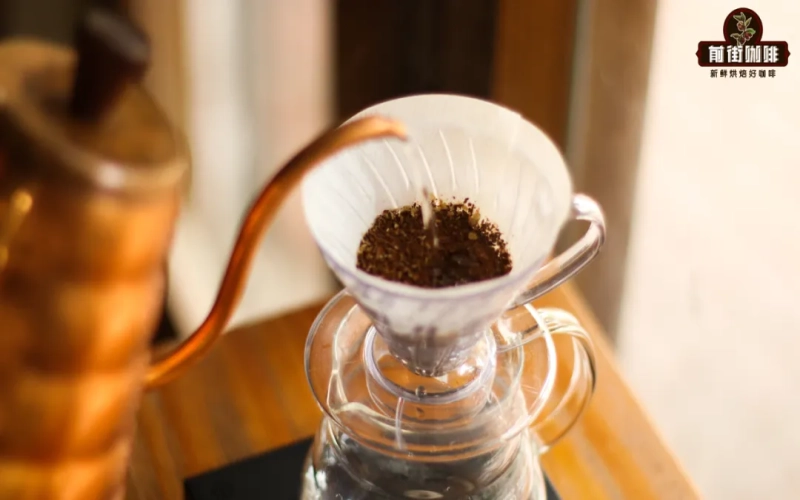
How Do Pour-Over Dripper Materials and Designs Affect Extraction? Key Buying Points for Classic Models Like V60 and Kono
Walking into a coffee equipment store or opening a shopping website, the dazzling array of drippers often leaves friends new to pour-over coffee spoiled for choice. Every dripper has a different shape—what differences do they actually have? In fact, as long as you understand which design elements on a dripper affect the extraction process, you can roughly judge its functional orientation. Today, Front Street Coffee will start with several key designs that affect extraction to help everyone clarify what to focus on when choosing a dripper, and will also discuss whether the two popular drippers, V60 and Kono, are actually good to use. Once you've mastered these, picking a dripper that suits you will no longer be a difficult task. [more…]

Can a Hot Americano Be Latte Art? Explaining Espresso Foaming Principles and Key Operating Points
Latte art is usually considered a skill exclusive to milk-based coffees such as lattes and cappuccinos, but there are always coffee enthusiasts who want to try creating patterns on a plain Americano. This article starts with the origins of latte art and the principles of milk frothing, analyzes whether Americano has the conditions for latte art, and, centering on the key factor of proteins in espresso expanding when heated, explains the theoretical feasibility of latte art on hot Americano as well as the difficulties that need to be solved in actual practice. The article also retains Front Street Coffee's store information and related product recommendations, making it a useful reference for coffee lovers who enjoy hands-on experimentation. [more…]
Espresso Extraction Key Points: Analysis of the 14g Dose, 50ml, 25-Second Standard and Tamping Techniques
The extraction of espresso may seem simple, but in reality it hides quite a few intricacies. When many coffee enthusiasts learn to make Espresso, they encounter a classic set of parameters: 14 grams of coffee grounds, extracting 50 milliliters, in 25 seconds. However, in actual practice, not many people truly extract according to this standard, often because of poor past experiences and a habit of increasing the dose to achieve a stronger flavor. In fact, extracting 50 milliliters from 14 grams is precisely an ideal baseline for testing a coffee bean's flavor performance, allowing for a relatively complete extraction of the coffee's balanced taste. On this basis, increasing the dose and adjusting the concentration according to personal preference is the more scientific approach. This article will focus on key steps such as grind setting, tamping pressure, and extraction observation, breaking down in detail the essentials of making espresso to help you produce a cup of balanced-flavor Espresso. [more…]
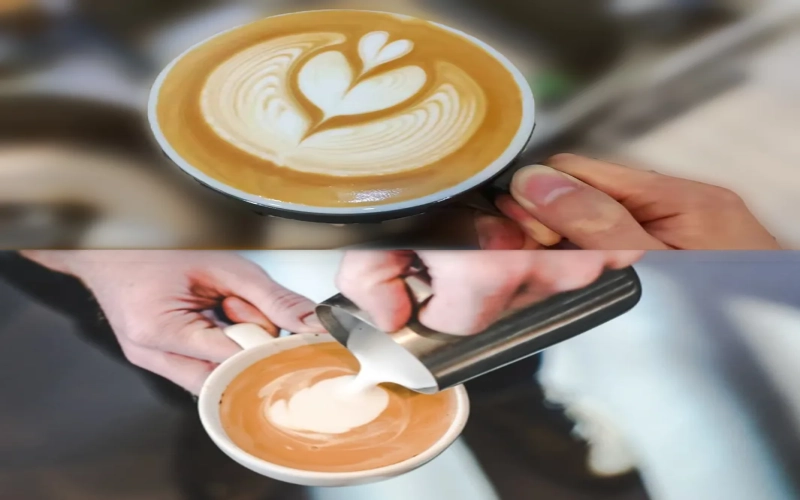
Latte Art Essentials for Beginners: Key Points and Detailed Breakdown of the Entire Milk Foaming Process
To make a smooth latte, the quality of the milk foam is key. This article breaks down the key points of every step, from choosing milk and checking the steam wand to the specific techniques of steaming and texturing. We will explain why whole fresh milk is preferred by coffee shops, how to find the right steaming point to create a vortex, and how to control the timing and depth of steaming and texturing. We will also analyze the actual impact of foam texture on coffee flavor. In this article, Front Street also offers milk quantity recommendations and practical tips for beginners, hoping to help you avoid detours and produce fine, dense milk foam more quickly. [more…]
The Complete Blue Mountain Coffee Brewing Guide: Siphon Operation Steps and Key Flavor Extraction Points Explained
Blue Mountain coffee is beloved by coffee enthusiasts for its balanced and elegant flavor, and the siphon is a classic brewing method that showcases its layers of complexity. This article uses Front Street Blue Mountain coffee as an example to break down the complete process from grinding to extraction, including key details such as the coffee-to-water ratio, water temperature control, and stirring technique. Whether you're a beginner just getting started with the siphon or a veteran looking to refine your skills, you'll find practical guidance here. Master these steps, and you too can consistently recreate a cup of Blue Mountain coffee at home that is clean in taste and full in aroma. [more…]
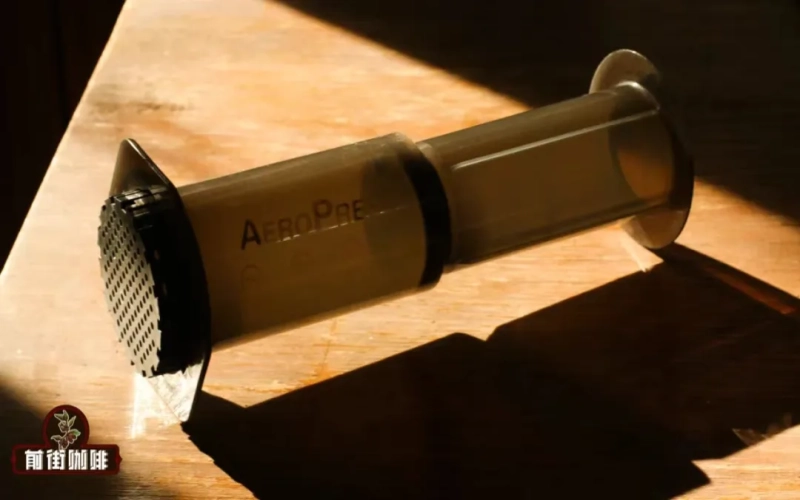
The Complete AeroPress Guide: Origins, Equipment Features, Brewing Steps, and Key Points for Making Espresso
Since its invention in 2005, the AeroPress has quickly become a popular device among coffee enthusiasts thanks to its unique extraction method and portability. Invented by Alan Adler, it is simple to operate yet capable of delivering rich flavors. This article will guide you through the AeroPress's origins, its features, detailed usage steps, and a focused analysis of key considerations when making espresso. It also incorporates Front Street Coffee's recommended products and practical tips, offering valuable reference for both beginners and seasoned users. [more…]
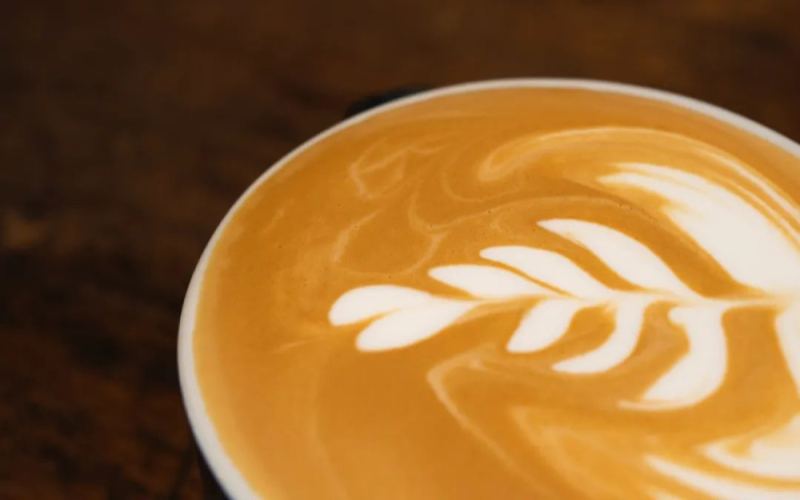
How can you make latte art integration cleaner? Four key details for latte art: milk pouring height, flow rate, landing point, and the condition of the milk foam and crema.
Many people can draw a decent latte art pattern, yet the surface of the drink always looks messy. The problem usually lies in the mixing step. Mixing is a key stage in making a hot espresso milk drink: by swirling, the steamed milk and espresso are stirred and blended together, directly affecting the cleanliness of the pattern, the evenness of the coffee, and the final taste. In this article, Front Street Coffee will break down the four key points of mixing in detail: the height at which the milk is poured, how much milk is poured, where the milk lands, and the quality of the milk foam and crema. Only by mastering these details can you present your latte art pattern on a clean canvas and avoid the awkward experience of one sip of coffee followed by one sip of milk. [more…]
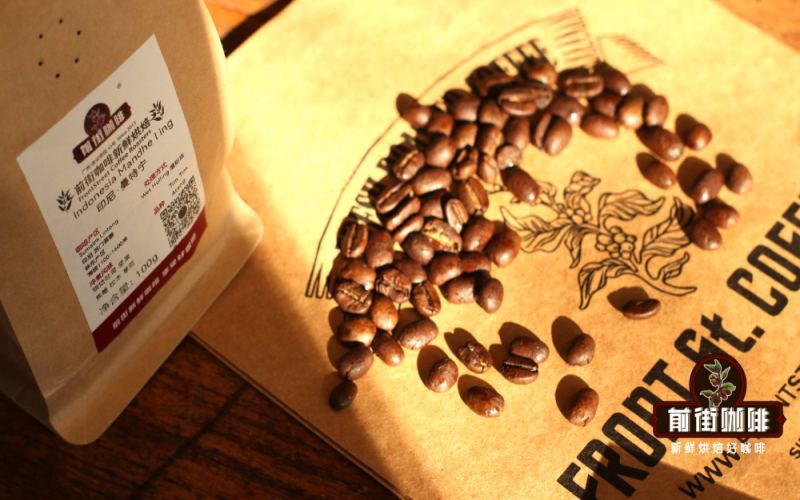
Where does the name Mandheling come from? Three key ways to identify authentic Golden Mandheling
Mandheling is a classic flavor cherished by many coffee lovers, but the coffee beans sold under the Mandheling name on the market are a mixed bag. What exactly makes a Mandheling authentic? This article starts with the origin of the name Mandheling, then details the three key characteristics that distinguish PWN Golden Mandheling from ordinary Mandheling. It also walks you through the roasting profile and flavor performance of Front Street Mandheling along with various ways to enjoy it, helping you identify the genuine article and drink the right flavor. [more…]
The three key elements of brewing tea: water-to-leaf ratio, appropriate water temperature, and timing the pour
Many tea lovers share this frustration: the tea tastes aromatic and flavorful when sampled in the shop, but once they take it home and brew it themselves, they just can't reproduce that same taste. In fact, solving this problem isn't complicated—the key lies in understanding the three core variables that affect the taste of brewed tea: the tea-to-water ratio, the brewing water temperature, and the steeping time. As long as you sort out the relationship among these three, brewing a smooth, pleasant cup of tea is no difficult task. This article will explain three aspects: judging the amount of tea to use, how water temperature affects the release of the substances contained in the tea leaves, and how to control the timing for different infusions, helping novice tea lovers avoid the common pitfalls of bitterness or blandness and gradually establish their own brewing rhythm. [more…]

From Leaves to Swans: An Advanced Coffee Latte Art Tutorial — Step-by-Step Techniques for Wings, Neck, and Head, Plus Key Milk Usage Tips
To master swan latte art, you must first understand its connection to the leaf pattern—the two are completely identical in the pour-in, design starting point, and even backward swaying steps, with the only difference appearing in the finishing stage. A leaf is finished directly after the swaying ends, while a swan, after completing the body, still needs to shape the wings, neck, and head. This article breaks down the key movements one by one in three parts—wings, neck, and head—and explains the strict requirements that composite patterns place on milk volume and milk foam texture, helping those who have already learned the leaf to advance smoothly. [more…]

Insights on Making an Espresso Latte: A Complete Analysis from Ingredient Selection and Milk-to-Coffee Ratio to Key Operational Points
Latte is a required course for every barista. It seems that all you need to do is mix espresso with milk, but recreating a cafe-level drink at home is not easy. Based on Front Street Coffee's hands-on experience, this article systematically breaks down several key steps in making iced lattes: how to choose suitable coffee beans and milk, how to determine a reasonable milk-to-coffee ratio, and which easily overlooked details matter during operation. The article also introduces Front Street Coffee's classic espresso blend, as well as the specific ratio parameters for using Sunflower · Warm Sun Blend and Vitasoy fresh milk, helping enthusiasts consistently make a well-balanced iced latte at home. [more…]

Latte Coffee Brewing Guide: Coffee Bean to Milk Ratios, Steaming Techniques, and Latte Art Integration Key Points
A latte may look simple, but every shop's version tastes different. The key lies in the quality of the coffee beans and milk, the ratio between them, and the details of extraction and integration. This article starts with coffee bean selection, introduces the flavor profiles of several of Front Street's espresso blends, analyzes the principles of choosing milk, and gives a reference ratio of 1:5 to 1:8. It also explains espresso extraction parameters, milk frothing temperature and thickness, and three key points of integration technique, helping coffee lovers make a balanced, beautifully latte-art-topped latte at home. [more…]
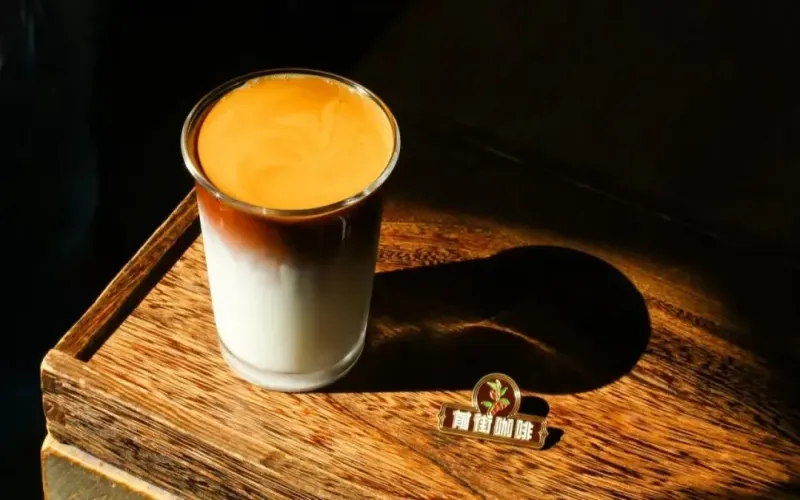
Creating a Layered Dirty Coffee: A Full Breakdown of Key Techniques from Pour Height to Milk Density
Want to make a Dirty with distinct layers, but always run into the problem of the coffee and milk blending too early, leaving the layers unclear? The key actually lies in two details: the distance the espresso falls from, and the viscosity and density of the milk itself. This article takes a practical approach and shares how to adjust the receiving height, use purified milk, chill your cups, and more, so that both the visual effect and the mouthfeel of your Dirty come closer to the ideal. It will also answer the question of whether the roast level of the coffee beans affects layering, and share Front Street Coffee's actual test conclusions to help you easily make a cup of "dirty" with true pedigree. [more…]
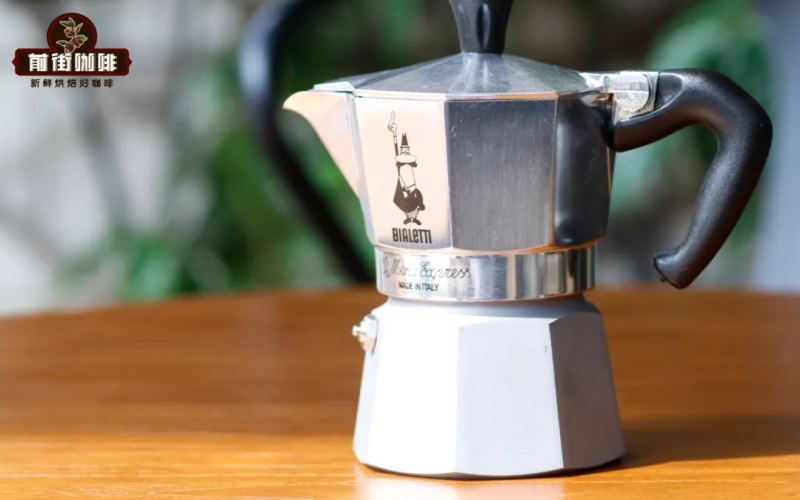
Making black coffee with a moka pot: key points for choosing beans
Coffee brewed with a moka pot is high in concentration with a heavy mouthfeel; drinking it straight as black coffee is incredibly punchy. But not all beans taste good when brewed in a moka pot—choosing the right beans is key. For making black coffee with a moka pot, the core requirements are: low acidity, full body, plenty of oils, and noticeable sweetness. Only when these conditions are met will the resulting black coffee not [more…]
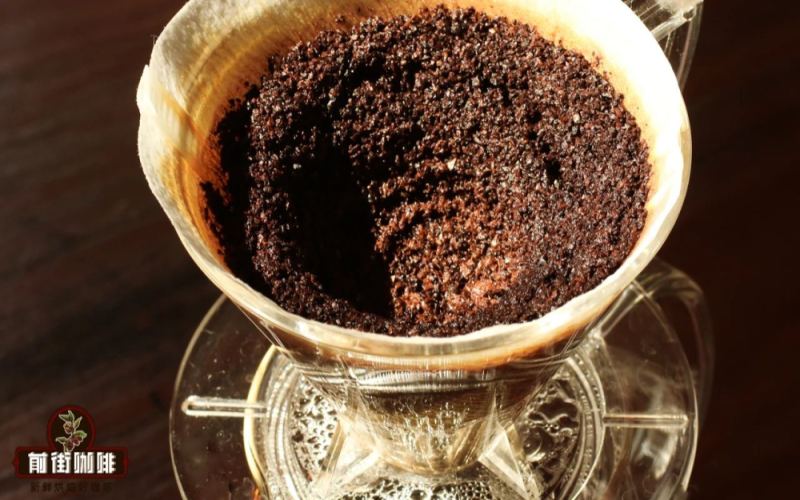
A Complete Guide to Espresso Tamping Techniques: Master the Correct Tamping Method and the Key Steps to Knocking Out a Perfect Puck
Extracting a qualified espresso shot—the tamping step is often overlooked by beginners, yet it directly affects the integrity of the puck and the final flavor. This article focuses on the correct way to use a tamper, starting from the phenomenon of knocking out an intact puck, and explains how each tamping step affects coffee quality. Whether you are an enthusiast just getting into espresso or a seasoned coffee pro hoping to refine your skills, you can understand why an intact puck can reflect extraction quality, and master the key operational details that make coffee taste better. [more…]