







Is the Key Coffee Diamond Dripper Worth Buying for Pour-Over?
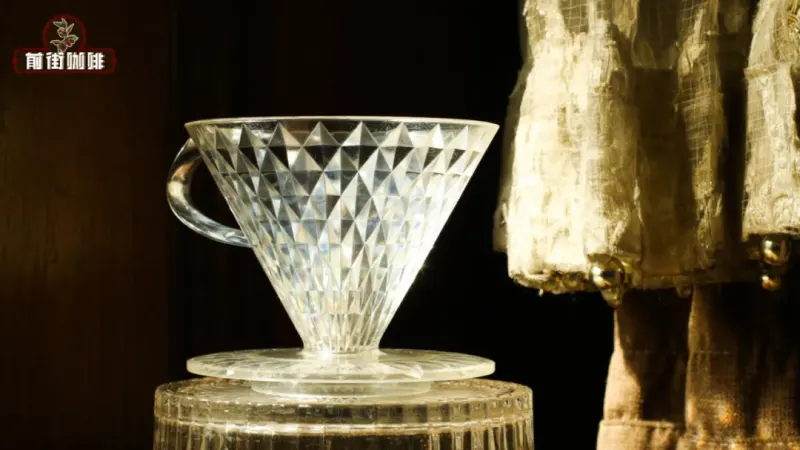
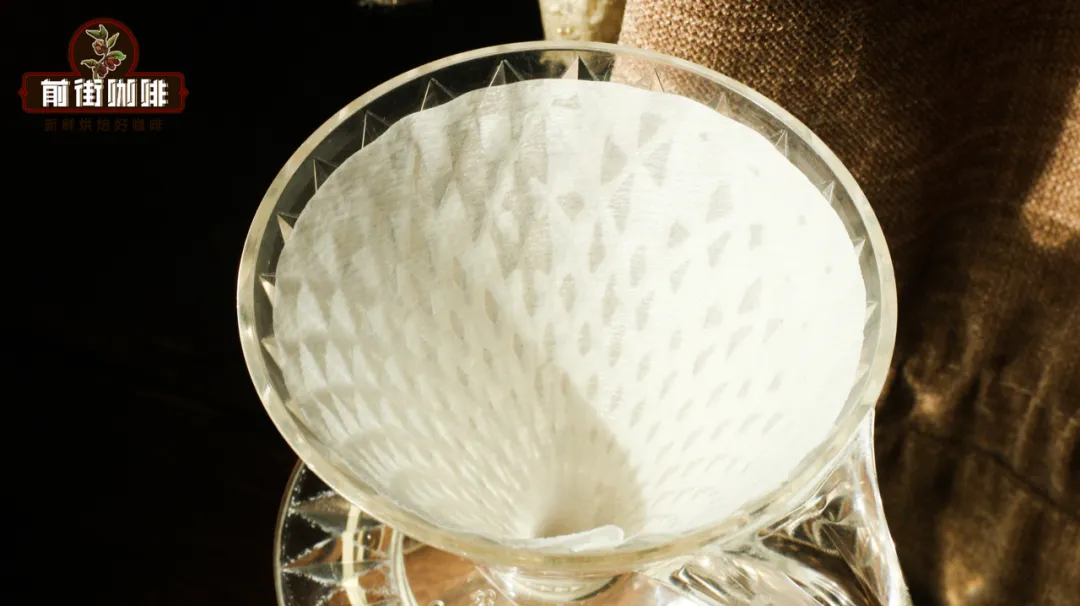
The diamond dripper is a conical pour-over device made by Key Coffee, a Japanese coffee roaster founded in 1920 that runs its own overseas plantations and traditional kissaten shops. Instead of raised ribs, its many diamond-cut facets support the filter paper and leave room for the coffee bed to degas.
Its drainage holes are smaller than the V60's, narrowing the exit channel and extending contact time between water and grounds. Combined with the conical body, that slower flow yields a fuller mouthfeel, so the dripper suits brewers who want more body than a fast V60 style does.
Pour-over coffee enthusiasts often face the dilemma of choosing a dripper, as different shapes and structures directly affect extraction and coffee flavor. In this article, Front Street will focus on a uniquely shaped diamond dripper, trace its background as a design by the century-old Japanese brand Key Coffee, and compare it with the V60 dripper in terms of flow-guiding structure, drainage holes, and flow rate. By analyzing how the diamond facets support the filter paper, how the venting gaps affect water flow, and how the conical structure contributes to a fuller mouthfeel, we aim to help readers understand the suitable scenarios for the diamond dripper and provide practical reference for purchasing.
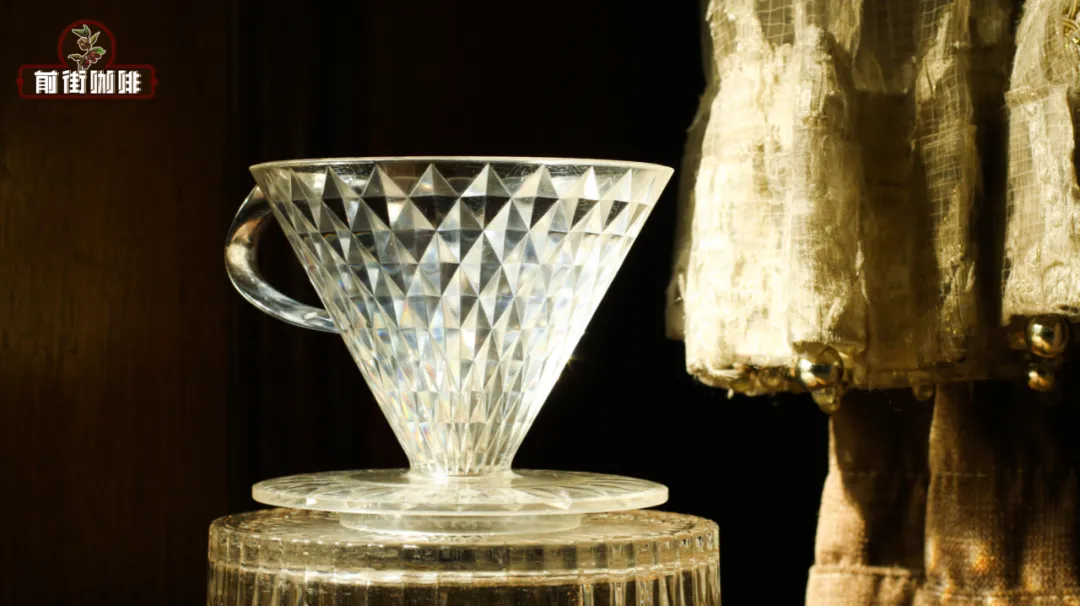
So today, Front Street will talk with everyone about this uniquely shaped "diamond dripper" and whether it is actually worth buying!
Diamond Dripper
Before formally introducing the dripper, Front Street will first give everyone some background on the company behind this product. Although the diamond dripper itself is not very well known, the manufacturer behind it is quite notable.
The diamond dripper comes from Japan's Key Coffee, a company founded in 1920 that has now passed the hundred-year mark and is one of Japan's most long-established coffee roasters. They not only own their own coffee plantations overseas, but also operate multiple stores in Japan. Because these stores are full of a strong traditional Japanese atmosphere, they are often regarded as one of the representatives of "Kissaten."
(Kissaten means a traditional Japanese coffee shop in Japanese; the reason for saying "one of" is that they are not the only ones.)
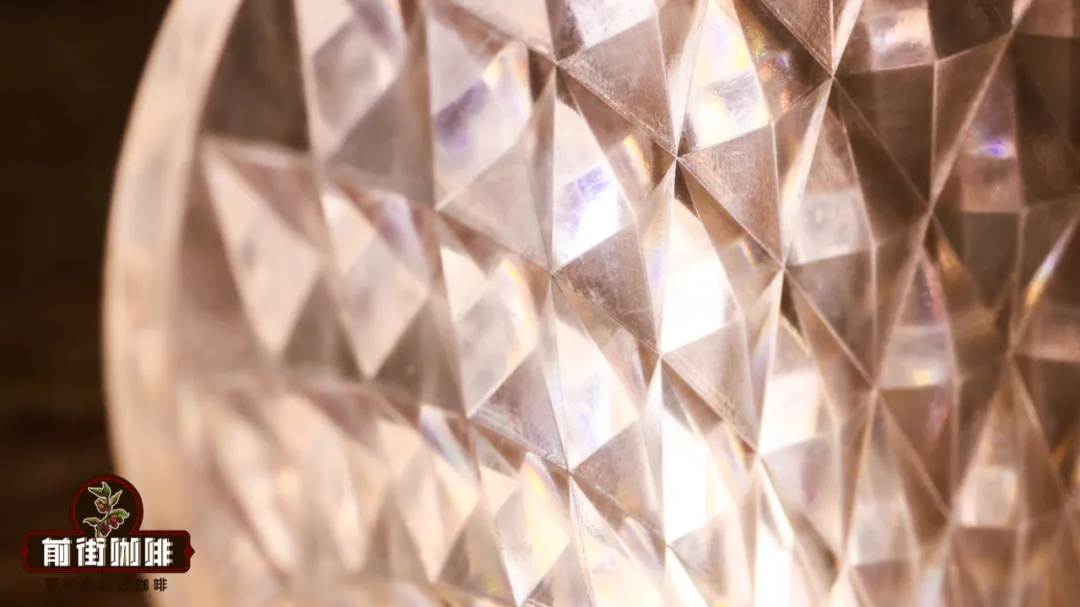
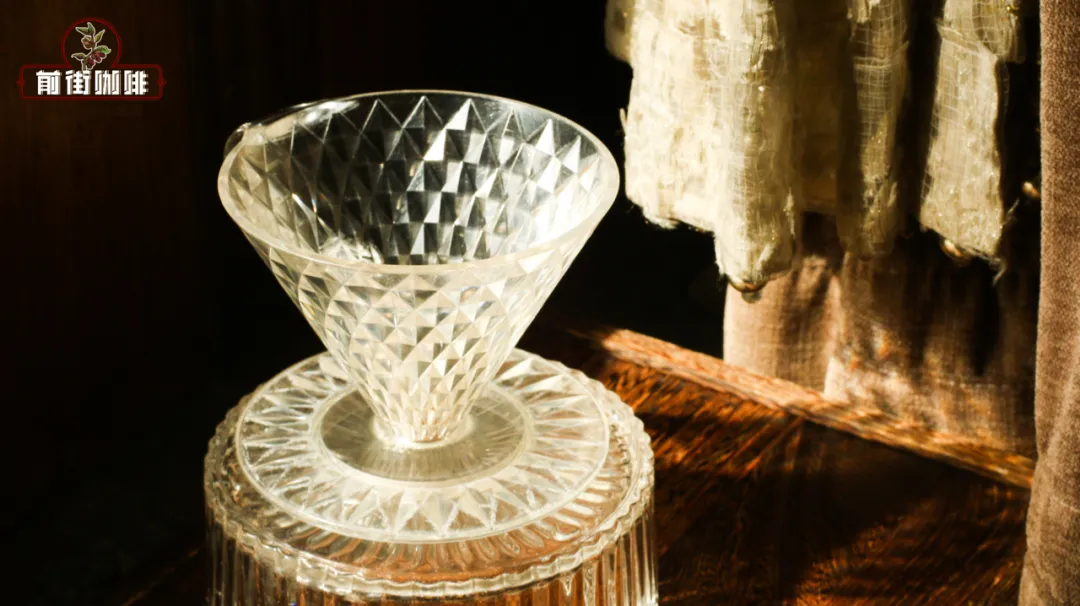
Returning to the product itself, the diamond dripper, like the V60, uses a conical shape. But the difference is that the diamond dripper does not have clearly raised flow-guiding ribs, and instead replaces them with a large number of facets similar to diamond-cut surfaces. These "diamond" facets can also serve to support the filter paper, thereby leaving gaps for the coffee grounds to degas fully.

However, the flow rate of the diamond dripper is not as fast as that of the V60. Through observation, Front Street found that its drainage holes are somewhat smaller than those of the V60, which narrows the channel through which water exits and prolongs the contact time between water and coffee grounds. Combined with its conical structure that is narrow at the bottom and wide at the top, under the same brewing method, the coffee made with the diamond dripper has a fuller body than that made with the V60.
The above content is compiled by CoffeeHunters, a coffee news website.


