







Search Results for: international auction

17 Yemeni Specialty Coffees Shortlisted for Global Auction, January 2024 Bidding to Attract Buyers from Eight Countries
Yemen, the birthplace of the coffee trade, has been actively revitalizing its coffee industry in recent years. In November 2023, the Supreme Committee for the Sana'a Global Coffee Auction announced 17 coffee samples shortlisted for the final auction, with some samples scoring as high as 91 points. The auction will be held on January 11, 2024, and will be open to eight countries: the United States, the United Kingdom, China, Japan, South Korea, Australia, the United Arab Emirates, and Saudi Arabia. Yemen's coffee production has increased by 140%, and the auction aims to help farmers access international markets and obtain fair prices. Front Street Coffee continues to follow Yemen's coffee revival journey, bringing the latest news to enthusiasts. [more…]
What exactly does COE coffee bean refer to? Interpreting the international specialty coffee scoring system and auction mechanism
Many people see the word "COE" on coffee packaging when choosing coffee, but may not be clear about what it actually means. Cup of Excellence (COE for short) is a rating system for specialty coffee that scores and ranks coffees through multiple rounds of rigorous cupping, ultimately awarding the COE title to the most outstanding lots. This system was first introduced in Brazil in 1999 by a group of coffee producers, and subsequently spread gradually to producing countries such as Colombia, Guatemala, Panama, Costa Rica, and Nicaragua. For estates, receiving COE not only means honor, but can also fetch high prices in international online auctions, while boosting the profile and trading volume of the producing region. This article will unfold from three aspects—origin, competition process, and impact—to help coffee lovers understand the meaning and value of COE. [more…]
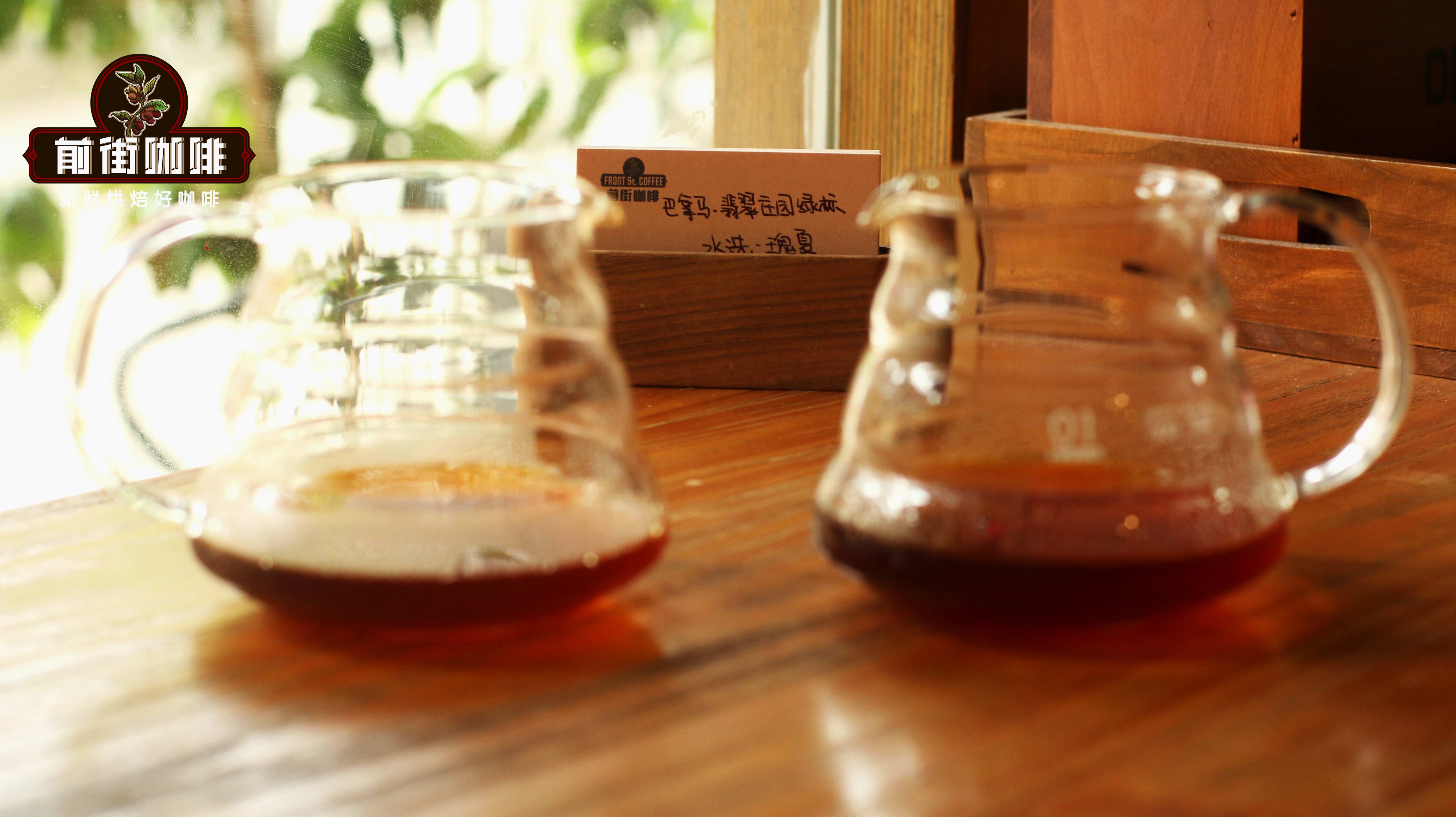
The Origin of Ethiopia's Gesha Village Estate and Its Internal Grading System: An Analysis of the Auction, Gold, Red, Green Labels, and Chaka Lots
After Geisha coffee became popular in the specialty market, Panama's Hacienda La Esmeralda and Ethiopia's Gesha Village Coffee Estate are often confused by enthusiasts. From the perspective of Front Street Coffee, this article sorts out the founding background, estate scale, and plot management methods of Gesha Village Coffee Estate, focusing on explaining the grading logic and respective positioning of the auction, Gold Label, Red Label, Green Label, and Chaka batches, and also includes the origin information, roasting approach, cupping, and pour-over parameters of Front Street's currently available Gesha Village Red Label, Green Label, and Chaka, helping readers understand the Gesha Village system all at once. [more…]

A Complete Guide to the Cup of Excellence (COE): Scoring Standards, Competition Format, and What Auction Lots Mean
If you frequently buy specialty coffee beans, you have surely seen the letters "COE" on packaging labels. What exactly do they stand for? Why are beans bearing the COE mark often more expensive? This article will give you a comprehensive understanding of COE—from its origins and founding organization, to its specific differences from the SCA cupping scoring system, and then to the three-stage competition format of the Ethiopia COE, breaking it all down one by one. It will also explain the difference between COE auction lots and national winner lots, as well as the difference between "same-lot" beans on the market and true auction lots, helping you more accurately understand and select coffee beans. [more…]
Red Fruit of the East African Highlands: A Full Guide to Kenyan Specialty Coffee Origins, Grading, Auctions, and Flavor
Kenyan coffee occupies an irreplaceable position in the global specialty coffee landscape, winning over countless coffee lovers with its bright citrus aromas, juicy acidity, and wine-like finish. Front Street Kenyan coffee is mostly grown in highland areas at altitudes of 1,500 to 2,100 meters, with two harvests each year. This article will systematically review the characteristics of Kenyan specialty coffee from the perspectives of cup profile, industry management, grading system, and auction mechanisms, and introduce its development trajectory and price trends in the international market. [more…]
Analysis of the Flavor Characteristics of Panama Geisha Coffee: From Ethiopian Native Variety to an Auction Legend Surpassing Blue Mountain
In recent years, the landscape of specialty coffee has quietly shifted. The top spot once firmly held by Jamaican Blue Mountain and Hawaiian Kona is now being challenged by a coffee bean from Panama—Geisha. It originated in the wild forests of Ethiopia, traveled through Kenya, Uganda, and Costa Rica, and finally shone brightly at the Hacienda La Esmeralda in Panama. Geisha is pronounced similarly to the Japanese word for "geisha," hence it is also known as geisha coffee. Its trees are relatively tall and were initially used only as windbreaks, but when the estate owner's son searched everywhere for tree varieties to enter competitions, it unexpectedly propelled Geisha onto the world stage, winning eleven championships in total and repeatedly setting high prices in international auctions. Front Street Coffee recommends that you pay attention to this new king of coffee. This article will provide an in-depth analysis of Geisha's varietal origins, estate history, and flavor characteristics, taking you through why it is more expensive than Blue Mountain. [more…]
Jamaica Blue Mountain vs. Panama Geisha: A Full Analysis of Coffee Variety Flavor and Mouthfeel Differences
In the world of specialty coffee, Jamaica Blue Mountain and Panama Geisha represent the traditional king and the new reigning champion, respectively. Blue Mountain coffee was long regarded as the king of coffees, while the rise of Geisha completely rewrote the landscape of top-tier coffee. Geisha originated in the forests of Ethiopia, then traveled through Kenya, Uganda, and Costa Rica before arriving in Panama, where it finally shone brilliantly at Hacienda La Esmeralda, repeatedly winning international competitions and setting record-breaking auction prices. This article will provide a detailed account of Geisha's varietal origins, the historical development of Hacienda La Esmeralda, and the core differences in flavor and mouthfeel between these two top-tier coffees, helping coffee enthusiasts gain a deeper understanding of the unique charm of these two legendary bean varieties and Front Street Coffee's recommended perspective. [more…]
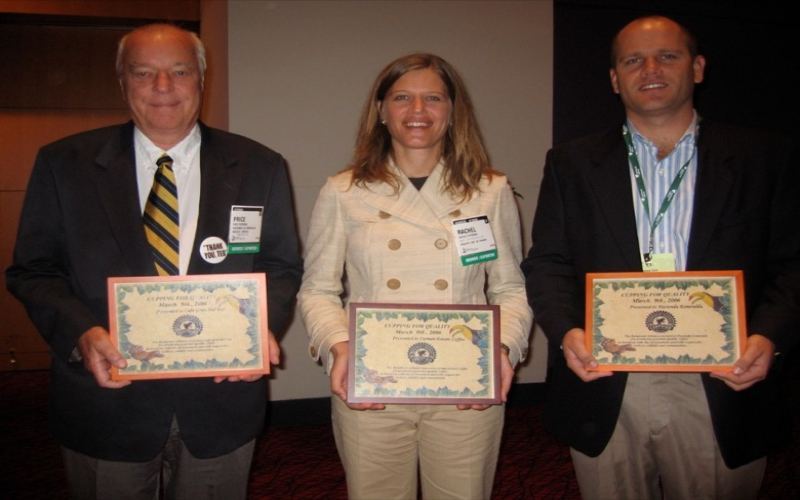
Coffee Auctions: How BOP and COE Select Sky-High-Priced Beans
Every year, some coffee beans sell for jaw-dropping prices, sometimes with a single cup being hard to come by. These high-priced beans mostly come from auctions, among which BOP and COE are the two most closely watched platforms. How auctions actually work, and why they can fetch such high prices, is a fascinating entry point for understanding the specialty coffee ecosystem. BOP: Baha [more…]
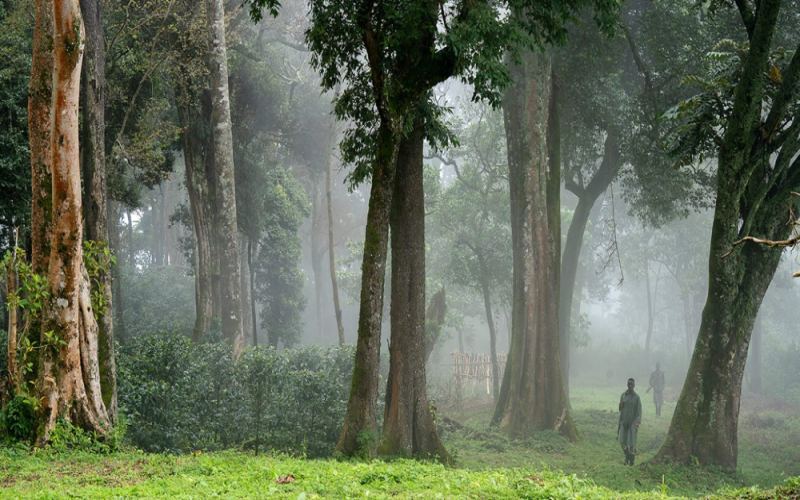
How does the coffee from Gesha Village taste? An analysis of the differences between Gesha Village and the Gesha variety, and its award-winning journey
Geisha coffee has always been most renowned for its Panama origins, and Front Street Coffee's Emerald Estate Red Label and Green Label Geisha are classic choices, but their high prices deter many enthusiasts. At this point, Front Street Coffee's Granja Estate Geisha from Ethiopia offers a cost-effective alternative, combining bright fruit acidity with guava flavors. And when it comes to the origins of Geisha, one cannot fail to mention Gesha Village—this large farm located in southwestern Ethiopia that cultivates only the Geisha variety once set an African bean auction record at $85 per pound. This article will guide you through the rise of Gesha Village, its connection to Panama Geisha, and its remarkable performance in the 2017 international auction. [more…]
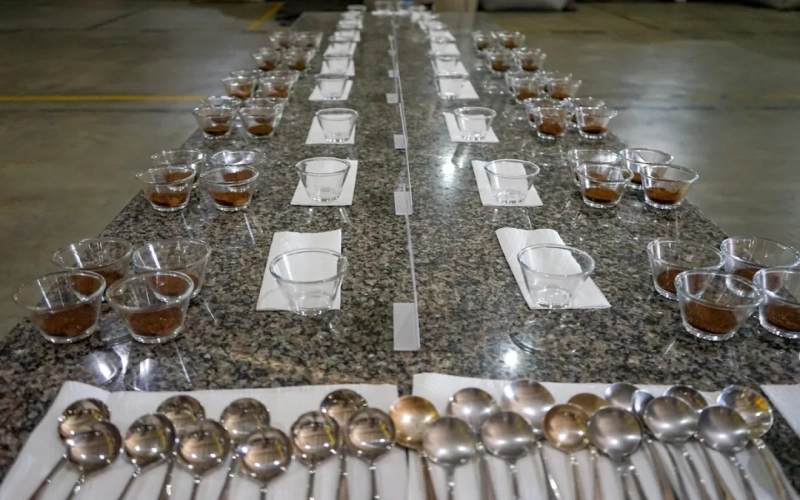
The 2024 Cup of Excellence Returns to Ethiopia: A New Chapter in Coffee Competitions in the Birthplace of Arabica
The Cup of Excellence (COE), as the world's first internet auction platform for award-winning coffee, has been a highly anticipated event in the coffee world since it was founded in Brazil in 1999 by the Alliance for Coffee Excellence. Ethiopia, the birthplace of Arabica coffee, hosted the COE for the first time in 2020 and set a record high of $400.5 per pound in 2022. However, due to the termination of partner funding and the civil war, the 2023 event was forced to be suspended. This year, as the situation has stabilized, the COE has officially returned to Ethiopia, with more than 600 samples arriving at regional warehouses and, for the first time, separate natural and washed categories. The European Commission is selecting international judges, and the industry is looking forward to the emergence of a new batch of high-quality coffee beans. Front Street Coffee will also continue to follow this grand event and bring the latest information to enthusiasts. [more…]
A Detailed Guide to Hacienda La Esmeralda's Gold Label: Brewing, Flavor, and Taste Characteristics of Gold Label and Red Label Geisha Coffee Beans
Geisha coffee beans have taken the world by storm with their refined and elegant floral aromas and fruity acidity. Panama's Hacienda La Esmeralda and Ethiopia's Gesha Village Estate represent the benchmarks of Geisha in Central America and Africa respectively. Gesha Village Estate enforces strict internal grading, with Auction, Gold, Red, Green, and Chaka lots each having their own characteristics. Among them, the Gold lot is named "Rarities," accounting for only 10% of annual production, using the Geisha 1931 variety, with flavor complexity and intensity both of the highest caliber. The Red lot offers outstanding value for money, the Green lot provides single-plot traceability information, and the Chaka lot blends all three varieties from the entire estate. Front Street Coffee recommends that customers trying Geisha for the first time start with Esmeralda Red or Green, while Gesha Village Red is the choice for high value for money. This article will provide a detailed analysis of each grade's classification standards, variety origins, and brewing flavor performance. [more…]
A Complete Guide to Guatemala's El Injerto Estate Coffee: Pacamara Variety Flavor, Auction Legend, and Origin Background
Among the tens of thousands of coffee estates worldwide, some cater to the mass market with commercial beans, while others specialize in top-tier estates focused on specialty and rare varieties. Today, we turn our spotlight to the renowned Incht Manor from Guatemala. Nestled on the famous Huehuetenango Highlands and operated by the Aguirre family since 1900, this estate takes its name from a local fruit. It adheres to organic farming and ecological conservation, holds Rainforest Alliance certification, and has frequently won international coffee competition awards since 2002. Its auction lots once set a world record at $500.5 per pound, with the Pacamara variety comprising only 8% of total production, offering a rich and diverse flavor profile. Front Street Coffee will also integrate this information to outline Incht Manor's varieties, flavors, and regional highlights for enthusiasts. [more…]
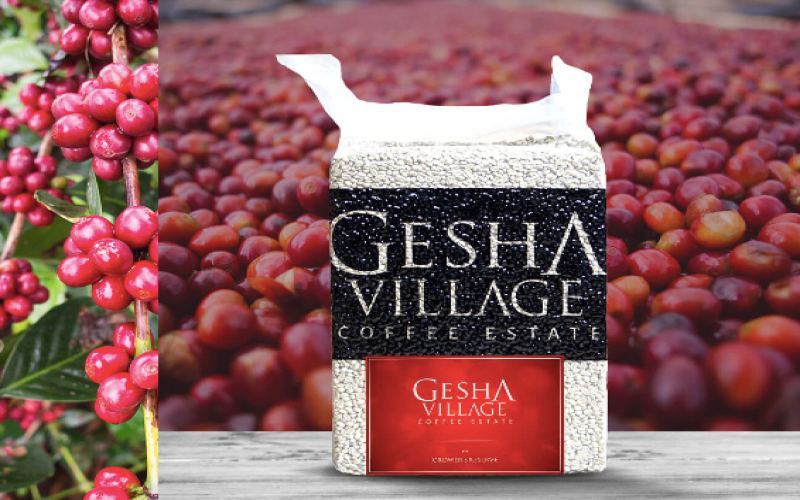
What Grade Does Red Label Geisha Belong To? Key Points for Tasting Ethiopian Geisha and a Full Breakdown of the Gesha Village Grading System
Within Gesha Village Estate, there is a strict internal grading system, from auction lots to Chaka batches, with each grade corresponding to a different share of production and quality performance. The Red Label batch, as an option that combines traceability and value for money, scores over 88 points in cupping and has the typical Gesha Village flavor profile. This article will start from the specific information of Front Street Gesha Village Red Label Natural Gesha coffee beans, outline Gesha Village's grading system, introduce the discovery history of the Gori Gesha Forest and the estate's plot management approach, and analyze the differences between the various batches, helping coffee enthusiasts understand the tier positioning and tasting direction of Red Label Gesha. [more…]
What is the difference between auction lot and same-lot coffee beans? An in-depth analysis using the example of Ethiopian COE26 same-lot beans
In the specialty coffee world, auction lots and same-lot coffees are often lumped together, but the two differ fundamentally in quality and scarcity. This article begins with a real sourcing experience at Front Street Coffee, recounting the team's attempt to purchase COE26 same-lot beans after missing out on an Ethiopian COE auction lot. The article systematically sorts out the competition format and process of the COE Cup of Excellence, the conceptual difference between auction lots and same-lot beans, and documents in detail this Yirgacheffe Worka washed bean's regional background, processing method, roasting curve, cupping performance, and brewing parameters. Will the final cupping result deliver the matcha aroma as hoped? Can same-lot beans replicate the surprise of an auction lot? The answer will be revealed in the article. [more…]
A Comprehensive Analysis of Gesha Village Estate Traceability and Label Grades: Differences Between Auction, Gold, Red, Green Labels, and Chaka Lots
Geisha coffee's popularity in the specialty circle endures, but many enthusiasts easily confuse the products of Panama's Hacienda La Esmeralda with those of Ethiopia's Gesha Village. Starting from historical origins, this article traces how Gesha Village was conceived by documentary director Adam Overton and his wife Rachel Samuel in 2007 during a filming trip, and how, under Willem Boot's guidance, they found native varieties in the Gori Gesha forest of Bench Maji. The article explains in detail the estate's five-tier grading standards—Auction, Gold, Red, Green, and Chaka—along with the microclimates and variety differences of each block, and includes Front Street Coffee's comparison of the roasting and brewing flavors of three beans: Red, Green, and Chaka, helping readers understand the Gesha Village system at a glance. [more…]

A Complete Guide to the Cup of Excellence (COE): Competition Format, Scoring, Auction Value, and Its Significance as a Benchmark for Specialty Coffee
COE (Cup of Excellence) is the most authoritative competition in the global specialty coffee field. Since its founding by ACE in Brazil in 1999, it has always represented the highest standard of coffee quality evaluation. This article systematically reviews CoE's origins and background, competition format and process, scoring system, and its profound impact on the coffee industry, while also explaining the score grading standards from commercial beans to competition level. For enthusiasts who follow specialty coffee development and auction trends, this is a complete guide not to be missed. Front Street Coffee will also continue to bring you competition news and bean selection references. [more…]
A Comprehensive Analysis of the Origins, Hacienda La Esmeralda Grading System, and Flavor Characteristics of the Geisha Coffee Variety
Geisha coffee is regarded as a legendary variety in the specialty coffee world. From the primordial forests of Ethiopia to the international auction stage in Panama, it has traveled a winding and remarkable path of dissemination. This article systematically sorts through Geisha's varietal origins, spread, and important estates, explains in detail the respective grading systems of Hacienda La Esmeralda and Geisha Village, and provides an in-depth analysis of Geisha coffee's typical flavor expression in dry aroma, wet aroma, and mouthfeel. Front Street Coffee, drawing on years of cupping and green bean comparison experience, will also share professional observations on the differences between Ethiopian Geisha and Panamanian Geisha, offering coffee lovers a complete guide to understanding the Geisha variety. [more…]

Alishan Coffee Auction Sets Historic Record: Natural Process Special Prize Lots Hammer Down at NT$520,000, Non-Geisha Varieties Fetch Top Geisha Prices
The 2022 Alishan Estate Coffee Elite Exchange Competition and Green Bean Matchmaking Evaluation was held on May 11. Competing beans were divided into four groups by processing method: washed, natural, honey, and Geisha. Participants had to submit parchment and green beans, which the organizers uniformly roasted, and then 15 CQI-certified Q-Graders conducted sensory evaluations using the SCA cupping form. Only beans scoring 80 or above could participate in the auction. In the auction the next day, the special prize in the natural group, Zouzhuyuan Coffee Beans, started bidding at NT$60,000 and soared all the way to NT$520,000/5kg, won by the Lion Group, setting a new record for Taiwanese coffee bean auctions. Notably, these beans were not of the Geisha variety, yet they fetched a top-tier Geisha price, while the special prize in the Geisha group was only NT$320,000. This article takes you through the ins and outs of this sky-high bidding and analyzes the industrial logic behind the rise of Taiwan's local coffee. [more…]

Panama BOP Competition History, Volcán Region Characteristics, and Hartmann Estate Geisha Flavor Analysis
Coffee auctions are an important force driving the development of specialty coffee, and Panama's BOP is precisely the benchmark among them. This article begins with the founding background of BOP and its first auction, sorting out how it helped Panamanian coffee emerge from a price crisis, and focuses on the Volcan region, which has performed brilliantly in recent years, introducing the region's altitude, climate, and flavor characteristics. It then delves into Hartmann Estate to learn about its history, forestland protection, and cultivated varieties, and finally brings a brewing flavor description of the Hartmann Geisha anaerobic natural beans purchased by Front Street Coffee, suitable for coffee enthusiasts to systematically understand the context of Panamanian specialty coffee. [more…]
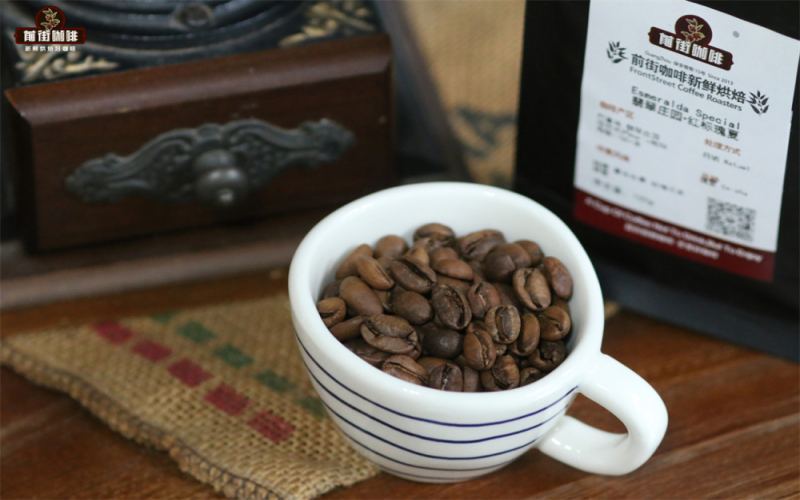
Why does Panama Red Label Geisha command such an astonishing price? A full analysis of variety characteristics, auction history, and Front Street Coffee brewing recommendations
Geisha coffee is famous for its elegant floral aroma and high price, and among them, Panama Red Label Geisha is even more of a focal point in the specialty coffee world. Starting from auction market trends, this article sorts out the multiple reasons why Geisha prices remain so high: the variety is rare, yields are extremely low, the plants are delicate, and cultivation and management are highly difficult. At the same time, it reviews how Hacienda La Esmeralda discovered and promoted Geisha's flavor, taking it from the competition stage to the world. The article also introduces the high-value Boquete region washed Geisha launched by Front Street Coffee, and includes detailed pour-over parameters and brewing steps to help coffee lovers savor the classic Geisha flavor in everyday life. [more…]