







Geisha coffee is regarded as a legendary variety in the specialty coffee world. From the primordial forests of Ethiopia to the international auction stage in Panama, it has traveled a winding and fascinating path of dissemination. This article will systematically sort out Geisha's varietal origins, spread, and important estates, explain in detail the respective grading systems of Hacienda La Esmeralda and Gesha Village, and deeply analyze the typical flavor performance of Geisha coffee in dry aroma, wet aroma, and mouthfeel. Front Street Coffee, drawing on years of cupping and green bean comparison experience, will also share professional observations on the differences between Ethiopian Geisha and Panamanian Geisha, providing coffee lovers with a complete guide to understanding the Geisha variety.
The history of the Geisha variety is quite long. According to relevant materials verified by Front Street Coffee, Geisha originated earliest in the Gori Gesha forest of Ethiopia. In the 1930s, the British consul Richard collected coffee samples of the Geisha variety within Ethiopia. The variety was later introduced to the Tropical Agricultural Research and Higher Education Center (CATIE) in Costa Rica in the 1950s. By the 1960s, an official from Panama's Ministry of Agriculture went to CATIE in search of coffee varieties with disease resistance, intending to trial them in his own country. He brought several Geisha variety coffees back to Panama and distributed them to multiple farms in the Boquete region, one of which was Hacienda La Esmeralda.
After Hacienda La Esmeralda acquired Hacienda Jaramillo, it incorporated it into its own holdings as a sub-estate. Daniel Peterson, a son of the Peterson family, noticed that a type of coffee tree with slender branches and sparse leaves was growing on this estate. After repeated study, he discovered that if this coffee tree was planted at an altitude above 1,500 meters, its flavor performance was especially outstanding. He then set about carefully cultivating it, and ultimately at the 2004 BOP (Best of Panama) competition, this coffee bean named Geisha won first place and immediately rose to fame.
Since then, Hacienda La Esmeralda's Geisha has not only become an internationally recognized famous coffee bean, but its auction green beans have sold for as much as several hundred dollars per pound, setting a record for green bean auction prices at the time. At the same time, growers around the world developed a strong interest in the Geisha variety. Geisha seeds and seedlings were successively introduced to Colombia, Honduras, Guatemala, El Salvador, and other Central and South American countries.
The success achieved by Panamanian Geisha also prompted some experts to trace Geisha's origins. They discovered that in 1931 a British officer had entered a forest in Ethiopia called Gesha to collect coffee. For this reason, many coffee hunters went to Ethiopia in search of Geisha's traces. In 2007, Adam and Willem went together into the Gesha forest to search for Geisha, and they found several coffee trees similar to Panamanian Geisha in morphological and flavor characteristics. The two then looked for suitable land locally to plant Geisha and established Gesha Village, which is about 12 miles from the Gori Gesha forest.
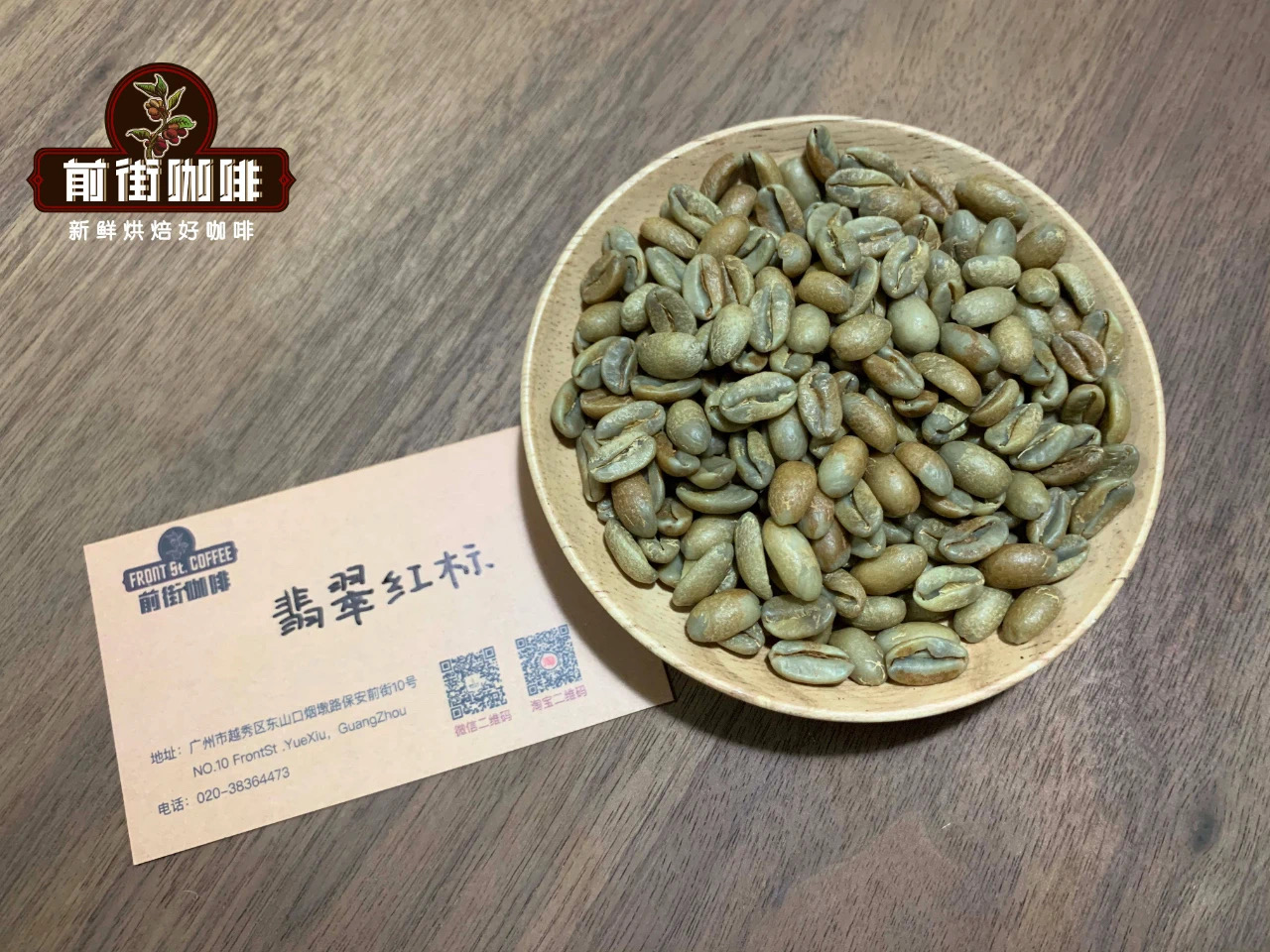
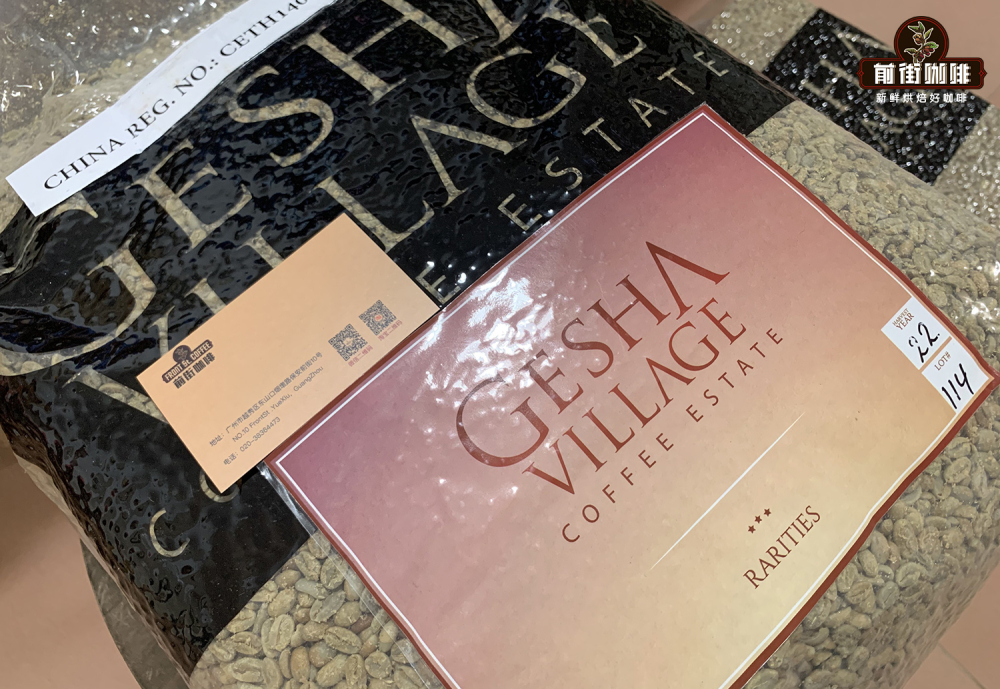
Front Street Coffee once purchased coffee beans from the entire Gesha Village series. By comparing the green beans of Gesha Village with those of Panamanian Geisha, Front Street believes that although the two share the same name, they are essentially completely different bean varieties, and this can be clearly distinguished merely from the appearance of the two green coffees.
Let Front Street Coffee first discuss Ethiopian Geisha variety coffee. Gesha Village's coffee grading method is similar to that of Panama's Hacienda La Esmeralda: the Gold Label (Rare) grade accounts for 10% of Gesha Village's total production and is the top batch produced by Gesha Village outside auction channels, often selected by baristas participating in international competitions.
Red Label (Grower's Reserve) accounts for 15% of coffee production and must score 88 points or above on SCA's 100-point scale. The Green Label (Single Terroir) series plots all come from a single block within Gesha Village. Each lot in the Single Terroir series has complete traceability information, covering the farm block name, coffee variety, and processing date.
The Chaka series, meanwhile, blends all agricultural blocks of Gesha Village as well as the specialty coffee produced throughout the entire season.
Among Panamanian Geisha coffees, the most famous estate is undoubtedly Hacienda La Esmeralda. At Hacienda La Esmeralda, a great deal of effort is devoted to the detailed control and meticulous processing required to separate Geisha from other variety green beans.
After the 2004 competition and Geisha's official debut at the Best of Panama auction, Peterson devoted most of his energy to infrastructure construction to support the separation of exceptional lots, meticulous processing, and standardized auction procedures. As auction prices continued to climb, market demand for experimental processing methods such as natural processing also grew, and requirements for lot specificity became increasingly high.
At Hacienda La Esmeralda, Geisha is divided into three grades: Blue Label, Green Label, and Red Label. Hacienda La Esmeralda has invested a great deal of effort in distinguishing Geisha plots, mainly including three plots: Jaramillo, Cañas Verdes, and El Velo. Each large plot is further subdivided into smaller plots, totaling 22 plots. To this day, Hacienda La Esmeralda continues to expand in search of micro-plots more suitable for growing Geisha. In 2022, Hacienda La Esmeralda newly purchased an estate and named it Hacienda El Manantial.
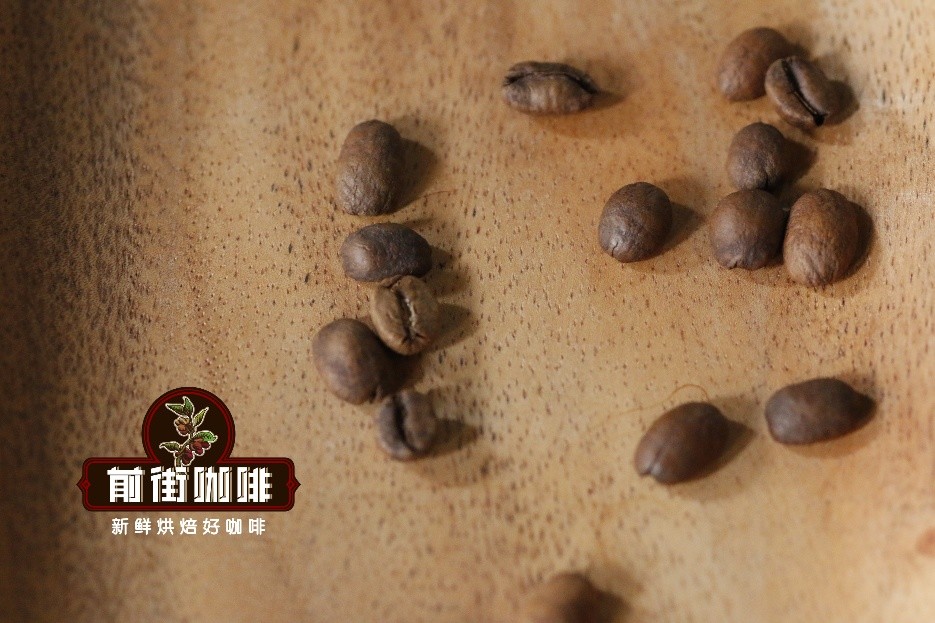
Regarding the flavor of Front Street · Geisha coffee, Front Street Coffee believes that Geisha's dry aroma is lifted and bright, with characteristics of rose and jasmine, and can also bring out the fragrance of honey pomelo and citrus. At light roast it carries nutty aromas; the wet aroma likewise presents hazelnut notes and reveals more floral characteristics.
Regarding the mouthfeel of Front Street · Geisha coffee, it is gentle and restrained on entry. After slight cooling, the floral and fruity flavors gradually rise as the temperature drops, and the cold aroma performs especially outstandingly (sweet dried fruit, rose hip, orange marmalade, strawberry jam, a faint pine note, cherry, vanilla, and rose fade gradually, leading into lemon-like fruity aroma). This is a coffee that can be praised with a great many adjectives. The sweet aftertaste is intense.
The above content is compiled by CoffeeHunters, a coffee news website.


