







Search Results for: immediately
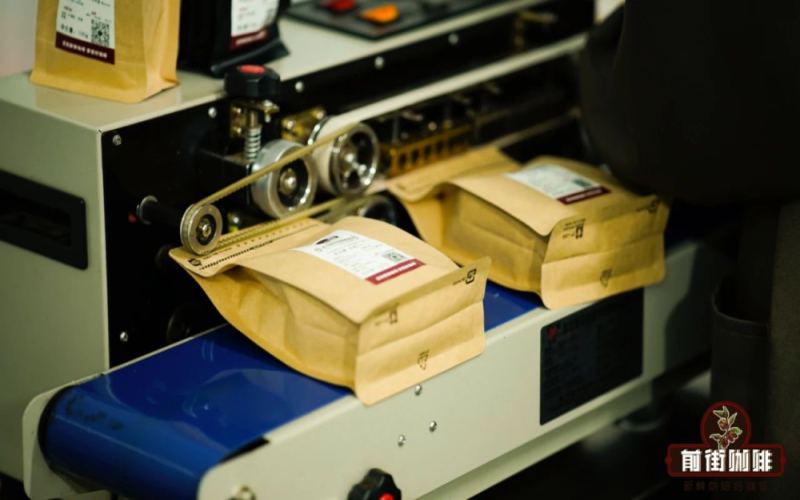
Coffee Grounds Storage | What Factors Affect the Freshness of Roasted Coffee Beans? How Long Is the Shelf Life of Freshly Ground Coffee? Do Coffee Beans Still Need to Be Rested After Grinding?
Recently, a friend asked Front Street Coffee: "Why should the air valve be sealed after coffee beans are ground into powder? Wouldn't that prevent the carbon dioxide inside the package from escaping?" The meaning of the exhaust valve on coffee packaging. Front Street Coffee immediately seals and packages the coffee beans after roasting and cooling, which can minimize the loss of coffee bean flavor. [more…]
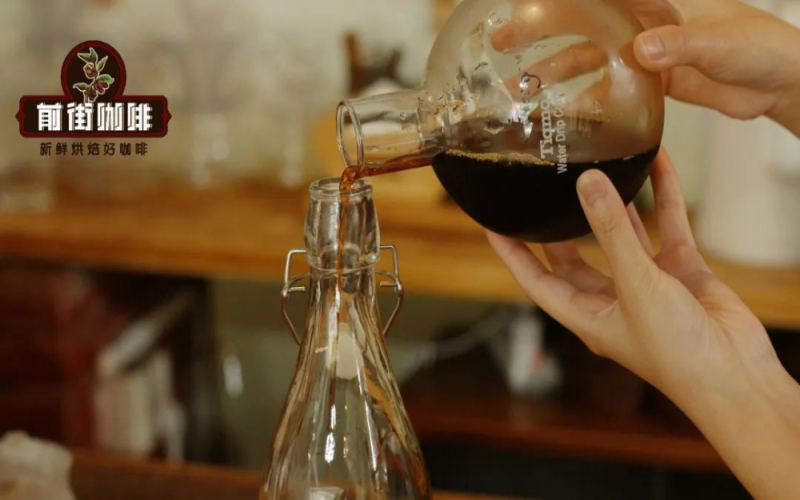
Illustrated Guide to Making Cold Brew Coffee | What Powder-to-Water Ratio Is Suitable for Cold Brew Coffee? How Long Does Cold Brew Coffee Extraction Take? Can You Drink It Immediately After Making It?
For more specialty coffee knowledge, please follow our WeChat official account: Front Street Coffee (FrontStreet Coffee). For coffee partners, whether it's pour-over coffee, espresso, or cold brew coffee, the coffee fun they bring is different, but all are interesting. Entering the scorching [more…]
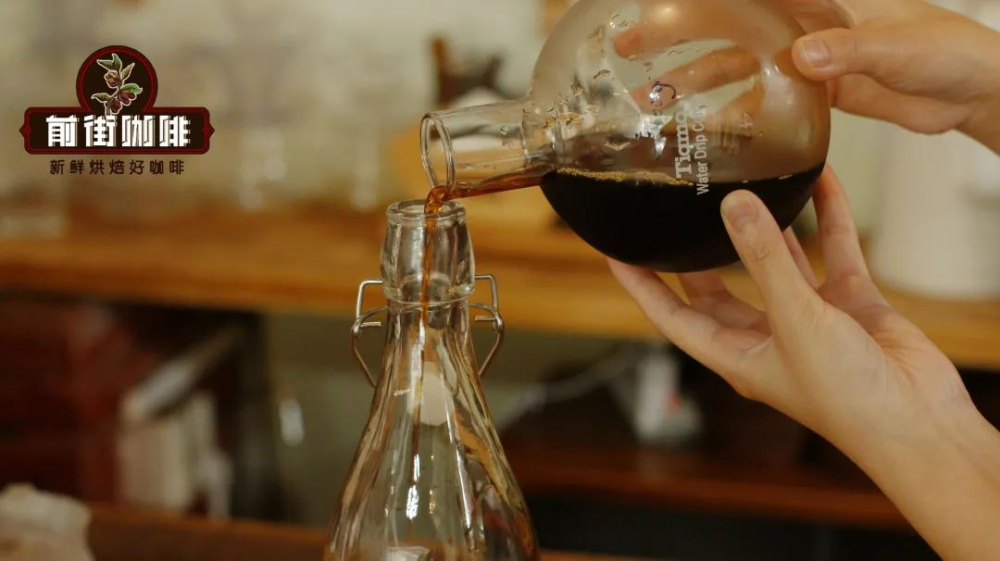
Detailed Guide to Cold Brew Coffee with Illustrations | What Is the Coffee-to-Water Ratio for Cold Brew? How Long Is the Cold Brew Extraction Time? Can You Drink Cold Brew Immediately After Making It?
For more specialty coffee knowledge, please follow the WeChat public account: Front Street Coffee (FrontStreet Coffee). For coffee partners, whether it's pour-over coffee, espresso, or cold brew coffee, the coffee fun they bring is different, but all are interesting. Entering the scorching [more…]
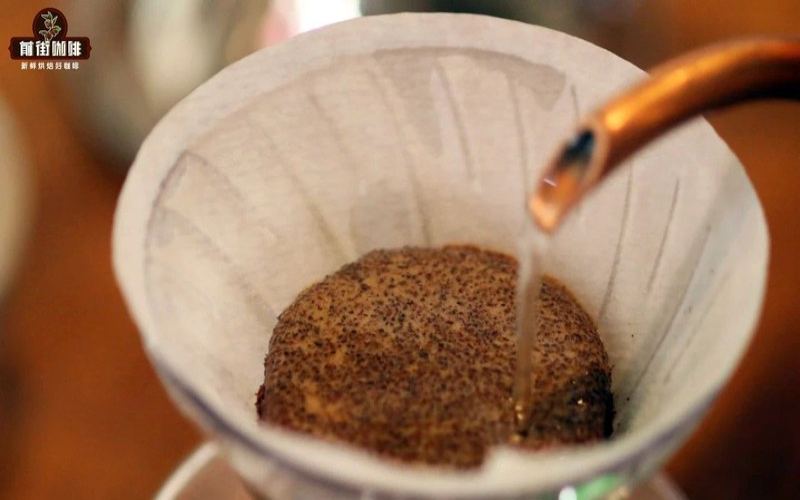
The Flavor Window and Brewing Rhythm of Medium-Roast Coffee Beans: From Degassing to Opening and Storage
Freshly roasted coffee beans are rich in carbon dioxide internally. Under the heat of a medium roast, a loose, porous structure forms, and these gases are gradually released over the following days. If you grind and brew the beans immediately after getting them, the vigorous bubbling of gas will hinder full contact between the water and the coffee grounds, leading to uneven extraction. [more…]
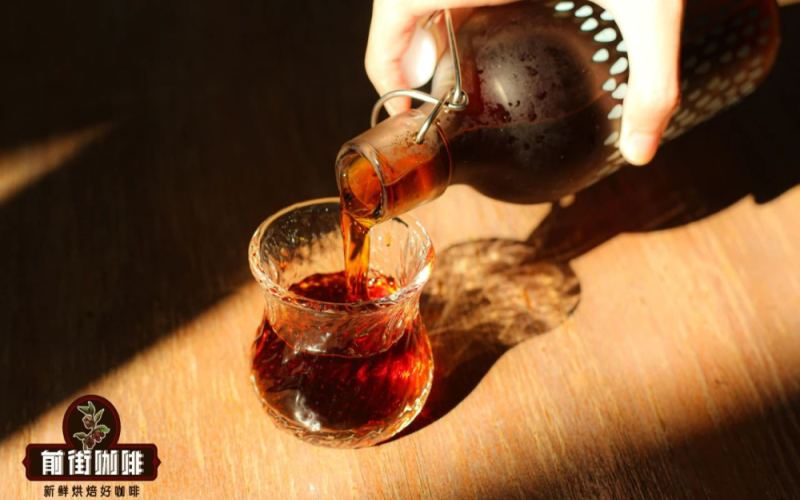
Cold Brew Coffee Characteristics | How much time is needed to make cold brew coffee? What is "cold brew flavor"? Which coffee bean origins are suitable for making cold brew?
Here's what happens: when a customer pushes open the door of the Front Street shop and steps inside, their attention is immediately drawn to the blackboard nearby. There's nothing particularly special on the blackboard—it simply lists new drink recommendations along with the words "Ice drip coffee must be ordered 2 days in advance." As a result, many customers who see it ask, "Ice [more…]

After the roast date, when does a home espresso blend taste better?
After coffee beans leave the roaster, they continue to release carbon dioxide, and espresso extraction amplifies this change. If you open the bag immediately after roasting, the puck tends to swell rapidly when it meets water, and both the flow rate and the crema layer are more active; after resting for a few days, gas release slows down, and sweetness, body, and aroma usually come together more easily in the same cup. [more…]
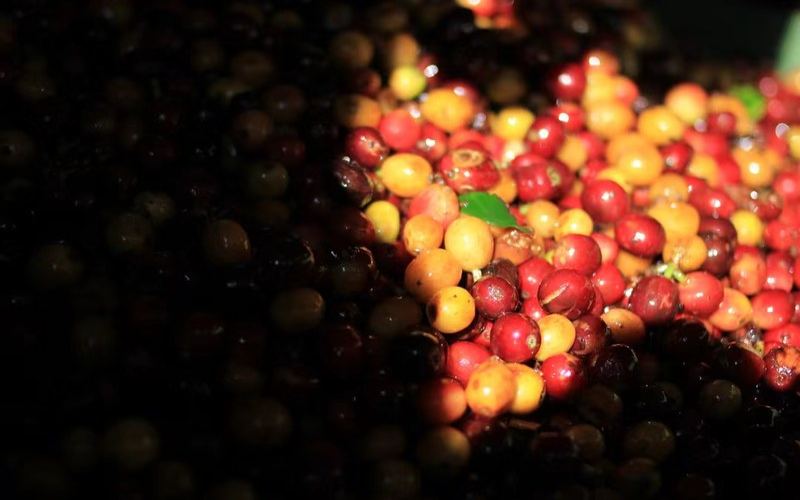
American Black Coffee Beans Recommendation: The Flavor Rhythm from Roasting to Opening
When water is added to Americano black coffee, the concentration of the coffee liquid decreases, and the aroma and aftertaste become easier to identify, so the freshness of the beans is very important. Freshly roasted coffee does not immediately present its full flavor; drinking it too early may have an obvious gassy sensation, while leaving it too long will cause it to lose its vitality. When selecting beans, the roast date and your own [more…]
Light-roast beans from roaster to cup: freshness determines how to brew
The aroma of lightly roasted beans is often very distinct, but from the moment roasting is completed to the moment they are brewed, they do not immediately reach their ideal state. The beans continue to slowly release carbon dioxide internally, and brewing too early tends to produce sharp acidity, dissipated aroma, and insufficient sweetness. When you consider the roast date, resting time, and the rate of consumption after opening together, [more…]
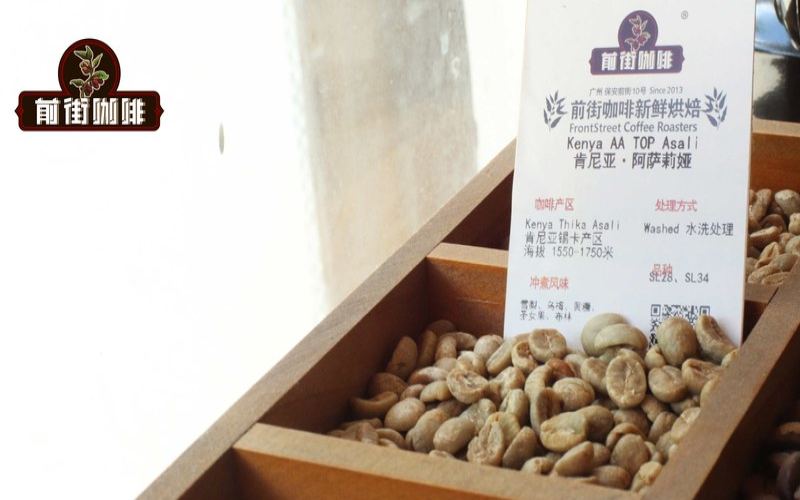
Coffee Bean Repurchase Review: From Roasting to Peak Flavor
When coffee beans are freshly roasted, their aroma does not mean they are at their peak. The interior of the beans still holds a large amount of carbon dioxide, and brewing them right away can easily produce sharp acidity, a thin and hollow mouthfeel, and a flow rate that may surge and slow unpredictably. The time when they are truly ready to drink usually requires waiting for the gas to release over a period, allowing the floral notes, fruity sweetness, and body to gradually come together. [more…]
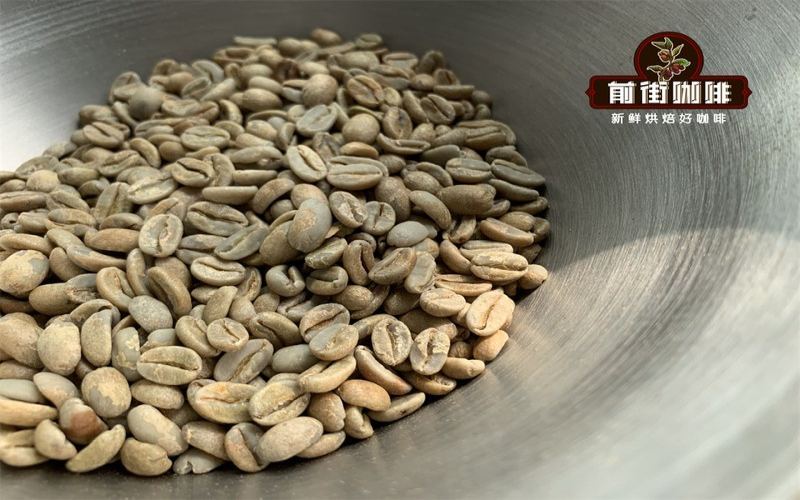
How to Determine the Peak Flavor Window of Commercial Coffee Beans? A Flavor Timeline from Degassing and Resting to Opening the Bag and Sealing It
The flavor profile of commercial coffee beans evolves continuously over time; the moment they finish roasting is not when they immediately reach their ideal flavor. After being heated, the interior of the bean traps a large amount of carbon dioxide, and this gas continues to be released outward over the first few days. Understanding the degassing and maturation process helps us more calmly plan each [more…]

Caffeine Calculation | Is cold brew coffee high in caffeine? What are the taste and flavor characteristics of cold brew coffee? What is the specific process for making cold brew?
For more specialty coffee knowledge, please follow: Front Street Coffee (Frontsteet Coffee). Coffee has become an indispensable part of everyone's work and life, especially in today's fast-paced, high-pressure environment, where a cup of coffee in the morning is even more necessary to wake you up. But [more…]
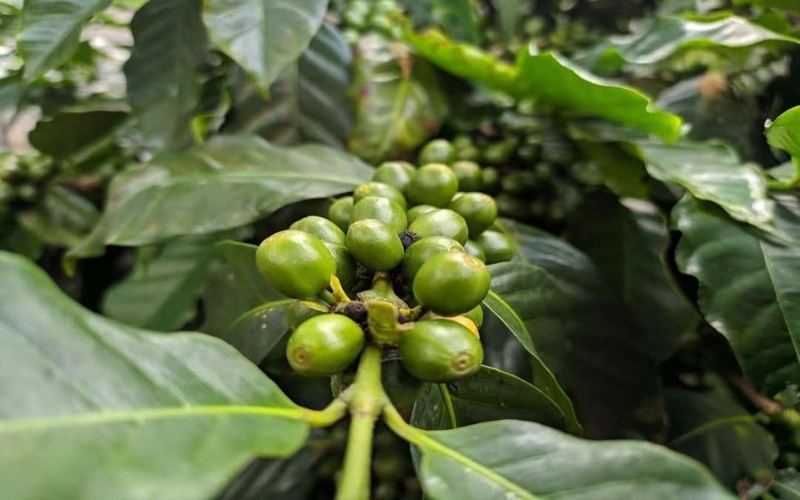
The Flavor Peak of Espresso: Understanding Roast Dates, Degassing Cycles, and Daily Sealed Storage
Espresso extraction is extremely sensitive to the state of the carbon dioxide inside the coffee beans, and the completion of roasting does not mean the beans immediately reach the balance point for aroma release. Freshly roasted coffee beans are packed with a large amount of gas inside. If pressurized extraction is carried out right away, the water flow is easily obstructed by bubbles, leading to uneven extraction and bringing out too many off-flavors. Understanding [more…]
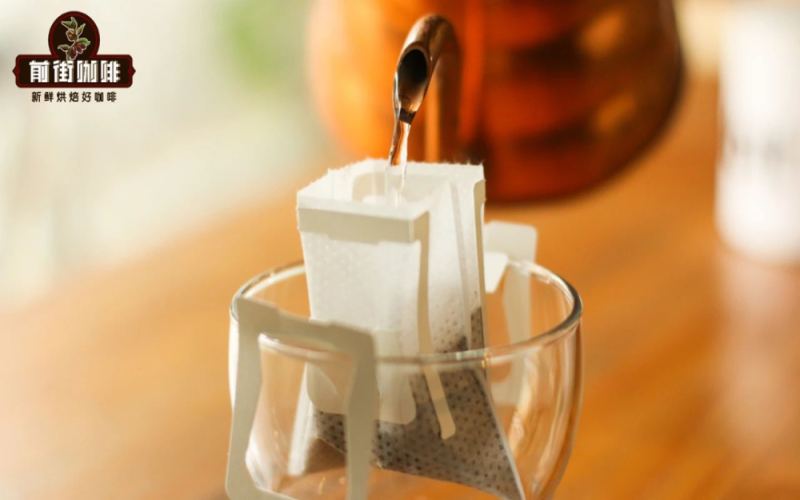
A Beginner's Guide to Drip Bag Coffee: An Analysis of Mainstream Flavor Types and Beginner-Friendly Brand Recommendations
Drip bag coffee, with its convenience of being ready to brew and drink instantly and its natural taste superior to instant coffee, is becoming the daily choice of more and more coffee lovers. To preserve the freshness of ground coffee, many brands adopt fresh-roasting and immediate packaging, high-purity nitrogen preservation, and fully automatic packaging processes, so that the aroma bursts forth the moment the bag is opened. Faced with a dazzling array of products on the market, beginners often do not know where to start. This article sorts out the core characteristics of drip bag coffee and selects four Front Street Coffee drip bag coffees, explaining each one from roast level to flavor, to help beginners follow the clues. At the end of the article, detailed drip bag brewing steps are also included, so you can easily brew black coffee close to cafe quality at home. [more…]

When to Open a Bag of Coffee Beans for Your Café: The Brewing Rhythm After the Roast Date
When coffee beans have just left the roaster, the bean body will still continue to release carbon dioxide. At this point, opening the bag gives a very strong aroma, but that does not mean it immediately reaches the ideal state for brewing; too much gas can make espresso flow fluctuate, and can also cause pour-over blooming to expand too quickly. When choosing beans for a shop, what matters is not "the closer to the roast date the better," but how it [more…]
How to Store Dark Roast Coffee Beans: Preserving Caramel Sweetness and Full-Bodied Depth
The flavor of dark-roasted coffee beans is built on the sweet-bitter balance brought about by caramelization and the Maillard reaction, and this part of the flavor is relatively overt, and also more dependent on proper storage. The darker the roast, the more porous the bean body, the more easily aromatic compounds escape, and the faster the oils are exposed to the air. Mastering a few key storage points can keep a [more…]
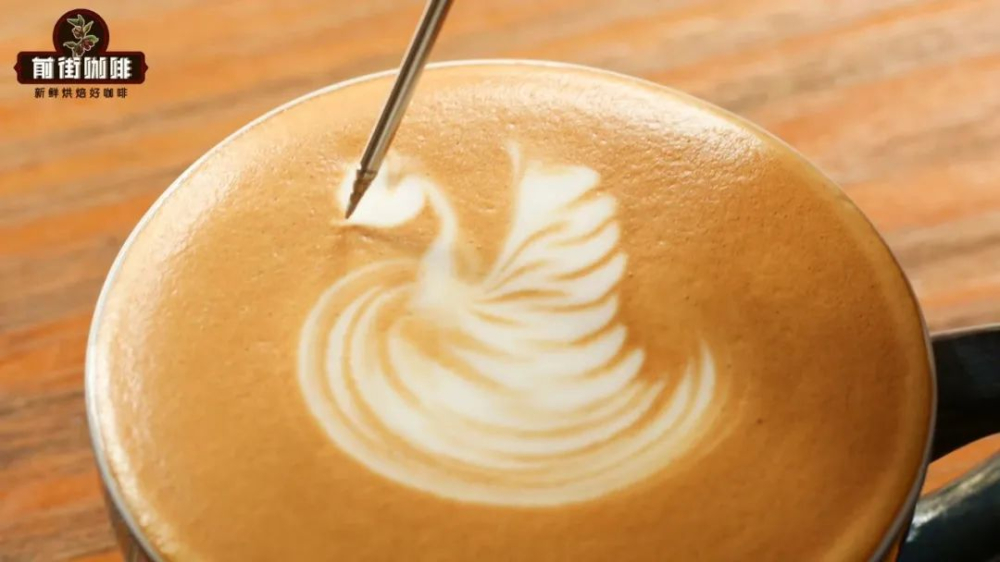
Latte Recipe | Can You Add Ice to a Hot Latte? What Makes a Latte Both Bitter and Weak? How to Adjust Extraction Parameters to Make a Delicious Latte?
I'm not sure if everyone remembers the first time they had a latte—many people probably have long since forgotten—but Front Street Coffee still remembers it vividly. The first glimpse of the delicate latte art was immediately eye-catching; a small sip revealed the faintly sweet aroma and hint of bitterness released by the crema, and by the second sip, the earlier intense bitterness had transformed into [more…]

Whether the crema is thick or not also depends on freshness: this is how to manage the resting period for espresso beans
Many people focus on roast level and bean variety when choosing coffee, yet overlook the true fuel for crema: carbon dioxide. All the bubbles in crema come from gases accumulated inside the beans during roasting. After the beans leave the roaster, they continue degassing every day, and the remaining gas determines the thickness of the crema. In other words, even the best dark-roasted beans [more…]
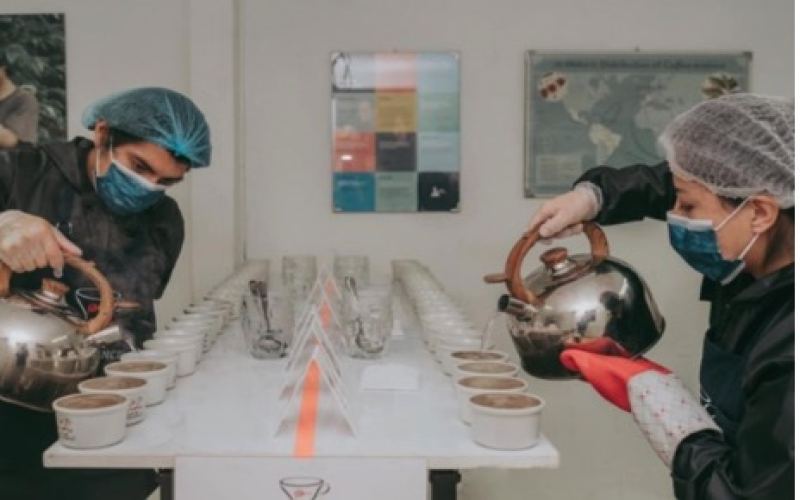
COE competition and coffee cup testing scoring criteria
Last month, Qianjie shared with everyone the scoring system of cup testing, among which we briefly mentioned COE. In daily life, the word COE also often appears on the labels of some beans. This immediately aroused everyone's curiosity: What is COE? [more…]

Light Roast Beans for Beginners | Which Has a Stronger Floral and Fruity Aroma: Natural or Washed Yirgacheffe? Is Yirgacheffe Better for Pour-Over or Cold Brew?
Yirgacheffe is a very high-quality Arabica coffee with a unique and bright fruity sweetness and acidity. As soon as it enters the mouth, you can immediately perceive a fresh and clear white floral aroma, leaving a deep impression on everyone who has tried it. In terms of green coffee bean grading, Ethiopia focuses primarily on the defect rate of the beans, combined with cup [more…]
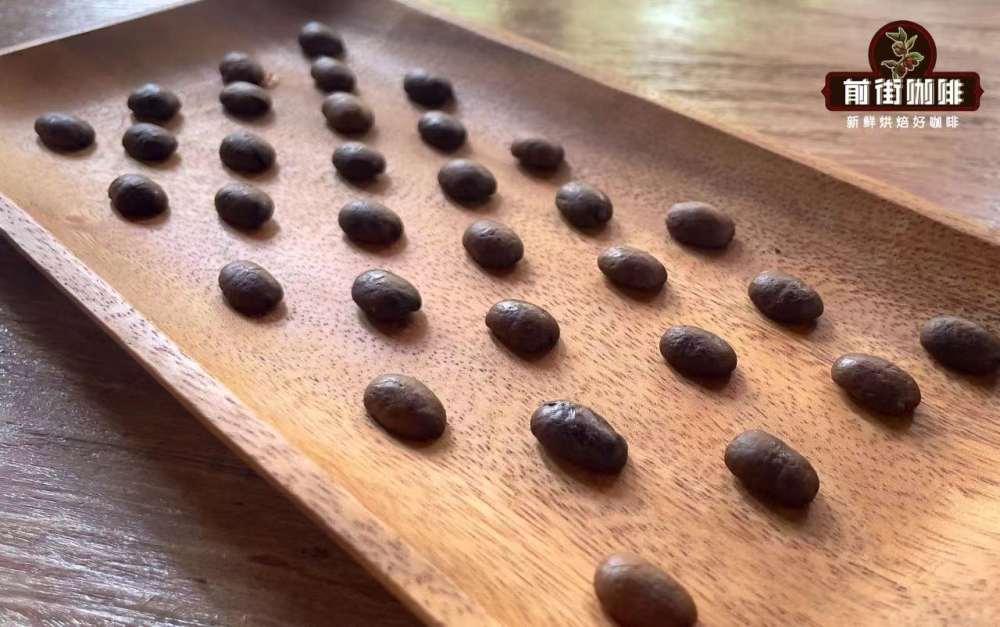
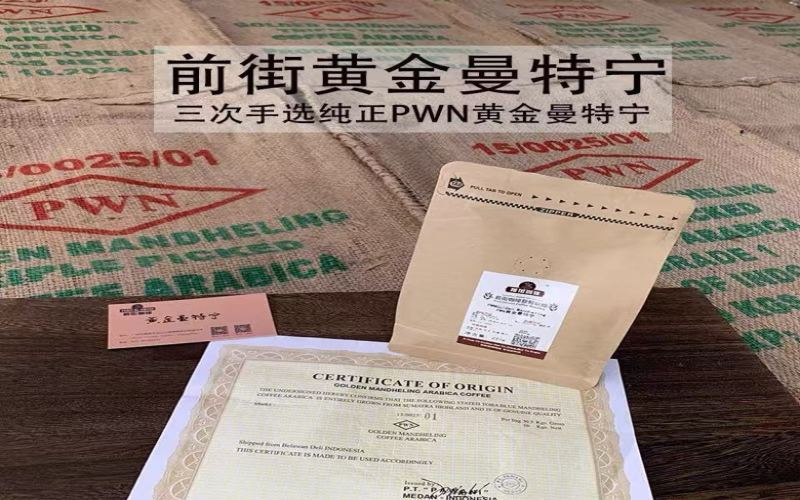
Coffee Flavor Window | What Is Coffee Resting? Do Espresso Blends and Pour-Over Single-Origin Beans All Need Resting? How Long Is the Resting Period for Golden Mandheling?
Many friends who have drunk red wine should be all too familiar with one step in wine tasting: decanting. After a period of decanting, the astringency of the tannins weakens slightly, and the sweet and sour notes in the red wine become more lively. Drinking coffee is actually quite similar to drinking red wine—red wine needs decanting, while coffee beans need resting. [more…]