







Search Results for: how to use
Front Street Coffee Complete Knowledge Collection: A Coffee Learning Guide and Practical Manual from Beginner to Advanced
The Front Street official account has insisted on daily updates for many years, accumulating a massive amount of educational content covering every area of coffee. From the origins of coffee beans to the birth of a finished cup of coffee, from basic terminology to advanced brewing techniques, the articles have touched on virtually every question a coffee lover might encounter. This article reorganizes that content along a learning path, dividing it into sections such as must-reads for beginners, tasting methods, brewing techniques, advanced improvement, and Front Street's random musings on industry topics, making it easy for readers to quickly locate the knowledge they need based on their own stage, and also convenient for systematically filling in gaps. Whether you are a novice just getting into coffee or an advanced player hoping to hone your skills, you can find corresponding content here. [more…]

How many beans should you use per pour-over coffee? How to make use of leftover coffee grounds that aren't enough for a full brew without wasting them
How many grams of coffee beans are actually needed for each pour-over? Can you still brew a good cup with less than 15 grams? Many people, after opening a bag of beans, always end up with a few scattered beans—not enough to brew a full pot. How exactly should these "leftovers" be handled? Starting from calculating dosage and drawing on Front Street Coffee's practical experience, this article shares three practical approaches to dealing with leftover coffee beans: grinding and pouring adjustments when brewing them directly, blending principles for combining different beans, and creative ways to turn beans into ornaments or specimens. Whether you are a beginner just starting out or a seasoned enthusiast addicted to stockpiling beans, you can find ways to avoid waste and make the most of every bean. [more…]
How Is Caffeine Content Calculated? How Much Do Pour-Over and Espresso Each Contain, and How Many Cups Can You Drink Within the 400 mg Daily Limit?
Many coffee enthusiasts care about exactly how much caffeine is in a cup of coffee and how many cups they can drink a day. Front Street Coffee has previously shared the caffeine content of different coffees, but because bean varieties, doses, and brewing methods vary so widely, it is hard to generalize. Today Front Street Coffee brings a practical caffeine calculation formula so you can estimate the caffeine content of pour-over or espresso yourself. The article will break things down from the perspectives of coffee bean variety, roast level, and extraction yield, and give specific calculation examples for a single pour-over and espresso, finally combining the daily intake recommendation of 400 mg to help you plan your coffee-drinking rhythm. [more…]
How to brew ground coffee | How to determine the grind size for an American coffee maker? How to make delicious black coffee with an American drip machine?
Customers who frequently come to Front Street Coffee sometimes ask the baristas if there's a lazy-person coffee machine suitable for home use, preferably at a reasonable price. Well then... let's get to know the American drip coffee maker! The American drip coffee maker (Drip Coffee Maker) is currently one of the more commonly used [more…]
How to Drink SOE Coffee Correctly | Pros and Cons of SOE Espresso Beans and How to Choose Them? How to Use SOE Beans to Make a Delicious Americano?
Recently, SOE espresso has become very popular, and many coffee shops have made SOE coffee a main selling point. Many people also ask Front Street Coffee (FrontStreet Coffee) what the difference is between SOE coffee and blended coffee, and whether SOE coffee is necessarily better tasting than blended espresso. [more…]
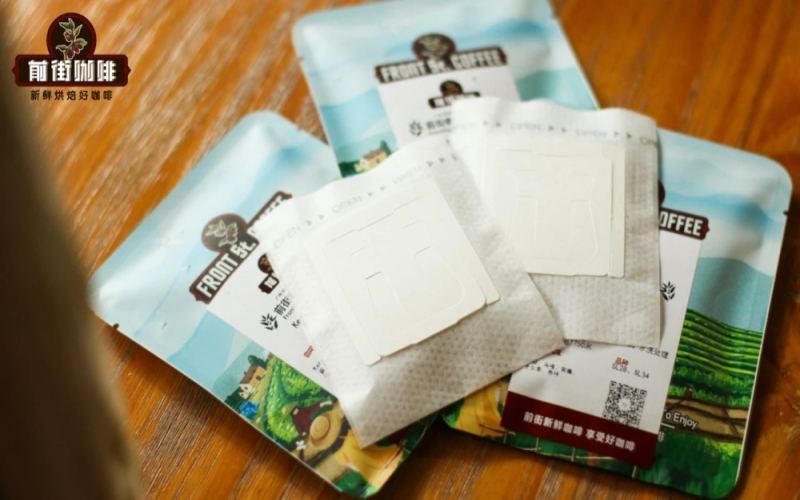
How much caffeine is in drip bag coffee? How many packs a day before it's too much, and steeping mistakes to avoid too
For coffee lovers who want to enjoy single-origin flavors but struggle without brewing equipment at the office, drip bags are almost the perfect solution. But there are always two inescapable questions surrounding them: How much caffeine is actually in a cup of drip bag coffee? How many bags a day can you drink without exceeding the safe limit? Additionally, many people new to drip bags mistakenly pour the coffee grounds straight into water, ending up with a mouthful of grit. This article will sort out the development of drip bag coffee from the beginning, the correct brewing method, and ideas for choosing flavors, and combine them with Front Street Coffee's actual products to give purchasing advice. Finally, using calculation formulas and recommendations from authoritative organizations, we'll help you figure out your daily caffeine intake limit, so you can drink with understanding and peace of mind. [more…]
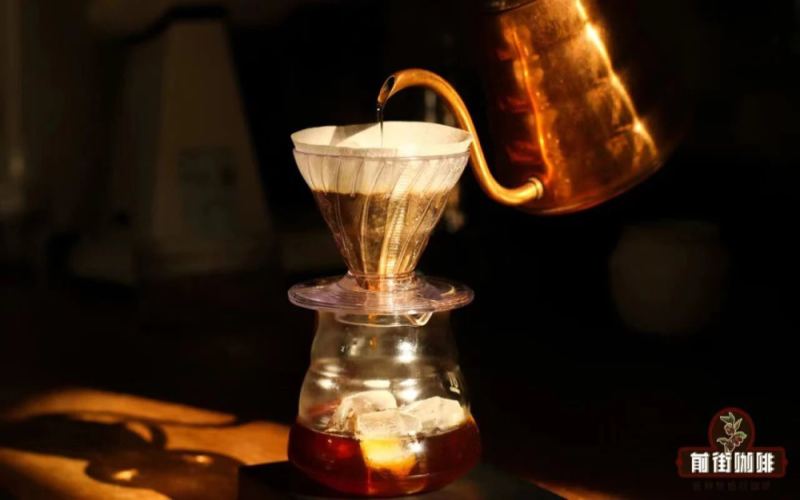
Coffee Storage Tips | How Many Days Should Freshly Roasted Coffee Beans Rest? How Soon Should You Finish Ground Coffee? How Does Grind Size Affect Coffee Flavor and Mouthfeel?
For more specialty coffee knowledge, please follow: Front Street Coffee (Frontsteet Coffee). In coffee, the coarseness of the grind directly affects the contact area between coffee and water as well as the extraction time, and it will directly affect the taste of the coffee. But at the same time, the coffee grind size is also what gives many people the biggest headache. [more…]

How Many Cups of Coffee a Day Is Still Within the Limit? A Detailed Breakdown of How Many Pour-Over and Espresso Cups 400 mg of Caffeine Equals
Moderate coffee consumption is beneficial for adults, and research shows that the upper limit for daily caffeine intake is about 400 milligrams. But how much caffeine does a cup of pour-over or espresso actually contain? And how many cups does that translate to? This article starts from the questions of customers at Front Street stores, and uses angles such as the difference in caffeine content between Arabica and Robusta, and the effect of extraction rate on caffeine dissolution, to gradually estimate the approximate caffeine content of a cup of coffee, and provide a reference for the number of cups corresponding to 400 milligrams. At the same time, it will also introduce the characteristics of decaf coffee and the Colombian decaf coffee on the Front Street bean list, helping coffee lovers who want to drink a few more cups without exceeding the limit find a compromise. [more…]

How to Make Americano | How to Describe the Taste and Mouthfeel of Iced Americano? Can Drinking Americano Black Coffee Help You Lose Weight? How Do Beginners Choose Americano Coffee Beans?
What does Americano coffee taste like? A friend once described it to Front Street Coffee like this: "Do as you please." Americano is a product made by diluting espresso with water, so Americano is a drink that can be adjusted according to your own [more…]
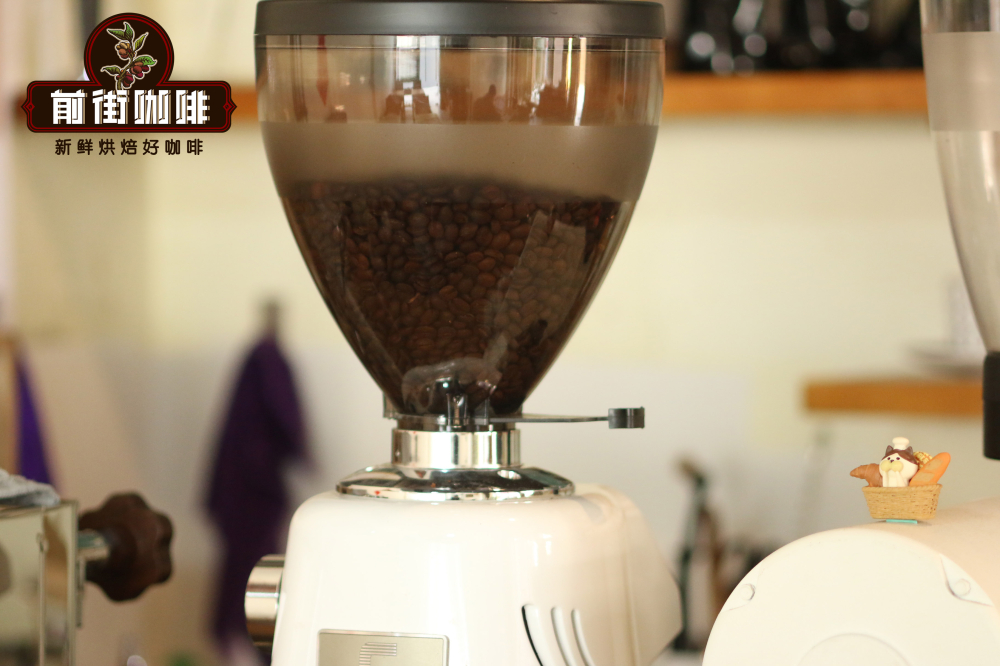
Espresso Brew Ratio | How Much Coffee Grounds for One Espresso Shot? How to Find the Right Grind Size for Espresso Beans?
How much coffee powder does an espresso need - How to drink espresso powder: How much coffee liquid is extracted from 20g of powder? When brewing coffee, we all know that the coarseness of the grind is very important. If you're not careful and the grind isn't right or is uneven, the coffee can easily be under-extracted or over-extracted. Compared with pour-over, cold brew, and other methods, espresso [more…]
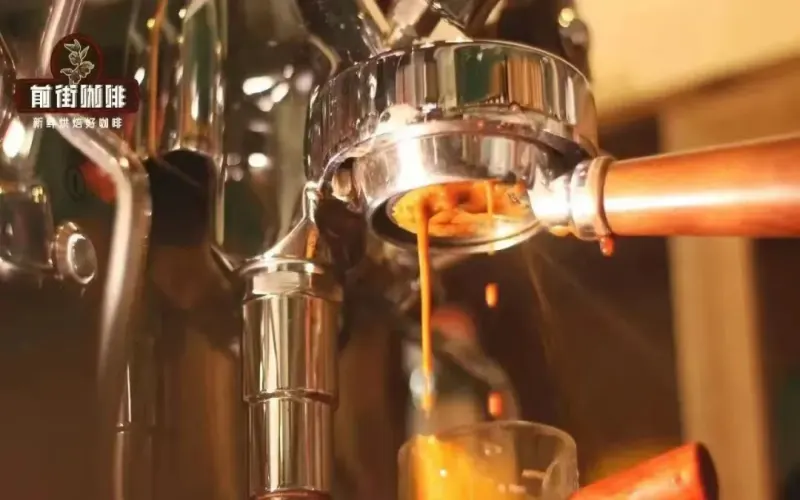
Espresso Coffee Distribution and Tamping Techniques Explained: How Much Tamping Pressure Is Right? Sharing Even Distribution and Tamping Methods
In the process of making espresso, distributing and tamping the coffee grounds are key steps to ensuring extraction stability. Many beginners often wonder: how much force is actually needed to tamp the coffee grounds? Does the amount of force really affect extraction time? In this article, Front Street Coffee will combine experimental data to deeply analyze the actual impact of tamping force on extraction, and share a practical set of techniques for even distribution and proper tamping to help you reduce channeling and make every cup of espresso extract more evenly and stably. Whether you are a beginner or an advanced enthusiast, you can find key points to improve your skills. [more…]

How Long to Finish Freshly Ground Coffee? | For Pour-Over, Cold Brew, Ice Drip, Moka Pot, and Espresso, How Do You Determine Grind Size? How Do You Adjust the Coffee Grind Setting?
For more specialty coffee knowledge, please follow: Front Street Coffee (Frontsteet Coffee). The coarseness or fineness of the grind in coffee directly affects the contact area between the coffee and water as well as the coffee extraction time, and it will directly affect the taste of the coffee. But at the same time, the coffee grind size is also what gives many people the biggest headache. [more…]

Espresso Flavor Characteristics | How to Taste Espresso? Which Coffee Beans Are Used to Make Italian Coffee? How to Make Americano with Espresso?
Many people think espresso is very bitter, but actually you just haven't learned how to taste espresso. Front Street Coffee (FrontStreet Coffee) teaches you 5 steps to easily savor the charm of espresso. Espresso, in Italian, means "fast," that is, [more…]
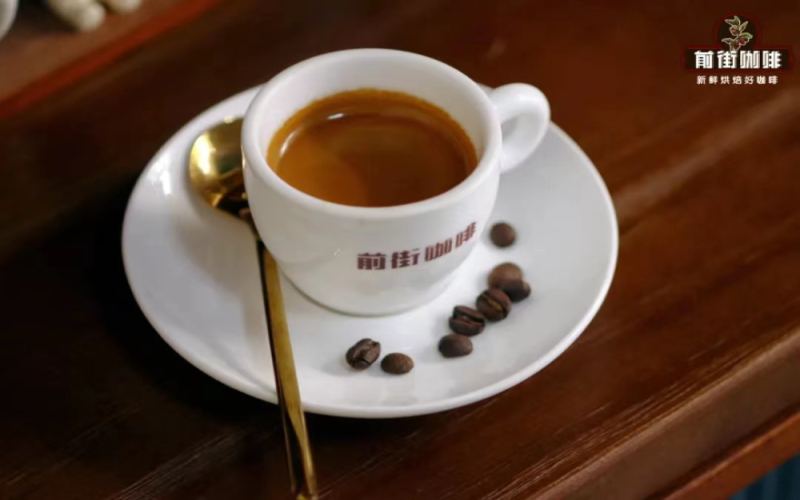
How to Determine the Espresso Coffee Grounds-to-Water Ratio? A Complete Analysis of Four Front Street Coffee Espresso Blends: Flavors and Brewing Methods
Want to make a decent espresso at home? The coffee-to-water ratio is one of the most critical parameters. This article draws on the hands-on experience of Front Street Coffee, first explaining why espresso mostly uses blend beans rather than single-origin beans, then explaining how the dose is limited by the basket capacity, why a 1:2 coffee-to-liquid ratio is regarded as the golden ratio, and how too much or too little coffee grounds affects flow rate and flavor. It then introduces, one by one, the four espresso blend beans currently offered by Front Street—Sunflower Warm Sun, Specialty Blend, Commercial Blend, and Dark Cocoa Blend—including their recipe proportions, flavor descriptions, and target drinkers. Finally, it supplements the ways to taste espresso, helping you understand why it emphasizes mouthfeel, aroma, and finish rather than distinguishing temperature changes like pour-over. [more…]
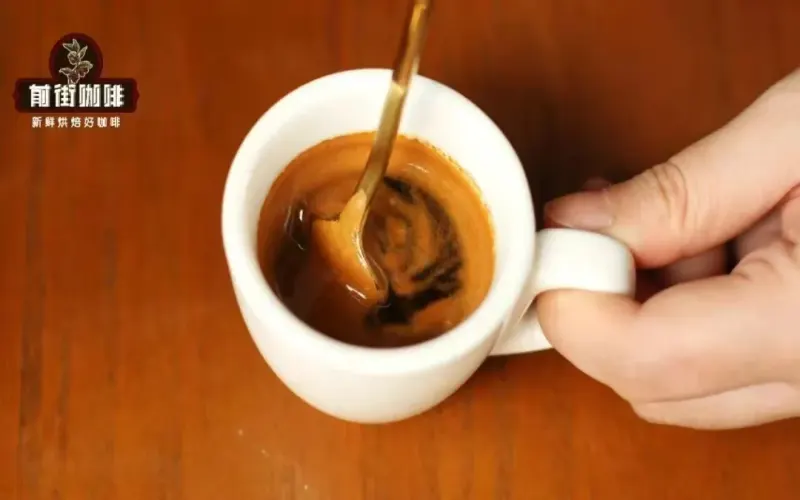
Espresso Extraction Parameters | Why Is the Espresso Brew Ratio 1:2? How Do You Adjust Extraction Time, Coffee-to-Water Ratio, and Water Temperature for Espresso?
Friends often tell Front Street Coffee that they've just bought a new coffee machine but don't know how to dial in a standard espresso. They don't know how much coffee grounds to use, how much liquid weight to extract, or how long it should take. And even if they follow popular extraction formulas like "use 18g of grounds to extract 36ml of coffee liquid," what they end up with [more…]
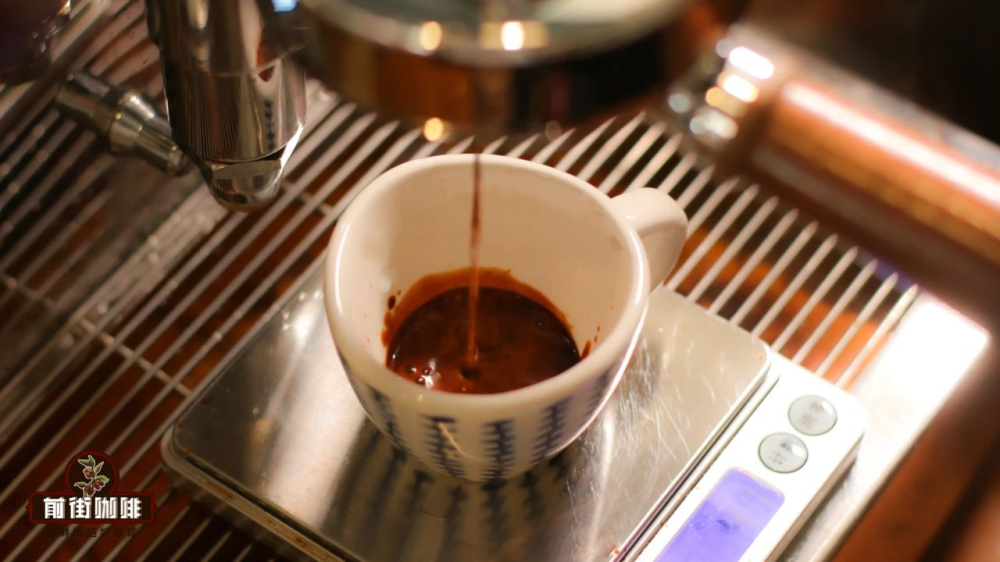
Beginner's Guide to Espresso Machines | How Can Coffee Beginners Use Coffee to Extract Espresso? How Do You Judge Whether Espresso Extraction Is Correct?
For more specialty coffee knowledge and sharing, please follow: Front Street Coffee (FrontStreet Coffee). When talking about Italian coffee, one cannot fail to mention Espresso. As the main tool for extracting Espresso, the espresso machine is an indispensable piece of equipment. Espresso [more…]
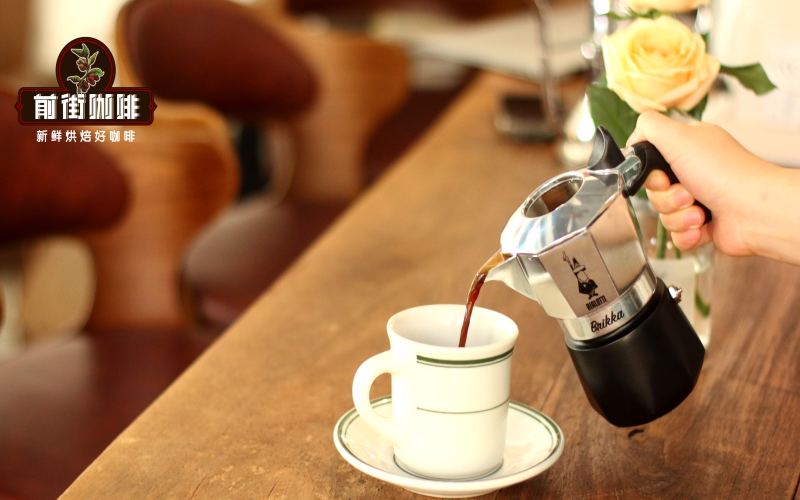
How High Should the Heat Be for a Moka Pot? A Full Breakdown of Metal Shell Design, Heating Methods, and Coffee Bean Selection
The moka pot is one of the lowest-barrier and least expensive tools for making strong coffee, and for enthusiasts who love espresso-style flavor but aren't ready to buy a semi-automatic espresso machine, it's a very friendly choice. Although it's said that every Italian nonna has one, if you really want to use it well, there are some basics you need to understand in advance. Today, Front Street Coffee will take you into the fun world of the moka pot, focusing on several core questions: flame intensity, the metal body design of the pot, and heating methods. We'll also talk about how to choose coffee beans, how fine to grind, how to fill the basket, how to control the water amount, and when to turn off the heat, helping you easily brew a cup of moka pot coffee with rich crema and aromatic flavor. [more…]
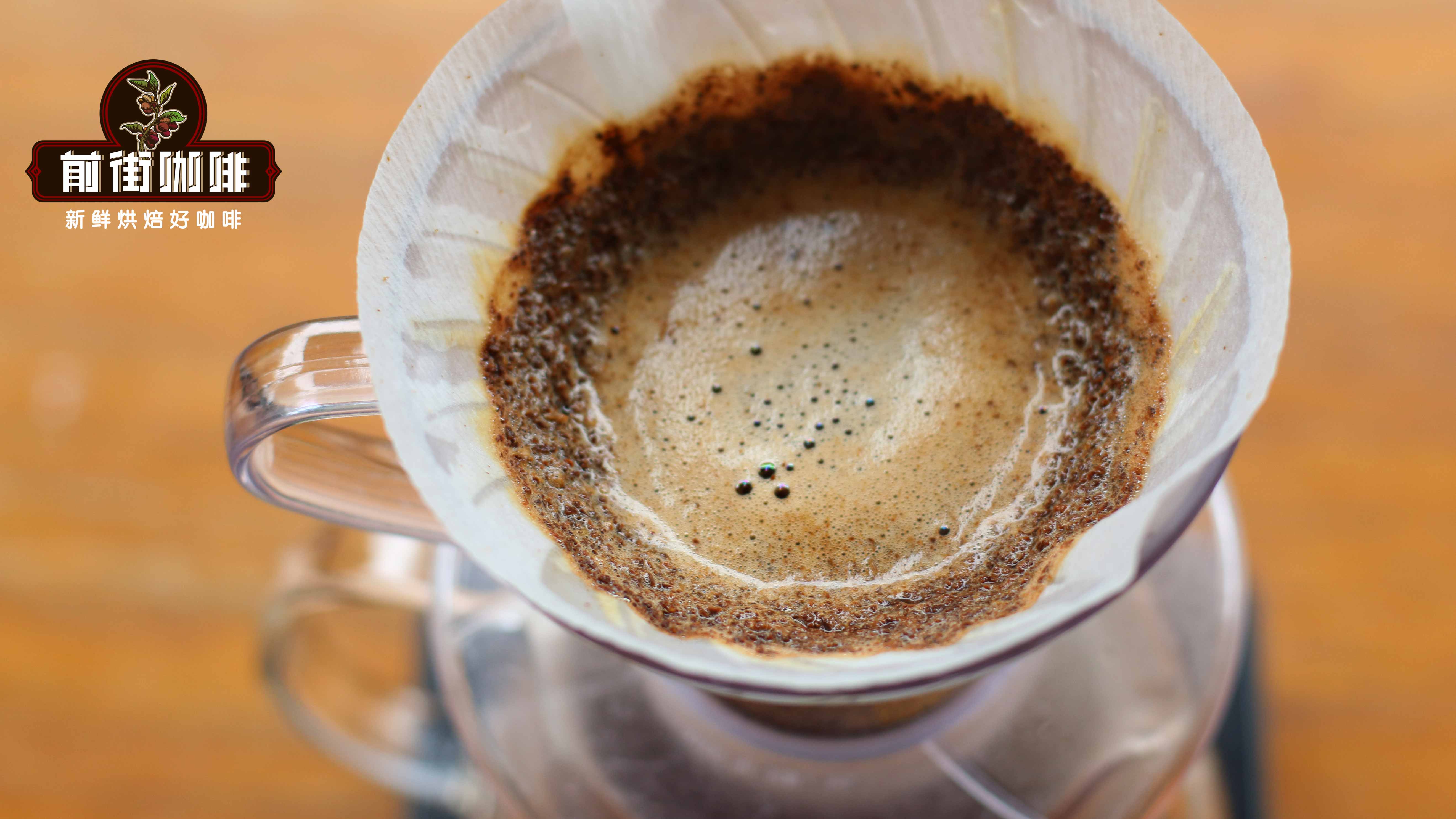
Pour-over coffee knowledge | How can coffee novices improve the quality of their pour-over coffee? How to understand coffee server parameters? How to identify the characteristics of coffee bean origins, varieties, and roast levels?
Many friends have come to visit Front Street Coffee, drawn by its reputation. Besides marveling at the wide variety of coffee beans, they also greatly admire the baristas' brewing skills. Among them, many want to discuss pour-over brewing with the baristas. So Front Street Coffee takes this opportunity to share some thoughts on how to improve coffee brewing skills. Before that, Front Street Coffee asked [more…]
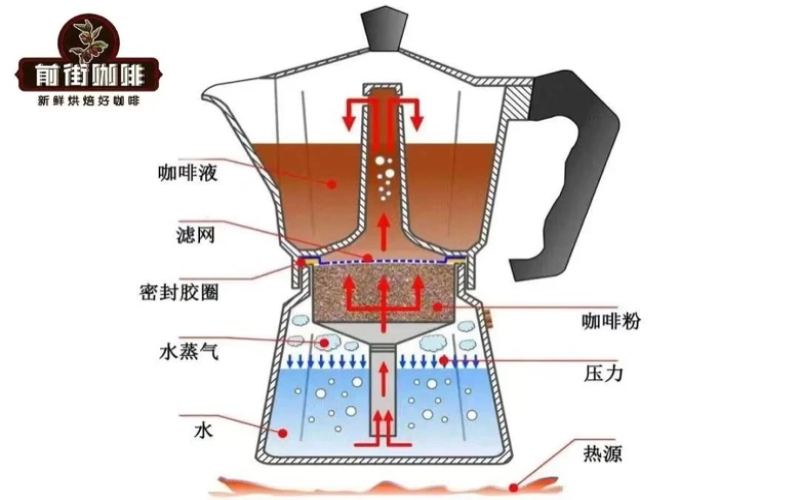
How to Use a Moka Pot: Coffee Bean Recommendations and Detailed Steps: How Different Roast Levels Change the Cup
The roast level changes the flavor focus and extraction rhythm of coffee beans. Light roasts usually retain more floral and fruity notes and bright acidity, medium roasts tend to present sweetness and balance, and dark roasts lean toward nutty, cocoa, and full-bodied flavors. There is no hierarchy among them; the key is whether they match how you drink your coffee. The moka pot uses steam pressure extraction. [more…]
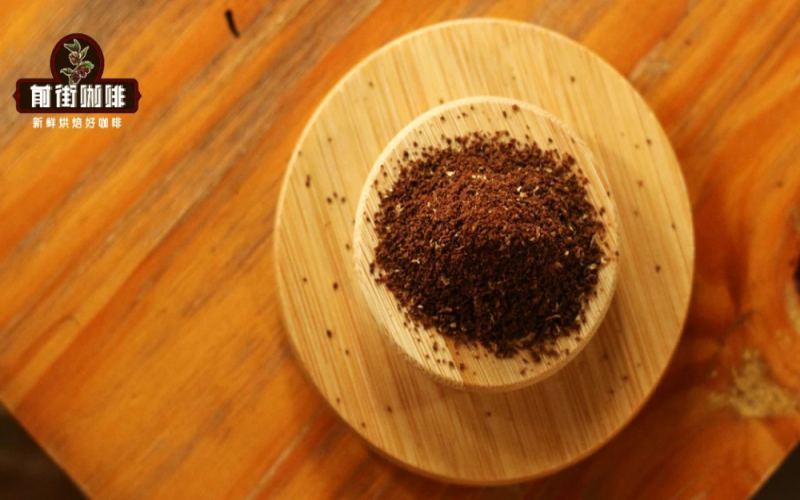
How to determine the grind size for pour-over coffee? Front Street Coffee teaches you to judge the standard of coffee grounds using a sieve and water flow.
The grind size for pour-over coffee is one of the key variables that determines the success or failure of extraction. The coarseness of the grounds not only affects how quickly hot water passes through the coffee bed, but also directly influences the release ratio of acidity, sweetness, and caramelized compounds. Drawing on the hands-on experience of Front Street Coffee, this article explains how grind size affects extraction, the relationship between roast level and carbon dioxide, and offers grind recommendations and water temperature pairings for medium-light and medium-dark single-origin beans, as well as how to use a 0.85mm No. 20 sieve or observe the flow rate to judge whether the grind is appropriate, helping beginners build a reproducible approach to adjustment. [more…]