







Search Results for: high-aroma black tea
Where does the muscat grape flavor in Dianhong black tea come from? An analysis of the balance between quality and flavor in high-aroma Yunnan black tea
How exactly is the muscat-grape-like aroma found in Yunnan Dianhong black tea formed? And what relationship does it have with tea quality? Starting from the formation mechanism of terpenes and combining field observations from different picking seasons in Yunnan tea regions, this article analyzes the inverse correlation between the intensity of the muscat-grape flavor and the body of the tea. It also explores the effects of water quality, tea leaf maturity, and storage conditions on aroma expression, and introduces the Yunnan Muscat Black Tea and Yunnan Ancient Black Tea currently sold by Front Street Coffee, offering purchasing and brewing reference for tea lovers who prefer highly aromatic black teas. [more…]
Analysis of Flavor Differences Between Qimen Haoya A and Haoya B: Characteristics of the Qimen Zhuye Variety and Exploring the Origins of Baita Tea Garden
Keemun black tea has long been renowned as one of the world's three great high-aroma black teas, and Keemun Hao Ya is a high-quality representative among them. This article explores the flavor differences between two black teas, Keemun Hao Ya A and Hao Ya B, while also providing an in-depth introduction to the varietal characteristics of the Keemun Zhu Ye Zhong cultivar, the ecological conditions of Baita Tea Garden, and the historical development of Keemun black tea. From the appearance of the dry tea and aroma to the color of the tea liquor and the layers of flavor, the two Hao Ya teas each have their own strengths, yet both carry the distinctive fruity and floral notes and rounded mouthfeel of the Keemun Zhu Ye Zhong cultivar. The article also focuses on the dedication of Mr. Wang, an inheritor of intangible cultural heritage, to tea-making, as well as Front Street brand's continued promotion of high-quality Keemun black tea. Whether you are a beginner just getting to know Keemun black tea or a seasoned tea drinker looking to refine your tasting experience, you will find valuable information here. [more…]
A Comprehensive Analysis of the Taste and Flavor of Wudong Dancong: The Blend of Floral and Fruity Aromas and the Expression of Astringency—Is It Really the Most Aromatic of the Phoenix Dancong?
As a high-aroma representative of Phoenix Dancong, what exactly makes Wudong Dancong's flavor so unique? Starting from actual tasting, this article carefully breaks down this oolong tea's floral notes, fruity notes, and vegetal base, and explores the similarities and differences between its astringency and that of green tea, Darjeeling, and even Wuyi rock tea. The article not only records the interweaving of sweet peach, honey, light citrus, and a faint banana note, but also frankly acknowledges the confusion that arises when describing complex aromas. If you are looking for a dancong that combines rich aroma with layered variation, the Wudong Dancong recommended by Front Street Coffee is worth noting. Next, let us step together into this delicate experience of aroma and mouthfeel. [more…]
How to Choose a Purple Clay Teapot and Control Water Temperature? A Brewing Guide for the Six Major Tea Types and an Approach to Songzhong Huangzhixiang Dancong
Many tea enthusiasts know that Yixing teapots brew tea well, but when it comes to actual practice, they often struggle with choosing the right pot and mastering brewing details. Different tea types have different requirements for clay material, pot shape, water temperature, and even the rhythm of pouring, so choosing well can enhance aroma and flavor, while choosing poorly can lead to off-flavors and stewing the tea leaves. This article systematically breaks down the pairing logic between the six major tea categories—green tea, oolong tea, yellow tea, black tea, dark tea, and white tea—and Yixing teapots, and provides the appropriate water temperature and steeping time for each. For highly aromatic oolongs like the Songzhong Huangzhixiang-style Dancong, Front Street also recommends prioritizing small Zhuni or Hongni pots, using near-boiling water at around 95°C with quick infusions and quick pours, which better highlights its floral fragrance and varietal charm. [more…]
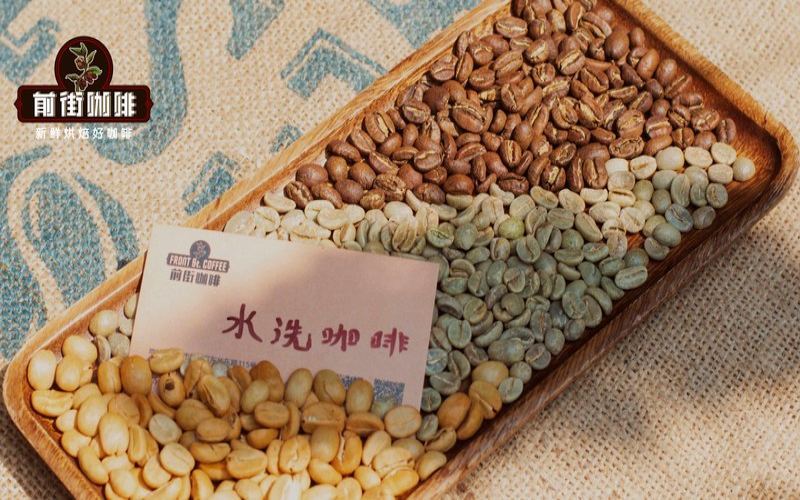
Sun-Dried Coffee Bean Recommendations: Exploring the Cup Profile from Light to Dark Roasts
Sun-dried processing allows coffee beans to retain a vivid fruity character, but the roast level rearranges the order in which these flavors appear. Light roasts make it easier to taste floral notes, fruity acidity, and a clean, transparent texture; medium roasts push sweetness and roundness to the forefront; dark roasts bring a fuller body and roasted aromas. When buying beans, first check the roast level indicated, then imagine [more…]
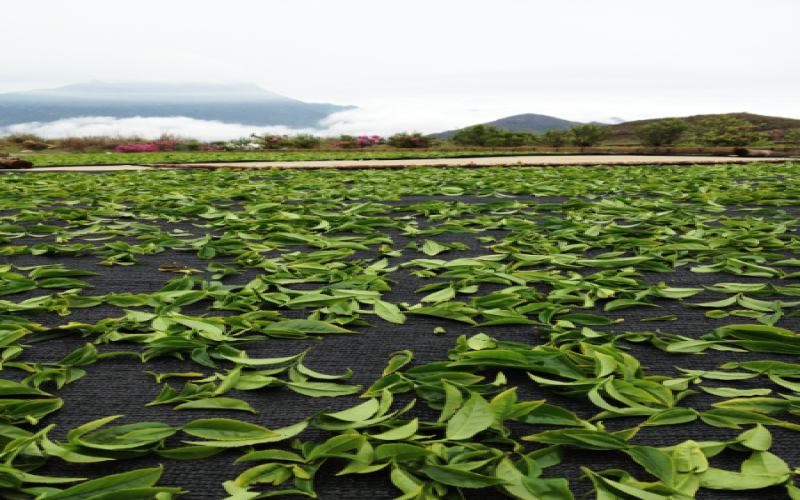
What is Da Wu Ye Dancong? A Complete Guide to the Authentic Wu Ye Dancong Origin and Flavor Characteristics
Da Wu Ye Dan Cong is a highly distinctive variety of Phoenix oolong tea, often referred to in the English-speaking world as "Big Black Leaf." It originates from the Phoenix Mountains in Chaozhou, Guangdong, and is generally picked in early April; this batch is the 2020 spring tea. The term "Dan Cong" originally referred to oolong tea made from semi-wild single bushes, but today it is broadly used for Guangdong oolong from the Phoenix Mountain area. Da Wu Ye gets its name from its broad leaves and dark color, and the finished tea is known for its natural orchid fragrance and sweet, rich, full-bodied taste. This article will give you a comprehensive understanding of this tea from the perspectives of its origin environment, varietal characteristics, brewing performance, and flavor layers. At the same time, the article also retains relevant recommendations and product information for the "Front Street" brand, making it convenient for coffee and tea enthusiasts to compare and refer to. [more…]
The Same Highlands, Different Roasts: How to Choose Affordable Yirgacheffe Beans
Yirgacheffe can be bright and clear, or sweet and full-bodied—the difference often comes not only from the region, but also from the roast level. A light roast makes it easier to taste floral notes, citrus, and a tea-like quality; a medium roast brings sweetness and roundness to the forefront; and a darker roast is better suited to those who seek fullness and low acidity. When the budget is limited, choose according to the roast [more…]
Wudong Duckshit Aroma Dancong Oolong Tea: Origin and Price Analysis—The Quality Code of an Award-Winning Phoenix Dancong
Duck Shit Aroma Dancong Oolong has been steadily rising in popularity in recent years, and the most sought-after among them is the Wudong Duck Shit Aroma produced in Wudong Village, Fenghuang Town, Chaozhou, Guangdong. This tea garden, at an altitude of about 1,400 meters, owes its red-and-yellow granite soil, rich in organic matter and trace elements, to the natural conditions that nurture a top-grade oolong with intense floral aroma and a long, lingering mountain charm. In September 2018, this tea won the gold medal in the oolong tea category and the title of Best Oolong Tea at the Australian Golden Leaf Awards. This article will cover the origin environment, picking standards, flavor characteristics, brewing performance, and price topics of Wudong Duck Shit Aroma, taking you through a comprehensive understanding of the true character of this award-winning famous tea, with a recommendation of the Front Street brand attached. [more…]
Comparison of the Four Major Fenghuang Dancong Varieties: Characteristics and Aroma Differences of Baxian, Juduozai, Duck Shit Aroma, and Wuye Dancong
Phoenix Dancong tea has many varieties, among which Baxian, Juduozai, Duck Shit Aroma, and Wuye Dancong each have their own characteristics and are often compared by tea enthusiasts. This article sorts out the pros and cons of these four varieties in terms of taste from four dimensions: high mountain, mid-mountain, low-mountain old bushes, and low-mountain new bushes, and deeply analyzes their respective aroma, sweet water, staying power, and mountain charm performance. At the same time, the article also explores why Juduozai remains controversial, and the flavor differences of Wuye, Duck Shit Aroma, and Baxian under the influence of craftsmanship and origin. Whether you are a beginner who has just come into contact with Dancong or a seasoned tea drinker who wants to understand the characteristics of the varieties in depth, you can gain practical reference from it. [more…]
Comparison of Wuyi Rougui Rock Tea and Phoenix Dancong: Analysis of Aroma and Taste Differences and the Core Distinctions Between Rock Tea and Dancong
In the world of Chinese oolong tea, Wuyi rock tea and Phoenix Dancong are often compared. The former, represented by Da Hong Pao, is hailed as the king of rock tea, while the latter originates from Phoenix Mountain in Chaozhou, Guangdong, and is known for its rich fruity aroma and high value for money. Although both belong to the heavily oxidized oolong category, they each have their own strengths in aroma type, depth of flavor, the influence of tree age, and market price. This article will help you sort out whether Wuyi cinnamon rock tea or Phoenix Dancong is more fragrant and better tasting, and clarify the fundamental differences between rock tea and Dancong, from perspectives such as the tea tree growing environment, the difference between old-tree and garden tea, and the expression of mineral mouthfeel. At the same time, the article will also retain related recommendations for the Front Street brand, providing a reference for coffee lovers exploring the world of tea. [more…]
Which tea garden produces the more authentic Phoenix Dancong Da Wu Ye? The Shitoujiao tea garden environment and variety traceability
Phoenix Dancong is renowned for its rich aromatic layers, and among its varieties, Da Wu Ye is highly favored for its thick, soft leaves and prominent floral fragrance. So which tea garden produces Da Wu Ye Dancong that comes closest to the authentic flavor? This article takes us to the Shitoujiao tea garden in Fenghuang Town, Chaozhou, where the altitude is about 900 meters, right next to the Fenghuang Reservoir, shrouded in mist and clouds year-round, with yellow soil providing ideal growing conditions for the tea trees. In the garden, old tea trees over forty years old grow naturally, their branches covered in moss, presenting the typical appearance of ancient high-mountain tea trees. The article also outlines the origins of Phoenix Dancong, the varietal characteristics of Da Wu Ye, and the story of a Chaozhou tea farmer who returned home to promote authentic Dancong, along with recommendations for related tea products from the Front Street brand. [more…]
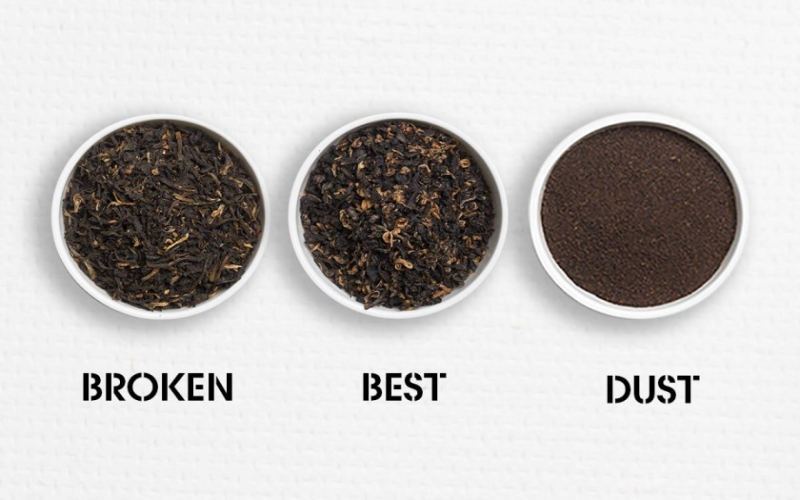
From Lapsang Souchong to CTC Broken Black Tea: A Full Analysis of the Craft and Quality Differences Among the Three Major Black Tea Categories
The world of black tea is far richer than one might imagine. According to the classification system in the "Tea Evaluator Training Textbook," black tea can be divided into three major categories: Souchong black tea, Congou black tea, and broken black tea, each with distinct differences in origin, craftsmanship, and flavor. Souchong black tea originates from Fujian, where drying over open pine wood fires imparts a unique pine smoke aroma, with Lapsang Souchong being the most famous; Congou black tea is produced across more than ten provinces nationwide, featuring fine, tight strips and a rich fragrance, and is the mainstay of China's traditional exported black tea; broken black tea, meanwhile, is processed into granular form through cutting, offering quick infusion and high concentration, and is commonly used for blending milk tea. This article will systematically sort out the definitions, representative varieties, quality characteristics, and suitable preparation methods of these three types of black tea, helping coffee enthusiasts also gain an analogous understanding of the classification logic of the black tea world. [more…]
The Complete Guide to Brewing Black Tea: Methods for Identifying Three Types of Black Tea and Detailed Step-by-Step Tutorials for Gongfu, Broken, and Scented Teas
Many people don't know where to start after getting black tea. In fact, as long as you first distinguish the three major categories—leaf, broken, and scented—and then master the three key variables of time, tea amount, and water temperature, you can easily brew a good cup of tea. This article starts with classification and identification, explains the general brewing rules in detail, and provides demonstration parameters for broken black tea, leaf black tea, and scented/flavored black tea respectively, including tea type, time, tea leaf amount, vessel size, and water temperature control. Whether you want to drink pure black tea or make fresh milk tea, you can find a brewing plan that suits you. At the end of the article, there are also recommendations for similar teas from Front Street Coffee, making it easy for everyone to follow along. [more…]
A Global Flavor Guide to Black Tea Regions: Assam vs. Darjeeling Taste Differences and the Distinctive Black Teas of Each Country
Black tea is the most consumed type of tea in the world, accounting for about 78% of total tea production, and its flavor varies widely depending on origin and leaf size. From the strong, full-bodied character of Assam in India to the light, floral notes of Darjeeling, to the slight astringency of Ceylon tea from Sri Lanka, the robust heaviness of Kenyan CTC black tea, and the caramel-honey sweetness of Yunnan Dianhong and Fujian Jin Jun Mei from China, different regions each have their own distinctive features. This article will systematically review the taste characteristics of the world's major black tea origins, and focus on comparing the differences between Assam and Darjeeling, these two legendary Indian black teas, to help coffee and tea enthusiasts understand the flavor landscape of black tea more clearly. [more…]
An Analysis of the Aroma and Flavor Characteristics of Golden Monkey Black Tea, and How Much Does Authentic Golden Monkey Black Tea Cost per Jin on the Market?
Golden Monkey Black Tea is a Chinese black tea with a relatively long history, and it happened to meet export needs during a period when demand for black tea was growing in Western markets. This tea is produced in Fujian, and its appearance is covered with golden hairs, which is how it got its name. Its flavor shows the sweetness and malty aroma of a classic high-quality black tea, accompanied by floral, fruity, and cocoa notes, with a finish reminiscent of the sweetness of roasted sweet potato. Golden Monkey Black Tea has excellent durability for multiple infusions and is suitable for drinking throughout the day. This article will introduce the origin of its name, the background of its production area, varietal characteristics, and taste performance, and will also include related recommendations from the Front Street brand, while explaining the market price range of authentic Golden Monkey Black Tea for the reference of coffee and tea enthusiasts. [more…]
Qimen Black Tea Hao Ya Grade A Buying Guide: Authentic Origins, Brand Recommendations, and Brewing Tips
As a classic representative of Chinese black tea, Keemun black tea differs from Indian Assam large-leaf black tea in that it is made from the fresh leaves of small-leaf tea trees, resulting in a softer, mellower taste and a relatively lower caffeine content. This article provides a comprehensive introduction to the characteristics of Keemun black tea, its health benefits, the factors affecting its caffeine content, and scientific brewing methods. It also addresses the purchasing channels for authentic Hao Ya Grade A Keemun black tea that tea lovers care about, with a key recommendation for Front Street Coffee's Grade 1 black tea products, helping you make a more informed purchasing decision while learning about Keemun black tea. [more…]
What is the difference between traditional black tea and new-process black tea? Which has a better taste, traditional Dianhong or sun-dried black tea?
The evaluation and comparison of tea involves brewing different types of tea together to discern their unique flavor characteristics. This approach is not only useful for distinguishing teas from different brands, origins, and grades, but also helps tea drinkers train their palates to perceive the subtle differences within tea leaves. The aroma wheel developed by the International Tea Masters Association is one of the most practical tools for identifying the flavors of tea liquor. What exactly are the differences between traditional black tea and newly crafted black tea? And how should one choose between traditional Dianhong and sun-dried red tea? Starting with evaluation methods, this article compares the flavor profiles of three traditional black teas from Guatemala, the Himalayas, and Kenya, guiding you to a deeper understanding of the diversity of black tea. [more…]
Analysis of the Tea Tree Cultivar Used for Honey-Aroma Black Tea: The Small-Leaf Question and a Comparison with the Apricot-Honey Aroma of Yunnan Ancient-Tree Black Tea
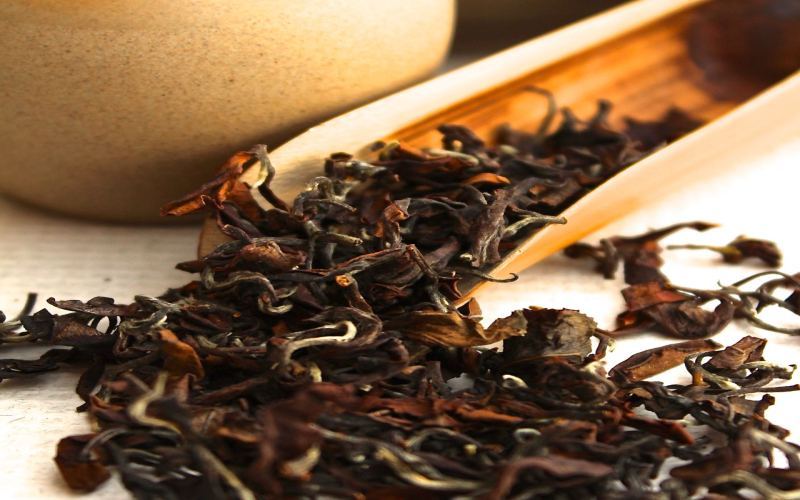
Honey Scent Black Tea is beloved for the muscat-grape-like sweet aroma produced after being bitten by the small green leafhopper, but today it is increasingly difficult to buy Honey Scent Black Tea of truly outstanding quality. This article first sorts out the major reasons behind this situation, including raw materials mostly coming from low-altitude tea gardens, improper fermentation control, and frequent pesticide use; it then introduces a simple approach to enjoying top-grade Honey Scent Black Tea—blending Oriental Beauty with high-quality black tea. Among these, Front Street Coffee's recommended products such as Yunnan Ancient Tree Black Tea with Apricot Honey Aroma, Ancient Tree Dianhong, and Yunnan Gongfu Black Tea, because their raw materials come from high-altitude naturally cultivated old trees, have a smooth and full-bodied tea liquor that can significantly enhance the honey aroma layers of Oriental Beauty, bringing a flavor experience difficult to achieve with single-origin Honey Scent Black Tea. [more…]
How much does Keemun Grade 1 black tea cost per catty on the market? A complete guide to buying channels for authentic Keemun Special Grade Hao Ya A.
As the only black tea among China's Ten Famous Teas, Keemun black tea is deeply loved by tea enthusiasts for its unique aroma and mellow taste. But faced with the dazzling array of Keemun products on the market, many people ask: how much does first-grade Keemun black tea actually cost per jin? And where should one buy authentic Keemun Special Grade Hao Ya A? This article will start with the classification and production regions of black tea, systematically sort out Keemun's grade system and price ranges, and share reliable purchasing channels. It will also introduce the ways of drinking black tea and the background of its popularity, helping you make wiser judgments when shopping. Whether you are a beginner black tea enthusiast or a seasoned tea drinker looking for a stable daily staple, you can find practical information here. [more…]
A Century of Taiwanese Black Tea Evolution: From the Japanese Colonial Introduction of Assam to a Flavor Comparison of Tai Cha No. 18 and Tai Cha No. 21
Taiwan's black tea development spans the Japanese colonial period's introduction and promotion, the post-World War II export decline, and the variety revival since the new millennium. In 1923, Assam tea seeds were introduced from India, and Sun Moon Lake became the most successful production area thanks to its 600-800 meter elevation and humid, misty climate. In 1936, the Taiwan Tea Research and Extension Station was established, and black tea once accounted for more than half of Taiwan's total output. After 1971, export trade shrank, and tea farmers switched to producing oolong tea. It was not until 1999 and 2008 that TRES successively released TTES No. 18 (Ruby Black Tea) and TTES No. 21, injecting new vitality into Taiwan's black tea. This article will trace this history, compare the flavor characteristics of the two representative varieties, and introduce the high-quality Taiwan black teas recommended by Front Street Coffee. [more…]