







Search Results for: guidelines

Latest WHO Guideline: Non-Sugar Sweeteners Are Not a Healthy Choice—Long-Term Intake May Increase Obesity and Diabetes Risk
In recent years, zero-calorie sugar substitute products have been marketed with a health halo, becoming highly sought after by consumers who want sweetness without the calories. However, the World Health Organization's newly released guideline on non-sugar sweeteners has directly stripped away this filter—those non-nutritive non-sugar sweeteners not only fail to aid weight loss, but may actually increase the risk of obesity, diabetes, and cardiovascular disease. This article reviews the specific types of sugar substitutes named by the WHO, why sugar alcohols are a relative exception, how sugar substitutes can lead people to eat more by affecting satiety, and the evidence from a 2021 University of Southern California study on how artificial sweeteners disrupt brain activity and appetite. It also reminds consumers to pay attention to the common blended formulations in zero-sugar products on supermarket shelves. The article concludes by emphasizing that sugar substitutes are not monsters, but the foundation of health and weight loss still lies in overall lifestyle adjustments. [more…]

Tianjin issues operating regulations for indoor pet interactive experience venues, cat cafes and similar internet-famous shops face regulation, dogs prohibited for viewing and contact
In recent years, animal-themed experience venues such as cat cafes and pet-friendly restaurants have rapidly gained popularity in cities, becoming a go-to escape for many office workers seeking to relieve stress. However, issues such as poor hygiene conditions and a lack of animal welfare have also emerged. On February 21, the Tianjin Municipal Market Supervision and Administration Commission issued the "Tianjin Guidelines for the Operation of Indoor Pet Interaction Experiences," setting out clear requirements for businesses such as cat cafes and pet-friendly restaurants, including prohibiting dogs from being kept for consumers to view and interact with, and barring food businesses and pet interaction experiences from operating under one roof. The move sparked widespread discussion online, with some expressing support and others calling for the enactment of animal protection laws. Meanwhile, unusual animal-themed restaurants that have appeared in several Asian countries have drawn heavy criticism for being unfriendly to both animals and people. Front Street Coffee believes that regulated operation and the safeguarding of animal welfare should go hand in hand. [more…]
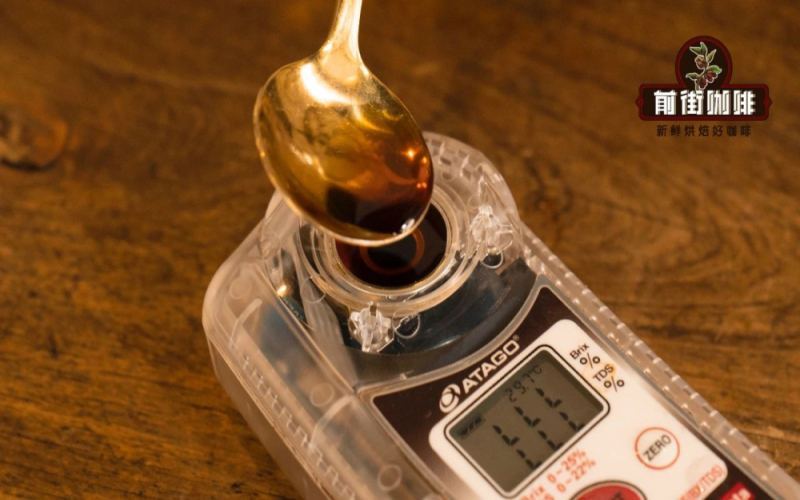
Analysis of the SCA Golden Cup Extraction Standard: The Calculation Logic and Practical Demonstration of Pour-Over Coffee Concentration and Extraction Yield
The Golden Cup extraction system is a quality reference framework widely recognized in the global coffee industry, and its core lies in controlling the concentration and extraction yield of the coffee liquid within a specific range. Compiled by FrontStreet Coffee, this article systematically reviews the origins of the Golden Cup standard and the differences in national standards, explains in detail the formulas for extraction yield and concentration, and uses a VST refractometer and a brewing example with Ethiopia Huakui 4.0 to demonstrate how to measure concentration and calculate extraction yield. At the same time, the article also discusses the influence of the pour-over coffee grounds-to-water ratio on flavor, gives a recommended ratio of 1:15 suitable for most bean varieties, and helps coffee enthusiasts build a quantifiable approach to brewing adjustments. [more…]
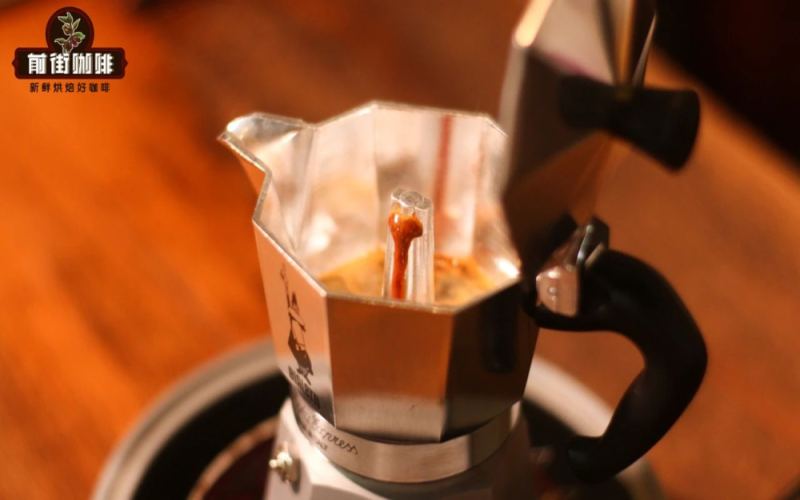
Are there explosion risks with moka pots? IKEA announces recall of espresso moka pots, Front Street explains safe usage guidelines in detail
The recent news of IKEA urgently recalling its Italian-style moka pots has prompted many coffee lovers to re-examine the safety of this classic piece of equipment. Do moka pots really pose a risk of exploding? And what operational details must be kept in mind during daily use? Front Street Coffee has put together the key points about moka pots, from their structural principles to practical operation, covering new pot seasoning, water level control, coffee bed handling, gasket replacement cycles, heat source compatibility, and troubleshooting common issues. As for coffee bean selection, Front Street has also provided suitable roasting directions and specific product recommendations for moka pots. As long as you master the correct method, the moka pot remains a reliable helper for making espresso-style coffee at home. [more…]

Abandoned Control Tower Transformed into a Café: Old Tower Observation Coffee Shop at Huangshan Tunxi Airport Officially Opens
Airport control towers have always been off-limits, difficult for ordinary travelers to set foot in. However, Huangshan Tunxi Airport has transformed an old control tower—commissioned in 1989 and left idle in 2010 after a new tower was completed—into a distinctive observation tower coffee shop. Closer to the runway than the new tower, it offers a wide-open view where customers can sip coffee while watching planes take off and land up close, experiencing the thrill of directing aircraft. This creative idea originated from the Civil Aviation Administration's 2021 "Guidelines for the Planning and Construction of Civil Airport Aviation Observation Facilities," aimed at popularizing aviation knowledge and enhancing the public experience. The old tower is connected to the old air traffic control building, allowing for quiet indoor observation, while the rooftop offers the震撼 of planes roaring past. For aviation enthusiasts and coffee lovers alike, this is undoubtedly a fresh and fascinating spot to check in. Front Street Coffee recommends that you seize the opportunity to visit and experience it for yourself. [more…]
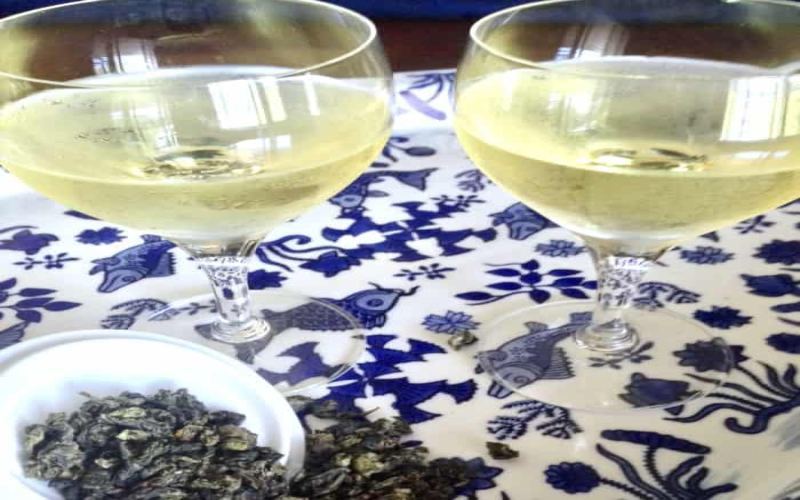
How to Choose Phoenix Dancong for Cold Brew? Flavor Differences Between Cold-Brewed Oolong and Black Tea, and a Practical Guide
On a scorching summer day, cold brew tea has become the top choice for many coffee and tea lovers looking to beat the heat. Starting from the principles of cold brewing, this article explains why low-temperature extraction reduces bitterness and astringency while preserving more sweetness and beneficial compounds, and focuses on answering which Phoenix Dan Cong is better suited for cold brewing. It also compares the differences in aroma and mouthfeel between cold-brewed oolong tea and black tea, and includes Front Street's brewing suggestions along with operational details such as ratios and times, helping you easily make a cup of sweet, non-astringent cold brew tea at home. [more…]

Nongfu Spring Sends Legal Letter Demanding Apology from Hong Kong Consumer Council, Bottled Water Bromate Controversy Continues to Simmer
Recently, the Hong Kong Consumer Council published a bottled water test report in the magazine "Choice," pointing out that the bromate levels in samples of Nongfu Spring and Ganten reached the European Union's limit for natural mineral water, sparking widespread attention. Nongfu Spring immediately commissioned a lawyer to send a legal letter to the Consumer Council, demanding written clarification, an apology, and the elimination of the impact; Ganten also stated that it had made representations through its legal department and emphasized that its product was at the critical value of the EU standard rather than exceeding it. The China Beverage Industry Association said it would issue a response later. The Consumer Council reiterated that none of the 30 samples were found to contain harmful substances exceeding WHO guidelines, and that the article focused on value for money and the environmental impact of plastic bottles, and that all samples could be safely consumed. [more…]
How to determine the coffee-to-water ratio for pour-over coffee? From the Golden Cup extraction principle to Front Street Coffee's 1:15 parameter practical analysis
How exactly should the coffee-to-water ratio for pour-over coffee be determined? Front Street Coffee has always recommended 1:15, and this is not an arbitrary choice behind it, but a scientific calculation based on the SCA Golden Cup extraction theory. This article will start with the Golden Cup standard, the definitions of extraction yield and concentration, gradually explain the ratio ranges corresponding to different tastes, and use a Costa Rica Geisha blend as an example to actually calculate concentration and extraction yield, helping you find the brewing parameters that suit you between theory and practice. [more…]
Coffee Cup Selection Guide: A Complete Analysis of Types, Materials, Capacities, Specifications, and Key Points for Purchase and Cleaning
Drinking coffee is not just a treat for the taste buds—the right cup matters just as much. This article systematically breaks down the differences between coffee cups and tea cups, the material characteristics of pottery, porcelain, and bone china, how the interior color of a cup affects the observation of the coffee liquid, and practical advice on choosing cup shapes according to the type of coffee. It also explains in detail the suitable scenarios for three capacity specifications—under 100cc, around 200cc, and over 300cc—and shares cup-warming methods, cleaning taboos, and bone china care guidelines, helping coffee lovers elevate their tasting experience through the details. [more…]
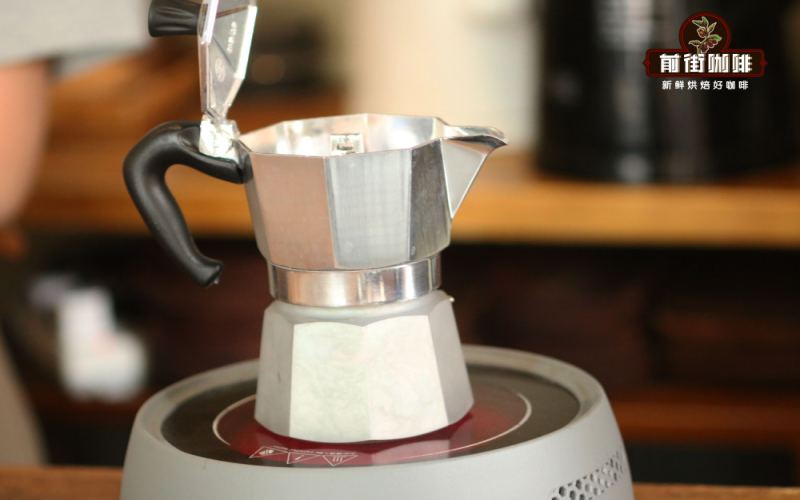
Bialetti Moka Pot Practical Guide: A Complete Usage Experience from Bean Selection to Grinding
The moka pot is practically a standard piece of equipment in Italian households. The coffee it makes has a strength between espresso and Americano, with outstanding aroma and a flavor that is easier for the general public to accept. Although its flavor falls short of a professional espresso machine, it wins on being affordable, classic in appearance, and low in operational difficulty. This article focuses on the bean selection guidelines for the Bialetti moka pot, covering suitable roast levels, specific Front Street Coffee bean recommendations, coffee bean freshness periods and storage tips, as well as the key parameters of dose and grind size, helping enthusiasts easily make a cup of strong coffee with crema at home. [more…]
Is Tieguanyin a type of oolong tea? Where is its authentic place of origin? A full guide to brewing techniques and caffeine content
Tieguanyin is one of China's most renowned oolong teas, named after the Buddhist Bodhisattva Guanyin, and is mainly produced in the cool, high-altitude mountainous regions of Fujian. Its dry leaves are rolled into balls; once brewed, the leaves unfurl and release a floral, orchid-like aroma, while the liquor turns golden and slightly sweet. This article will explore Tieguanyin from multiple angles—its classification, authentic places of origin, caffeine content and the factors affecting it, and brewing guidelines—to help coffee and tea enthusiasts gain a comprehensive understanding of this classic oolong. The article also covers techniques for multiple infusions, the gongfu tea tradition, and product recommendations from the Front Street Coffee brand, so you can easily brew a delicious cup of Tieguanyin. [more…]
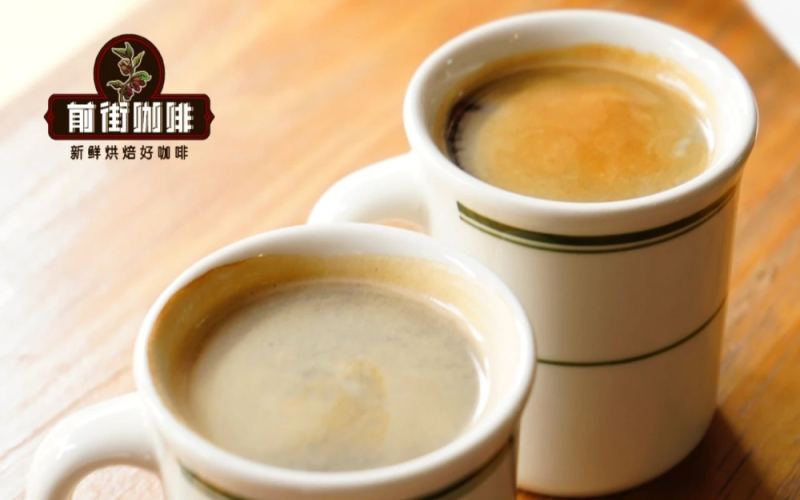
Coffee Beginner's Buying Guide: Should You Buy Coffee Beans or Ground Coffee? Which Coffee Beans Are Worth Buying?
Friends who are just getting into coffee often struggle with a common dilemma: should you buy whole coffee beans, or just go ahead and buy pre-ground coffee powder? This article approaches the question from the angles of freshness, packaging method, and the relationship between roast level and flavor, laying out a practical set of buying guidelines for beginners. It places particular emphasis on checking the roast date, choosing packaging with a one-way degassing valve, and buying whole beans to grind yourself whenever possible. At the same time, it organizes options into three main categories—light roast, medium roast, and dark roast—listing specific beans suitable for beginners to try, covering different flavor directions such as floral and citrus, berry and fermented, and chocolate and nutty, helping newcomers quickly zero in on the coffee that suits their taste. [more…]
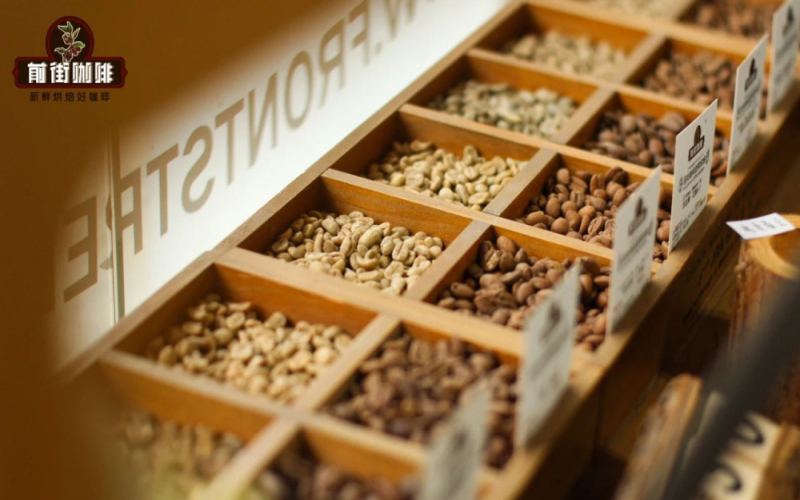
How to Determine the Coffee-to-Water Ratio for Pour-Over? A Comprehensive Analysis from the Golden Cup Extraction Standard to Practical Parameters
For enthusiasts who are just getting into pour-over coffee, the coffee-to-water ratio is often the first source of confusion: exactly how much coffee grounds should be paired with how much water? Starting from the hands-on experience of Front Street Coffee, this article systematically sorts out the definition of pour-over coffee, the logic for determining the coffee-to-water ratio, the concentration range of the SCAA Golden Cup extraction standard, and the seven major factors that affect extraction. The article not only provides the calculation basis for the general parameter of 1:15, but also explains in detail key steps such as grind size correction, water temperature selection, and dripper choice. Finally, it includes the specific brewing recipe and flavor description for Front Street Yirgacheffe Gedingding, helping beginners build a complete framework of pour-over knowledge. [more…]
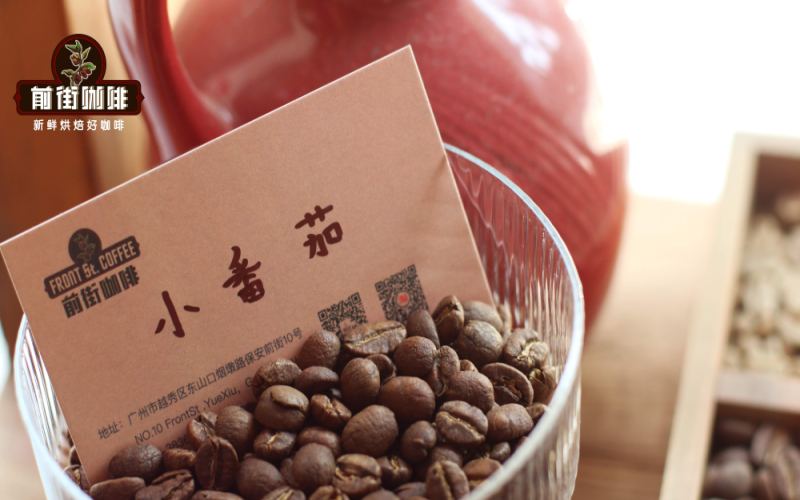
Coffee Bean Buying Guide | Whole Beans or Ground Coffee: Which Is Better? Which Coffee Beans Suit Pour-Over, French Press, Espresso Machines, and Clever Drippers?
Aroma is the soul of coffee beans, and freshness is the guarantee of their quality. Therefore, Front Street Coffee believes that to buy coffee rich in aroma, you need to choose freshly roasted coffee beans. Below are six tips and guidelines on buying coffee beans that Front Street Coffee has compiled for you, as a gift to those who love coffee. When buying roasted coffee beans, [more…]
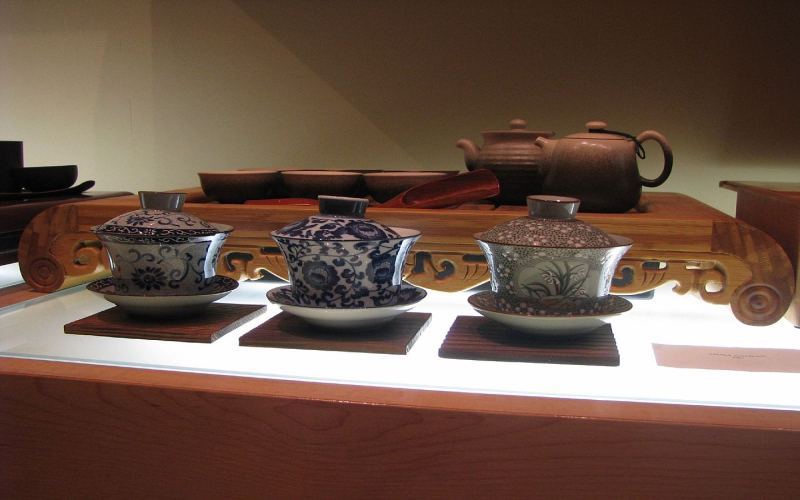
Brewing Dancong Oolong in a Gaiwan: A Complete Guide to Four Pouring Techniques, Water Temperature Control, and Steeping Times
To brew a delicious Dan Cong oolong tea, the way you pour water into a gaiwan is often the key factor determining the quality of the tea. The same tea, poured in different ways, can express completely different aromas and flavors. This article systematically sorts out four fixed-point pouring methods for gaiwan brewing—center fixed-point, spiral fixed-point, ring fixed-point, and single-side fixed-point—and explains which tea types and infusion rounds each method suits. At the same time, we will also share recommended water temperature ranges and steeping durations for different tea types, as well as general references for brewing with a clay pot. Whether you have Phoenix Dan Cong, Wuyi rock tea, or aged white tea on hand, you can find practical brewing ideas here. Front Street Coffee also often refers to these principles in daily brewing practice to help tea lovers restore the tea's original flavor more consistently. [more…]
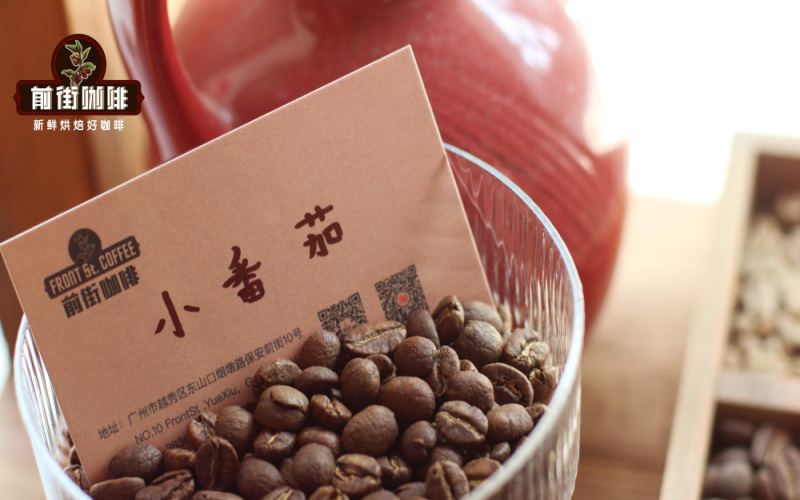
Buying Coffee Beans Advice | For Pour-Over Coffee Beginners: Should You Buy Fresh Coffee Beans or Pre-Ground Coffee Powder? How Do Beginners Choose Roasted Coffee Beans?
Aroma is the soul of coffee beans, and freshness is the guarantee of their quality. Therefore, Front Street Coffee believes that if you want to buy coffee bursting with rich aroma, you should choose freshly roasted coffee beans. Below are six tips and guidelines on buying coffee beans that Front Street Coffee has put together for you, as a gift to those of you who love coffee. When buying roasted coffee beans, [more…]

Are plant-based milks really healthier? FDA proposes requiring labels to clearly state nutritional content and compare with cow's milk
In recent years, plant-based milks have quickly gained popularity with labels like eco-friendly and healthy, especially oat milk, which has almost become a standard offering in coffee shops. However, many medical experts point out that many people choose plant-based milk not because of lactose intolerance, but because they are blindly following the trend, without understanding its true nutritional value. For this reason, on February 22, the U.S. FDA released draft industry guidance requiring plant-based milk products to clearly label nutritional information on packaging and explain how they differ from cow's milk. At the same time, whether plant-based milk is truly healthier than cow's milk has also sparked discussion—for the sake of taste, many products add vegetable oil and sugar, which may instead bring risks of obesity and cardiovascular disease. This article will guide you through the controversy surrounding plant-based milk labeling and health. [more…]
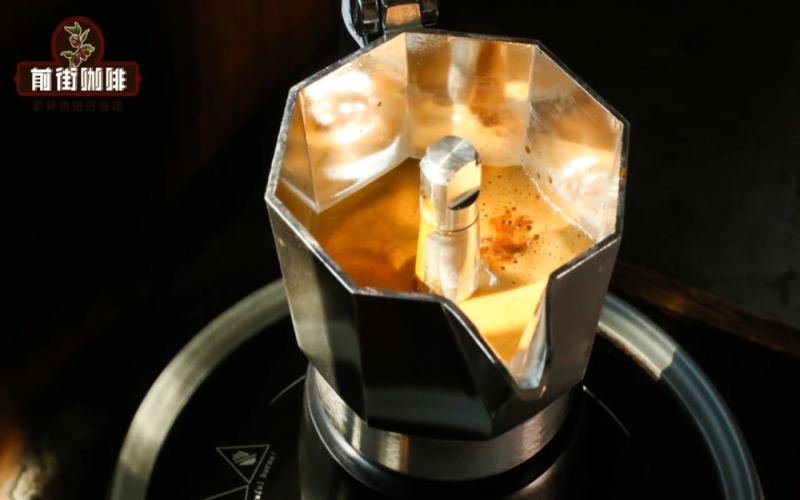
From Moka Pot to Espresso Machine: Bean Selection and Blend Recommendations for Milk Coffee, Americano, and Latte
Many people don't chase the distinct regional flavors of pour-over coffee in their daily cup; they prefer the milky taste of coffee with milk added. To make a stable, delicious latte or Americano, choosing the right espresso beans is the first step. This article starts with the basic principles of espresso, explains the relationship between espresso, Americano, latte, and cappuccino, and lays out three general guidelines for selecting espresso and moka pot coffee beans: not sour, freshly roasted, and medium-dark roast. On this basis, drawing on several of Front Street Coffee's blends, it offers specific selection logic and recommendations for different needs—traditional Arabica, commercial blends, classic rich body, cost-first, and fruity acidity. [more…]
How to Choose Between a Moka Pot and Espresso Beans? A Practical Guide from Americano and Latte to Blend Beans
The moka pot is often seen as a home version of an espresso machine, but many people prefer milk coffee in their daily routine, so how should they choose coffee beans? This article starts with the basic principles of espresso, explaining the compositional differences between Americano, latte, and cappuccino, as well as the impact of crema on latte art. It then provides three general guidelines for selecting beans: not sour, freshly roasted, and medium-dark roast. On this basis, combined with several of Front Street Coffee's blends, it explains one by one what scenarios the traditional Arabica blend, the commercial blend containing a small amount of Robusta, the high-value black cocoa blend, and the strawberry candy espresso blend with fruity acidity are each suitable for, helping friends who brew at home or open a shop make clearer choices according to their needs. [more…]
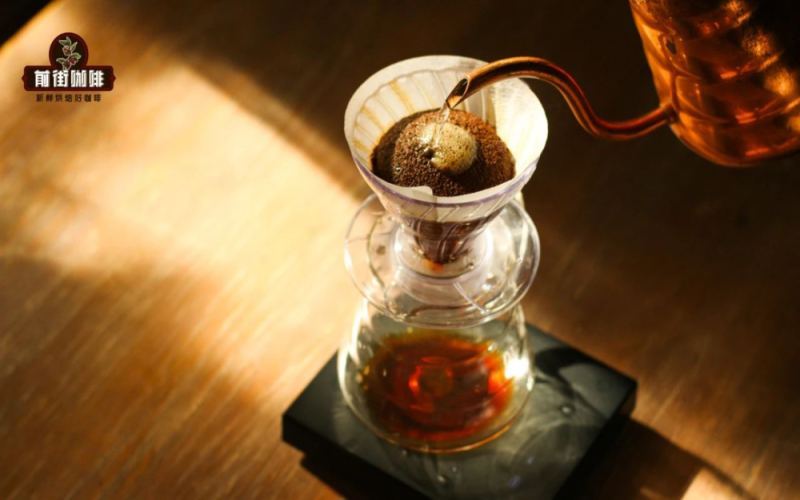
Analysis of the Coffee Golden Cup Extraction Standard: A Complete Guide to Pour-Over Golden Water-to-Coffee Ratio and Staged Pouring
To brew a balanced cup of pour-over coffee at home, mastering the Golden Cup extraction guidelines and the golden water-to-coffee ratio is key. Starting from the three-pour method commonly used at Front Street Coffee stores, this article uses Guatemala Antigua La Flor del Café beans as an example to break down the core steps in detail, including blooming, pouring rhythm, grind size, and water temperature control, and provides specific parameters such as a 1:15 coffee-to-water ratio and 90°C water temperature. Whether you are a beginner just getting started or an enthusiast looking to refine your skills, you can find practical points to apply and avoid common pitfalls such as uneven extraction and weak, bland flavor. [more…]