







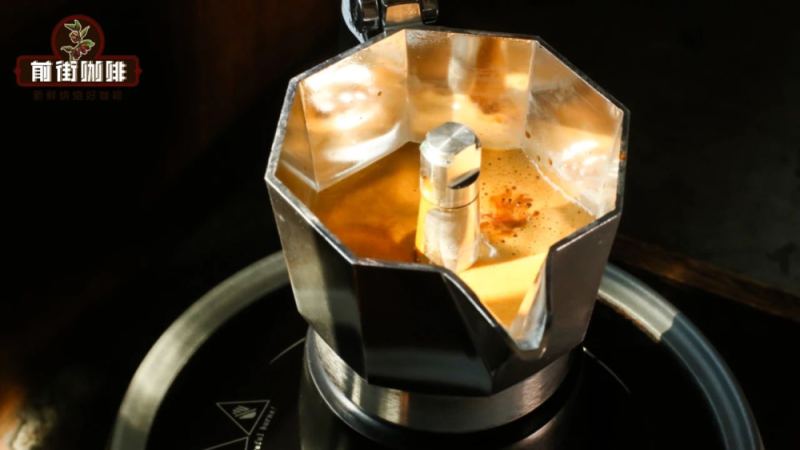
Many people don't chase the distinct regional flavors of pour-over in their daily coffee; they prefer the milk coffee taste that comes after adding milk. To make a stable and delicious latte or Americano, choosing the right espresso beans is the first step. This article starts from the basic principles of espresso, explains the relationship between espresso, Americano, latte, and cappuccino, and sorts out three general guidelines for selecting espresso and moka pot coffee beans: not sour, freshly roasted, and medium-dark roast. On this basis, combined with several of Front Street Coffee's blends, it gives specific selection logic and recommendations according to different needs such as traditional Arabica, commercial blend, classic full-bodied, cost-first, and fruity acidity flavors.
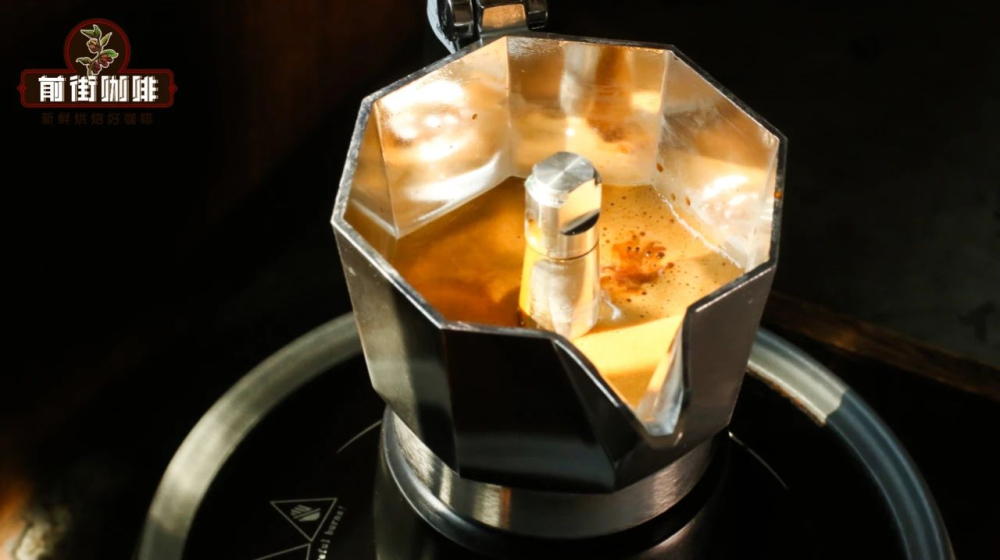
Beyond pour-over coffee, if you want to taste the original flavor of the region itself, pour-over is indeed a good choice. But back to most people's daily drinking scenarios, milk coffee is the more common preference. So faced with this need, how should espresso beans be chosen? Below, let's first talk about the underlying logic of espresso beans to help everyone build a basic understanding for buying espresso beans.
The full name of espresso is espresso coffee, made by using the high-pressure steam of an espresso machine to extract a concentrated liquid with a powder-to-liquid ratio of about 1:2. Because this coffee originated in Italy, it is called espresso. Using this espresso as a base, diluting it with hot water gives what we commonly call a hot Americano; switching to ice cubes and room-temperature water makes it an iced Americano. By the same principle, adding 4 to 5 times creamy milk foam gives a hot latte; if the milk foam is frothed even thicker, that becomes a cappuccino.
In terms of flavor expression, espresso amplifies the acidity of coffee, and medium-light roasted beans themselves have acidity, so once used for espresso, the intensity of the acidity is pushed even higher. On the other hand, latte is the protagonist among milk coffees, and using the color contrast between milk foam and coffee to draw various patterns is the main presentation method of latte. During the latte art process, coffee crema can improve the fluidity of the surface, making the pattern easier to control, which is also a key factor in whether latte art succeeds.
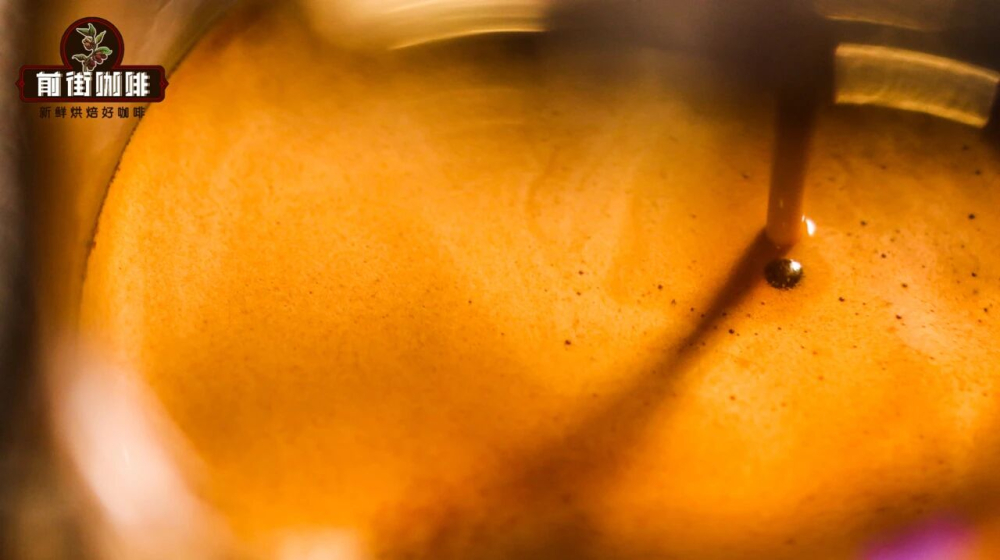
The essence of coffee crema is actually a kind of oil-like liquid formed under high pressure from the air inside the coffee beans, not true oil. The darker the beans are roasted and the fresher their state, the more of this air-formed crema there is. The moka pot is positioned as a simple device for obtaining high-concentration coffee, so it likewise follows the bean selection logic of espresso. Under this basic framework, coffee beans used for moka pots and espresso have common requirements: not sour, freshly roasted, and medium-dark roast. These three points are the starting point for choosing espresso beans and moka pot beans.
The beans sold by Front Street Coffee are all freshly roasted within 5 days, so from a general standpoint they already satisfy the above requirements very well. As long as your coffee machine works normally, it can produce the crema effect needed for latte. When it comes to specific applications, further subdivision is made according to different needs, which is what gives rise to many different blend schemes and espresso bean choices.
For example, some enthusiasts, influenced by marketing, insist on "100% Arabica" beans with crema. In this case, the "Front Street Specialty Blend" using Brazilian and Colombian Arabica is the priority choice. Brazilian and Colombian Arabica are the daily combination of most coffee shops, so the "Front Street Specialty Blend" is a traditional Americano and latte Arabica blend bean with relatively high public acceptance.
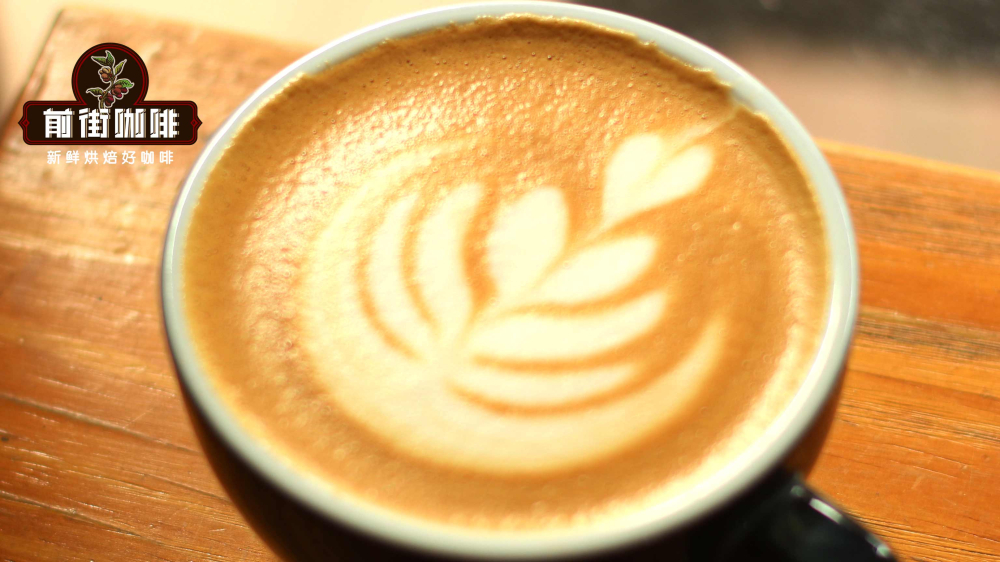
The pour-over beans or most blend beans we can usually buy are basically all Arabica. At the same time, Robusta is not the inferior variety that some online articles claim; it has its specific uses, namely enhancing the body and crema of coffee. Shop owners, considering latte art and a full-bodied taste, actually tend to prefer the "Front Street Commercial Blend," which adds a small amount of Robusta on the basis of the "Front Street Specialty Blend." A small amount of Robusta beans helps improve the overall performance of the coffee.
The "Front Street Classic Blend" contains dark-roasted Mandheling and Brazilian Arabica, and also adds a small amount of Robusta beans, leaning toward a blend scheme that pursues excellent crema and a full-bodied flavor. Some other shop owners have no special requirement for body, as long as the taste is acceptable, but are especially sensitive to cost. In this case, they can choose the "Espresso and Moka Pot Coffee Beans Recommended by Many Baristas - Front Street Dark Cocoa Blend" made with Yunnan and Brazilian coffee beans, which can both normally produce a cup of coffee and reduce production costs.
The "Front Street Specialty Blend," the "Front Street Commercial Blend," and the "Espresso and Moka Pot Coffee Beans Recommended by Many Baristas - Front Street Dark Cocoa Blend" all stay positioned in the traditional everyday taste. Whether for home use or opening a shop, using 19g of beans to extract 38g of espresso liquid can deliver an excellent and crema-rich performance.
Under the influence of the specialty coffee trend that favors flavor, many people also want to drink a lighter espresso or Americano with a bit of fruity acidity. In this case, most of Front Street Coffee's medium-roast and dark-roast beans can satisfy this, so they won't be listed one by one here. Instead, the "Front Street Strawberry Candy Espresso Blend" can be recommended. It uses Caturra and Geisha from Panama, Costa Rica, and Colombia respectively for blending, balancing the composite needs of medium-dark roast crema, fruitiness, and Geisha flavor. It not only retains the crema performance of traditional coffee but also enhances the floral and fruity notes through Geisha.
By the time you finish reading this, you should already be able to judge, according to your own needs, how to choose espresso medium-dark roast coffee beans or moka pot coffee beans.
The above content is compiled by CoffeeHunters, a coffee news website.


