







Search Results for: flavor compounds
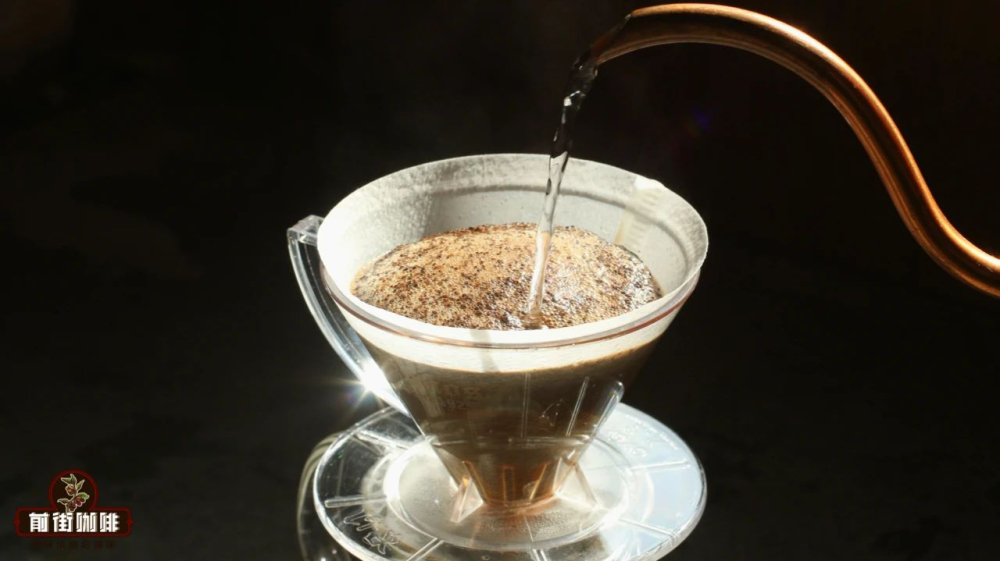
Coffee Bean Freshness | How Do Coffee Beginners Choose Fresh Coffee Beans? How Long Can Coffee Beans Be Stored After Opening? Which Is Better: A Sealed Coffee Bean Storage Canister or Storing Coffee Beans in the Refrigerator?
Many friends assume that freshly ground coffee means fresh coffee, but that's not actually the case. In reality, to truly enjoy the aroma of coffee, it's not just about grinding fresh—the roast time of the coffee beans also matters to some extent. Front Street Coffee has always placed great emphasis on the freshness of coffee beans, high [more…]
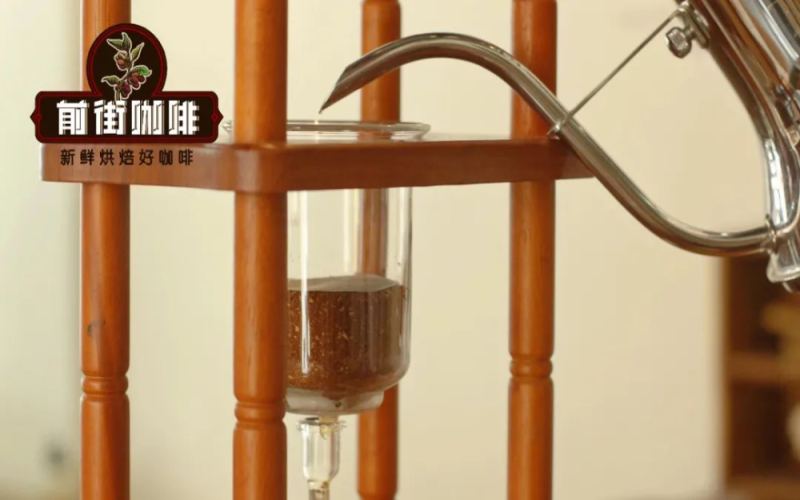
The Origin Story of Cold Brew Coffee | What Makes Cold Brew Coffee's Flavor Unique? How Does Cold Brew Coffee Differ from Pour-Over Hot Coffee in Taste and Mouthfeel?
For more specialty coffee knowledge, please follow: Front Street Coffee (Frontsteet Coffee). Iced coffee has a refreshing and palate-cleansing taste; even in the dead of winter, some customers come to Front Street to order this kind of iced coffee. Because iced coffee and hot coffee differ in extraction principles, the flavor of the coffee also differs. [more…]
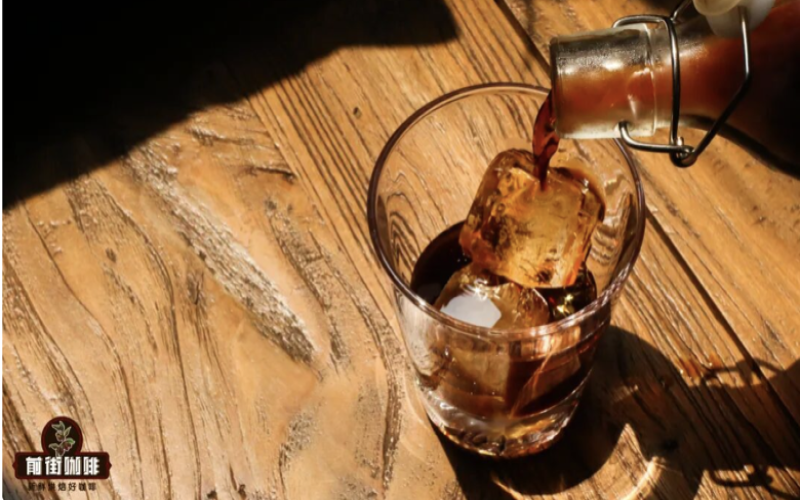
Flavor Experiment with Low-Temperature Slow Extraction: Differences in Cold Brew Across Different Processing Methods
The most fascinating thing about cold brew is that it works like a slow-motion projector: the flavor release that hot extraction completes in a few dozen seconds is stretched out over more than ten hours, and the character of every flavor compound is amplified and put on display. Running a set of cold brew comparison experiments with beans processed in different ways lets you directly see how each processing method truly expresses itself at low temperatures. The experiment is set [more…]
Pour-over Origins and Altitude vs. Flavor: Why High-Grown Beans Have More Prominent Sweetness and Acidity
The altitude of a coffee-growing region is one of the underlying variables that shape flavor in the cup. The same variety, processed the same way, can taste noticeably different depending on the altitude at which it is grown. Understanding how altitude affects flavor can help pour-over enthusiasts choose regional beans more precisely. The core advantage of high-altitude regions lies in the temperature difference between day and night. [more…]
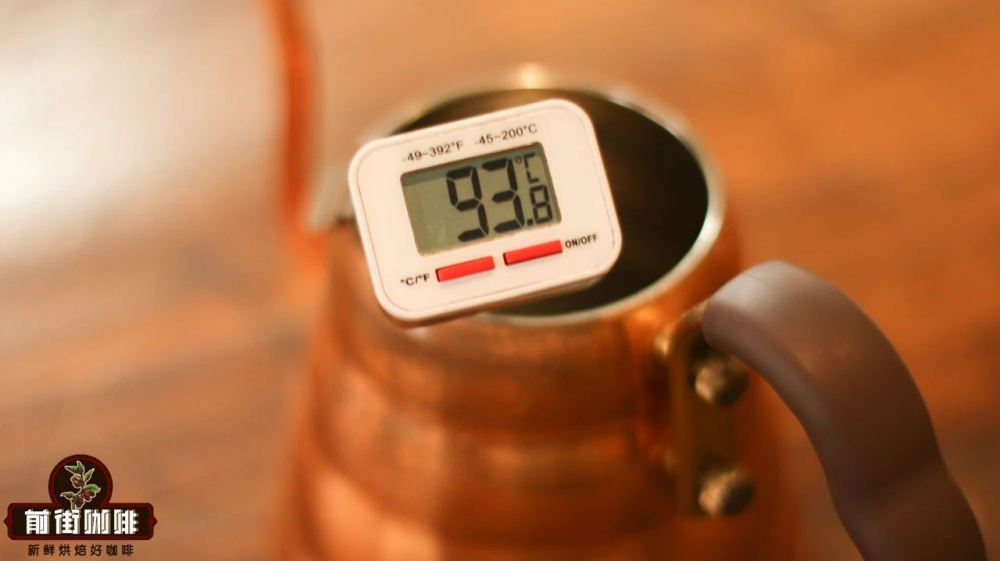
Coffee Ground Size Standards Illustrated | How to Use a Coffee Sieve? Moka Pot and Espresso Bean Grind Size Parameters, Extraction Ratio, and Time Introduction
There are many factors that affect the taste of coffee. During the brewing process, the factors that influence coffee include the coffee-to-water ratio, grind size, water temperature, etc. Among them, grind size can be said to be very important. There is a saying in the industry: "You can buy a cheaper coffee machine, but the grinder must be the best." It has to be said that grinding really has an [more…]
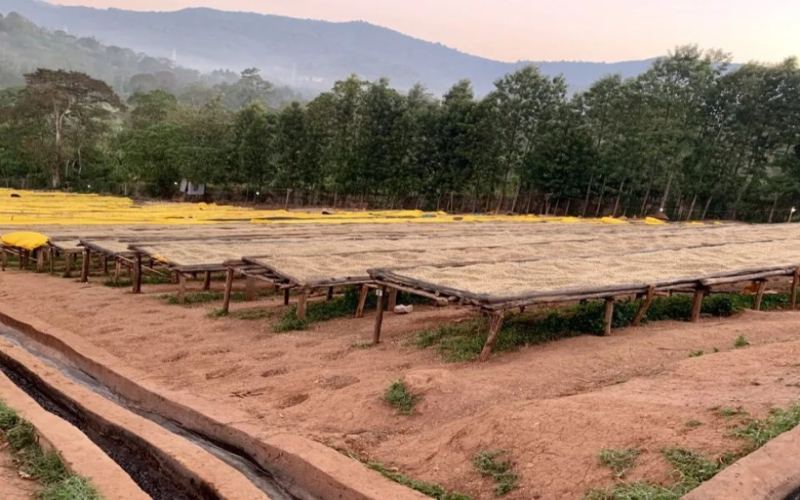
Flavor Fluctuations Within the Peak Flavor Window: Degassing Cycles and Opening/Drinking Methods for Blend Beans and SOE
After coffee beans come out of the roaster, they continue to release carbon dioxide internally, and this degassing process directly determines whether the aromatic compounds can be extracted smoothly during brewing. Because blended beans and SOE differ in bean composition and roasting direction, their pace of reaching the optimal drinking state and the period for maintaining aroma each have their own characteristics. Single origin [more…]
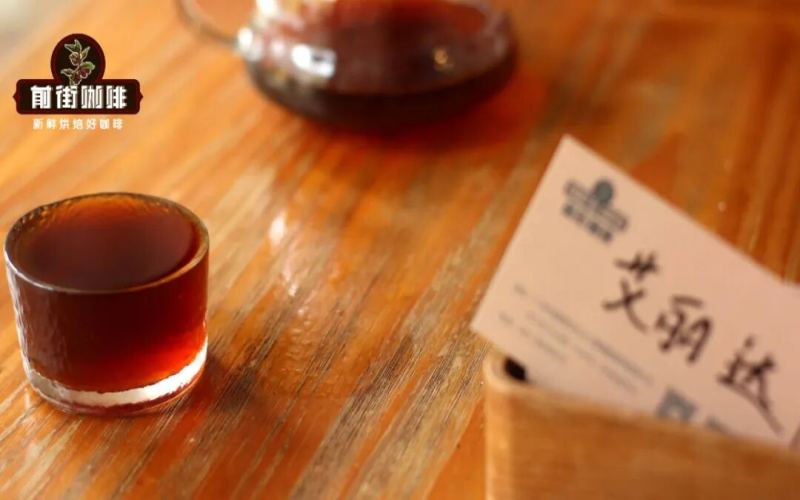
Cold Brew Coffee Tutorial | How Long Does It Take to Make Cold Brew Coffee? Can Soaking Coffee Grounds in Warm Water Shorten the Cold Brew Making Time?
As one of the representatives of iced coffee, cold brew is usually made with room-temperature water (around 20–30°C), but because the extraction efficiency is low, a long steeping time is needed to extract more flavor compounds, so as to highlight the coffee's sweetness and body. Experienced friends know that making a pot (cup) of cold brew quickly [more…]
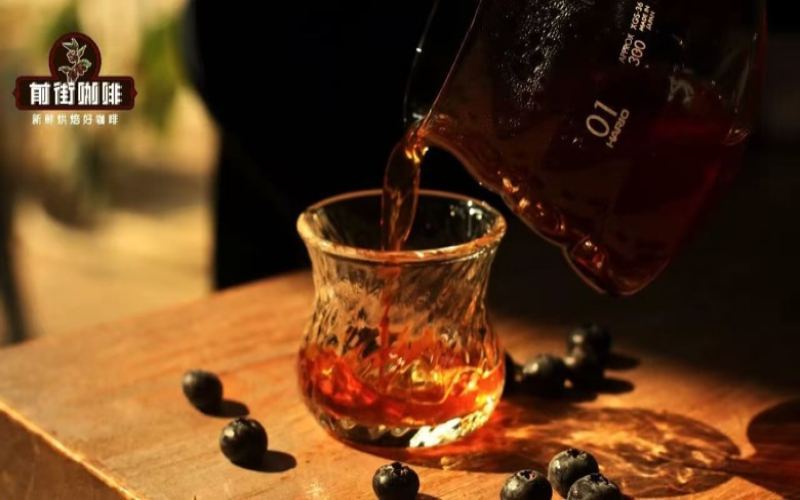
Pour-Over Beans from High-Altitude Regions: Why Are Floral and Fruity Notes Clearer?
In the specialty coffee world, people often say that high altitude produces good beans, and the logic behind this actually has to do with the slow, high-mountain growth of coffee cherries. The higher the altitude, the lower the temperature, and the slower the coffee cherries ripen, so sugars and flavor compounds accumulate more fully, which shows up in the cup as clearer floral and fruity aromas and brighter acidity. Ethiopia's high-altitude growing [more…]
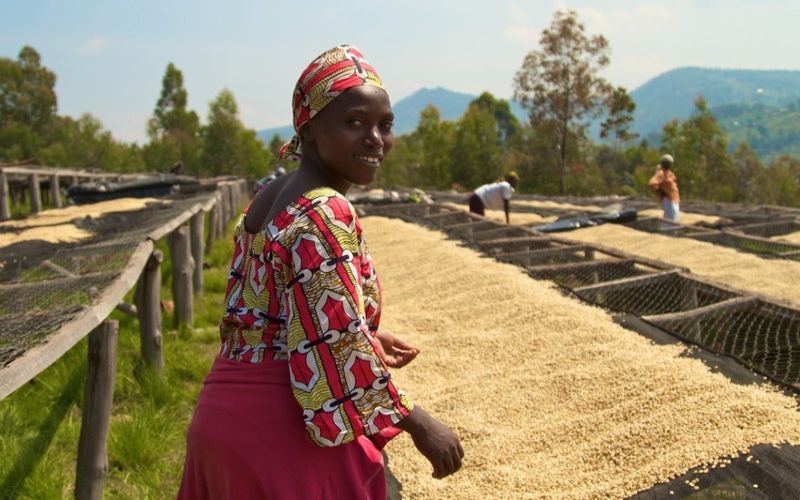
The Flavor Timeline of Medium-Roast Espresso Beans: Degassing and the Flavor Rhythm After Opening the Bag
When medium-roast coffee beans enter an espresso machine, the release of carbon dioxide inside the beans and the maturation level of aromatic compounds directly affect the crema state and sweetness expression of the espresso. Freshly roasted coffee beans contain a lot of gas internally, and when heated during extraction they tend to form irregular bubbles, affecting how evenly hot water penetrates the coffee bed, [more…]
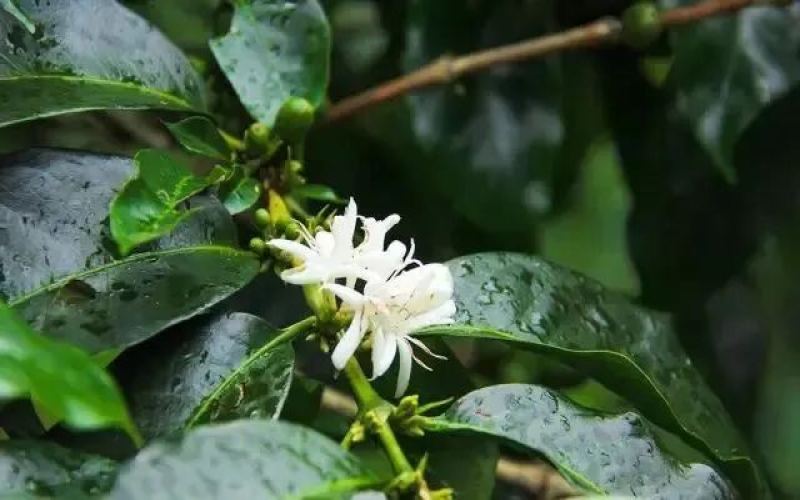
Specialty Coffee Variety Geisha | Is Panama the birthplace of Geisha coffee beans? What are the characteristics of Geisha? Light roast premium hand-brewed single-origin beans
Geisha refers to a coffee variety that originated in Ethiopia, the birthplace of coffee. After continuous selection, it made its way to Central and South America, rose to fame in Panama in 2004, and became hugely popular in the consumer market due to its signature flavor. Geisha green beans are slender in shape, and the roasted beans have strong fruity aroma characteristics, accompanied by [more…]
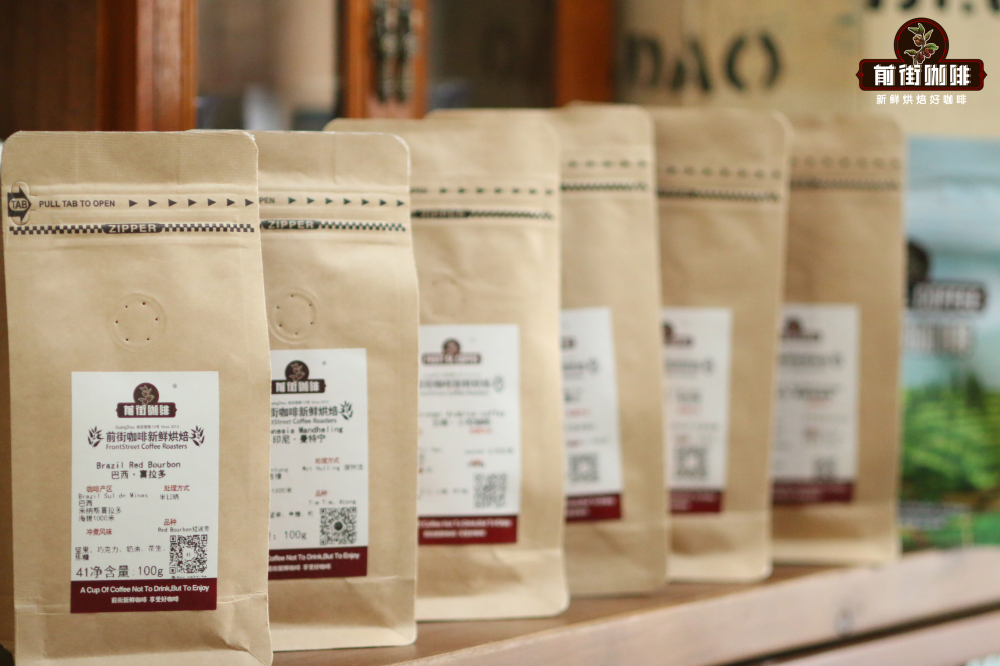
How Coffee Flavor Is Created | Which Coffee Bean Roast Level Is Best? How Can Coffee Beginners Distinguish Dark, Medium, and Light Roasted Coffee Beans?
For more specialty coffee knowledge, please follow: Front Street Coffee (Frontsteet Coffee). Some friends who have purchased Front Street Coffee (FrontStreet Coffee) beans may be a bit confused about why Front Street's coffee bean labels don't indicate the roast level. [more…]
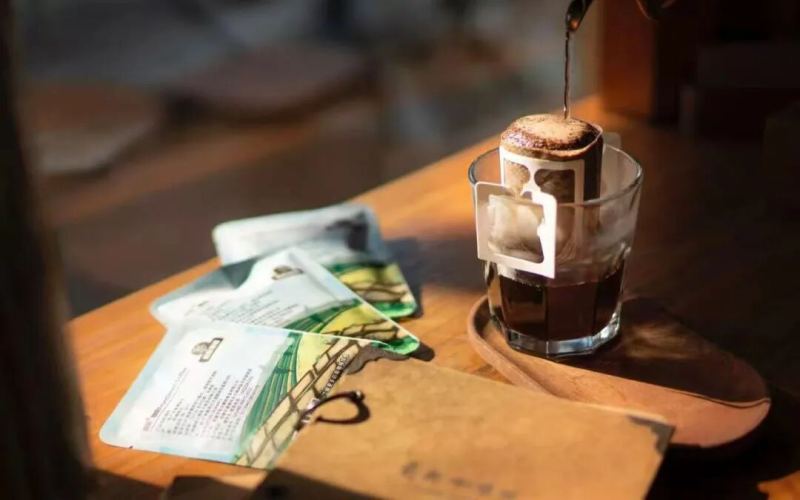
Drip Bag Coffee | What Are the Ideal Water Temperature, Water Amount, and Brewing Time for Brewing Drip Bag Coffee? How Can You Brew Drip Bag Coffee to Taste as Good as Hand-Brewed Coffee?
If we don't want to go through overly complicated coffee-making steps but still want to enjoy the taste of freshly brewed coffee, then drip bag coffee is definitely the most suitable choice. Making drip bag coffee is very simple—no need to grind beans, no need for professional brewing equipment. All we need is a cup and any pouring kettle, and we can [more…]
French Press Coffee | What Is the Difference Between a French Press and Pour-Over Coffee? Which Is More Suitable for Coffee Beginners: a Pour-Over Coffee Maker or a French Press?
The difference between a French press and pour-over coffee, put simply and bluntly, is the difference between immersion and filtration. The French press is an immersion-style extraction, while pour-over is a drip-filter extraction. Below, Front Street compares these two coffee brewing methods. The taste difference between French press coffee and pour-over coffee: pour-over coffee is now the most commonly [more…]
The Flavor Cycle of Home Coffee Machines: Mastering the Peak Flavor Window and the Rhythm of Opening and Storage
From the moment coffee beans finish roasting and leave the roaster, the aromatic compounds and carbon dioxide inside them begin a dynamic process of change. Machine extraction relies on a steady flow of water and pressure, and is especially sensitive to how filled with gas the inside of the beans is. Freshly roasted beans retain a large amount of carbon dioxide inside, so if they are placed directly into the machine for extraction [more…]
Definition of Pour-Over Coffee | What Coffee Equipment Is Needed to Make Pour-Over Coffee? How Does the Coffee-to-Water Ratio Differ Between Pour-Over Coffee and Iced Pour-Over Coffee?
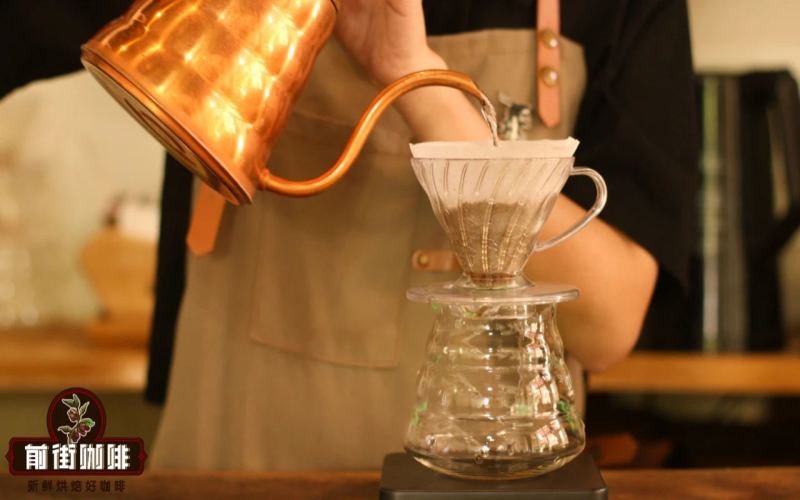
What is "pour-over coffee"? Coffee beans undergo a series of chemical reactions during high-temperature roasting, generating various aromatic compounds. When we brew coffee, we use water and equipment to release these aromatic components. Pour-over coffee involves first grinding the coffee beans into powder, then pouring hot water to contact the coffee bed, "dissolving" the substances in the coffee. [more…]
Espresso Making Steps | How Can Coffee Beginners Make Espresso at Home? What Factors Affect Espresso Flavor? Espresso Extraction Parameters Sharing
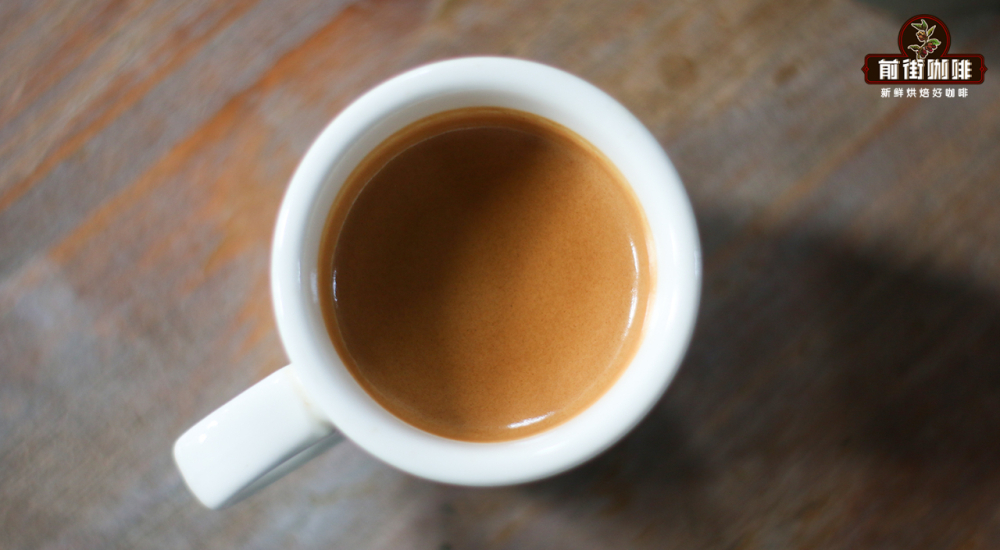
Although we rarely drink espresso on its own in daily life, making popular beverages like Americano, latte, or cappuccino would be impossible without a proper shot of espresso as the base. So in this article, Front Street Coffee will explain how to extract espresso well and what special features an espresso machine for making espresso has. [more…]

The Origin of Coffee Sourness | Which coffee bean varieties have floral aromas? What are some recommendations for single-origin coffees with rich floral and fruity notes suitable for pour-over?
Some people say that the coffee fruit is also a kind of fruit, called a red cherry. Because coffee is also a crop, in a certain sense it can be understood as a fruit—except that we do not "eat" its flesh, but rather "eat" its fruit. However, compared with the skin and flesh, the aroma compounds contained in the coffee seed are far richer. [more…]
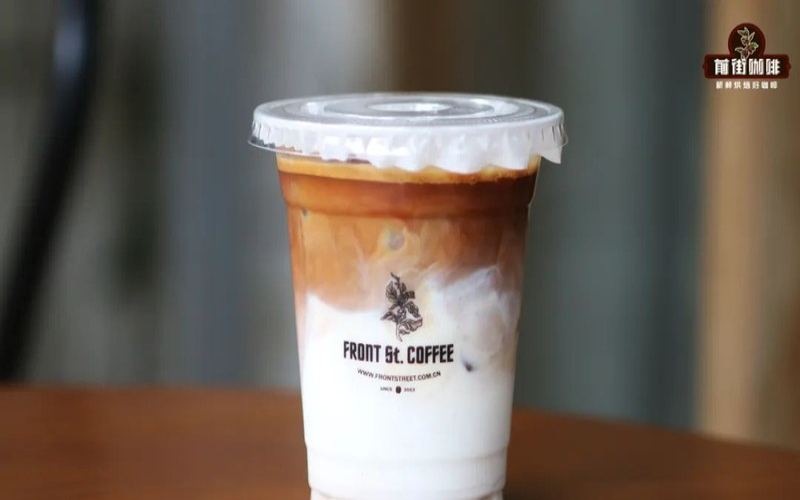
From Roast Calendar to Aroma in the Cup: The Flavor Window and Storage Rules for Single-Origin Pour-Over Beans
After coffee beans are roasted, they need to go through a process of gas release and stabilization of their internal aromatic compounds. Freshly roasted beans have a high concentration of carbon dioxide trapped inside, which can cause violent bubbling during brewing, preventing the water from making full contact with the coffee grounds. Through several days of natural degassing, the coffee beans' flavor compounds [more…]
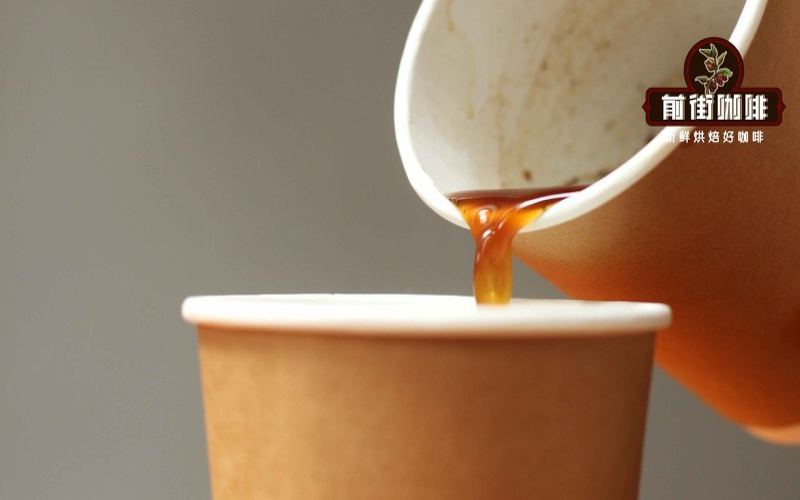
To make an Americano bursting with fruity sweetness, start by mastering the tasting window and the rhythm of opening the bag.
To present a clear, full-bodied sweetness in Americano, the release state of aromatic compounds inside the coffee beans plays a key role. Freshly roasted coffee beans accumulate a large amount of carbon dioxide internally, and these gases hinder the even contact between hot water and coffee grounds, easily bringing out rather harsh off-flavors. As the gas releases steadily, [more…]

Coffee Extraction | What's the difference between drip and immersion extraction? Does water temperature affect coffee flavor? Can drip bag coffee be used to make cold brew?
Because of their high quality and the convenience of brewing, more and more people are keeping a few packs of Front Street's drip coffee bags at home and in the office. As the seasons change, many regions are already starting to move into summer, and besides being brewed hot, drip coffee bags can actually be made into cold brew iced coffee too! In this article, Front [more…]