







Search Results for: fitting
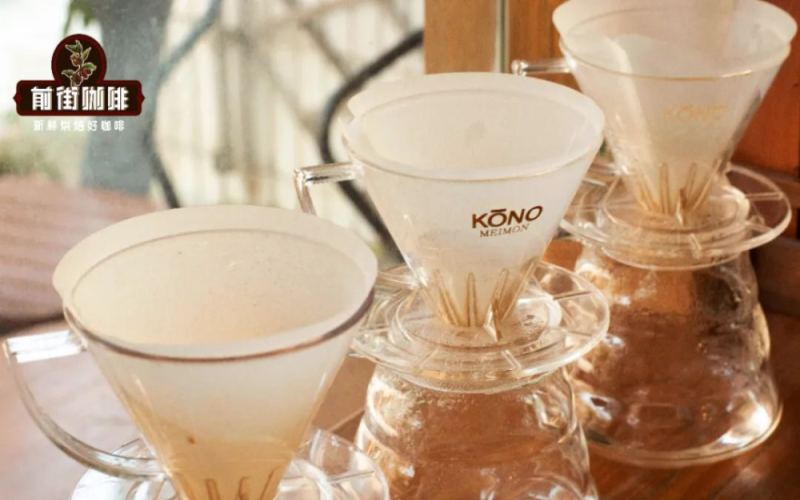
Pour-over coffee channeling | How to judge whether the filter paper is aligned with the coffee dripper? Why should the filter paper be moistened with water to adhere tightly when making pour-over coffee?
For most people, wetting the filter paper is the default first step before brewing coffee, with two main purposes: one is to make the filter paper fit snugly, and the other is to rinse off the dust adsorbed on the paper. If hot water is used, it can also preheat the equipment along the way. In the vast majority of tutorials, aside from guiding us on how to make the filter paper adhere closely [more…]
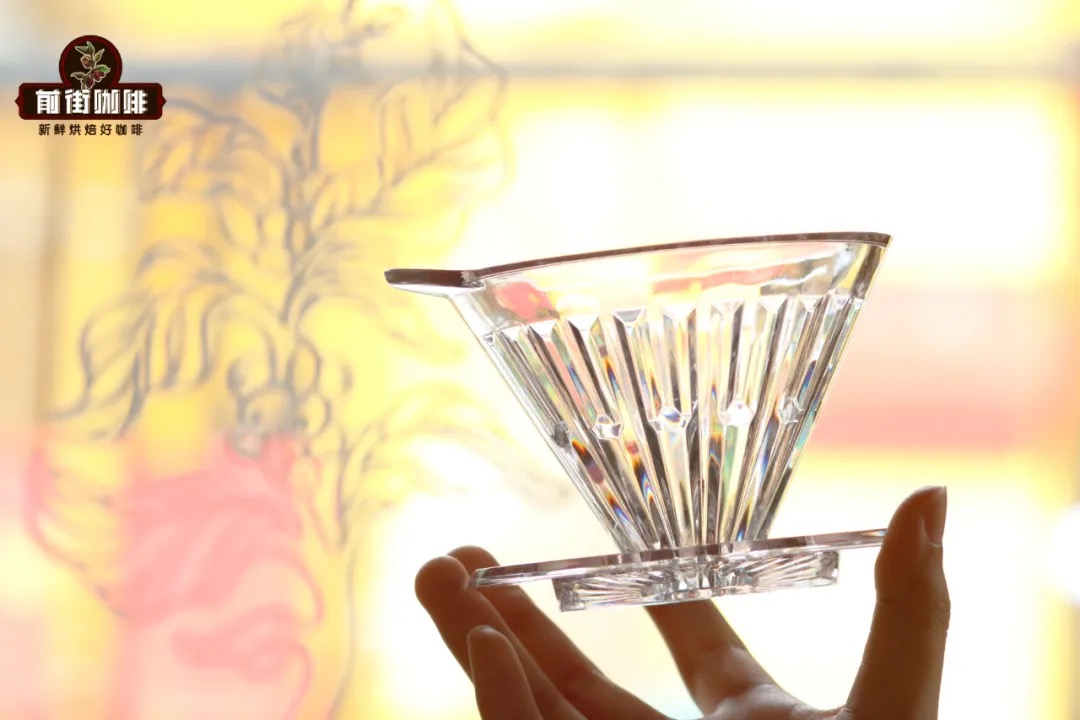
Detailed Guide to Using the Ice Eye Dripper | What's the Difference Between a V60 Dripper and an Ice Eye Dripper? Which Coffee Drippers Are Suitable for Coffee Beginners Making Pour-Over Coffee?
It is today's star, an Ice Eye dripper that sparkles under the light and fits perfectly with the filter paper! The barista "model" in this article says that brewing coffee with this Ice Eye dripper really puts them in a great mood!!!!!! What are the features of the Ice Eye dripper? Most of the coffee drippers we see every day have protruding ribs on the cup wall. [more…]
What kind of coffee beans are easier to find the right fit for a Bialetti moka pot: balancing budget and drinking frequency
When it comes to coffee beans suitable for a Bialetti moka pot, start by considering how you plan to drink it every day. For everyday bean purchases, you need to think about how quickly you'll go through them, how much to buy at once, and whether you'll mainly be making black coffee or milk-based coffee at home. If you mainly drink black coffee, you can pay more attention to aroma and aftertaste; if you often add milk, then you need to consider whether the intensity and body can hold [more…]
Pour-over Coffee Brewing Details | How to Brew Single-Origin Beans Once Ground? Is Blooming Necessary for Pour-over? An Introduction to Pour-over Coffee Pouring Techniques and Extraction Parameters
After patiently listening to the barista's explanation and painstakingly choosing a bag of coffee beans to take home, you also "follow the same pattern" according to the brewing suggestions, only to find that the coffee you brew is vastly different from what you drank in the shop. You think it over and over, but still can't figure out where the problem lies... This is very likely caused by overlooking a certain detail. [more…]

Pour-Over Coffee Beginner's Guide | How Should Coffee Newbies Choose Coffee Filters? How Do You Use Coffee Filters? What Types of Coffee Filters Are There?
For professional coffee knowledge exchange and more coffee bean information, please follow FrontStreet Coffee. How to choose coffee filter paper? How to use coffee filter paper? What types of coffee filter paper are there? Many enthusiasts buy their own coffee beans, use a grinder, and purchase equipment to brew coffee, all [more…]
The roast level of an SOE single-origin determines what you taste
SOE usually refers to espresso made from single-origin coffee beans, and the roast level of the beans directly affects the aroma, acidity and sweetness, body, and extraction difficulty. When faced with coffees that all say SOE, light, medium, and dark roasts are not a ranking of flavor intensity, but three different directions of expression. When choosing, you can first look at [more…]
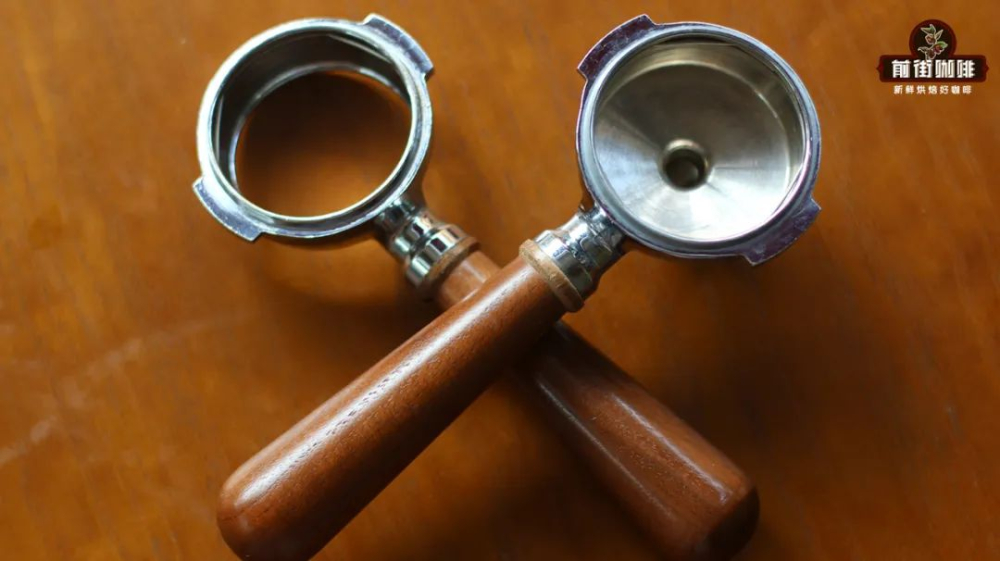
Espresso Bottomless Portafilter | What's the Difference Between a Spouted and Bottomless Portafilter on an Espresso Machine? Which Coffee Portafilter Is Suitable for Coffee Beginners?
For more specialty coffee knowledge, please follow our WeChat official account: Front Street Coffee (FrontStreet Coffee). The coffee extraction portafilter is an important tool for semi-automatic espresso machines. There are mainly two types of coffee portafilters: the first is the bottomed split portafilter, and the second is the bottomless straight-out portafilter. [more…]
Build Your Home Coffee Bean Library by Brewing Method
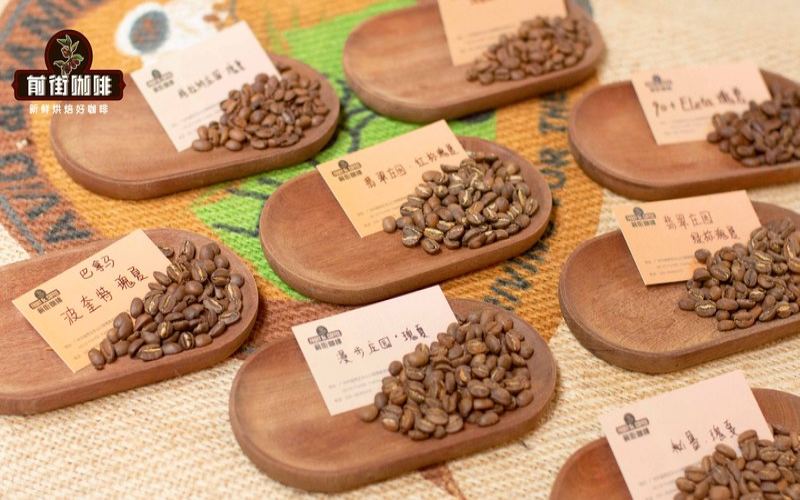
Many people have only one bag of beans at home—they use it for espresso, they use it for lattes, and they still use it for americanos. This one-size-fits-all approach isn't necessarily wrong, but if you want to bring out layers of flavor in home espresso drinks, building a bean library based on drinking methods is a smarter approach. The logic behind dividing a bean library by drinking method is simple: different coffee drinks [more…]
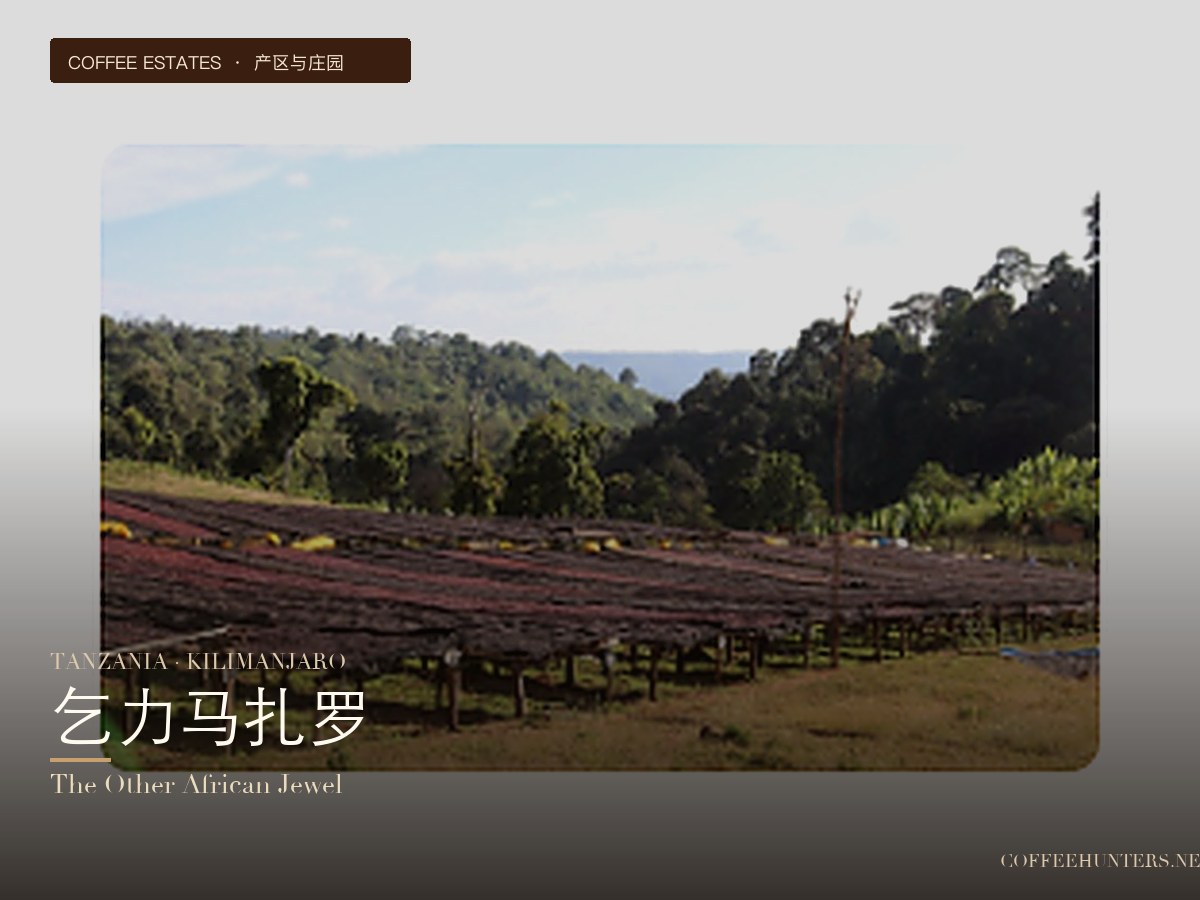
Tanzania: Kilimanjaro and Mount Meru — Another Gem of Africa
Tanzania is another important specialty coffee producer in Africa, with Mount Kilimanjaro and Mount Meru as its core producing regions. This article takes you through the history, geography, and flavor of Tanzanian coffee. [more…]
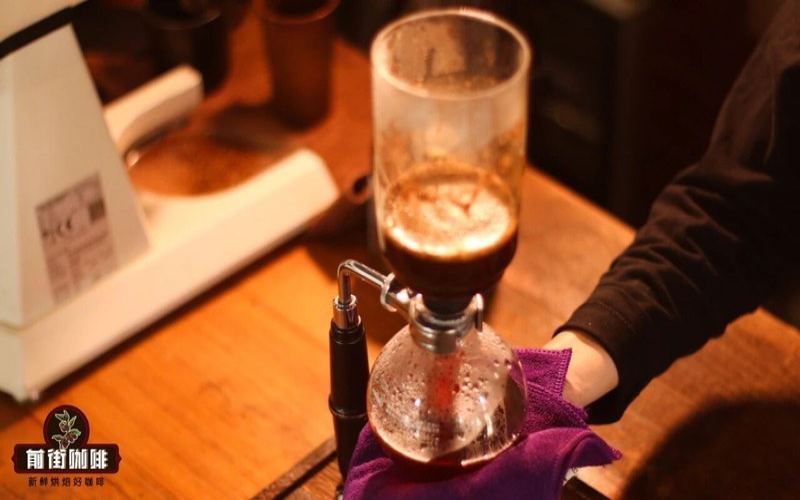
Light, Medium, and Dark Roasts: How to Choose Coffee Beans for Pour-Over
The roast level of hand-brewed coffee beans determines the balance of aroma, sweetness, and mouthfeel in the cup. Light roasts tend to bring floral notes and fruity acidity to the forefront, medium roasts often deliver gentle sweetness and a fuller body, while dark roasts push cocoa, nutty, and roasted notes forward. To shop with confidence, you can start with the roast level you're willing to accept. [more…]
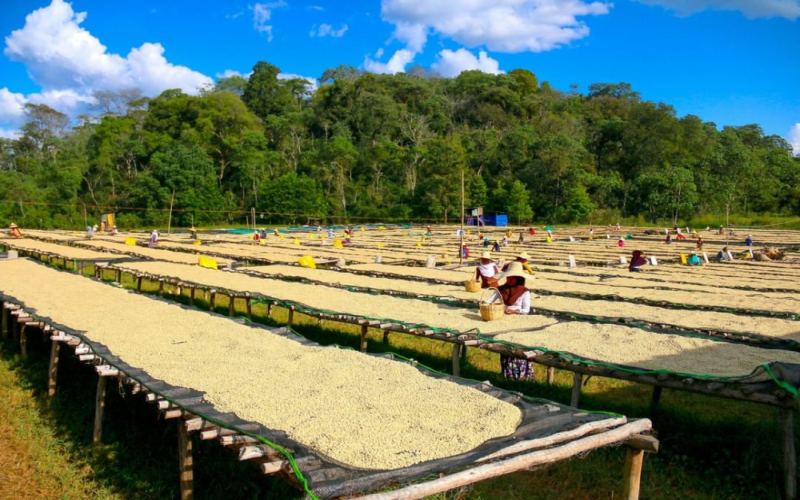
Light Roast Pour-Over Coffee Parameters | How to Brew Yirgacheffe So It's Not Too Sour? Recommended Specialty Pour-Over Single-Origin Beans with Rich Fruit Flavor and Bright Acidity
When it comes to African coffee, many people first think of Ethiopia, the birthplace of coffee. Citrus, citric acidity, jasmine, ripe strawberry, tropical fruit, berries, and honey are all flavor descriptors often used for Ethiopian coffee beans. Among them, Yirgacheffe is the most famous, and Yirgacheffe flavor is precisely [more…]
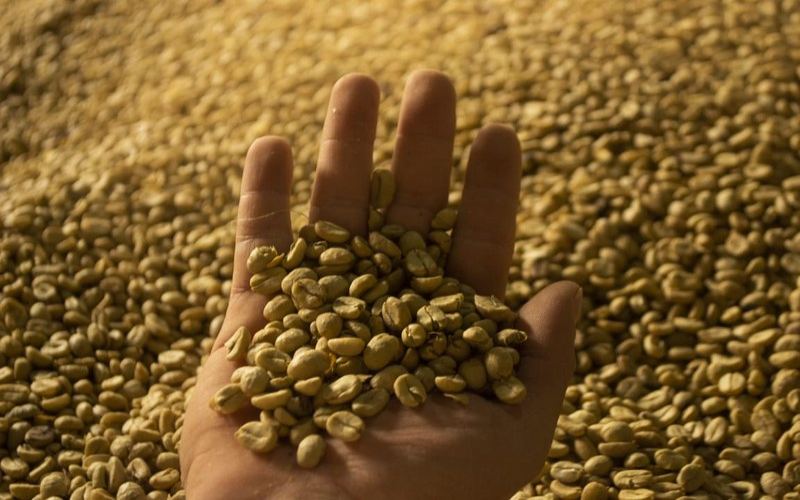
How to Choose Everyday Beans Under 100 Yuan: Find Your Perfect Cup by Roast Level
For everyday beans under a hundred yuan, the point isn't how complex the flavor description is, but whether they go down easily every day. Roast level is a very practical filter to start with—it affects acidity, sweetness, aroma, and mouthfeel, and also determines whether the beans are better suited to pour-over, espresso, or drinking with milk. Start with what you're willing to repeat [more…]
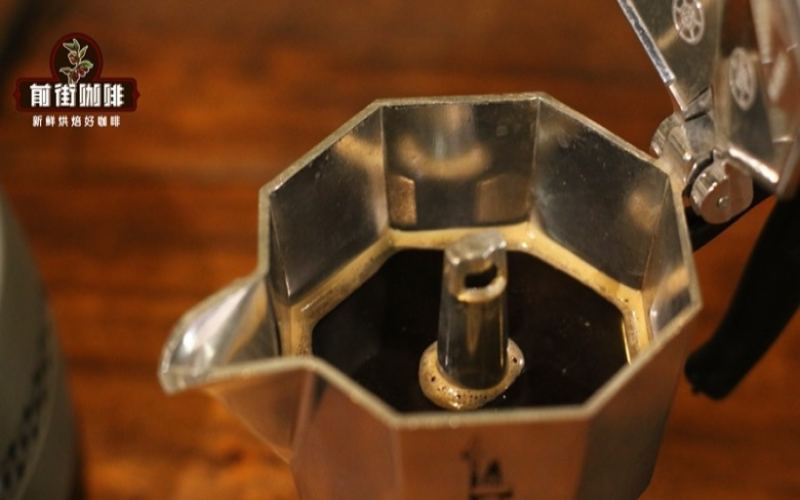
How to Choose Nutty and Cocoa-Flavored Coffee Beans by Roast Level
If you want to drink coffee with nutty, cocoa-like notes, the roast level often helps you judge what's in the cup more than the name of the region does. When the roast is lighter, the bean's acidity, sweetness, and aroma are preserved more noticeably; at a medium roast, aromas such as peanut, almond, and milk chocolate unfold more easily; medium-dark to dark roasts add caramel, dark chocolate, and roa [more…]
Evaluating by Roast Level: Coffee Beans Worth Buying Again and Again
Whether a coffee bean is worth buying repeatedly often depends not on how dramatic its flavor is, but on whether it can steadily become part of your daily routine. Roast level is a very practical starting point for judgment: light roasts highlight floral and fruity aromas and the interplay of acidity and sweetness, medium roasts emphasize balance and sweetness, while dark roasts are better suited for rich, smooth drinks. First, based on what you want in your cup [more…]
Selecting Yirgacheffe Beans by Roast Level: A Cost-Effective List from Light and Floral to Mellow and Sweet
Yirgacheffe is best chosen by starting with the roast level. A light roast makes it easier to taste citrus, white flowers, berries, and a tea-like quality, with a clean, transparent cup; a medium roast softens the acidity and aroma while bringing out more sweetness and roundness; a medium-dark roast wins on caramel, cocoa, and a fuller body. When the budget is limited, first confirm which [more…]
How to Choose American-Style Coffee Beans for Home Use by Roast Level
Home-brewed American coffee isn't just about whether it's bitter or not—the roast level of the beans determines the aroma profile, the balance of acidity and sweetness, and the body on the palate. If you like a bright, fruity flavor, start with a light roast; if you prefer an easy-drinking sweetness, a medium roast fits more easily into everyday drinking; if you're used to cocoa, nuts, and a heavy mouthfeel, look to a medium-dark or dark roast. First, [more…]
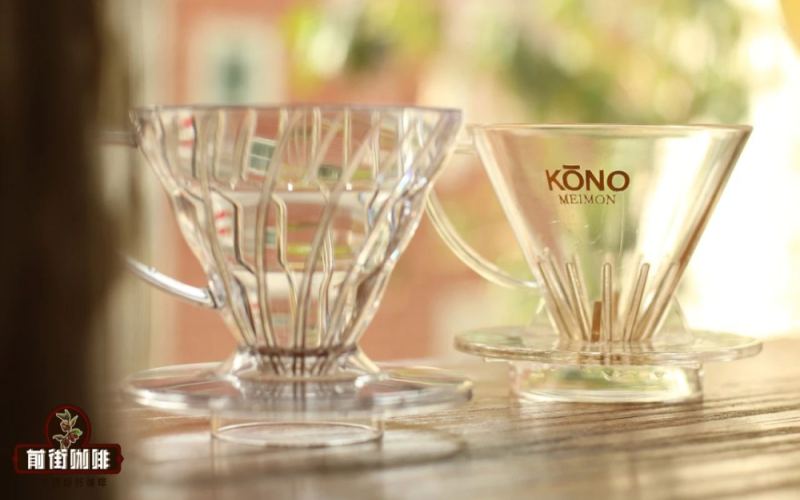
Pour-over Dripper Usage Tutorial | Which Coffee Beans Are Suitable for Brewing with the Kono Dripper? Introduction to the Kono Dripper's Extraction Principles and Coffee Flavors
The KONO dripper, like the Hario V60, is cone-shaped. The biggest difference lies in the height of the ribs. KONO has 12 ribs that are lower than those of the Hario V60, which helps with airflow during brewing and increases the efficiency of the bloom. When the KONO dripper is used together with its server, it's like [more…]
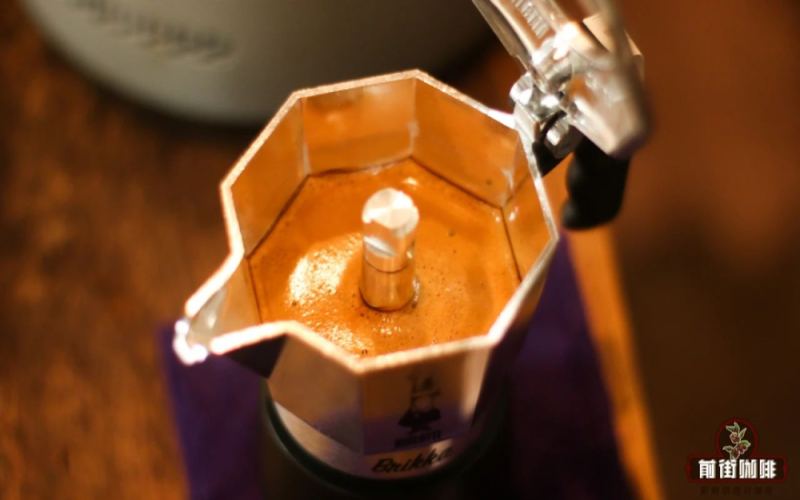
Brewing with a Moka Pot | What's the secret to making delicious moka pot coffee? Which selected medium-dark roasted single-origin coffee beans are recommended for moka pots?
Using a moka pot is very simple, but the brewing process can still sometimes result in bitterness, excessive strength, or insufficient flavor. Today we're sharing some tips for using a moka pot, hoping to help moka pot enthusiasts make delicious espresso-style black coffee at home. Let's think through everything from bean selection and brewing to tasting. 1. During use [more…]
Illustrated Guide to Espresso Making | What Is the Working Principle of an Espresso Machine? What Factors Affect the Taste and Mouthfeel of Espresso?
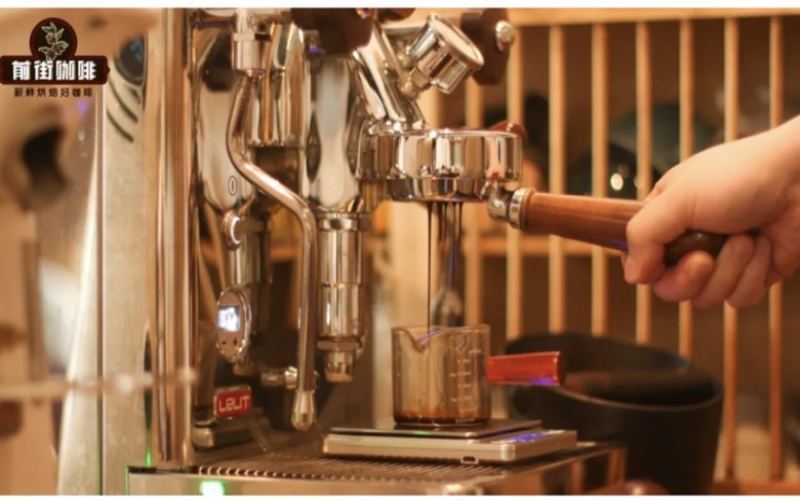
For more specialty coffee knowledge, please follow: Front Street Coffee (Frontsteet Coffee). Espresso is mostly perceived as bitter and astringent; when this happens, it is very likely that there is a problem in the production process. At this point, someone will ask Front Street Coffee (FrontS [more…]

The History of the V60 Pour-Over Coffee Dripper | What Is the Coffee Extraction Principle Behind the V60 Dripper? Why Do Coffee Shops Love Using the V60 Dripper for Single-Origin Coffee?
For professional coffee knowledge exchange and more coffee bean information, please follow Front Street Coffee (FrontStreet Coffee). Among all types of pour-over coffee drippers, the most popular is the V60 dripper. Many pour-over coffee shops have a V60 dripper, and the V60 dripper is also many cof [more…]