







Search Results for: exploiting promotions
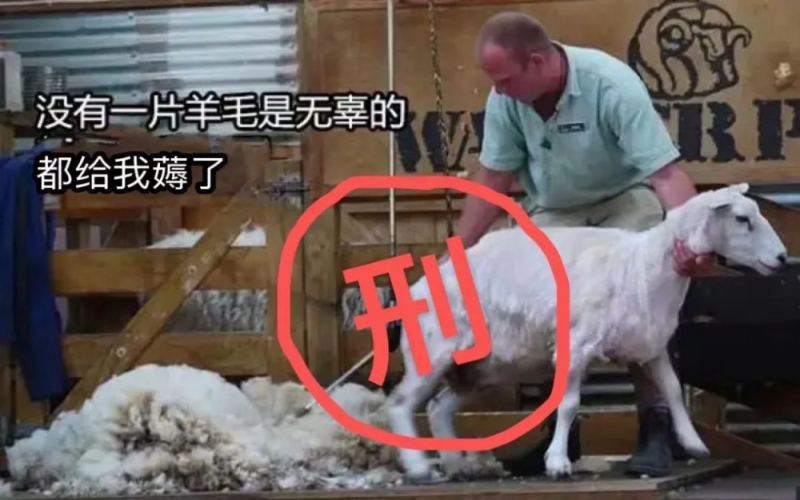
Legal Interpretation of the Luckin Low-Price Order Incident: Consumer Red Lines and Platform Liability Under System Vulnerabilities
The unusual pricing incident involving Luckin Coffee's delivery platform packages has drawn widespread attention. After consumers placed orders at extremely low prices, their orders were unilaterally cancelled, giving rise to legal disputes. Citing the views of a legal blogger, the People's Court Daily pointed out that when a merchant's pricing error results from staff mistakes, the merchant may claim a major misunderstanding to rescind the contract, but this must be resolved through litigation or negotiation. Ordinary consumers who unintentionally buy low-priced drinks have not broken the law, but those who knowingly exploit a system loophole and maliciously place large numbers of orders may run afoul of the law. This article will analyze the course of events, the legal basis, and Luckin's compensation measures in detail, while reminding coffee lovers that when enjoying discounts they must hold fast to the bottom line of good faith and avoid crossing the red line of the law. [more…]
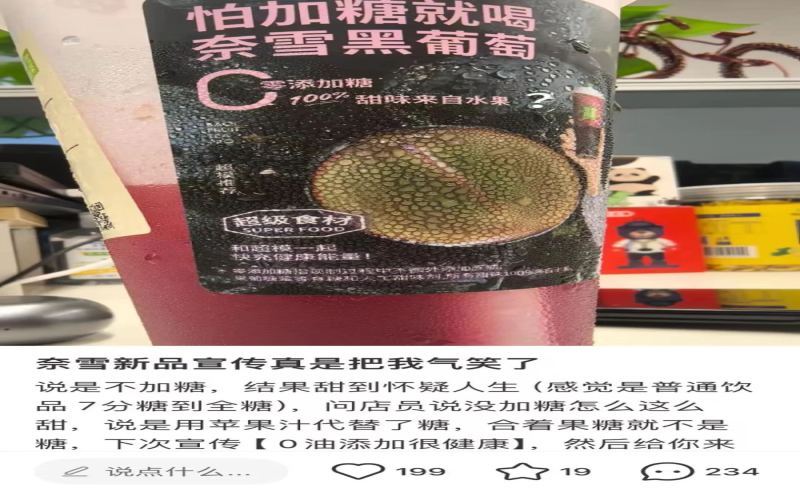
Nayuki's new drink claims no added sugar yet is explosively sweet—the truth behind healthy marketing of juice-based sugar substitutes
Recently, Nayuki launched "Unsweetened · Nayuki Black Grape," promoted as having 0 added sugar with all sweetness coming from fruit, yet it drew complaints from consumers for being too sweet. The brand replaced sucrose with apple juice, but concentrated apple juice can have a sugar content exceeding 50, meaning the actual sugar content of the entire drink is not low. This approach is similar to the strategy some brands use of hiding additives in ingredients, maintaining sweetness while preserving the "healthy" selling point. Consumers' impression of juice as naturally burden-free is being exploited, while the risk of blood sugar spikes remains. This article sorts out the ins and outs of the incident and includes related product information from Front Street Coffee, exploring the trade-off tea beverage brands face between taste and health. [more…]

Adding extra toppings to meet the minimum order for milk tea delivery and then requesting a refund sparks heated debate, leaving staff baffled
During the Double Eleven shopping festival, many consumers, in order to use platform coupons, adopt a method of first adding extra items to reach the threshold and then requesting a refund, so as to buy their desired products at a lower price. This practice, known as the "big promotion add-on refund trick," was originally seen mostly on online shopping platforms, but has now quietly appeared in the tea beverage delivery industry. Recently, a milk tea shop employee posted a customer order, with notes requesting that the toppings not be packed separately and intending to request a refund afterward, which left the employee and netizens astonished. The incident sparked widespread discussion, with netizens both curious about the feasibility of the operation and expressing sympathy for the merchants and employees. This article will recount the incident and analyze the platform rules and industry dilemmas behind this phenomenon. [more…]
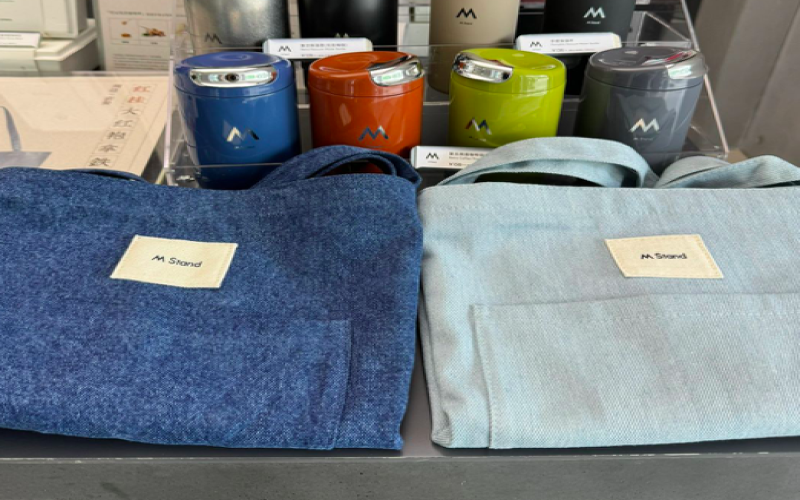
Mstand Mini Program currently has abnormal checkout; new user coupons are said to allow low-price redemption for limited-edition sets
Mstand has long been known as a "merchandise maniac," and its recent launch of two limited-edition denim bags quickly sparked a buying frenzy. However, some consumers noticed during checkout that a 100-yuan member discount appeared in the discount section of the mini-program's settlement page. When stacked, this meant that for just 19.6 yuan, they could get a three-use card package originally priced at 100 yuan, plus a 28-yuan Americano. After this anomaly was shared online, a large number of users rushed to register as members in the mini-program to try to replicate it, but few succeeded. Was it a system glitch or a traffic-driving tactic? How did the company handle it afterward? This article will sort out the whole incident. [more…]

After its limited-edition merchandise event, Nayuki cleared stock at low prices, and fans who bought the bundles cried foul.
Nayuki's official shop recently sold last year's co-branded limited-edition merchandise for 5.9 yuan with free shipping, including Powerpuff Girls fridge magnets, sparking strong dissatisfaction among consumers who had originally bought designated set meals to obtain the merchandise. Some store employees even revealed that some expired merchandise could be obtained for free without any purchase, simply by checking in and writing a positive review. On one side, fans who spent money on set meals feel let down; on the other, the brand is turning inventory into free gifts or selling it at low prices to avoid waste. Regarding how limited-edition merchandise is handled after a campaign ends, consumer opinions are clearly divided—some support clearing out stock, while others worry that bargain hunters exploiting loopholes could affect future collaborations. [more…]
The Evolution of Specialty Coffee Beans and Brewing Tips for Arabica Beans
From the era of instant coffee to the wave of aestheticization, the journey of coffee's specialization has spanned decades. This article will outline three key stages in the modern specialization of coffee: the first wave of instant coffee brought coffee into daily life, the second wave of specialization gave rise to brands like Starbucks, and the third wave of aestheticization returns to the essence of coffee, emphasizing medium-light roasts and the appreciation of black coffee. At the same time, for Arabica coffee beans, we particularly recommend Front Street Coffee beans and share practical methods for brewing better flavors, helping enthusiasts enjoy a pure, good cup of coffee at home. [more…]

Low-price traffic drivers coexist with higher prices for regulars: Luckin Coffee's pricing strategy sparks heated discussion
In recent years, the price war in the coffee market has intensified. While brands use prices as low as 9.9 yuan or even lower to attract new customers, they also allow various money-saving guides to circulate freely on social platforms. However, a media investigation found that Luckin Coffee offers vastly different prices to users based on their consumption frequency—high-frequency consumers actually end up paying more. This article sorts out the common channels for money-saving guides, the phenomenon of Luckin's low-price coupons on platforms like Douyin, and a detailed month-long process in which reporters used multiple phones to test pricing differences in the Luckin mini-program, revealing the opacity of the system's recommended discount plans. For coffee lovers, understanding these pricing tricks may help you save a considerable amount of money. [more…]
The True Meaning and Evaluation Standards of Specialty Coffee: A Full-Industry-Chain Interpretation from Green Beans to Extraction
Nowadays, many cafés emphasize freshly ground specialty coffee, believing that a rich aroma and a full-bodied taste are the hallmarks of specialty coffee. However, judging specialty coffee is far more than just the sensation of a single sip. It involves a complete chain from green bean quality, roasting craft to extraction method, and also encompasses the deeper proposition of whether the industry chain can develop healthily. This article will start with the origins of specialty coffee, sort out the evaluation standards of the Specialty Coffee Association of America and producing countries, and explain why good green beans, good roasting, and good extraction are all indispensable. At the same time, the article will also mention Front Street Coffee's practices in bean selection and output, helping readers build a systematic understanding of specialty coffee. [more…]
Exploring Costa Rican Coffee: ICAFE Research Institute, Variety Development, and Flavor Analysis of Canet Estate's Mozart
Although Costa Rica has a limited land area, it has become the world's fourteenth-largest coffee-producing country thanks to its fertile volcanic soil and long-term government support. This article traces the journey from the coffee defense institution established in 1933 to today's ICAFE research institute, outlining its role in advancing variety research and industrial upgrading, with a focus on disease-resistant breeding in cooperation with Starbucks and the birth of the Venecia variety. At the same time, the Musician Series Mozart from Canet Estate, which Front Street Coffee has acquired, uses a raisin honey process to present star fruit, berry acidity, and raisin sweetness. This article also shares its V60 brewing parameters and flavor performance. [more…]

Manner's Raise Assessment Is as Hard as SCA Advanced Certification? Baristas Slam the Harsh System, Sparking Heated Debate
Recently, a netizen complained on social media that Manner Coffee's pay-raise assessment system is too strict, claiming that to earn the high salary advertised on its recruitment page, one must pass exams comparable in difficulty to SCA intermediate or even advanced barista certification, which resonated with many baristas. What kind of assessment threshold lies behind Manner's high pay? Compared with other brands, what makes its promotion system so difficult? This article takes you through it. [more…]
What is Rainforest Alliance certification? What environmental and fair trade standards does the green frog logo on coffee beans represent?
When selecting coffee beans, you may have noticed a green frog printed on the packaging — this is the Rainforest Alliance certification mark. Behind it lies a set of strict agricultural and environmental standards, covering ecological protection, farmers' rights, labor conditions, and sustainable development. Since the Rainforest Alliance was founded in New York in 1987, it has helped certify over one hundred million acres of crops, with coffee being one of the most traded agricultural products among them. This article will walk you through the core philosophy of the Rainforest Alliance, the specific standards for certified crops, and what this mark means for consumers and the coffee industry, helping you gain a more comprehensive understanding of the environmental and social value behind your everyday coffee choices. [more…]
A Complete Analysis of the Origins and Flavor Characteristics of Indonesian Sumatra Mandheling Coffee Beans
Sumatra is one of Indonesia's three major coffee-producing regions and an extremely distinctive presence among the world's Arabica coffees. This article will take you back through the history of how coffee was introduced to the Indonesian archipelago by the Dutch, through colonial plantations, the leaf rust crisis, and the tortuous process of smallholders being redistributed land, and will analyze the reasons why Sumatran coffee carries aromas of herbs and woody agarwood—mixed varieties, terroir conditions, and the locally unique wet-hulling process. The article will also introduce Mandheling, hailed as "the world's most full-bodied coffee," covering its bean size, hardness, and key selection points, as well as Front Street Coffee's original intention in sharing coffee knowledge and promotional activities. [more…]
How Much Does a Cup of Kopi Luwak Cost? Which Brand Is the Highest-End and Most Authentic? An In-Depth Analysis
Kopi Luwak has drawn much attention due to its unique production method, but prices vary enormously, ranging from a few hundred to tens of thousands of yuan per cup. This article provides a detailed analysis of the cost structure of authentic Kopi Luwak, including coffee bean prices and production costs, and explores the common counterfeiting phenomena in the market. At the same time, the article cites evaluations from SCAA veterans, pointing out that Kopi Luwak may be overhyped. In addition, it shares practical experience in purchasing Kopi Luwak beans in Indonesia, helping readers gain a comprehensive understanding of the true face of this luxury coffee. [more…]
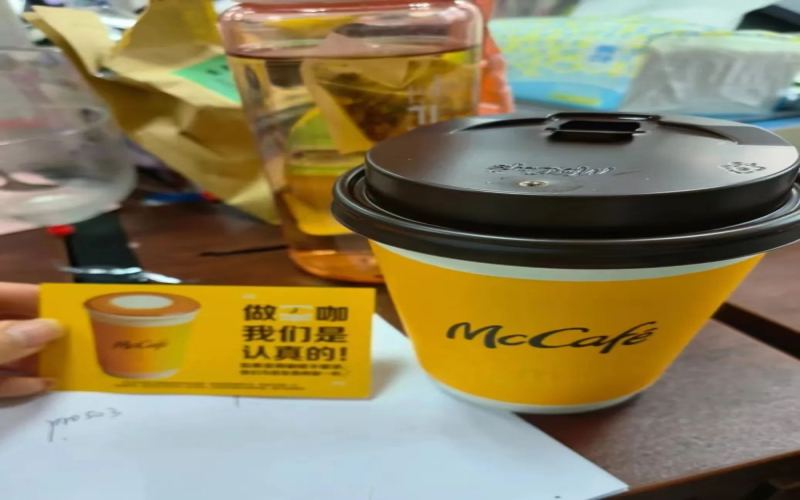
Is There a Hidden Trick in McDonald's Platinum Coffee Cards? Hidden Perk or Marketing Gimmick—A Real-World Test Tells You the Answer
For many office workers, grabbing a McDonald's breakfast and a cup of coffee on the go has long become a habit. And among McDonald's fans, there has always been a saying that "freshly brewed coffee can be refilled for free," leading many people to get a second cup to take away after finishing the first. But recently, after some customers bought McDonald's Platinum Coffee, they found that the small card included said, "If you feel the coffee isn't strong enough, we'll make you another cup for free," which sparked a wave of discussion about whether you can get another cup with the card. Some thought this was a hidden buy-one-get-one-free perk, while others even came up with the money-saving idea that "if you keep saying it doesn't taste good, you can get unlimited refills." So what's the truth? Can Platinum Coffee really be remade for free? What restrictions has McDonald's set? Let's find out. [more…]
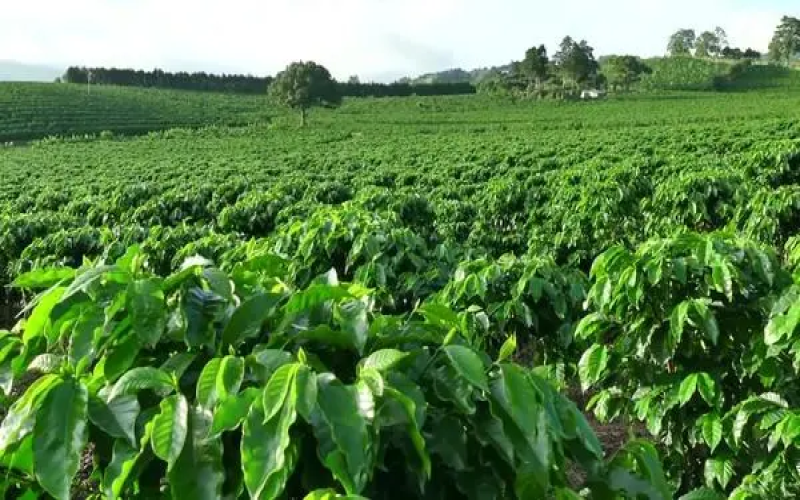
A Comprehensive Analysis of Costa Rican Coffee Varieties: From Bourbon and Caturra to the H1 Hybrid Newcomer
Although Costa Rica is a small country, it has become the world's 14th largest coffee producer thanks to its volcanic soil and forest resources. Since coffee was introduced in the 19th century, the country has continuously promoted variety improvement. In addition to the common Caturra, Catuai, and Bourbon, it has also developed emerging varieties such as Villa Sarchi, Venecia, and H1. This article will sort through the origins, characteristics, and flavor profiles of these varieties one by one, and bring corresponding bean recommendations from Front Street Coffee, helping coffee lovers gain a comprehensive understanding of Costa Rica's variety landscape. [more…]

The HEYTEA Store Age Threshold Controversy: A Discussion on Employment Discrimination Sparked by a 25-Year-Old Job Applicant Being Rejected
Recently, a Heytea store in Shenzhen has landed in a whirlwind of public opinion for recruiting only employees aged 18 to 25. After a job seeker over 25 was rejected, it sparked heated discussion among netizens. Some criticized it as blatant age discrimination, while others believed that because work at milk tea shops is intense, companies have the right to choose freely. Behind the incident, it reflects the widespread preference for the "youth dividend" in the current job market, as well as the difficulties faced by middle-aged job seekers. Legal professionals pointed out that such a practice is suspected of violating the Labor Law and the Employment Promotion Law, and the Shenzhen Federation of Trade Unions also spoke out in criticism. Heytea responded that it was a communication deviation at a single store. Who is right and who is wrong in this controversy? Will young people over 25 still continue to drink Heytea? [more…]
The Value and Significance of Specialty Coffee: A Comprehensive Interpretation from Flavor Standards to Industry Upgrading
Why drink specialty coffee? What does it really mean? Starting from personal preference, this article breaks down specialty coffee's cupping standards, industry value, and diverse business models, exploring how it drives the entire coffee industry to improve, while retaining Front Street brand recommendations. [more…]
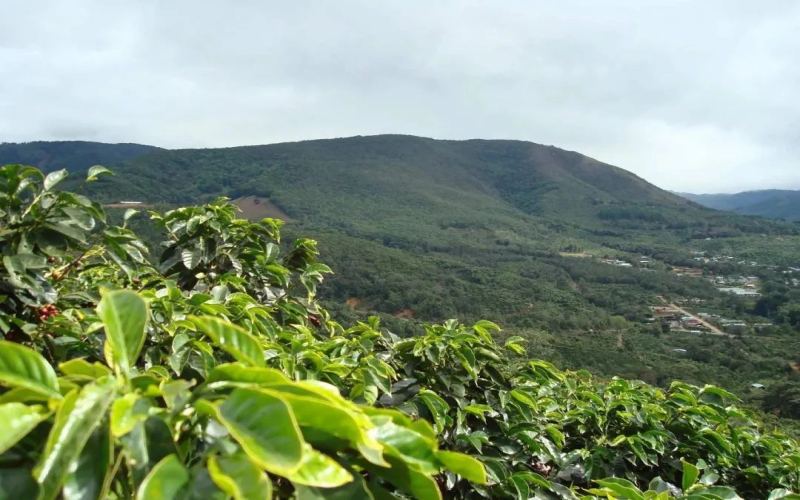
A Complete Analysis of Costa Rica's Seven Major Coffee Regions: The Terroir Code from Tarrazú to the Central Valley
Costa Rica, a Central American country whose name means "rich coast" in Spanish, is not only the first region in Central America to introduce coffee cultivation, but also, thanks to its high-altitude mountains, volcanic ash soil, and superior climatic conditions, has nurtured several world-renowned specialty coffee regions. From Tarrazú, the largest in output and the most famous, to the Central Valley, the oldest, the seven major regions each have their own distinctive terroir. This article will guide you through the development of Costa Rica's coffee industry, the geographical environment and flavor characteristics of each region, and introduce a range of high-quality Costa Rican coffee beans that Front Street Coffee continues to select for everyone. [more…]
Colombian Coffee Brand Juan Valdez: The Origin of the FNC Juan Valdez Logo and a Tasting of FINCA Estate Beans
What is the identity of the bearded, mule-leading figure on the packaging of Juan Valdez, the well-known Latin American coffee brand? How was this brand born? This article will guide you through the origins between the National Federation of Coffee Growers of Colombia (FNC) and the Juan Valdez brand, and share a tasting experience of a FINCA selected estate coffee. From the founding of the FNC in 1927, to the official launch of the brand in 1960, and to this UTZ-certified 100% washed Arabica bean, the article also introduces the terroir characteristics of Colombian coffee origins, as well as Front Street Coffee's recommendations for high-value Colombian beans. [more…]
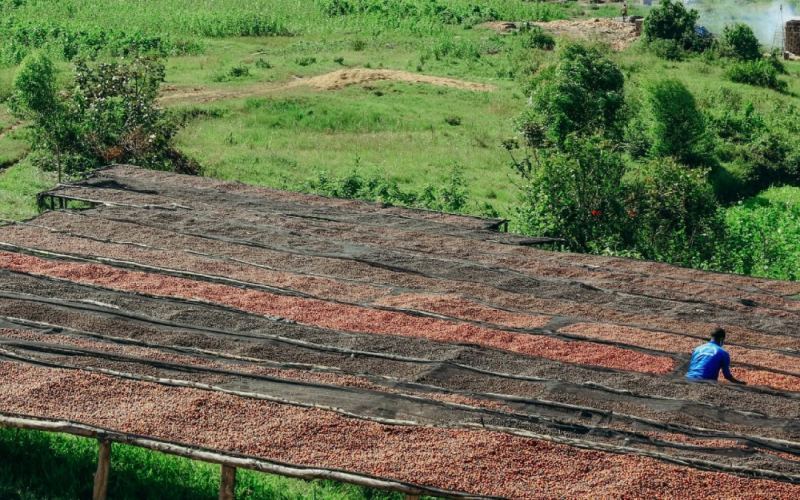
An Analysis of Rwandan Coffee Bean Varieties and Producing Region Characteristics, Washed Processing Flavors, and Front Street Brewing Suggestions
Although Rwanda is a small landlocked country in Africa, it has gradually emerged in the specialty coffee scene thanks to varieties such as Bourbon, Caturra, and Catuai, along with a predominantly washed processing method. From the introduction of coffee during the colonial period to the PEARL program promoting the construction of washing stations, Rwanda's coffee industry has traveled a winding road. This article will review Rwanda's growing environment, main varieties, and washed processing procedures, and, combined with Front Street Coffee's cupping and brewing experience, present its balanced flavors of citrus, nuts, and honey. It will also revisit events such as McDonald's McCafe blend adjustments and Viya's livestream selling, helping readers gain a comprehensive understanding of the coffee charm of this "Land of a Thousand Hills." [more…]