







Search Results for: degassing period

How Many Days Do Coffee Beans Need to Rest? Is Sealed Resting for Pour-Over Beans Feasible? One Article Explains Degassing and the Flavor Peak
Should freshly roasted coffee beans be brewed right away? How many days should you actually wait for resting? This article starts with the principles of coffee bean degassing, explaining why freshly roasted beans need to rest and how the resting period is affected by roasting method, roast level, and roasting style. It also offers practical ways for ordinary consumers to judge the resting period, helping you find the flavor peak of each bean. Drawing on Front Street Coffee's semi-direct fire roasting experience, the article explains reference resting days for medium-light and medium-dark roasts, and addresses whether fully sealed resting is feasible. [more…]
From the degassing period to peak flavor, master the flavor rhythm and storage techniques of blended coffee beans
After roasting is complete, coffee beans accumulate a large amount of carbon dioxide gas inside. When freshly roasted, this gas is highly active, and during brewing it tends to produce vigorous bubbles that hinder the water from fully contacting the coffee grounds. Understanding the roast date and the degassing process is the starting point for appreciating the rich layers of a blended coffee. Blended beans of different roast levels have different degassing rhythms. [more…]
A Detailed Guide to Coffee Bean Resting and Optimal Flavor Periods: How Roast Level Affects Degassing Time and Storage Tips
Many coffee enthusiasts pay attention to the roast date when buying coffee beans, believing that the fresher the better. But in fact, freshly roasted coffee beans need a period of "resting" to allow the internal carbon dioxide to fully release before they reach their flavor peak. This article will explain in detail the principles of resting beans, the resting time required for different roast levels, emergency brewing methods for beans that haven't rested properly, and the correct storage methods. At the same time, using Front Street Coffee beans as an example, we provide specific resting recommendations to help you enjoy a good cup of coffee within its optimal flavor period. [more…]
A Detailed Guide to Coffee Bean Resting Periods and Storage Essentials: A Practical Guide from Degassing and Maturing to Drip Bag Freshness
Freshly roasted coffee beans are not suitable for brewing right away; they need a period of degassing and maturation, commonly known as resting or aging the beans. Beans of different roast levels require different resting times: the lighter the roast, the slower the degassing and the longer the maturation; under-rested beans taste thin, while over-rested beans miss their peak flavor window. Beyond mastering the resting rhythm, sealing and moisture-proofing after opening the bag are equally critical, and storing beans in the refrigerator often does more harm than good. If you really can't wait, you can also improvise by grinding and letting the grounds sit, or by extending the bloom time. Drip bag coffee, already ground, loses flavor faster, so it's best finished within a week and never re-brewed. In this article, Front Street Coffee walks through these practical points one by one, drawing on everyday experience. [more…]
What exactly is coffee bean resting? A detailed explanation of the degassing principle and how to determine the optimal flavor window
Many coffee enthusiasts have heard the saying that "resting beans improves the flavor," but the real purpose of resting is not to create new flavors—it is to let the carbon dioxide accumulated after roasting gradually escape, thereby reducing interference with extraction. The formation of coffee flavor mainly occurs during the roasting stage; once roasting ends, flavor development essentially stops, and from then on the beans continuously degas, entering the resting and peak-flavor stages. Only when carbon dioxide is released to the point where it no longer noticeably hinders the dissolution of flavor compounds does the coffee reach its optimal drinking window. So how long does resting actually take? Different roasting methods, roast levels, and roasting styles all affect the rate of degassing, which is why merchants' recommended resting periods range anywhere from 4 to 30 days. This article starts from the underlying principles and, drawing on Front Street Coffee's practical experience, teaches you how to find a bean's peak state through sensory tasting. [more…]
From Degassing Cycle to Opening and Storage: The Flavor Rhythm and Bean Selection Recommendations for Making a Delicious Latte
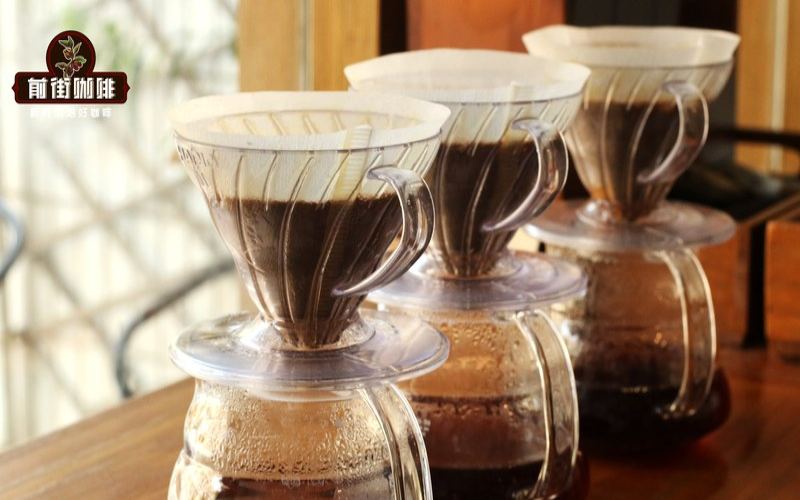
Freshly roasted coffee beans are filled with carbon dioxide internally. When making a latte, the state of gas release directly affects extraction efficiency and the degree of integration with the milk. Understanding the degassing process of coffee beans at different stages helps us taste a balanced and full-bodied coffee flavor during the phase when aromatic compounds are most active. The initial period after roasting is [more…]

The Real Function of One-Way Degassing Valves on Coffee Bags: Preventing Bag Swelling and Slowing Flavor Loss
Many people think the small hole on a coffee bag is for smelling the aroma, but its official name is a "one-way degassing valve," and its core job is to keep the carbon dioxide released by the coffee beans from bursting the packaging while blocking outside air from getting in. In this article, Front Street will explain how this valve works, why freshly roasted beans have a weak aroma, and why you should not repeatedly squeeze a coffee bag—doing so actually accelerates the loss of flavor compounds and shortens the coffee's peak-flavor window. [more…]
Grasping the Degassing Period and Aroma Peak: Flavor Rotation of Three Specialty Espresso Coffee Beans
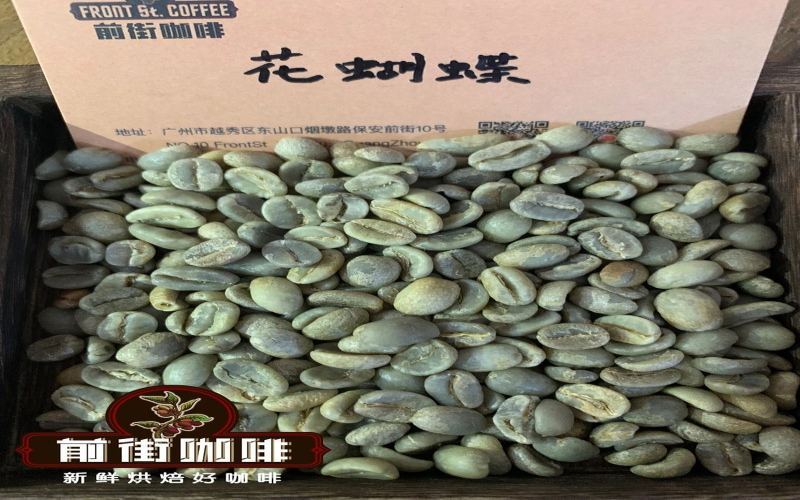
Freshly roasted coffee beans are not immediately ready for brewing; they hold a large amount of carbon dioxide gas trapped inside from the high heat. This gas is slowly released over time, and during this process the aromatic compounds inside the beans gradually become active and move toward balance. Understanding how coffee beans evolve from degassing to aroma development helps me [more…]
The Flavor Window of Hand-Ground Coffee: The Rhythm from Degassing Rest to Opening and Sealing
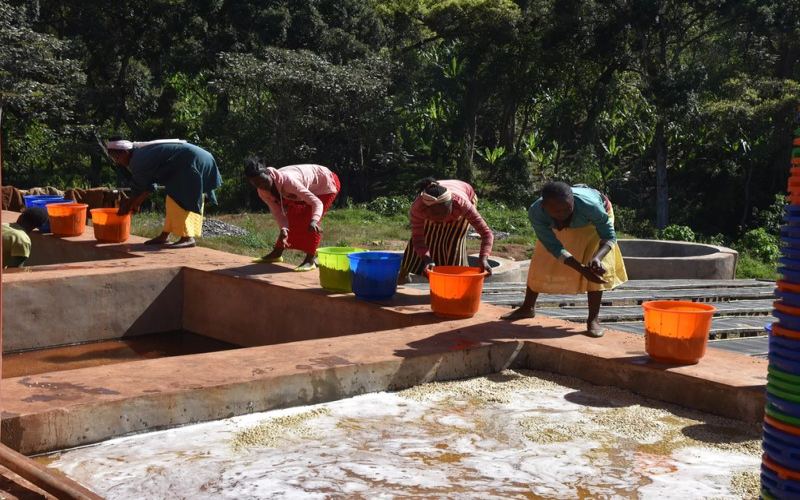
Freshly roasted coffee beans trap a large amount of carbon dioxide inside. When these gases are released rapidly upon grinding and contact with hot water, they form violently expanding bubbles. If you grind and brew immediately after roasting, the intense degassing process will prevent hot water from fully contacting the coffee grounds, preventing flavor molecules from dissolving smoothly. The princi [more…]
A Complete Guide to Coffee Bean Resting: Degassing Principles, Timing, and Brewing Tips for Beginners
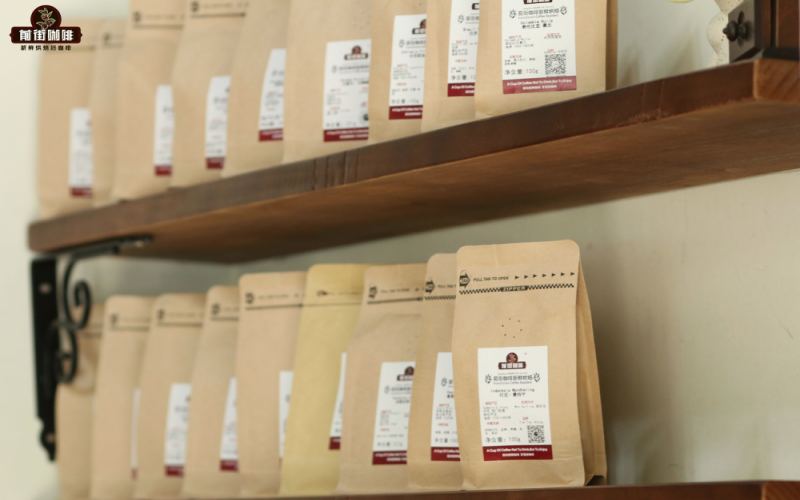
Have you just gotten your hands on some coffee beans and found yourself wondering: why can't I brew them right away? The truth is, freshly roasted coffee beans hold a large amount of carbon dioxide inside them, and they need a period of "resting" to let the gas release slowly so the flavor can reach its peak. Drawing on the hands-on experience of Front Street Coffee, this article explains in detail the science behind resting beans, the time required for different roast levels, emergency brewing techniques for beans that haven't rested properly, and the correct way to store them. Whether you're a beginner just getting into specialty coffee or an enthusiast looking to refine your brewing details, you'll find practical answers here to bring every cup closer to your ideal flavor. [more…]
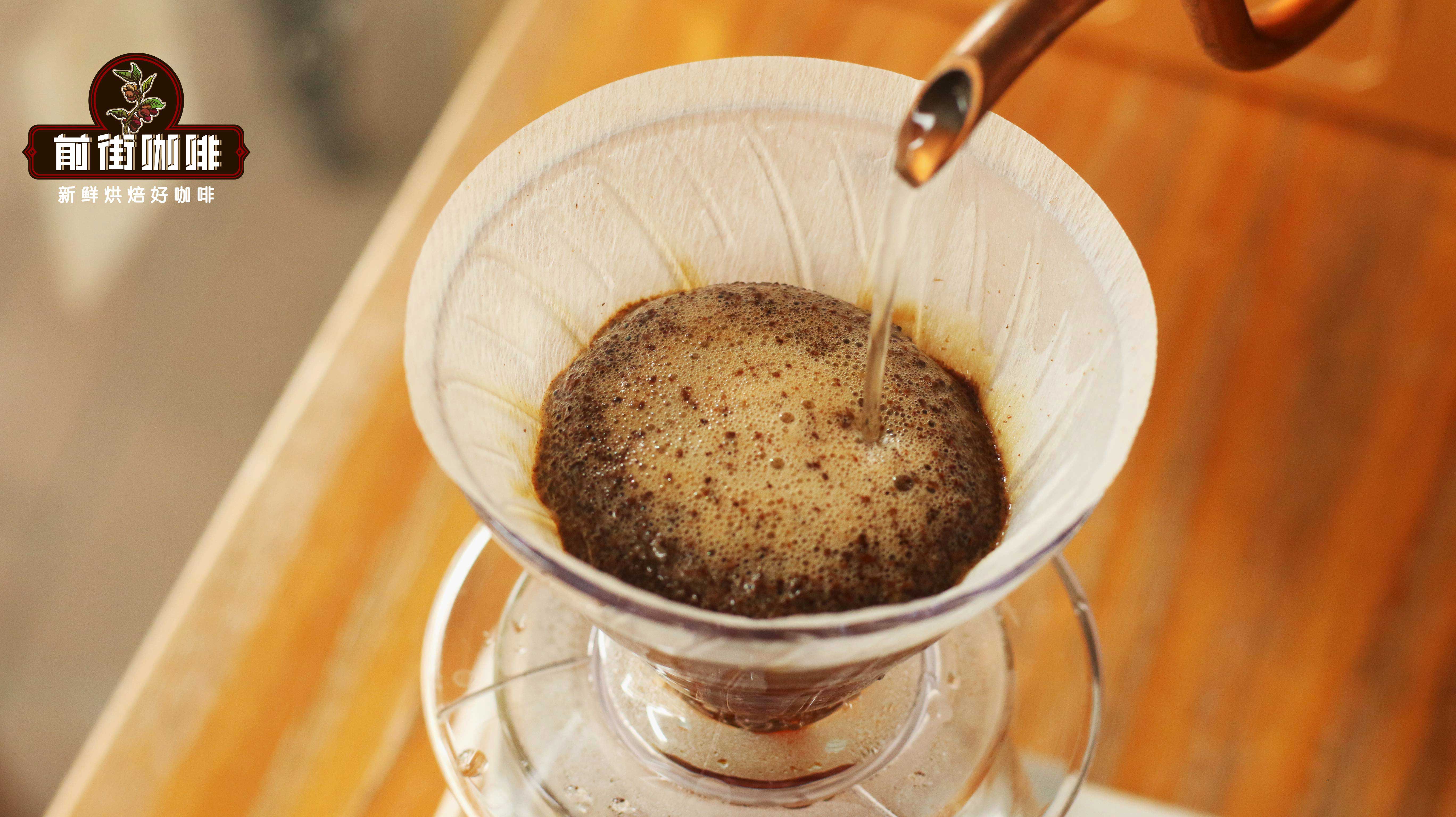
Why Do Coffee Bean Bags Puff Up? How Many Days Does Resting Beans Need? A Guide to the Best Drinking Window for Fresh Coffee
The bag of coffee beans you just bought is puffed up—has it gone bad, or is this normal? Many people who brew their own coffee have heard the term "resting the beans," but they may not fully understand the principle behind it. After roasting, coffee beans continue to release carbon dioxide, and this process directly determines how the flavor develops. This article starts with the mechanism of coffee bean degassing, explains why coffee bags inflate, analyzes the three major factors that affect the length of the resting period—heat transfer method, roast level, and roasting style—and uses Front Street Coffee's semi-direct-fire roasting as an example to give specific reference days. Finally, it shares a practical method that teaches you how to use your own senses to judge whether a coffee bean has reached its flavor peak, so you can find the resting period that suits you best. [more…]
Understanding espresso bean degassing periods and peak flavor windows, so you drink every bag of coffee at its fullest flavor.
Freshly roasted coffee beans accumulate a large amount of carbon dioxide gas inside, and this gas is slowly released over the following days. For espresso extraction, the state of gas release is directly related to the fineness of the crema and the overall expression of flavor. Understanding the internal changes in coffee beans at different stages can help us [more…]
Understanding the Pour-Over Coffee Flavor Window: Taste Bright Fruit Notes During Stable Degassing and the Opening Period
Freshly roasted coffee beans continue to release carbon dioxide accumulated inside them during the first few days, and this natural degassing process directly affects the extraction efficiency of hot water. If the beans are too full of internal gas, the hot water poured in is easily blocked by bubbles, making it difficult for aromatic compounds to dissolve fully and evenly into the water. Therefore, al [more…]
The Flavor Window of Rich Crema: Roasting Degassing Patterns and Daily Storage Rhythm
Freshly roasted coffee beans internally contain a large amount of carbon dioxide. These gases are both an important source of the rich crema layer produced during extraction and, in the early stage, also hinder the even contact between water and flavor compounds. Just-roasted coffee beans need to go through a period of natural degassing, so that the aromatic oils and soluble components inside can gradually [more…]

Home Coffee Bean Storage Methods | Can Freshly Roasted Coffee Beans Be Frozen in the Refrigerator? Can Sealing the Degassing Valve Slow Down the Loss of Coffee Bean Flavor?
Recently, everyone has probably stocked up on beans during Double Eleven. The questions asked to Front Street are all things like "How long can the flavor of unopened coffee beans be preserved at most?" and "How can opened coffee beans be stored to slow down the rate of flavor loss?" Today, Front Street will talk about the issue of storing coffee beans. How long can the flavor of coffee beans be preserved? Can it be asked this [more…]
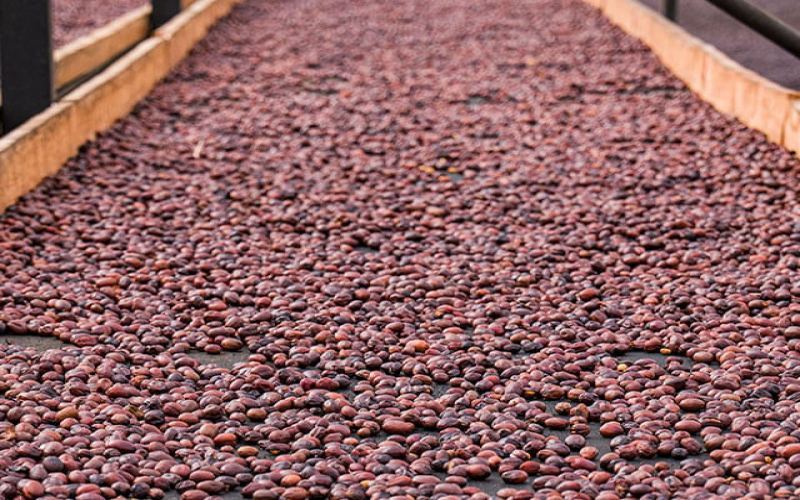
Understand the degassing period and drinking window on coffee bags to pick single-origin pour-over beans that are smooth without sourness or bitterness
Freshly roasted coffee beans hold a large amount of carbon dioxide internally. When brewed immediately, the violently released gas tends to obstruct the even contact between water and coffee grounds, making the extracted flavors taste tight and astringent. To bring out a smooth and gentle texture in the cup, it is essential to understand the evolution of the beans from the moment they leave the roaster until the aromatic compounds fully unfurl. [more…]
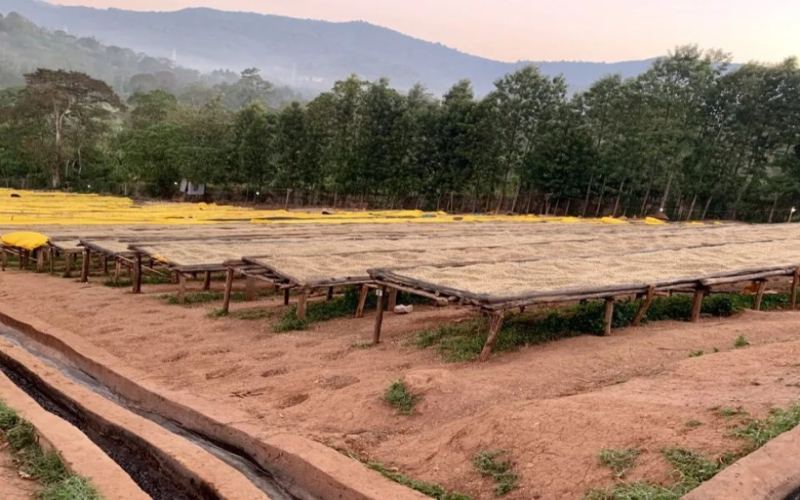
Flavor Fluctuations Within the Peak Flavor Window: Degassing Cycles and Opening/Drinking Methods for Blend Beans and SOE
After coffee beans come out of the roaster, they continue to release carbon dioxide internally, and this degassing process directly determines whether the aromatic compounds can be extracted smoothly during brewing. Because blended beans and SOE differ in bean composition and roasting direction, their pace of reaching the optimal drinking state and the period for maintaining aroma each have their own characteristics. Single origin [more…]
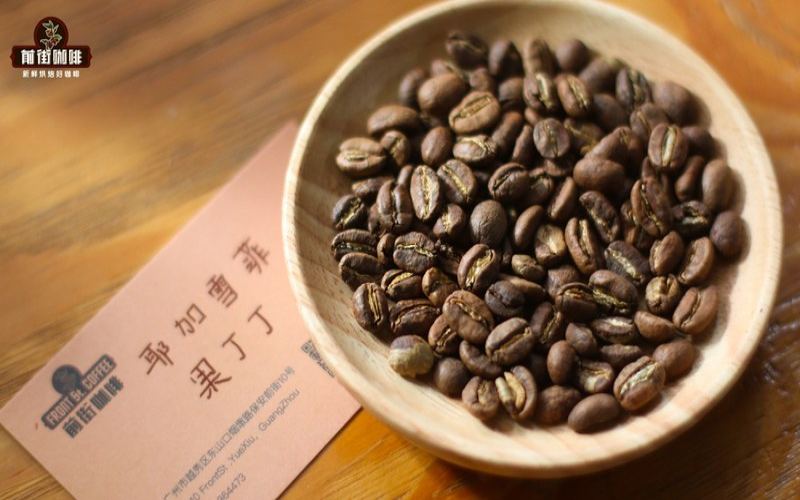
When to Start Drinking Espresso Beans: Roast Date, Degassing, and Storage Rhythm
After coffee beans leave the roaster, their flavor does not settle immediately. The beans continue to release carbon dioxide; when freshly roasted beans are used to make espresso, the puck is easily disturbed by the gas, making flow rate and extraction uniformity harder to stabilize. So-called freshness does not mean the closer to the roasting moment the better, but rather allowing aroma liveliness, degassing state, and [more…]
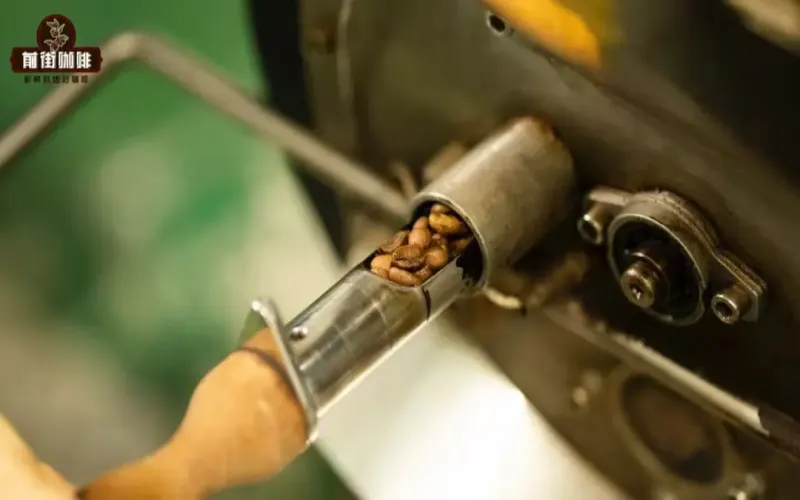
Why Do Espresso and Pour-Over Coffee Beans Have Different Resting Periods? Analyzing Degassing Time Differences from Roast Level and Extraction Method
Should you brew coffee beans immediately after buying them? Why can filter coffee beans be used after resting for three to five days, while espresso beans need to wait a few more days? Behind this are multiple factors involving carbon dioxide release, roast level, and extraction method. This article starts with the basic principles of the resting period, then explains one by one the two main reasons espresso coffee beans need a longer resting time: first, espresso beans are generally roasted darker, so they accumulate more carbon dioxide inside; second, espresso uses pressure extraction, with an extremely fine grind and very short time, so insufficient degassing will noticeably amplify its interference with the extraction result. The article also combines specific beans such as Front Street Coffee Huakui to give resting recommendations for different uses, helping you brew consistently delicious coffee at home. [more…]
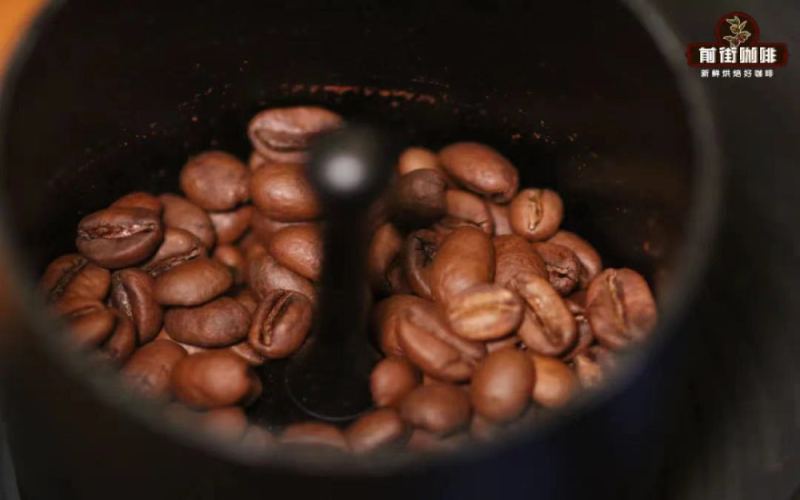
The Complete Guide to Resting Hand-Pour and Espresso Coffee Beans: Optimal Degassing Times and Identification Methods for Different Roast Levels
Why do freshly roasted coffee beans need to rest for a period? How does carbon dioxide release affect extraction and flavor? Drawing on the practical experience of Front Street Coffee, this article systematically explains the principles and necessity of resting beans, and provides recommended resting days for three roast levels: light-medium, medium, and medium-dark. At the same time, you will learn how to judge whether coffee beans have finished degassing by observing the blooming state in pour-over brewing and the crema performance of espresso, as well as how to flexibly adjust the resting period under low winter temperatures. Whether you prefer pour-over or espresso, these practical tips can help you present coffee's fullness and cleanliness more consistently. [more…]