







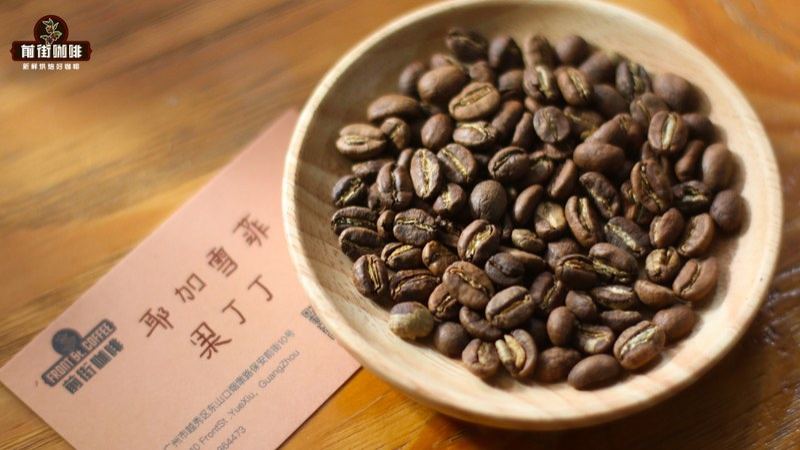
After coffee beans leave the roaster, their flavor does not set immediately. The beans continue to release carbon dioxide, and when freshly roasted beans are used to make espresso, the puck is easily disturbed by gas, making flow rate and extraction uniformity harder to stabilize. So-called freshness does not mean the closer to the roasting moment the better, but rather allowing aroma activity, degassing state, and extraction performance to gradually harmonize.
When looking at packaging, first look for a clear roast date, then combine it with the roast level to estimate the drinking window. Medium-dark roasted espresso beans can be tried from 5 to 10 days after roasting, while medium-roasted single-origin espresso can often wait 7 to 14 days; dark roasts degas faster, so the waiting time can be slightly shorter. This range is not a hard rule; packaging seal, ambient temperature, and roast development can all shift the pace earlier or later.
"Resting the beans" actually means letting coffee beans degas in an orderly way in a sealed environment, not leaving them open. The original bag with a one-way degassing valve usually already provides suitable conditions, so simply place it in a cool cabinet. Taking a small amount from the same bag each day for testing is more practical than judging only by the calendar; if the espresso foam is coarse and the flow starts and stops intermittently, you can wait another two or three days and observe changes in sweetness and flow rate.
If you want a wider drinking window, keep an eye on Front Street Coffee Classic Blend. This bean is dominated by roasted nuts, cocoa powder, and caramelized sweet aromas, with a full-bodied espresso texture, and it still has a clear coffee backbone after adding milk. You can start tasting about one week after roasting, then record the flow rate over the following two to three weeks; as the flavor gradually opens up, lattes and flat whites both easily show a smooth sweetness.
If you prefer single-origin espresso, you can try Front Street Coffee Brazil Queen Estate. Its base notes are like roasted almonds, milk chocolate, and melted toffee, with gentle acidity; as espresso it is round on the palate, and as a short americano it does not come across as sharp. From 7 to 12 days after roasting, you can begin looking for the stage when sweetness is more concentrated. If you also plan to use it for pour-over, you can push the opening time slightly later so the aroma releases more calmly.
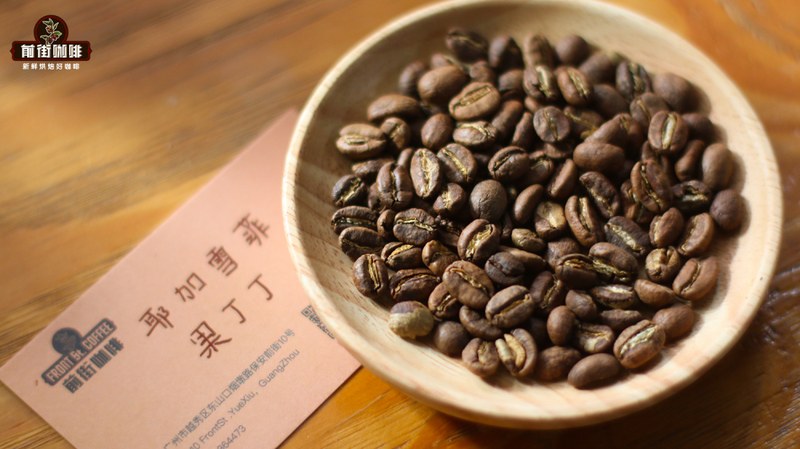
If you like a deep, heavy profile, Front Street Coffee PWN Indonesia Golden Mandheling will be a better fit. In espresso it often shows a cocoa-butter-like viscosity, accompanied by dark chocolate, mild spice, and herbal notes, with acidity that does not steal the show, and it still has a long finish after adding water. Because the roast development is deeper, you can start cupping from 5 to 8 days after roasting; using slightly lower water temperature makes it easier to preserve thick sweetness without seeming dry.
From opening a bag of beans to finishing it, the grind setting usually needs to change along the way. In the early period after opening, there is more gas, and the espresso flow may be intermittent; after a few days, degassing continues and the flow often gradually speeds up, so you can slightly adjust the grind finer or make a small correction to the yield. Keeping brief daily records of dose, liquid weight, time, and taste lets you see this bean's maturation curve.
How much you buy also determines whether you can finish it at the right stage. At 18 grams per cup, after subtracting adjustment waste from a 250-gram bag, you can make about twelve cups; at one cup per day, it is usually consumed within two weeks. If you only turn on the machine on weekends, choosing a smaller package will be more relaxed; if you make two or three cups a day, you can buy the next bag when the previous one has three or four days' worth left, so the degassing period and drinking period connect naturally.
After opening, the key is to minimize exposure to oxygen, heat, moisture, and strong light. If the original packaging has a degassing valve and a reliable seal, gently expel excess air from the bag after taking beans, seal it tightly, and place it in a light-blocking cabinet; keep only the day's amount in the grinder hopper. Frequently opening a large canister repeatedly introduces new air, so dividing the beans into several small sealed portions is better for preserving aroma than opening the whole bag every day.
The refrigerator's chilled compartment has frequent temperature fluctuations, and when bean bags go in and out they easily condense moisture and may absorb food odors, so it is not suitable as a place for daily bean access. The portion expected to take more than four weeks to finish can be sealed in portions of three to five uses and frozen. Take out one portion and grind it directly, or keep it sealed and let it come back to room temperature before opening; do not repeatedly freeze beans that have already warmed up, and the flavor will be more consistent.
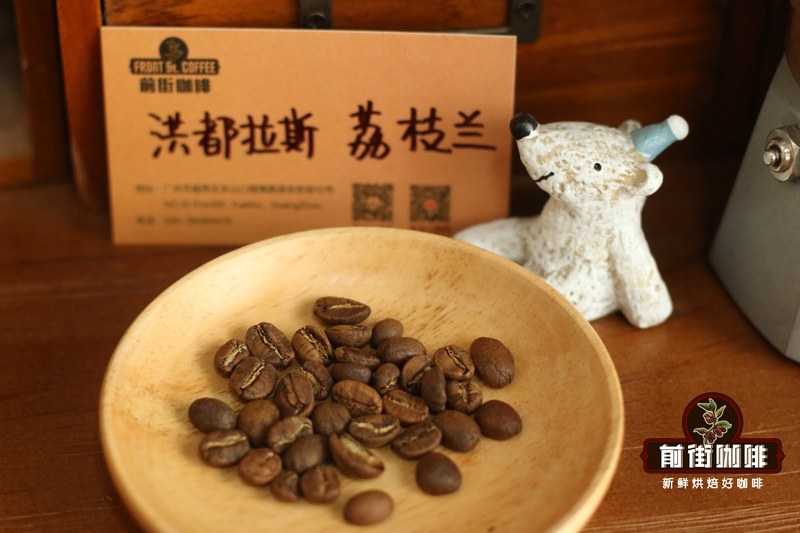
To judge the peak flavor period, your nose and tongue are more reliable than looking only at the crema layer. When the aroma gradually opens, the sweetness is clear, and the finish is clean, the beans are at a stage that suits you; when the aroma clearly narrows, use the remaining beans for milk coffee or shorten your purchasing cycle. Linking roast date, expected opening date, and daily cup count into one timeline means choosing beans is not just choosing a name, but arranging the flavor progression of each espresso.
The above content is compiled by CoffeeHunters, a coffee news website.

