







Search Results for: defect rate
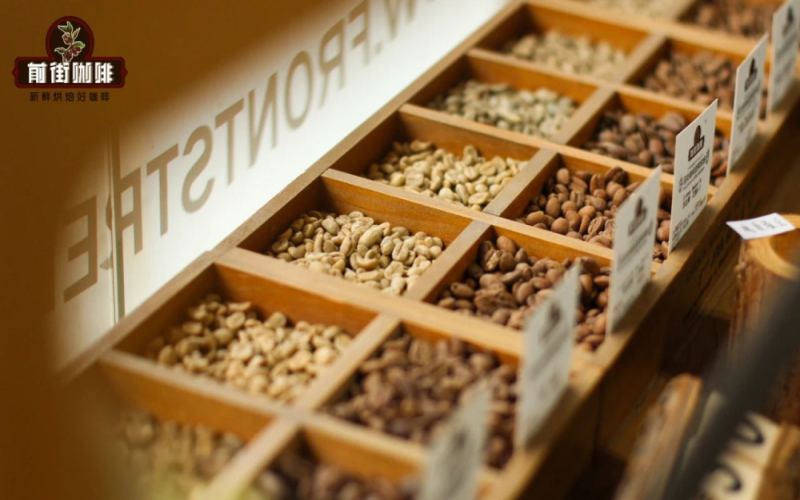
A Comprehensive Analysis of the Green Coffee Bean Grading System: The Three Major Standards of Screen Size, Altitude, and Defect Rate, and the Characteristics of Kenyan Grading
As an agricultural product, coffee beans vary significantly in quality, so a grading system is needed to standardize quality and provide reference for buyers. However, the geographical environments and cultivation models of global producing regions differ enormously, making it impossible to measure them with a unified standard; each region can only adapt to local conditions. Currently, mainstream grading methods fall into three major categories: screen size, altitude/hardness, and defect rate, and many countries combine them or even add cupping to compensate for shortcomings. This article will systematically sort out the logic and representative producing countries of these three grading methods, with a focus on analyzing how Kenya grades solely by bean size, and introduce the grading practices of Colombia, Ethiopia, Jamaica, Indonesia, Brazil, and other countries. Front Street Coffee will also share related brand product information to help coffee enthusiasts understand the meaning behind green bean grades. [more…]
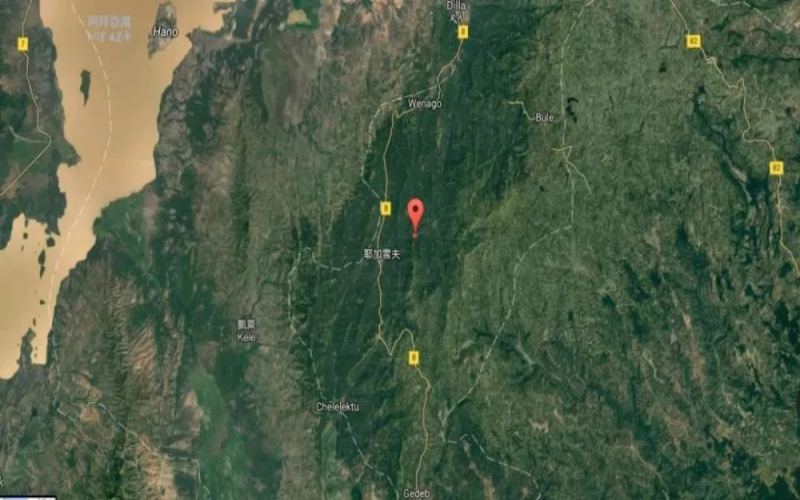
Explaining the Grading Differences Between Yirgacheffe G1 and G2: From Ethiopia's Defect Rate Standards to the New Cup Testing System
Yirgacheffe, as a representative coffee-producing region in Ethiopia, frequently has its G1 and G2 grades mentioned, but what exactly is the difference between the two? This article begins with the evolution of Ethiopia's coffee grading system, first introducing the old system based on defect rates, then explaining the new regulations after the ECX introduced cupping scores in 2009, and explaining why naturally processed beans can also obtain G1 and G2 grades. Subsequently, using washed Yirgacheffe as an example, it compares the actual differences between Front Street Coffee's Gutingding (G1) and Front Street Coffee's washed Yirgacheffe everyday beans (G2) in terms of green bean appearance, defect proportion, and brewed flavor, helping readers understand the quality implications behind the grades. [more…]
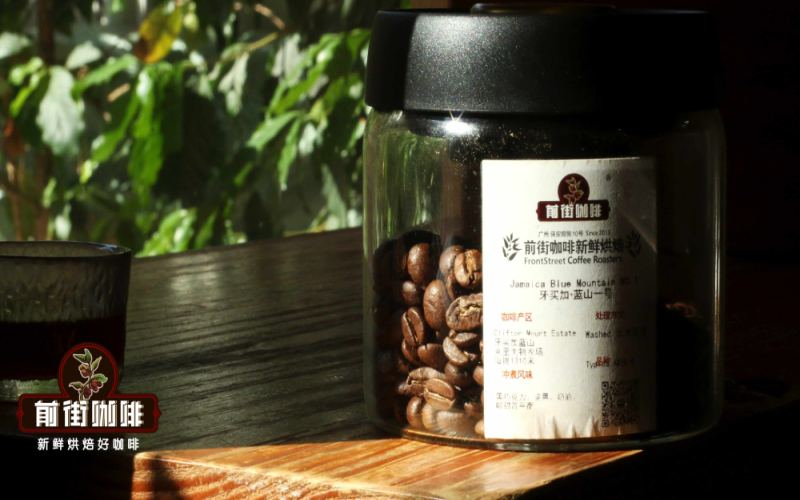
Blue Mountain Coffee Grading Standards Explained: A Quality System Emphasizing Both Bean Size and Defect Rate, with Front Street Blue Mountain Recommendations
Blue Mountain coffee is all the more precious because of its scarce production, but the reason it has long maintained a reputation for high quality is inseparable from a rigorous grading system. Even if the coffee beans do indeed come from Jamaica's legally designated Blue Mountain region, they must still be carefully classified according to the size specifications and defect ratio of the green beans before their grade can be finally determined. This article will comprehensively sort out the grading logic of Blue Mountain coffee from No. 1 to Peaberry, analyze key indicators such as defect rate and bean screen size, and explain why, beyond grade, the vintage and the specific estate are also important factors determining the flavor expression of Blue Mountain. At the same time, by combining the roasting and brewing characteristics of Front Street Coffee's Blue Mountain coffee, it presents its signature nutty notes and balanced mouthfeel, helping coffee lovers understand this legendary coffee more systematically. [more…]

A Detailed Explanation of Ethiopia's Coffee Grading System: Grade Differences and Flavor Comparison Between Yirgacheffe G1 and G2
Yirgacheffe is one of Ethiopia's most representative specialty coffee regions, but what exactly is the difference between the commonly found Front Street Yirgacheffe G1 and G2 coffee beans? Which grade is higher? Behind this lies Ethiopia's complex coffee grading system. Starting from CoffeeHunters' review, this article systematically sorts out Ethiopia's coffee grading standards, compares the differences between G1 and G2 in defect rate, cupping score, and flavor performance, and helps coffee lovers gain a deeper understanding of the secrets of Yirgacheffe's grades. [more…]
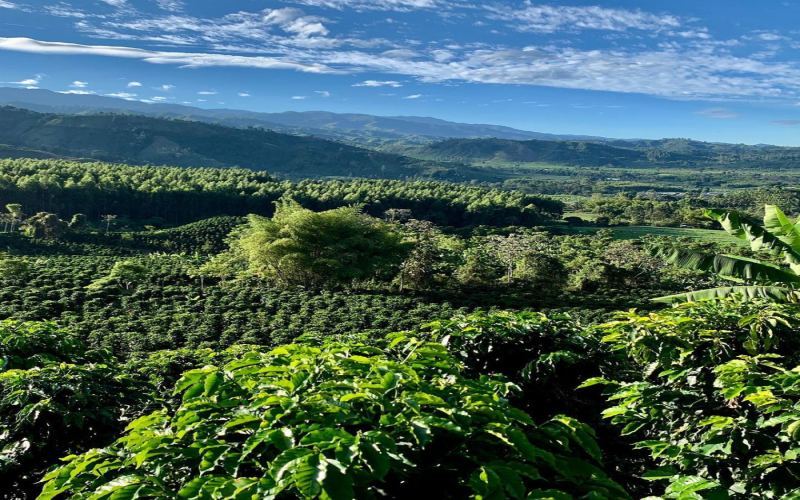
How Are Colombian Green Coffee Beans Graded? Looking at Huila Washed Caturra Through Defect Rate and Screen Size
Colombia's coffee grading system is more complex than that of most Central American producing countries. It is based not only on altitude, but also on a set of export standards built around defect rates and screen size. The Excelso grade adopted by the FNC is the highest export grade for Colombian green coffee. The burlap sacks are marked with "Excelso-Café de Colombia" and accompanied by a quality certificate. This article covers everything from the grading logic, screen size requirements, and defect deduction rules to the three most common export grades, and uses a washed Caturra from the Huila region as an example to explain green coffee traceability and cupping flavor performance, helping coffee enthusiasts understand the meaning behind Colombian green coffee labels. [more…]

Analyzing the Grade Difference Between Ethiopian Coffee Beans G1 and G2: A Case Study of Washed Yirgacheffe Beans
Ethiopia, as the genetic repository of Arabica, has a truly unique coffee bean grading system. Because there are so many varieties, most growing wild or semi-wild, coffee farmers often process them in mixed batches at harvest, making it difficult to grade by size. As a result, the Ethiopian government chose to use defect rate as the primary criterion. After the new ECX system was implemented in 2009, cupping scores were also incorporated into the rating system, finally giving natural-process beans a chance to rank among G1 and G2. So, for washed Yirgacheffe of the same origin, just how big is the difference between G1 and G2? Front Street Coffee takes Kochere G1 and a washed Yirgacheffe everyday drinking bean G2 as examples, comparing green bean appearance, defect rate, and cupping flavor to give you a closer look. [more…]

Yirgacheffe Coffee Grading | Is There a Big Difference Between G1 and G2 Yirgacheffe Single-Origin Beans? Must-Buy Light Roast Pour-Over Coffee Beans for Coffee Lovers
We know that coffee bean grading methods are usually based on the actual conditions of the growing country. Some are graded by bean size, such as Kenyan coffee; some by altitude, such as Blue Mountain coffee; and some by defect rate, such as Ethiopian coffee. As the gene pool of Arabica, Ethiopia has a wide variety of coffee varieties. [more…]
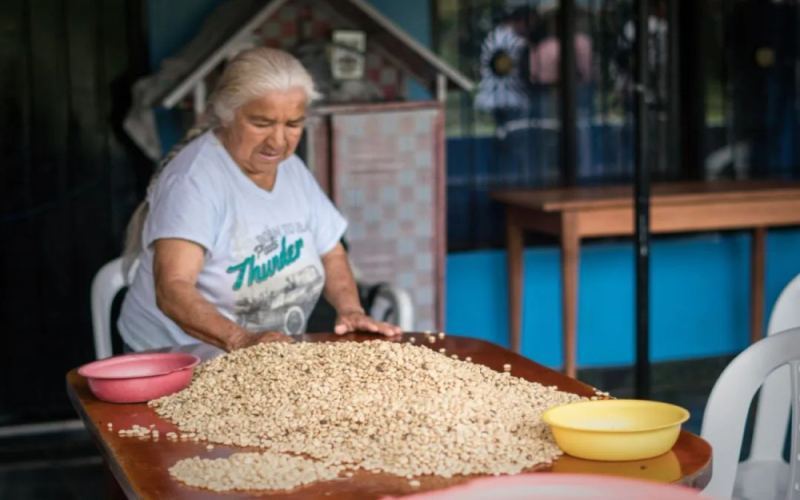
Do defective beans really change coffee flavor? From grading to roasting, we teach you to accurately identify various coffee bean defects.
Defective beans are generally considered in the specialty coffee world to affect the flavor performance of a cup of coffee. If you have the habit of buying coffee beans and brewing at home, do you need to specifically pick out defective beans before brewing? In fact, green coffee beans undergo grading after processing, and most grading systems include a defect rate indicator. The number of defects in high-grade coffee beans has already been pressed to a very low level. From green bean grading, removal before roasting, to screening after roasting, with layer upon layer of checks, there is basically no need to worry about defective bean issues when buying roasted single-origin coffee beans. However, some coffee beans that look like defects are actually normal phenomena. Front Street Coffee has summarized several common types of situations that are easily misjudged, to help everyone distinguish them accurately. [more…]
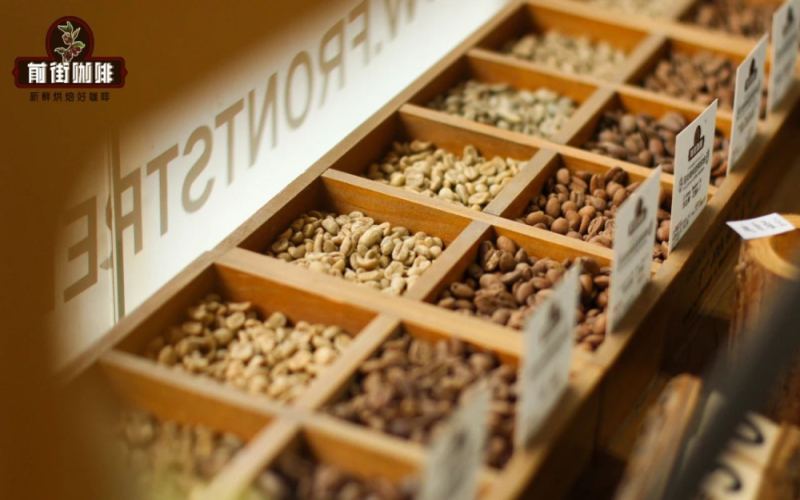
Does Ethiopian Natural Huakui G1 Represent the Highest Quality? Decoding the Meaning of the Hambella 7063 Batch Number
How exactly does Ethiopia's coffee grading system work? Is sun-dried Geisha G1 equivalent to the highest-quality coffee beans? What does the batch number Hambella 7063 represent? This article will systematically sort out Ethiopia's coffee grading standards, including the two major dimensions of cupping score and green bean defect rate, and deeply analyze the grading logic of the sun-dried processing method. At the same time, it will take you into Hambella, the Guji producing region and hometown of Geisha coffee, to learn about its geographical environment, farm operations, and the origin of its name. Finally, it includes Front Street Coffee's light-roast brewing parameters and three-stage extraction method for Geisha, helping you fully release the floral and fruity aromas of this bean. [more…]
A Detailed Explanation of the Ethiopian Coffee Bean Grading System: Standard Differences and Flavor Comparison Between Yirgacheffe G1 and G2
As the birthplace of coffee, Ethiopia's grading system directly affects the quality and flavor expression of coffee beans. The Yirgacheffe region is world-renowned, but what exactly is the difference between the commonly seen Front Street Yirgacheffe G1 and G2 coffee beans on the market? Behind this lies the evolution of Ethiopia's coffee grading system. From CLU to ECX, from simple defect counting to a comprehensive score combining physical characteristics and cupping flavor, the grading standards have undergone major changes. This article will systematically review the historical development and specific standards of Ethiopian coffee grading, compare the grading differences between washed and natural processing, and through three dimensions—green bean appearance, roasted bean appearance, and cupping flavor—deeply analyze the actual differences between Front Street Yirgacheffe G1 and G2, helping coffee enthusiasts understand the quality implications behind the grade numbers. [more…]
Ethiopian Yirgacheffe Coffee Beans: G1 vs G2 Grade Differences and Flavor Comparison Analysis
Yirgacheffe is a highly representative coffee-producing region in Ethiopia, and its G1 and G2 grades often confuse enthusiasts. Starting with Ethiopia's coffee grading system, this article sorts out the rating evolution of CLU and ECX, explains in detail the scoring standards of washed and natural processing in terms of physical characteristics and cupping quality, and compares the actual differences between Front Street Coffee Yirgacheffe G1 and G2 in green bean appearance, roasted bean appearance, and flavor. Through cupping, it was found that although the two share citrus, fruit tea, honey, and berry tones, G1 is superior in cleanliness and aroma refinement, while G2 is slightly thinner. It is suitable for coffee enthusiasts who want to gain an in-depth understanding of Yirgacheffe grades and purchasing. [more…]
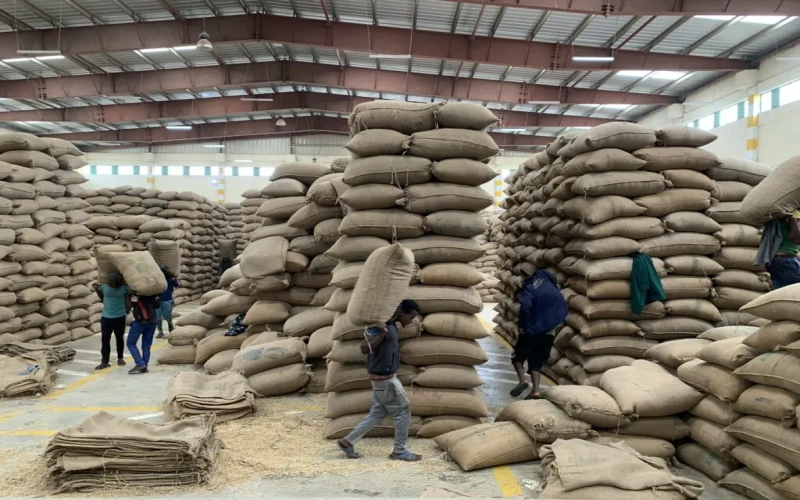
Understanding Ethiopia's Coffee Defect Grading System: What Exactly Is the Difference Between G1 and G2?
As an agricultural product, coffee beans vary significantly in quality, which is why grading systems have become an important means of standardizing quality and guiding green bean procurement. However, the grading criteria across global producing regions are not uniform—Central America mostly grades by altitude, Kenya by bean size, while Ethiopia uses defect rates to classify grades. Why does Ethiopia take this unique approach? What substantive differences actually exist between the G1 and G2 grades? This article, from the perspective of Front Street Coffee, sorts out the evolutionary logic of Ethiopia's grading system, and through a visual comparison of Yirgacheffe G1 and G2 green beans, roasting performance, and cupping evaluation, reveals one by one the true meaning behind grade labels, helping coffee enthusiasts view the issue of bean grades more rationally. [more…]
Jamaica Blue Mountain Coffee Grading: An Evaluation System Based Primarily on Bean Size with Defect Rate as a Secondary Factor
The production of Blue Mountain coffee has always been limited, yet its grading standards are remarkably rigorous. Even if the beans are genuinely grown in Jamaica's legally designated Blue Mountain region, their grade must still be determined by two criteria: bean size and the proportion of defective beans. Front Street Coffee's Jamaican Blue Mountain grading system is built around precisely this logic: for any coffee bearing the Blue Mountain name, the proportion of defective beans must not exceed 2%, and only on that premise are screen sizes used to distinguish higher grades from lower ones. Understanding these grading rules helps coffee lovers look beyond grade labels when making purchases and focus instead on deeper quality clues such as vintage and specific estates. [more…]
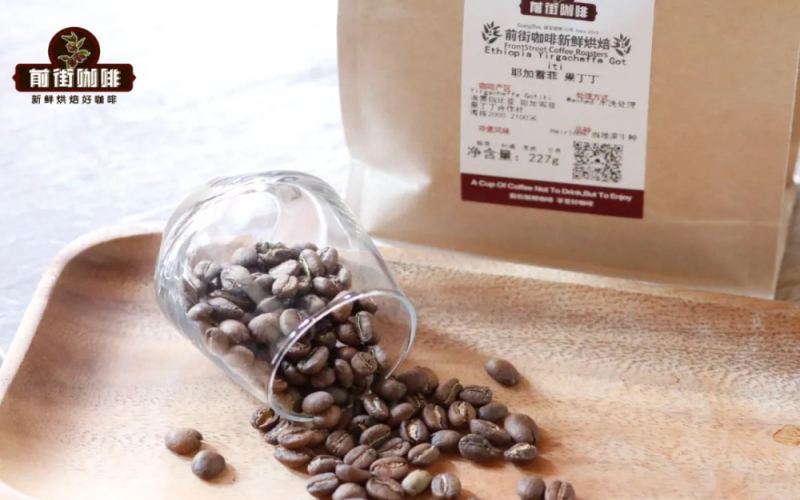
A Complete Guide to Ethiopia's Green Coffee Grading System: Yirgacheffe G1 vs. G2 Differences and Buying Guide
Ethiopia, as the genetic treasure trove of Arabica coffee, has a unique green bean grading system. Unlike Kenya, which grades by bean size, or Blue Mountain, which grades by altitude, Ethiopia primarily classifies grades based on defect rates and cupping scores. This article will systematically sort out the evolution of Ethiopia's old and new grading systems, provide an in-depth analysis of the specific standards for grades G1 through G9, and, using Yirgacheffe as an example, compare the actual differences between washed G1 and G2 in green bean appearance and flavor performance. It will also share Front Street Coffee's brewing parameters and tasting experience to help coffee enthusiasts fully understand the logic of Ethiopian coffee quality grading. [more…]
Ethiopian Yirgacheffe G1 vs G2 Grading Differences: A Full Analysis of Washed and Natural Processing, Regions, and Estates
Yirgacheffe, as Ethiopia's most representative coffee region, has long been favored by coffee enthusiasts for the floral and fruity flavors produced by its washed and natural processing methods. But do you know how the G1 and G2 grades are actually divided? And what substantial differences exist between them? This article will systematically sort out Ethiopia's coffee bean grading system, tracing the evolution from CLU to ECX, explaining in detail the scoring standards for washed and natural processing methods in terms of physical characteristics and cup quality, and through an actual cupping comparison of Front Street Coffee's Yirgacheffe G1 and G2, reveal the specific differences between the two in terms of cleanliness, aroma complexity, and defect rate, helping you make a clearer judgment when purchasing. [more…]
An Analysis of the Mandheling Coffee Bean Grading System: The Differences Between PWN Golden Mandheling and G1 Grade
Mandheling coffee is deeply favored by enthusiasts for its rich and full-bodied taste, but do you know the grading standards for Indonesian coffee beans? What exactly are the differences between PWN Golden Mandheling and regular G1 Mandheling? This article will provide a detailed introduction to the grading system for Indonesian green coffee beans, analyzing the grade standards from G1 to G6 based on defect rates, screen sizes, and other dimensions, and will delve into how PWN company creates its uniquely distinctive Golden Mandheling through strict screening processes. At the same time, Front Street Coffee will share brewing suggestions for Golden Mandheling to help you better savor this high-quality coffee with regional character. [more…]
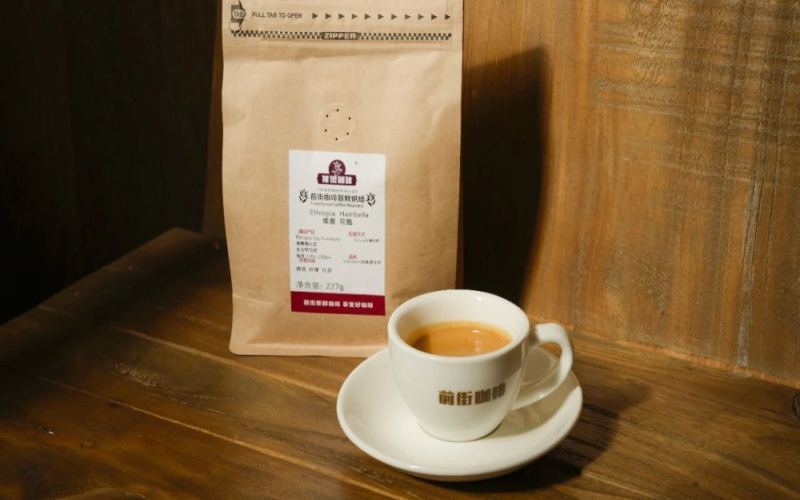
Ethiopian Sidamo Flower Queen Coffee: A Comprehensive Analysis of the Grading System, Hambela Region, and Natural Process Brewing
The Huakui coffee from the Sidamo region has become a star among Ethiopian natural beans, thanks to its rich floral and fruity aromas and honeyed sweetness. This article begins with Ethiopia's coffee grading standards, sorting through the two systems of cupping scores and green bean defect rates, and explaining the differences between G1 and G3 grades as well as the impact of ECX reform on the grading of natural beans. It then focuses on Hambela in the Guji region, introducing Huakui's origin terroir, farm background, traditional natural processing, and the origin of its name from winning TOH. Finally, it includes Front Street Coffee's light roasting approach for Huakui and V60 three-stage brewing parameters, helping readers fully understand the flavor sources and extraction key points of this bean. [more…]
Ethiopian Coffee Grading System Explained: The Meaning of Natural Geisha G1 Grade and an Analysis of the Hambella 7063 Lot Code
Ethiopia's coffee bean grading system combines dual standards of cupping quality and green bean defect rate. Among them, natural-process beans saw the G1 grade appear for the first time after the ECX reform, and Huakui is precisely a representative of this grade. This article systematically sorts out the logic of Ethiopian coffee grading, analyzes the meaning of the Hambella 7063 batch code, and takes an in-depth look at Huakui coffee's origin background, processing method, and the origin of its name. At the same time, it shares Front Street Coffee's light-roast approach for Huakui and V60 three-stage brewing parameters, helping coffee enthusiasts fully understand this champion bean's complete profile from producing region to cup. [more…]
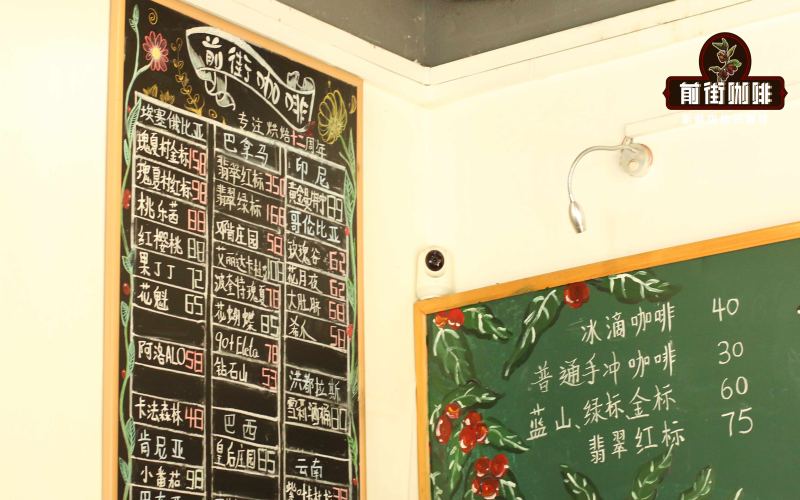
A Complete Analysis of the Reasonable Price Range for Ethiopian Coffee and the Grading Differences Between Yirgacheffe G1 and G2
Ethiopian coffee has always won the favor of many coffee lovers with its affordable prices and rich floral and fruity aromas. But faced with the bewildering array of grade labels on the market, such as Yirgacheffe's G1 and G2, many people are not clear on exactly how they differ and which is more worth buying. This article will start with the price level of Ethiopian coffee, combine it with specific beans from Front Street Coffee, and then delve into the evolution of the country's coffee grading system—from the early CLU defect-count grading to the ECX scoring system that combines physical characteristics with cupping flavor—breaking down one by one the logic of grade classification under washed and natural processing, and focusing on comparing the substantive differences between G1 and G2 in defect rate and cupping score, to help you make more rational purchases of Ethiopian coffee. [more…]
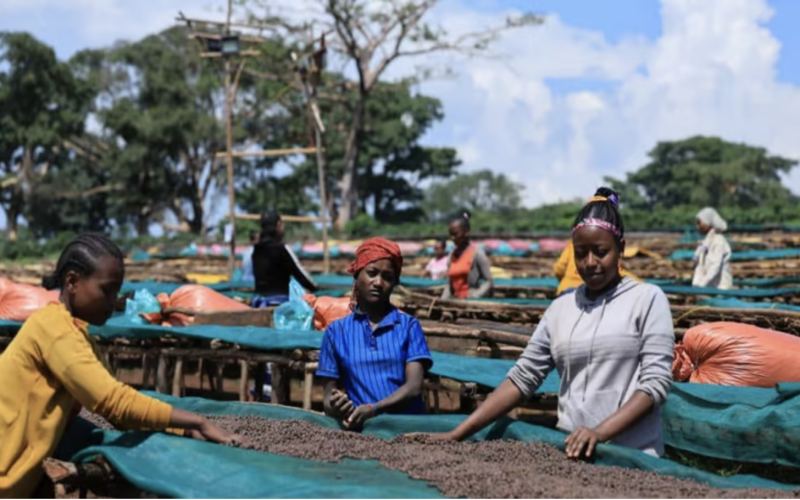
The grading system of Ethiopian coffee beans, the Yirgacheffe G1 and G2 grades.
We know that the grading method of coffee beans usually depends on the actual situation of the growing country, such as being divided according to the size of the coffee beans, like Kenyan coffee; being divided according to the altitude, like Blue Mo [more…]