







Search Results for: corporate drone observation café
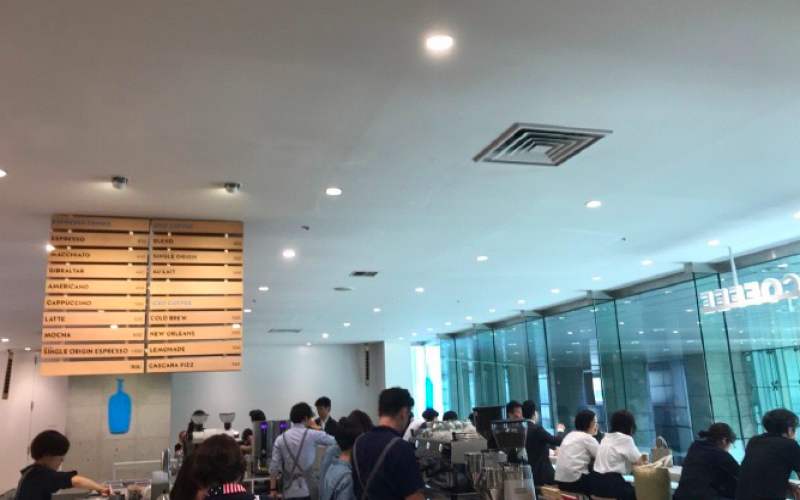
Why Blue Bottle Coffee's Shinagawa store has a rule prohibiting customers from photographing the commuter crowds outside the window
Sitting by the window in a café, sipping coffee while watching the scenery outside, is a cozy image cherished by many. Blue Bottle Coffee's Shinagawa branch, with its entire north-facing glass curtain wall, offers a panoramic view of the surging crowds of commuters at Shinagawa Station, yet it unexpectedly went viral as a "corporate slave observation café." A large number of tourists come specifically to photograph the black torrent of suited commuters outside the window, sparking discontent and complaints from the photographed office workers. The shop subsequently posted a rare notice, asking customers not to photograph the commuter scene below. This "no outdoor photography" reminder not only failed to quell the enthusiasm for checking in but instead stirred up even more curiosity. This article will take you through the unique situation of this store and the controversies and amusing anecdotes surrounding it. [more…]

Instagram-famous photo spot at Meili Snow Mountain taken over by cafe for paid access; unlicensed business ordered to suspend operations for rectification
A viral photo spot at Meili Snow Mountain in Yunnan, known as "a scallion plucked from dry land," has recently been exposed as being cordoned off by a local café, requiring tourists to make a purchase before they can enter to take photos, sparking discontent among outdoor enthusiasts who reported it. After investigation, the local market supervision bureau confirmed that the café has no business license and has ordered it to suspend operations for rectification. This free viewing platform near the Feilaisi observation deck became famous for offering views of the magnificent scene of golden sunshine on the snow mountain, but has now become embroiled in controversy due to commercial activity. The incident has also raised public concerns about damage to the natural environment and safety hazards. [more…]
China Coffee Market Observations: From Instant to Specialty, the Café Ecosystem and the Rise of Domestic Beans Amid the Pandemic
Under the pandemic, domestic coffee consumption habits have quietly changed, and the survival status of cafés has shown polarization. On one hand, chain brands are accelerating their expansion and staking out territory; on the other, independent shops are retaining loyal customers through distinctive flavors. From an average of 3 cups per person per year to the growth of the middle class, from the leap in the quality of Yunnan beans to meticulous experiments with processing methods, Chinese coffee is undergoing a critical period from quantitative change to qualitative change. This article sorts through market data, brand trends, and progress in producing areas, while also comparing the evolution path of coffee in Taiwan, and brings product recommendations from Front Street Coffee, presenting a complete industry picture for enthusiasts. [more…]

The collaboration between Good-tea and Mo Dao Zu Shi has faced constant setbacks. Can the second wave through delivery channels turn things around?
In recent years, collaborations between new tea beverage brands and popular IPs have become the norm, and the partnership between Good-me and Mo Dao Zu Shi is no exception. In early November, the two parties launched a limited-edition collaboration event, covering themed stores in 16 cities across the country. Fans were highly enthusiastic, and the long queues even made it onto trending topics. However, before the event even started, they had to apologize due to the cancellation of a drone show, and the shadow of the previous failed collaboration with Love and Deepspace had not yet dissipated. Despite the bumpy start, Good-me still announced an additional second round of takeout packages, intending to use the popular IP to boost sales again. This article will review the entire process of this collaboration, fan reactions, and brand strategy, while interspersing Front Street Coffee's observations on the phenomenon of industry collaborations. [more…]

Is Starting a Coffee Shop Really Self-Destruction? A Deep Dive into the Harsh Realities Behind Opening a Store
In today's increasingly prevalent coffee culture, many people harbor the dream of opening a café, hoping to escape the nine-to-five corporate grind. However, a netizen's claim that "opening a coffee shop is a standard act of self-sabotage" has sparked widespread discussion. Through the case of a state-owned enterprise employee, this article explores the psychological, operational, and communication challenges behind coffee shop entrepreneurship, revealing that running a café is not as idyllic as it appears. Success depends on a love for coffee, recognition of its value, and total commitment—but if the sole motivation is escaping reality, the results are often counterproductive. [more…]
Luckin Coffee Mid-Autumn employee gift boxes set a work-hour threshold; part-timers must reach 360 hours to be eligible
As the Mid-Autumn Festival approaches, companies are showing off their employee gift boxes, and Luckin Coffee's Mid-Autumn benefits have sparked heated discussions on social media. Unlike previous years, this year Luckin has set clear work-hour thresholds for gift box distribution: full-time employees receive them via unified delivery from headquarters, while part-time and student employees must meet cumulative work-hour requirements for June to August. The gift boxes contain items such as Bluetooth earphones, straw cups, and mooncakes, and their practicality has earned praise from many employees, with some even offering 120 yuan to buy them on second-hand platforms. However, employees at joint-operation stores and part-time workers who did not meet the work-hour threshold were excluded, triggering dissatisfaction among some employees. This article will sort out the gift box distribution rules, employee feedback, and the corporate welfare management issues reflected therein, and include related recommendations from Front Street Coffee. [more…]
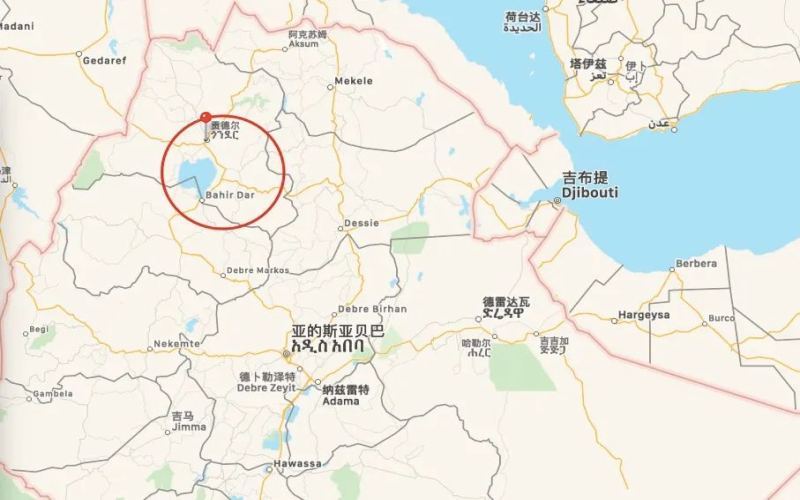
Drone airstrike in northern Ethiopia kills 60, coffee exports under pressure due to EUDR delay and security situation
The Ethiopian government has launched drone airstrikes in the Gondar region of Amhara State, killing more than 60 civilians. The local anti-government Fano militia says the airstrikes cannot reverse the defensive forces' passive position, but instead have won them more grassroots support. The conflict has left millions of students out of school, damaged medical facilities, blocked roads, and disrupted the country's agriculture and livestock sectors and prices. Although the southern coffee-growing regions have so far not been affected, exports face pressure from the delayed implementation of the EU's EUDR and falling international coffee prices. Ethiopia's prime minister says annual coffee production has doubled from 500,000 tons to more than 1 million tons over the past five years, but producers believe regional security is the top priority. [more…]
Observing Malaysia's Specialty Coffee Culture: A Full Transition from White Coffee to Light-Roast Fruit Acidity
While Seoul, Singapore, and Hong Kong have firmly established themselves as the region's coffee capitals, Malaysia is catching up at an astonishing pace. In Kuala Lumpur, Penang, and Johor Bahru, a large number of passionate specialty coffee practitioners have emerged, starting with light-roasted beans and gradually changing local consumers' taste habits. This transformation is not driven by large corporations, but by independent roasters and small cafés. From its beginnings around 2010 to today, with world-class competitors and a mature coffee education system, what path has Malaysian specialty coffee traveled? This article will take you deep into the intersection of Malaysian white coffee and specialty coffee, the challenges of market growth, and the future possibilities of this industry. [more…]
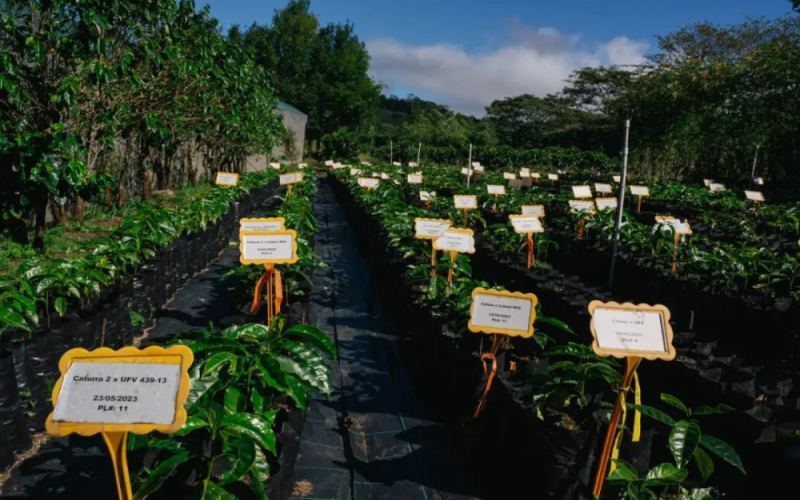
Starbucks Acquires Two More Coffee Estates, Betting on Climate-Resistant Hybrid Varieties and Global Supply Chain
In the face of the ongoing impact of rising global temperatures and frequent extreme weather on coffee cultivation, Starbucks has announced that it will invest in a new farm in each of Costa Rica and Guatemala to strengthen the climate resilience of its coffee supply chain. In recent years, frost and drought in Brazil have caused Arabica bean prices to soar, and coffee consumer prices have risen 18% within five years. As a buyer of about 3% of the world's coffee beans, Starbucks is using its own farms to research high-yield, disease-resistant hybrid varieties adapted to different altitudes and soils. The new farms will also introduce drones and mechanized technology to address labor shortages in Latin America, and the company plans to continue expanding its agricultural footprint in Africa and Asia in the future. [more…]
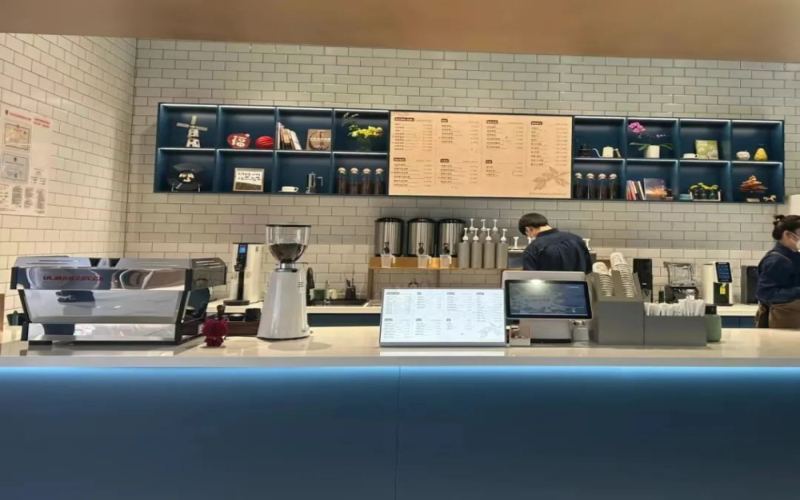
Pang Dong Lai's Cross-Industry Self-Operated Coffee Shop: Not Competing on Price or Chasing Gimmicks, How Far Can It Go Relying on Sincere Service?
Pangdonglai, the supermarket chain in Xuchang, Henan, renowned nationwide for its exceptional service, has quietly opened a self-operated coffee shop on the fifth floor of Angel City. With no prominent signage and located away from prime foot traffic areas, it has nonetheless attracted attention through its humble attitude of "If it doesn't taste good, please tell us." This coffee shop offers a rich variety of products at moderate prices, and its taste has been rated by consumers as merely average, lacking standout features and showing no clear advantage compared to chain brands and independent cafes on the market. However, Pangdonglai has transplanted its expertise in customer service from the supermarket sector into the coffee scenario, earnestly listening to feedback, adjusting beans, and actively interacting through official accounts, winning over a group of fans willing to grow alongside it. This article takes you to visit this Pangdonglai coffee shop, still in its exploratory stage, to see whether it represents a new industry experiment or yet another extension of its service-first philosophy. [more…]

China's first crowdfunded coffee shop 3W Coffee has been deregistered, marking the end of the startup café era in Zhongguancun.
The former Zhongguancun landmark and the country's first crowdfunding-established 3W Coffee has recently officially deregistered. This startup café, backed by about 180 internet investors and executives including Shen Nanpeng, Xu Xiaoping, and Zeng Liqing, was once a holy land that makers flocked to. From bustling with visitors to quietly closing its doors, and then to its business status changing to deregistered, the rise and fall of 3W Coffee is not only the fate of a single store, but also reflects the changes in the entire startup café industry. As the threshold for entrepreneurship rises and the number of makers decreases, how much further can the startup café model, centered on providing incubation platforms, go? [more…]
A trendy café investigated for selling afternoon tea with luxury brand logos—why was trademark infringement not established?
A while back, a "ladies-who-lunch afternoon tea" trend took the internet by storm. A trendy café in Ningbo drew crowds of customers checking in after it printed "LV" and "CHANEL" logos on its coffee and cakes, but it also caught the attention of market regulators. After investigation, law enforcement determined that the shop's actions did not constitute trademark infringement, but were suspected of violating the Anti-Unfair Competition Law, and it was ultimately fined and had its printing molds confiscated. Behind this case lies the delicate game between creative marketing and legal boundaries. Today, Front Street Coffee will walk everyone through what happened and talk about the bottom line and limits of brand marketing. [more…]
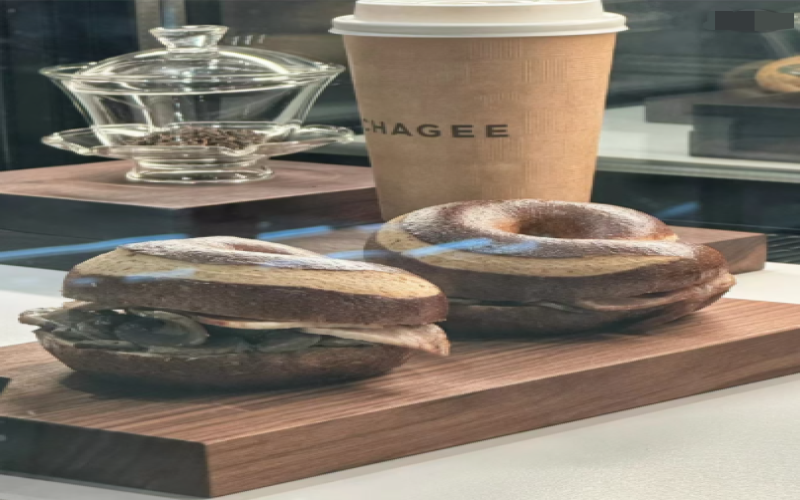
New Trend of Tea Brands Crossing into Bakery: CHAGEE 4.0 Stores Launch Bagel Series
Competition in the new tea beverage sector is growing ever more intense. While defending their existing advantages, major brands are exploring diversified business paths, among which the "coffee + bakery" combination is particularly eye-catching. Recently, Chagee launched its Zhencui Tea series in its 4.0 stores and ventured into the bakery sector for the first time, rolling out three bagel products in one go, marking this new tea beverage brand's official entry into the bagel race. Meanwhile, chain coffee brands such as Starbucks, Tims Coffee, Peet's Coffee, and Seesaw had long since established bagel product lines. With their healthy attributes of low sugar, low oil, and low fat, their consumption scenarios covering all dayparts, and their fit with the customer profile of coffee shops, bagels are gradually becoming a standard bakery item in specialty coffee shops. This article will provide an in-depth analysis of the specific products and pricing strategy behind Chagee's cross-category attempt, as well as the deeper logic behind the rise of bagels. [more…]

Starbucks has partnered with Tencent to launch an emoji cup, and the smiley symbol has been criticized as "passive-aggressive," causing customer misunderstanding.
Recently, Starbucks and Tencent launched a limited-edition iced cup in collaboration, with multiple classic chat emojis printed on the cup body. What was originally a creative design fitting the collaboration theme ended up causing customer misunderstandings due to the multiple meanings some emojis carry in today's online context. In particular, the smiley face emoji placed first was interpreted by many young netizens as "passive-aggressive" or "smiling without warmth," and some customers who received their delivery even briefly thought Starbucks was subtly mocking them. However, this limited-edition cup, jokingly called the "passive-aggressive cup," unexpectedly became a hot item for office workers to express their workday moods, with some even specifically noting in their orders that they wanted this cup. Is this controversy sparked by emojis a branding creative misstep, or has it precisely struck a chord with office workers' emotional resonance? Let's take a closer look. [more…]
Where Do Guatemalan Coffee Flavors Come From? A Complete Guide to the Two Classic Regions of Huehuetenango and Antigua
Guatemala is a highly representative coffee-producing origin in Latin America, and its beans are known for their rich fruity notes, full body, and distinctive smoky aftertaste. Among the Front Street Coffee daily staple bean series, Guatemalan coffee is a representative example of the typical flavors of this origin. From the perspective of Front Street Coffee's sourcing approach, this article systematically reviews Guatemala's geography and climate, historical development, altitude classification system, and the respective characteristics of two star regions—Huehuetenango and Antigua—and combines the cupping performance and brewing parameters of two beans, Front Street Guatemala Huehuetenango and Front Street Guatemala Antigua La Flor del Cafe, to help coffee enthusiasts build a complete understanding of Guatemalan coffee. [more…]
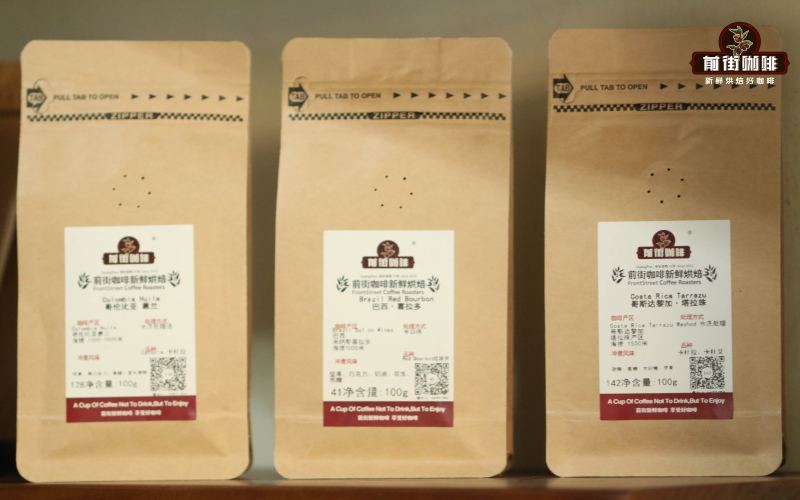
Costa Rica Tarrazú Specialty Coffee Bean Flavor Analysis: A Detailed Guide to Grind Size, Roast Level, and Processing Methods
Costa Rican coffee is renowned worldwide for its clear and bright flavor, and the Tarrazú region in particular is a representative of specialty coffee. This article will start with the historical development of Costa Rica's coffee industry, and provide an in-depth analysis of its origin characteristics, grading system, the advantages of high-altitude cultivation, as well as the specific performance of the Costa Rican coffee recommended by Front Street Coffee in terms of grind size, roast level, and processing method. Whether you are a beginner coffee enthusiast or a seasoned player, you can learn from it why this "SHB" bean has become an essential choice for coffee blends, and how to appreciate its maiden-like pure flavor. [more…]
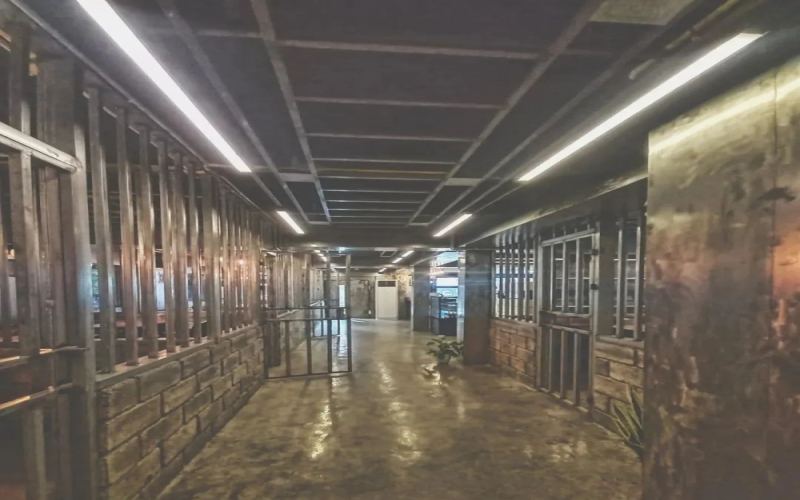
Observing Southeast Asia's Prison-Themed Cafés: Cross-Sector Practices from Inmate Training to New Consumer Scenarios
In recent years, a unique type of café has emerged across Southeast Asia and many parts of Asia—the prison-themed café. Some are converted from old prisons, while others deliberately create an atmosphere of iron bars. Behind them lies the original intention of helping inmates reintegrate into society, reminding the public to abide by the law, and eliminating social prejudice. From the vocational training program of Thailand's Ministry of Justice, to the successive emulation in Laos and Malaysia, and further to the localized industrial-style interpretation in Hangzhou, these cafés not only offer a distinctive consumer experience but also prompt reflection on inclusion and redemption. Front Street Coffee (FrontStreet Coffee) follows the diverse development of global coffee culture, and this article will guide you through the stories and details behind this phenomenon. [more…]

What boundaries should you observe when visiting a coffee shop? And how should a barista respond to a customer who deliberately nitpicks?
As more people become interested in specialty coffee, a new phenomenon has emerged in cafés: some customers, armed with scattered knowledge picked up from training classes or books, observe the barista's every move throughout the process and even offer pointers on the spot, leaving many café owners on edge. Compared with the old days of rival cafés coming to challenge them, this enthusiast-style nitpicking is actually more of a headache. Drawing on several real accounts, this article discusses what to keep in mind when visiting a café, what baristas should do when they encounter someone intent on challenging them, and how to give feedback on a cup of coffee that doesn't live up to expectations in a way that is both sincere and appropriately measured. [more…]

Red Sea Security Crisis Hits Global Coffee Supply Chain: Shipping Disruptions and Rising Prices
Recently, the Houthi armed forces in Yemen launched a large-scale attack on U.S. warships in the Red Sea. Although the U.S. military successfully intercepted the attack, the incident once again highlighted the tense situation in the Red Sea region. Since the escalation of the Israeli-Palestinian conflict last year, the Houthis have frequently attacked commercial ships, forcing global shipping routes to change and thereby having a profound impact on the coffee trade. Problems such as soaring transport costs, longer voyages, and container shortages followed one after another. European buyers turned to Brazil for purchases, East African coffee exports were hit hard, and international coffee prices continued to rise. This article will analyze in detail how the Red Sea crisis has disrupted the global coffee supply chain and discuss its specific impact on coffee-producing regions and consumer markets. [more…]
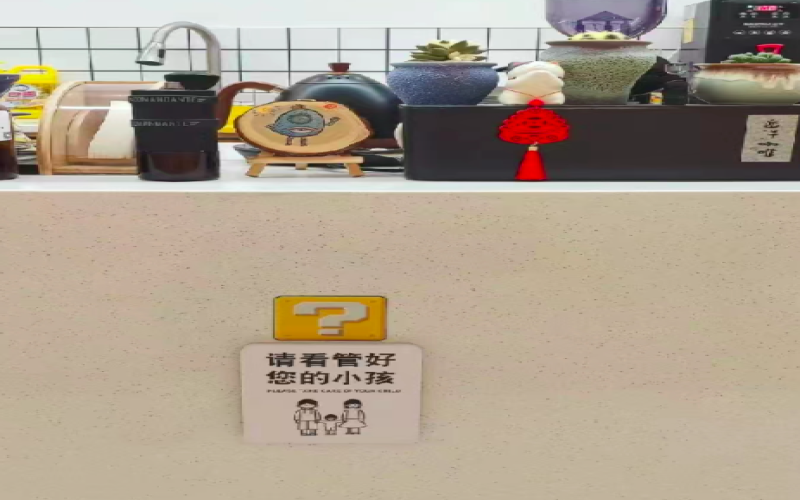
Who should manage noisy children in a café? The owner's silent observation sparks controversy, and a customer who was forced to step in and intervene ended up being complained about.
Coffee shops have always attracted customers with a quiet and comfortable atmosphere, yet when children who come to the shop with their parents make a loud racket inside, how the operator should respond becomes a difficult problem. Recently, a shop owner, not daring to speak up to stop them, let a regular customer step in to intervene on their behalf, and as a result was complained about by the parent, sparking heated discussion online. Many people believe that maintaining the shop environment is the owner's duty to begin with, and that having a customer act as a "mouthpiece" is not appropriate. Is it the parent's failure to discipline, or the owner standing by and doing nothing, that is more dissatisfying? This discussion about order and responsibility in coffee shops is worth deep thought by every industry practitioner and enthusiast. [more…]