







Search Results for: consumer tolerance

Luckin Fair Isle Latte's alertness effect sparks debate: the combination of caffeine and tea polyphenols divides consumer reactions.
Luckin Coffee's recently launched Fair Isle Latte has quickly become a new favorite among some office workers and tea-coffee enthusiasts, thanks to its flavor reminiscent of Assam milk tea and its powerful energizing effect. However, a large number of "warning" posts have emerged on social media, with many consumers reporting that they couldn't sleep all night after drinking it, and even experiencing symptoms such as hand tremors, dizziness, and heart palpitations, with some seeking medical attention late at night. At the same time, netizens who were after an energizing effect tried it and said it had no effect at all, leaving them still sleepy. This starkly contrasting feedback has plunged this new drink, which blends espresso with Ceylon black tea, into controversy. This article will sort through the various viewpoints, explore the effects of differences in caffeine tolerance, and offer professional advice from Front Street Coffee. [more…]
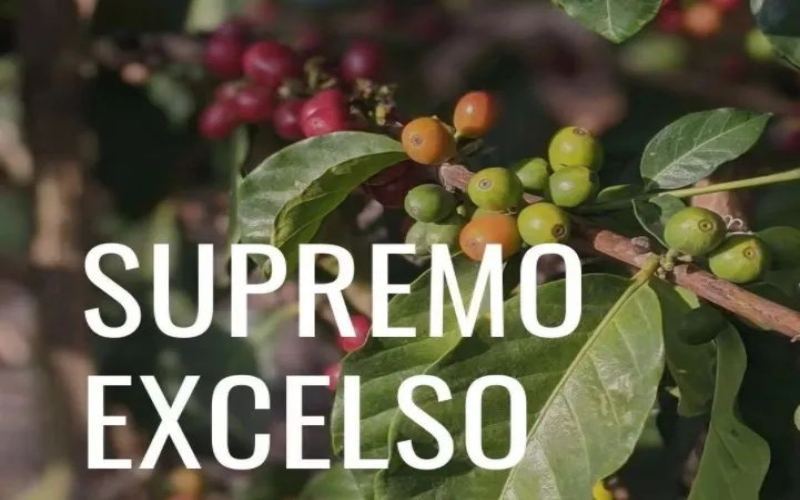
How Are Colombian Green Coffee Beans Graded? A Detailed Explanation of Supremo and Excelso Screen Size Standards and Defect Tolerances
Colombia is a major producer of global Arabica coffee, and its green bean exports follow a grading system centered on defect rates and bean size. What exactly do the Supremo and Excelso labels commonly seen on the market represent? Starting from FNC's export standards, this article sorts out Excelso's mandatory requirements, the logic behind screen-size grading, and the specific tolerance rates for the three commonly used grades UGQ, EP, and Supremo, while also explaining the defect scoring rules behind the number string "12*60," helping coffee enthusiasts decipher the grading code in the names of Colombian green coffee beans. [more…]
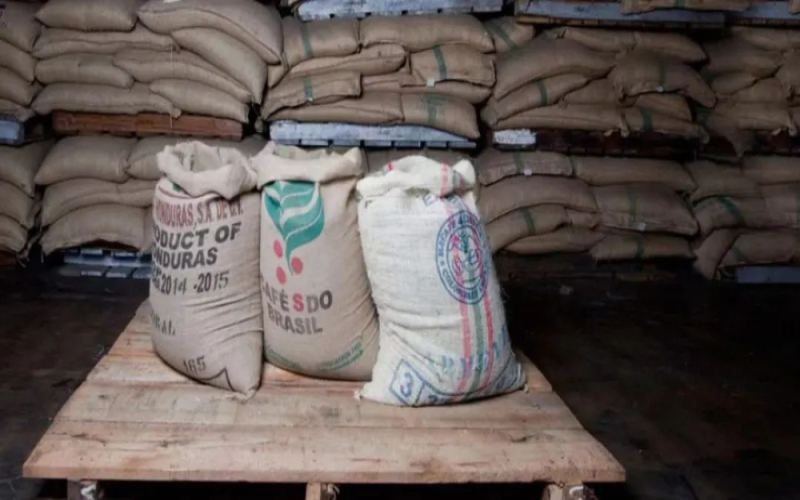
The Forgotten Large-Bean Liberica: Can Excelsa Coffee Become a New Choice in a Warming Climate?
Today, when Arabica and Robusta absolutely dominate global coffee supply, a species once forgotten for its poor flavor—Liberica (Coffea liberica)—is re-entering researchers' view. From 2021 to 2022, climate change-induced droughts tightened coffee inventories and sent prices soaring, with Arabica prices doubling in a short period. Facing the crisis of shrinking arable ranges, academia proposed three paths: relocating production areas, adjusting cultivation methods, and developing new crops. In December 2022, Nature Plants pointed out that Liberica might regain attention in an era of supply chain disruptions. One of its natural varieties, Excelsa, combines disease resistance, drought tolerance, low-temperature tolerance, and a flavor close to Arabica, and is being widely planted by coffee farmers in places such as Uganda. Front Street Coffee takes you through the full picture of this potential variety. [more…]

Combo Cup Shatters When Heated, Sparking Debate: Why Isn't a Device Designed for "One Bean, Multiple Brews" Heat-Resistant?
The "one bean, multiple brews" combo format has been appearing frequently on coffee shop menus in recent years. A pairing of one americano and one latte has caught many consumers' attention. However, the hulu combo cup designed specifically for combos has been exposed for quality issues — some netizens reported that the glass cup suddenly shattered while they were warming it, and customer service explained it was caused by excessive temperature difference. The merchant's product description did not indicate any usage restrictions or temperature tolerance range, which led many coffee enthusiasts to question: is a cup that can't even hold hot water really suitable for making coffee? This article will walk you through the origins of the combo, the original design intent behind the equipment, and this debate over aesthetics versus practicality. [more…]
National Consumers League Sues Starbucks: C.A.F.E. Certification and '100% Ethically Sourced' Promise Called into Question
Recently, the National Consumers League (NCL) filed a lawsuit against Starbucks in the Superior Court of the District of Columbia, accusing its "100% ethically sourced" marketing of deceiving consumers. NCL pointed out that Starbucks emphasizes ethical sourcing commitments in its marketing, yet fails to effectively address labor abuses such as child labor and forced labor in its coffee supply chain. Since 2015, Starbucks has claimed that 99% of its coffee is ethically sourced. Although its C.A.F.E. Practices program includes multiple indicators, investigative journalists in Brazil and elsewhere have still found violations at certified farms. Starbucks responded that it will vigorously defend itself and stressed that it works with farms to ensure compliance with standards. [more…]

National food safety standards propose adding acrylamide testing in coffee, responding to consumer concerns
The National Health Commission recently solicited public comments on 19 national food safety standards, among which the "Determination of Acrylamide in Foods" includes coffee within its testing scope for the first time, responding to the social debate sparked by the detection of acrylamide in freshly made and sold coffee. At the end of 2023, a report by the Fujian Provincial Consumer Council brought acrylamide in coffee into the spotlight; experts pointed out that this substance is a byproduct of high-temperature processing rather than an artificial additive, and that its content in coffee is extremely low, so there is no need for excessive concern about daily consumption. This revision of the national standard aims to improve the testing system, drive process improvements in the industry, and safeguard consumer rights. [more…]

Heytea's Litsea and Yunnan Papaya New Drink Taste Controversy: So Sour Your Face Twists, or So Sweet It Lacks Fruit Flavor?
Heytea recently launched a seasonal limited-edition drink, Litsea cubeba Yunnan papaya, combining western Yunnan sour papaya, Xishuangbanna litsea cubeba, Lingnan fresh carambola, and litsea cubeba pea jelly. Officially, it is positioned as having a distinctive sweet-and-sour taste. However, after the new product hit the market, evaluations on social media quickly split into two extremes: some were put off by the piercing sourness, some chose "less less less sweet" yet tasted only sweetness, and the sugar-free version was criticized for being overall too sweet with the fruit aroma not standing out. Why can the same cup of drink deliver such wildly different impressions as "sugar-free salted lemon Seven Up," "flat salt soda," and "hot and sour noodles"? This article sorts through feedback from all sides and explores how fresh fruit batches and individual differences in sourness tolerance affect the final flavor of this limited edition. [more…]
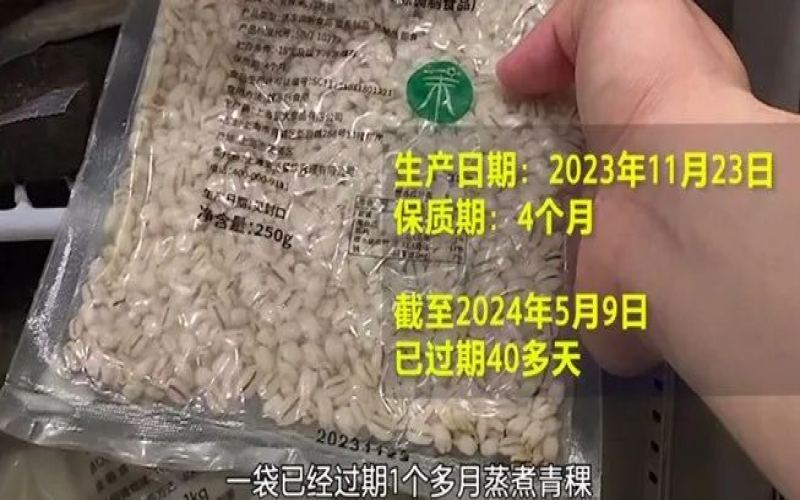
More Yogurt Exposed for Illegal Use of Expired Ingredients, Brand Issues Urgent Apology and Permanently Terminates Involvement with the Store
The freshly made yogurt sector has been hit by yet another food safety scandal. An undercover reporter from The Beijing News worked inside several More Yogurt franchise stores in Beijing and found that oat and highland barley toppings more than forty days past their expiration date were still being used as usual, expiry labels existed in name only, and decisions to scrap fruit relied entirely on staff members' sense of smell. More worrying still, these violations were not isolated cases, but an unspoken rule tolerated by store managers in order to cut costs and boost their personal income. The brand issued an urgent apology a few hours later, announcing that the stores involved would be permanently terminated. This is already the second time this year that More Yogurt has been thrust into the spotlight; previously, the Shanghai Consumer Council questioned the labeling of its product ingredients. This article provides a complete rundown of the undercover details, the brand's response, and the latest status of its stores. [more…]
An In-Depth Look at the Two Mainstream Coffee Bean Varieties: Characteristics of Arabica and Robusta, Common Arabica Sub-Varieties, and Hybrid Breeding
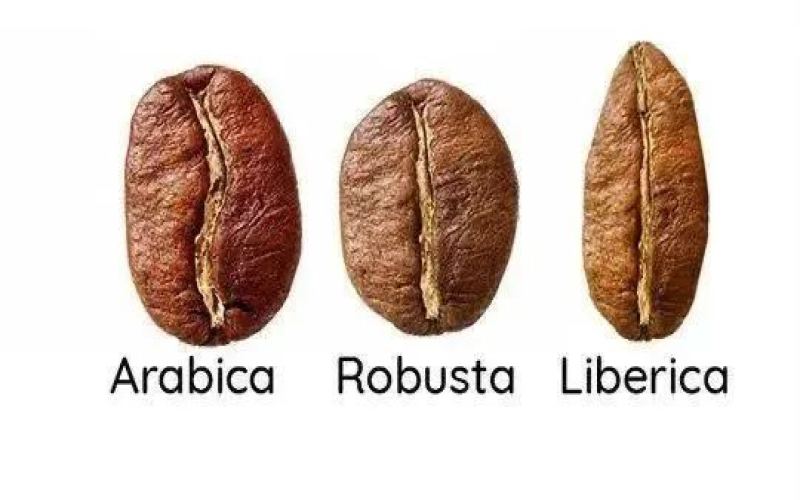
In the global coffee-growing landscape, origins such as Brazil, Colombia, and Indonesia each have their own renown, while botanically coffee belongs to the Rubiaceae family under the genus Coffea, with over a hundred known species, though commercial cultivation is mainly concentrated in three varieties: Arabica, Robusta, and Liberica. Arabica is known for its elegant flavors and rich aromas, accounting for more than seventy percent of global production, and is often used for single-origin and specialty coffee; Robusta, on the other hand, is heat-tolerant, high-yielding, and highly stress-resistant, and is mostly used for instant coffee and espresso blends. This article systematically reviews the advantages and disadvantages of these two major varieties, the origins and flavor characteristics of common Arabica sub-varieties such as Typica, Bourbon, Catimor, and Maragogype, and introduces the Castillo variety bred from a cross between Arabica and Robusta, while also sharing related product experiences from Front Street Coffee in stores and during cupping. [more…]
What roast level should you choose for Americano and Latte? Dark roast flavor characteristics and Front Street Coffee espresso bean recommendations
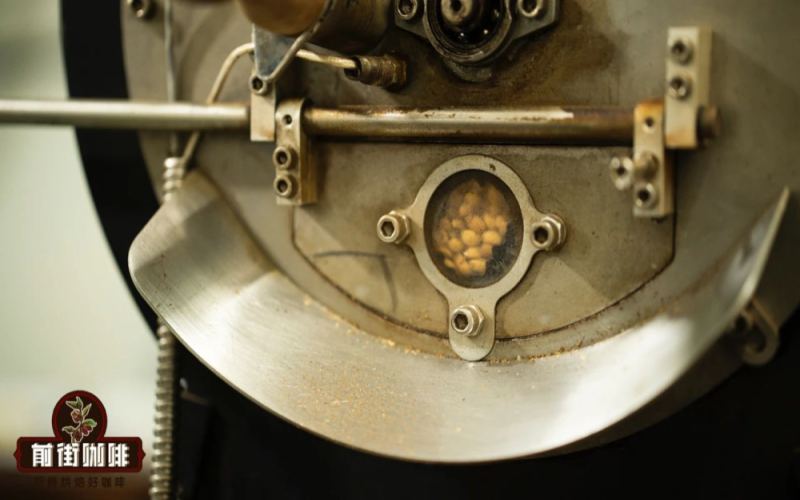
Among the stages a coffee factory can control, roasting is the core step that determines the final flavor. The variety and quality of green beans are already fixed at the time of import; what truly sets one apart is the level of roasting skill. For enthusiasts who want to make Americano or latte at home, choosing between a blend and a single origin, or picking a dark roast versus a light roast, is often a dilemma. Starting from how roasting affects flavor, this article will introduce the characteristics of dark-roasted coffee beans and recommend several espresso recipes with a high tolerance for error, including Front Street Dark Cocoa Basic Blend, Front Street Strawberry Candy Espresso, Front Street Classic Blend, and Front Street Brazil Queen's Farm, to help beginners easily make a delicious cup of Americano or latte. [more…]
An Analysis of the Catimor Coffee Variety's Flavor and a Detailed Guide to the Pour-Over Grind Parameters for Yunnan Small-Bean Coffee
Catimor is a variety widely planted in Asian coffee-producing regions. It is favored by growers for its advantages such as disease resistance, cold tolerance, and high yield, but its flavor performance and fineness of mouthfeel are often discussed in specialty coffee circles. This article will systematically introduce Catimor's varietal origin and flavor characteristics, sort out the cultivation evolution of Yunnan smallholder coffee from Typica to Catimor, and share Front Street Coffee's practical experience in the improvement of Yunnan coffee varieties. At the same time, it will explain in detail the hand-brew grinding setting, coffee-to-water ratio, water temperature, and three-stage pouring scheme for Yunnan coffee beans, helping coffee lovers present the plum-like acidity, brown sugar caramel sweetness, and melon-fruit aroma unique to the Yunnan producing region in a more scientific way. [more…]

Luckin store's ice machine waste ice dumped on street trees sparks debate; landscaping department responds to operational hazards
Recently, a video of Luckin Coffee store employees dumping large amounts of waste ice from cleaning the ice machine under the street trees in front of the store has sparked heated discussion on social media. On one hand, there is the practical difficulty employees face in disposing of excess ice; on the other, netizens are worried about the health of the trees. Is dumping ice a way to make full use of resources or is it harming the greenery? The landscaping department has offered a professional opinion on this, and behind the incident it also reflects a management blind spot in the waste ice disposal process at chain coffee stores. [more…]

How Is Decaf Coffee Decaffeinated? Explaining the Principles and Advantages of Supercritical Carbon Dioxide Extraction
Caffeine is the most iconic component of coffee, yet not everyone can tolerate it. It is both the primary source of bitterness and a neurostimulant that affects sleep. Thus, decaffeinated coffee was created to remove caffeine. However, the challenge of decaffeination lies in how to remove only the caffeine while preserving the aroma and flavor of coffee as much as possible. Early methods using organic solvents were effective, but left consumers concerned about residues. It was not until the advent of supercritical carbon dioxide extraction technology that a truly efficient and highly selective decaffeination process was achieved. This article will guide you through the principles of this technology, its development history, and its unique advantages in coffee decaffeination, while also introducing Front Street Coffee's attention to and practice of this process. [more…]

Why Are Coffee Shop Rules Increasing? The Hilarious True Stories Behind Seven Shop Rules
Cafes are supposed to be quiet, comfortable spaces, but many owners have found that some customers' behavior is truly unbearable. So one seemingly "unreasonable" rule after another has emerged—from banning diaper changes to prohibiting stinky tofu, each rule hides a real story. This article rounds up the bizarre experiences of cafe owners in various places, and how they use humor and gentleness to set rules that both preserve the in-store environment and retain a human touch. Amid fierce competition, how can independent cafes balance personal expression with customer relationships? This may be a question every industry professional needs to think about. [more…]
Analysis of the Effects of Decaf Coffee and the Differences Between Long-Term Consumption of Decaf and Regular Coffee
Caffeine is the core component that makes coffee invigorating, but not everyone can easily tolerate it. For people who are sensitive to caffeine yet still want to enjoy the flavor of coffee, decaf offers a compromise. This article will systematically introduce the definition and classification of decaf, including the naturally low-caffeine Pointed Bourbon variety, as well as the four mainstream artificial decaffeination processes currently available—the direct solvent method, the supercritical carbon dioxide method, the Swiss Water Process, and the mountain spring water process—and explain the principles, advantages, disadvantages, and safety of each. At the same time, it will also compare the differences between decaf and regular coffee in terms of caffeine content and long-term consumption, helping coffee enthusiasts understand this type of product more clearly. The article also includes Front Street Coffee's practical experience in decaf bean selection and cupping. [more…]
The Origins and Global Map of Robusta Coffee: An In-Depth Analysis of Its Birthplace and Major Producing Countries
In the global coffee landscape, Robusta holds its own against Arabica with roughly a forty percent market share. It originated in the Congo Basin of Africa and, thanks to advantages such as high yield, disease resistance, and drought tolerance, is widely cultivated in countries like Brazil, Vietnam, and Indonesia. Vietnam has leveraged this to leapfrog into becoming the world's second-largest coffee-producing country. This article will trace the history of Robusta's discovery, analyze its varietal characteristics, and examine the cultivation history and current status of major producing countries one by one. Whether you are a coffee enthusiast or a industry professional, you will gain a complete understanding of Robusta from this piece. Front Street Coffee will also recommend Robusta products worth paying attention to in this article. [more…]
Before Buying Huakui, Read This Pitfall Avoidance and Brewing Guide
Huakui is consistently one of the most inquired-about beans, and the three most frequently asked questions are: Is it really worth the price? What's the difference between it and Yirgacheffe? Why doesn't it taste good when I brew it? Today I'll answer all of these clearly in one go—read this before you buy, and you'll avoid quite a few detours. Question one: Is Huakui worth it? Here's the conclusion first: if you prefer fruity [more…]

"Exam-boosting miracle" pre-workout sends student to stomach pumping, caffeine overdose is the culprit
Recently, a sports supplement called "pre-workout" has been hailed as a "magic weapon for PE exams" ahead of the high school entrance physical education test, and is sought after by many parents. However, media reports have successively reported cases where students experienced rapid heartbeat, vomiting, and even needed emergency gastric lavage after drinking it. The reason is that such products generally contain high levels of caffeine, some as high as 500 milligrams, far exceeding the safe threshold. Professional fitness trainers and doctors both remind that minors blindly using such high-intensity supplements is extremely risky. If there is a need for a pick-me-up, it is better to choose a cup of coffee. [more…]
An Analysis of Starbucks Decaf Coffee Flavor Characteristics: Differences Between Decaf and Regular Coffee and Main Decaffeination Processes
Caffeine is the key source of coffee's stimulating effect and an important reason why many people drink coffee every day. However, tolerance to caffeine varies greatly from person to person. Some people experience palpitations and insomnia after consuming even a small amount, yet they cannot give up the flavor of coffee, so decaf becomes an ideal alternative. This article focuses on the taste of Starbucks decaf coffee. It first explains the definition of decaf and the naturally low-caffeine variety Laurina, then compares the EU and U.S. FDA standards for decaffeinated coffee, and subsequently reviews the principles, advantages, and disadvantages of four mainstream processes: the direct solvent method, the supercritical carbon dioxide method, the Swiss Water Process, and the mountain spring water process. Combined with the cupping performance of Front Street Coffee's Colombia Huila decaf beans, it helps coffee enthusiasts fully understand the difference between decaf coffee and regular coffee. [more…]

Is drinking coffee every day energizing or harmful? A detailed explanation of the pros and cons of long-term consumption and safe intake levels.
Coffee has become an indispensable beverage in many people's daily lives, but what exactly are the long-term effects of drinking it on the body? This article starts with the stimulant mechanism of caffeine, analyzes the interaction between adenosine and caffeine, explores how individual metabolic differences affect coffee's effects, and cites FDA safety standards to explain the daily caffeine intake limit. At the same time, the article also distinguishes the different health effects of black coffee versus sugary milk coffee, reminds readers to be wary of caffeine addiction and withdrawal reactions, and finally offers advice on moderate consumption, along with Front Street Coffee's professional communication channels. [more…]